Acetyl Dipeptide-1 Cetyl Ester
Skin-soothing peptide that reduces inflammation
About Acetyl Dipeptide-1 Cetyl Ester
Acetyl Dipeptide-1 Cetyl Ester is a lipid-modified peptide designed to calm inflammation and support skin barrier recovery. This ingredient combines a dipeptide sequence (two amino acids) with a cetyl ester group, which dramatically improves its ability to penetrate the skin's lipid layers. In K-beauty, it's valued for reducing redness, soothing irritation, and helping skin maintain a balanced, healthy appearance even under stress. With a safety rating of 4/5 and a comedogenic rating of just 1/5, it's gentle enough for most skin types and won't clog pores. You'll find it in 30 K-beauty products on Seoul Sister, often in barrier-repair creams and calming serums. Top-rated products like Real Barrier's Extreme Cream Ampoule (5.0/5) and Centellian24's Madeca Cream Power Boosting Formula Triple Set (5.0/5) showcase its effectiveness in formulas designed to fortify and soothe compromised skin. Korean brands prize this peptide for its ability to address sensitivity without heaviness, making it a go-to for anyone dealing with reactive, inflamed, or barrier-damaged skin.
How Acetyl Dipeptide-1 Cetyl Ester Works
Acetyl Dipeptide-1 Cetyl Ester works by modulating inflammatory signaling pathways in the skin. When skin is stressed (whether from environmental aggressors, harsh actives, or underlying sensitivity), immune cells release pro-inflammatory cytokines that trigger redness, swelling, and discomfort. This peptide interferes with that cascade, helping to calm the inflammatory response at a cellular level. The acetyl group on the peptide enhances its stability, while the cetyl ester tail is lipophilic, meaning it can slip through the skin's lipid barrier more easily than water-soluble peptides. Once inside, it supports the skin's natural repair mechanisms, helping to restore homeostasis. By reducing inflammation, it indirectly supports barrier function, since chronic inflammation degrades the structural proteins and lipids that keep skin resilient. Think of it as a diplomatic messenger that tells your skin to stand down from high alert, allowing repair processes to take over.
Acetyl Dipeptide-1 Cetyl Ester by Skin Type
Oily Skin
Oily skin can experience inflammation from overactive sebaceous glands, acne, or harsh treatments. Acetyl Dipeptide-1 Cetyl Ester helps calm that reactive environment without adding heavy oils or occlusives. Its low comedogenic rating (1/5) means it's unlikely to clog pores, making it a smart choice for oily types who need soothing but can't risk breakouts.
Dry Skin
Dry skin often suffers from a compromised barrier, which leads to inflammation and sensitivity. This peptide supports barrier repair by calming the inflammatory signals that prevent skin from healing properly. Products like Real Barrier's Extreme Cream Ampoule (5.0/5) pair it with rich moisturizers to lock in hydration while soothing irritation.
Combo Skin
Combination skin can be tricky, with an oily T-zone and dry cheeks that both react to inflammation in different ways. Acetyl Dipeptide-1 Cetyl Ester addresses the underlying inflammation without tipping the balance toward greasiness or dryness. Its lightweight, non-comedogenic nature makes it suitable for layering in serums and essences that work across multiple skin zones.
Sensitive Skin
This is where Acetyl Dipeptide-1 Cetyl Ester truly shines. Sensitive skin is often in a state of chronic low-grade inflammation, reacting to everything from weather changes to skincare ingredients. This peptide helps break that cycle by reducing inflammatory signaling, making skin less reactive over time. Its excellent safety profile (4/5) and presence in top-rated calming formulas like Centellian24's Madeca Cream (5.0/5) make it a reliable choice for sensitized complexions.
Normal Skin
Even normal skin can benefit from occasional inflammation control, especially after sun exposure, travel, or using stronger actives like retinoids or acids. Acetyl Dipeptide-1 Cetyl Ester acts as a buffer, helping skin stay balanced and calm. It's a preventive ingredient that keeps normal skin from tipping into reactivity.
How to Use Acetyl Dipeptide-1 Cetyl Ester
- 1Layer it under occlusive moisturizers in the evening to maximize absorption and support overnight barrier repair.
- 2Pair with centella asiatica or niacinamide for a synergistic calming effect, as these ingredients also target inflammation through complementary pathways.
- 3Use it in your morning routine on days when your skin feels reactive or after using strong actives the night before.
- 4Look for it in ampoules and essences (like Numbuzin's No. 9 NAD Bio Lifting-sil Essence, rated 4.9/5) for lightweight, targeted delivery.
- 5If you're introducing retinoids or acids, start using products with Acetyl Dipeptide-1 Cetyl Ester a week beforehand to pre-calm your skin and reduce irritation risk.
Background
Acetyl Dipeptide-1 Cetyl Ester is part of the modern wave of lipid-modified peptides developed in cosmetic science labs over the past two decades. While peptides themselves have been used in skincare since the 1990s, earlier versions struggled with poor skin penetration. Chemists solved this by attaching lipophilic groups (like cetyl ester) to peptides, creating molecules that could cross the skin barrier more effectively. This specific peptide was designed to mimic the body's natural anti-inflammatory signaling, offering a biomimetic approach to calming skin. Korean beauty brands were early adopters, integrating it into barrier-focused lines like Real Barrier and sensitive-skin specialists like Centellian24. Its rise reflects K-beauty's broader shift toward science-backed, gentle actives that work with the skin rather than against it.
K-Beauty Products with Acetyl Dipeptide-1 Cetyl Ester
View all 39 →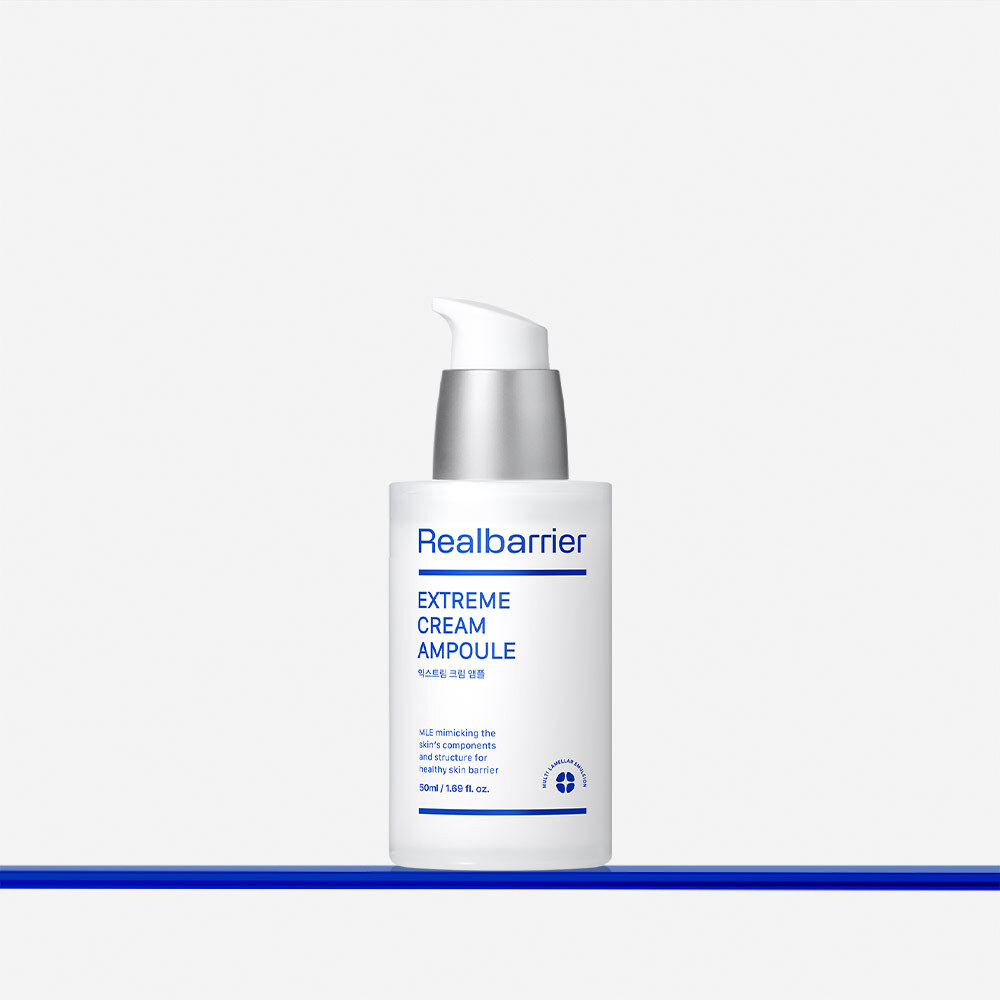
Extreme Cream Ampoule
Real Barrier
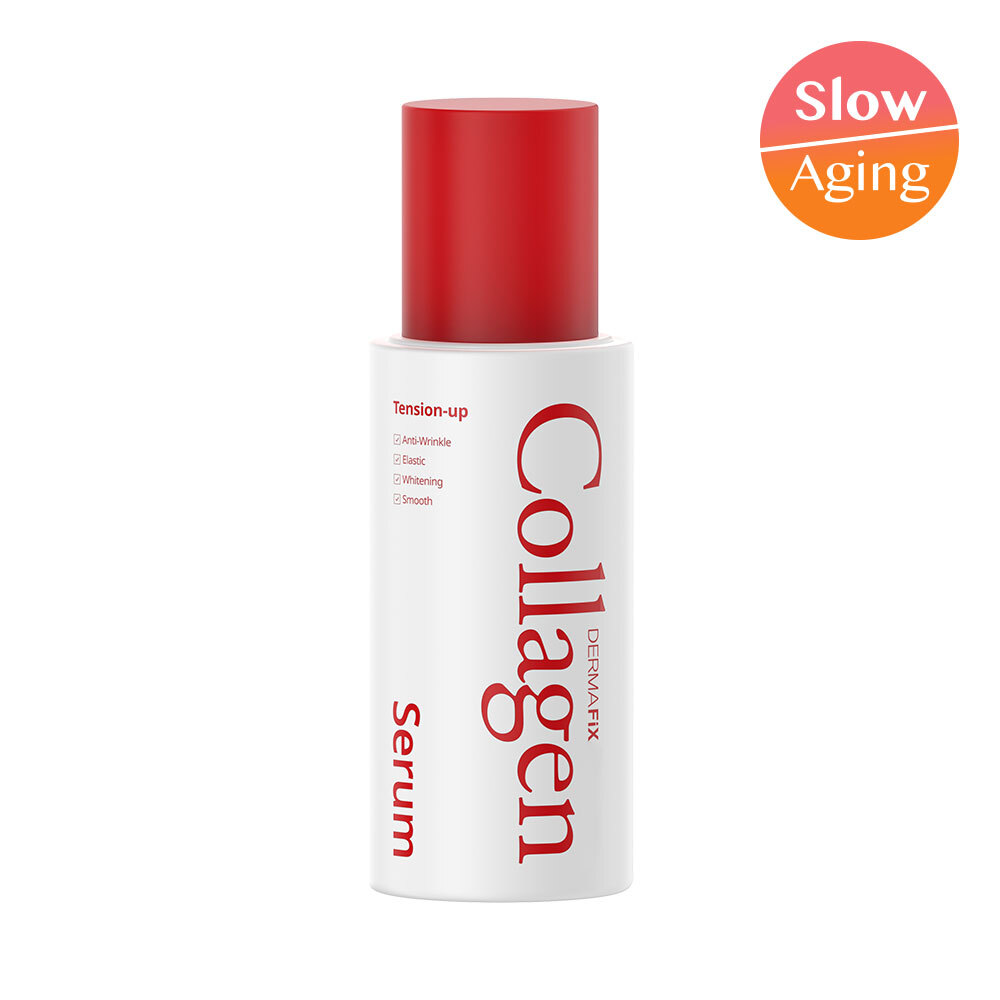
Real Collagen Tension-Up Serum
Dermafix
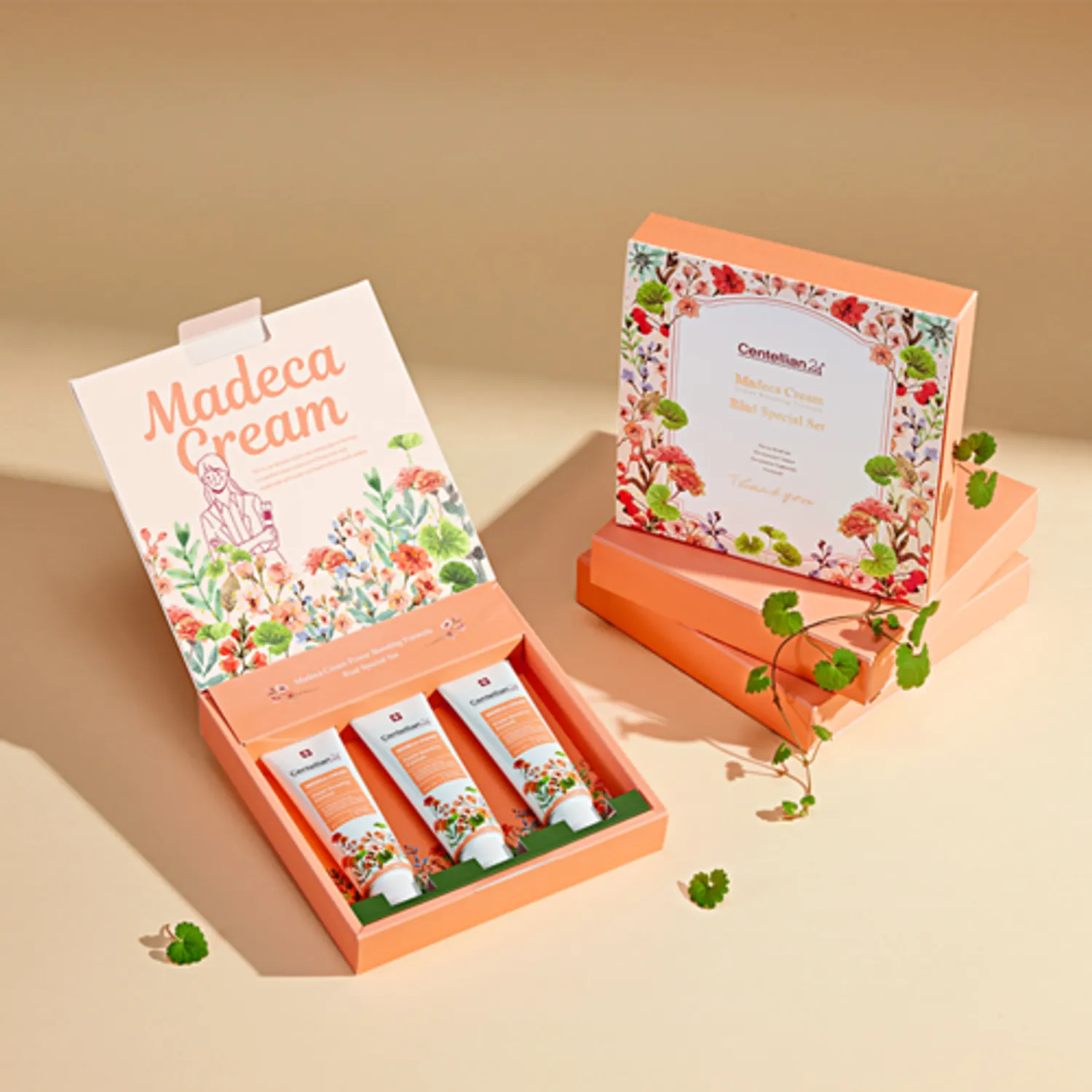
Madeca Cream Power Boosting Formula Triple Set
Centellian24

No. 9 NAD Bio Lifting-sil Essence
Numbuzin
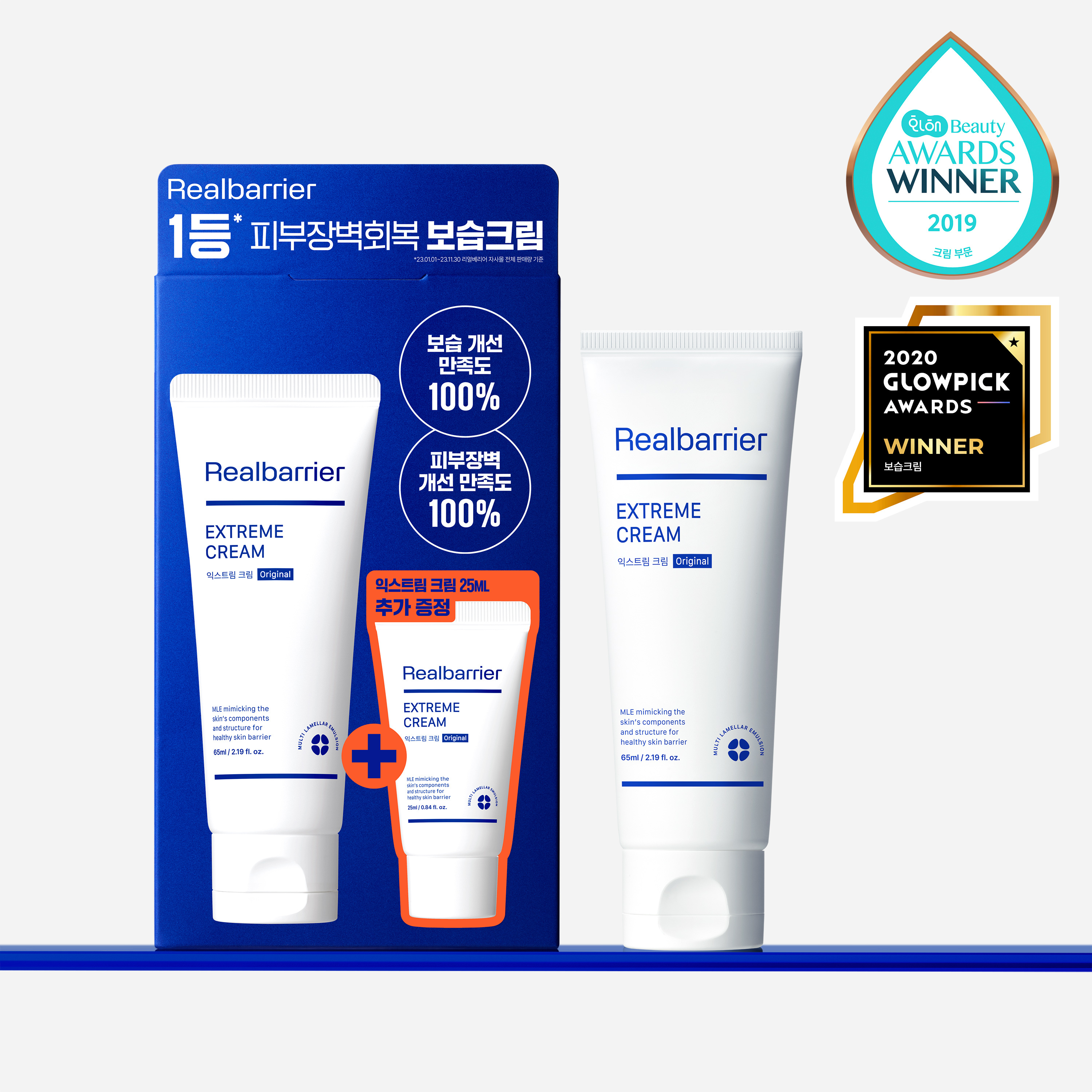
Extreme Cream Special Set
Real Barrier
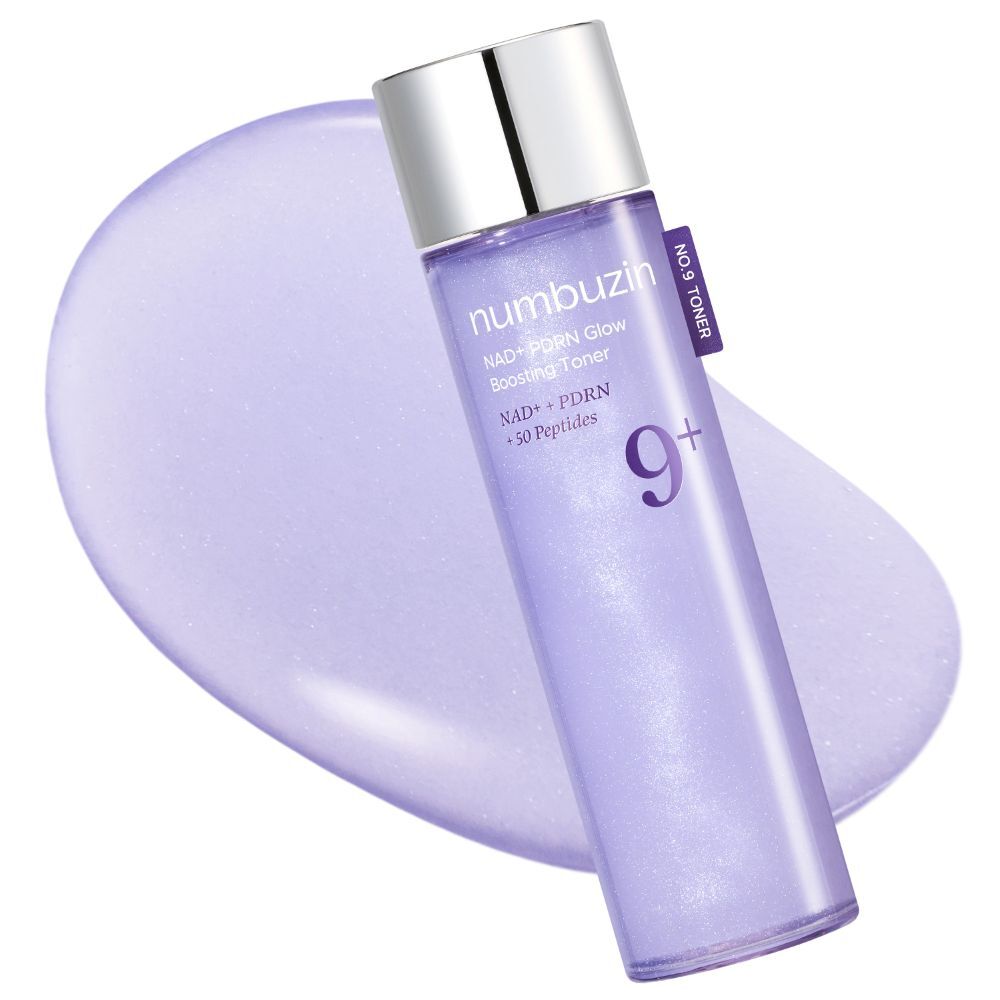
No. 9 NAD PDRN Glow Treatment Toner
Numbuzin
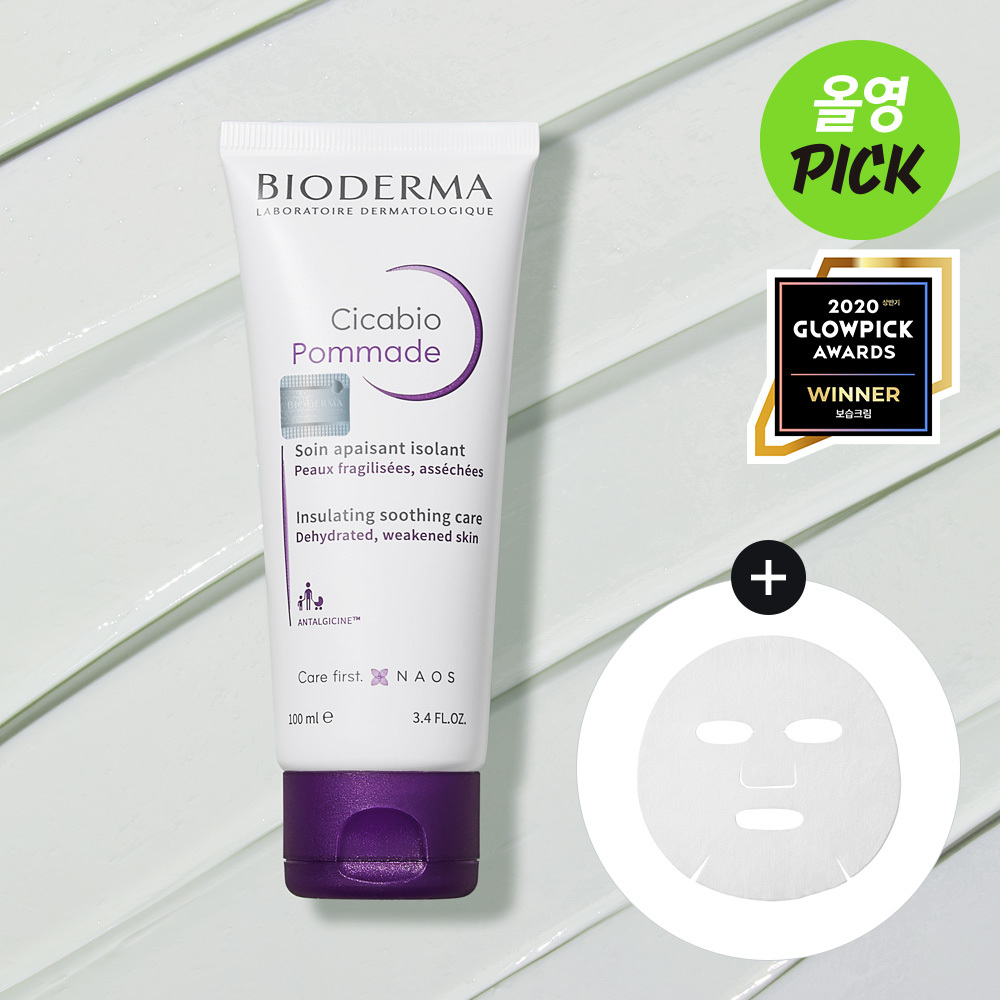
Cicabio Pommade
Bioderma
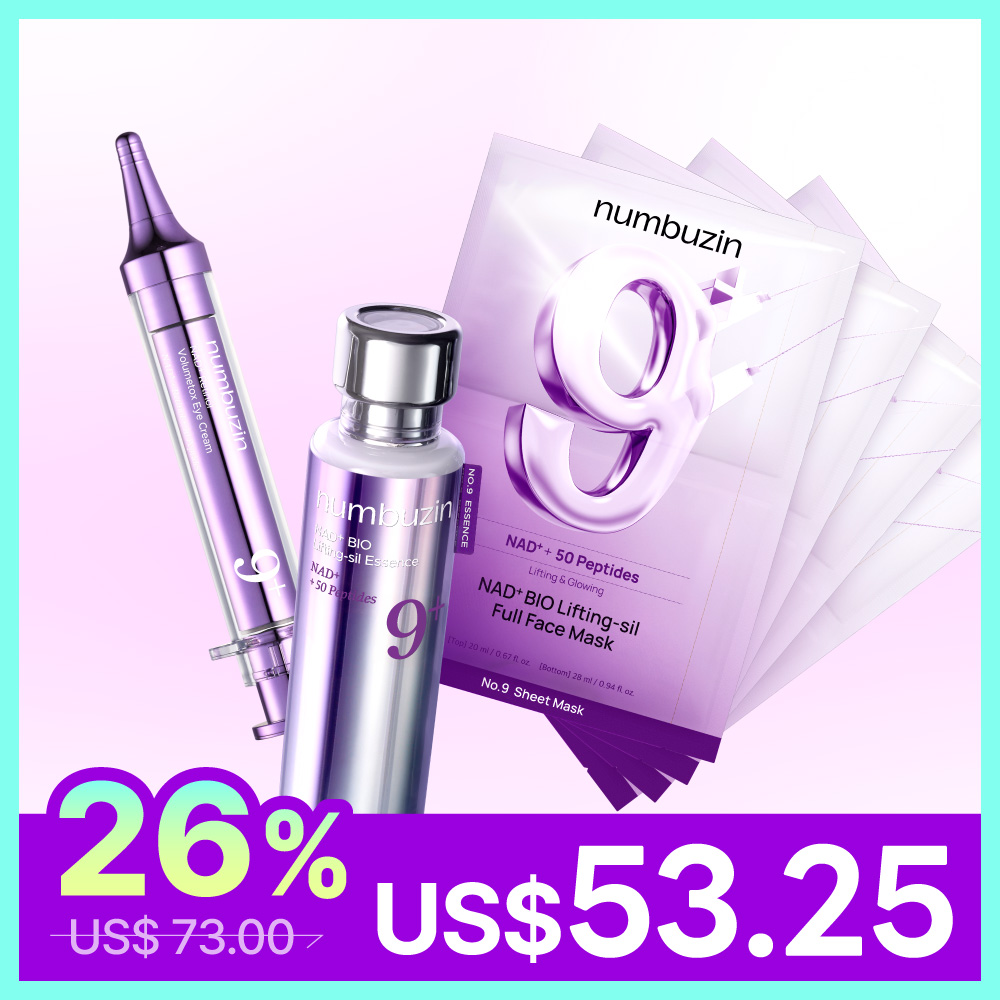
No. 9 NAD Ultimate Lifting Set
Numbuzin
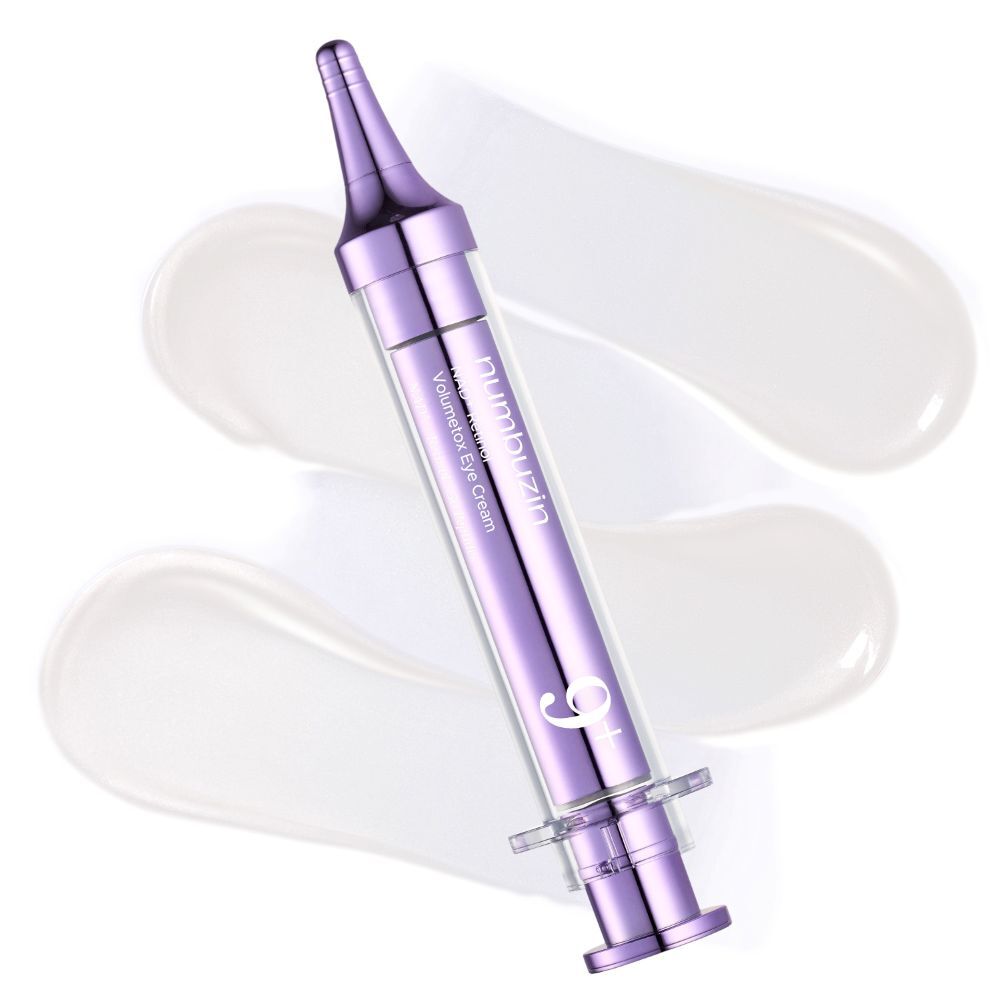
No. 9 NAD RetinA Volume Shot Eye Cream
Numbuzin
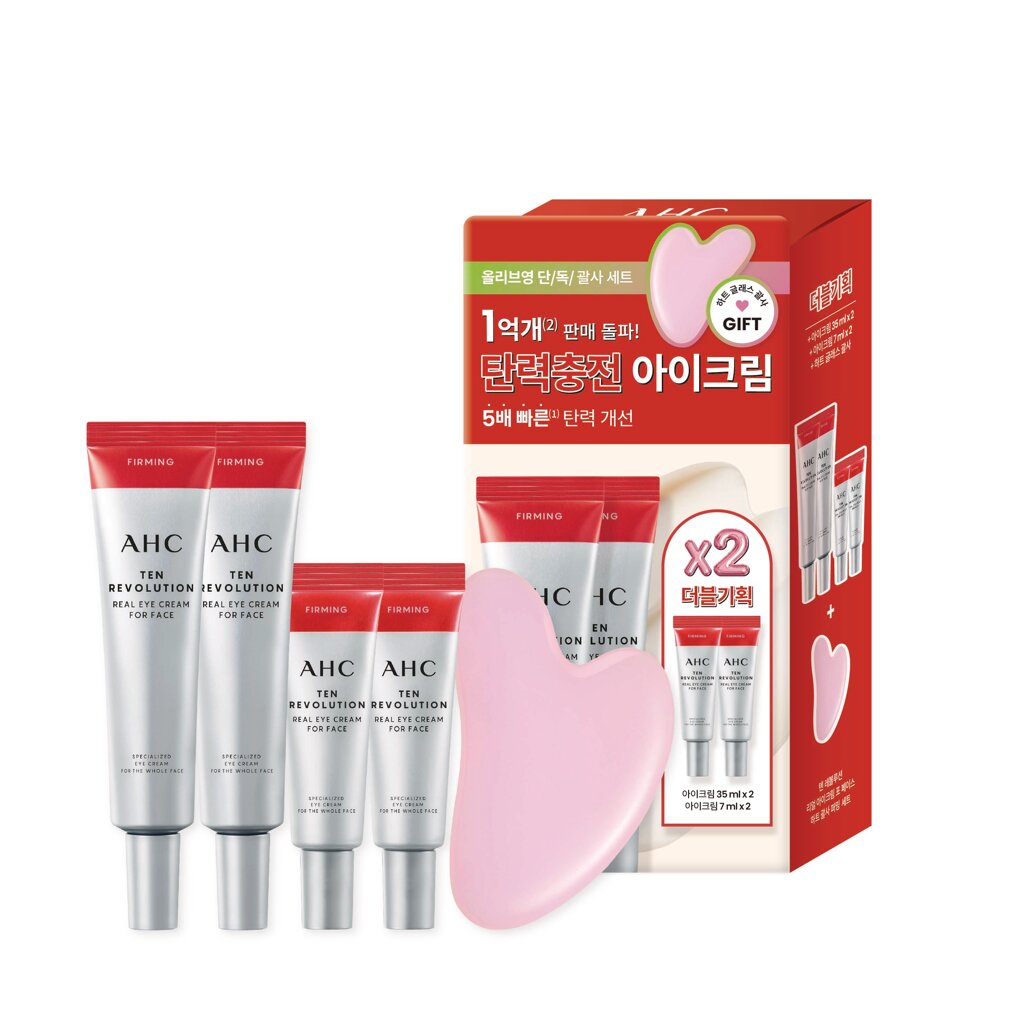
10 Revolution Real Eye Cream For Face
AHC
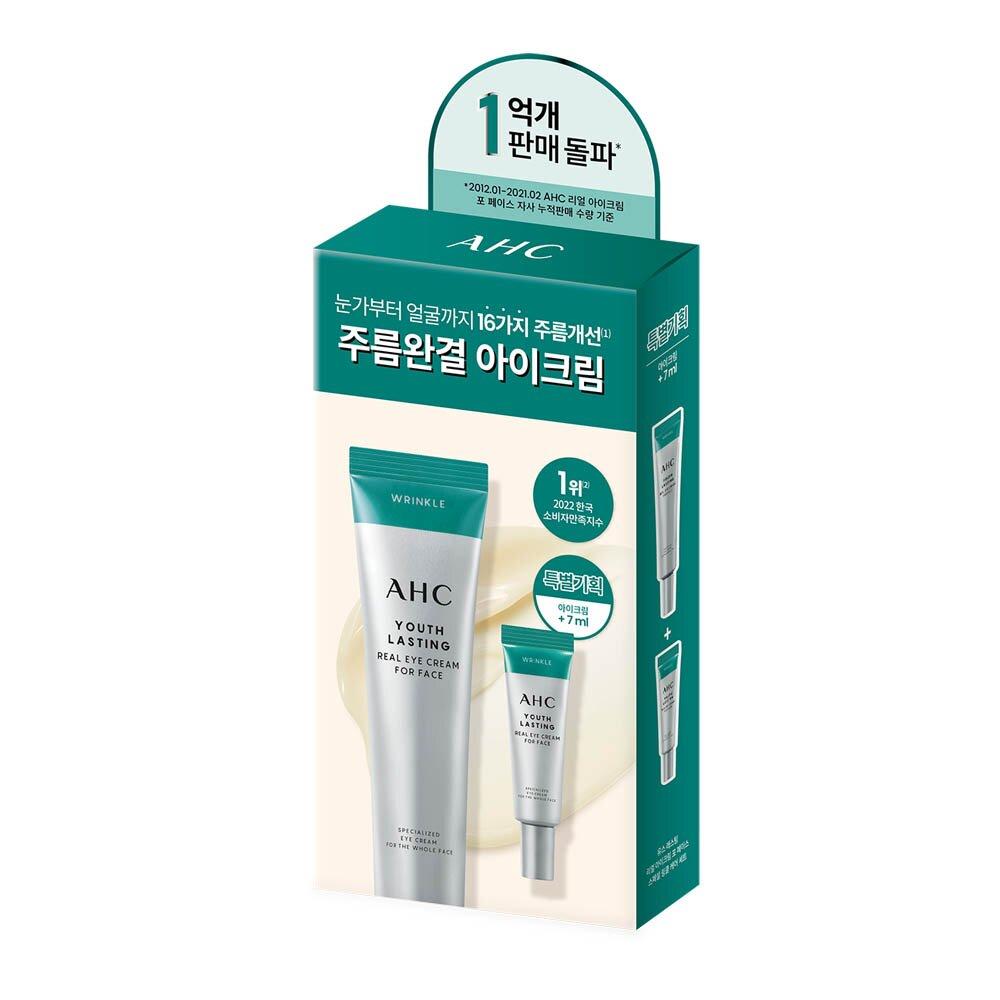
Youth Lasting Real Eye Cream For Face Special Wrinkle Care Set
AHC
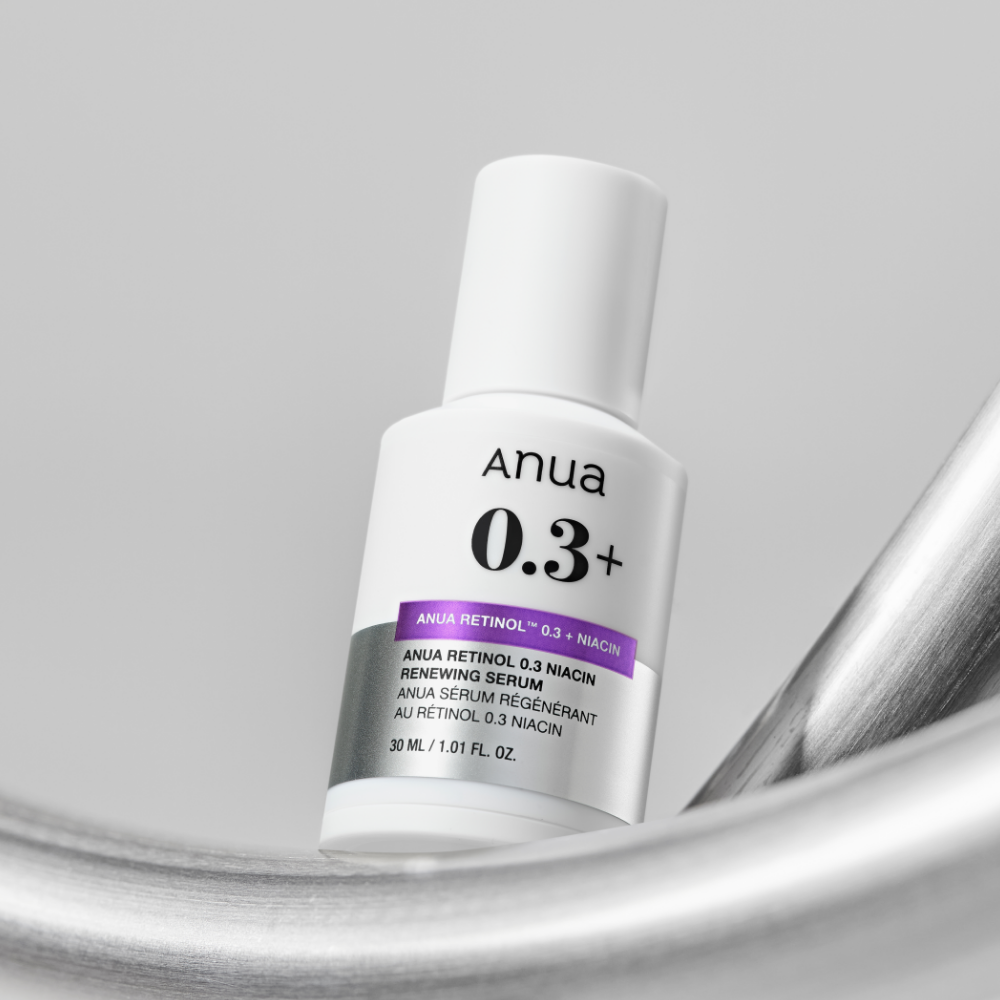
Retinol 0.3 Niacin Renewing Serum
Anua
Frequently Asked Questions
Is Acetyl Dipeptide-1 Cetyl Ester safe for acne-prone skin?▼
How long does it take to see results from Acetyl Dipeptide-1 Cetyl Ester?▼
Can I use this peptide with vitamin C or retinol?▼
What makes this peptide different from other anti-inflammatory ingredients?▼
Explore More
Want personalized ingredient advice?
Yuri, our AI beauty advisor, can tell you how Acetyl Dipeptide-1 Cetyl Ester works with your specific skin type, routine, and concerns.
Ask Yuri, free