K-Beauty Intelligence
Expert guides, ingredient deep-dives, and trend reports for K-beauty enthusiasts.
Is Snail Mucin Fungal Acne Safe? How to Read Any Korean Label Yourself
Snail mucin keeps coming up in fungal acne threads, so this post reads the full COSRX ingredient list instead of answering from reputation. Here's what's on it, what fungal acne actually is, and how to read any Korean label for yourself.

Best Korean Cleanser for Every Skin Type (and How to Tell Yours Is Wrong)
Tight, squeaky skin after washing usually means your cleanser is wrong for you, not that it's "working." Here's how to read the signs, why pH and surfactant type matter more than the label, and one water-based pick per skin type chosen from the actual ingredient list.
Is It Comedogenic? What Pore-Clogging Ratings Can and Can't Tell You
That 0-to-5 comedogenic rating you just looked up comes from a 1989 study done on rabbit ears, not human faces. Here's what the number can actually tell you, what it can't, and a practical way to check any label and your own skin instead of trusting a chart.
Best Korean Lip Balm for Dry, Chapped or Sensitive Lips: 8 Picks by Need
Dry, chapped or sensitive lips need the right format and the right (short) ingredient list, not hype. Here are 8 Korean lip balms, sleeping masks and essences picked by actual lip need, each with the ingredients that justify the pick.
Best Korean Face Mask for Your Skin Type: 8 Picks by Concern
Eight Korean masks matched to real skin concerns, each justified by what's actually on the ingredient list, not the front of the box. Dry, sensitive, oily, and dull-looking skin each get two picks, with the fragrance figure you need to know before you buy.
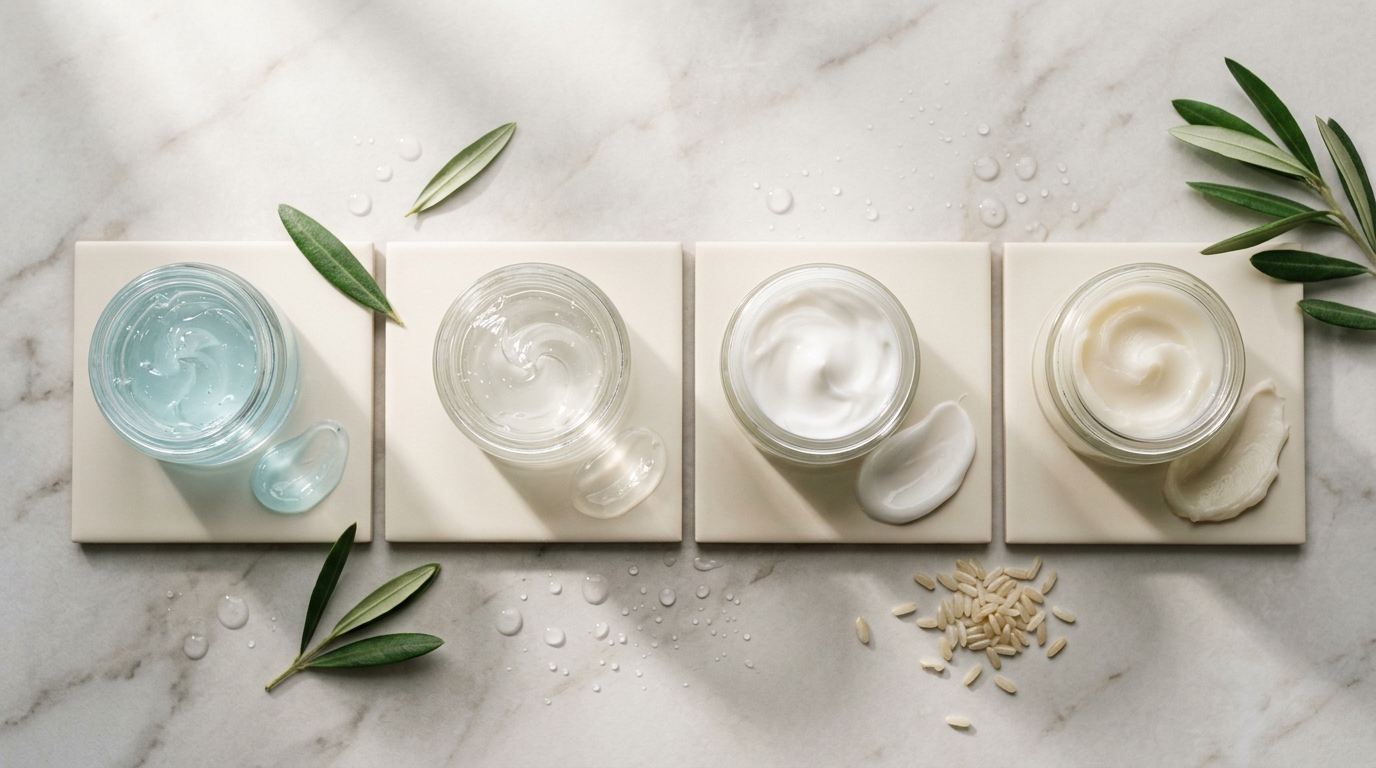
Best Korean Moisturizer for Your Skin Type: 8 Picks for Dry, Oily, Combo and Sensitive Skin
Eight Korean moisturizers sorted by what your skin actually is, not by hype. Gel creams for oily and combo, richer picks for dry, and fragrance-free options for sensitive and barrier-stressed skin, each justified by its real ingredient list.
Why Is PDRN So Popular? The Honest Breakdown
PDRN is on every For You page and every Korean serum launch right now. Here's what's actually in it, what it does for your skin, and whether the hype matches the science, or if you're about to drop money on a buzzword.
Deep Cystic Acne: What Actually Helps (and What Doesn't)
Deep cysts aren't a "you didn't try hard enough" problem, they're a below-the-surface inflammation problem that most spot treatments can't reach. Here's what actually helps, what makes it worse, and how to build a routine that doesn't wreck your barrier while you heal.
Why Does My Skincare Keep Making My Skin Worse?
When your skin gets progressively worse the more products you add, the fix is almost never another active. It's usually your barrier waving a white flag. Here's how to figure out what's actually going wrong and rebuild from there.
Best Cleanser for Oily, Sensitive, Acne-Prone Skin
Oily but sensitive skin is the hardest combo to shop for, most "oil control" cleansers strip you raw, and most gentle ones feel like they don't actually clean. Here's how to find the middle ground, and the specific cleansers worth trying.
Korean Moisturizer or Barrier Cream? How to Tell What Your Skin Actually Needs
A moisturizer is a delivery system with three jobs, and the label rarely says which one you are buying. How to tell damaged from dehydrated, read the ingredient list, and pick accordingly.
Why Is Korean Skincare So Cheap? The Real Reason a $12 Serum Outperforms a $60 One
That $11 Korean cleanser outperforming your $38 one is not hiding anything. The low price comes from how the Korean beauty industry is built, not from what is in the bottle. With one geographic catch.
Dry Combo Skin With Acne + Scars? Start Here
Dry-but-breaking-out skin isn't a contradiction, and it isn't your fault, it usually means your barrier is stripped and overcompensating. Here's how to calm both problems at once without the harsh actives that made it worse.
What Your Korean Collagen Cream's Label Can (and Can't) Tell You
That collagen cream on your shelf might be listing an ingredient that literally can't get into your skin. The fix is one word on the label, and you can check it in about ten seconds without reading a word of Korean.
What Is PDRN Skincare, Really? Why "Salmon DNA" and PDRN Are Not the Same Ingredient
"PDRN" is on every K-beauty label right now, but of 188 PDRN-named products in Seoul Sister's database, 171 actually list Sodium DNA and zero list PDRN. Here's the difference, why it matters, and the 10-second bottle check that tells you what you paid for.
Retinol or Retinal? How to Pick the Right One
Everyone's yelling different retinol recommendations at you and it's overwhelming. Here's the honest breakdown of what actually matters for your skin type, and how to start without the peeling nightmare.
Best Milky Toners for a Sensitive, Dehydrated Skin Barrier
Milky toners promise hydration for sensitive skin, but half of them are loaded with stuff your compromised barrier hates. Here's how to pick one that actually calms instead of stings, and the ingredients worth checking for before you buy.
How Do You Build a Korean Skincare Routine You'll Actually Stick To?
The people with great skin aren't the ones with 12 steps. They're the ones who found 4 or 5 products that work and used them consistently. Here's how to build a routine that survives past month two.
Where to Buy Authentic Korean Snail Mucin in the US (and How to Spot a Fake)
Snail mucin is one of the most counterfeited K-beauty products. Here is where to buy it safely in the US, and which authenticity checks are reliable versus which ones produce false alarms.
Best Korean Skincare for PIH: How to Fade Post-Acne Dark Spots
PIH (brown post-acne marks) needs pigment-pathway ingredients, not the barrier-calming actives that work on red PIE marks. Here is what actually fades dark spots, and how long it really takes.
Given Up on Vitamin C? Here's Why (And What to Try)
If your vitamin C serum turned orange, stung your face, or just did nothing, you're not the problem, the form of vitamin C probably is. Here's what's actually going on and what to reach for instead.
Things I Wish I Knew Before Buying Korean Skincare
The K-beauty hype machine skips a few important things, like whether that viral product actually fits your skin, what you're really paying, and how to tell if it's counterfeit. Here's the honest version, from someone who reads the labels so you don't have to.
How to Tell If Your Skin Barrier Is Damaged (Real Signs)
Stinging, redness, and products that suddenly burn aren't random, they're your skin barrier waving a white flag. Here's how to actually tell if yours is compromised, and the exact ingredients that rebuild it.
Makeup Over Tretinoin Peeling? Wedding Week Rescue
Tretinoin peeling right before wedding season is a special kind of panic, but flaky skin under foundation is 100% fixable in a few days. Here's the emergency prep routine and application tricks that actually stop the cakey mess.
How Do You Read Korean Skincare Expiration Dates and Batch Codes?
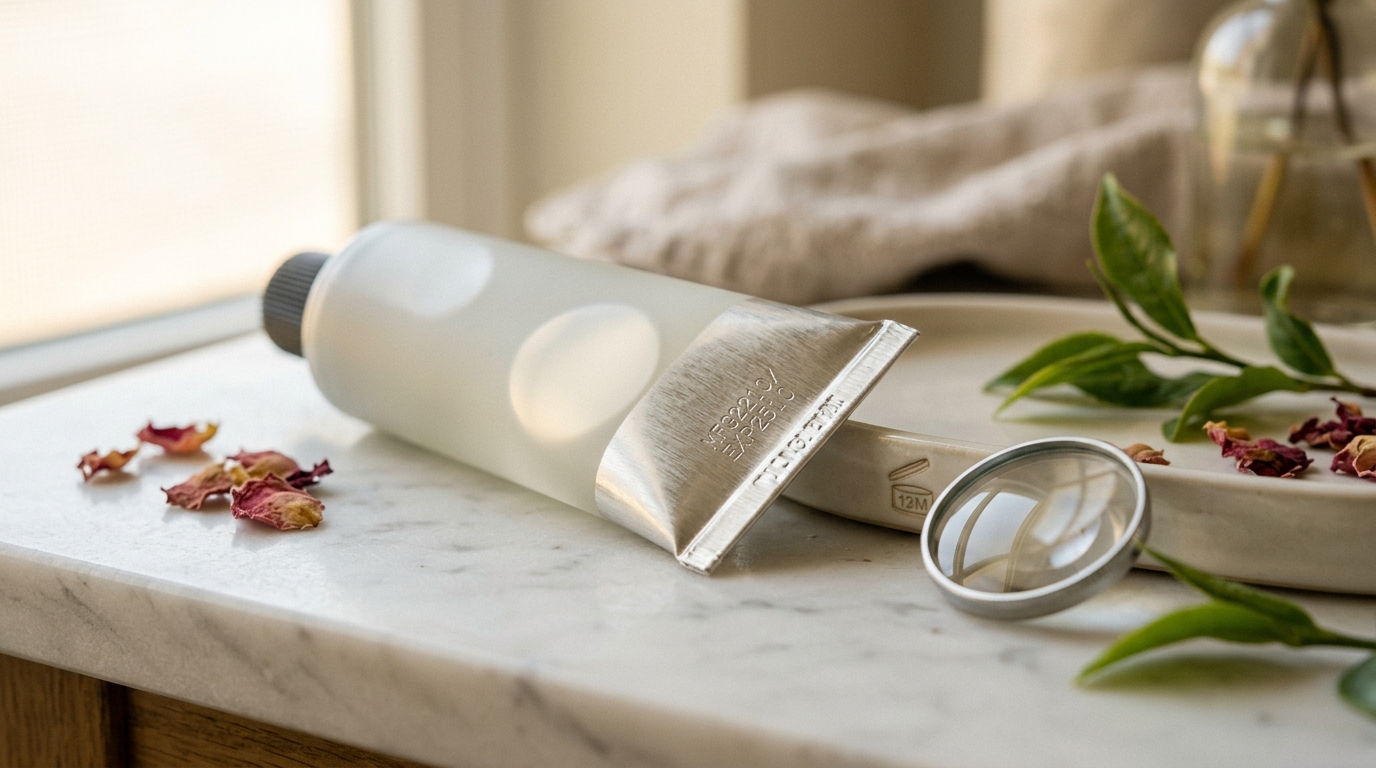
Korean products print a manufacturing date and a use-by date, and the two look almost identical if you can't read Hangul. Here's how to tell them apart, decode the batch code, and figure out if that serum in your drawer is still good.
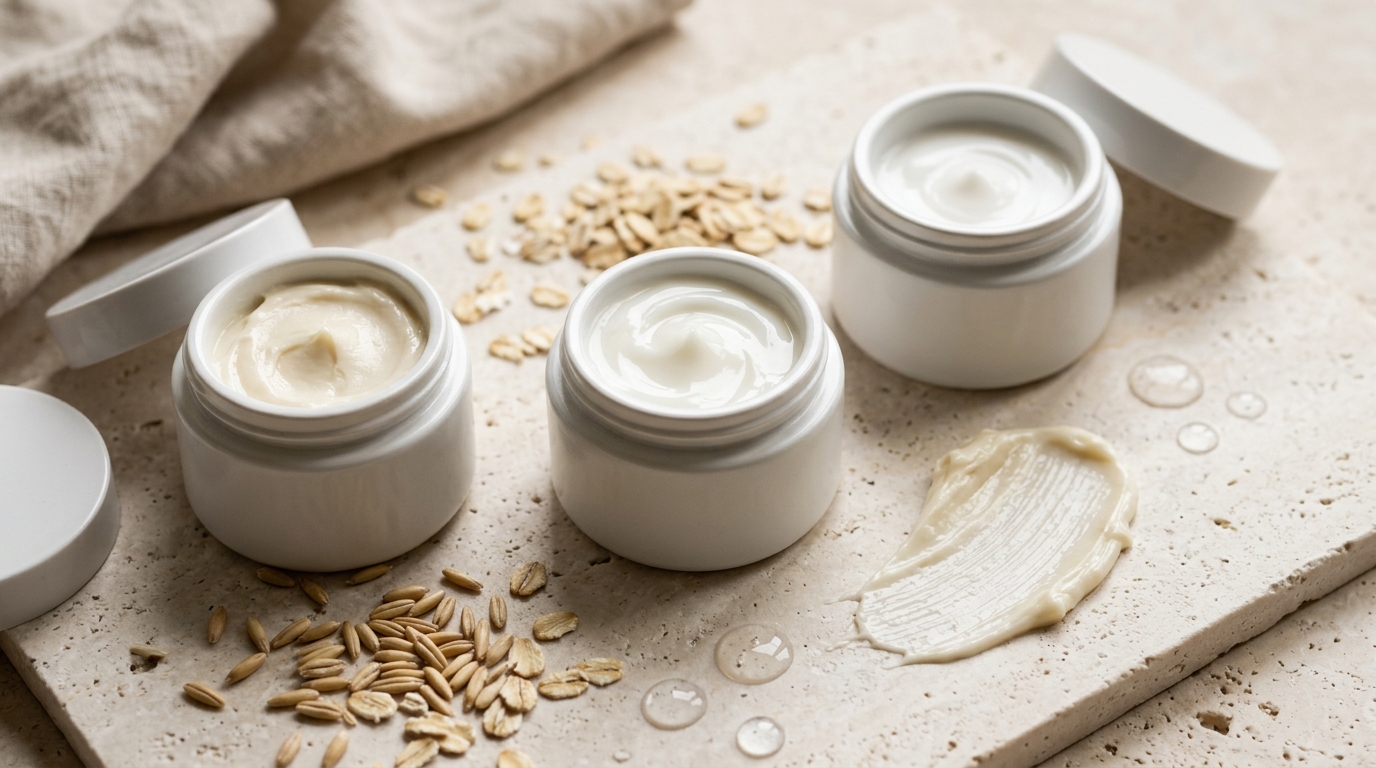
Purito Oat-in Cream Discontinued? Best Alternatives
Can't find the Purito Oat-in Intense Cream anymore, or just want something similar without the hunt? Here's what's actually in it, and the K-beauty creams that hit the same notes for dry, reactive skin.
Did COSRX Snail Mucin Break You Out? Here's Why
Everyone swears by COSRX Snail Mucin, so when it wrecks YOUR skin it feels like you're the problem. You're not. Let's talk about why this "holy grail" essence breaks some people out, and what actually to do about it.
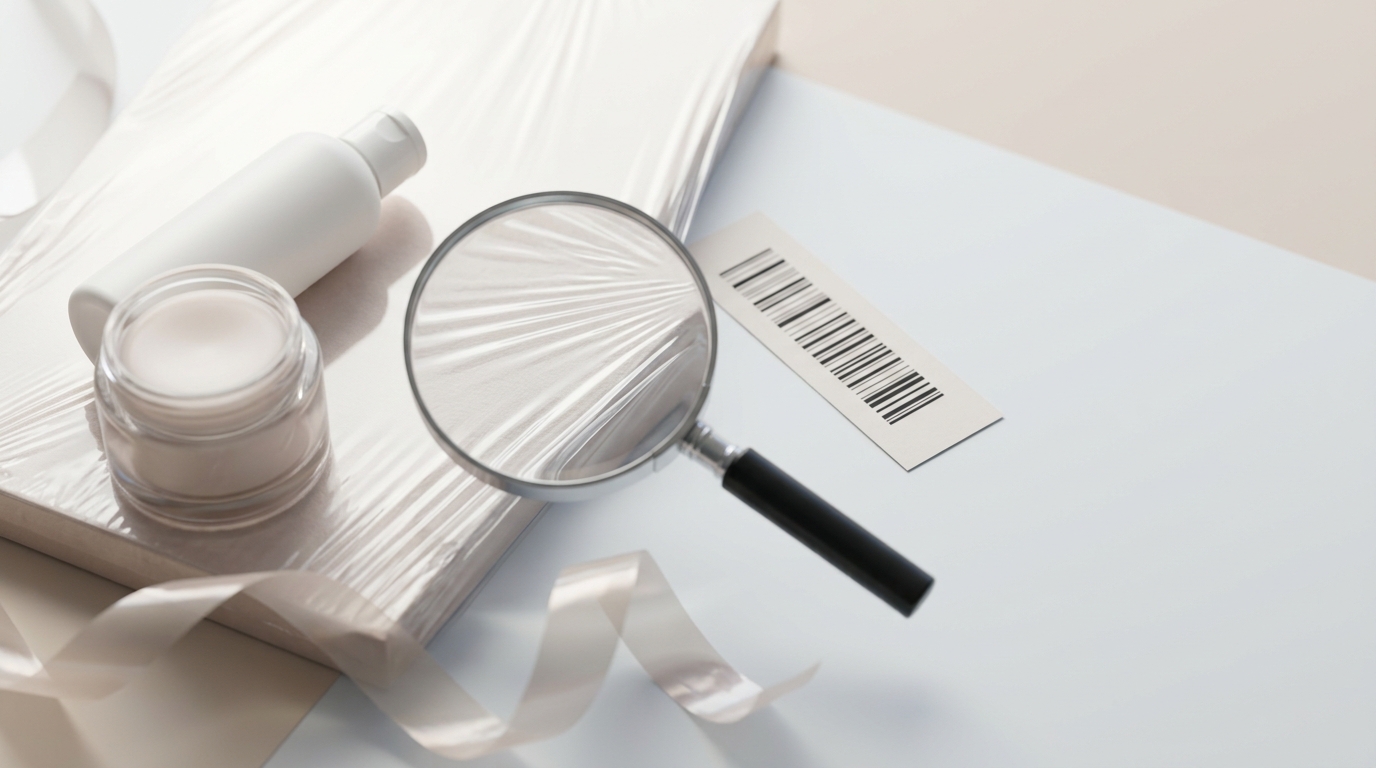
How to Tell If Korean Skincare Is Fake: A 5-Point Check for Any Brand
Counterfeit K-beauty is everywhere on open marketplaces, and the fakes are getting good. Here's the 5-point authenticity check I use on any Korean skincare product, from the MFDS label to the barcode trick most people never think to try.
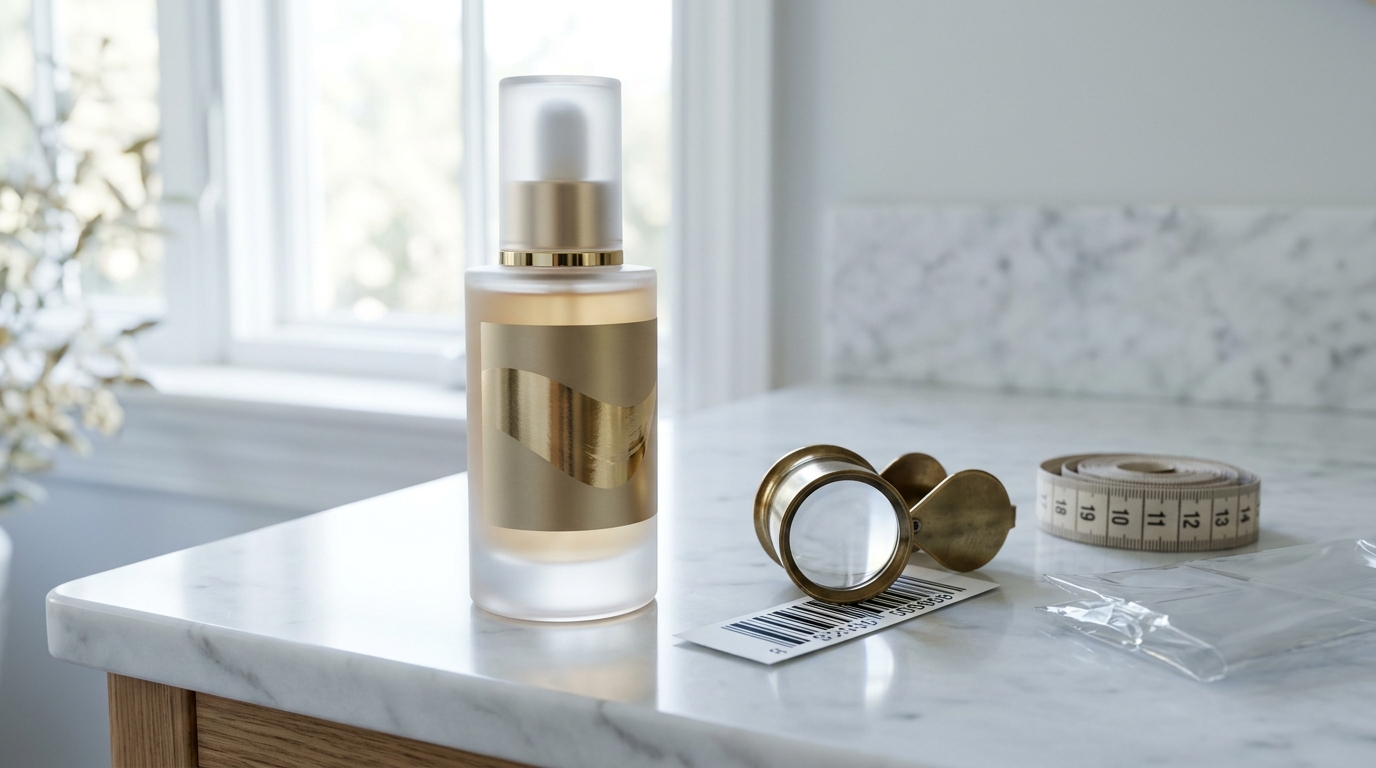
How to Tell If Your Sulwhasoo First Care Serum Is Fake: 5 Checks Before You Use It
Sulwhasoo First Care Serum is a $90+ luxury product, which makes it one of the most counterfeited items in K-beauty. Here are five verifiable checks (from packaging weight to barcode origin) to confirm your bottle is real before it touches your face.
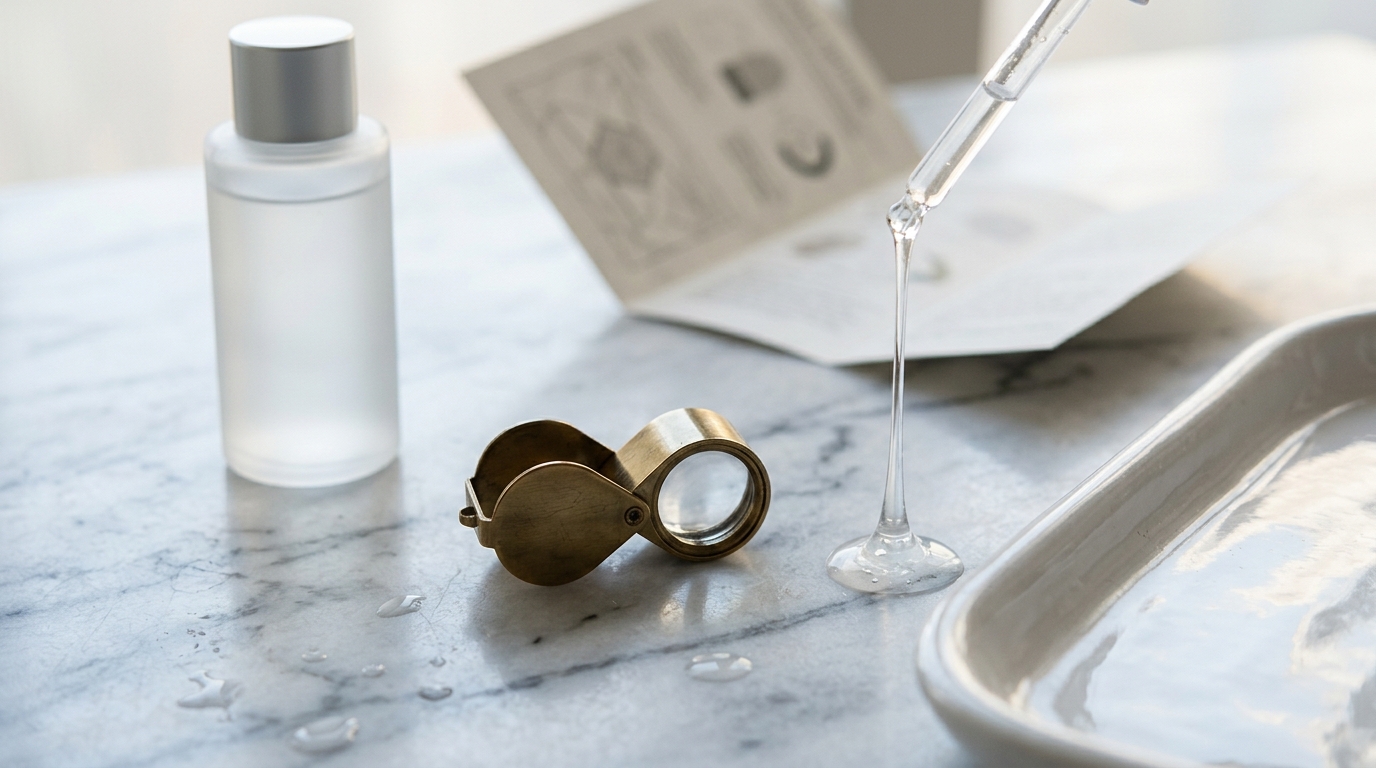
How to Tell If Your COSRX Snail Mucin Is Fake: A 2-Minute Checklist
COSRX Advanced Snail 96 Mucin is one of the most counterfeited K-beauty products out there. Here's how to spot a fake in about two minutes using four verified markers, plus where to actually buy the real thing.
Why Simplifying Your Skincare Routine Actually Works
That 10-step routine might be the reason your skin is freaking out. Here's the actual science behind why cutting back often clears things up, and the few products genuinely worth keeping.
K-Beauty Toners: The Ones Actually Worth Your Money
If you're a toner girlie, you already know they're not all created equal. Let's break down what separates a genuinely good hydrating toner from a fancy bottle of irritation, and which ones are actually worth keeping on your shelf.
How to Get Rid of Hyperpigmentation: K-Beauty Guide
Hyperpigmentation isn't a willpower problem, it's a melanin problem, and most people are treating the wrong layer. Here's what actually fades dark spots, with the K-beauty products and ingredients I'd reach for first.
The 7-Minute K-Beauty Routine That Actually Sticks
The best skincare routine isn't the most elaborate one, it's the one you'll actually do on a Tuesday night when you're exhausted. Here's how to build a 7-minute K-beauty routine that works harder than your abandoned 10-step one.
Late 20s Skin Spiral? Your Barrier Is Probably Wrecked
That moment when the algorithm starts serving you retinol ads and "anti-aging at 27" content and suddenly your skin is worse than ever? Yeah, let's talk about what's really going on, because it's probably not what TikTok told you.
How to Evaluate Your K-Beauty Routine (Without Guessing)
You've got a shelf full of K-beauty products but no idea if they're actually working together or secretly fighting each other. Here's how to evaluate what you have, figure out what's missing, and stop wasting money on products that don't fit your skin.
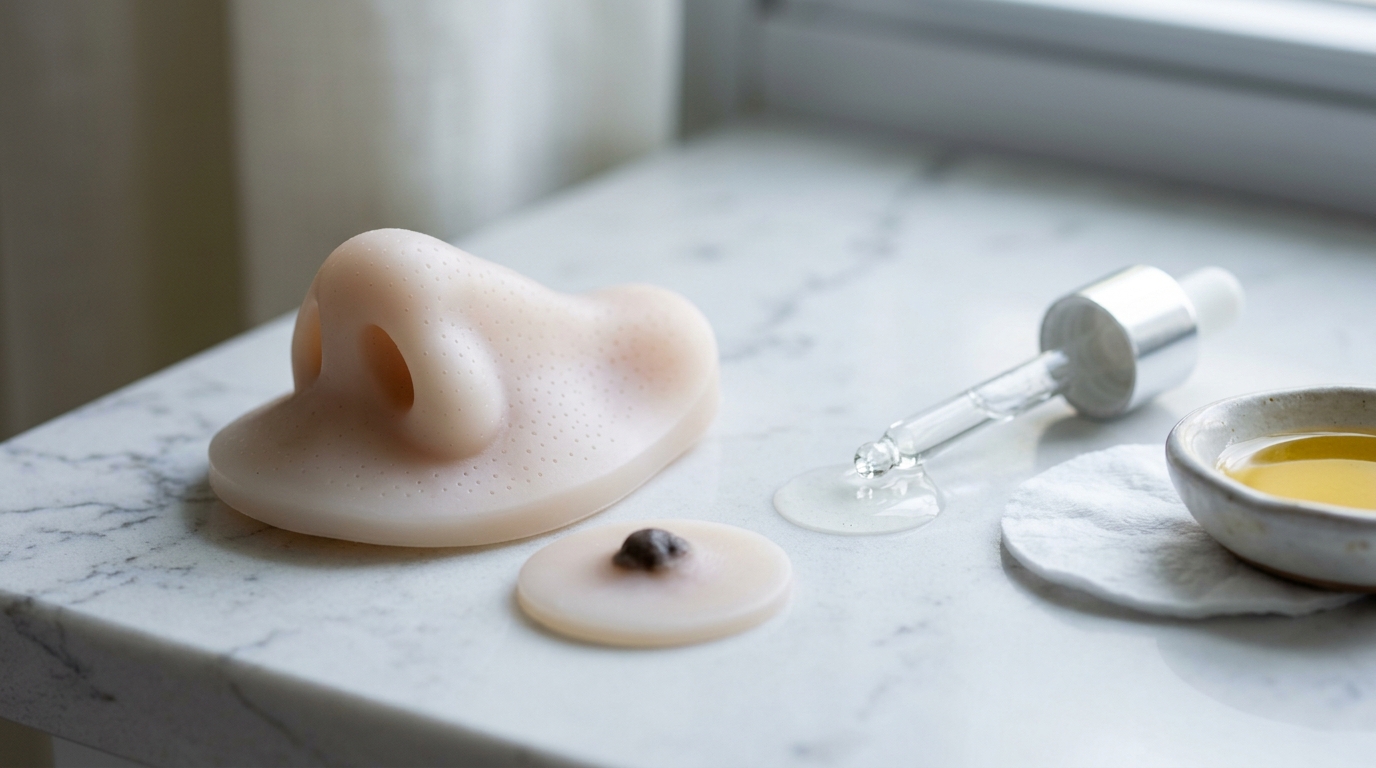
Sebaceous Filaments vs Blackheads: How to Tell & Treat
Those tiny dots on your nose might not be blackheads at all. Sebaceous filaments are a normal part of your skin, and treating them wrong can make things worse. Here's how to tell the difference and what actually helps.
Beauty of Joseon Aqua Fresh Sunscreen: Full Review
Beauty of Joseon's Aqua Fresh sunscreen has become a staple recommendation across K-beauty communities. But does it actually deliver on its promises, and is it right for your skin type? We break down the full ingredient list, UV protection, and who should (and shouldn't) reach for this one.
Same Brand, Different Formula: Why That "Similar" K-Beauty Product Just Wrecked Your Skin
You found a K-beauty moisturizer you love, so you try another version from the same brand. Then your skin freaks out. Here's what's actually going on at the ingredient level and how to avoid it next time.
Why Your Sebaceous Filaments Keep Coming Back (And the K-Beauty Routine That Keeps Them Less Visible)
Those tiny dots on your nose aren't blackheads, and no pore strip will fix them. Sebaceous filaments are a normal part of your skin, but the right K-beauty ingredients and techniques can make them nearly invisible.
Best Korean Skincare for Dry Skin With Pigmentation: A Routine That Treats Both
Treating pigmentation when your skin is dry feels like a catch-22. Most brightening actives are harsh, and most hydrating routines ignore dark spots entirely. Here's how to build a K-beauty routine that does both without compromise.
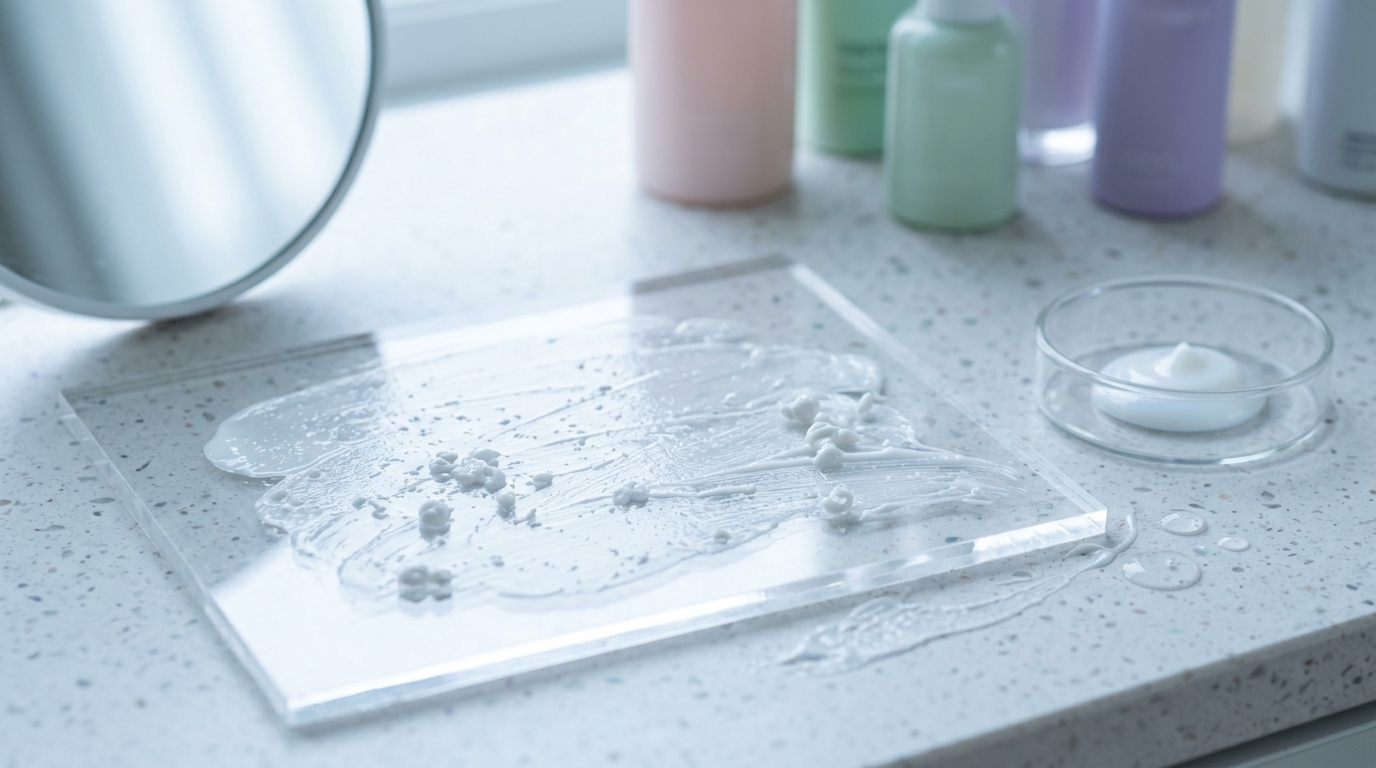
Why Does Sunscreen Pill? How to Stop It for Good
You've layered your toner, serum, and moisturizer perfectly, and then your sunscreen starts rolling off in little balls. Sunscreen pilling is one of the most common frustrations in K-beauty routines, but it's almost always fixable once you understand what's actually causing it.
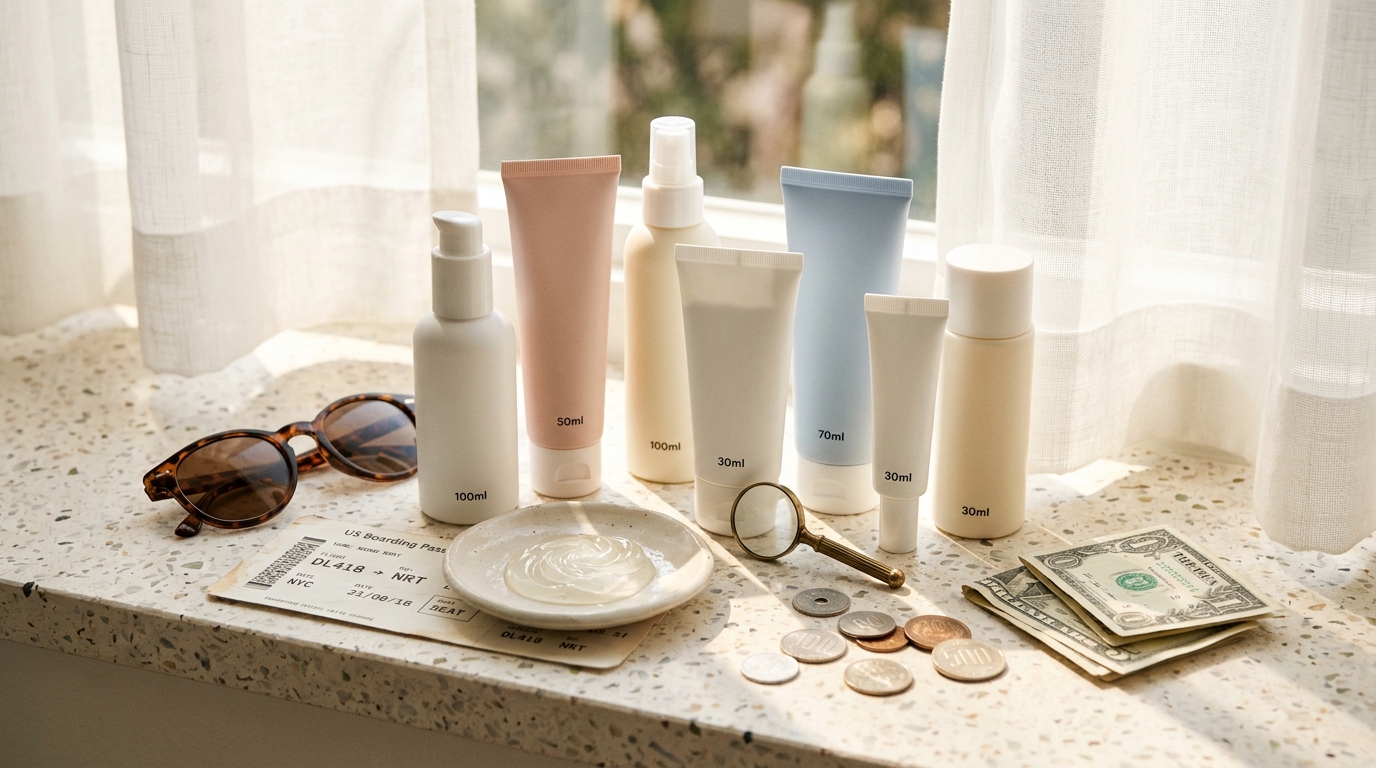
Best Japanese & Korean Sunscreens You Can Buy in the US (2026) Without Getting Ripped Off
Asian sunscreens feel like a completely different product category compared to Western ones, but buying them in the US often means paying 2-3x the original price. Here's how to find the best Japanese and Korean sunscreens without getting ripped off or ending up with a counterfeit.
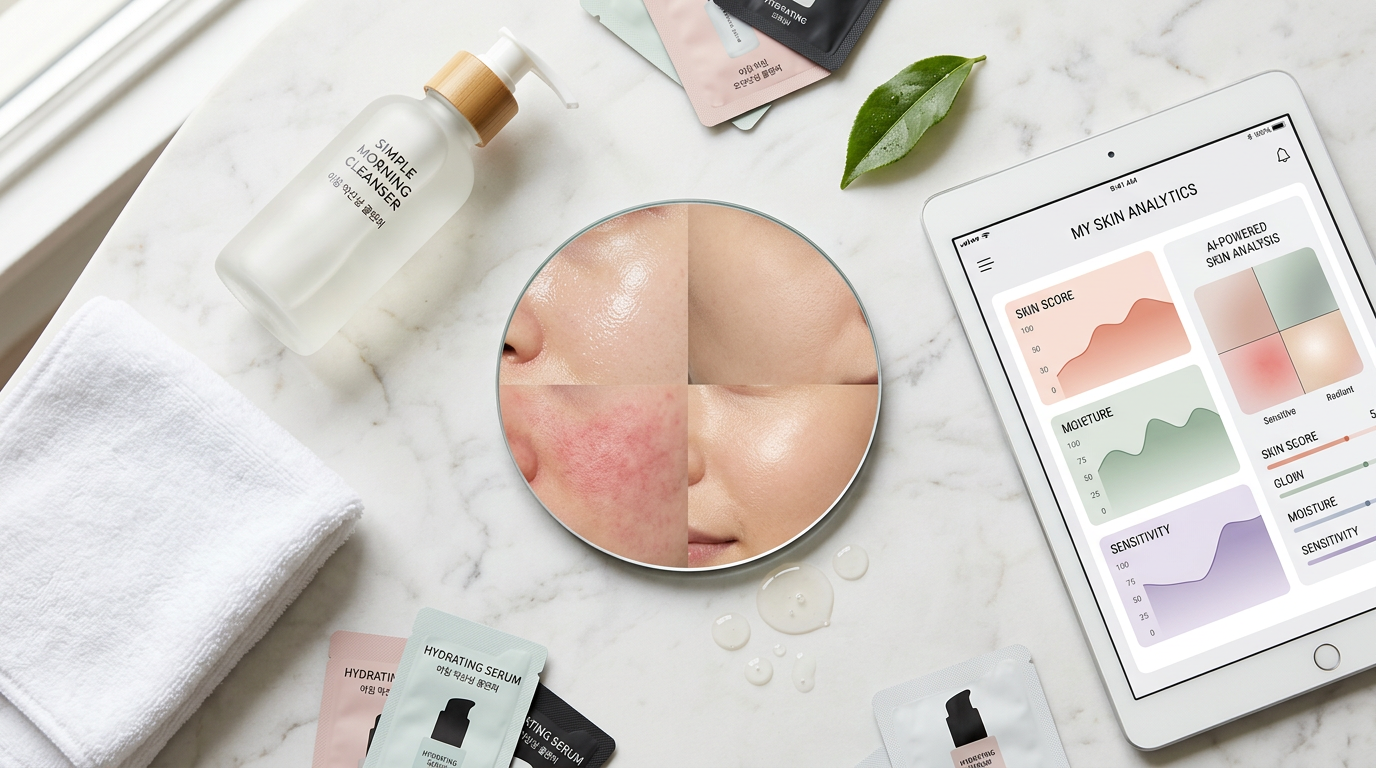
How to Figure Out Your Skin Type for Korean Skincare
Most people get their skin type wrong, and that's why their K-beauty routine isn't working. Here's how to actually diagnose your skin's needs before you spend another dollar on products that weren't meant for you.
Best Korean Skincare for PIE Acne Scars and Texture
If your acne is gone but the red marks and bumpy texture won't budge, you're probably dealing with PIE, not regular hyperpigmentation. The fix requires a completely different set of ingredients, and K-beauty happens to do them really well.
Can Niacinamide Cause Acne? Why This K-Beauty Star Ingredient Might Be Breaking You Out
Niacinamide shows up in nearly every Korean skincare product, from serums to sunscreens. But for a surprising number of people, it triggers cystic acne and breakouts. Here's what's actually going on and how to build a K-beauty routine that works without it.
Do Korean Eye Patches Actually Work? A Realistic Guide to What's Worth Your Money
Eye gel patches have become one of K-beauty's most Instagrammable products, but the real question is whether they deliver results beyond a cute selfie. We looked at the ingredients, the science, and the realistic expectations you should have before stocking up.
How to Get Glass Skin: A K-Beauty Routine That Works
Glass skin is that translucent, almost impossibly dewy look that keeps showing up on your feed. But getting there isn't about buying ten new products. It's about the right ingredients, correct layering, and understanding what your skin actually needs.
Why Does Your Makeup Look Worse Over Korean Skincare? (And How to Actually Fix It)
Getting a flawless makeup base starts long before foundation. The right Korean skincare prep can blur pores, boost hydration, and keep your makeup locked in all day. Here's exactly what to layer and in what order.
Top 10 Trending K-Beauty Products in March 2026
These are the Korean beauty products trending at Olive Young right now. From barrier-repair creams to PDRN serums, here are the products about to dominate your feed.
Want personalized K-beauty advice?
Sign up to chat with Yuri, our AI beauty advisor, for recommendations tailored to your skin.
Get Started Free