Acetyl Glutamine
Amino acid derivative for skin hydration and repair
About Acetyl Glutamine
Acetyl Glutamine is a modified form of the amino acid L-glutamine, enhanced with an acetyl group to improve its stability and skin penetration. This water-soluble compound plays a vital role in maintaining skin barrier function and cellular hydration. In K-beauty formulations, acetyl glutamine has gained recognition for its ability to support the skin's natural moisture retention mechanisms while promoting repair processes at the cellular level. Unlike standard glutamine, the acetylated version offers superior bioavailability, meaning it can more effectively deliver its benefits to the deeper layers of the epidermis. The ingredient appears in 28 products on Seoul Sister, frequently featured in barrier-supporting formulations like RAWQUEST's highly-rated Barrier Enhancing line and premium treatments such as CELORABY by Anua's PDRN Collagen Bubble Quick Mask Serum. K-beauty brands particularly value acetyl glutamine for its compatibility with sensitive skin and its synergistic effects when combined with other skin-identical ingredients like ceramides and peptides. Its non-comedogenic profile makes it universally suitable across skin types, while its role in cellular energy production and protein synthesis supports both immediate hydration and long-term skin health improvements.
How Acetyl Glutamine Works
Acetyl Glutamine functions through multiple pathways to enhance skin health. At the cellular level, it serves as a precursor for glutathione synthesis, one of the body's most powerful antioxidants, helping to neutralize free radicals that contribute to premature aging. The ingredient also participates in the production of natural moisturizing factors (NMFs), the skin's built-in hydration system that keeps the stratum corneum supple and functional. When applied topically, acetyl glutamine supports the synthesis of structural proteins including collagen and elastin by providing essential building blocks for these molecules. Its acetyl modification enhances lipophilicity, allowing it to penetrate the lipid-rich layers of the skin barrier more efficiently than unmodified glutamine. Once absorbed, it aids in cellular energy metabolism through the citric acid cycle, ensuring skin cells have adequate resources for repair and regeneration processes. The ingredient also helps regulate osmotic balance within cells, preventing transepidermal water loss and maintaining optimal hydration levels throughout the day.
Acetyl Glutamine by Skin Type
Oily Skin
Acetyl glutamine benefits oily skin by supporting barrier function without adding heaviness or contributing to congestion. Its water-soluble nature means it hydrates without leaving a greasy residue, while its role in cellular repair can help normalize sebum production over time. The ingredient's non-comedogenic rating of 0/5 makes it completely safe for acne-prone individuals.
Dry Skin
This ingredient is particularly valuable for dry skin types, as it directly supports the production of natural moisturizing factors that prevent water loss. Acetyl glutamine helps repair compromised barrier function, a common issue in chronically dry skin, and its presence in products like RAWQUEST's Barrier Enhancing Toner To Essence (5.0/5 rating) demonstrates its effectiveness in moisture-focused formulations.
Combo Skin
Combination skin benefits from acetyl glutamine's balanced approach to hydration. It provides sufficient moisture to dry zones without overwhelming oily areas, thanks to its lightweight, water-based hydration mechanism. The ingredient helps create equilibrium across different facial zones by supporting overall barrier health rather than simply adding surface moisture.
Sensitive Skin
Acetyl glutamine is exceptionally well-suited for sensitive skin, as evidenced by its inclusion in calming products like RAWQUEST's Echinacea Calming Moisture Ampoule (5.0/5). The ingredient supports skin resilience by strengthening barrier defenses, which helps reduce reactivity to environmental stressors. Its amino acid structure is recognized by the skin as a natural component, minimizing the risk of irritation.
Normal Skin
Normal skin types can use acetyl glutamine as a preventative measure to maintain optimal barrier function and hydration levels. The ingredient helps preserve the skin's healthy status by supporting cellular repair processes and preventing the gradual barrier degradation that occurs with aging and environmental exposure.
How to Use Acetyl Glutamine
- 1Layer acetyl glutamine products under heavier occlusives like ceramide creams to lock in its hydrating benefits and maximize barrier repair effects.
- 2Apply products containing this ingredient to damp skin immediately after cleansing to enhance penetration and boost hydration retention.
- 3For best results, use acetyl glutamine formulations consistently both morning and night, as its benefits are cumulative and support ongoing cellular processes.
- 4Combine with other amino acids and peptides (as seen in Sungboon Editor's Silk Peptide EGF formulation) to create a complete spectrum of skin-building nutrients.
Background
Glutamine has been studied in medical contexts since the mid-20th century for its role in gut health and immune function, but its dermatological applications emerged more recently. The acetylated form was developed in the 1990s as cosmetic chemists sought to improve the stability and skin penetration of amino acid derivatives. Korean beauty brands were among the first to recognize acetyl glutamine's potential for barrier repair formulations, integrating it into their philosophy of strengthening skin health from within. The ingredient gained particular traction in K-beauty during the 2010s barrier-care movement, when brands like RAWQUEST built entire product lines around barrier enhancement. Its inclusion alongside cutting-edge ingredients like PDRN in luxury formulations reflects the K-beauty industry's commitment to combining traditional biochemistry with innovative delivery systems.
K-Beauty Products with Acetyl Glutamine
View all 32 →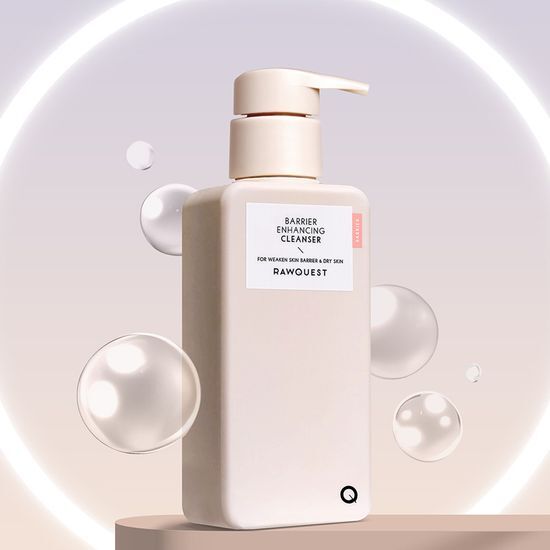
Barrier Enhancing Cleanser
RAWQUEST
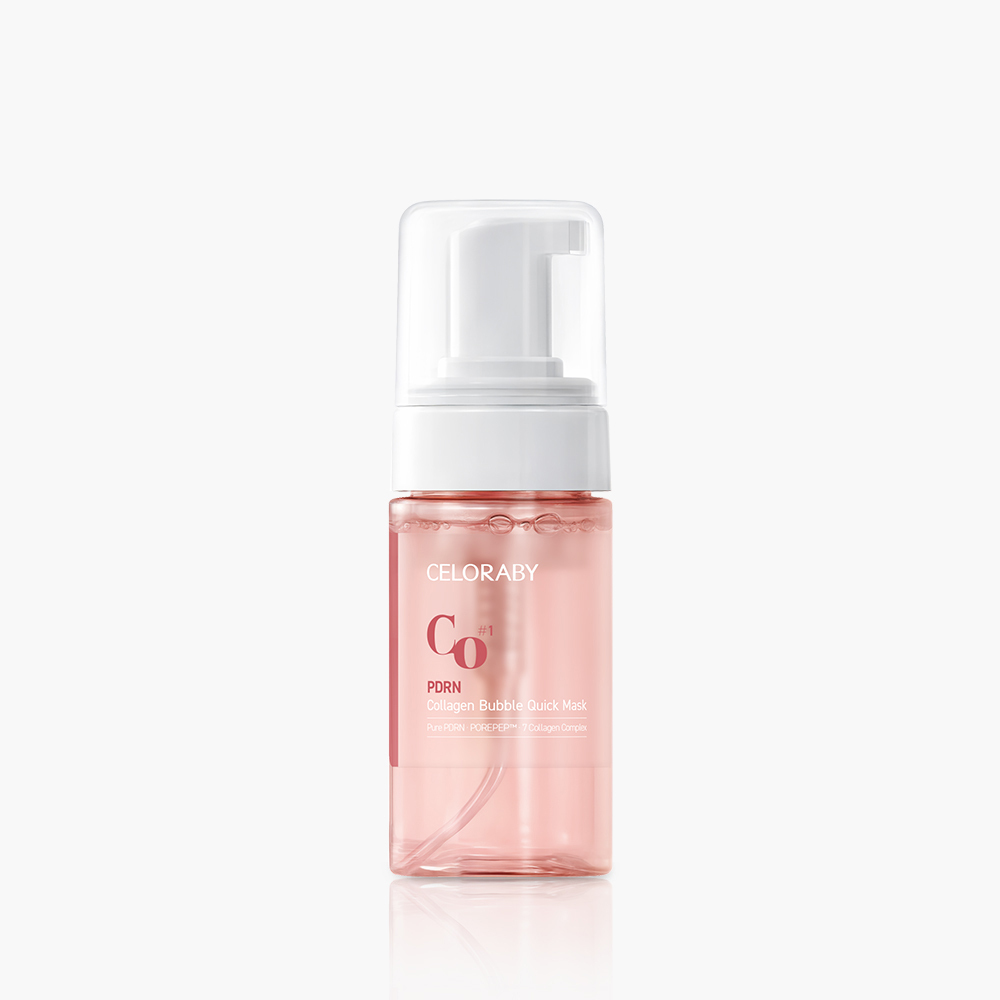
PDRN Collagen Bubble Quick Mask Serum
CELORABY by Anua
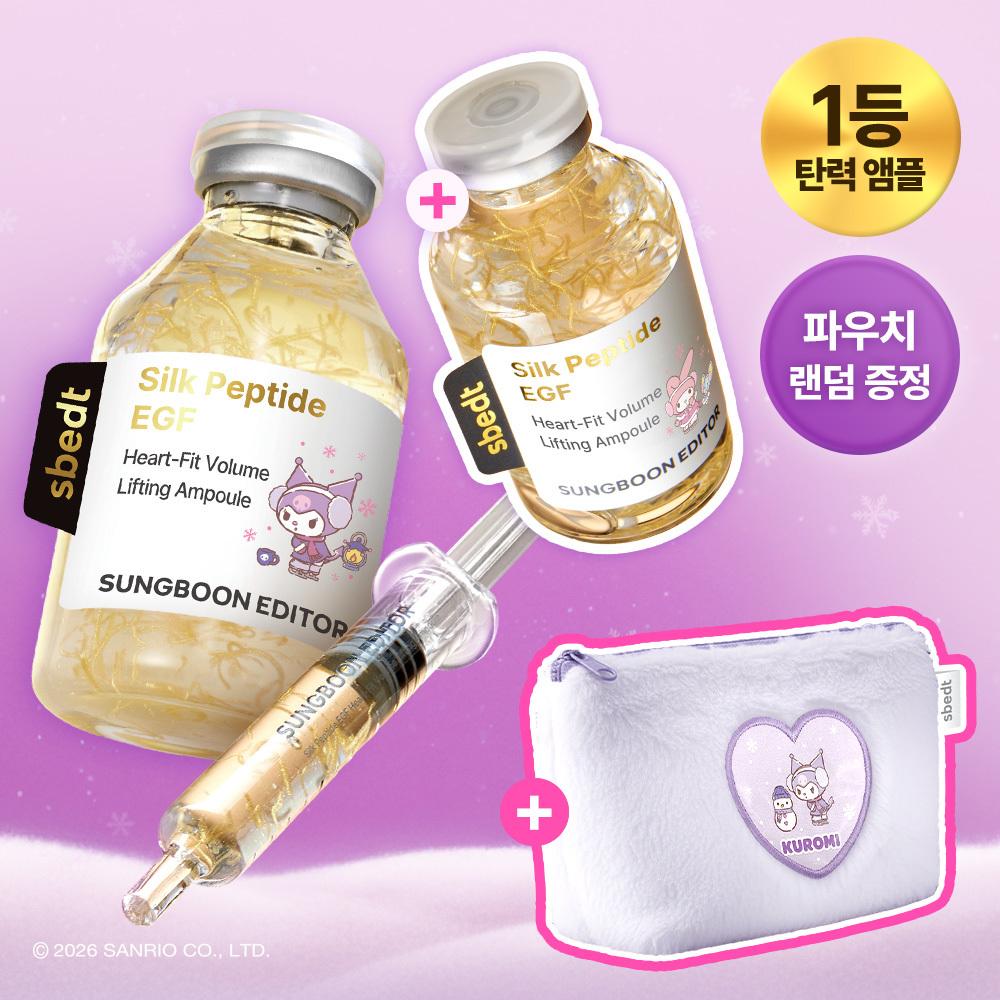
Silk Peptide EGF Heart Fit Volume Lifting Ampoule Double Pack
Sungboon Editor
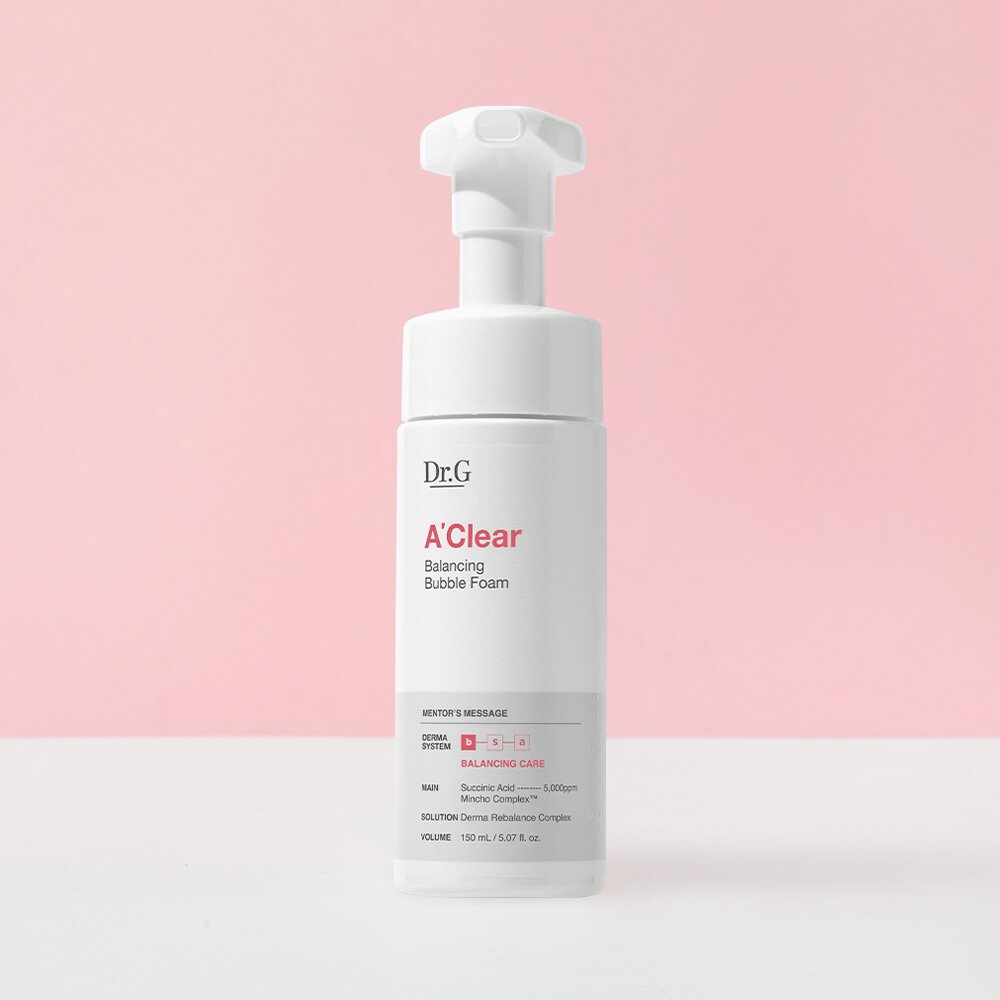
A-Clear Balancing Bubble Foam
Dr.G
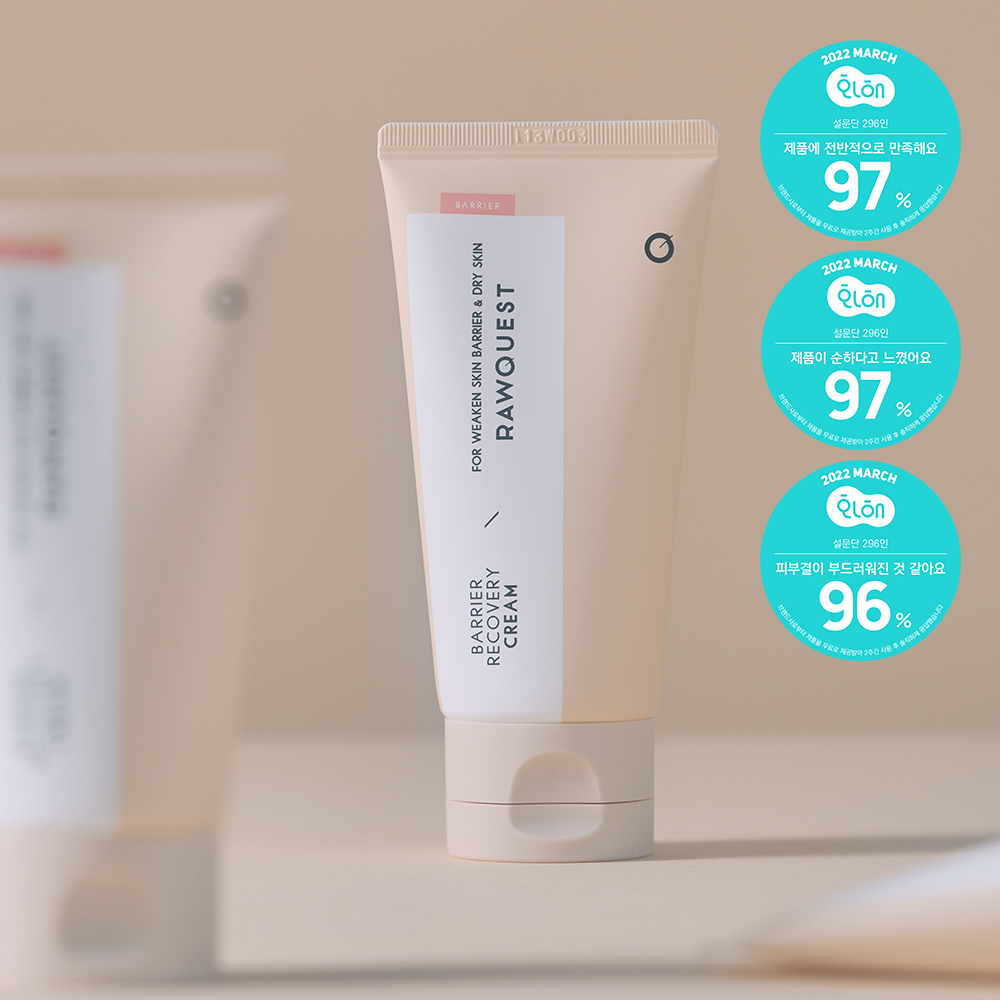
Barrier Recovery Cream
Aestura

PDRN 100 Hyaluronic Acid Booster Toner Set
Anua
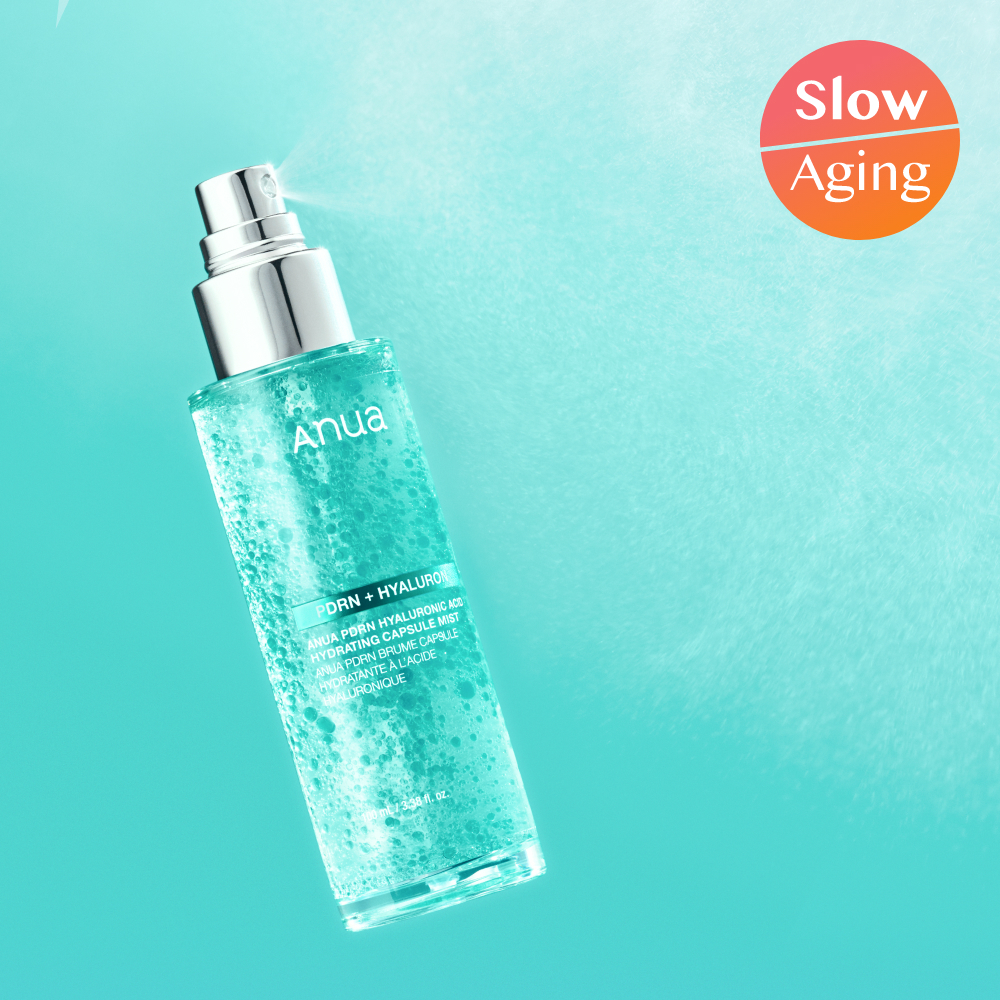
PDRN Hyaluronic Acid Hydrating Capsule Mist
Anua
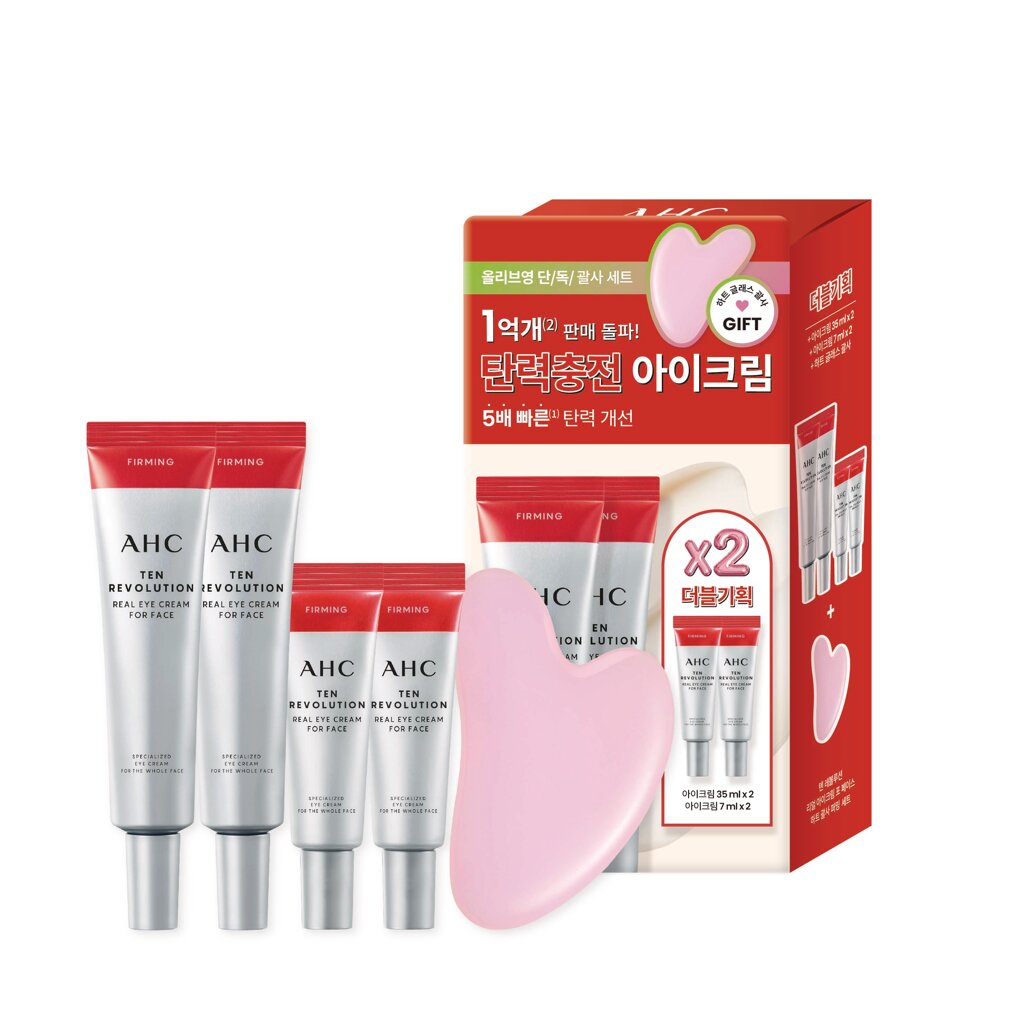
10 Revolution Real Eye Cream For Face
AHC
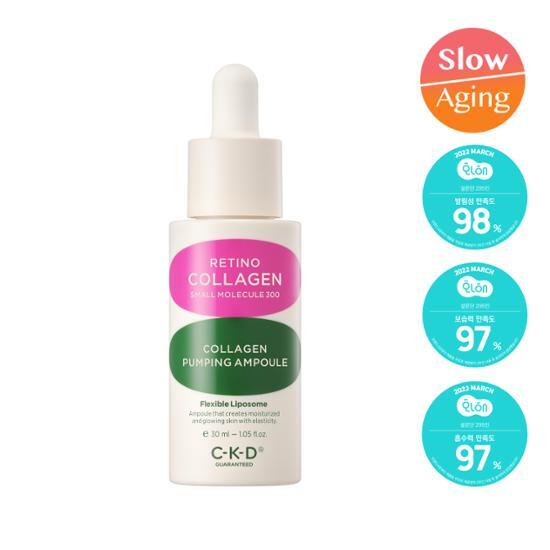
Retino Collagen Small Molecule 300 Collagen Pumping Ampoule
CKD

PDRN 100 Hyaluronic Acid Booster Toner
Anua
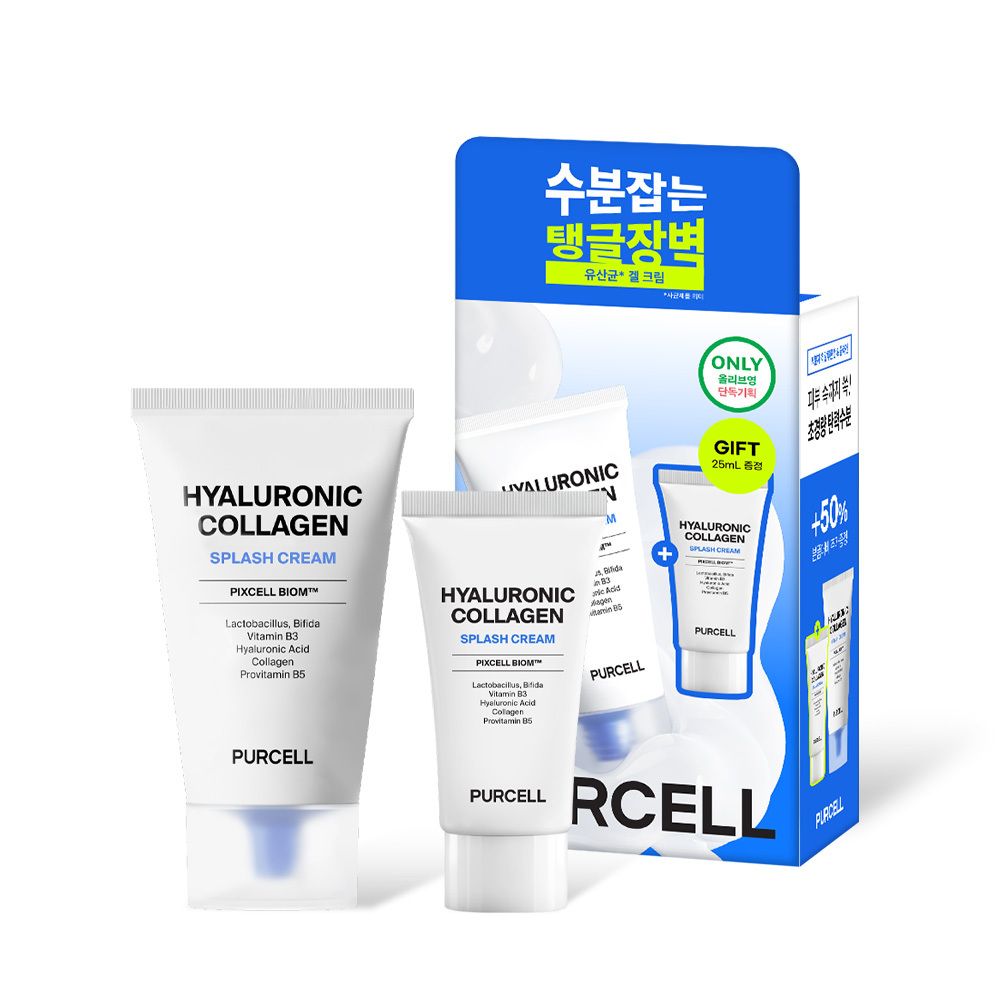
Pixcell Biom Hyaluronic Collagen Splash Cream
PURCELL
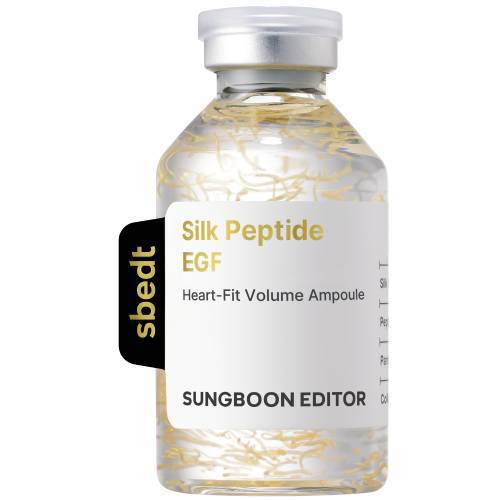
Silk Peptide EGF Heart Fit Volume Lifting Ampoule
Sungboon Editor
Frequently Asked Questions
Is acetyl glutamine the same as regular glutamine in supplements?▼
Can I use acetyl glutamine if I have fungal acne?▼
How long does it take to see results from acetyl glutamine products?▼
Why do so many RAWQUEST products contain acetyl glutamine?▼
Explore More
Want personalized ingredient advice?
Yuri, our AI beauty advisor, can tell you how Acetyl Glutamine works with your specific skin type, routine, and concerns.
Ask Yuri, free