Acetyl Hexapeptide-1
Biomimetic peptide for skin tone modulation
About Acetyl Hexapeptide-1
Acetyl Hexapeptide-1 is a biomimetic peptide engineered to interact with melanin production pathways in the skin. Unlike traditional brightening agents that work by inhibiting enzymes, this peptide mimics the body's natural melanocyte-stimulating hormone (MSH) to modulate skin tone at the receptor level. In K-beauty formulations, it's prized for its ability to address hyperpigmentation, uneven skin tone, and dark spots without the irritation associated with harsher brightening actives. The peptide has gained traction in Korean skincare because it aligns with the glass skin philosophy: achieving luminous, even-toned skin through advanced yet gentle biotechnology. You'll find it in 38 products on Seoul Sister, from cleansers like VIDIVICI's Clear Acne Gel Cleansing Foam to targeted treatments like Anua's Baekdango Rice Wine Dark Spot Corrector Ampoule, both rated 5.0/5. Its comedogenic rating of 0/5 makes it suitable for acne-prone skin, while its safety profile allows for long-term use in multi-step routines. Korean brands have embraced this peptide because it delivers visible brightening results without compromising skin barrier health, making it an ideal alternative to hydroquinone or high-percentage acids that can sensitize skin over time.
How Acetyl Hexapeptide-1 Works
Acetyl Hexapeptide-1 works by binding to melanocortin receptors on melanocytes, the cells responsible for producing melanin pigment. When the peptide attaches to these receptors, it effectively blocks the natural MSH from triggering excessive melanin synthesis. Think of it as occupying a parking space so the signal that tells your skin to darken can't get through. This receptor-level intervention means the peptide addresses pigmentation at its source rather than just treating surface discoloration. The acetyl modification in its structure enhances skin penetration and stability, allowing the peptide to reach deeper epidermal layers where melanocytes reside. Clinical studies on similar hexapeptides show they can reduce melanin production by up to 40% over 8-12 weeks of consistent use. Because it works through a biological signaling pathway rather than chemical inhibition, the brightening effect develops gradually and appears more natural than aggressive spot treatments. The peptide doesn't bleach existing pigment but prevents new excess melanin formation, which is why Korean formulations often pair it with antioxidants and niacinamide to address both prevention and existing discoloration.
Acetyl Hexapeptide-1 by Skin Type
Oily Skin
Acetyl Hexapeptide-1 is excellent for oily skin because it's water-soluble and won't add greasiness to your routine. The peptide works effectively in lightweight serums and gel-based products that absorb quickly. Oily skin types dealing with post-acne hyperpigmentation will appreciate its non-comedogenic profile, allowing you to target dark spots without risking breakouts.
Dry Skin
This peptide works well for dry skin when formulated in hydrating bases like emulsions or ampoules. Products like MISSHA's Atelo Collagen Emulsion (5.0/5) combine it with moisturizing ingredients to address both tone correction and hydration. The gentle nature of peptide brightening means you won't experience the dryness and flaking that can come from acids or retinoids, making it ideal for maintaining barrier health while evening skin tone.
Combo Skin
Combination skin benefits from Acetyl Hexapeptide-1's versatility across different product formats. You can use it in toners for your oily T-zone or richer creams for drier cheek areas without worrying about imbalance. The peptide's lightweight molecular structure means it layers well with other actives, letting you customize your routine for different face zones.
Sensitive Skin
Acetyl Hexapeptide-1 is particularly suitable for sensitive skin because it works through biomimetic signaling rather than chemical exfoliation or enzyme disruption. Its 4/5 safety rating reflects minimal irritation potential. Sensitive skin dealing with melasma or sun damage can achieve gradual brightening without the redness or sensitivity that often comes with vitamin C or AHAs.
Normal Skin
Normal skin types can incorporate this peptide into preventative anti-aging and brightening routines without concern. The ingredient works synergistically with other K-beauty staples like niacinamide and ferments. Products like Bioheal BOH's Probioderm 3D Lifting Essential Toner (4.9/5) show how effectively it integrates into comprehensive skin health regimens, addressing tone, texture, and firmness simultaneously.
How to Use Acetyl Hexapeptide-1
- 1Apply peptide products on clean skin before heavier moisturizers to ensure optimal absorption. The smaller molecular size means it penetrates best when applied to bare skin.
- 2Pair with SPF 30+ daily, as peptides that modulate melanin production work preventatively. Your brightening results will last longer when you protect skin from UV triggers.
- 3Allow 8-12 weeks of consistent use to see visible tone improvement. Peptides work at the cellular level and take time to influence melanin production cycles.
- 4Layer with niacinamide or antioxidants for enhanced brightening effects. Korean formulations often combine this peptide with complementary actives for comprehensive tone correction.
- 5Store peptide products in cool, dark places and use within 6 months of opening. Peptides can degrade with heat and light exposure, reducing effectiveness.
Background
Acetyl Hexapeptide-1 emerged from cosmetic peptide research in the early 2000s, when scientists began exploring biomimetic alternatives to harsh skin-lightening agents. The peptide was developed by analyzing how the body naturally regulates melanin through hormone signaling, then engineering a synthetic version that could safely replicate this process topically. Korean skincare brands adopted peptide technology relatively early, recognizing its alignment with the K-beauty philosophy of achieving results through skin-compatible ingredients rather than aggressive treatments. The ingredient gained momentum around 2015-2018 as Korean consumers increasingly sought alternatives to hydroquinone and mercury-containing whitening products that had dominated earlier markets. Today, it represents the evolution of K-beauty brightening from harsh bleaching to intelligent, receptor-level modulation that respects skin biology.
K-Beauty Products with Acetyl Hexapeptide-1
View all 41 →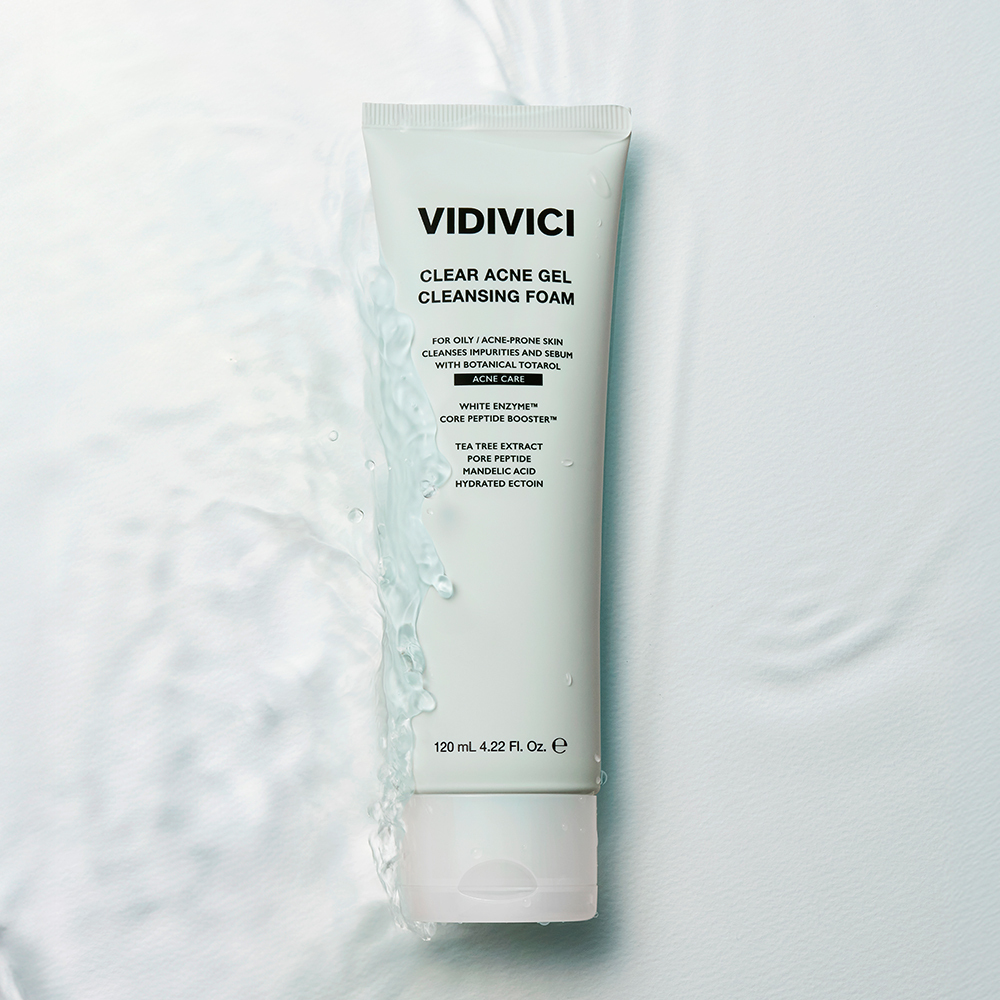
Clear Acne Gel Cleansing Foam
VIDIVICI
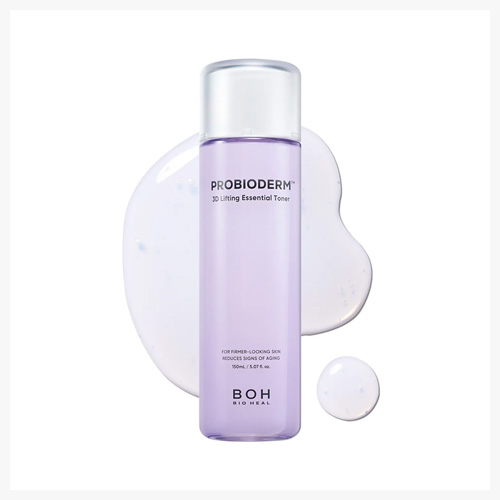
Probioderm 3D Lifting Essential Toner
Bioheal BOH
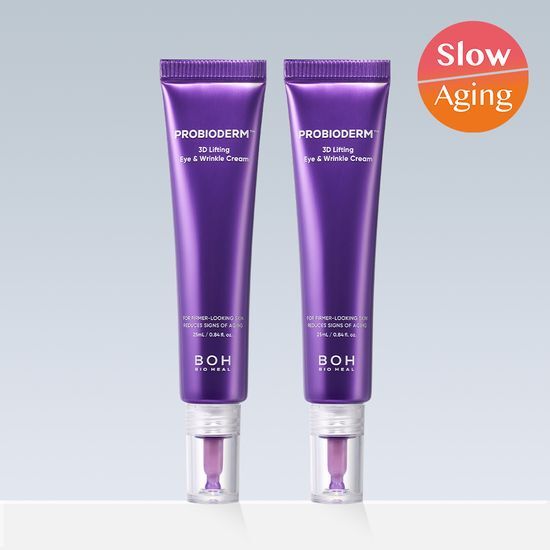
Probioderm 3D Lifting Eye & Wrinkle Cream Double Pack
Bioheal BOH
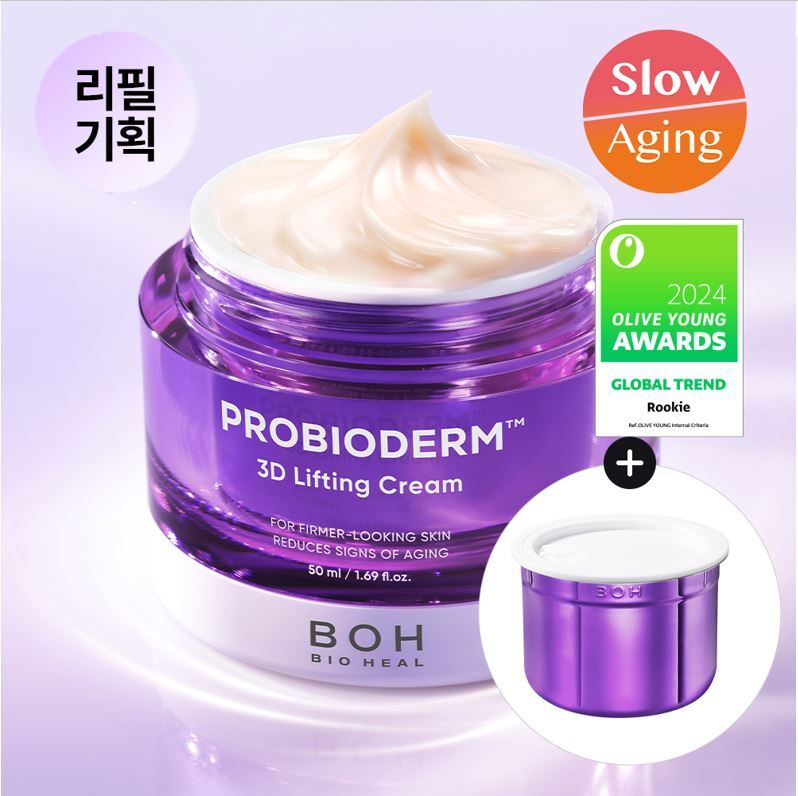
Probioderm 3D Lifting Cream
Bioheal BOH
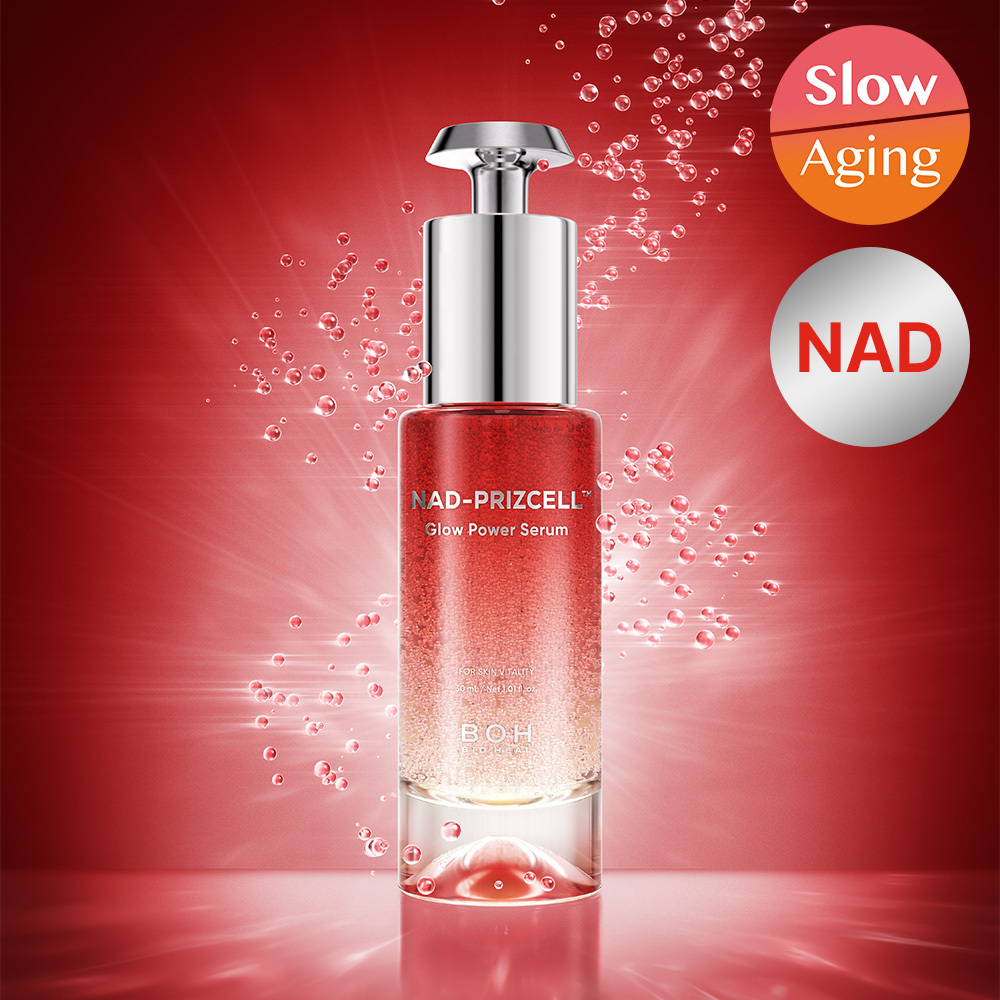
NAD-Prizcell Glow Power Serum
Bioheal BOH
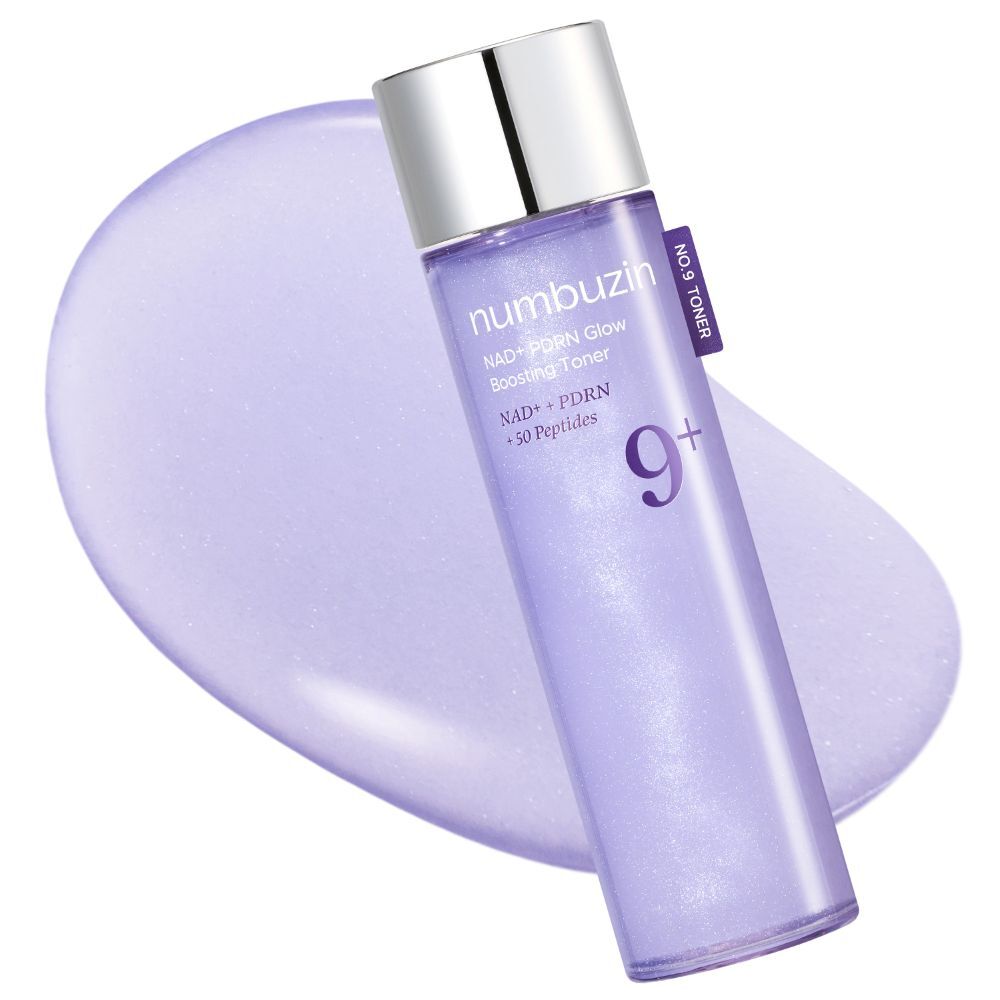
No. 9 NAD PDRN Glow Treatment Toner
Numbuzin
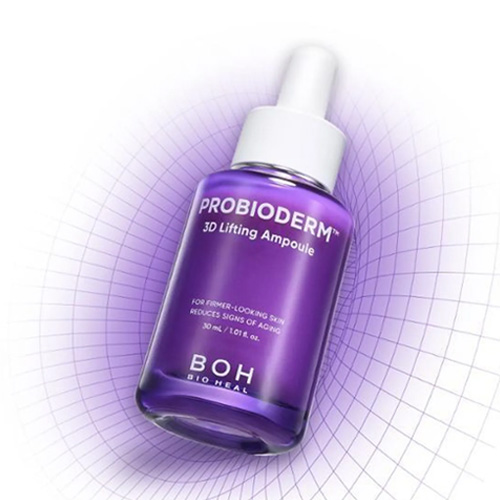
Probioderm 3D Lifting Ampoule
Bioheal BOH
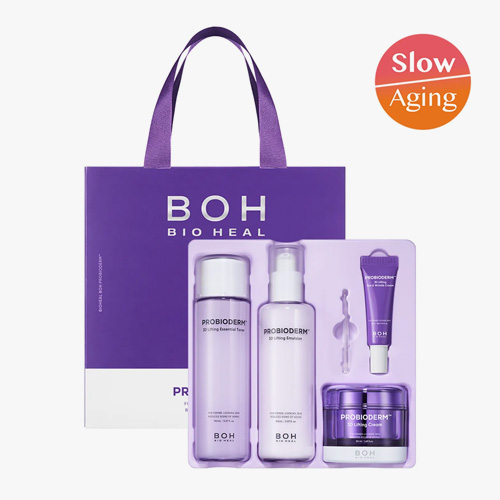
Probioderm 3D Lifting Skincare 3P Set
Bioheal BOH

Probioderm 3D Lifting Cream Mist
Bioheal BOH
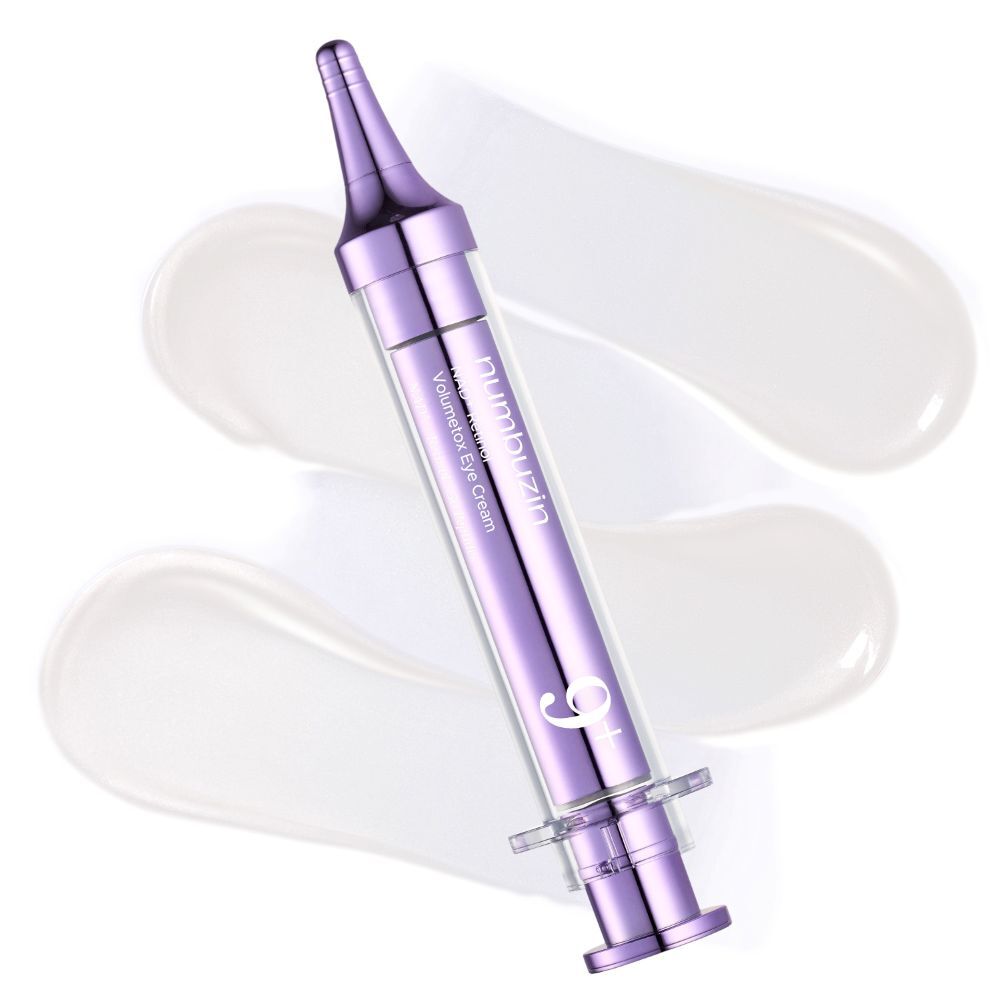
No. 9 NAD RetinA Volume Shot Eye Cream
Numbuzin
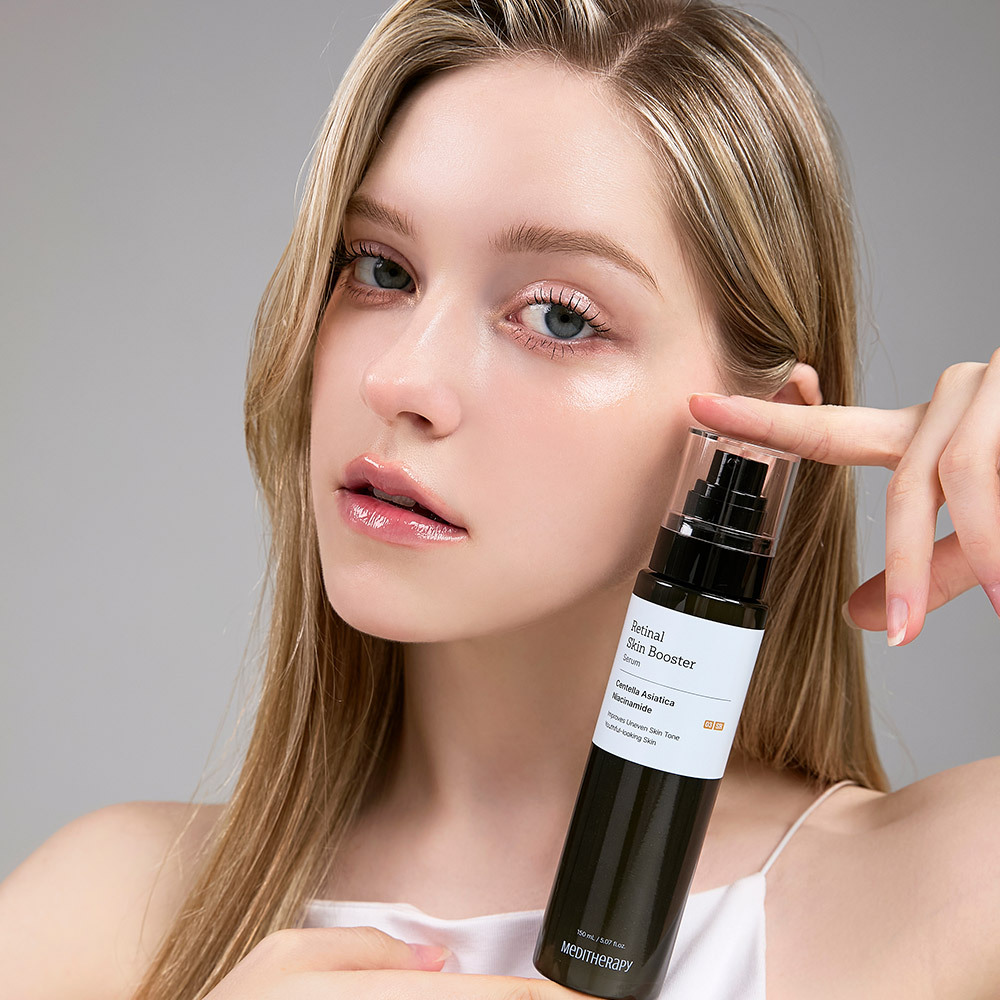
Retinal Skin Booster Serum
Anua
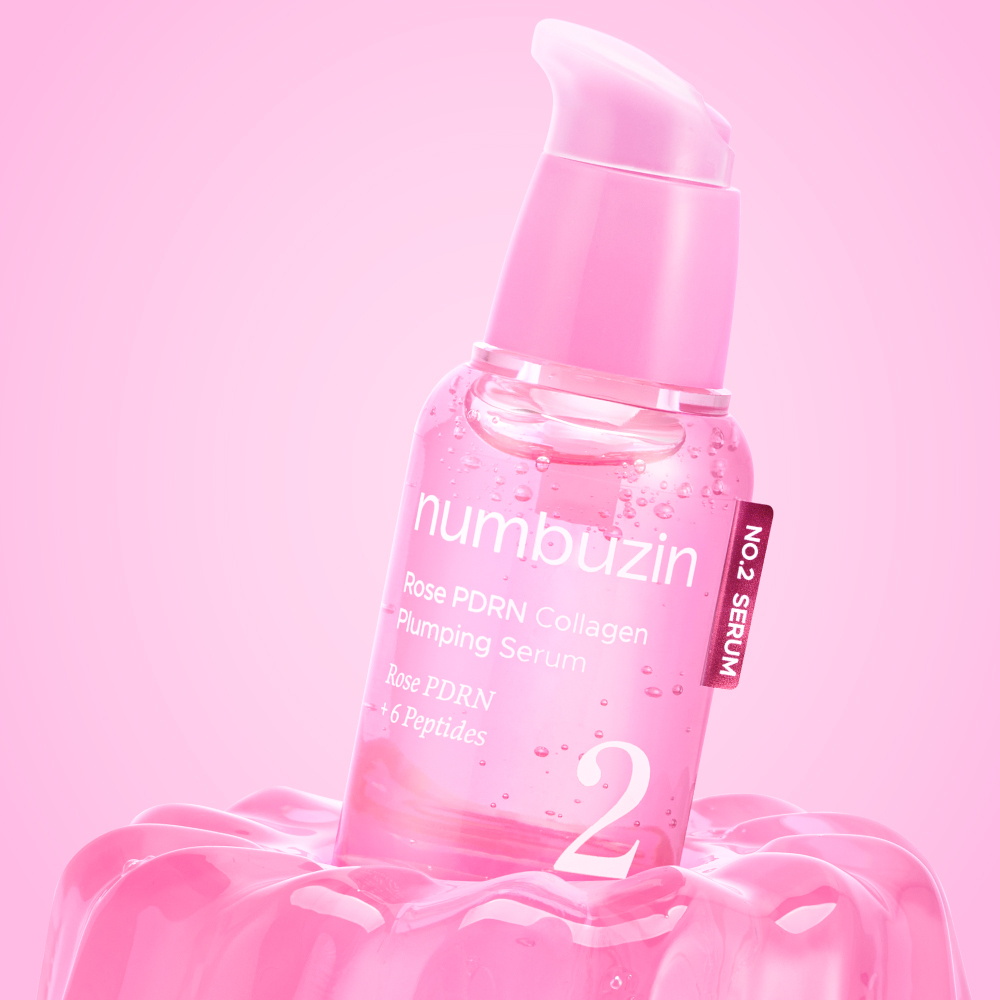
No. 2 PDRN Collagen Plumping Serum
Numbuzin
Frequently Asked Questions
How long does it take to see brightening results from Acetyl Hexapeptide-1?▼
Can I use this peptide with vitamin C or retinol?▼
Is Acetyl Hexapeptide-1 safe for long-term use?▼
Will this peptide work on melasma or stubborn hyperpigmentation?▼
Explore More
Want personalized ingredient advice?
Yuri, our AI beauty advisor, can tell you how Acetyl Hexapeptide-1 works with your specific skin type, routine, and concerns.
Ask Yuri, free