Acetyl Tetrapeptide-3
Peptide that strengthens hair follicles and supports growth
About Acetyl Tetrapeptide-3
Acetyl Tetrapeptide-3 is a bioactive peptide complex primarily recognized for its role in strengthening hair follicles and promoting healthy hair growth, though it has also found a place in advanced anti-aging skincare. This synthetic peptide is composed of four amino acids (a tetrapeptide) with an acetyl group attached to enhance its stability and penetration. In hair care, it works by anchoring hair follicles more firmly to the dermal tissue, reducing hair loss and improving density. In skincare, it's increasingly used for its ability to support dermal structure and improve skin resilience, making it a versatile ingredient in K-beauty formulations focused on repair and regeneration. With a safety rating of 4/5 and a comedogenic rating of 0/5, it's considered safe and non-pore-clogging, suitable for most skin types. Its presence in 56 K-beauty products on Seoul Sister, including top-rated serums and repair creams like NAD+ Peptide Boosting Serum by Eqqualberry and Panthecell Repair Cicasome Cream Set by Bioheal BOH, reflects its growing reputation as a multifunctional peptide that addresses both structural integrity and visible signs of aging. K-beauty brands have embraced this ingredient for its science-backed efficacy and compatibility with sensitive skin formulations.
How Acetyl Tetrapeptide-3 Works
Acetyl Tetrapeptide-3 functions by mimicking natural signaling molecules in the skin and scalp, stimulating the production of extracellular matrix proteins like collagen and laminin. These proteins form the structural scaffolding that keeps skin firm and hair follicles anchored. At the cellular level, this peptide activates fibroblasts, the cells responsible for synthesizing collagen and elastin, while also reducing inflammation by modulating cytokine activity. The acetyl modification increases its lipophilicity, allowing it to penetrate the stratum corneum more effectively and reach target cells in the dermis. In hair follicles, it strengthens the anchoring filaments that connect the follicle to surrounding tissue, reducing premature hair shedding. In facial skin, this same mechanism translates to improved firmness, reduced sagging, and better wound healing. The peptide also exhibits mild antioxidant properties, protecting cells from oxidative stress that can accelerate aging and weaken tissue structure.
Acetyl Tetrapeptide-3 by Skin Type
Oily Skin
Acetyl Tetrapeptide-3 is well-suited for oily skin due to its zero comedogenic rating and lightweight molecular structure. It won't clog pores or add heaviness, making it ideal for serums and fluid formulations that oily skin types prefer.
Dry Skin
This peptide benefits dry skin by supporting the structural proteins that maintain the skin barrier. Improved barrier function helps retain moisture more effectively, and when paired with hydrating ingredients in repair creams, it can enhance overall skin resilience.
Combo Skin
Combination skin can use Acetyl Tetrapeptide-3 without concern, as it's non-comedogenic and works systemically to improve skin structure. It pairs well with balancing formulations that address both dry and oily zones without aggravating either.
Sensitive Skin
With its low irritation potential and anti-inflammatory properties, Acetyl Tetrapeptide-3 is gentle enough for sensitive skin. Its presence in cicasome creams and repair-focused products reflects its compatibility with reactive or compromised skin barriers.
Normal Skin
Normal skin can use this peptide as part of a preventative anti-aging strategy. It helps maintain existing collagen levels and structural integrity, keeping skin firm and resilient as part of a maintenance routine.
How to Use Acetyl Tetrapeptide-3
- 1Layer Acetyl Tetrapeptide-3 serums under heavier creams for maximum penetration, as peptides work best when applied to clean, slightly damp skin.
- 2Pair with niacinamide or antioxidants like NAD+ for synergistic effects on skin repair and cellular energy production, as seen in top-rated K-beauty formulations.
- 3Use consistently for at least 8-12 weeks to see visible improvements in skin firmness or hair density, as peptides work cumulatively over time.
- 4Store peptide products in cool, dark places and use within 6 months of opening to maintain stability and efficacy.
Background
Acetyl Tetrapeptide-3 was developed through biomimetic peptide technology, a field that emerged in the early 2000s as cosmetic scientists sought alternatives to invasive anti-aging treatments. Originally formulated for hair loss solutions, it was part of a patented complex designed to combat androgenetic alopecia by strengthening follicle anchoring. Its success in clinical trials for hair growth led skincare formulators to explore its potential for facial anti-aging, particularly in improving dermal density and reducing sagging. K-beauty brands adopted this ingredient as part of the broader peptide trend, incorporating it into advanced serums and repair creams that emphasize scientific innovation and visible results. Its inclusion in products alongside cutting-edge ingredients like NAD+ and panthenol reflects K-beauty's commitment to efficacy-driven formulations grounded in biotechnology research.
K-Beauty Products with Acetyl Tetrapeptide-3
View all 60 →
No. 9 NAD Bio Lifting-sil Essence
Numbuzin
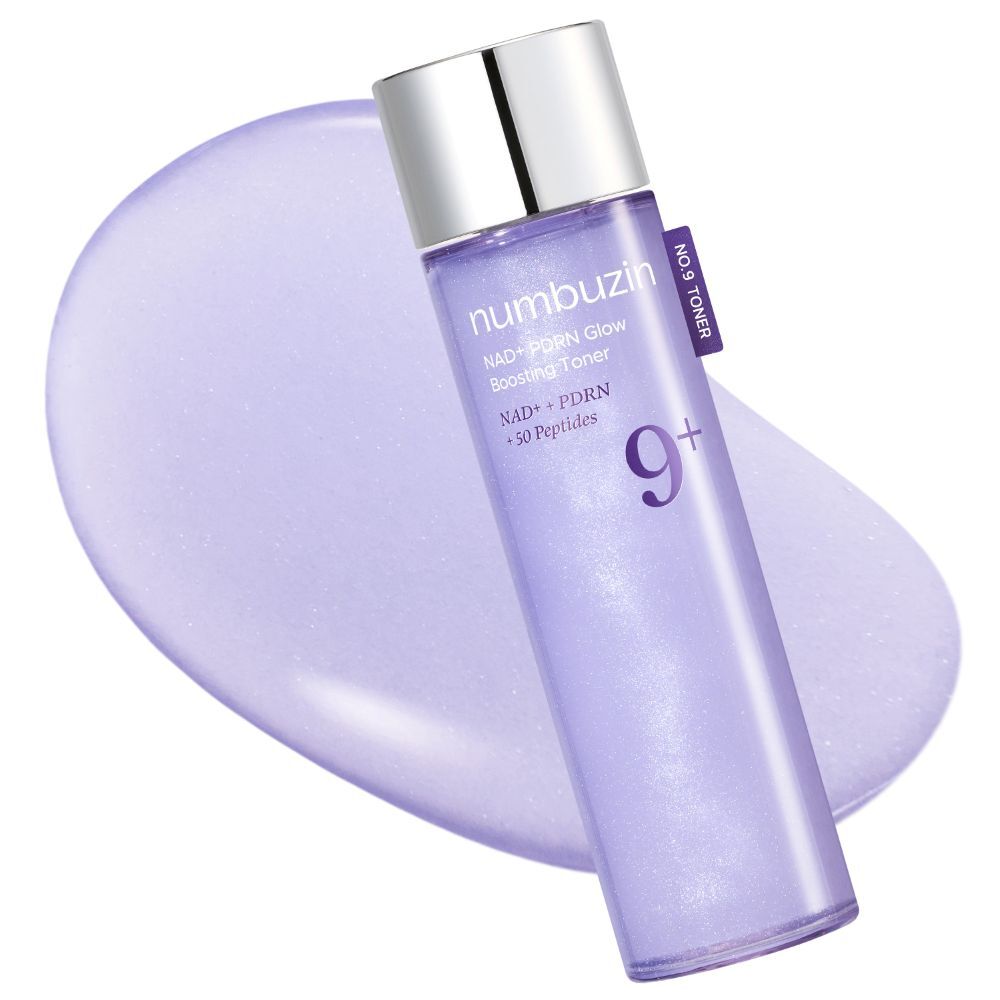
No. 9 NAD PDRN Glow Treatment Toner
Numbuzin
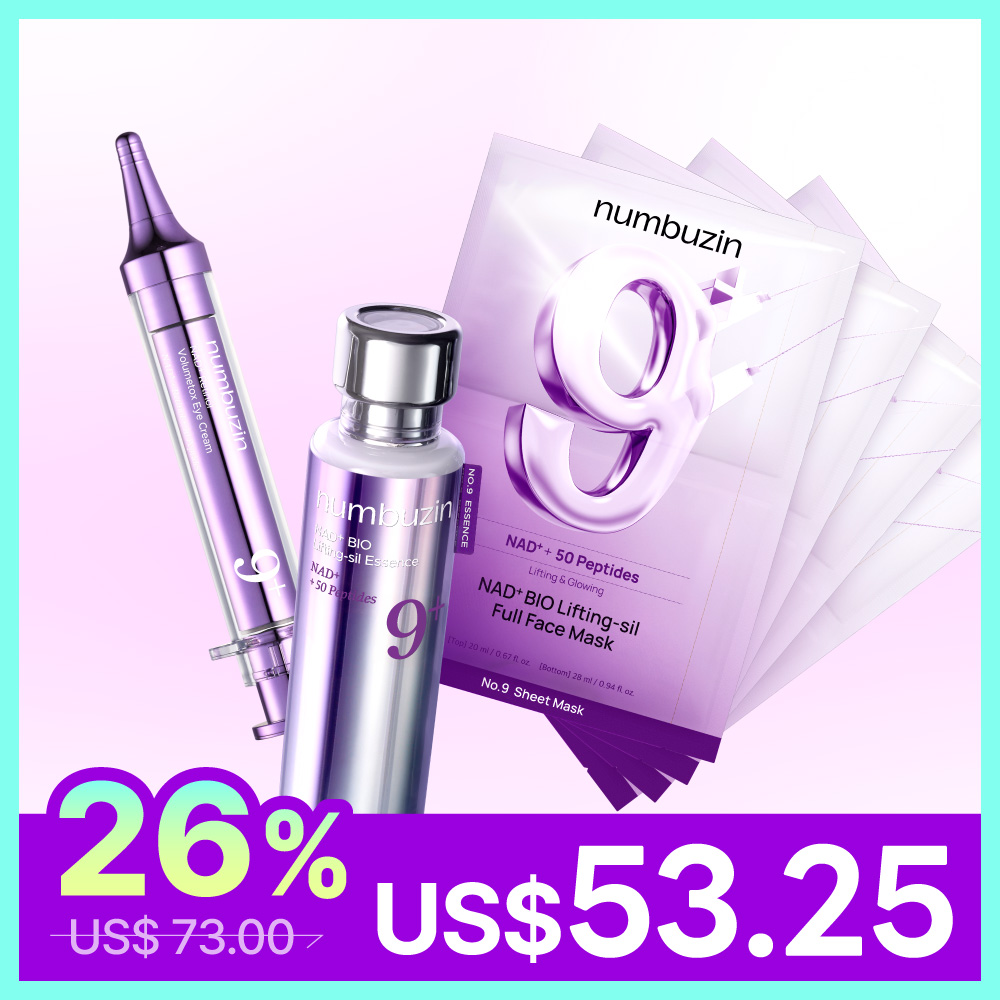
No. 9 NAD Ultimate Lifting Set
Numbuzin
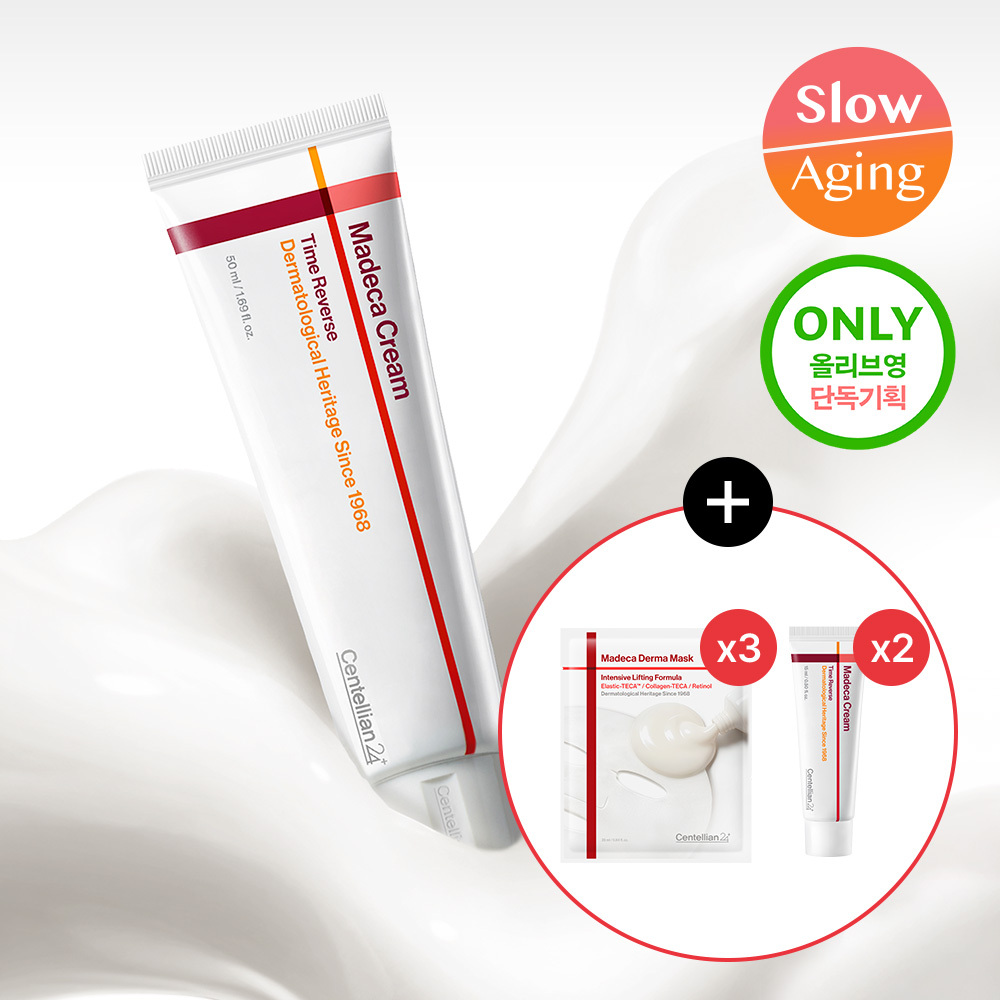
Madeca Cream Time Reverse Set
Centellian24

Peptivita C Blemish Serum
Real Barrier
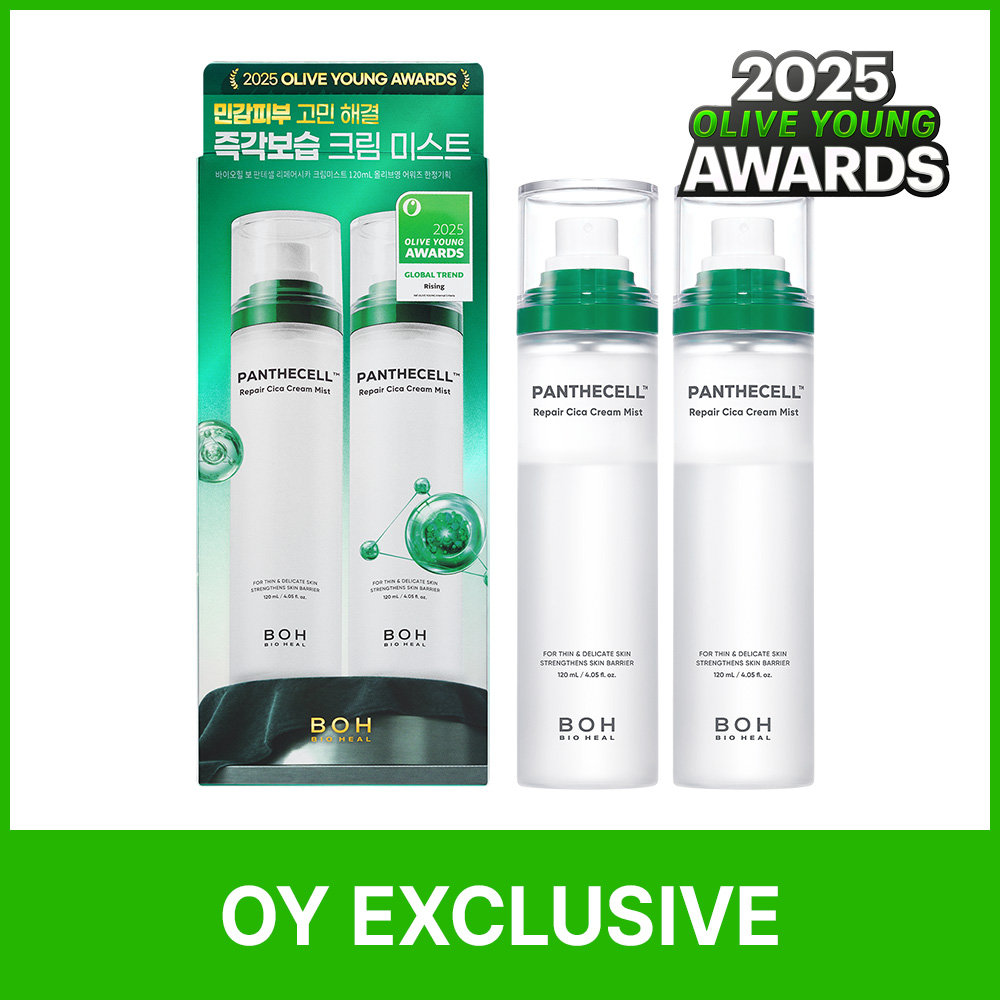
Panthecell Repair Cica Cream Mist
Bioheal BOH
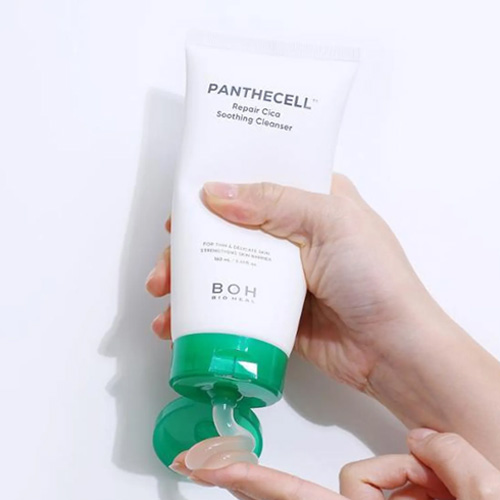
Panthecell Repair Cica Soothing Cleanser Double Pack
Bioheal BOH
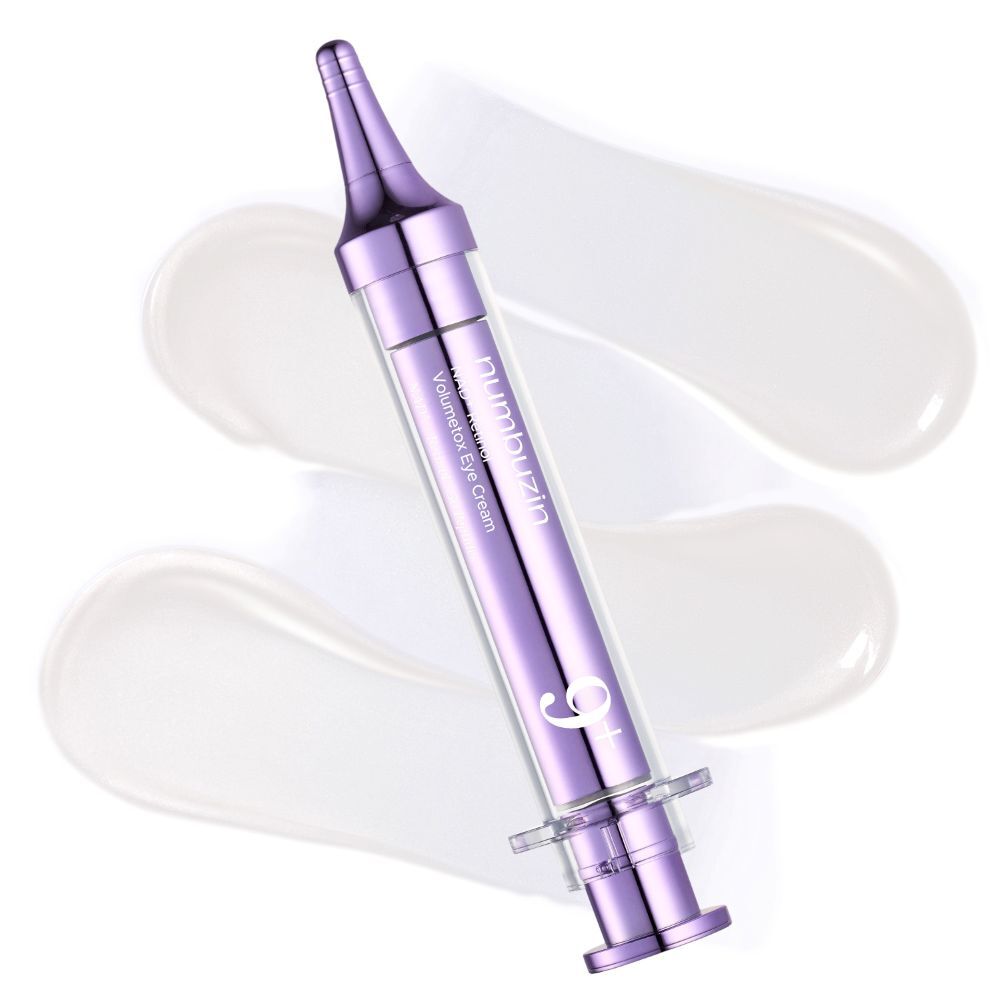
No. 9 NAD RetinA Volume Shot Eye Cream
Numbuzin
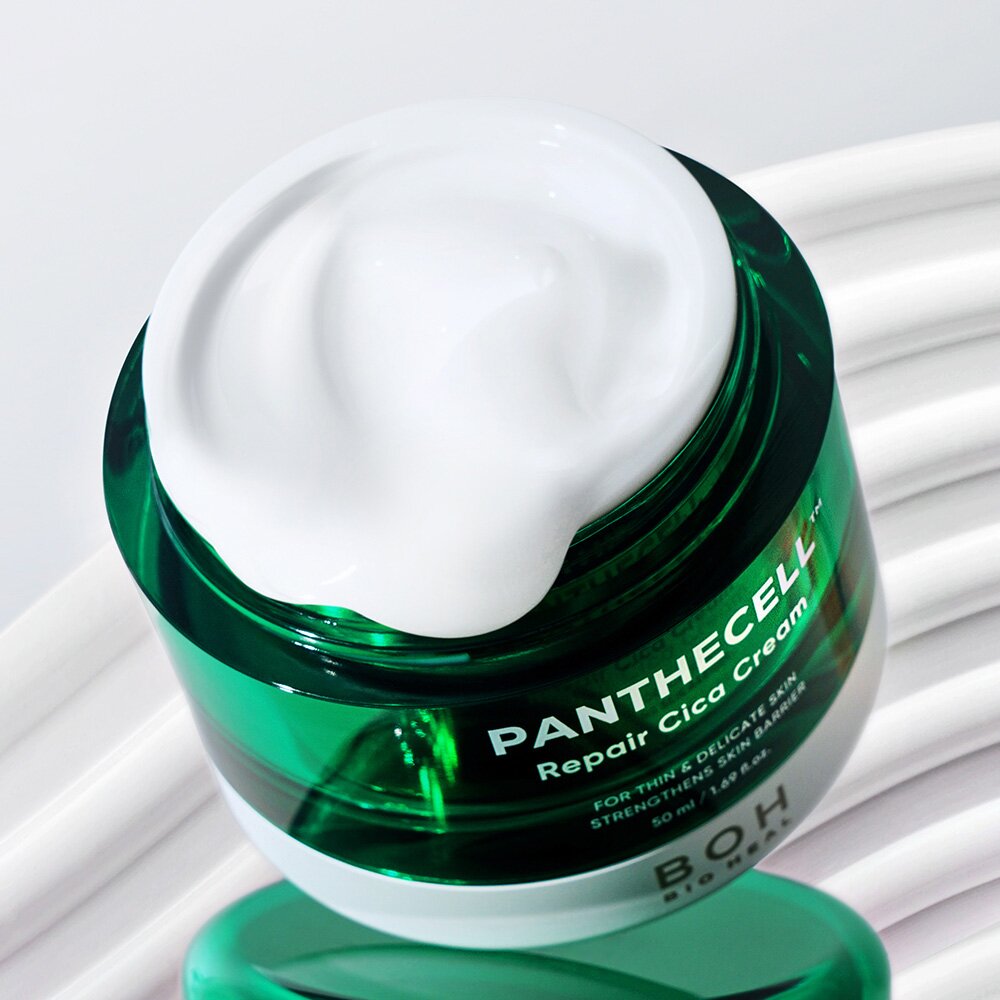
Panthecell Repair Cica Cream
Bioheal BOH
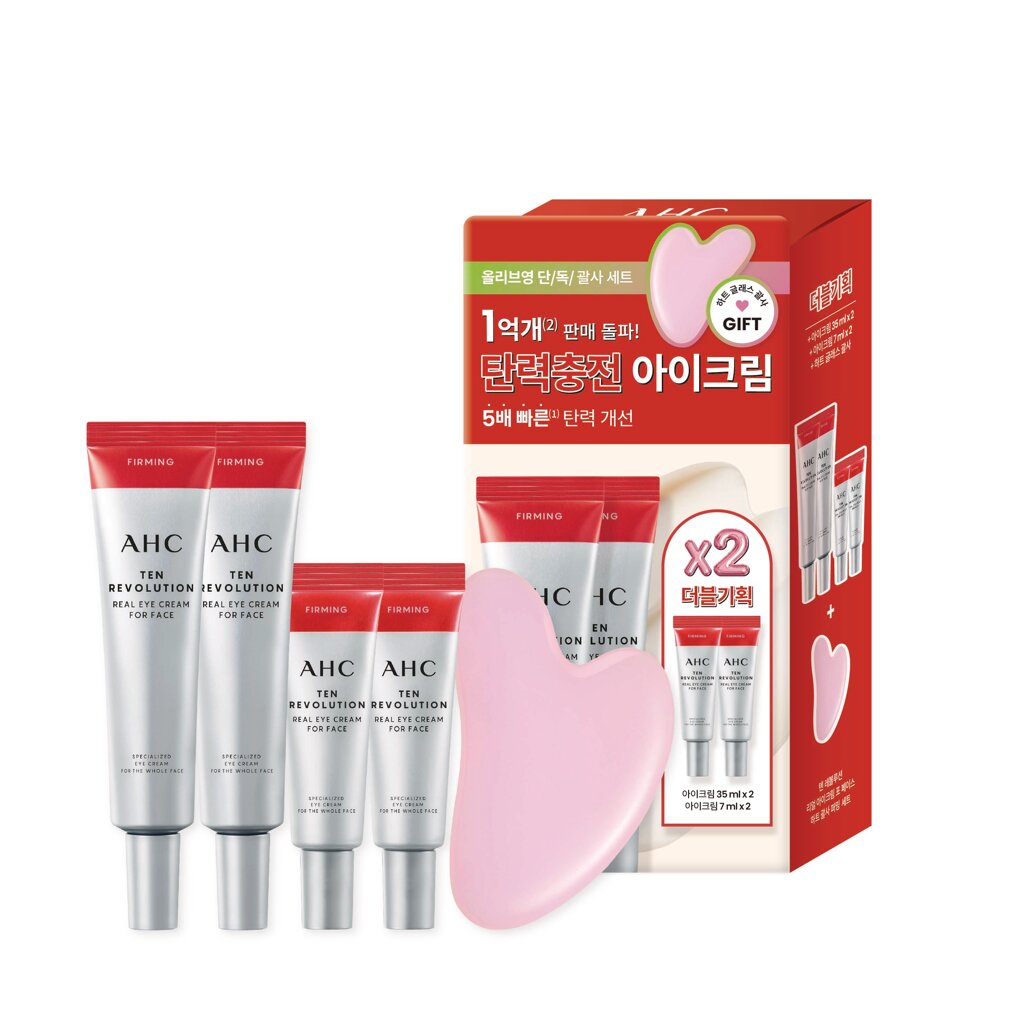
10 Revolution Real Eye Cream For Face
AHC
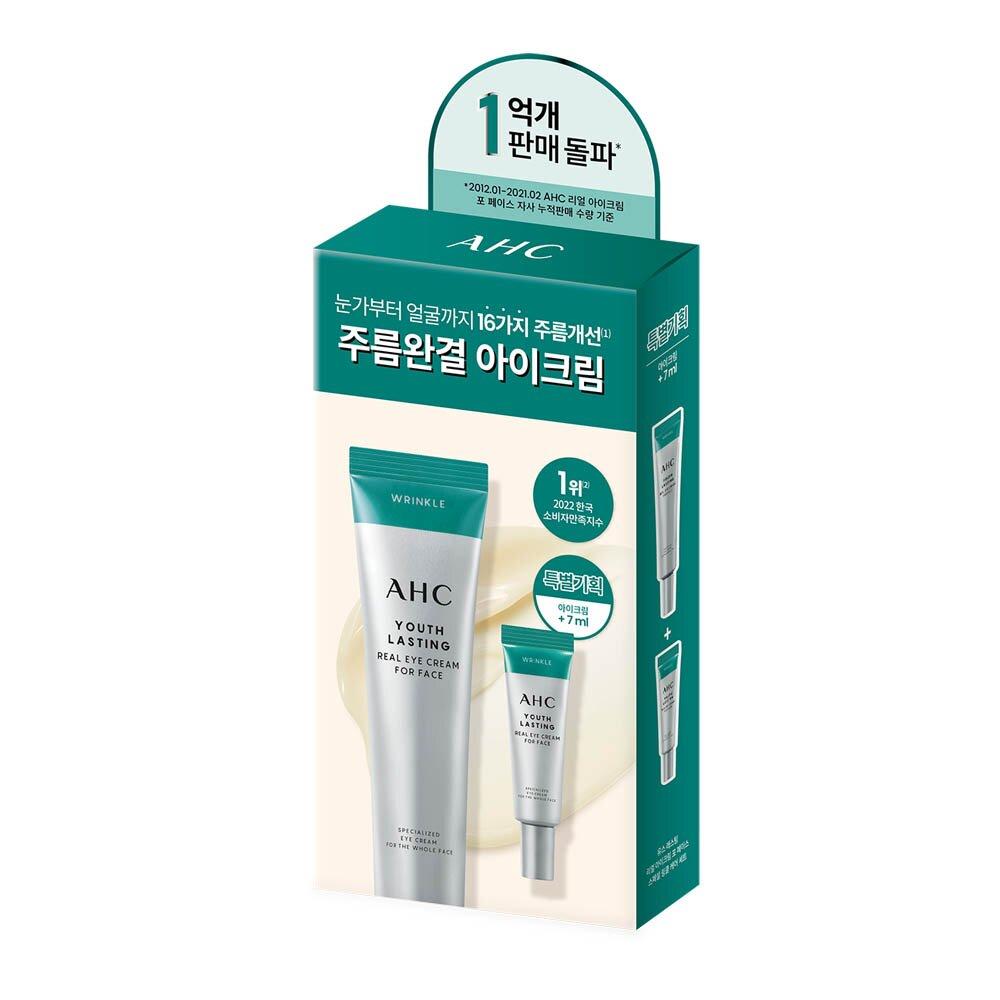
Youth Lasting Real Eye Cream For Face Special Wrinkle Care Set
AHC
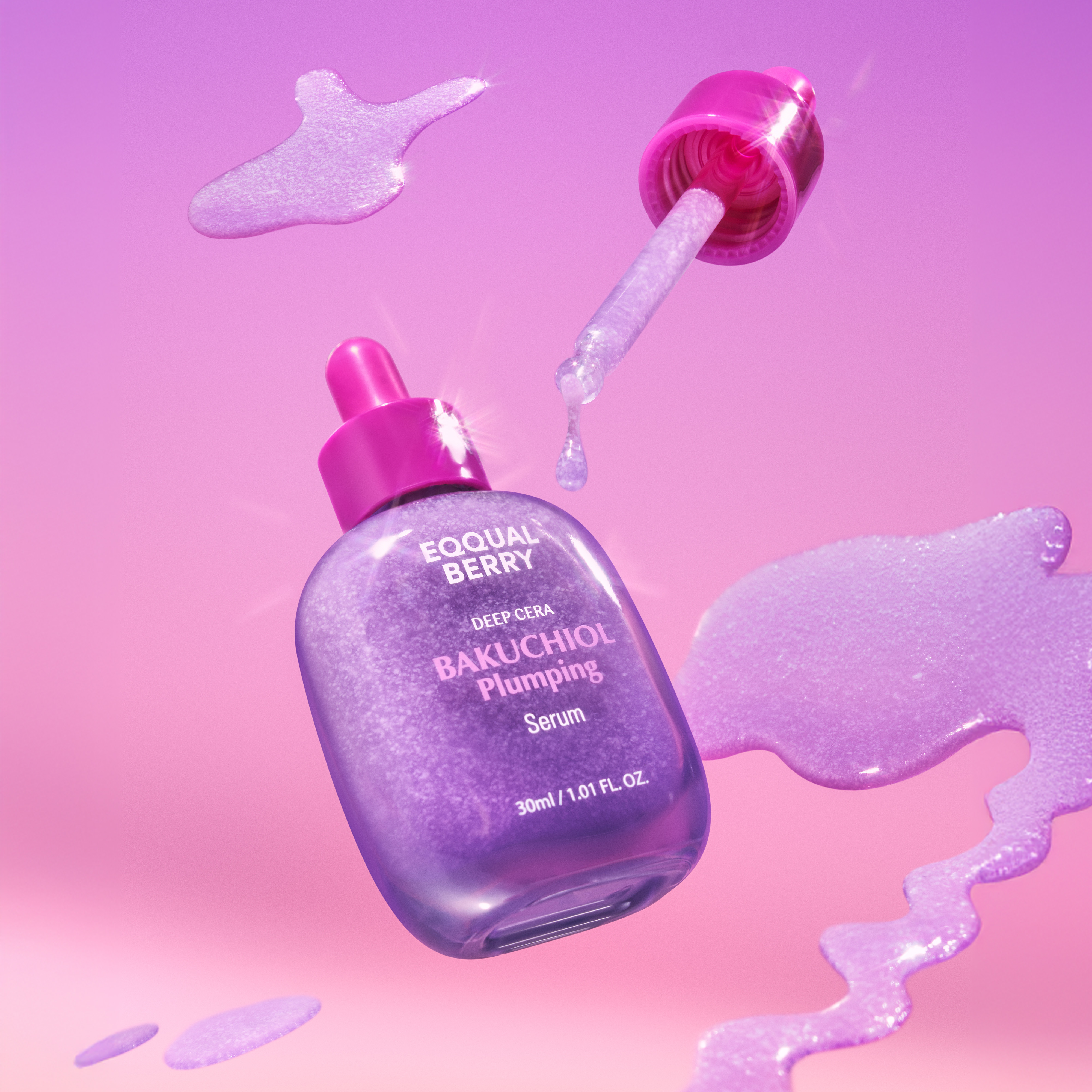
Bakuchiol Plumping Serum
Eqqualberry
Frequently Asked Questions
Can Acetyl Tetrapeptide-3 actually help with hair loss?▼
Is this ingredient safe to use during pregnancy?▼
How does this peptide compare to retinol for anti-aging?▼
Why is it paired with NAD+ in so many K-beauty serums?▼
Explore More
Want personalized ingredient advice?
Yuri, our AI beauty advisor, can tell you how Acetyl Tetrapeptide-3 works with your specific skin type, routine, and concerns.
Ask Yuri, free