Acetyl Tetrapeptide-9
Peptide that supports collagen production and firmness
About Acetyl Tetrapeptide-9
Acetyl Tetrapeptide-9 is a synthetic peptide engineered to tackle one of the most visible signs of aging: loss of firmness and structural integrity in the skin. Composed of four amino acids with an acetyl group attached for enhanced stability and penetration, this peptide works by stimulating fibroblasts (the cells responsible for producing collagen and elastin) to ramp up production of type I and type III collagen. In K-beauty formulations, you'll find it in high-performance serums, creams, and even cleansers designed to address sagging, fine lines, and loss of elasticity. Korean brands have embraced this ingredient for its ability to deliver visible firming results without the irritation often associated with retinoids or acids. What makes Acetyl Tetrapeptide-9 particularly valuable is its targeted action on the extracellular matrix, the network of proteins and molecules that gives skin its structure and bounce. Clinical studies have shown that this peptide can increase collagen synthesis by up to 87% in vitro, making it a powerhouse for mature skin or anyone looking to prevent premature aging. With 56 products on Seoul Sister featuring this ingredient (including top-rated options from Bioheal BOH and Numbuzin), it's clear that Korean formulators recognize its efficacy in creating firmer, more resilient skin over time.
How Acetyl Tetrapeptide-9 Works
Acetyl Tetrapeptide-9 functions as a cell messenger, communicating with fibroblasts in the dermis to trigger increased collagen production. When applied topically, the peptide penetrates the stratum corneum and reaches the deeper layers of skin where collagen synthesis occurs. Once there, it binds to specific receptors on fibroblast cells, essentially mimicking the natural signals that tell these cells to produce more structural proteins. The acetyl modification at the N-terminus enhances the peptide's lipophilicity, allowing it to pass through the lipid barriers of skin more efficiently than unmodified peptides. Beyond just boosting collagen quantity, Acetyl Tetrapeptide-9 also improves the quality and organization of collagen fibers, leading to better structural support. It specifically targets areas where collagen has been degraded by UV exposure, natural aging, or oxidative stress. The peptide also offers some anti-inflammatory benefits by modulating the production of pro-inflammatory cytokines, which can accelerate collagen breakdown. Results aren't instant (peptides require consistent use over 8-12 weeks to show visible improvement), but the cumulative effect is skin that appears lifted, smoother, and more elastic.
Acetyl Tetrapeptide-9 by Skin Type
Oily Skin
Oily skin can absolutely benefit from Acetyl Tetrapeptide-9, especially if you're concerned about maintaining firmness while managing excess sebum. The peptide itself is non-comedogenic and won't clog pores or increase oil production. Look for it in lightweight serums or gel-based formulations rather than heavy creams to avoid overwhelming your skin's natural moisture balance.
Dry Skin
Dry skin types will find Acetyl Tetrapeptide-9 particularly beneficial when formulated in rich, nourishing creams like the Bioheal BOH Panthecell Repair Cicasome Cream. The peptide supports collagen production while the accompanying emollients address surface dryness, creating a two-pronged approach to improving skin texture and firmness. Dry skin often shows signs of aging earlier due to compromised barrier function, making collagen-boosting ingredients especially valuable.
Combo Skin
Combination skin can handle Acetyl Tetrapeptide-9 well across different zones. Apply peptide-rich products to areas showing early signs of aging (typically cheeks, around eyes, and neck) regardless of whether those zones are oily or dry. The peptide works systemically on collagen production without affecting sebum levels, so you can target firmness concerns without worrying about exacerbating oiliness in your T-zone.
Sensitive Skin
Acetyl Tetrapeptide-9 is generally well-tolerated by sensitive skin, as peptides are less likely to cause irritation compared to retinoids or strong acids. The ingredient's anti-inflammatory properties may even help calm reactive skin while building structural integrity. However, always patch test products first, as sensitivities can arise from other ingredients in the formula rather than the peptide itself.
Normal Skin
Normal skin is the ideal canvas for preventative anti-aging with Acetyl Tetrapeptide-9. Starting peptide use in your mid to late twenties can help maintain the collagen levels you naturally have, delaying visible signs of aging. Normal skin tolerates this ingredient beautifully in any format, from essences like Numbuzin's No. 9 NAD Bio Lifting-sil Essence to richer eye creams.
How to Use Acetyl Tetrapeptide-9
- 1Apply peptide products to slightly damp skin after cleansing and toning to enhance absorption, as moisture helps drive the ingredient deeper into the skin.
- 2Layer Acetyl Tetrapeptide-9 serums or essences before heavier creams and oils in your routine, peptides penetrate best when applied early in your layering sequence.
- 3Use consistently for at least 8-12 weeks before evaluating results, peptides work gradually by stimulating cellular processes rather than providing instant surface effects.
- 4Pair with sunscreen daily, as UV damage actively breaks down the collagen that Acetyl Tetrapeptide-9 is working to build. Protect your investment by preventing new damage.
- 5Store peptide products away from extreme heat and direct sunlight, as peptides can degrade when exposed to high temperatures or UV light, reducing their effectiveness over time.
Background
Acetyl Tetrapeptide-9 was developed in the early 2000s as part of the cosmetic industry's shift toward targeted, biomimetic ingredients that work with skin's natural processes rather than against them. Synthesized in laboratories to replicate fragments of larger structural proteins, this tetrapeptide was specifically designed to address collagen degradation associated with aging and environmental stress. The ingredient gained traction in European cosmeceuticals first, backed by in vitro studies demonstrating its ability to boost collagen production in cultured fibroblasts. Korean beauty brands, always early adopters of scientifically-validated actives, began incorporating Acetyl Tetrapeptide-9 into premium anti-aging lines around 2015. The ingredient aligned perfectly with K-beauty's philosophy of long-term skin health and prevention over quick fixes. Today, it appears in everything from cleansers (like VIDIVICI's Clear Mild Amino Cleansing Foam) to intensive treatment creams, reflecting Korean formulators' commitment to delivering active ingredients across multiple product categories.
K-Beauty Products with Acetyl Tetrapeptide-9
View all 60 →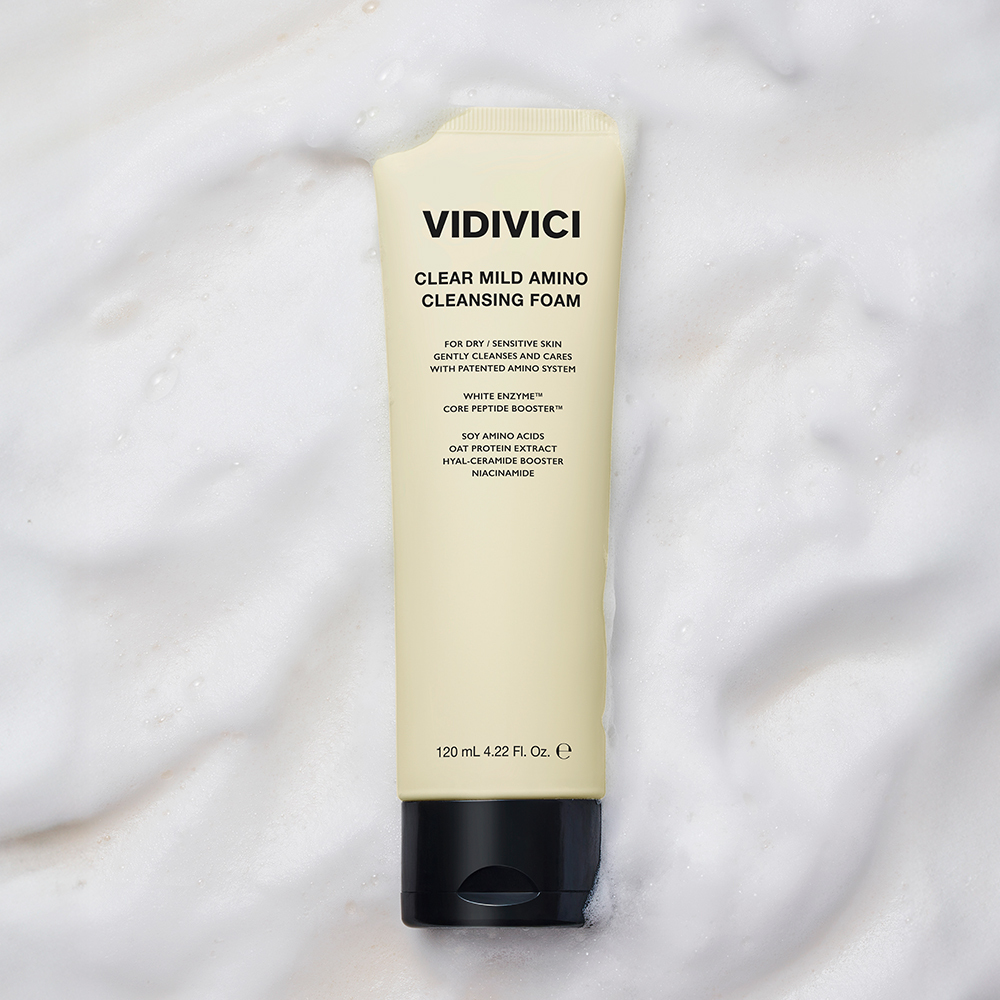
Clear Mild Amino Cleansing Foam
VIDIVICI

No. 9 NAD Bio Lifting-sil Essence
Numbuzin
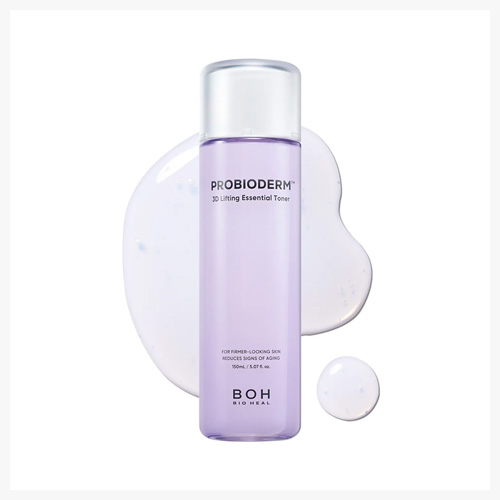
Probioderm 3D Lifting Essential Toner
Bioheal BOH
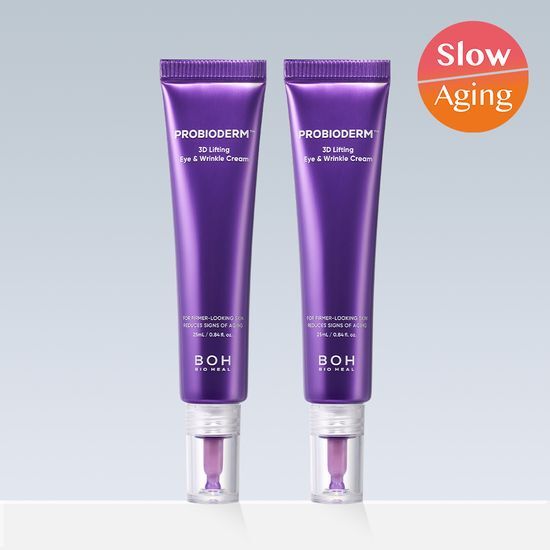
Probioderm 3D Lifting Eye & Wrinkle Cream Double Pack
Bioheal BOH
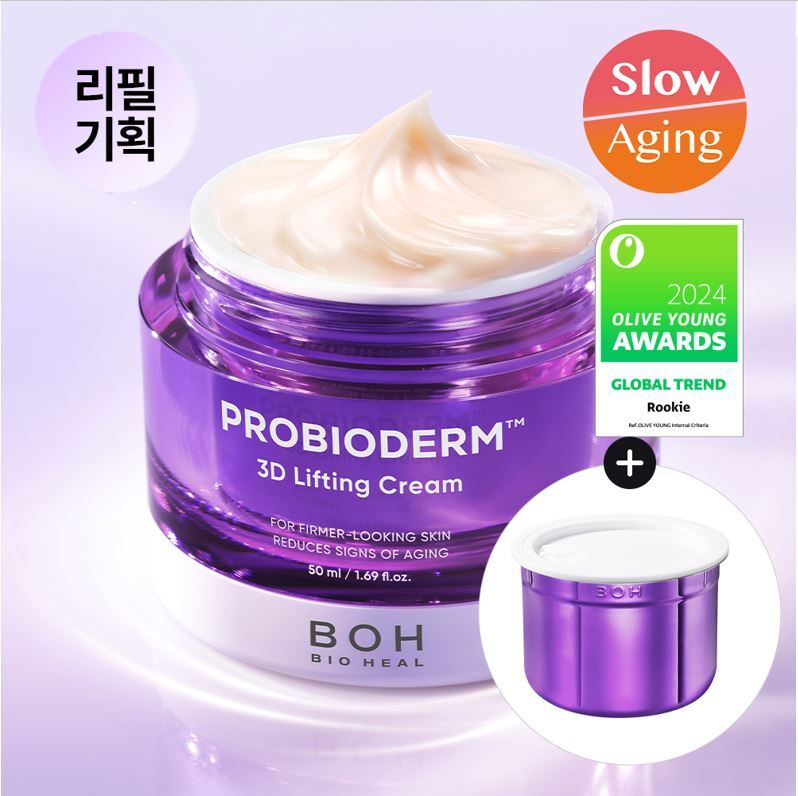
Probioderm 3D Lifting Cream
Bioheal BOH
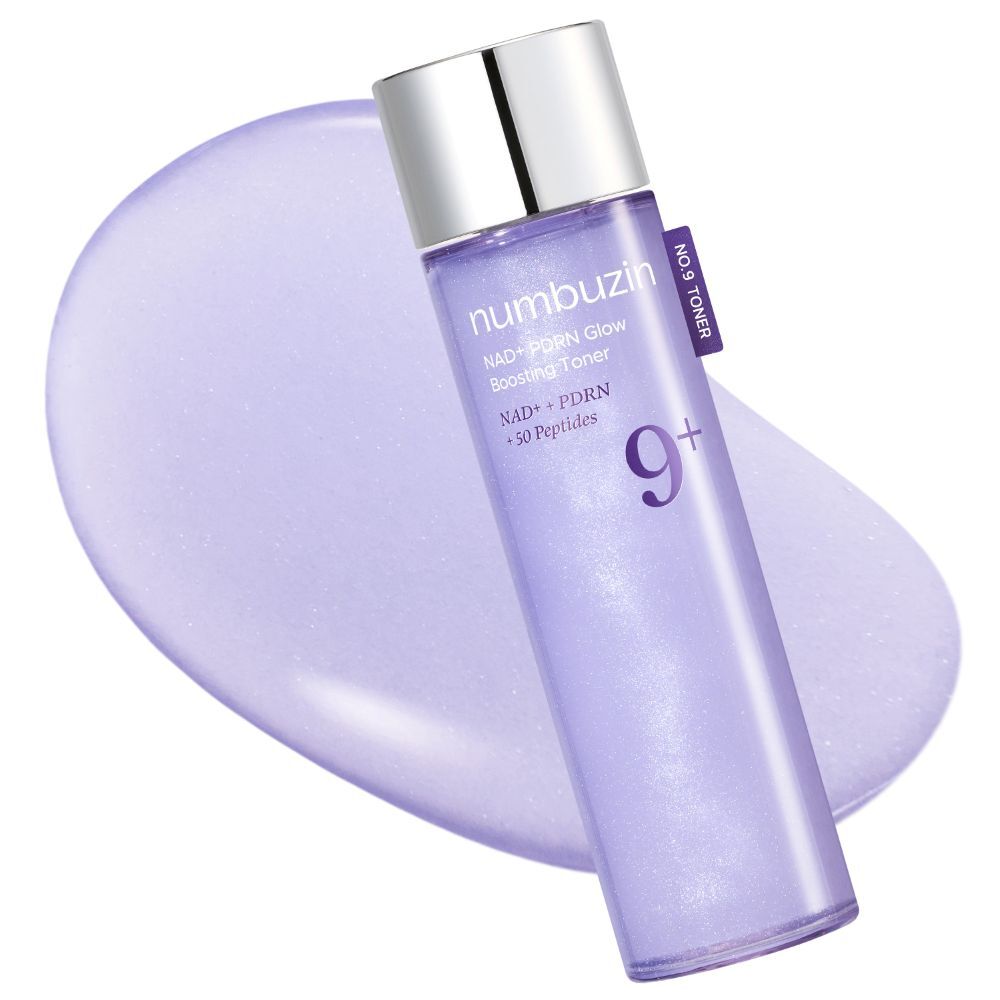
No. 9 NAD PDRN Glow Treatment Toner
Numbuzin
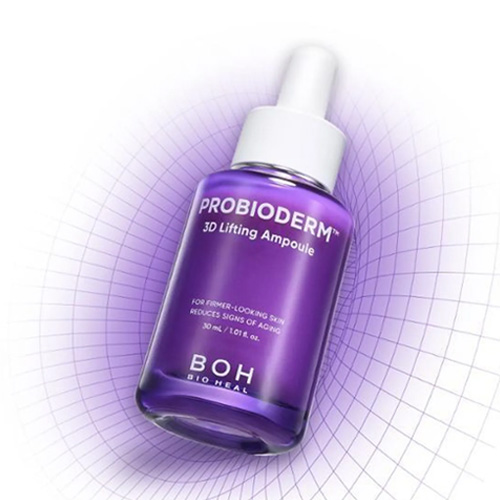
Probioderm 3D Lifting Ampoule
Bioheal BOH
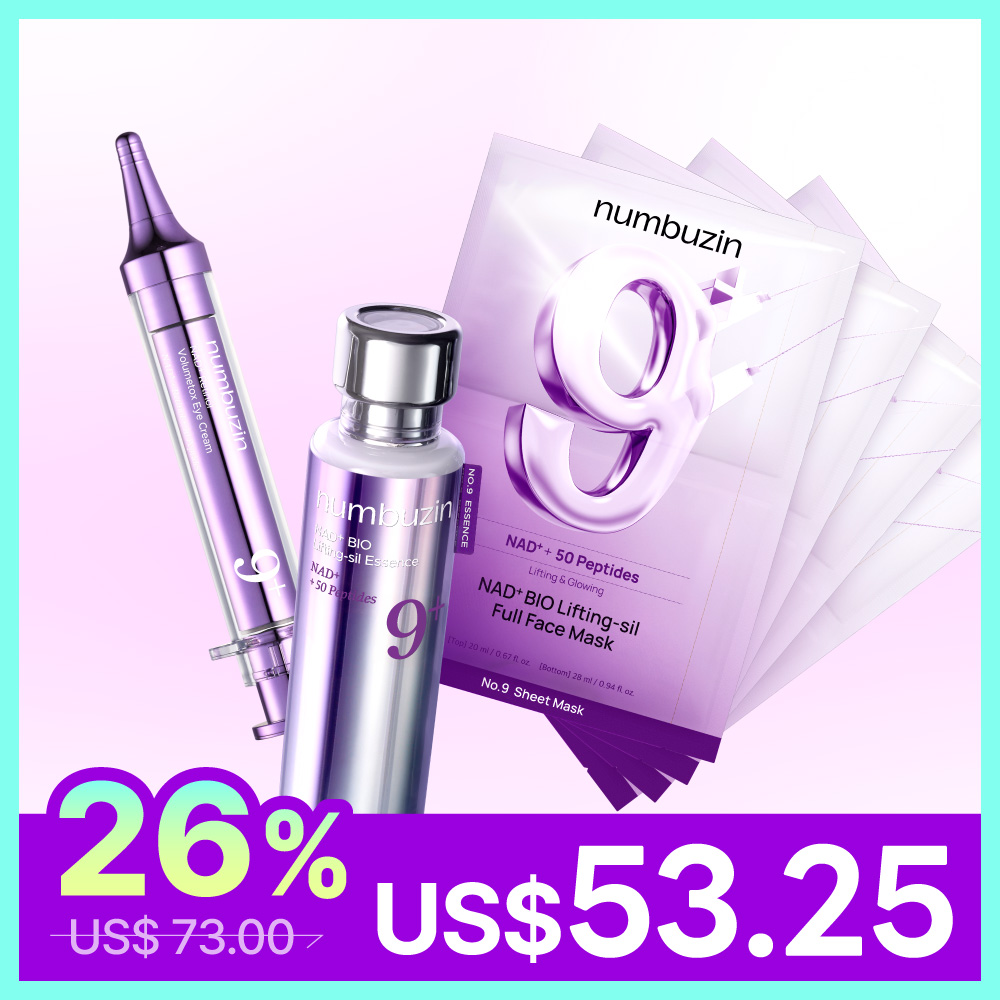
No. 9 NAD Ultimate Lifting Set
Numbuzin
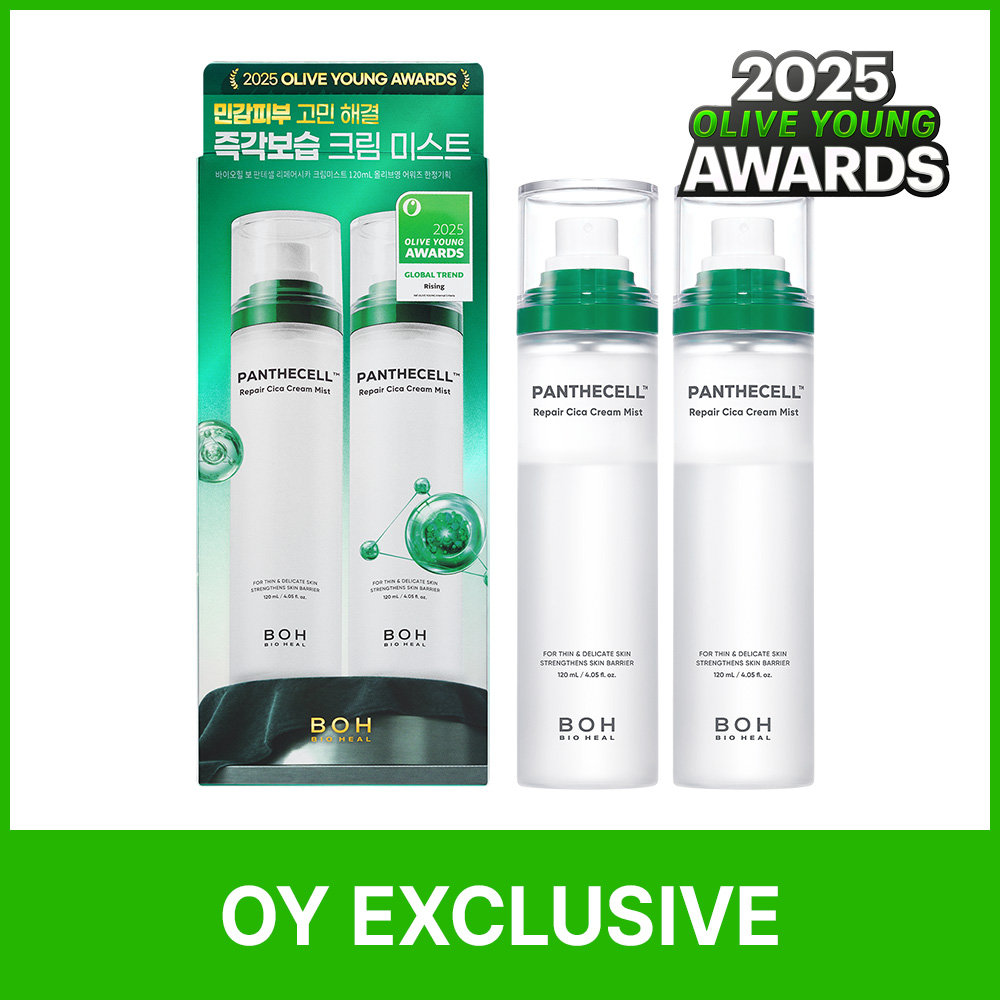
Panthecell Repair Cica Cream Mist
Bioheal BOH
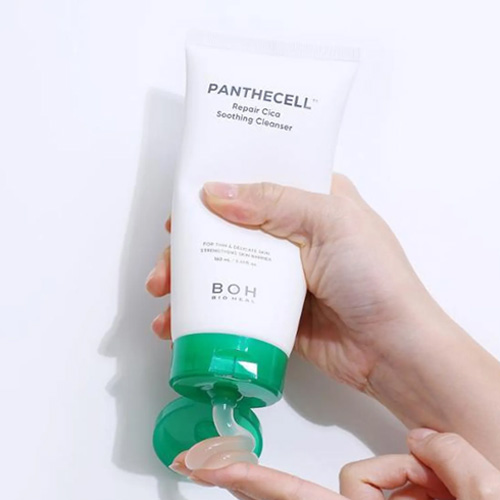
Panthecell Repair Cica Soothing Cleanser Double Pack
Bioheal BOH
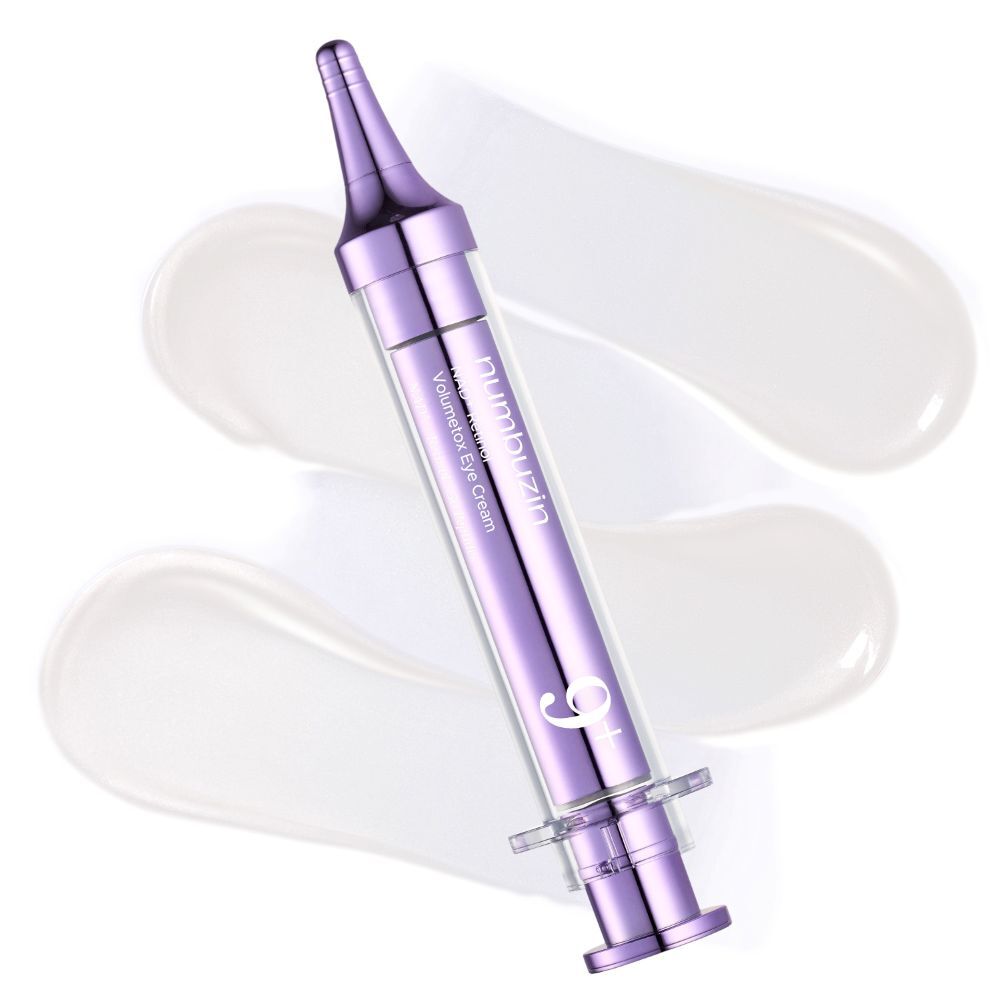
No. 9 NAD RetinA Volume Shot Eye Cream
Numbuzin
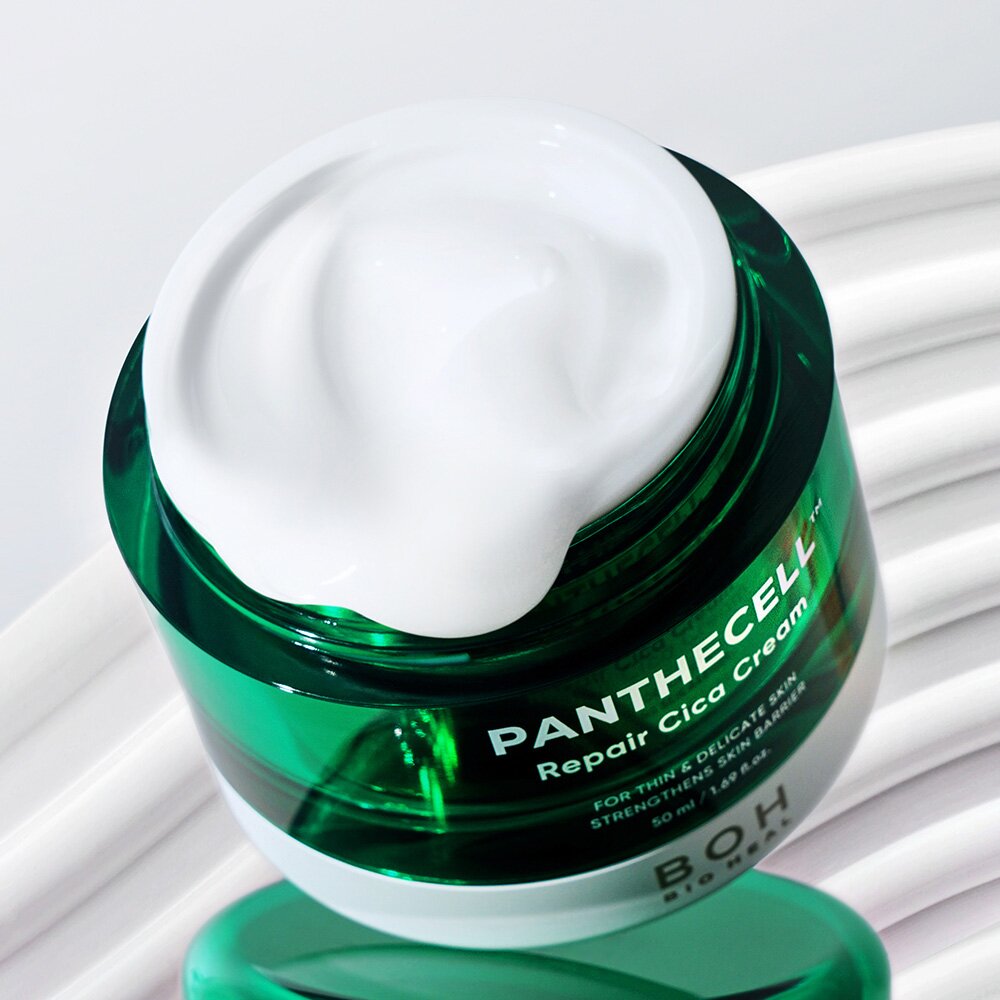
Panthecell Repair Cica Cream
Bioheal BOH
Frequently Asked Questions
How long does it take to see results from Acetyl Tetrapeptide-9?▼
Can I use Acetyl Tetrapeptide-9 with retinol or vitamin C?▼
Is Acetyl Tetrapeptide-9 better than other collagen-boosting peptides?▼
Why is Acetyl Tetrapeptide-9 in a cleansing foam?▼
Does Acetyl Tetrapeptide-9 work for preventing aging or just treating existing wrinkles?▼
Explore More
Want personalized ingredient advice?
Yuri, our AI beauty advisor, can tell you how Acetyl Tetrapeptide-9 works with your specific skin type, routine, and concerns.
Ask Yuri, free