Yarrow Extract
INCI: Achillea Millefolium Extract
Soothing and anti-inflammatory botanical extract
About Yarrow Extract
Yarrow extract, derived from the flowering plant Achillea millefolium, is a botanical powerhouse in K-beauty formulations prized for its soothing and anti-inflammatory properties. This herb contains a complex mix of bioactive compounds including flavonoids, sesquiterpene lactones, and azulenes that work synergistically to calm irritated skin and reduce redness. K-beauty brands have embraced yarrow for its ability to address multiple skin concerns simultaneously, from post-breakout inflammation to environmental stress. With a low comedogenic rating of 1/5, it's particularly valuable in formulations targeting congested or acne-prone skin that still needs calming support. The ingredient appears in 22 products across the Seoul Sister database, often featured in high-performing formulas like Rejuran's Derma Healer Pore Tightening Ampoule and Dr.G's Red Blemish line, both achieving perfect 5.0 ratings. What makes yarrow especially appealing in modern K-beauty is its dual action: it soothes existing inflammation while also helping to strengthen skin's natural barrier function. This makes it ideal for the increasingly popular "skin-first" approach that prioritizes overall skin health over masking symptoms. Unlike some botanical extracts that can be sensitizing, yarrow's safety rating of 4/5 reflects its generally well-tolerated nature across different skin types.
How Yarrow Extract Works
Yarrow extract functions through multiple biochemical pathways to deliver its anti-inflammatory benefits. The azulene compounds in yarrow inhibit the production of pro-inflammatory cytokines, essentially turning down your skin's inflammatory response at a cellular level. This is particularly helpful for reactive skin that overreacts to triggers like UV exposure, pollution, or irritating products. The flavonoids in yarrow, including apigenin and luteolin, act as potent antioxidants that neutralize free radicals before they can damage cellular structures. These same flavonoids also help stabilize mast cells, the immune cells responsible for releasing histamine during allergic reactions and irritation. Meanwhile, the tannins present in yarrow provide astringent properties that help tighten pores and regulate sebum production without stripping moisture. Yarrow also contains chamazulene, the same anti-inflammatory compound found in chamomile, which gives it that characteristic skin-calming effect. At the barrier level, yarrow supports the production of ceramides and other lipids that keep skin resilient and less prone to sensitivity. This multi-targeted approach explains why yarrow performs well across various skin concerns rather than addressing just one specific issue.
Yarrow Extract by Skin Type
Oily Skin
Yarrow extract is excellent for oily skin due to its astringent properties that help regulate sebum production and minimize the appearance of enlarged pores. The anti-inflammatory action also addresses the redness and irritation that often accompany breakouts, making it a smart choice for acne-prone complexions. Its low comedogenic rating means it won't contribute to clogged pores despite being in an extract form.
Dry Skin
While yarrow is beneficial for dry skin, it should be paired with humectants and emollients since it doesn't provide direct hydration. Its strength for dry skin lies in reducing the inflammation that often accompanies dryness and barrier damage. Yarrow can help calm the tight, uncomfortable feeling and redness that dehydrated skin experiences, while supporting barrier repair processes.
Combo Skin
Combination skin benefits significantly from yarrow's balanced approach, as it can address oiliness in the T-zone while soothing any dry, irritated patches on the cheeks. The ingredient won't exacerbate either concern, making it ideal for multi-zone formulations. Products like Belif's Manology line demonstrate how yarrow can work in all-in-one formulas designed for varied skin needs.
Sensitive Skin
Yarrow extract is particularly valuable for sensitive skin, with its anti-inflammatory and barrier-supporting properties helping to reduce reactivity over time. The presence of chamazulene and other calming compounds makes it effective at reducing redness and discomfort from environmental stressors. However, as with any botanical, patch testing is recommended since individual sensitivities can occur despite the generally high safety profile.
Normal Skin
Normal skin can use yarrow extract as a preventative measure to maintain balance and protect against future sensitivity. It helps preserve the skin's resilient state by supporting barrier function and neutralizing environmental stressors before they cause visible damage. Yarrow also contributes to overall skin clarity and an even complexion by addressing low-level inflammation that might not be immediately visible.
How to Use Yarrow Extract
- 1Look for yarrow extract in toners and ampoules where it can be applied to freshly cleansed skin for maximum absorption, as seen in high-performing products like Dr.G's Red Blemish Multi Soothing Toner.
- 2Layer yarrow-containing products before heavier creams or oils to allow the active compounds to penetrate effectively and work at the cellular level.
- 3For post-breakout care, apply yarrow extract products directly to areas of residual redness to speed up the calming process and prevent post-inflammatory hyperpigmentation.
- 4Yarrow pairs well with other calming ingredients like centella asiatica, madecassoside, and niacinamide for a comprehensive anti-inflammatory approach, as many K-beauty brands formulate with multiple soothing actives.
- 5Use yarrow-based products both morning and night, as the ingredient is not photosensitizing and can provide protective antioxidant benefits during the day while supporting repair processes at night.
Background
Yarrow has been used medicinally for thousands of years, with archaeological evidence suggesting its use in Neanderthal medicine over 60,000 years ago. The genus name Achillea references the Greek hero Achilles, who supposedly used yarrow to treat his soldiers' wounds during the Trojan War. Throughout European history, yarrow was known as "soldier's woundwort" and "bloodwort" for its hemostatic and healing properties. In traditional Chinese and Korean medicine, yarrow has been used to clear heat, reduce inflammation, and promote circulation. K-beauty's adoption of yarrow extract represents a convergence of Eastern and Western herbal traditions, with modern extraction methods isolating the most beneficial compounds while eliminating potential irritants. The ingredient gained particular traction in K-beauty during the 2010s as brands focused on developing gentler alternatives to harsh acne treatments, recognizing that inflammation management is key to healthy skin. Today, yarrow appears in premium formulations targeting everything from pore care to men's skincare, reflecting its versatility and proven efficacy.
K-Beauty Products with Yarrow Extract
View all 30 →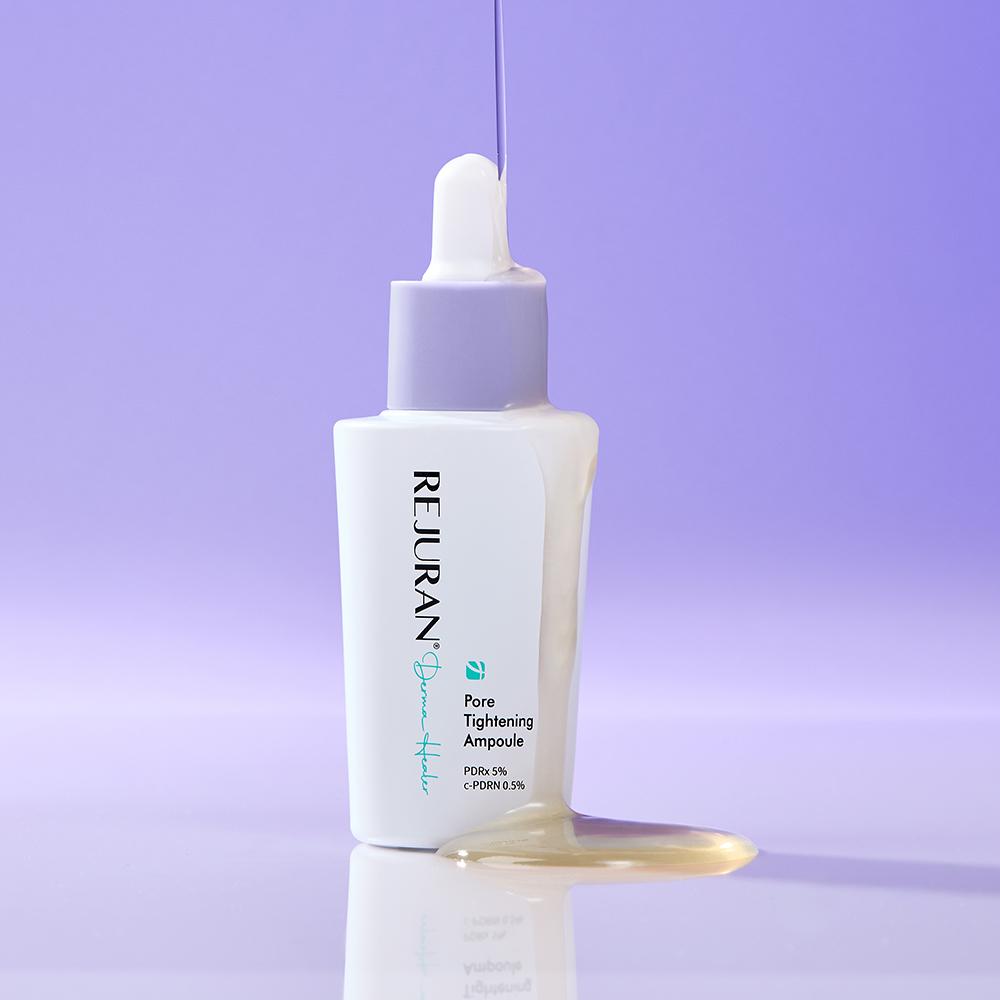
Derma Healer Pore Tightening Ampoule
Rejuran
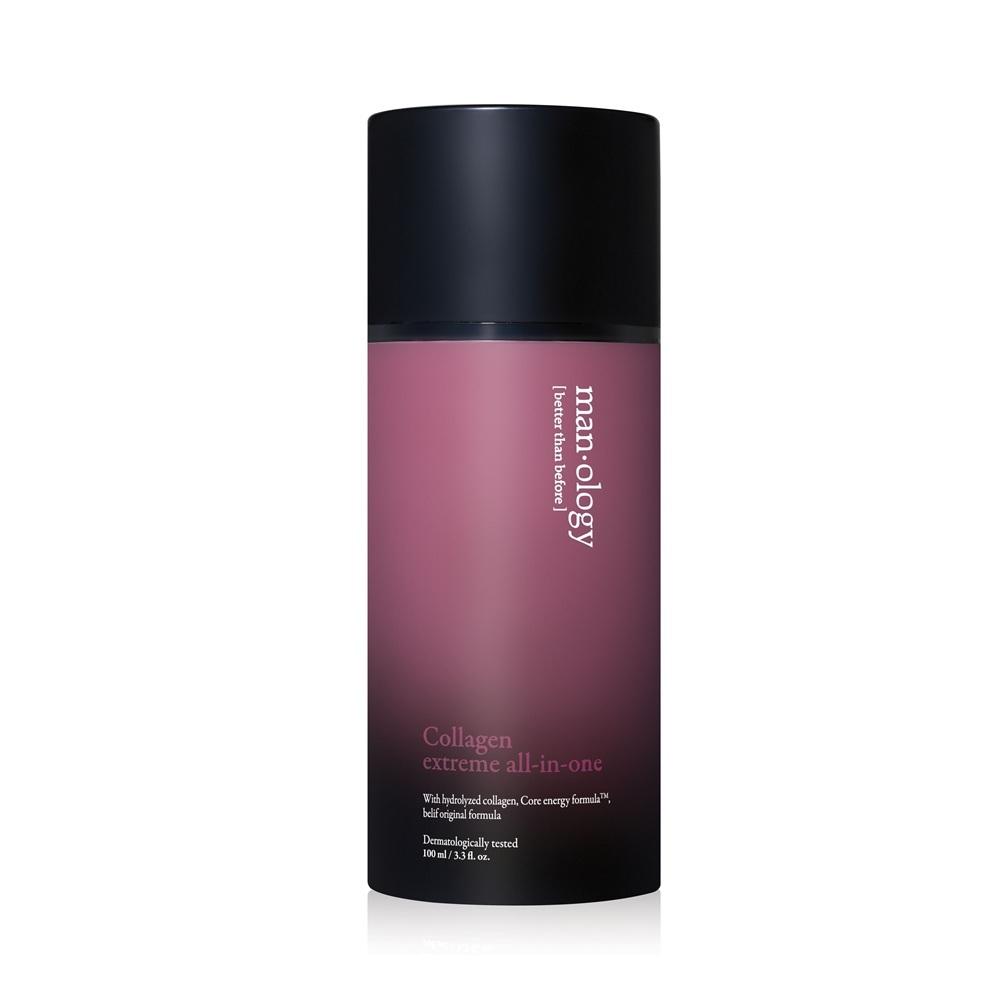
Manology Collagen Extreme All In One
Belif
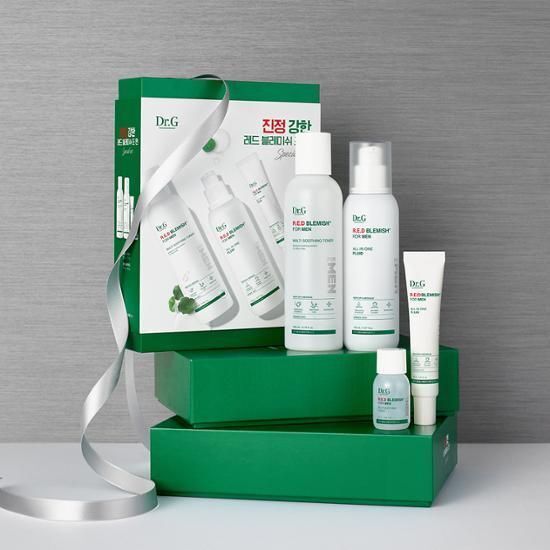
Red Blemish For Men Multi Soothing Toner / Calming All In One 2P Set
Dr.G
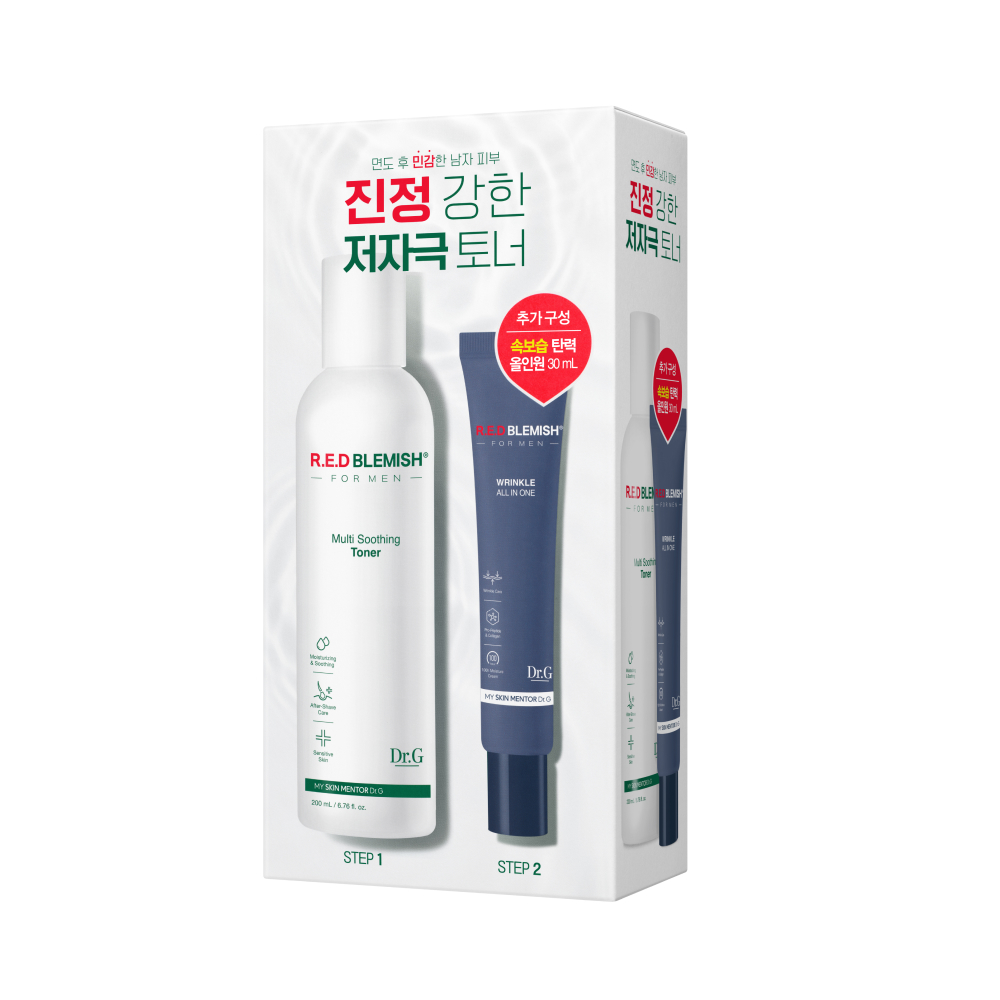
Red Blemish For Men Multi Soothing Toner Set
Dr.G
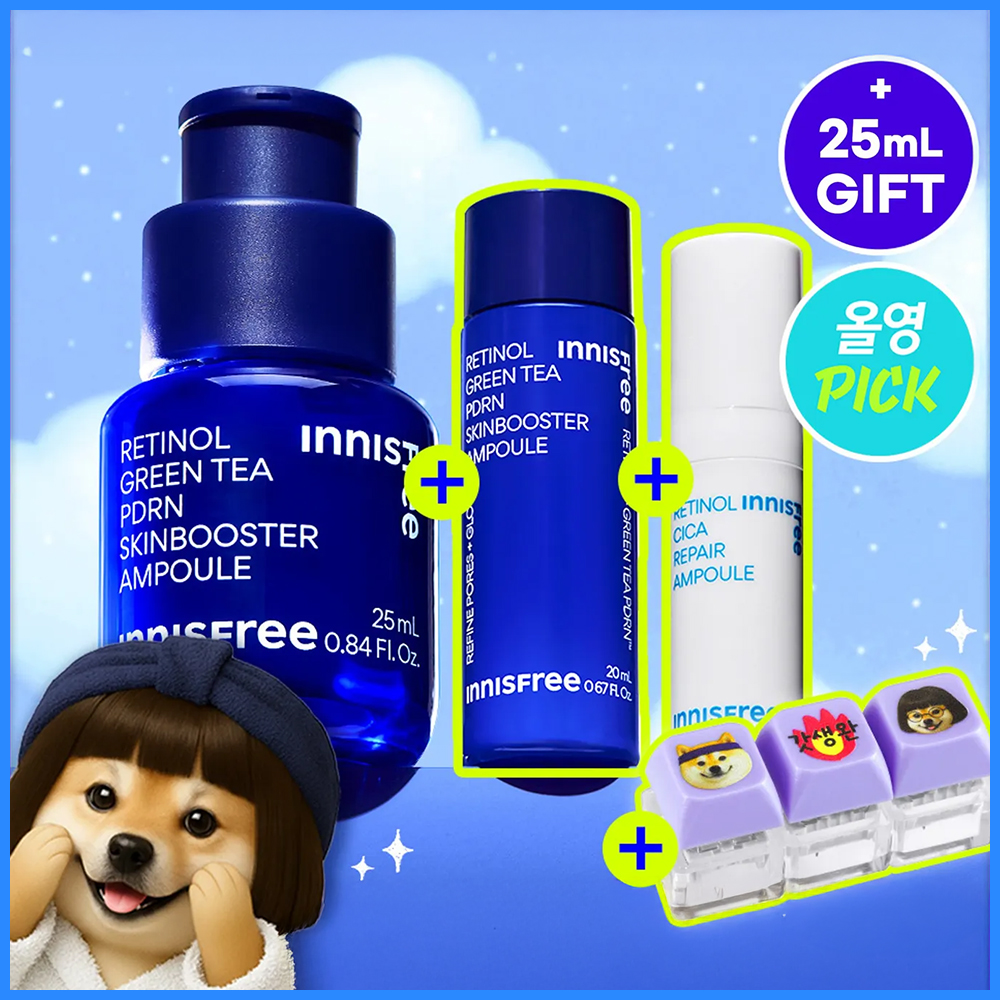
Retinol Green Tea PDRN Skinbooster Ampoule
Innisfree
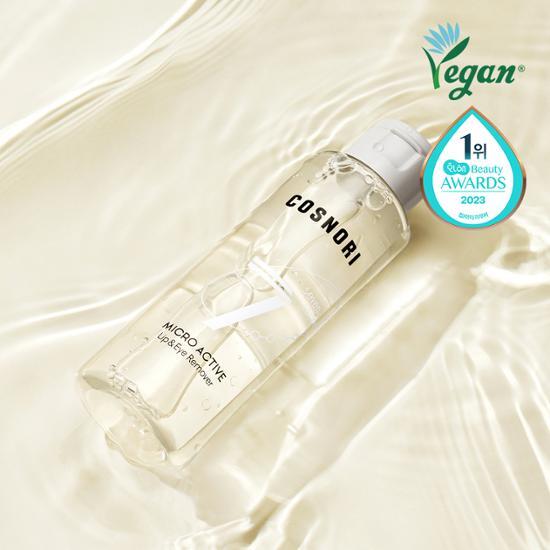
Micro Active Lip & Eye Remover
COSNORI
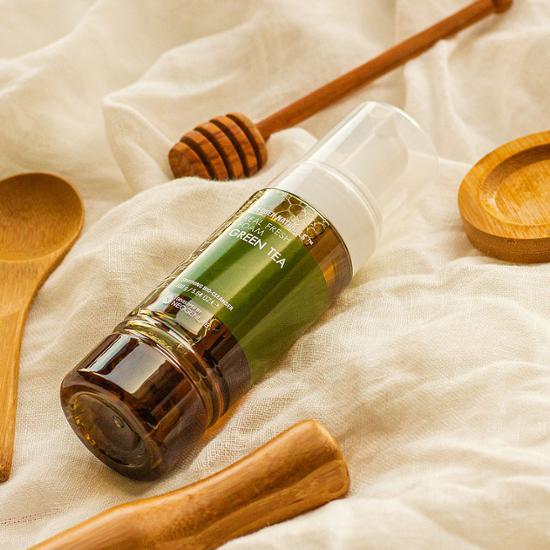
Real Fresh Foam Green Tea
Neogen
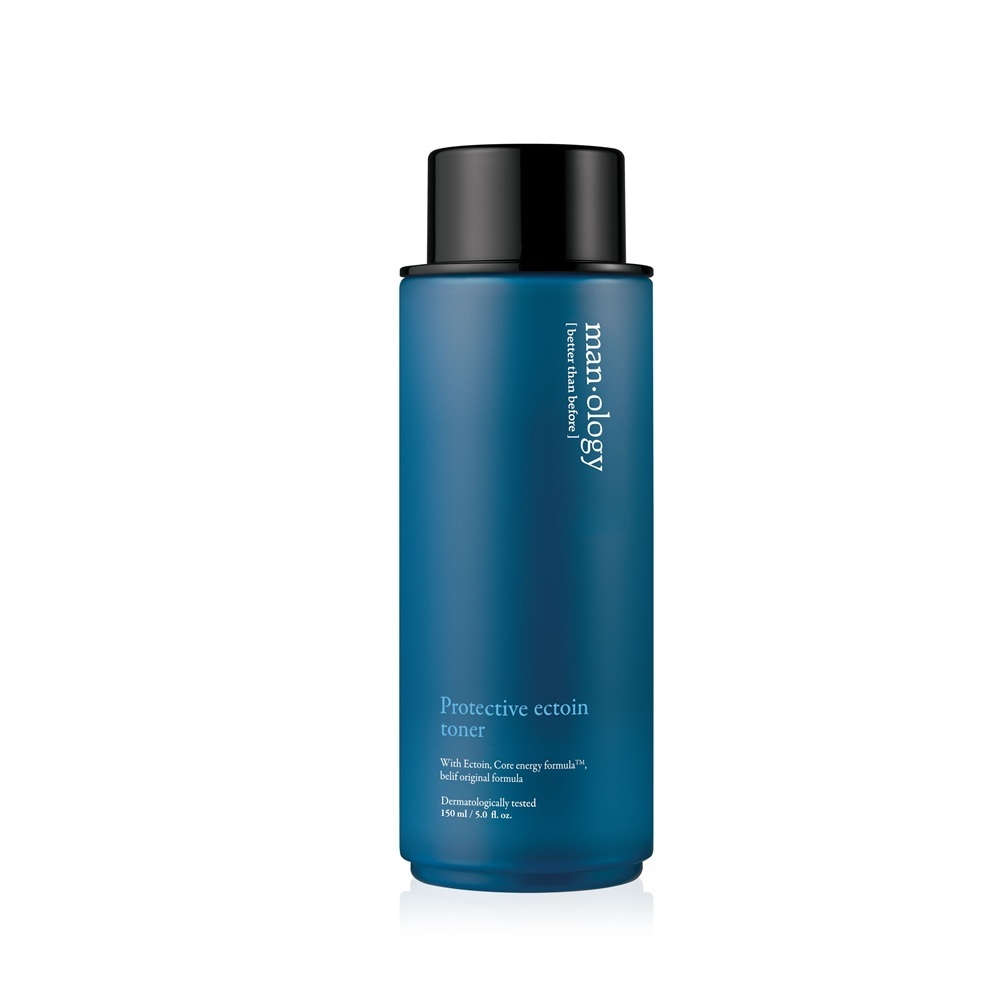
Manology Protective Ectoin Toner
Belif
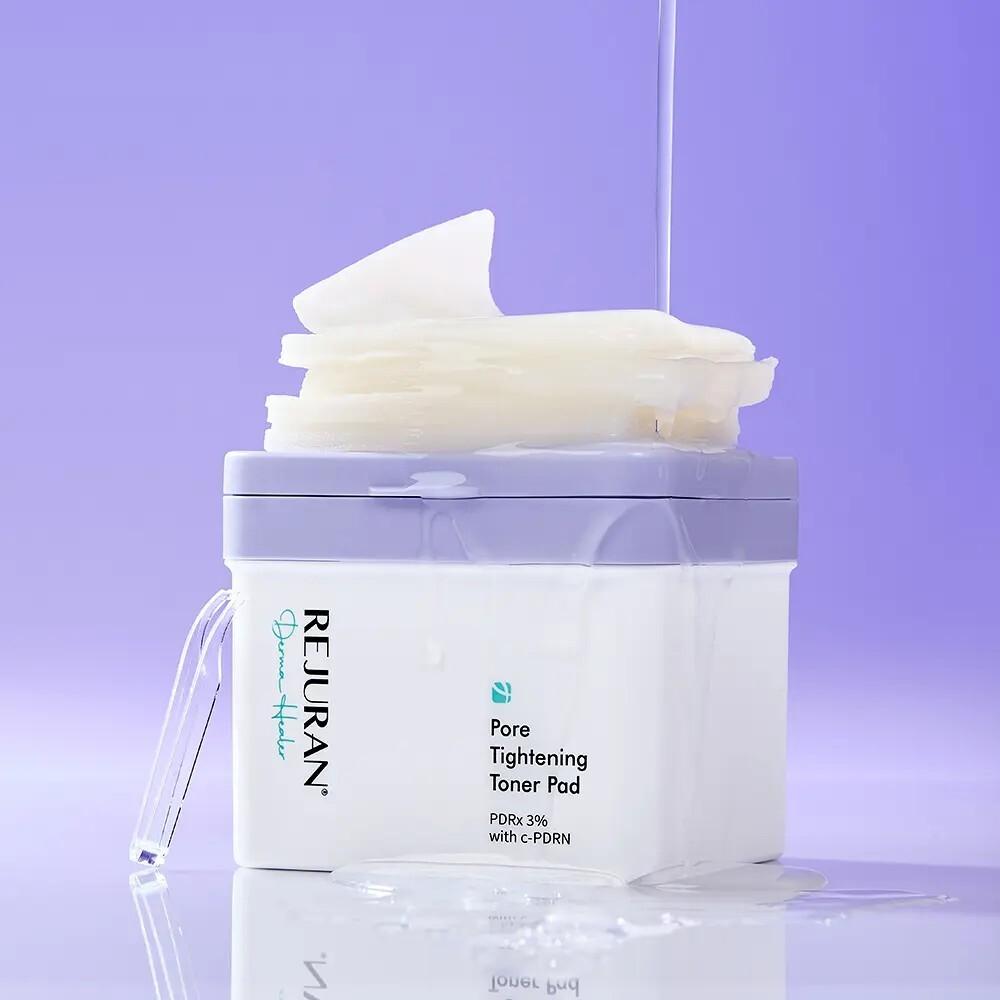
Derma Healer Pore Tightening Toner Pad 60P Limited Set
Rejuran
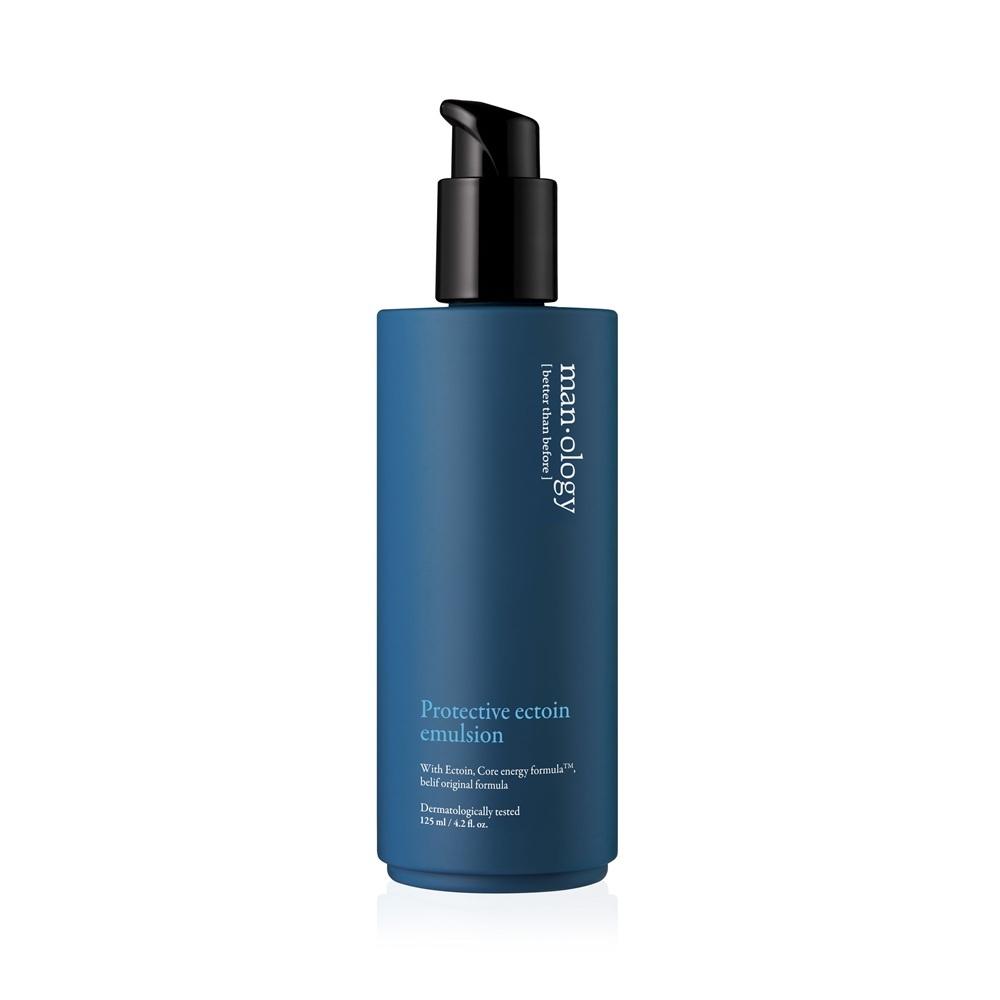
Manology Protective Ectoin Emulsion
Belif
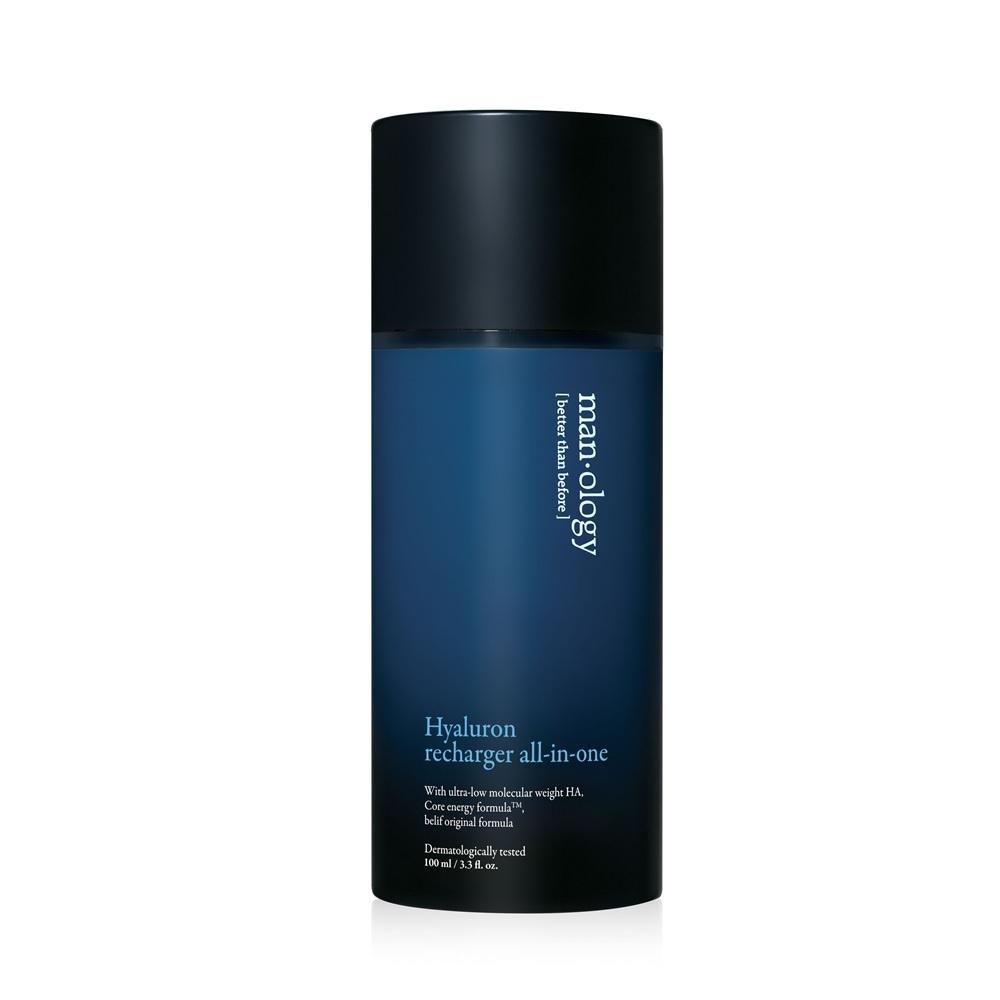
Manology Hyaluron Recharger All In One
Belif
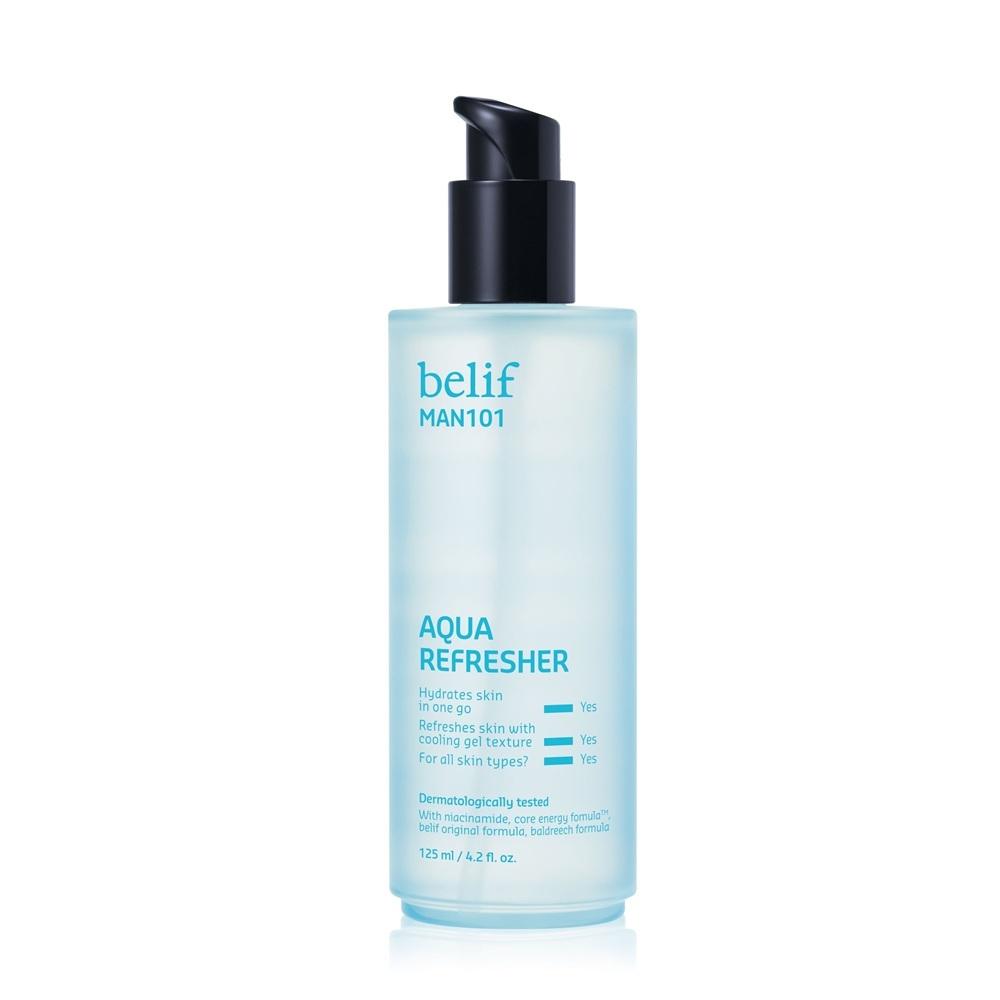
Man 101 Aqua Refresher
Belif
Frequently Asked Questions
Can yarrow extract help with acne and breakouts?▼
Is yarrow extract safe to use during pregnancy?▼
How does yarrow extract compare to centella asiatica for calming skin?▼
Can yarrow extract cause allergic reactions?▼
Explore More
Want personalized ingredient advice?
Yuri, our AI beauty advisor, can tell you how Yarrow Extract works with your specific skin type, routine, and concerns.
Ask Yuri, free