Baobab Fruit Extract
INCI: Adansonia Digitata Fruit Extract
Antioxidant and moisturizing botanical extract
About Baobab Fruit Extract
Baobab Fruit Extract comes from the iconic African baobab tree, often called the 'Tree of Life' for its ability to survive harsh desert conditions for thousands of years. This resilience translates directly into skincare benefits. The extract is loaded with vitamin C (six times more than oranges), antioxidants, and omega fatty acids that work together to hydrate, protect, and brighten skin. In K-beauty formulations, baobab fruit extract serves as both a moisturizing agent and a powerful antioxidant shield against environmental stressors like pollution and UV damage. What makes it particularly appealing for modern Korean skincare is its lightweight, non-greasy texture that absorbs quickly while delivering serious hydration. The extract contains high levels of tartaric acid, which gently exfoliates and refines skin texture without irritation. Its exceptional safety profile (4/5 rating) and zero comedogenic rating make it suitable for virtually all skin types, which explains why it appears in 21 different K-beauty products ranging from cleansers to sunscreens. Korean brands especially value baobab for its ability to strengthen the skin barrier while providing that coveted dewy, glass-skin finish without heaviness.
How Baobab Fruit Extract Works
At the cellular level, baobab fruit extract works through multiple pathways. Its high concentration of vitamin C (ascorbic acid) inhibits tyrosinase, the enzyme responsible for melanin production, leading to a brighter, more even complexion over time. The extract's polyphenols and flavonoids neutralize free radicals by donating electrons, preventing oxidative damage to cell membranes and DNA. This antioxidant action helps slow visible signs of aging and protects against pollution-induced inflammation. The omega-3, 6, and 9 fatty acids in baobab integrate into the lipid bilayer of the stratum corneum, reinforcing the skin barrier and reducing transepidermal water loss. Meanwhile, its natural sugars and polysaccharides act as humectants, binding water molecules to the skin's surface for immediate and lasting hydration. The tartaric acid component provides gentle alpha-hydroxy acid benefits, loosening the bonds between dead skin cells to promote natural exfoliation without the harsh irritation associated with stronger acids. This multi-pronged approach explains why baobab appears in everything from cleansers to sunscreens, it delivers results across multiple skin concerns simultaneously.
Baobab Fruit Extract by Skin Type
Oily Skin
Baobab fruit extract is excellent for oily skin because it provides essential hydration without adding greasiness or clogging pores (0/5 comedogenic rating). The tartaric acid content helps control excess sebum by gently exfoliating and keeping pores clear, while the antioxidants reduce inflammation that can trigger oil overproduction. Its lightweight texture absorbs instantly, making it perfect for layering in multi-step routines.
Dry Skin
This ingredient is a hydration powerhouse for dry skin, thanks to its rich omega fatty acid profile and humectant properties that lock moisture into the skin barrier. The vitamin C and antioxidants also help repair damage from dryness-induced inflammation. Products like Banila Co's Vegan Moist Oil To Foam Cleanser (4.9/5) leverage baobab to cleanse without stripping, maintaining hydration even during the washing process.
Combo Skin
Baobab fruit extract balances combination skin beautifully by hydrating dry zones without overwhelming oily areas. Its non-comedogenic nature means it won't cause breakouts in the T-zone, while its barrier-strengthening fatty acids address dryness on cheeks. The gentle exfoliating action from tartaric acid helps normalize skin texture across different zones for a more unified complexion.
Sensitive Skin
With its 4/5 safety rating and anti-inflammatory antioxidants, baobab is generally well-tolerated by sensitive skin. The extract strengthens the compromised skin barrier common in reactive skin types, reducing sensitivity over time. However, the natural fruit acids mean you should patch test first if you have extremely sensitive or rosacea-prone skin, though irritation is rare given the low concentration in most formulations.
Normal Skin
Baobab fruit extract is ideal for maintaining normal skin's healthy balance. It provides preventative antioxidant protection against future damage while keeping hydration levels optimal. The vitamin C content offers subtle brightening benefits, and the gentle exfoliation maintains the smooth, clear texture that characterizes normal skin without disrupting its natural equilibrium.
How to Use Baobab Fruit Extract
- 1Look for baobab in cleansers (like the top-rated Arencia and Banila Co options) to get antioxidant benefits even during your wash step, protecting skin from the oxidative stress of tap water and environmental pollutants.
- 2Pair baobab-containing products with sunscreen (such as Banila Co's UV Defense Waterproof Sunscreen at 5.0/5) since vitamin C works synergistically with UV filters to enhance photoprotection and prevent sun damage.
- 3Use baobab products consistently for at least 4-6 weeks to see brightening results, as vitamin C's effect on melanin production is cumulative rather than immediate.
- 4Layer baobab-based products under heavier moisturizers or oils, its lightweight texture absorbs quickly and won't interfere with subsequent products in your routine.
Background
The baobab tree (Adansonia digitata) has been central to African traditional medicine and nutrition for millennia, with every part of the tree used for healing purposes. The fruit pulp was traditionally consumed for energy and immunity, while the oil treated skin conditions and wounds. European explorers documented baobab's remarkable properties in the 1700s, but it wasn't until the 2000s that the cosmetic industry began extracting and stabilizing the fruit's beneficial compounds for skincare. K-beauty brands adopted baobab around 2015-2018 as part of the global botanical trend, drawn to its impressive nutritional profile and sustainability story. Unlike many exotic ingredients, baobab is actually environmentally friendly, the trees produce abundant fruit without requiring intensive farming or irrigation. Korean formulators particularly appreciated how baobab's lightweight hydration aligned with the K-beauty philosophy of layered moisture without heaviness, and its vitamin C content fit perfectly into brightening routines that dominate Korean skincare culture.
K-Beauty Products with Baobab Fruit Extract
View all 21 →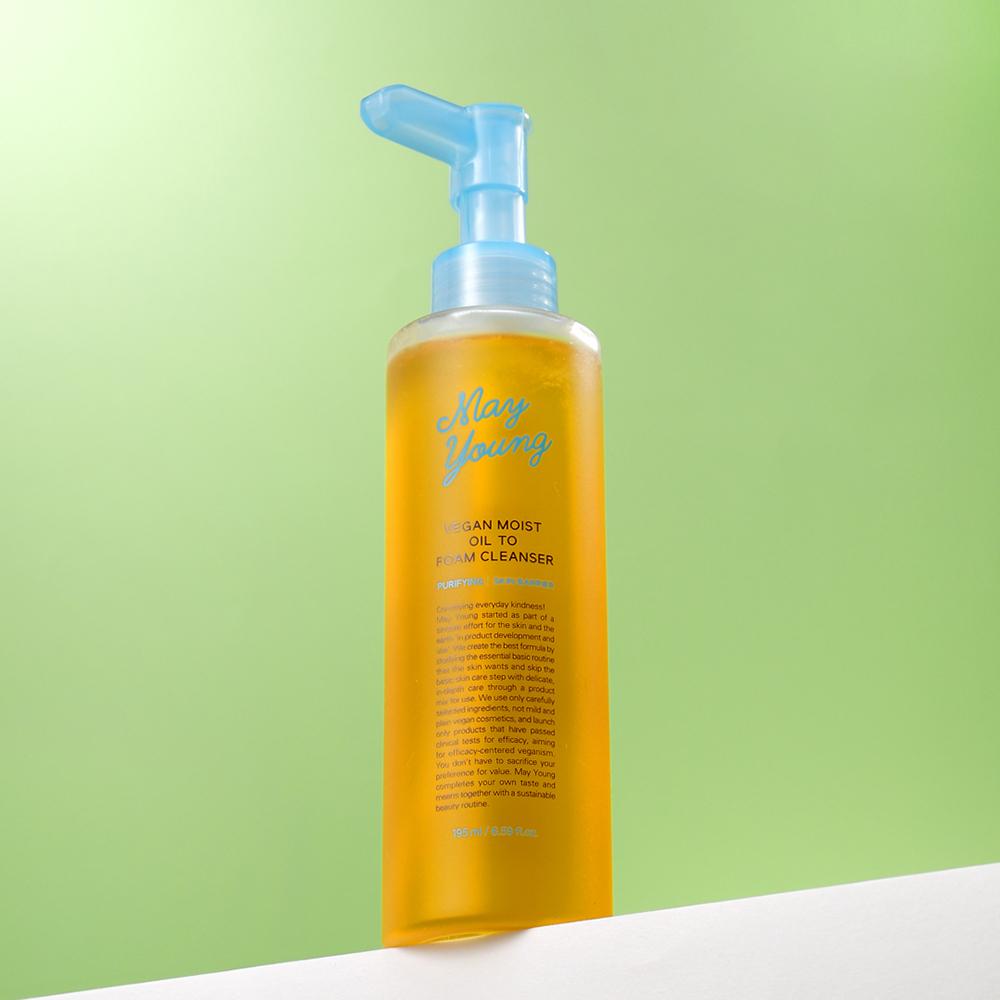
Vegan Moist Oil To Foam Cleanser
Banila Co
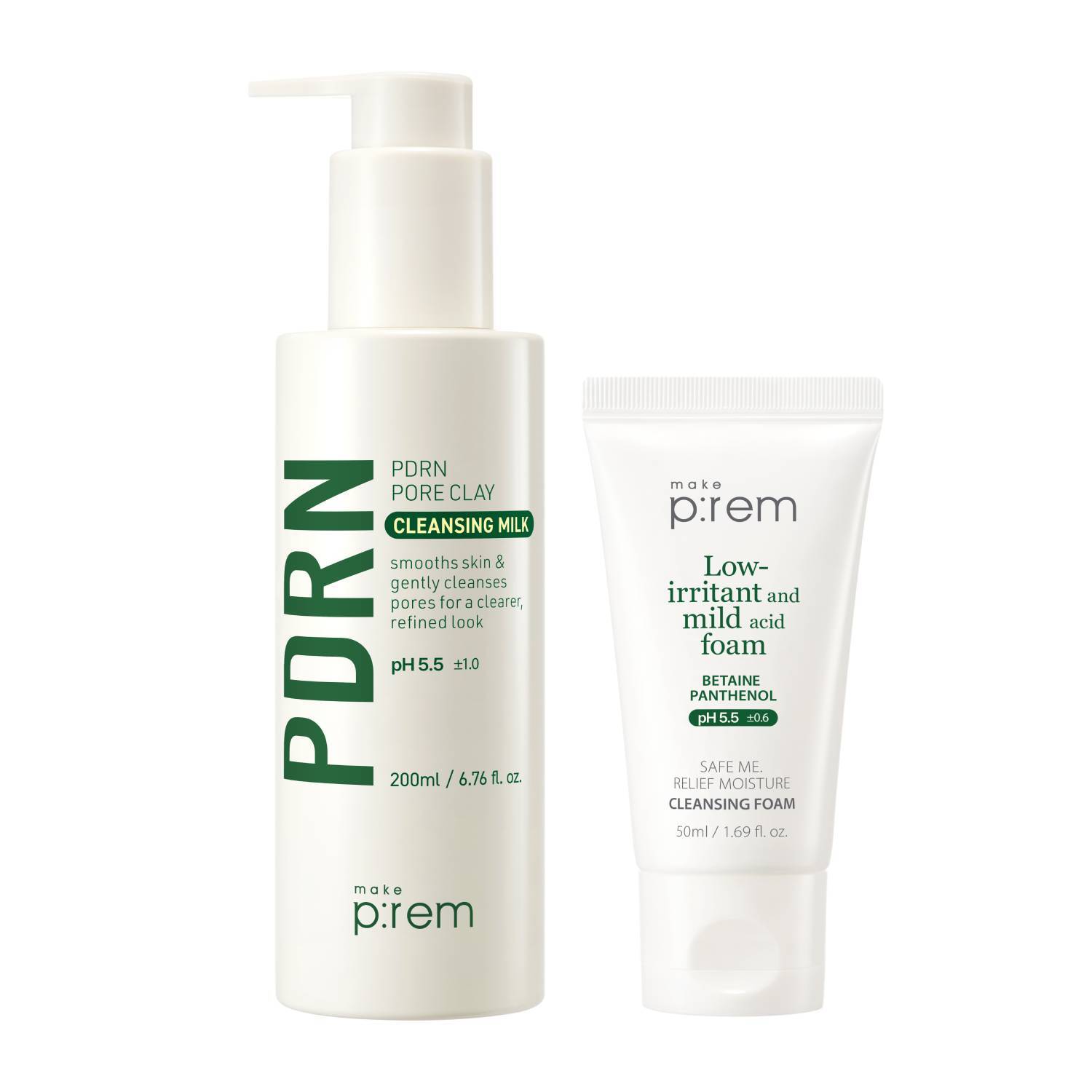
PDRN Pore Clay Cleansing Milk Set
Makeprem
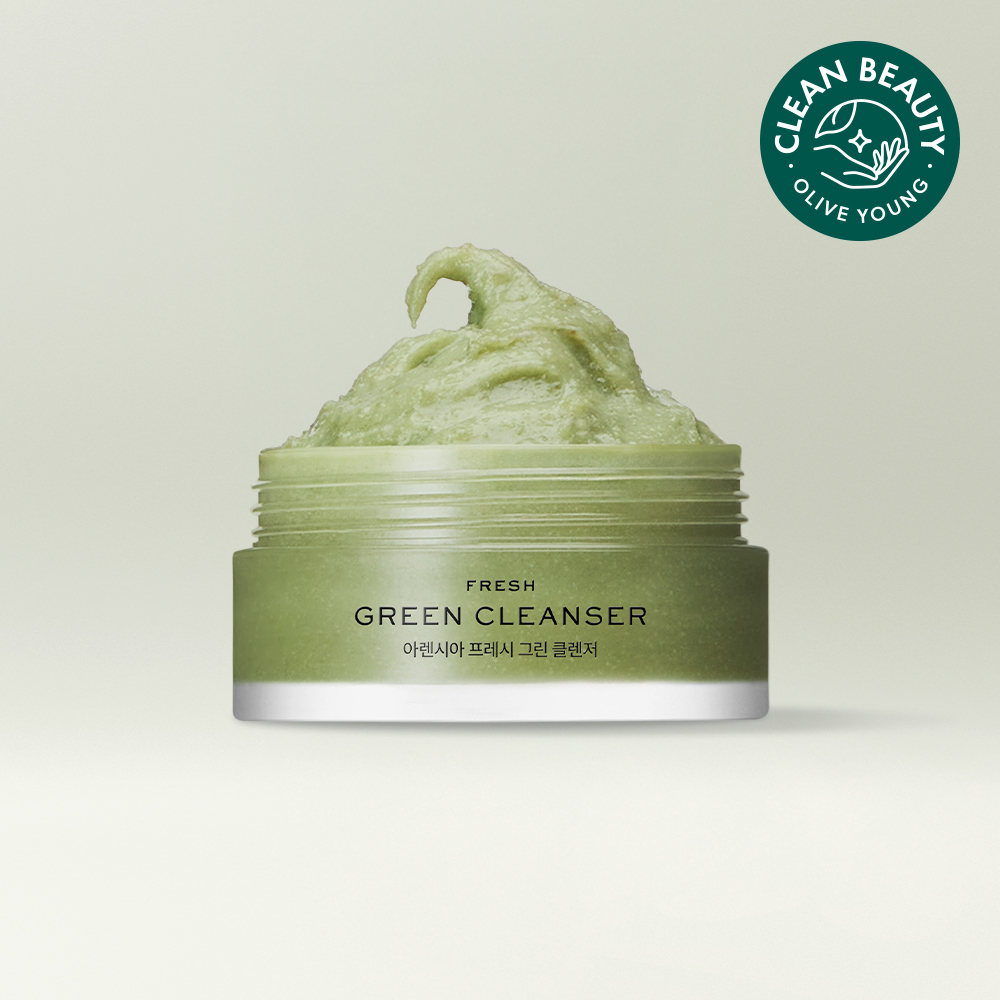
Fresh Green Cleanser
Arencia
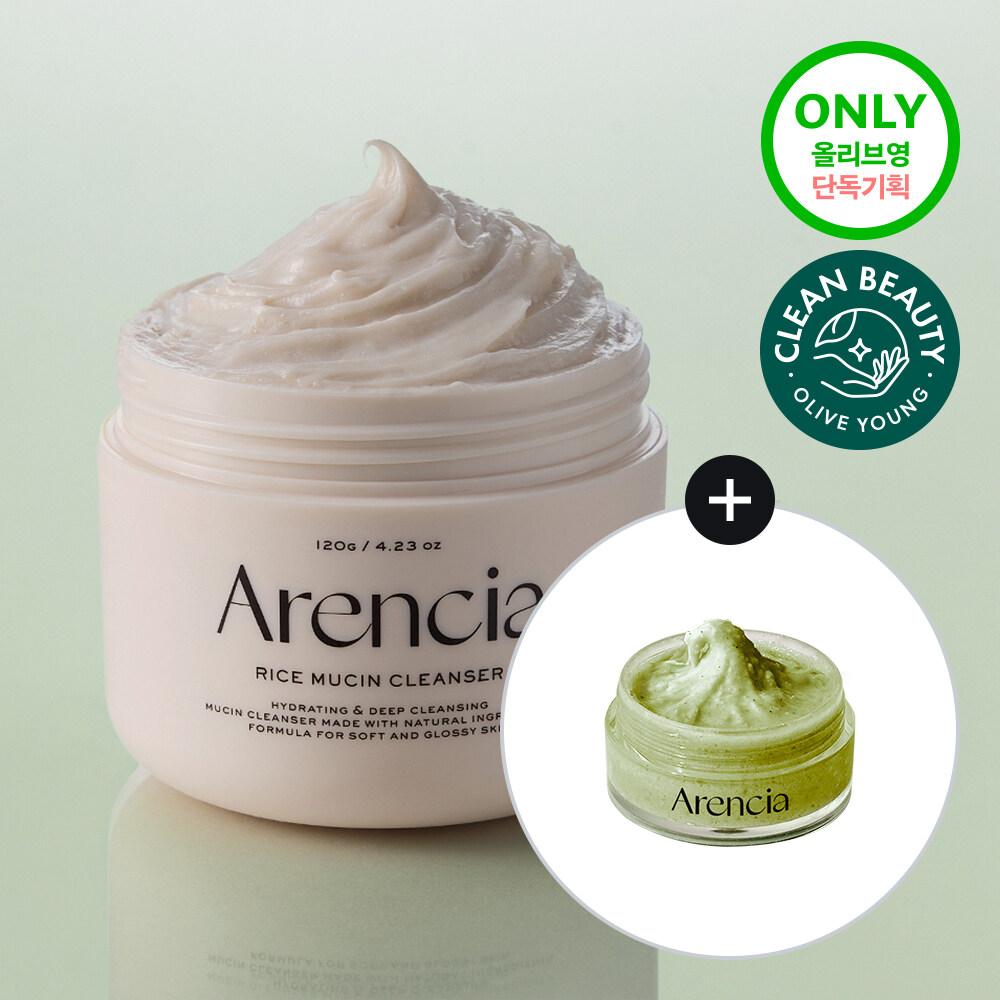
Rice Mucin Cleanser Set
Arencia
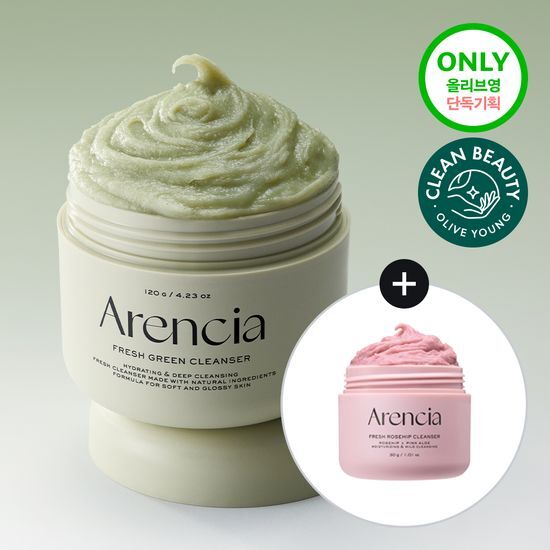
Fresh Green Cleanser Set
Arencia
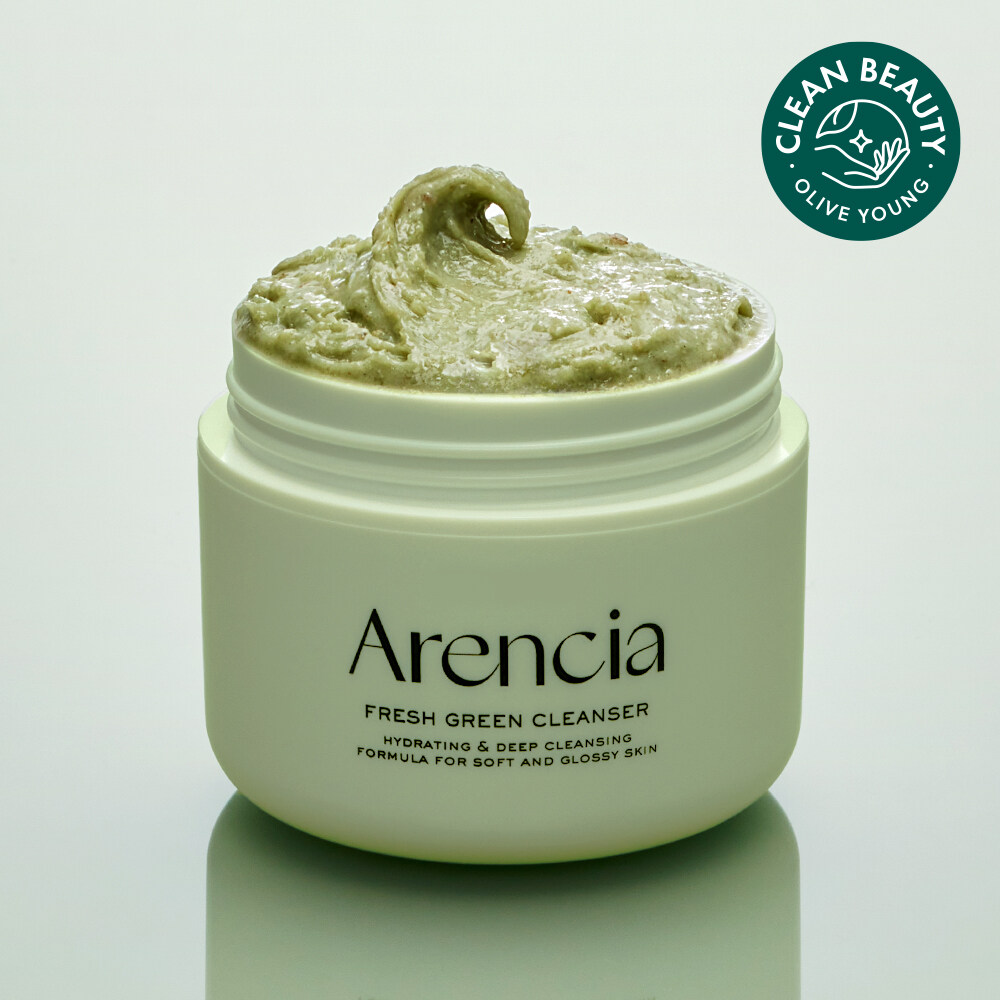
Fresh Green Rice Mochi Cleanser
Arencia
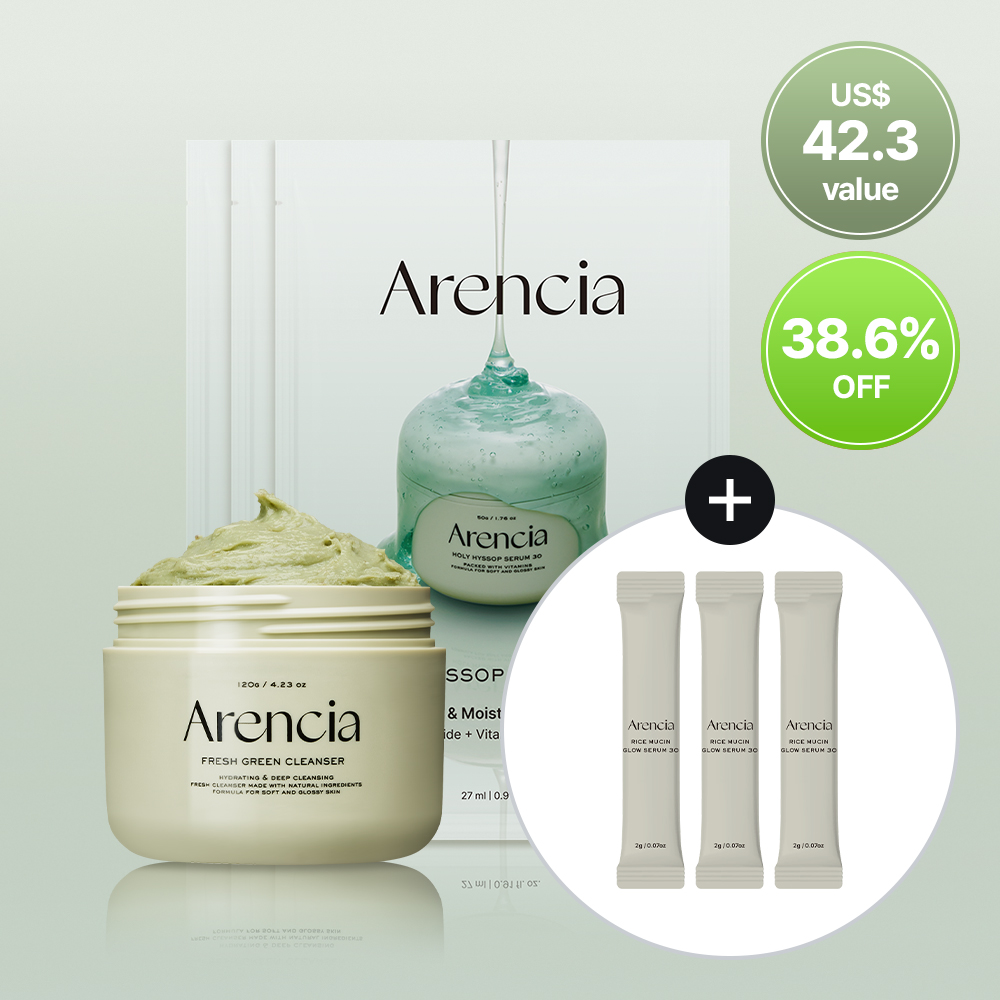
Fresh Green Cleanser Special Care Set
Arencia
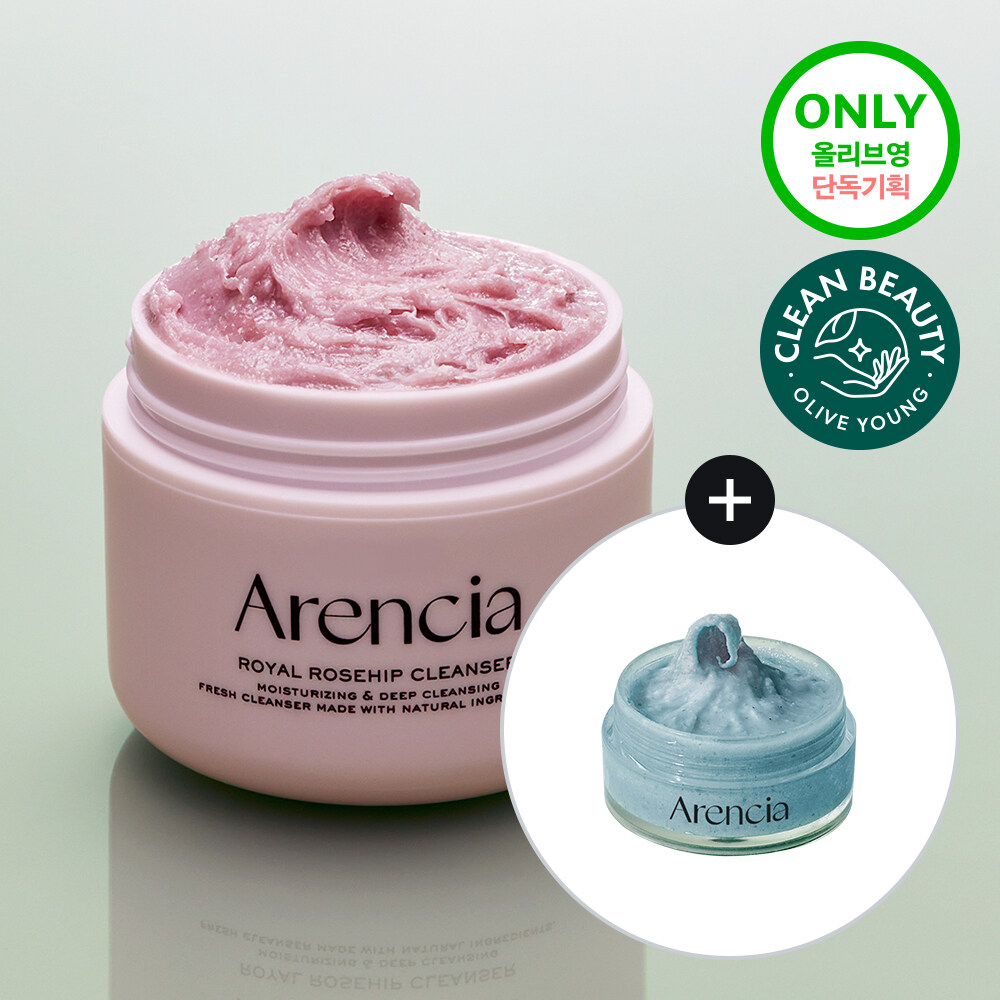
Rosehip Rice Mochi Cleanser Set
Arencia
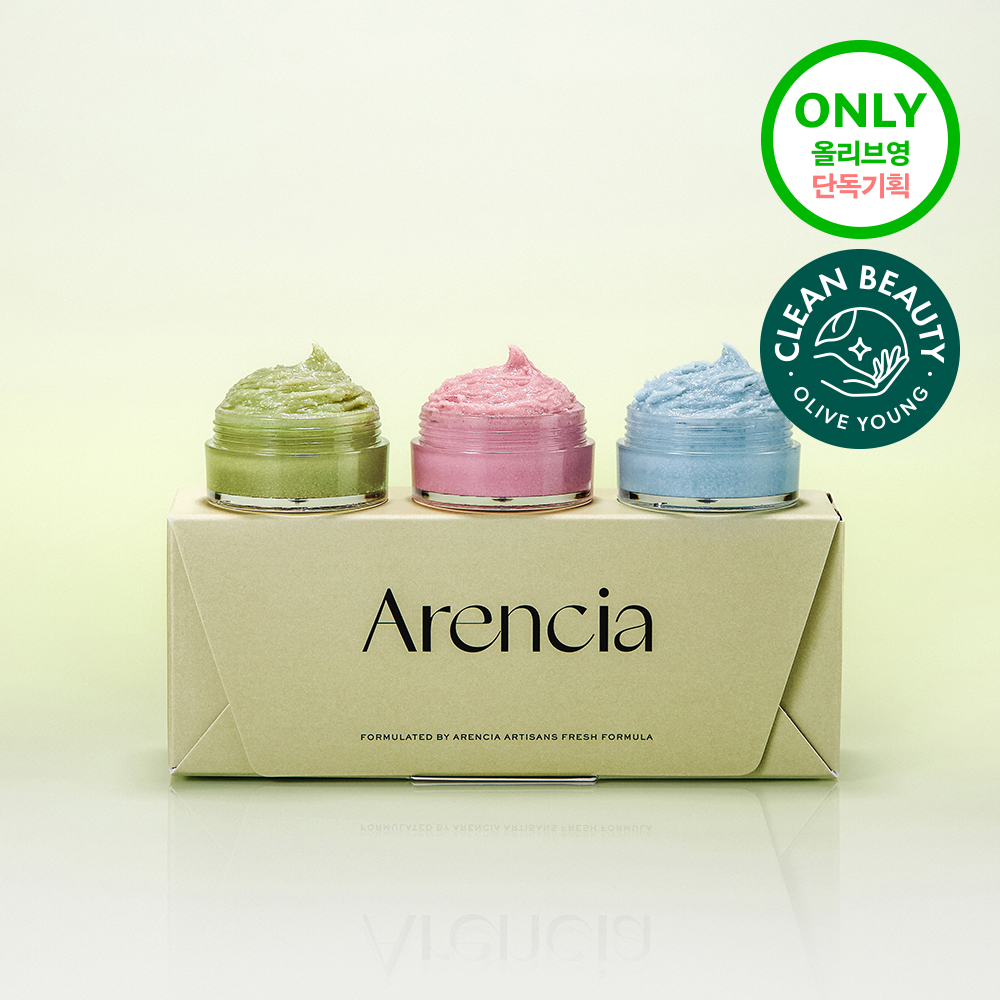
Fresh Cleanser 15g 3P Set (Green+Rosehip+Blue)
Arencia
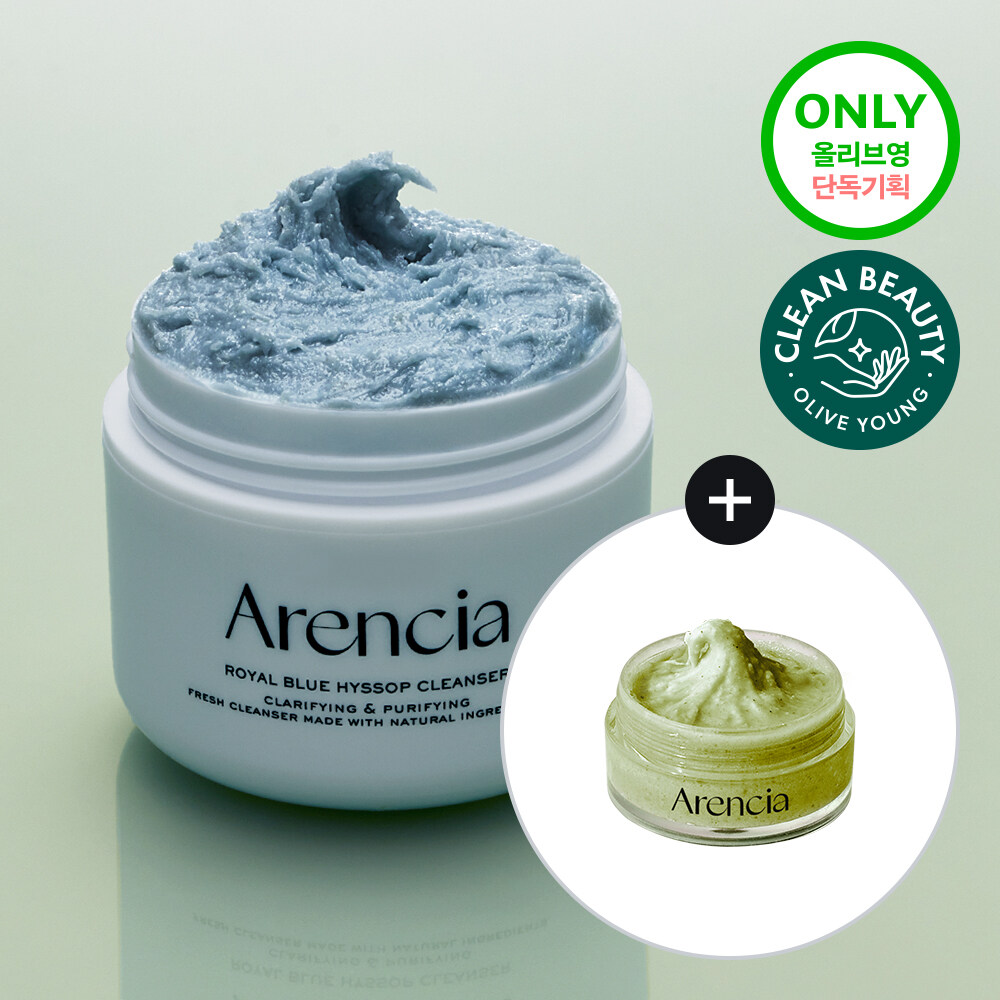
Blue Hyssop Rice Mochi Cleanser Set
Arencia
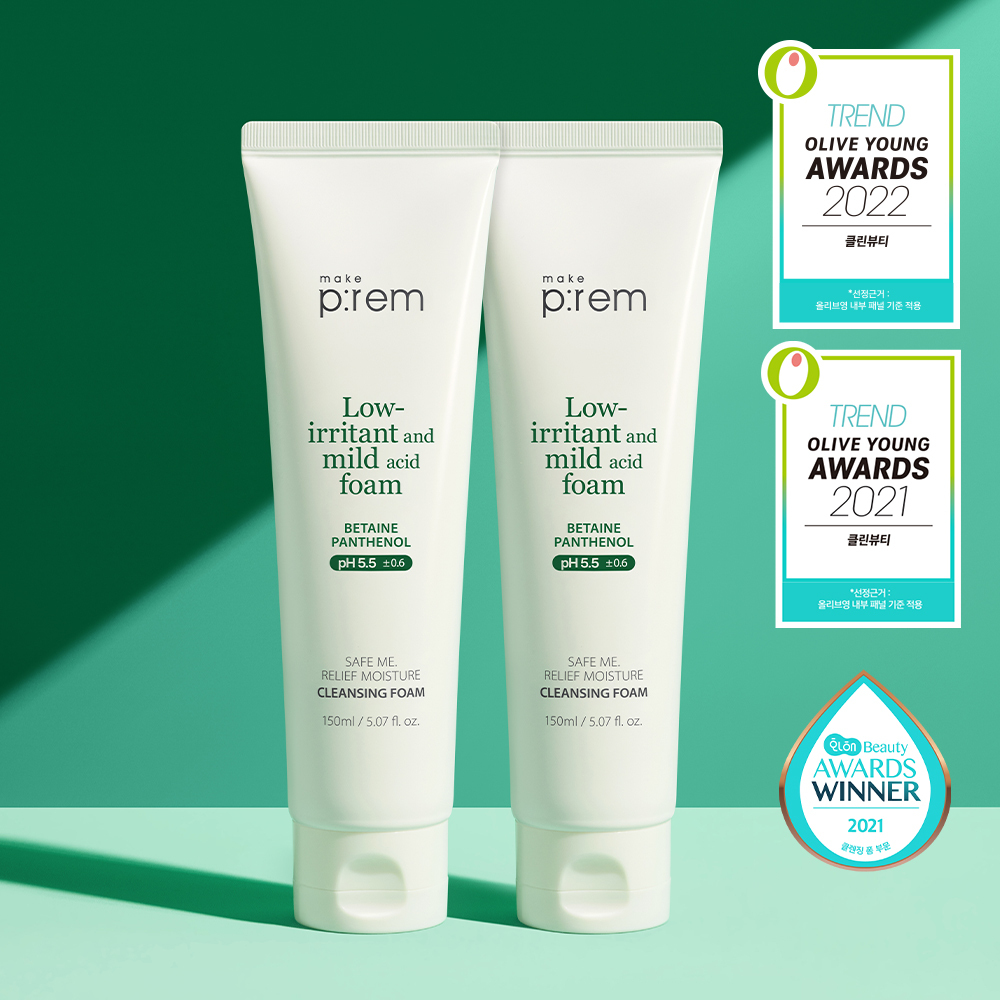
Safe Me Relief Moisture Cleansing Foam
Makeprem
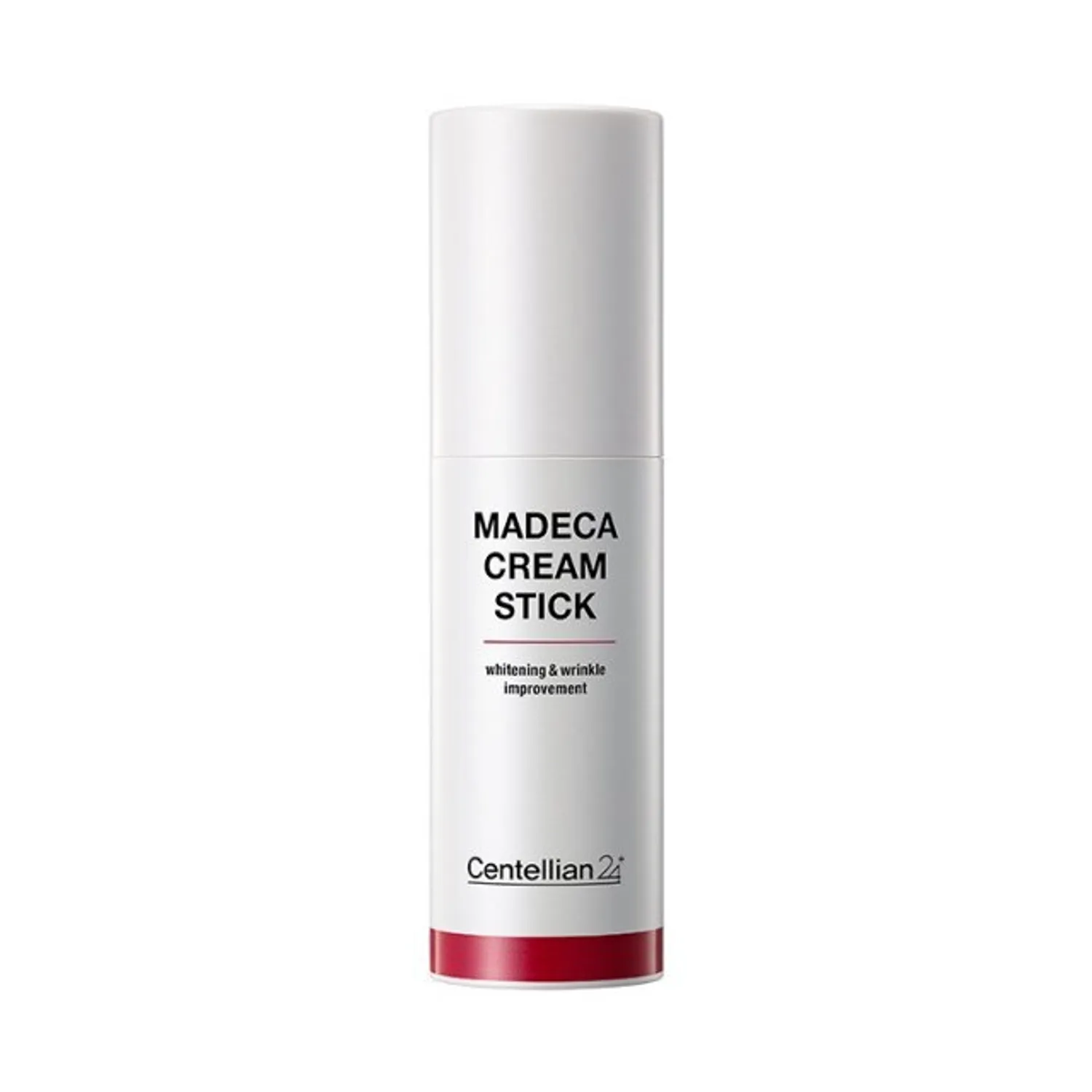
Madeca Cream Stick
Centellian24
Frequently Asked Questions
Is baobab fruit extract better than hyaluronic acid for hydration?▼
Can I use baobab fruit extract if I'm allergic to tree nuts?▼
Why do top-rated products like Banila Co's sunscreen (5.0/5) include baobab?▼
Will the vitamin C in baobab irritate my skin like L-ascorbic acid serums?▼
Explore More
Want personalized ingredient advice?
Yuri, our AI beauty advisor, can tell you how Baobab Fruit Extract works with your specific skin type, routine, and concerns.
Ask Yuri, free