Baobab Oil
INCI: Adansonia Digitata Seed Oil
Emollient rich in fatty acids and vitamins
About Baobab Oil
Baobab oil is extracted from the seeds of the African baobab tree (Adansonia digitata), often called the 'Tree of Life' for its remarkable resilience and nutrient density. This golden oil has become a rising star in K-beauty formulations for its exceptional emollient properties and rich nutritional profile. It contains an impressive lineup of fatty acids, including oleic acid (30-40%), linoleic acid (24-34%), and palmitic acid (18-30%), along with vitamins A, D, E, and F. What makes baobab oil particularly valuable in Korean skincare is its ability to deeply moisturize without feeling heavy or greasy. The high linoleic acid content is especially important because this omega-6 fatty acid helps strengthen the skin barrier, regulate sebum production, and reduce inflammation. K-beauty brands have embraced baobab oil as a multitasking ingredient that delivers hydration, improves skin elasticity, and provides antioxidant protection. Its lightweight texture and fast absorption make it suitable for layering in the multi-step Korean skincare routine. With a comedogenic rating of 2 out of 5 and an excellent safety profile, baobab oil offers nourishing benefits across different skin types, from dehydrated combination skin to mature skin needing extra elasticity support.
How Baobab Oil Works
Baobab oil works primarily through its unique fatty acid composition and vitamin content to repair and strengthen the skin barrier. The linoleic acid penetrates the stratum corneum and integrates into cell membranes, helping to restore barrier function and reduce transepidermal water loss. This is particularly important because many people with oily or acne-prone skin actually have a linoleic acid deficiency, which can lead to thicker sebum that clogs pores. By supplementing this fatty acid, baobab oil helps normalize sebum composition and flow. The oleic acid component provides occlusive benefits, creating a protective film on the skin's surface that locks in moisture without completely blocking pores. Vitamins A and E function as antioxidants, neutralizing free radicals from UV exposure and pollution while supporting collagen synthesis. Vitamin D aids in skin cell growth and repair, while vitamin F (a combination of essential fatty acids) further enhances barrier repair. The oil's omega fatty acids also have anti-inflammatory properties, helping to calm irritation and redness by modulating inflammatory pathways in the skin.
Baobab Oil by Skin Type
Oily Skin
Baobab oil can actually benefit oily skin despite being an oil, thanks to its high linoleic acid content. Research shows that oily, acne-prone skin often lacks linoleic acid, leading to thicker sebum that clogs pores more easily. Using baobab oil can help rebalance sebum composition and improve pore health, though it's best used sparingly or in lightweight formulations like the Hi Amino All Cleansing Oil.
Dry Skin
This is where baobab oil truly shines. Its combination of oleic and linoleic acids provides both immediate emollience and long-term barrier repair, addressing the root causes of dryness. The vitamins A, D, and E support skin regeneration and moisture retention, making products like the Hydra-Hyaluronic Serum particularly effective for chronically dry skin that needs both hydration and nourishment.
Combo Skin
Baobab oil is well-suited for combination skin because it's lightweight enough for the T-zone while still nourishing drier areas. The linoleic acid helps regulate sebum in oily zones while providing moisture where needed. Its moderate comedogenic rating (2/5) means it's unlikely to cause breakouts when used in balanced formulations, making it a smart choice for this skin type's conflicting needs.
Sensitive Skin
With a perfect 5/5 safety rating, baobab oil is generally well-tolerated by sensitive skin. Its anti-inflammatory fatty acids help calm reactive skin, while its barrier-repairing properties reduce sensitivity over time by strengthening the skin's natural defense system. The oil's antioxidant vitamins also protect against environmental irritants that can trigger sensitivity.
Normal Skin
For normal skin, baobab oil serves as an excellent preventative and maintenance ingredient. It helps preserve the skin's balanced state by supporting barrier function, providing antioxidant protection against premature aging, and maintaining optimal hydration levels without disrupting the skin's natural equilibrium.
How to Use Baobab Oil
- 1Layer baobab oil-containing products after water-based serums but before heavier creams to maximize absorption and lock in hydration from previous steps
- 2If you have oily skin, look for baobab oil in cleansing formulations or lightweight essences rather than pure oil form to get the benefits without overwhelming your skin
- 3Use baobab oil products consistently for at least 4-6 weeks to see improvements in skin barrier function and texture, as fatty acid integration takes time
- 4During winter or in dry climates, apply baobab oil-rich products like the PDRN Essence 100 while skin is still slightly damp to enhance penetration and moisture retention
Background
The baobab tree has been revered in Africa for millennia, with some specimens living over 2,000 years. Indigenous African communities have used baobab oil for generations to protect skin from harsh sun and wind, treat dry skin conditions, and maintain skin elasticity. The oil was traditionally extracted by hand-pressing the seeds, a labor-intensive process that made it a precious commodity. Baobab oil entered the global beauty market in the early 2000s as interest in African botanicals grew, but it wasn't until the 2010s that K-beauty brands recognized its potential. Korean cosmetic chemists were particularly drawn to its fatty acid profile, which aligned perfectly with the K-beauty philosophy of barrier repair and skin health. The ingredient gained traction in Korean formulations around 2015-2017, appearing in everything from cleansing oils to essences, valued for its ability to provide nourishment without the heaviness of traditional oils.
K-Beauty Products with Baobab Oil
View all 37 →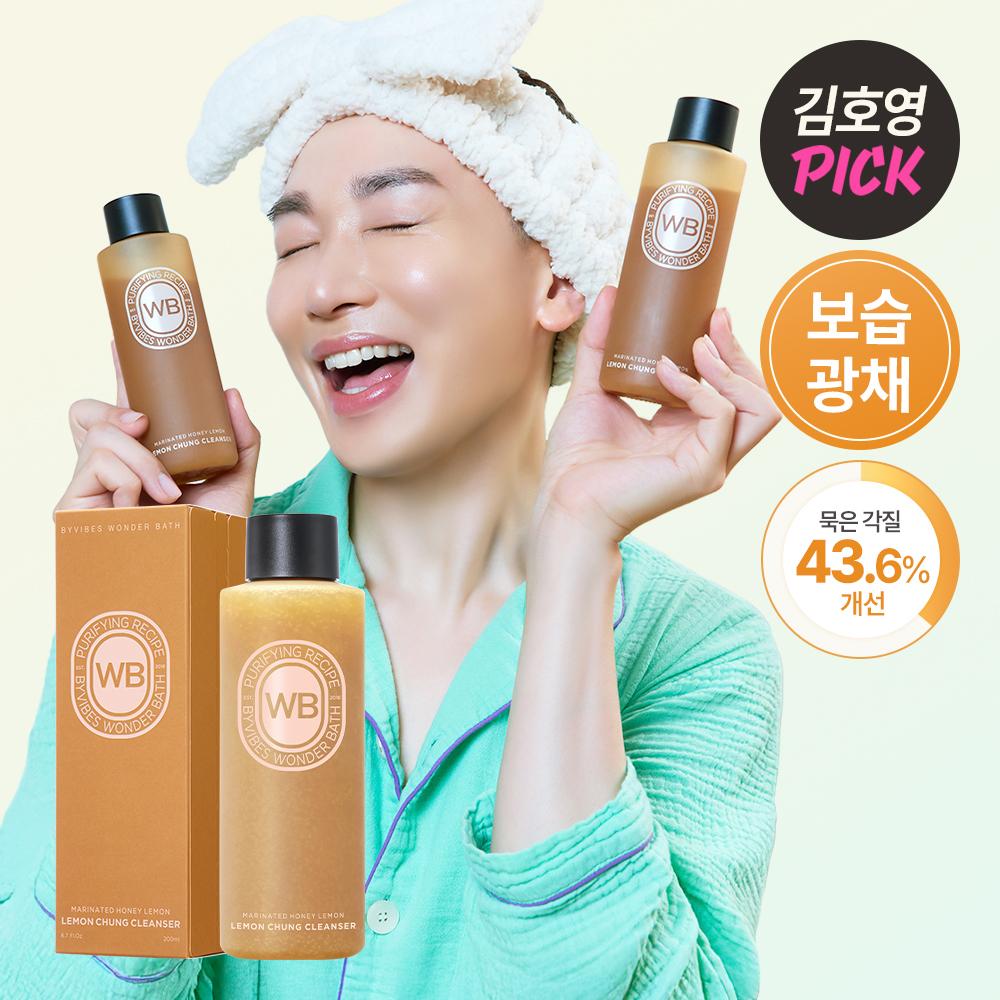
Wonder Bath Lemon Chung Pack Cleanser
Chosungah Beauty
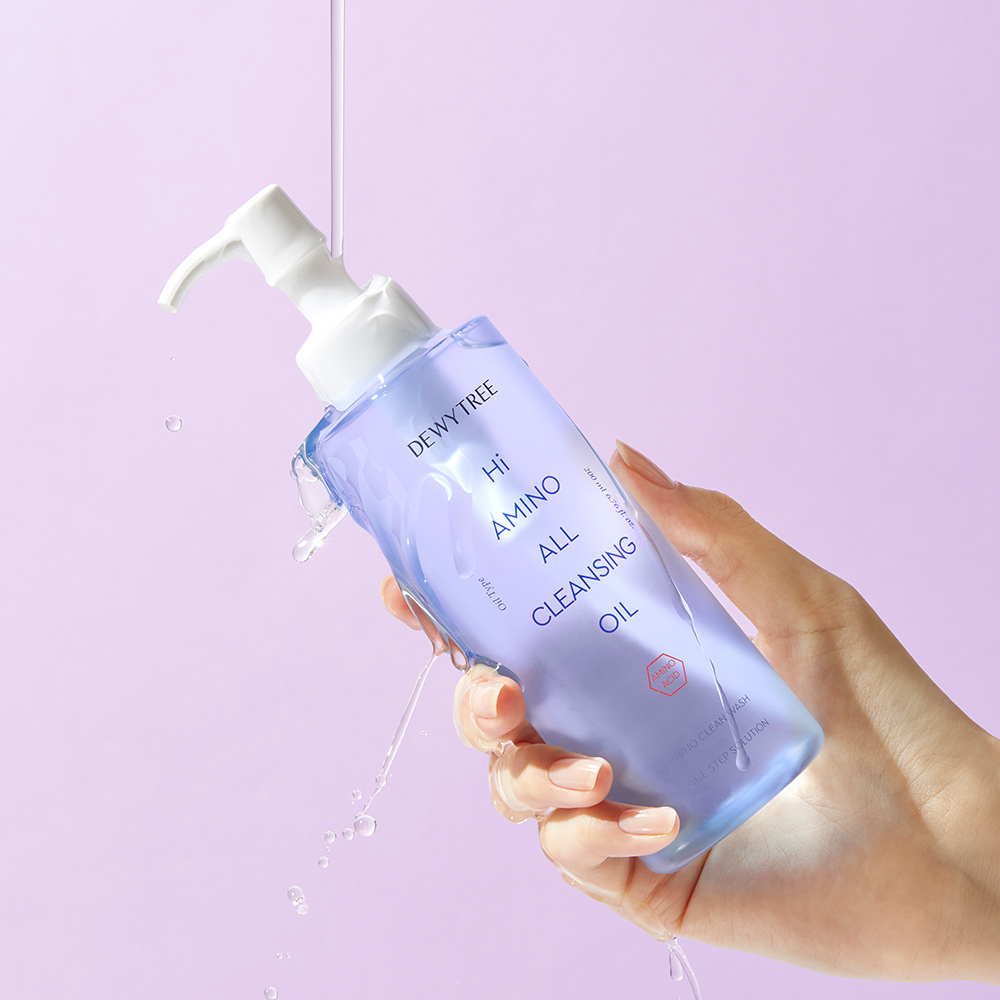
Hi Amino All Cleansing Oil
Dewytree
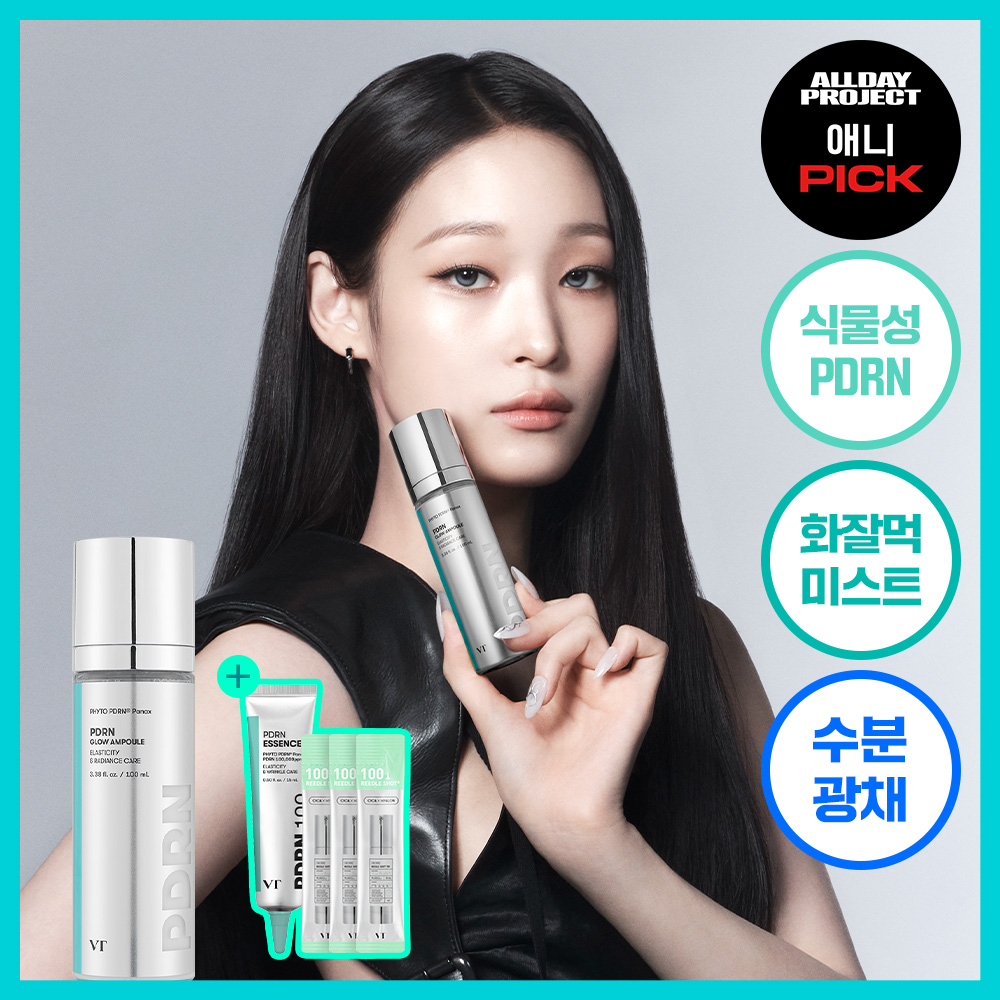
PDRN Glow Ampoule Mist
VT
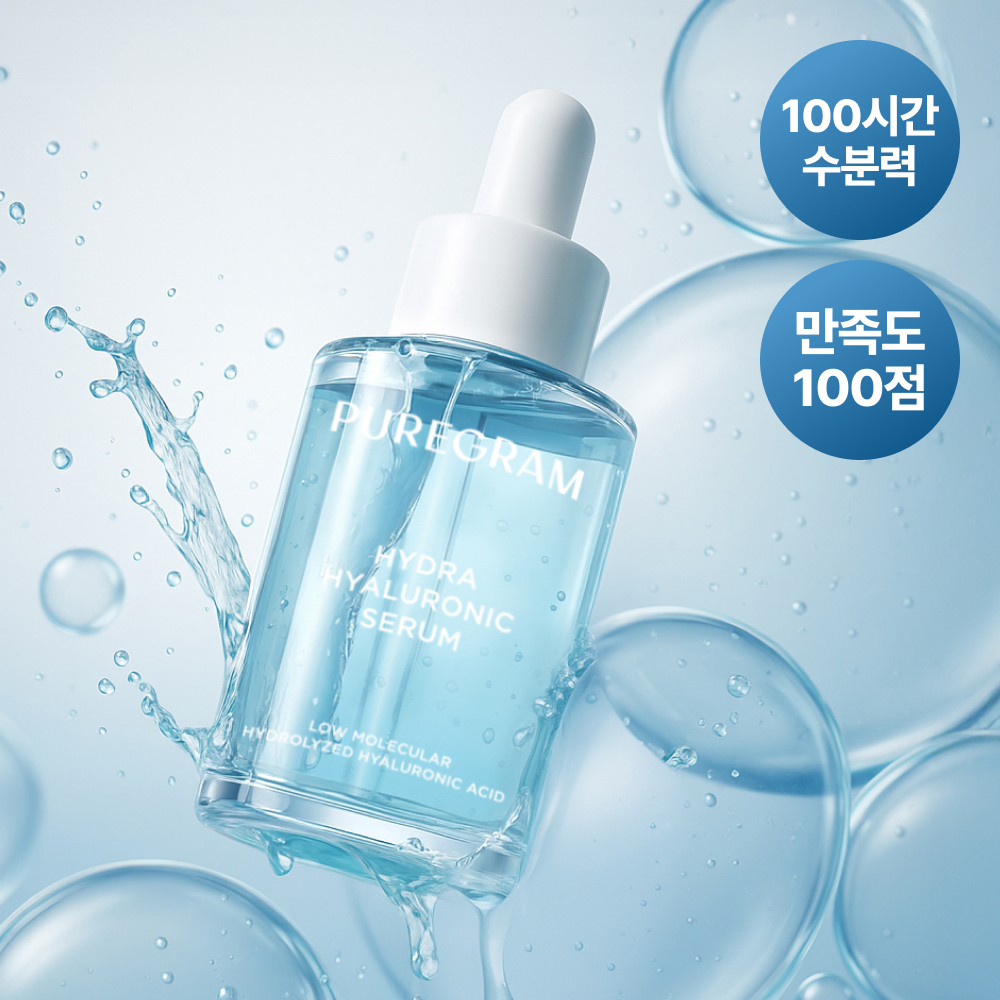
Hydra-Hyaluronic Serum
Anua

PDRN Essence 100
VT
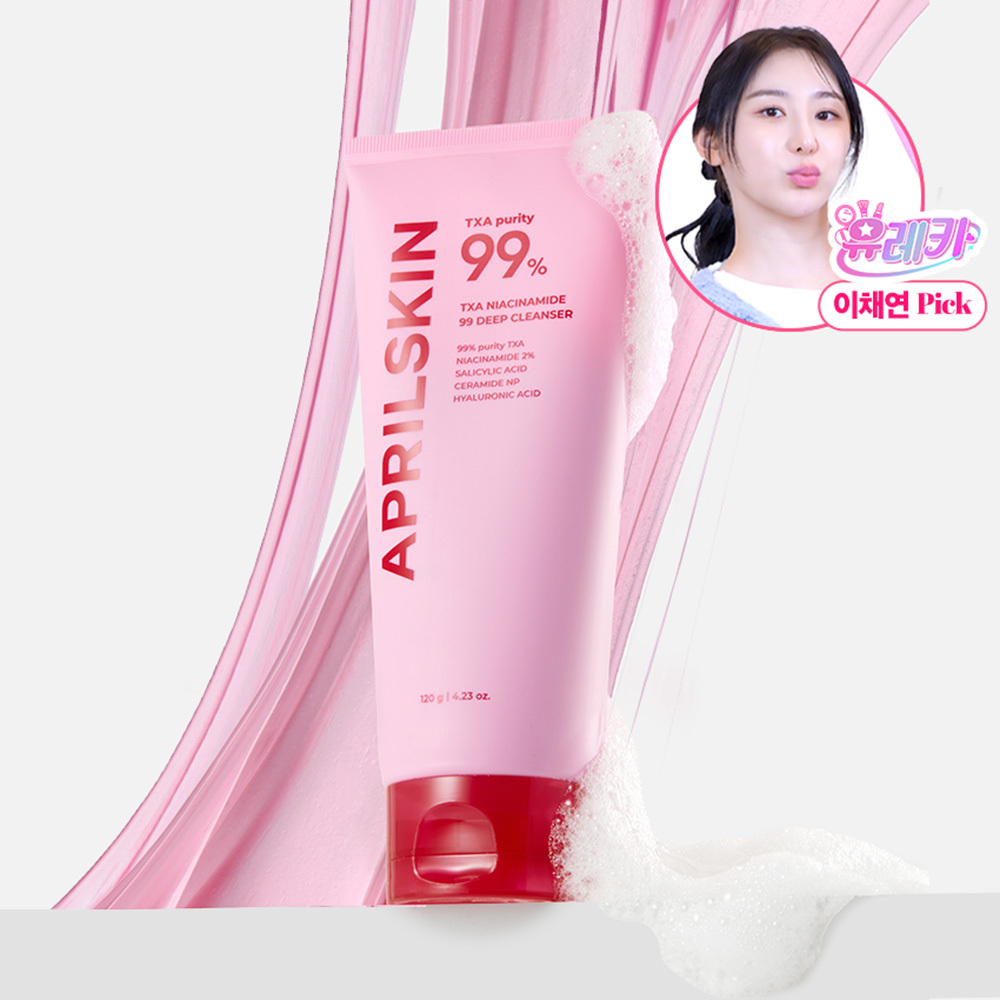
TXA Niacinamide 99 Deep Cleanser
April Skin
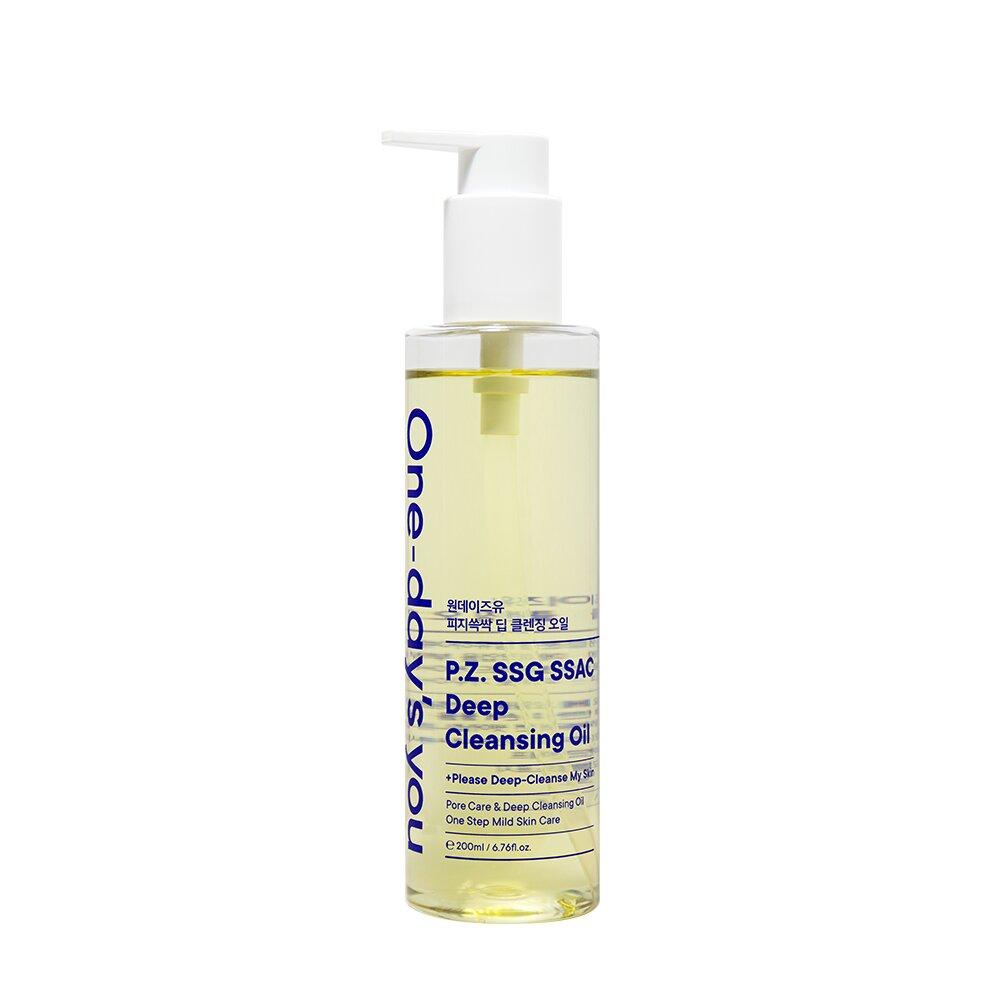
One Day's You P.Z. SSG SSAG Deep Cleansing Oil
Banila Co
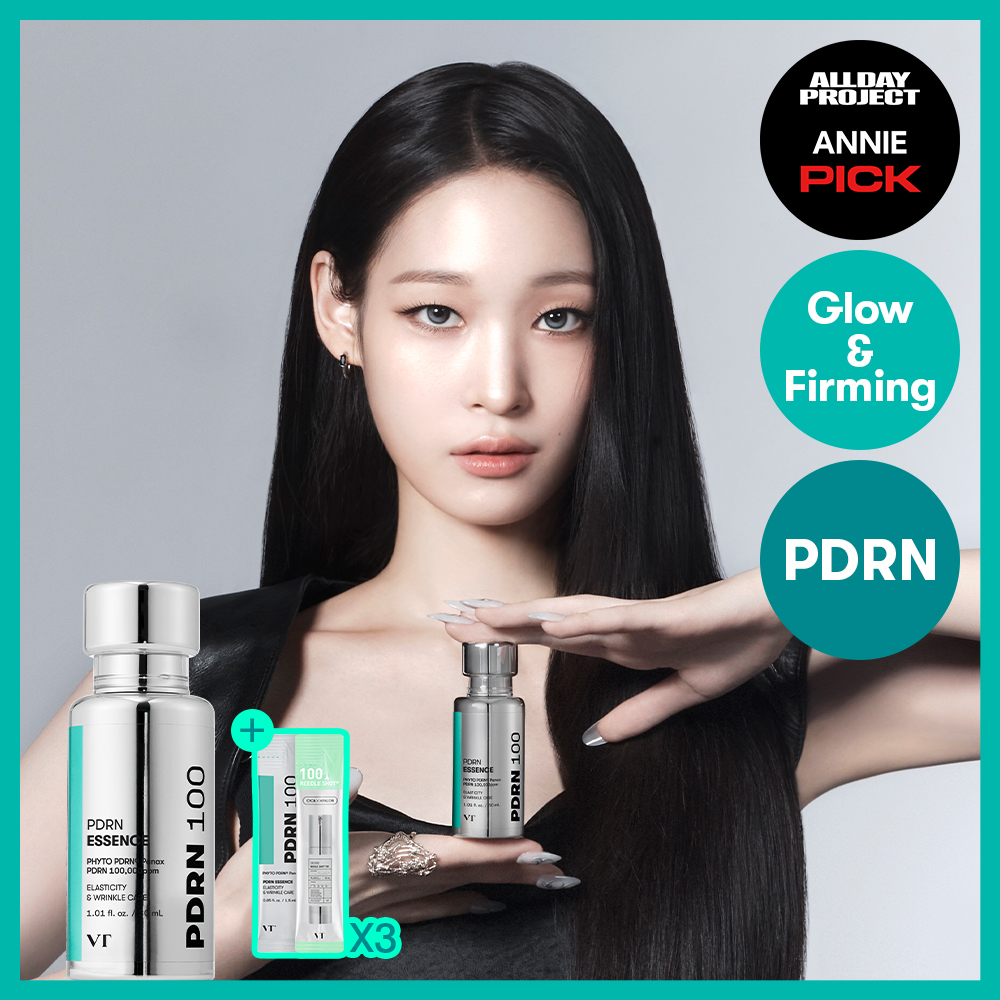
PDRN Essence 100 Double Set
VT
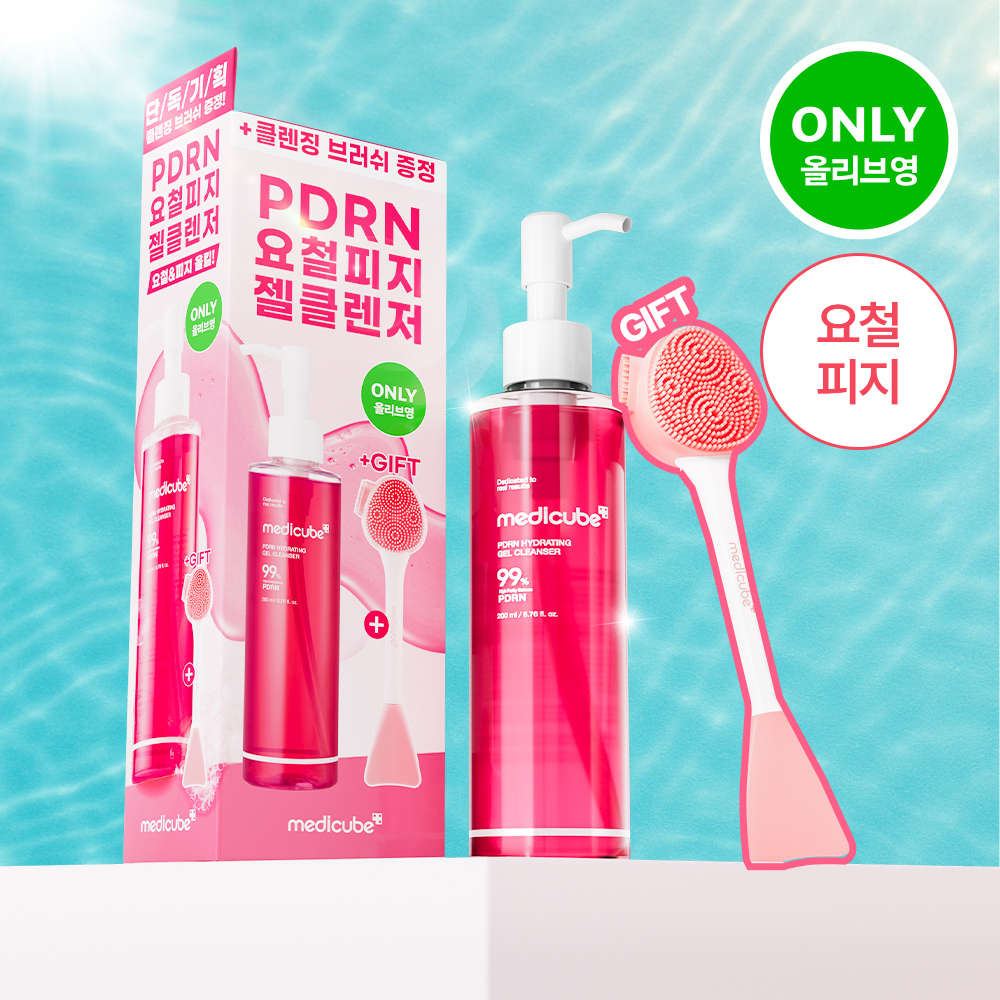
PDRN Gel To Foam Cleanser
Medicube

Clean & Glow Green Barley LHA Deep Cleansing Oil Set
Banila Co
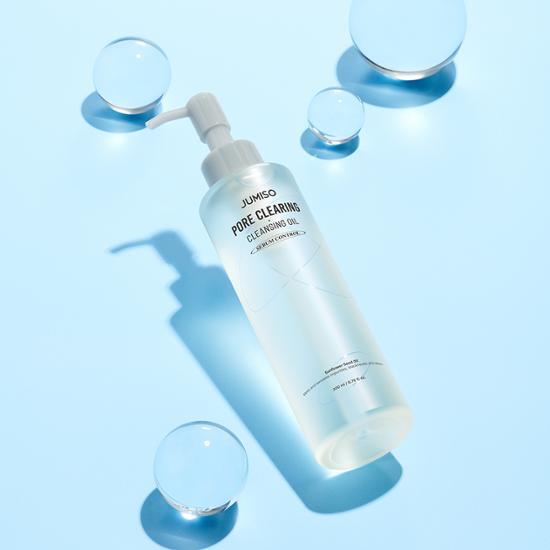
Pore Clearing Cleansing Oil
Jumiso

Dr.Melaxin Eyephalt Eye Cream for Eyebags
VT
Frequently Asked Questions
Will baobab oil clog my pores if I have acne-prone skin?▼
How does baobab oil compare to other popular K-beauty oils like rosehip or jojoba?▼
Can I use baobab oil products during the day or only at night?▼
How quickly will I see results from using baobab oil products?▼
Explore More
Want personalized ingredient advice?
Yuri, our AI beauty advisor, can tell you how Baobab Oil works with your specific skin type, routine, and concerns.
Ask Yuri, free