Aloe Vera Juice
INCI: Aloe Barbadensis Leaf Juice
Soothing hydrator with anti-inflammatory properties
About Aloe Vera Juice
Aloe vera juice, extracted from the inner gel of Aloe barbadensis leaves, is one of the most trusted soothing ingredients in K-beauty. Unlike the thick aloe gel you'd apply to a sunburn, the juice form used in skincare is a water-soluble extract that penetrates skin quickly without leaving residue. Korean formulators prize it for its dual action as both a humectant and an anti-inflammatory agent, making it a staple in everything from toners to ampoules. The juice contains over 75 active compounds including polysaccharides, vitamins C and E, and amino acids that work together to calm irritation, boost hydration, and support skin barrier repair. With a perfect 5/5 safety rating and 0/5 comedogenic score, it's genuinely suitable for all skin types, which explains why it appears in 62 products across the Seoul Sister platform. Korean brands especially love pairing it with other calming ingredients like centella asiatica or panthenol in products designed for sensitive or compromised skin. What makes aloe vera juice particularly valuable in K-beauty is its ability to deliver serious hydration without weight, fitting perfectly into the layering philosophy where multiple lightweight products build up moisture without overwhelming skin.
How Aloe Vera Juice Works
Aloe vera juice works through multiple mechanisms at the cellular level. Its polysaccharides, particularly acemannan, bind water molecules to the skin's surface while simultaneously penetrating the stratum corneum to hydrate deeper layers. This dual action makes it more effective than simple humectants. The juice also contains compounds called glycoproteins that actively reduce inflammation by inhibiting cyclooxygenase pathways, the same mechanism targeted by anti-inflammatory medications. At the same time, its auxins and gibberellins (plant hormones) stimulate fibroblast proliferation, encouraging collagen synthesis and faster wound healing. The antioxidant vitamins C and E neutralize free radicals that cause oxidative stress, while enzymes like bradykinase break down inflammatory compounds in irritated skin. This multi-pronged approach explains why aloe vera juice performs well across so many skin concerns, from post-procedure redness to everyday dryness, rather than targeting just one issue.
Aloe Vera Juice by Skin Type
Oily Skin
Aloe vera juice is excellent for oily skin because it hydrates without adding oils or occlusives that could trigger breakouts. Its lightweight texture absorbs instantly, and the anti-inflammatory properties help calm the redness that often accompanies acne. The 0/5 comedogenic rating means it won't clog pores even when layered under other products.
Dry Skin
For dry skin, aloe vera juice functions as a hydrating foundation that helps other moisturizing ingredients penetrate better. While it's not occlusive enough to prevent water loss on its own, it excels in toners and essences that prep skin for richer creams. The polysaccharides draw moisture into dehydrated skin cells, plumping fine lines caused by dryness.
Combo Skin
Combination skin benefits from aloe vera juice's balancing act, it delivers hydration to dry zones without making oily areas greasy. Use it in your toner step across your entire face, then follow with targeted treatments for different areas. Products like the Anua Re:Blue Boosting Multi Toner (rated 5.0/5) leverage this versatility perfectly.
Sensitive Skin
This is where aloe vera juice truly shines. Its anti-inflammatory compounds actively reduce reactivity and redness, while its gentle pH (around 4.5) matches healthy skin. The perfect 5/5 safety rating reflects decades of use without significant sensitization reports. Korean sensitive skin lines like Physiogel's Red Soothing AI Repair Essence (5.0/5) rely heavily on aloe as a calming base ingredient.
Normal Skin
Normal skin can use aloe vera juice as a lightweight hydration layer that maintains balance without disruption. It works beautifully in morning routines under sunscreen or in evening routines as a soothing step after actives. The ingredient is so gentle you can use it twice daily indefinitely without any adaptation period.
How to Use Aloe Vera Juice
- 1Layer aloe vera juice products immediately after cleansing while skin is still damp to maximize its humectant properties and lock in that water.
- 2Use aloe-based toners as a calming buffer 5-10 minutes before applying potentially irritating actives like retinol or acids, the anti-inflammatory compounds help prevent reactivity.
- 3Store aloe vera products in the refrigerator during summer for an extra cooling effect that enhances the soothing sensation, especially helpful after sun exposure.
- 4If you're treating active breakouts, apply an aloe vera essence or ampoule like Rejuran's Derma Healer Pore Tightening Ampoule (5.0/5) directly to inflamed areas to reduce redness and swelling faster.
Background
Aloe vera has been used medicinally for over 6,000 years, with ancient Egyptian texts describing it as the "plant of immortality." Cleopatra and Nefertiti reportedly used aloe in their beauty routines, while Greek and Roman physicians prescribed it for wounds and skin conditions. The plant made its way to Korea centuries ago, where it was used in traditional medicine for burns and digestive issues. However, Korean cosmetic chemists revolutionized its skincare application in the 1990s by developing extraction methods that preserved the juice's active compounds while creating a stable, water-based ingredient suitable for modern formulations. This innovation allowed aloe to move beyond basic after-sun gels into sophisticated multi-step routines. Today, Korean brands source aloe primarily from organic farms in Jeju Island and inland valleys, where the volcanic soil and clean water produce especially potent leaves. The ingredient's enduring popularity in K-beauty reflects both this historical legacy and hard science backing its efficacy.
K-Beauty Products with Aloe Vera Juice
View all 76 →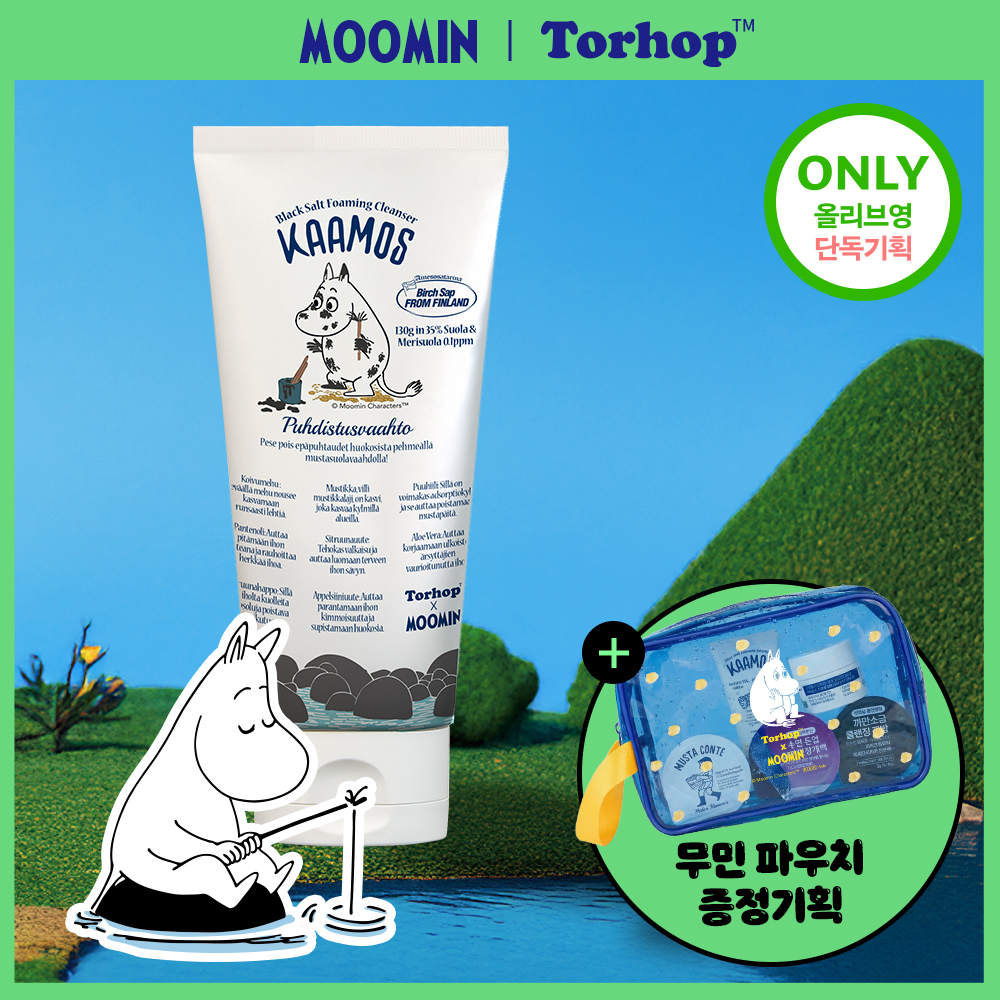
Kaamos Black Salt Foaming Cleanser
Torhop
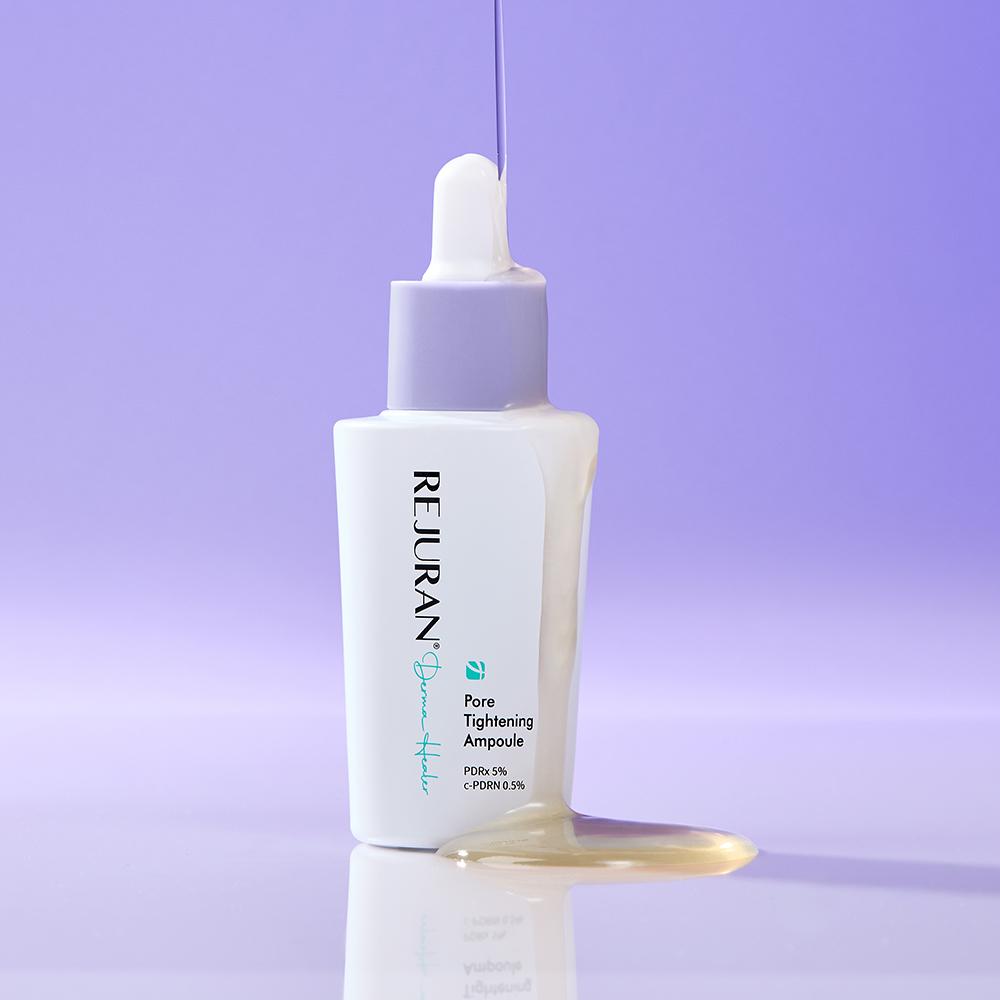
Derma Healer Pore Tightening Ampoule
Rejuran
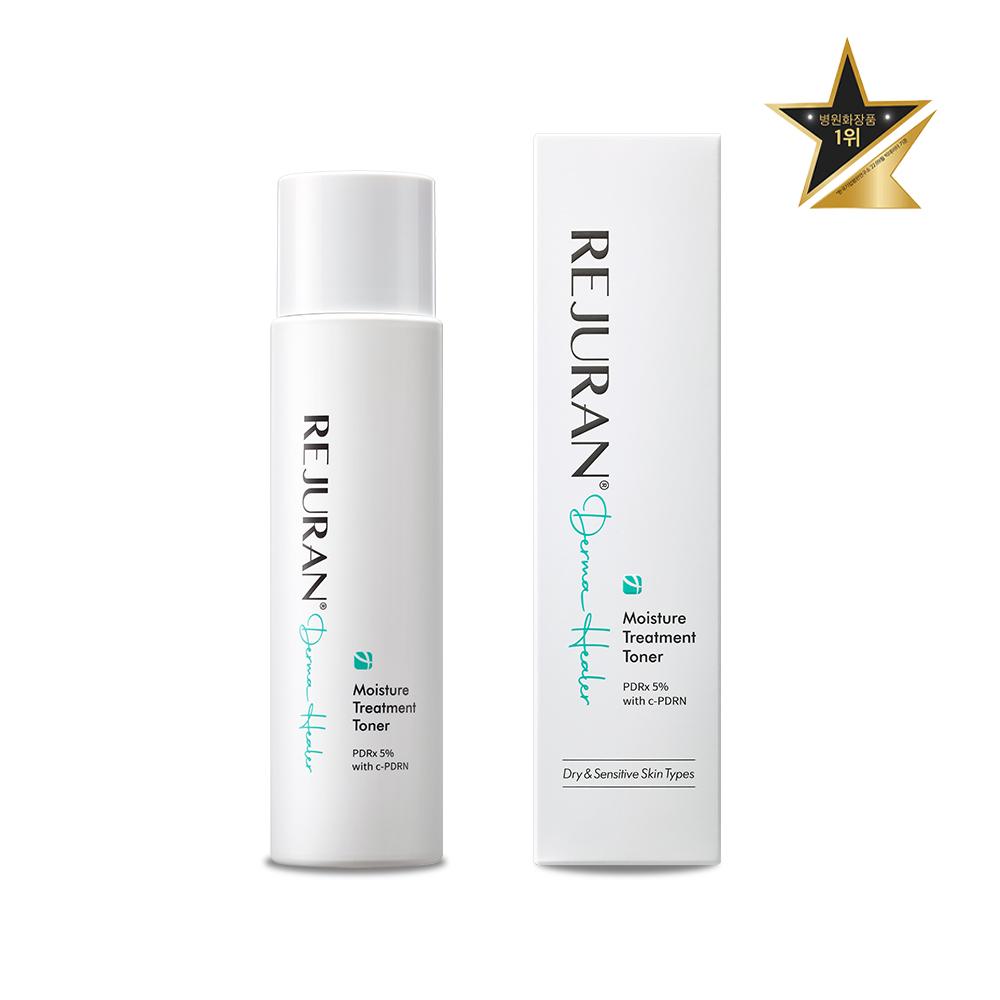
Derma Healer Moisture Treatment Toner
Rejuran
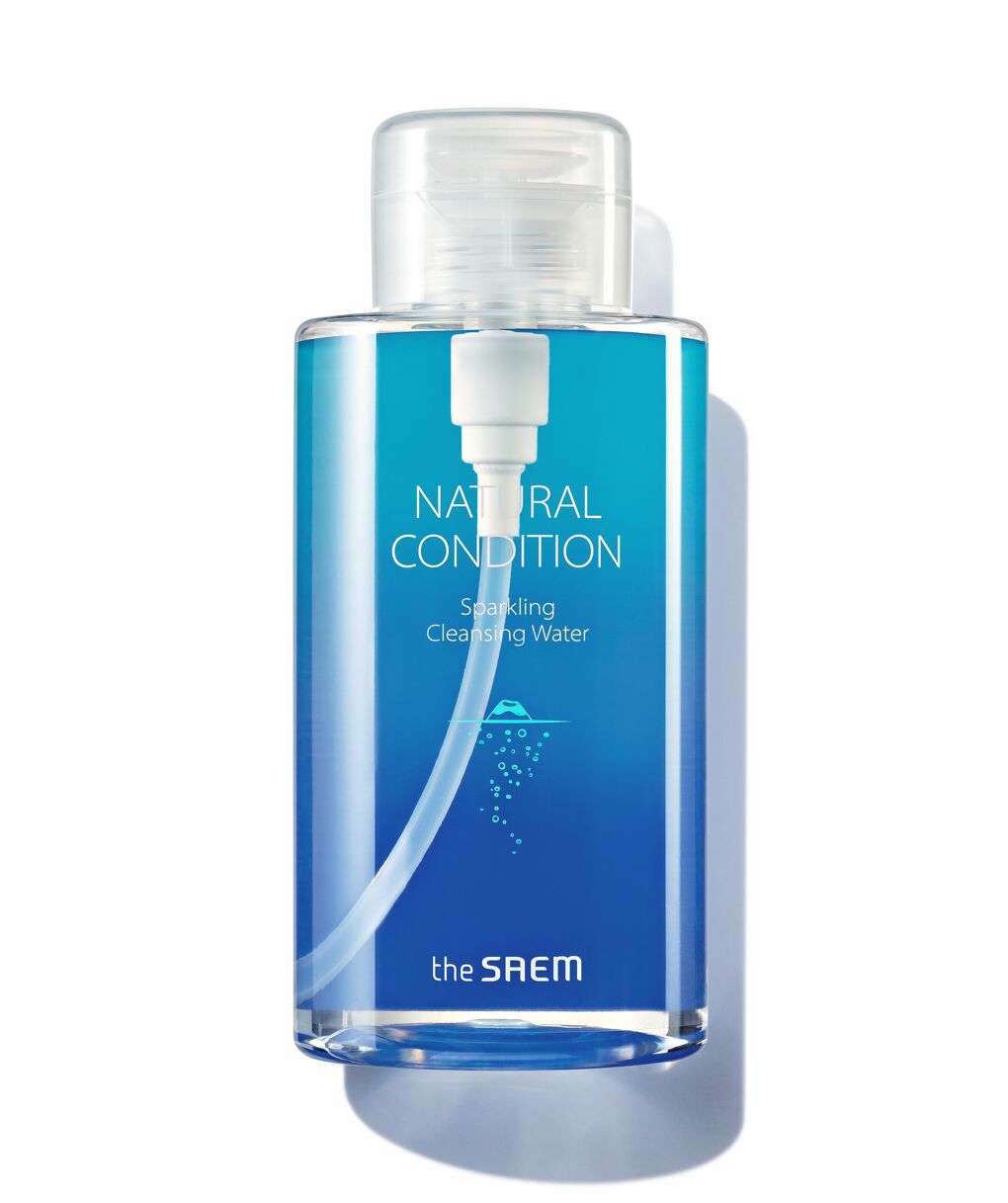
Natural Condition Sparkling Cleansing Water
The Saem
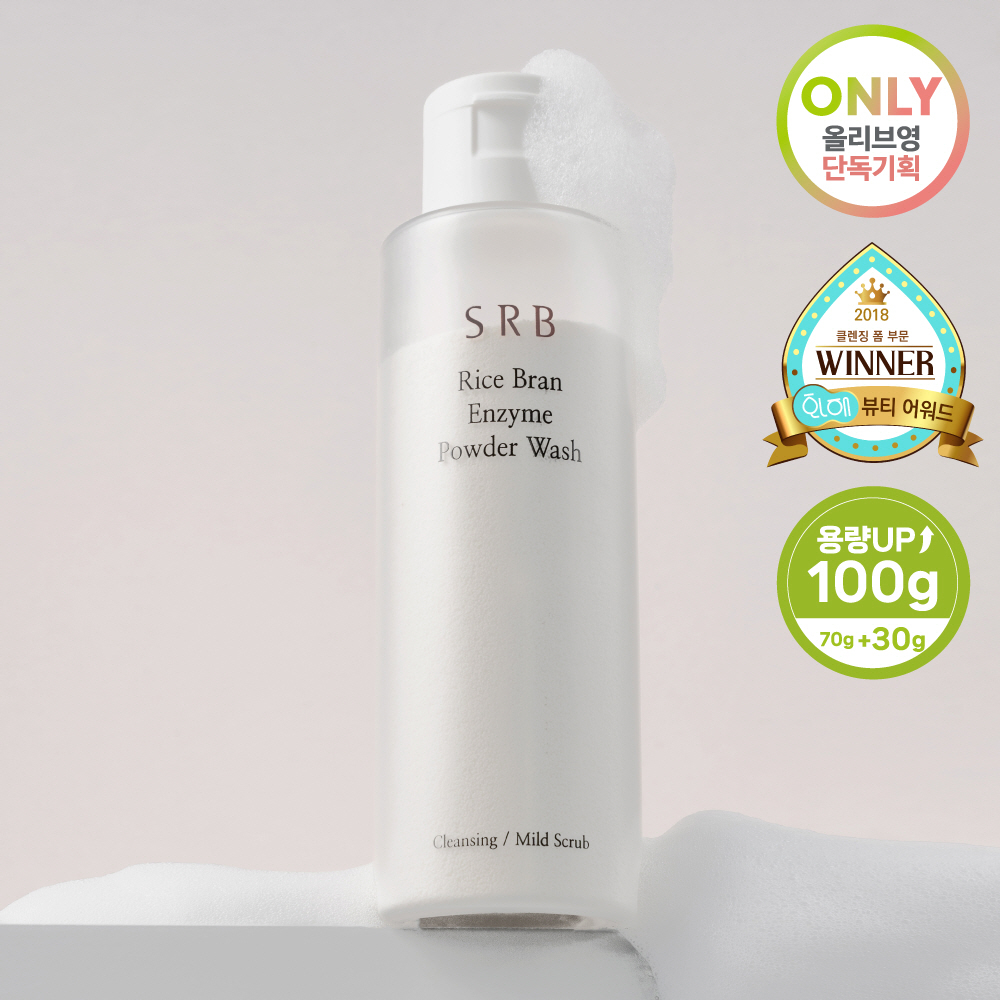
Rice Bran Enzyme Powder Wash
Ilso
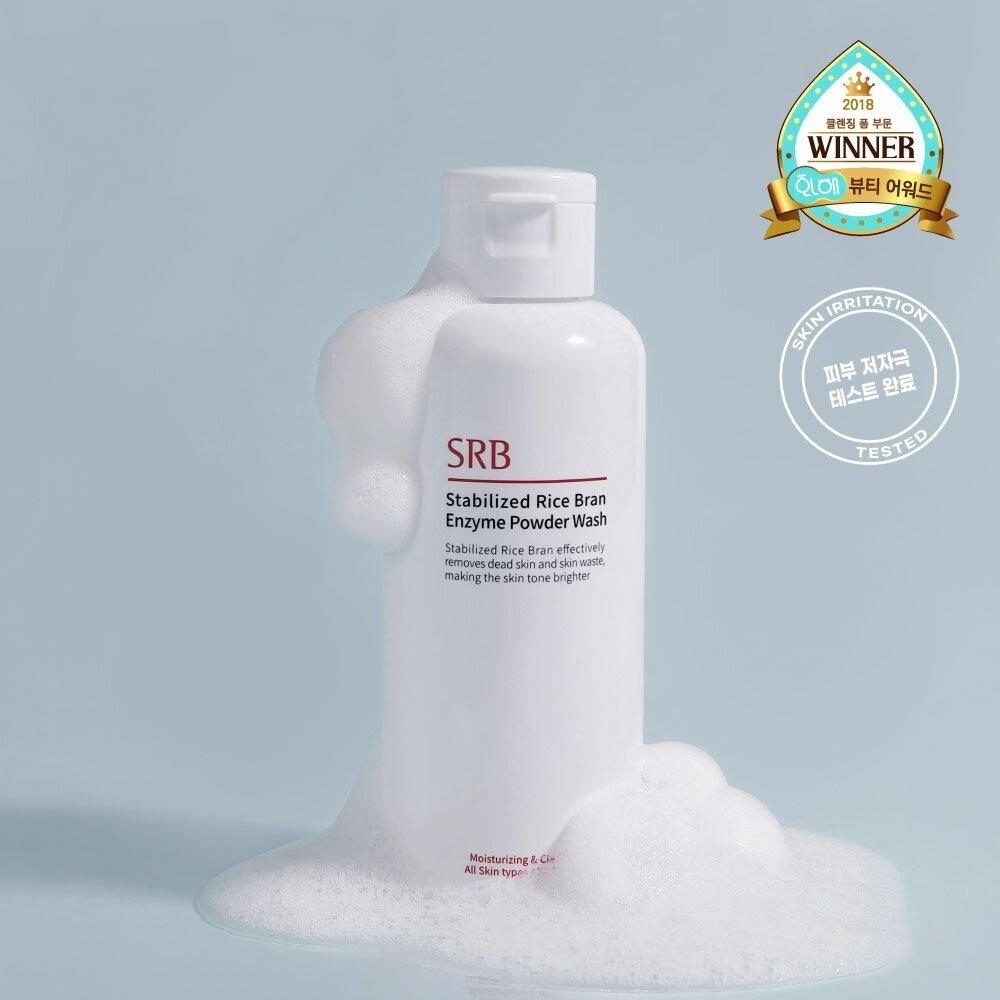
Stabilized Rice Bran Enzyme Powder Wash
Ilso
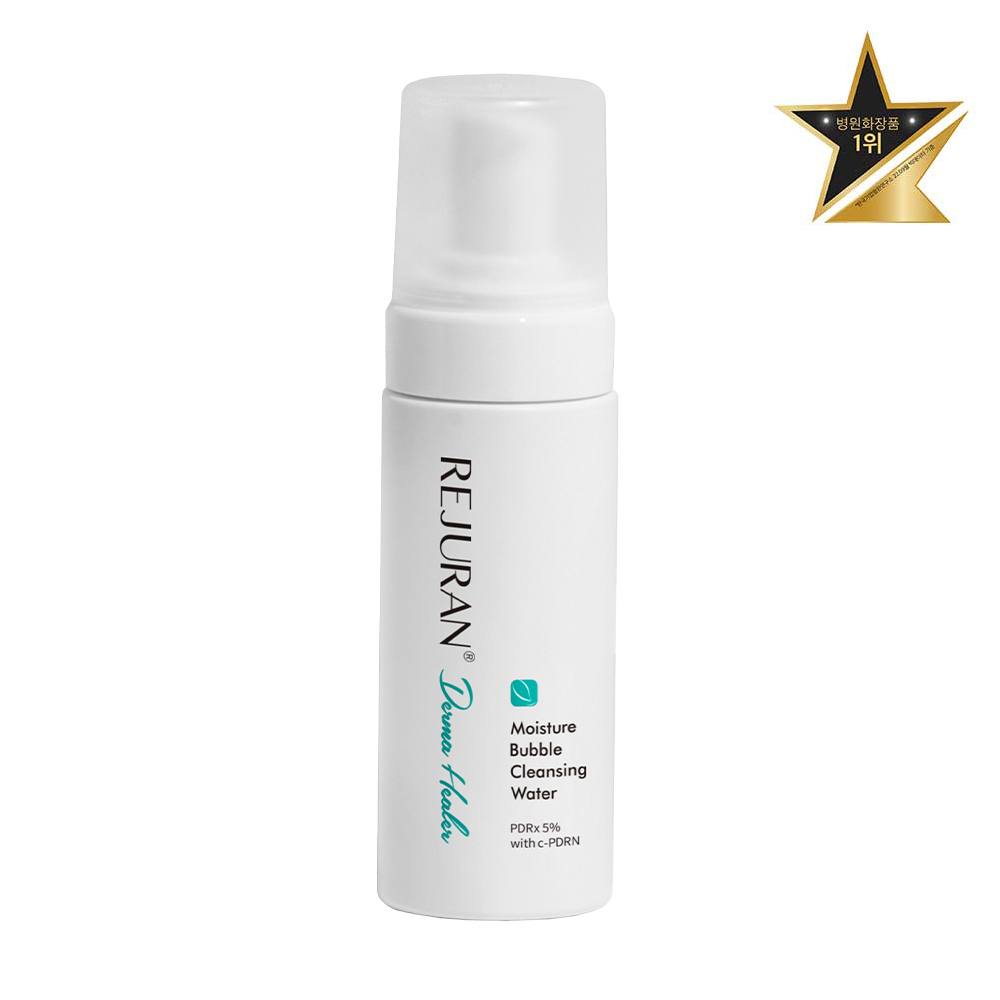
Derma Healer Moisture Bubble Cleansing Water
Rejuran
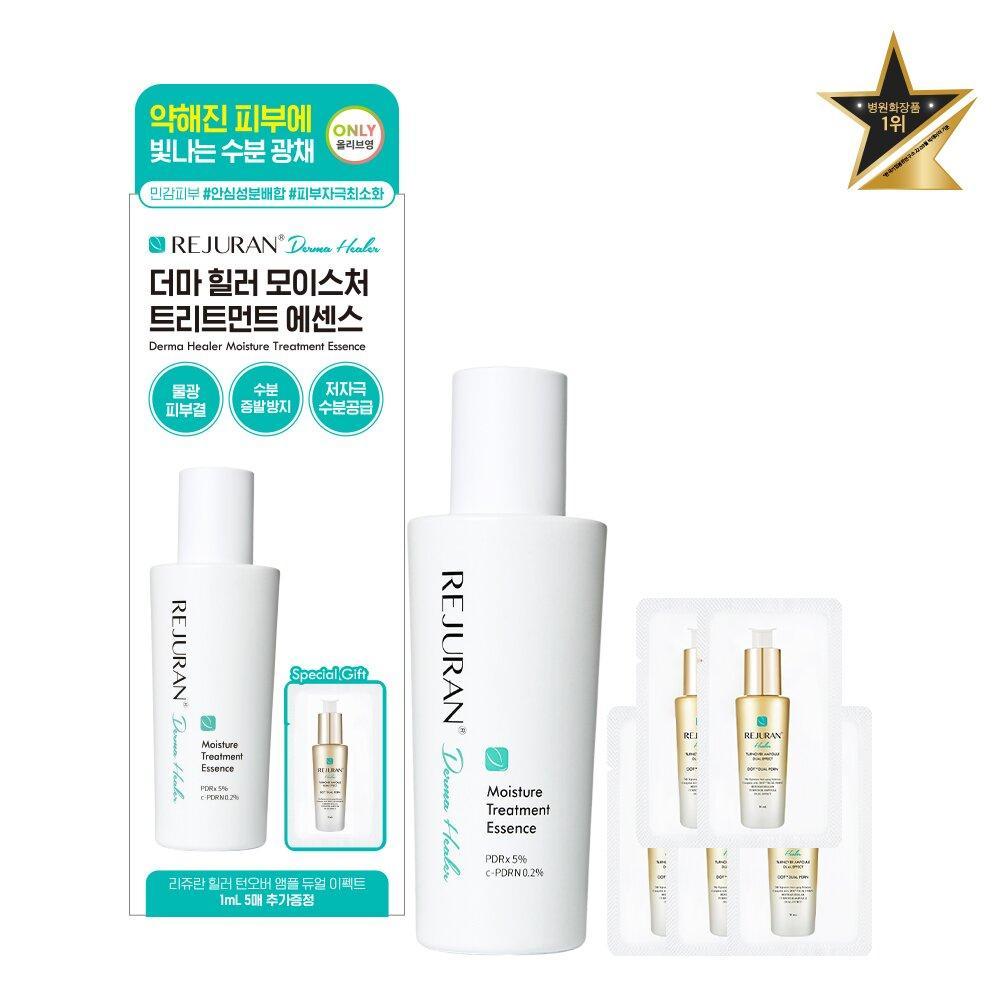
Derma Healer Treatment Essence Special Set
Rejuran
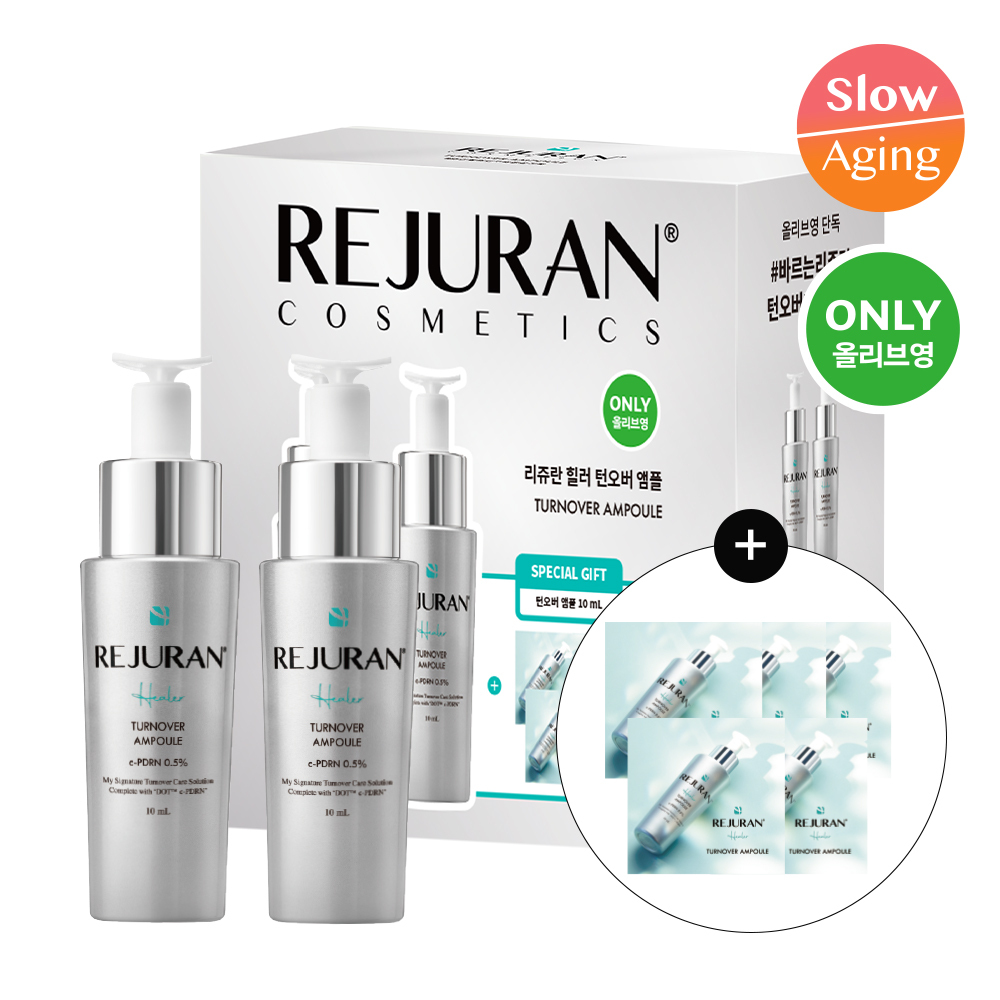
Healer Turnover Ampoule
Rejuran
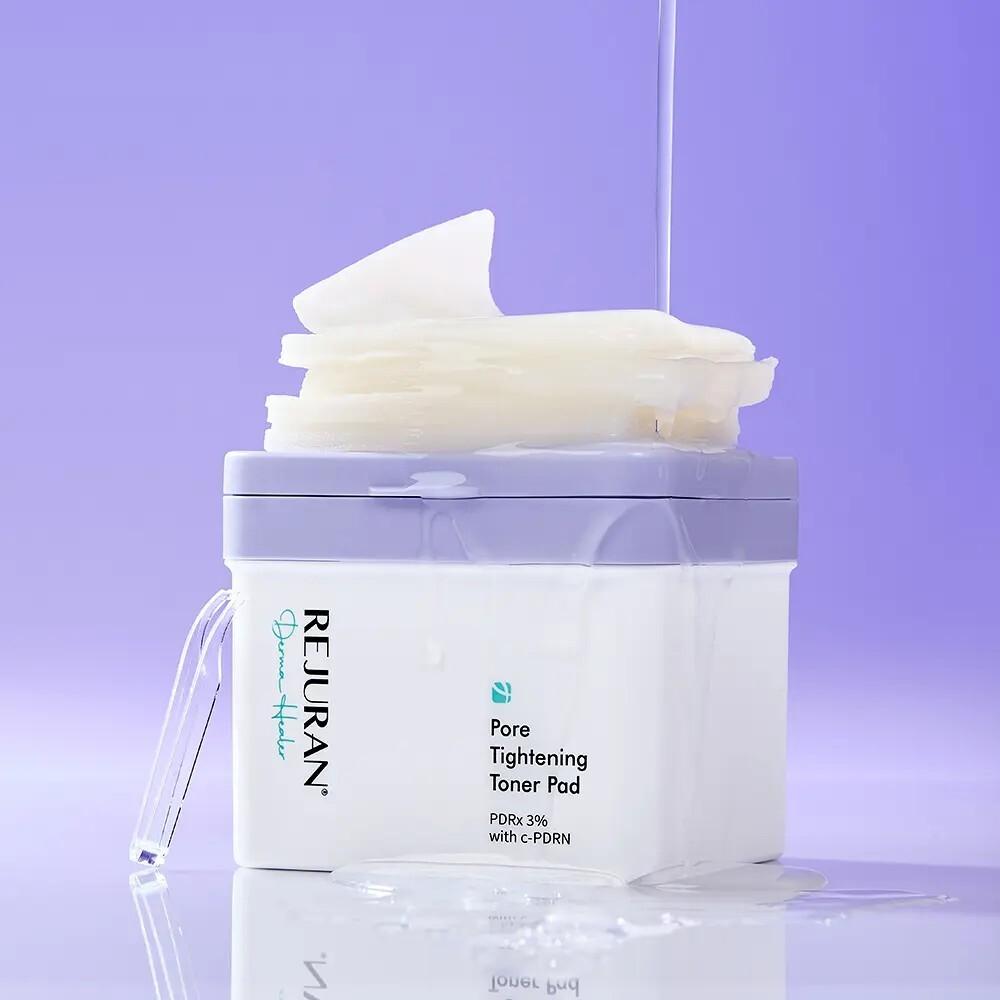
Derma Healer Pore Tightening Toner Pad 60P Limited Set
Rejuran
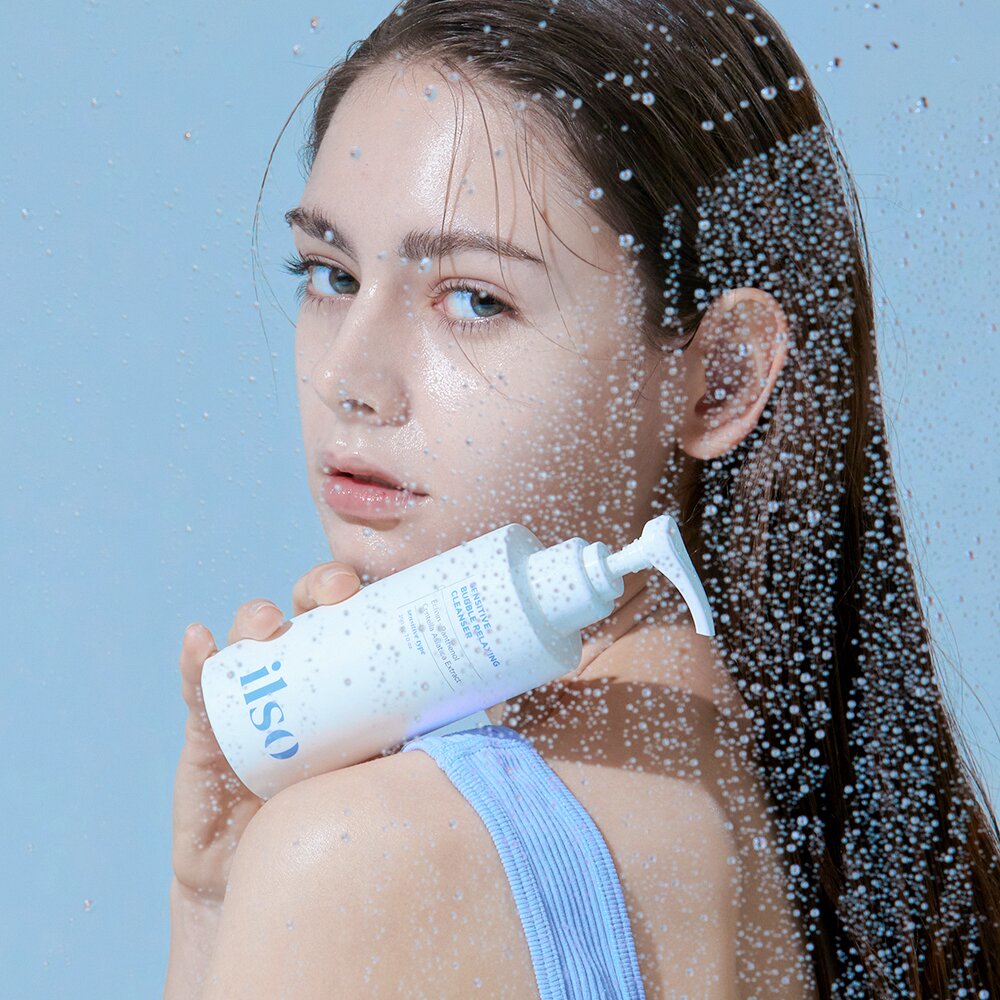
Sensitive Bubble Relaxing Cleanser
Ilso
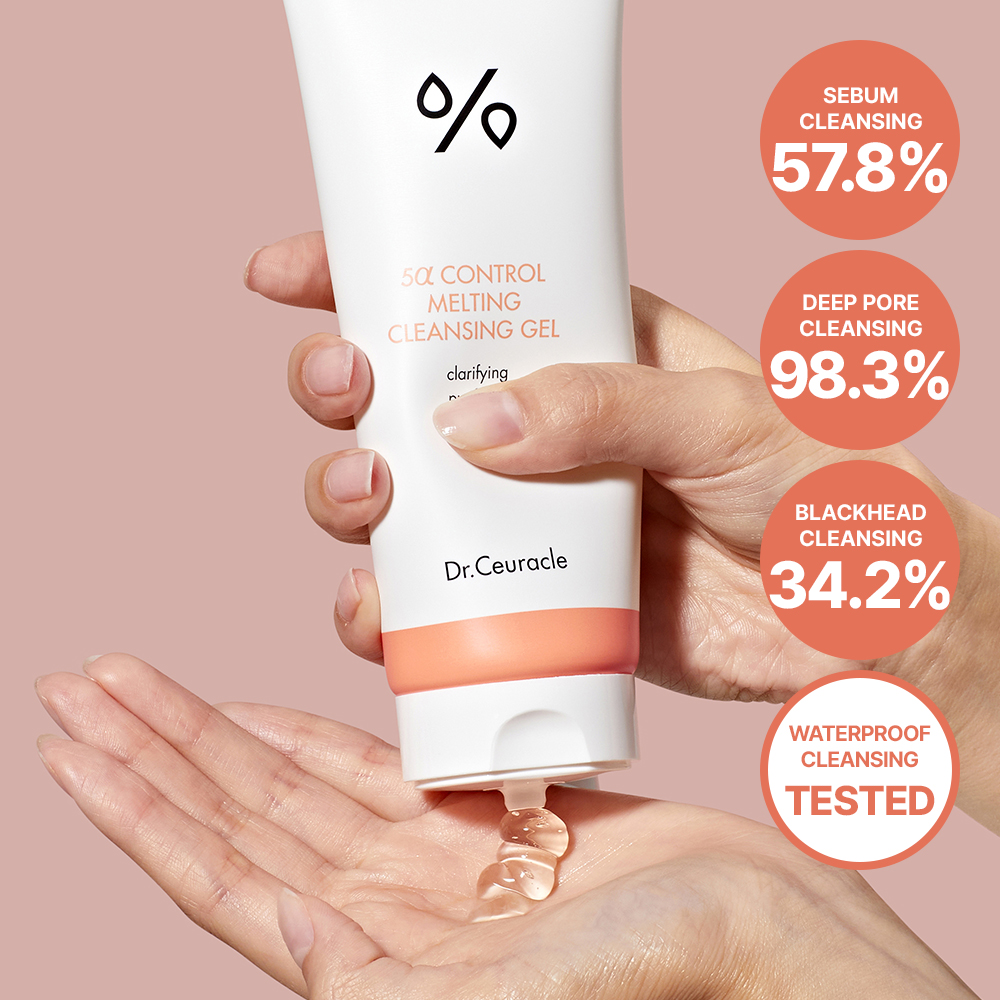
5α Control Melting Cleansing Gel
Dr.Ceuracle
Frequently Asked Questions
Is aloe vera juice the same as the gel I use on sunburns?▼
Can aloe vera juice cause allergic reactions even with a 5/5 safety rating?▼
Why do some aloe products feel sticky while others absorb instantly?▼
Does aloe vera juice actually help with acne or just soothe it?▼
Explore More
Want personalized ingredient advice?
Yuri, our AI beauty advisor, can tell you how Aloe Vera Juice works with your specific skin type, routine, and concerns.
Ask Yuri, free