Aloe Vera Extract
INCI: Aloe Vera Leaf Extract
Soothing and hydrating botanical extract
About Aloe Vera Extract
Aloe vera extract is one of skincare's most reliable multitaskers, sourced from the thick, gel-filled leaves of the Aloe barbadensis plant. In K-beauty formulations, it serves as both a humectant and a soothing agent, drawing moisture into the skin while calming irritation and redness. The extract contains over 75 active compounds including vitamins A, C, and E, polysaccharides that strengthen the skin barrier, and enzymes that support gentle exfoliation. Korean brands particularly value aloe for its ability to deliver hydration without heaviness, making it a frequent addition to lightweight gels, essence-type lotions, and soothing masks. With a comedogenic rating of 0/5, it won't clog pores, which explains its presence in 28 products across Seoul Sister's database, from foaming cleansers like Beplain's Makiol (rated 5.0/5) to treatment masks like Dr.G's Red Blemish Cool Soothing Mask (4.8/5). The ingredient's cooling sensation makes it especially popular in after-sun products and calming treatments for compromised skin. Its safety rating of 4/5 reflects its gentle nature, though some individuals may experience sensitivity to the anthraquinones naturally present in aloe.
How Aloe Vera Extract Works
Aloe vera extract functions through multiple pathways at the cellular level. Its polysaccharides, primarily acemannan, bind water molecules to the skin's surface and promote the production of hyaluronic acid and collagen in fibroblast cells. This dual action provides immediate hydration while supporting longer-term skin structure. The extract's anti-inflammatory properties come from compounds like aloin and emodin, which inhibit cyclooxygenase pathways (the same mechanism targeted by aspirin) to reduce redness and swelling. Glycoproteins in aloe accelerate wound healing by promoting cell migration and proliferation, which is why it's effective on irritated or post-procedure skin. The enzymes bradykinase and carboxypeptidase work to break down dead skin cells gently, supporting cell turnover without the harshness of chemical exfoliants. Meanwhile, vitamins C and E provide antioxidant protection against free radical damage. This combination of humectant, anti-inflammatory, and reparative actions makes aloe particularly effective in Korean skincare, where layered hydration and barrier protection are fundamental principles.
Aloe Vera Extract by Skin Type
Oily Skin
Aloe vera extract is ideal for oily skin because it hydrates without adding oil or weight. Its lightweight texture absorbs quickly, delivering moisture that helps prevent the overproduction of sebum that often occurs when oily skin becomes dehydrated. The gentle enzymatic action also supports pore clarity without stripping.
Dry Skin
For dry skin, aloe acts as a humectant that pulls moisture from the environment into the skin while its polysaccharides help prevent transepidermal water loss. It works best when layered under occlusives like ceramides or oils, as it needs to be sealed in to maintain hydration throughout the day.
Combo Skin
Combination skin benefits from aloe's balancing properties. It provides adequate hydration to dry zones without overwhelming oily areas, and its non-comedogenic nature means it won't contribute to congestion in the T-zone. Products like Scinic's Aqua Homme All In One (4.9/5) leverage this versatility.
Sensitive Skin
Aloe's anti-inflammatory compounds make it particularly valuable for sensitive skin prone to redness and reactivity. It calms irritation, reduces inflammation, and supports barrier repair without common sensitizing ingredients. However, those with severe sensitivities should patch test, as some people react to aloe's natural anthraquinones.
Normal Skin
Normal skin can use aloe for maintenance hydration and prevention. It provides enough moisture for daily needs while delivering antioxidant protection against environmental stressors. Its versatility means it fits seamlessly into both minimal and extensive routines.
How to Use Aloe Vera Extract
- 1Layer aloe-based products like essences or gels on damp skin immediately after cleansing to maximize humectant benefits and lock in moisture.
- 2Store aloe-containing products in the refrigerator for an extra cooling effect that enhances soothing properties, especially helpful after sun exposure or irritating treatments.
- 3Use aloe products as a calming buffer 15-20 minutes before applying potentially irritating actives like retinol or acids to minimize sensitivity.
- 4For maximum hydration, follow aloe products with an occlusive moisturizer or facial oil to prevent the water it attracts from evaporating off your skin.
Background
Aloe vera has been used medicinally for over 6,000 years, with ancient Egyptian records calling it the "plant of immortality" and Cleopatra reportedly using it in her beauty routine. The plant originated in the Arabian Peninsula but now grows in tropical climates worldwide. In traditional Korean medicine (hanbang), aloe was less prominent than in Middle Eastern and Mediterranean practices, but modern K-beauty embraced it in the 1990s as brands began incorporating Western botanical research into their formulations. The ingredient gained particular momentum after Korean brands discovered that aloe's lightweight, cooling properties aligned perfectly with the layered hydration philosophy central to K-beauty routines. Today, Korean cosmetic manufacturers often source aloe from organic farms in Jeju Island, where volcanic soil is believed to produce particularly nutrient-rich plants.
K-Beauty Products with Aloe Vera Extract
View all 29 →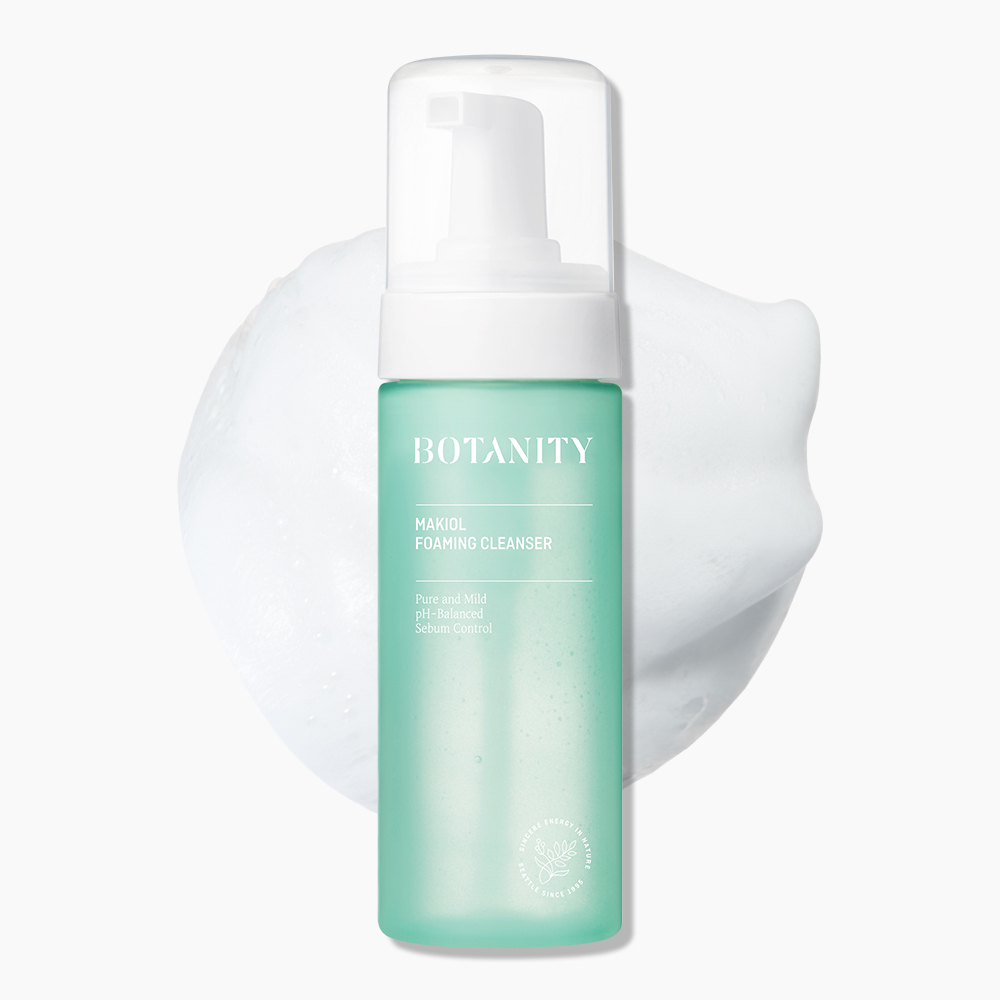
Makiol Foaming Cleanser
Beplain
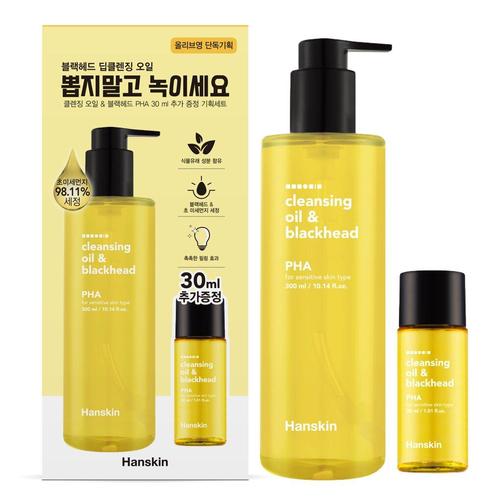
Cleansing Oil & Blackhead
Hanskin
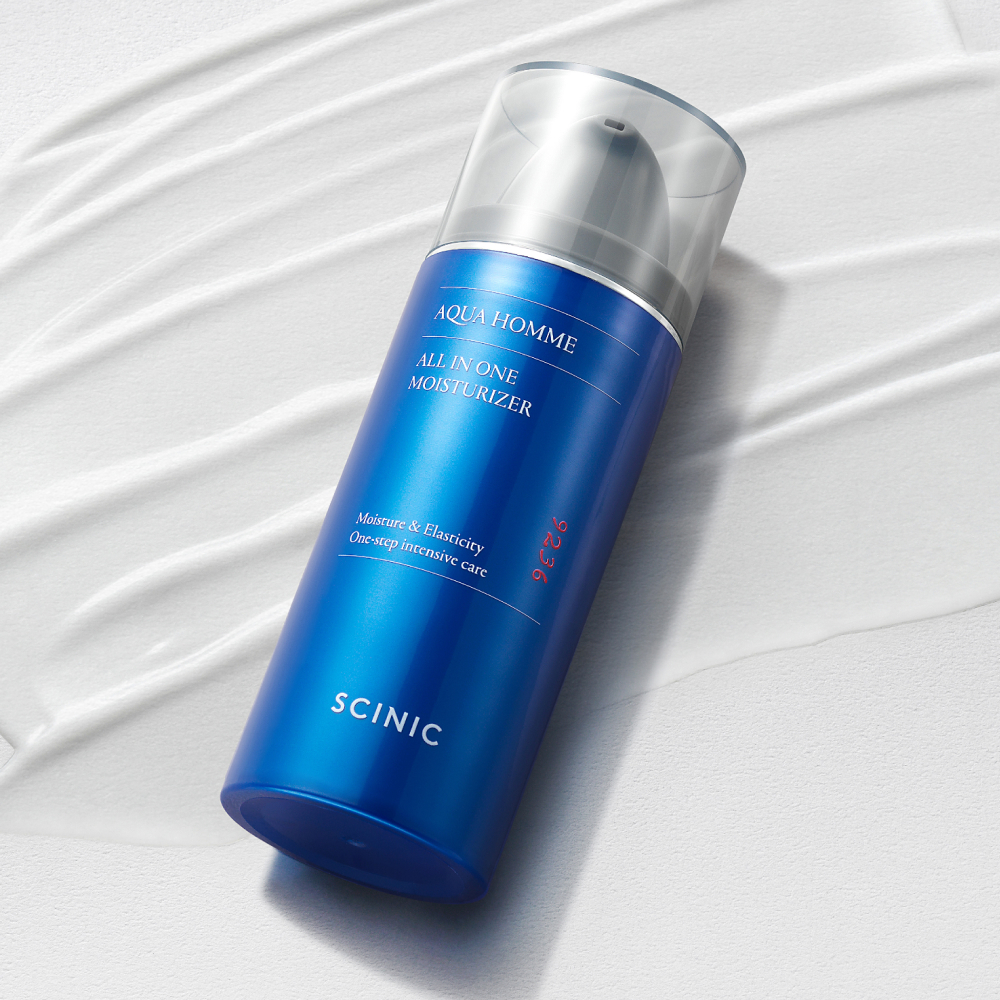
Aqua Homme All In One Moisturizer
Scinic
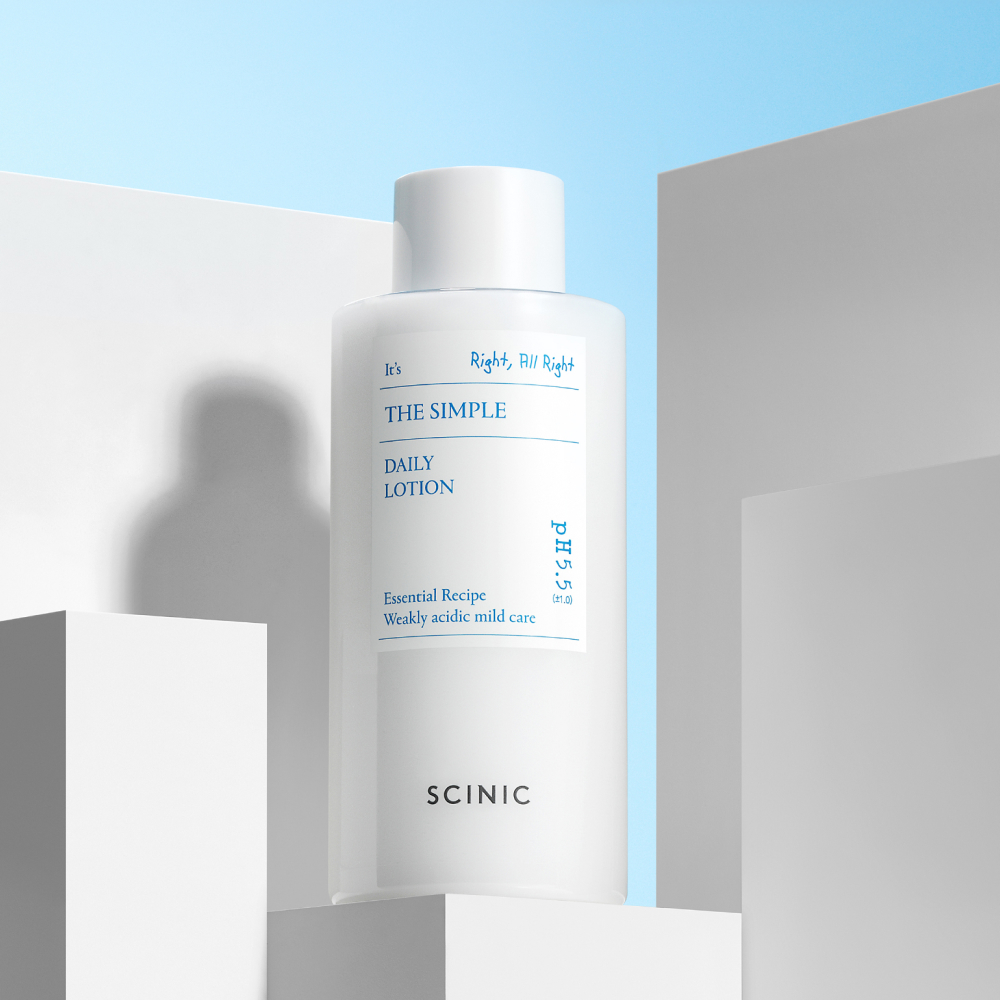
The Simple Daily Lotion
Scinic
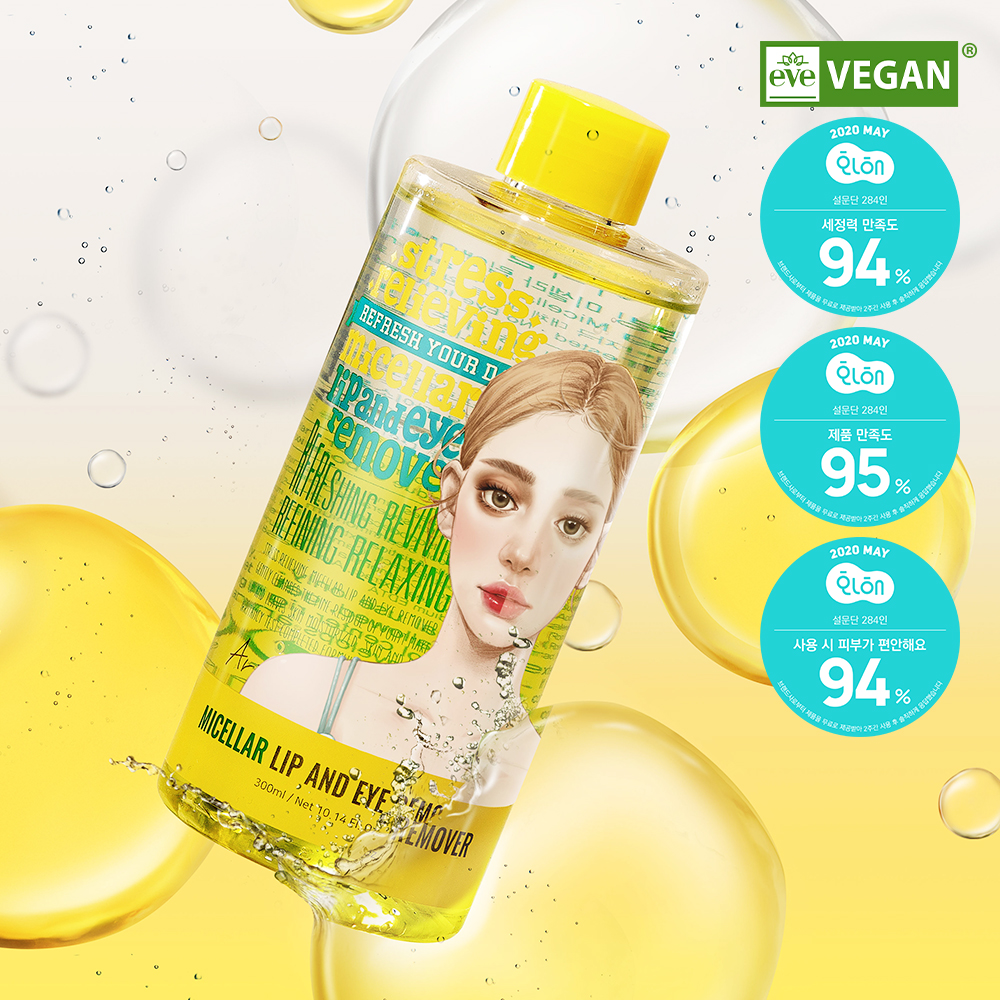
Stress Relieving Micellar Lip & Eye Remover
Ariul
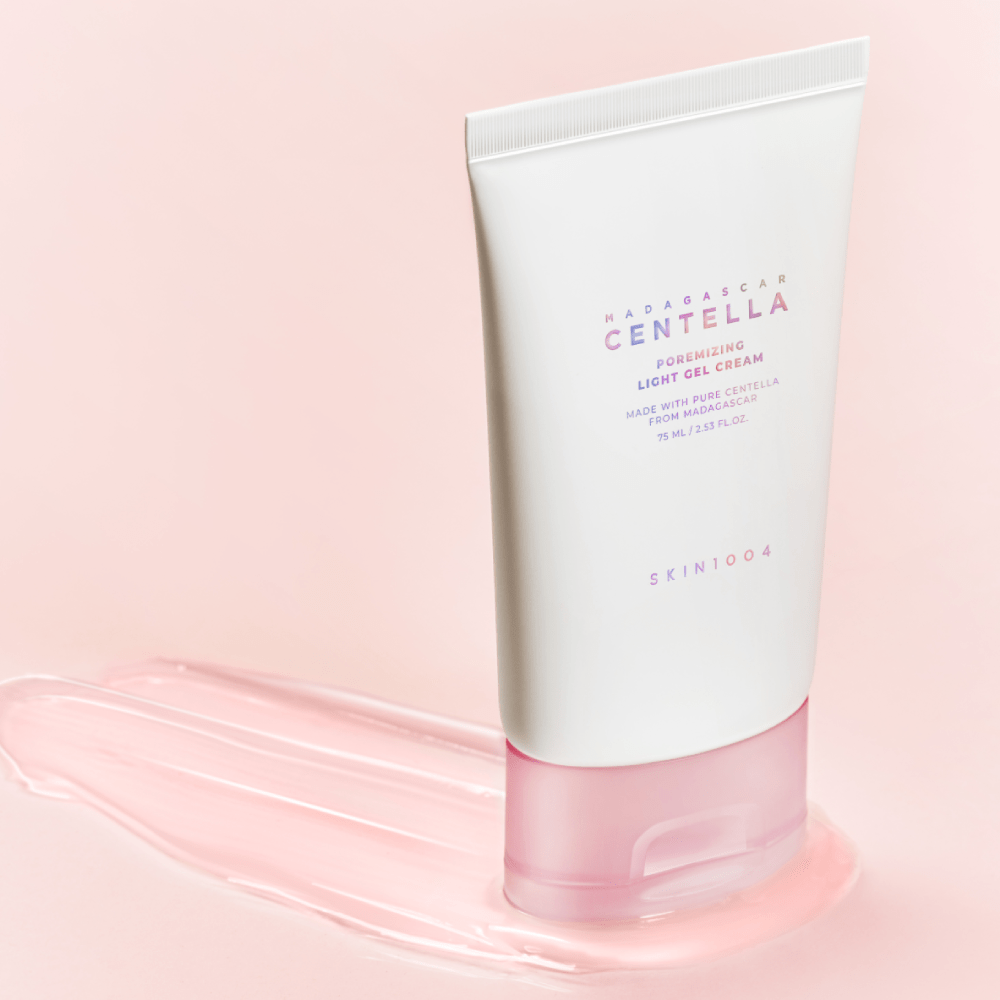
Madagascar Centella Poremizing Light Gel Cream
SKIN1004
Stress Relieving Micellar Lip and Eye Remover
Ariul
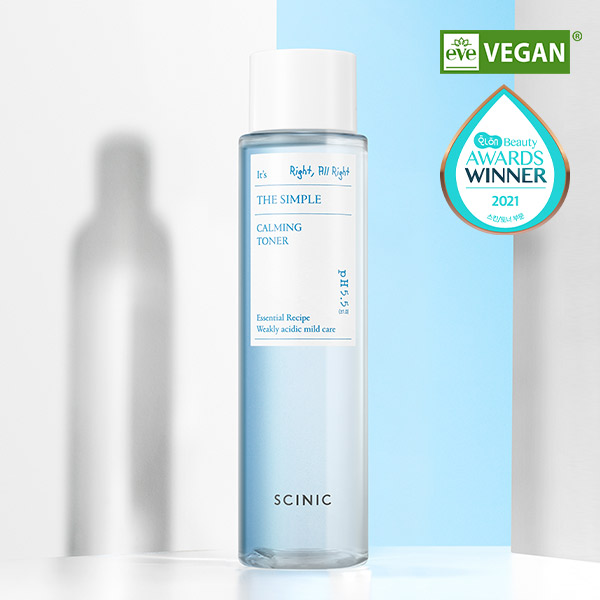
The Simple Calming Toner
Scinic
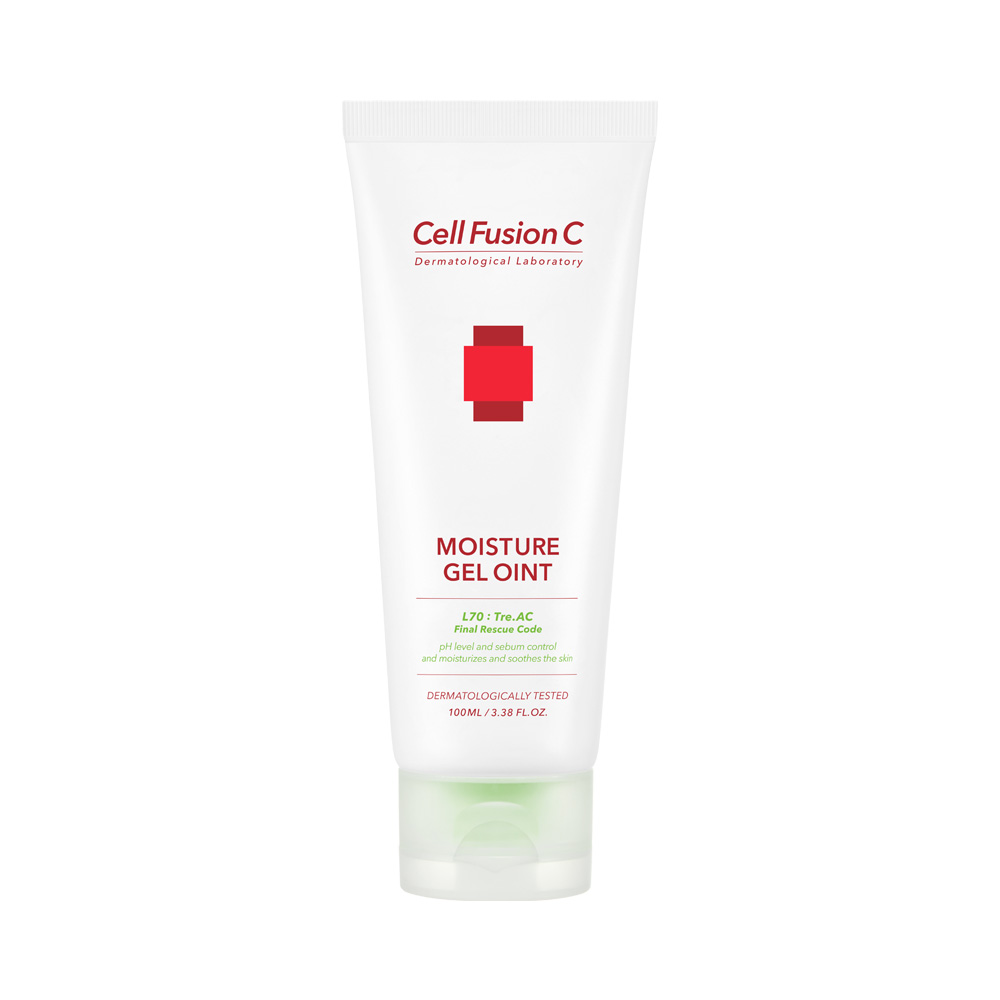
TRE.AC Moisture Gel Oint
Cell Fusion C
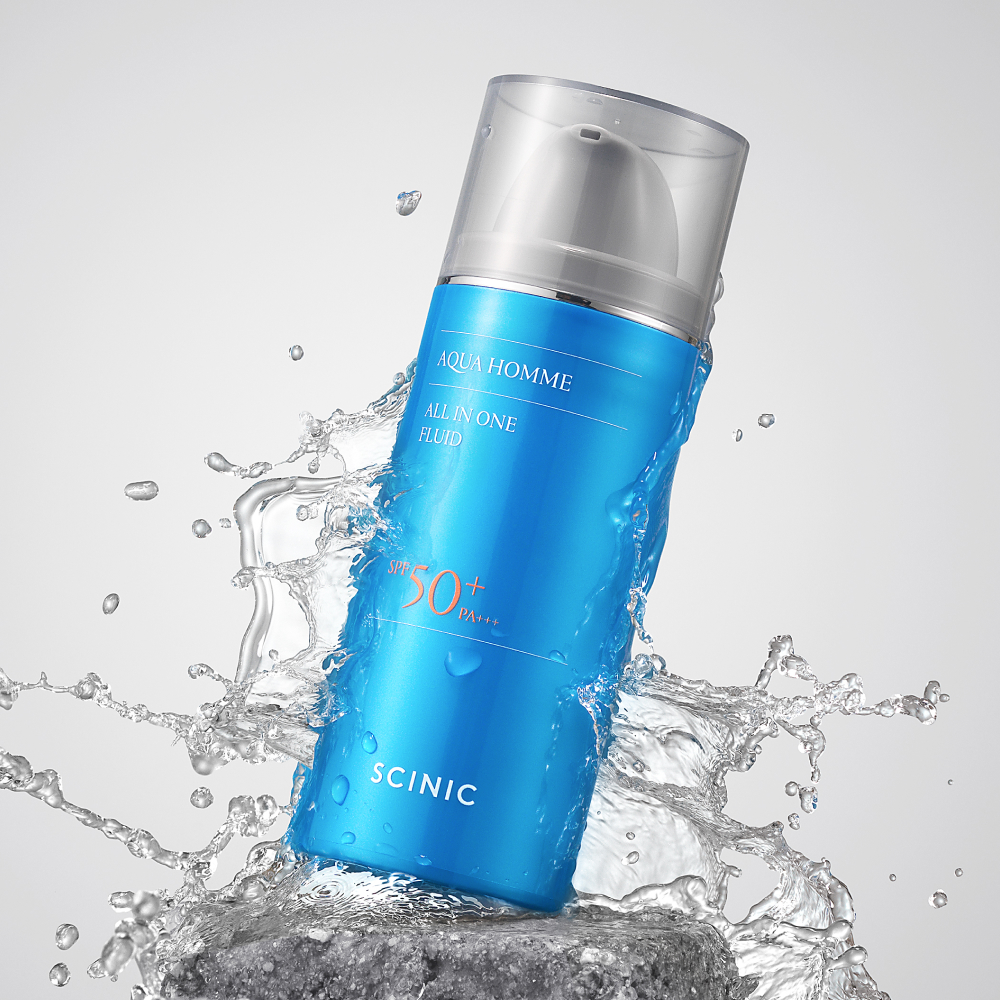
Aqua Homme All In One Fluid
Scinic
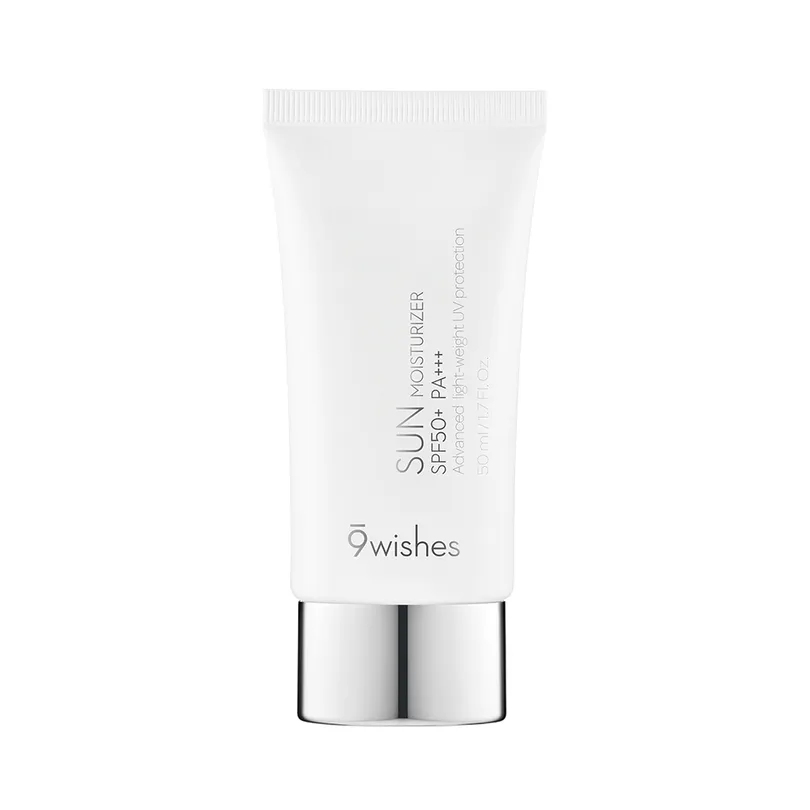
Sun Moisturizer SPF50+ PA+++
9wishes
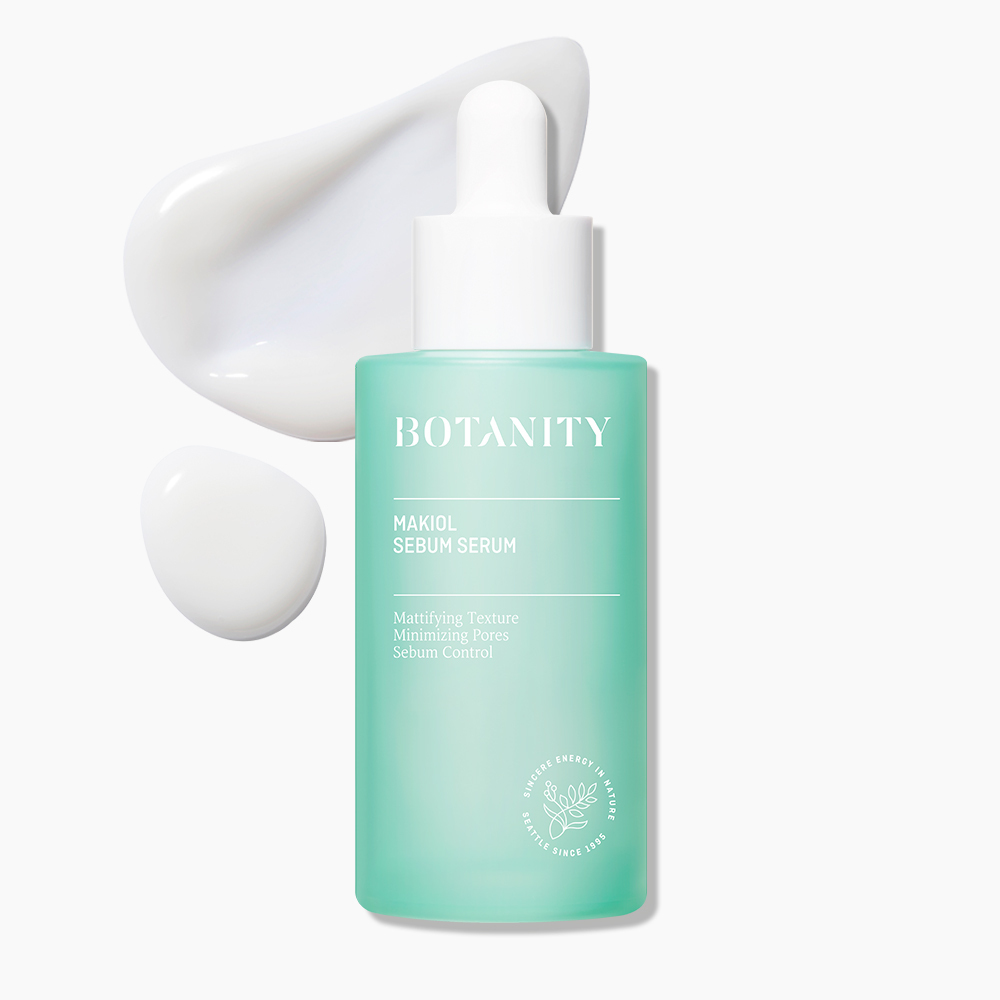
Makiol Sebum Serum
Anua
Frequently Asked Questions
Is aloe vera extract the same as the gel from the plant?▼
Can aloe vera extract cause breakouts?▼
Why do some aloe products feel sticky?▼
How much aloe vera extract should be in a product to be effective?▼
Explore More
Want personalized ingredient advice?
Yuri, our AI beauty advisor, can tell you how Aloe Vera Extract works with your specific skin type, routine, and concerns.
Ask Yuri, free