Aluminum Glycinate
Antiperspirant agent that reduces perspiration
About Aluminum Glycinate
Aluminum Glycinate is a chelated aluminum compound that functions primarily as an antiperspirant agent in cosmetic formulations. Unlike traditional aluminum salts used in underarm deodorants, this ingredient appears in specialized K-beauty products designed to address facial sweating and promote a refined, matte appearance. In the context of Korean skincare, Aluminum Glycinate is most commonly found in lifting masks, contouring patches, and facial treatments where controlling excess moisture and creating a tightening effect are desired outcomes. The ingredient works by temporarily reducing perspiration in targeted areas, which can help skincare actives penetrate more effectively and maintain product adherence during treatment. With a safety rating of 3 out of 5, it requires mindful use, particularly for those with sensitive skin or aluminum sensitivities. However, its non-comedogenic profile (0 out of 5) makes it suitable for acne-prone individuals who want the benefits of sweat control without risking pore congestion. The presence of Aluminum Glycinate in 38 K-beauty products on Seoul Sister reflects its niche but growing role in advanced facial treatments, especially in V-line contouring products that aim to create a sculpted, refined facial appearance through a combination of active ingredients and moisture management.
How Aluminum Glycinate Works
Aluminum Glycinate functions by forming temporary plugs within sweat gland ducts, reducing the flow of perspiration to the skin's surface. The aluminum ion dissociates from the glycinate carrier and interacts with keratin proteins in the sweat duct cells, creating a gel-like matrix that physically blocks moisture release. This mechanism is similar to other aluminum-based antiperspirants but is considered gentler due to the amino acid chelation, which buffers pH and reduces skin irritation potential. Beyond sweat reduction, the temporary tightening effect on pores can create a subtle lifting sensation on the skin's surface, which is why it appears in V-line masks and contouring patches. The glycinate component also serves as a skin conditioning agent, helping to maintain the skin's moisture barrier while the aluminum performs its astringent function. This dual action makes it particularly useful in leave-on treatments where prolonged contact with skin is intended, allowing for both immediate cosmetic effects and longer-term active ingredient delivery without interference from excess surface moisture.
Aluminum Glycinate by Skin Type
Oily Skin
Aluminum Glycinate can be beneficial for oily skin by temporarily reducing excess moisture and sebum on the skin's surface, creating a more matte appearance. The ingredient's astringent properties help control shine in targeted areas without stripping the skin. However, those with oily skin should monitor usage to ensure they don't over-dry specific zones, which could trigger compensatory oil production.
Dry Skin
Dry skin types should approach Aluminum Glycinate with caution, as its moisture-reducing properties may exacerbate existing dryness if used too frequently. When found in hydrating mask formulations with compensating humectants and emollients, it can still be used effectively for targeted treatments. Look for products that pair this ingredient with hyaluronic acid, glycerin, or ceramides to maintain hydration balance.
Combo Skin
Combination skin can benefit from Aluminum Glycinate when applied strategically to oily zones like the T-zone while avoiding drier cheek areas. The ingredient's presence in facial patches and masks allows for precise application, making it ideal for this skin type's varying needs. Products with this ingredient can help balance moisture levels across different facial zones when used as part of a targeted treatment routine.
Sensitive Skin
Sensitive skin types should exercise caution with Aluminum Glycinate due to the moderate safety rating of 3 out of 5. While the glycinate chelation makes it gentler than some aluminum compounds, those with known sensitivities to aluminum or a history of contact dermatitis should patch test first. If irritation, redness, or itching occurs, discontinue use and opt for aluminum-free alternatives in your skincare routine.
Normal Skin
Normal skin types can generally tolerate Aluminum Glycinate well, especially in the short-contact formats like masks and patches where it typically appears. The ingredient can enhance the performance of other actives by controlling surface moisture and creating optimal conditions for absorption. Use as directed in product instructions, typically as a weekly or bi-weekly treatment rather than daily application.
How to Use Aluminum Glycinate
- 1Apply Aluminum Glycinate products to clean, completely dry skin for maximum effectiveness, as moisture can interfere with the ingredient's mechanism of action.
- 2If using V-line masks or patches containing this ingredient, avoid applying moisturizer or serum to the treatment area beforehand to prevent dilution of the active concentration.
- 3Limit use to 1-2 times per week initially to assess your skin's tolerance, then adjust frequency based on your individual response and the product's specific instructions.
- 4Follow up with a hydrating serum or moisturizer after removing masks or patches to replenish moisture balance, especially if you have dry or combination skin.
- 5Avoid using Aluminum Glycinate products on broken, irritated, or freshly exfoliated skin, as the ingredient may cause stinging or increased sensitivity in compromised skin barrier conditions.
Background
Aluminum compounds have been used in antiperspirant applications since the early 20th century, but Aluminum Glycinate represents a more refined iteration developed to minimize skin irritation while maintaining efficacy. The chelation of aluminum with glycine, an amino acid, creates a complex that is both more stable and potentially less irritating than simple aluminum salts. In K-beauty, this ingredient gained prominence through the rise of facial contouring treatments and V-line aesthetics, where controlling moisture became essential for achieving the desired sculpting effects. Korean cosmetic chemists recognized that managing facial perspiration could enhance the performance of lifting and firming actives, leading to the incorporation of Aluminum Glycinate in premium mask and patch formulations. The ingredient's appearance in high-rated products from brands like Avajar and LABOTTACH reflects the Korean beauty industry's commitment to comprehensive, multi-functional formulations that address multiple skin concerns simultaneously.
K-Beauty Products with Aluminum Glycinate
View all 38 →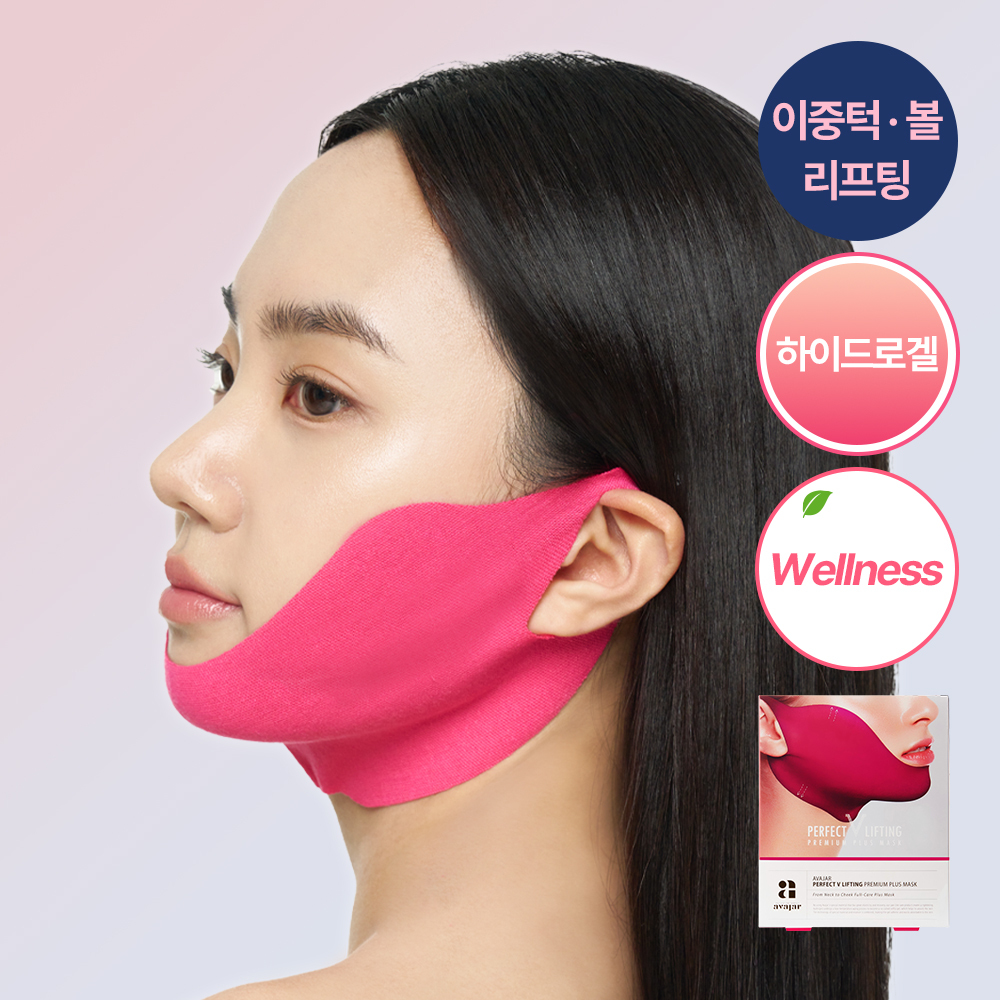
Perfect V Lifting Premium Mask
Avajar
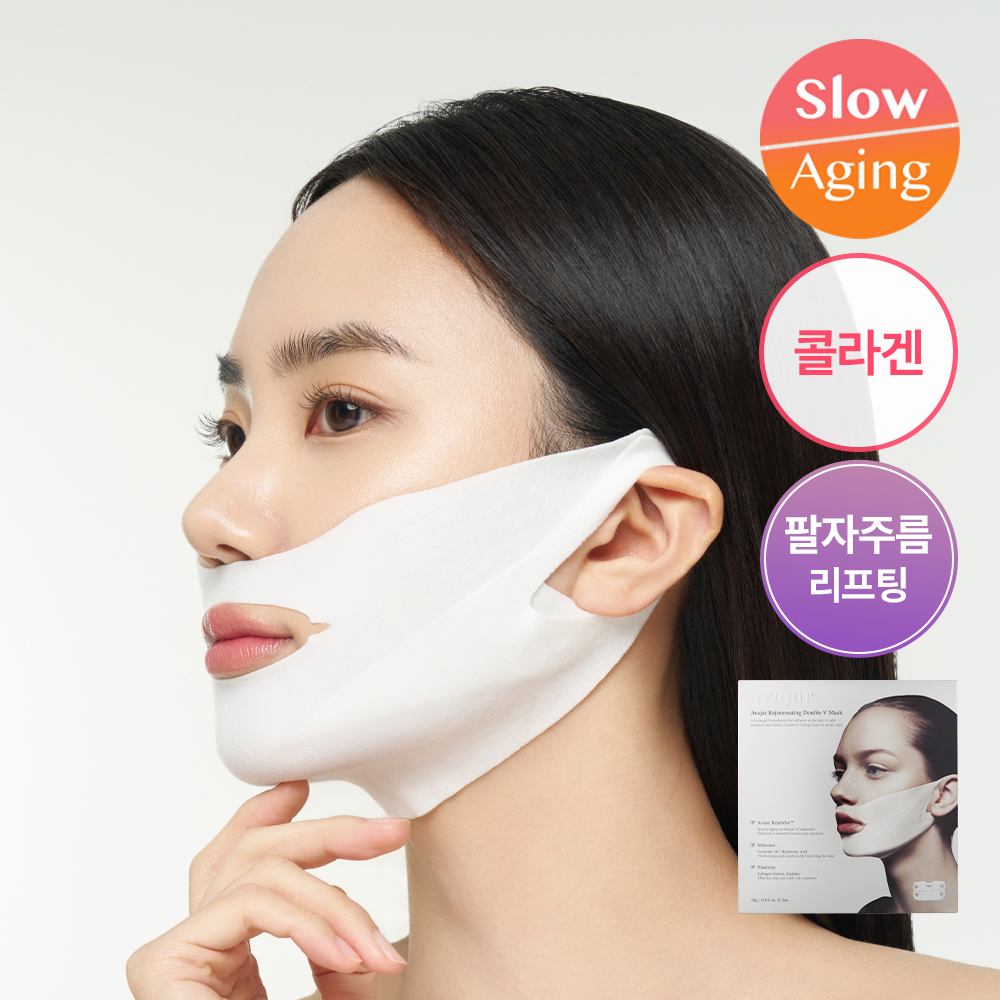
Rejuvenating Double V Mask Sheet
Avajar
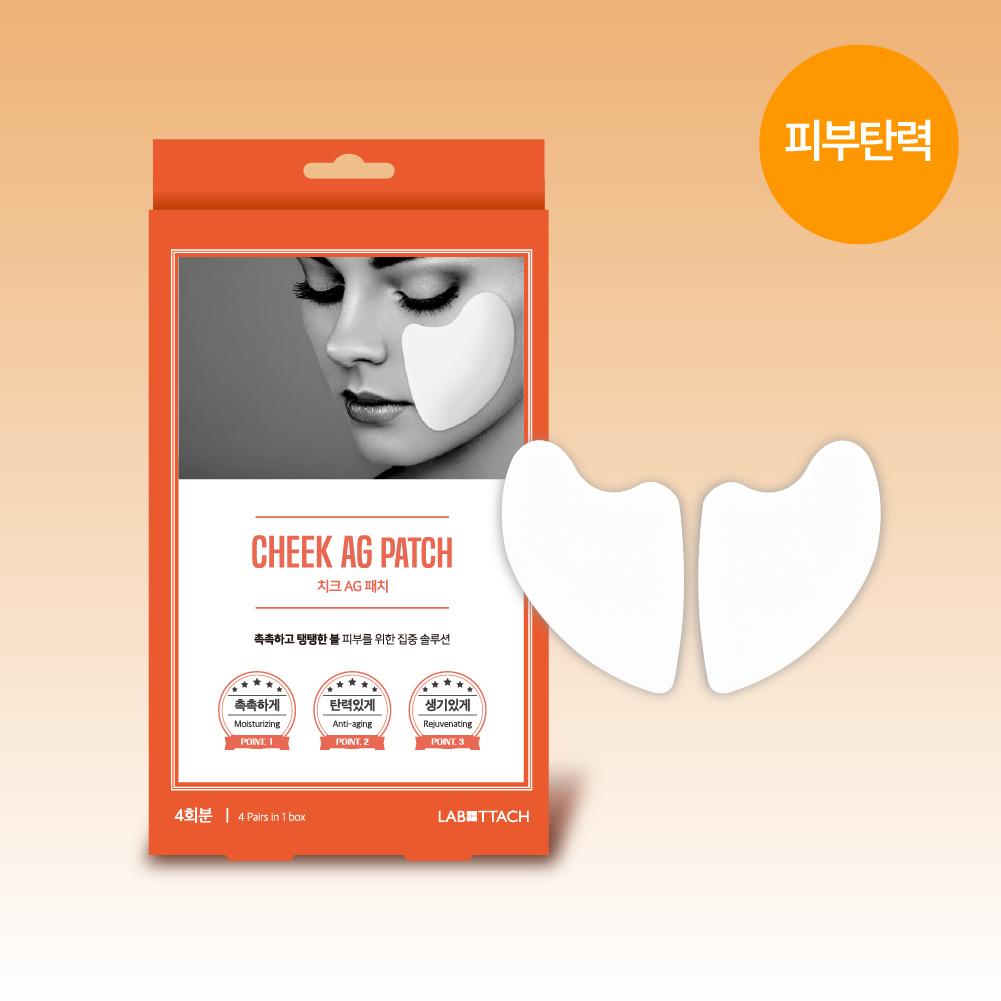
Cheek Age Patch
LABOTTACH
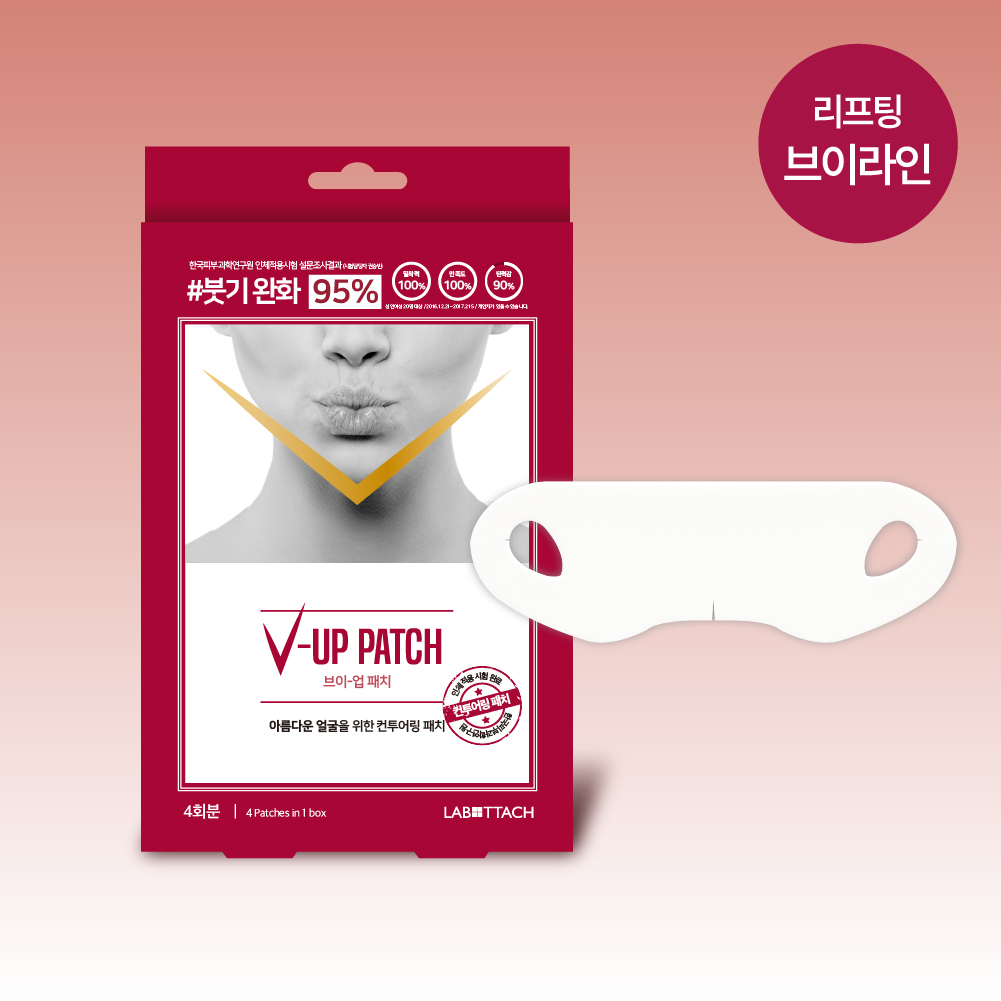
V-Up Patch
LABOTTACH
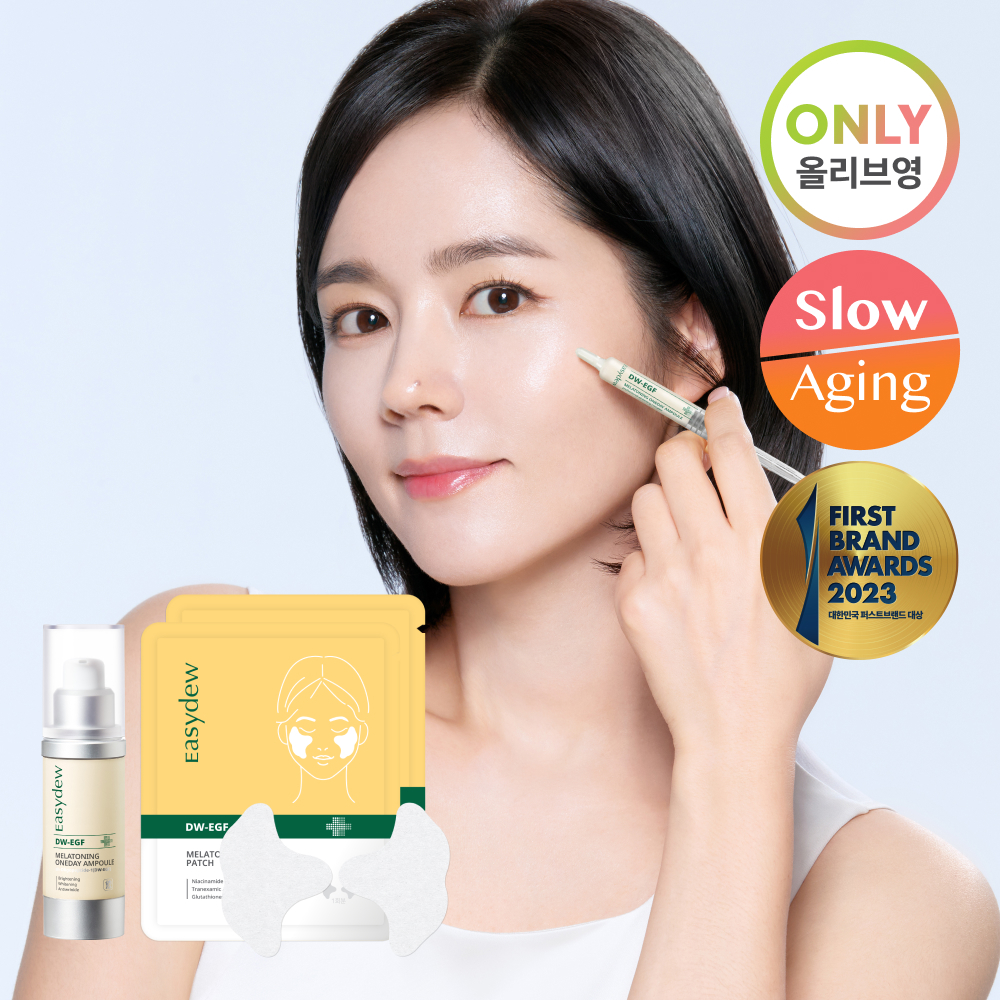
DW-EGF Melatoning One Day Ampoule Special Set
Easydew
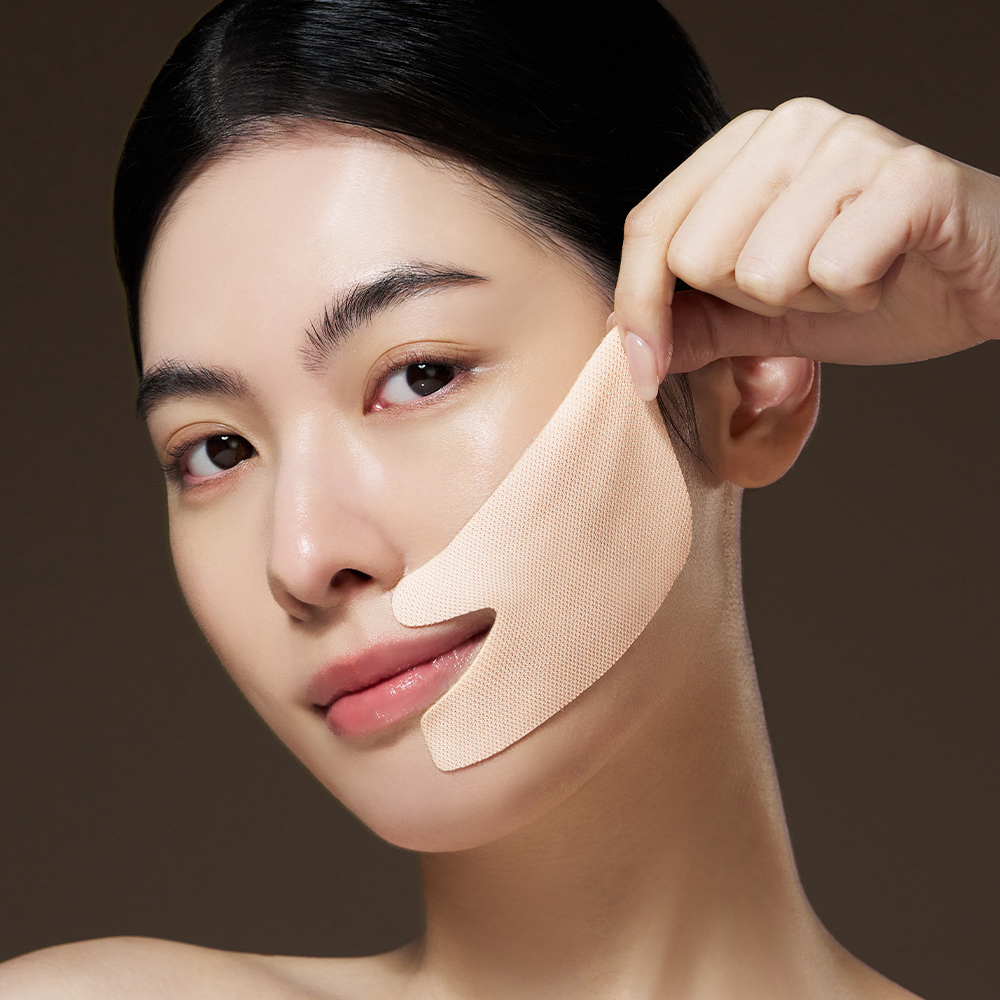
Line Lifting Hydro-gel Patch (For Smile Zone) 6P
MARSHIQUE
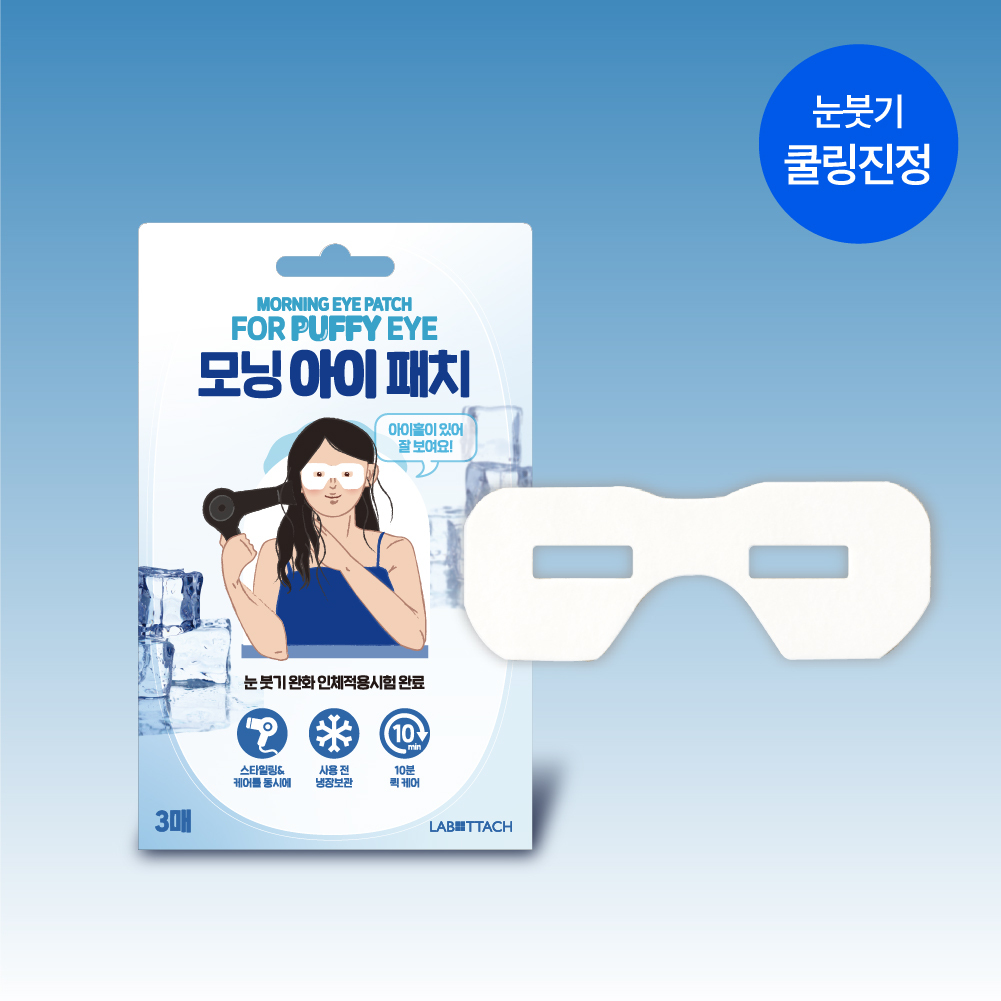
Morning Eye Patch
LABOTTACH
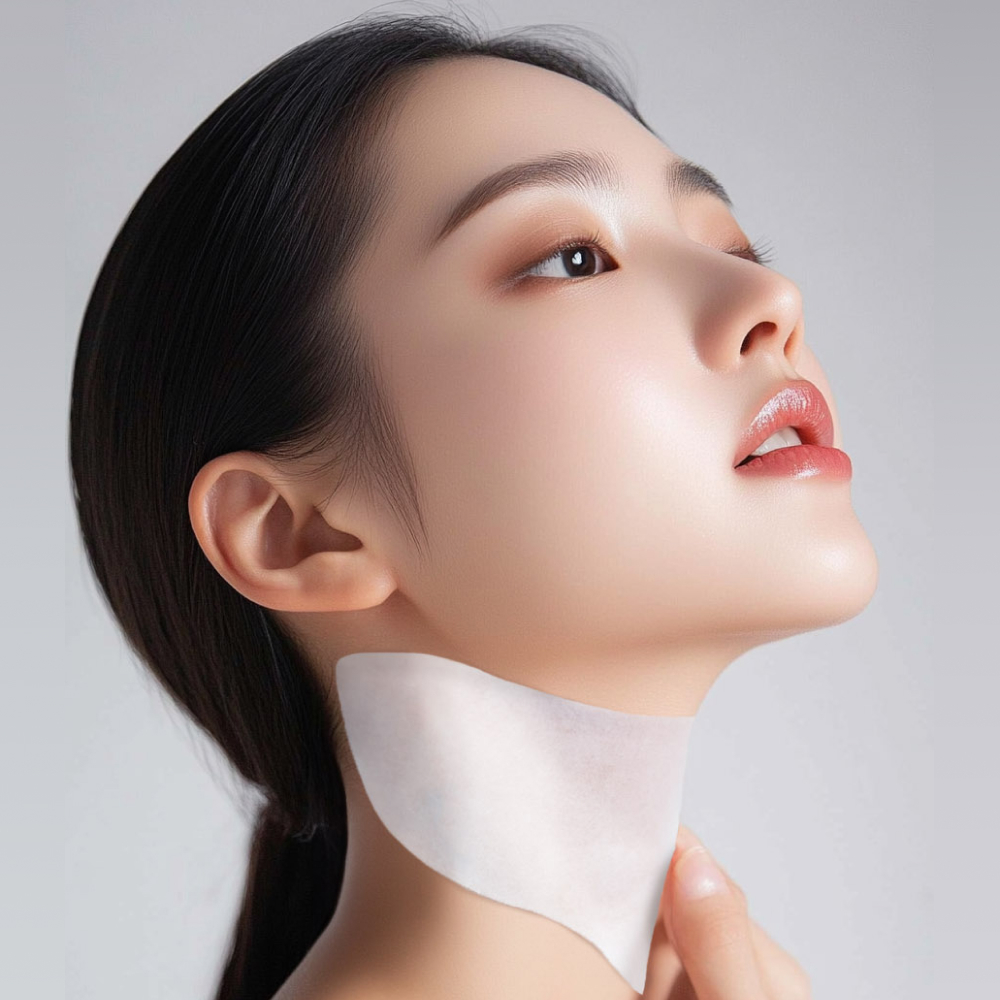
Lift PDRN Neck Patch
Easydew
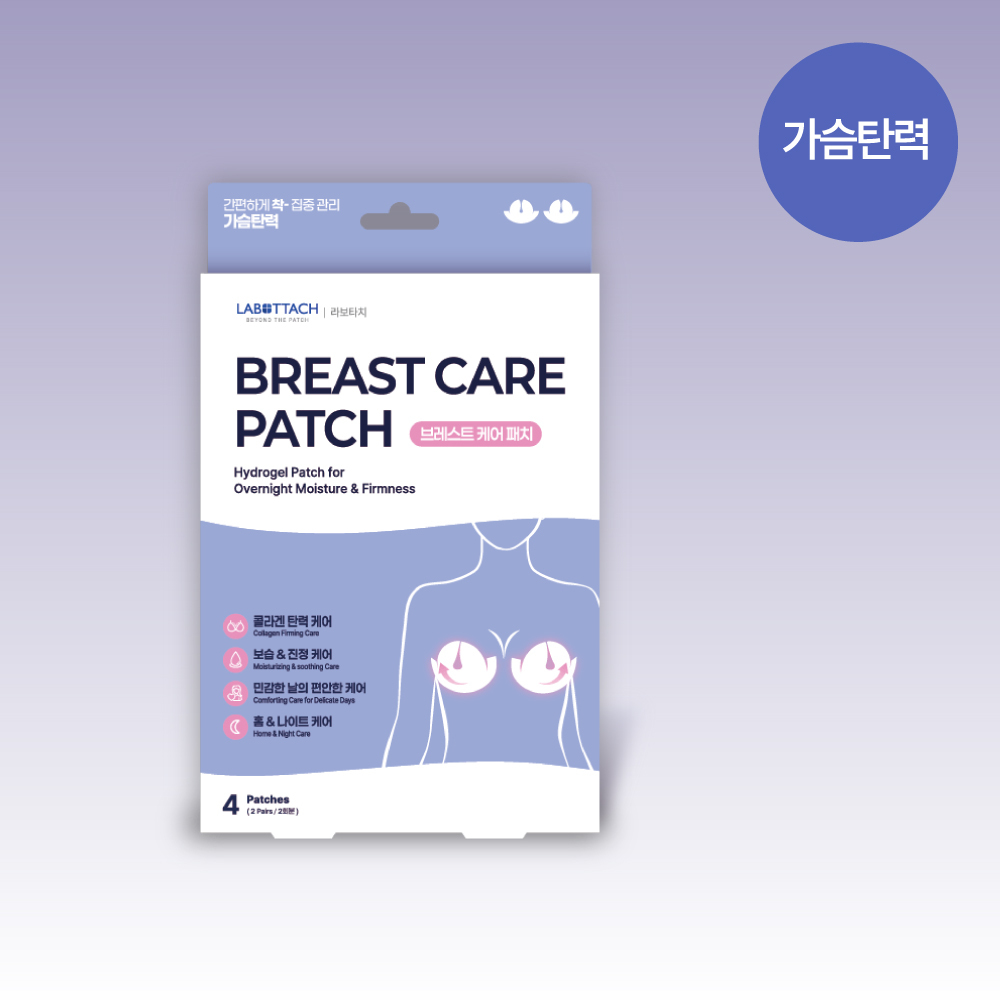
Breast Care Patch 4P
LABOTTACH
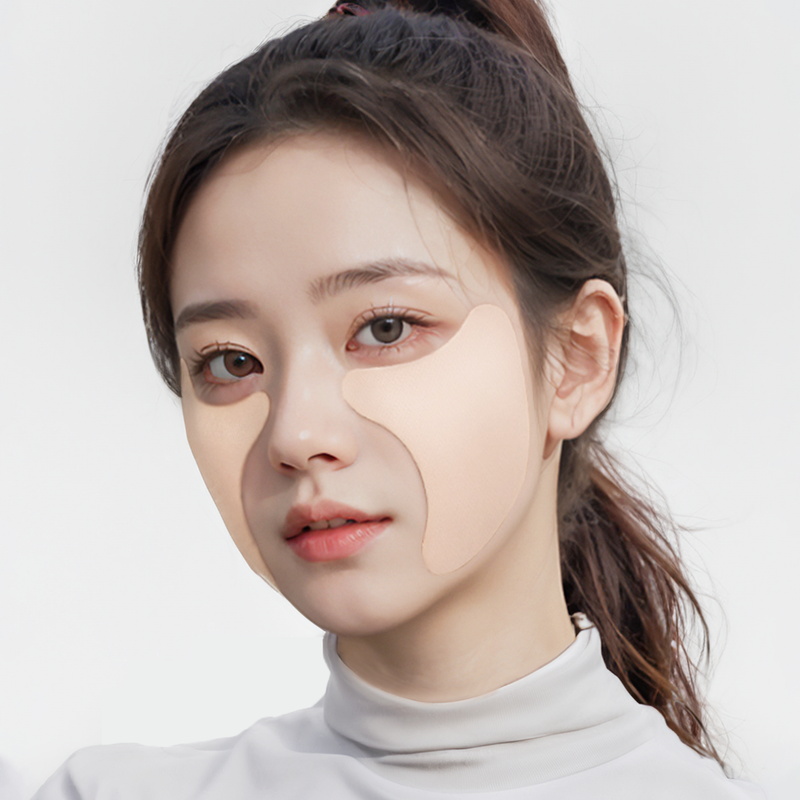
Outdoor Vita Toning Patch Large
OSEQUE
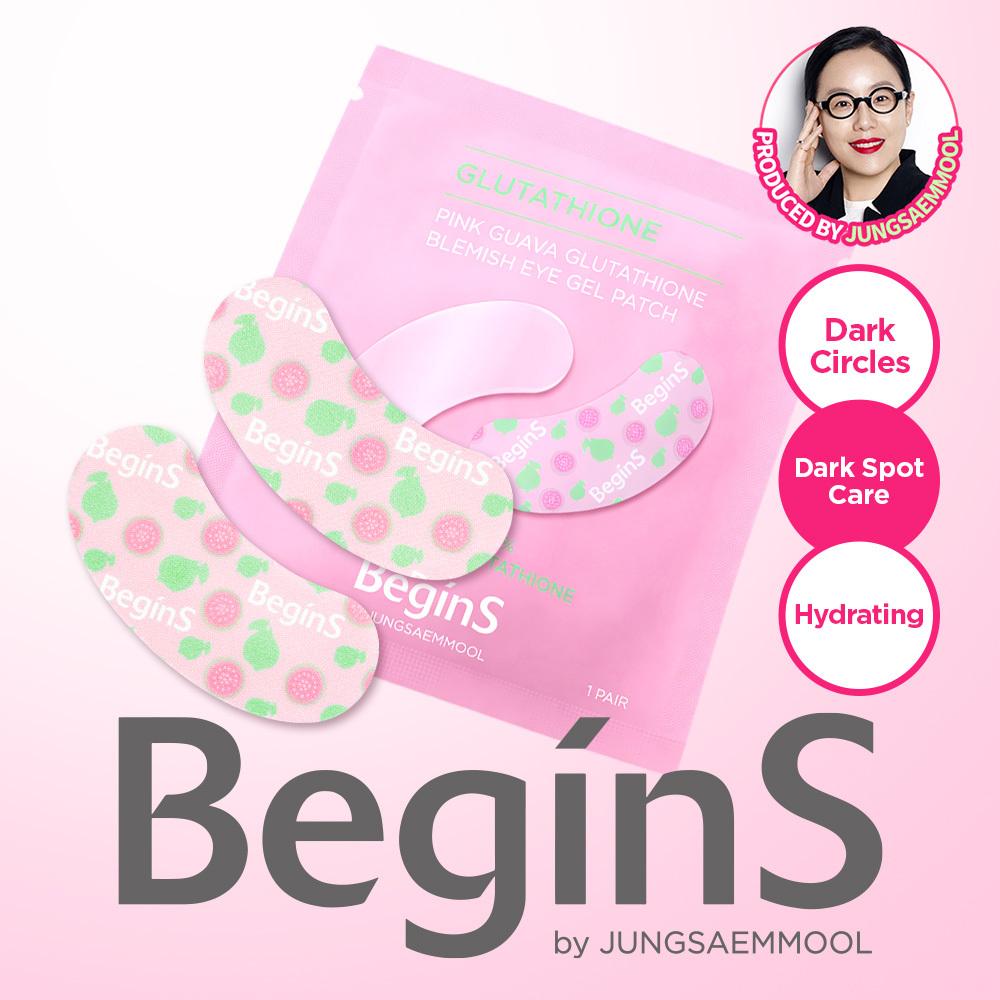
Pink Guava Glutathione Blemish Eye Gel Patch
Begins by JUNGSAEMMOOL
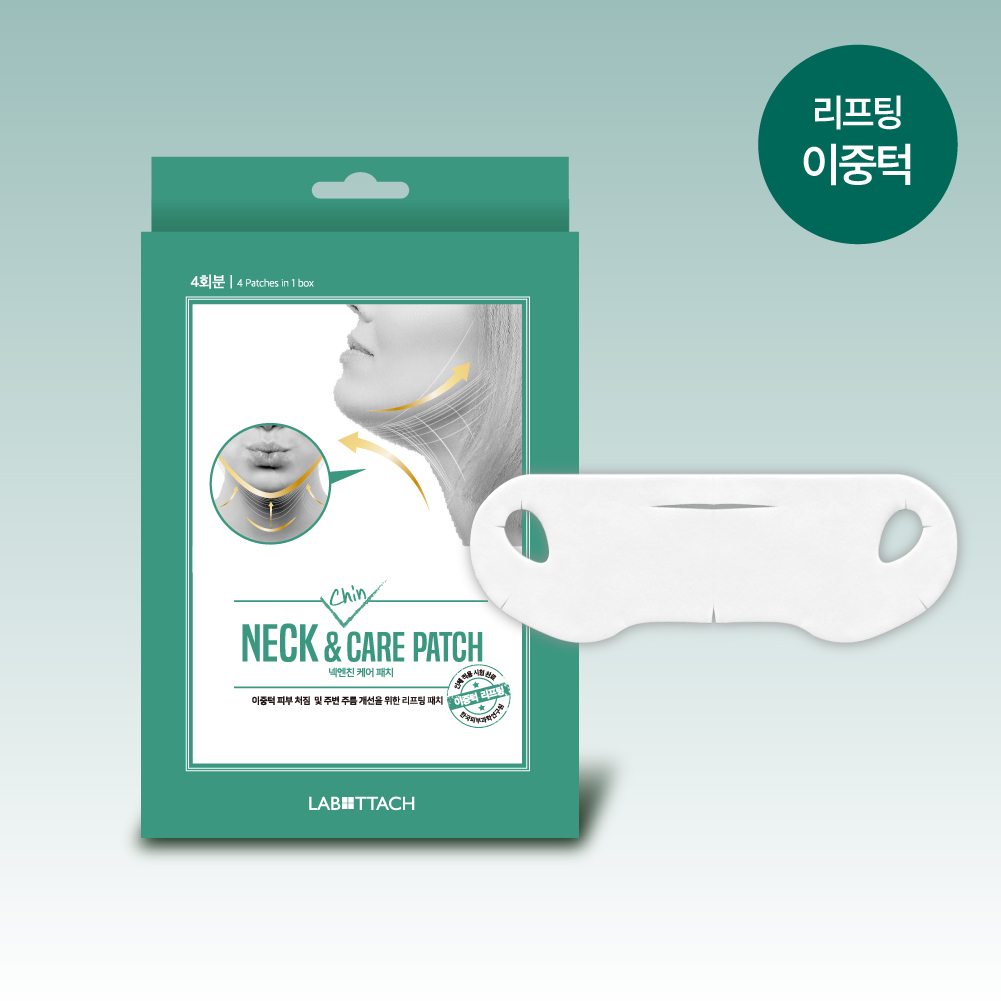
Neck & Chin Care Patch 4P
LABOTTACH
Frequently Asked Questions
Is Aluminum Glycinate safe to use on facial skin long-term?▼
Will Aluminum Glycinate clog my pores or cause breakouts?▼
Why is Aluminum Glycinate in facial masks instead of traditional deodorants?▼
Can I use Aluminum Glycinate products if I'm avoiding aluminum in my deodorant?▼
How does Aluminum Glycinate compare to other ingredients in V-line contouring products?▼
Explore More
Want personalized ingredient advice?
Yuri, our AI beauty advisor, can tell you how Aluminum Glycinate works with your specific skin type, routine, and concerns.
Ask Yuri, free