Amaranth Seed Extract
INCI: Amaranthus Caudatus Seed Extract
Antioxidant and skin conditioning agent
About Amaranth Seed Extract
Amaranth seed extract is a botanical powerhouse derived from the ancient grain Amaranthus caudatus, prized in K-beauty formulations for its dense concentration of squalene, phytosterols, and antioxidant compounds. This ingredient has gained serious traction in Korean skincare over the past five years, appearing in 50 products on Seoul Sister, particularly in enzyme cleansers and foam formulas where its emollient properties help counteract the drying effects of surfactants. What makes amaranth seed extract especially valuable is its dual action: it delivers potent free radical protection through tocopherols and polyphenols while simultaneously strengthening the skin barrier with fatty acids like linoleic and oleic acid. Korean formulators favor it because it offers hydration and antioxidant benefits without the heavy texture or pore-clogging risk of richer botanical oils (comedogenic rating of just 1/5). The extract's high squalene content, up to 8% in pure amaranth oil, mimics the skin's own sebum composition, making it universally compatible across skin types. You'll find it featured in top-rated products like Dr.Ceuracle's Pro Balance enzyme wash series and Acnes' For Men Perfect Foam Cleanser, all scoring perfect 5.0 ratings on Seoul Sister, which speaks to both its efficacy and its ability to enhance product performance without compromising on skin feel.
How Amaranth Seed Extract Works
At the molecular level, amaranth seed extract functions through three primary mechanisms. First, its rich squalene content (a triterpene hydrocarbon) integrates seamlessly into the lipid bilayer of the stratum corneum, filling intercellular gaps and preventing transepidermal water loss. This is the same squalene your sebaceous glands naturally produce, which decreases significantly after age 30. Second, the extract's phytosterols, particularly beta-sitosterol, actively calm inflammatory cascades by inhibiting prostaglandin synthesis, reducing redness and irritation at the cellular level. Third, amaranth's polyphenolic compounds like rutin and isoquercitrin neutralize reactive oxygen species (ROS) before they can damage cellular membranes and DNA. These antioxidants also support the skin's endogenous defense systems by upregulating genes responsible for producing catalase and superoxide dismutase, the body's own antioxidant enzymes. The fatty acid profile, dominated by omega-6 linoleic acid (around 50%), helps regulate sebum composition, which is particularly relevant since acne-prone skin often shows deficient linoleic acid levels. This explains why amaranth seed extract performs well in cleansers targeting oily and combination skin types without stripping or irritating.
Amaranth Seed Extract by Skin Type
Oily Skin
Amaranth seed extract is surprisingly beneficial for oily skin despite being an emollient ingredient. Its high linoleic acid content helps normalize sebum production, since oily, acne-prone skin typically has excess oleic acid and insufficient linoleic acid. The low comedogenic rating (1/5) means it won't clog pores, making it safe for daily use in foam cleansers like the Dr.Ceuracle 5α Control Clearing Cleansing Foam, which targets excess oil and enlarged pores.
Dry Skin
This ingredient is exceptional for dry skin thanks to its squalene and fatty acid composition, which closely mirrors natural skin lipids. The extract helps repair compromised barrier function and locks in moisture without feeling greasy or heavy. In cleansing products, it provides a protective cushion that prevents the tight, stripped feeling common with foaming formulas, as seen in the Dr.Ceuracle Pro Balance Night Enzyme Wash.
Combo Skin
Combination skin types get the best of both worlds with amaranth seed extract. It balances the T-zone by regulating sebum composition while simultaneously hydrating dry cheek areas through barrier repair. The lightweight texture and non-comedogenic nature make it ideal for products that need to perform across multiple skin zones, which is why it appears in so many highly-rated enzyme cleansers on Seoul Sister.
Sensitive Skin
The anti-inflammatory phytosterols in amaranth seed extract make it a gentle choice for sensitive skin, actively calming irritation rather than just avoiding triggers. Its skin-identical squalene is naturally hypoallergenic, and the antioxidants provide protection against environmental stressors that often inflame reactive skin. However, the safety rating of 4/5 suggests some formulations may include potential irritants, so patch testing is still recommended.
Normal Skin
Normal skin can use amaranth seed extract as preventative maintenance for long-term skin health. The antioxidants protect against premature aging from UV exposure and pollution, while the emollient properties maintain optimal barrier function. It's a low-risk, high-reward ingredient that enhances product performance without introducing complications, which explains its presence in top-rated everyday cleansers.
How to Use Amaranth Seed Extract
- 1Look for amaranth seed extract in your morning cleanser to take advantage of its antioxidant protection before sun exposure and environmental stressors throughout the day.
- 2If you have oily or acne-prone skin, prioritize rinse-off products like the Dr.Ceuracle enzyme washes rather than leave-on serums to get barrier benefits without any risk of heaviness.
- 3Pair products containing amaranth seed extract with active ingredients like retinol or AHAs, as the anti-inflammatory and barrier-supporting properties help buffer potential irritation.
- 4Check the full ingredient list for the extract's position. Higher placement (first 10 ingredients) indicates a more concentrated dose, which matters for seeing actual antioxidant and conditioning effects.
Background
Amaranth has been cultivated for over 8,000 years, originally domesticated by the Aztecs who considered it sacred and used the seeds in both food and ceremonial rituals. The plant nearly disappeared after the Spanish conquest banned its cultivation, but amaranth experienced a revival in the 1970s when researchers rediscovered its exceptional nutritional profile, including unusually high squalene levels compared to other plant sources. Korean skincare brands began incorporating amaranth seed extract around 2015-2017 as part of the broader K-beauty movement toward functional botanicals backed by clinical data rather than just traditional use. The ingredient gained particular momentum in enzyme cleansers and gentle foaming formulas, where formulators needed hydrating, non-stripping agents that could balance the skin-cleansing actives. Today, its popularity in K-beauty reflects the industry's signature approach: taking ancient ingredients with proven benefits and applying modern extraction and formulation science to maximize their effectiveness.
K-Beauty Products with Amaranth Seed Extract
View all 61 →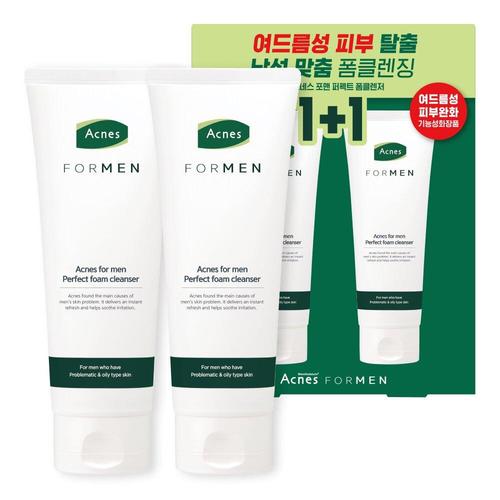
For Men Perfect Foam Cleanser
Acnes
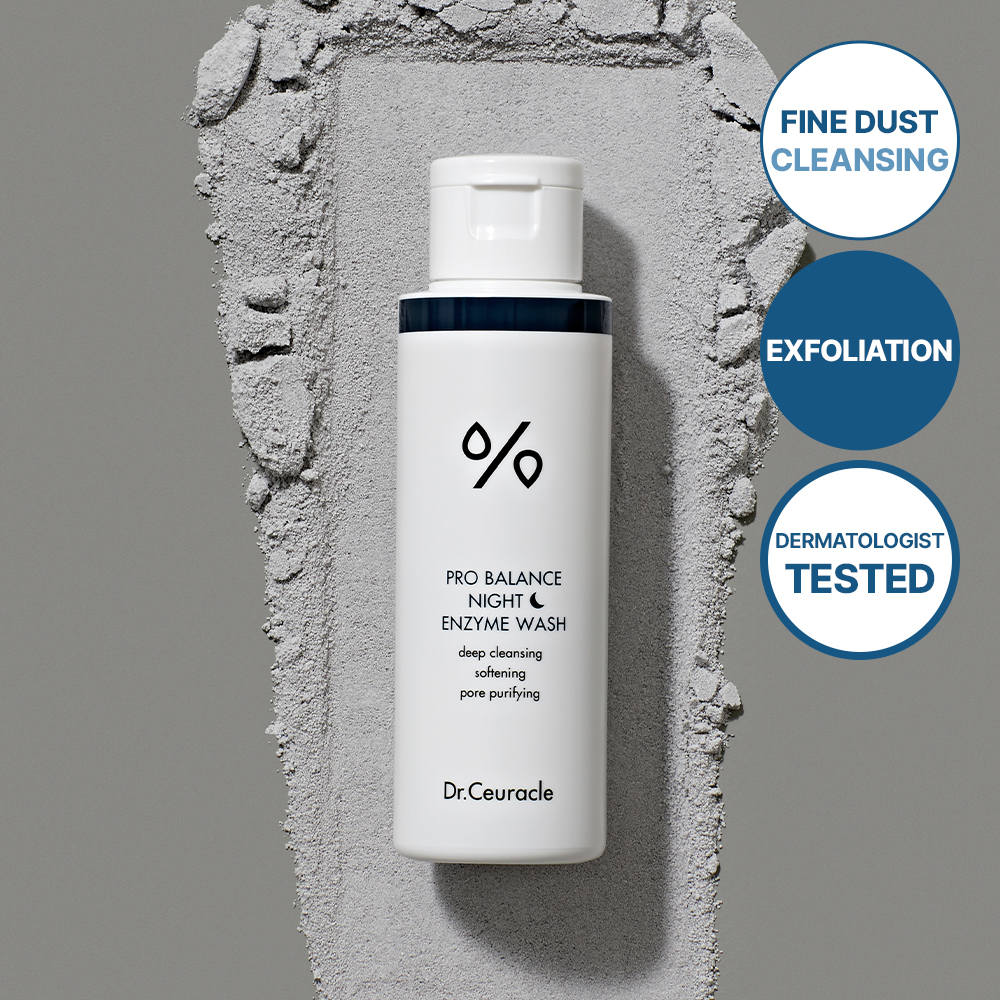
Pro Balance Night Enzyme Wash
Dr.Ceuracle
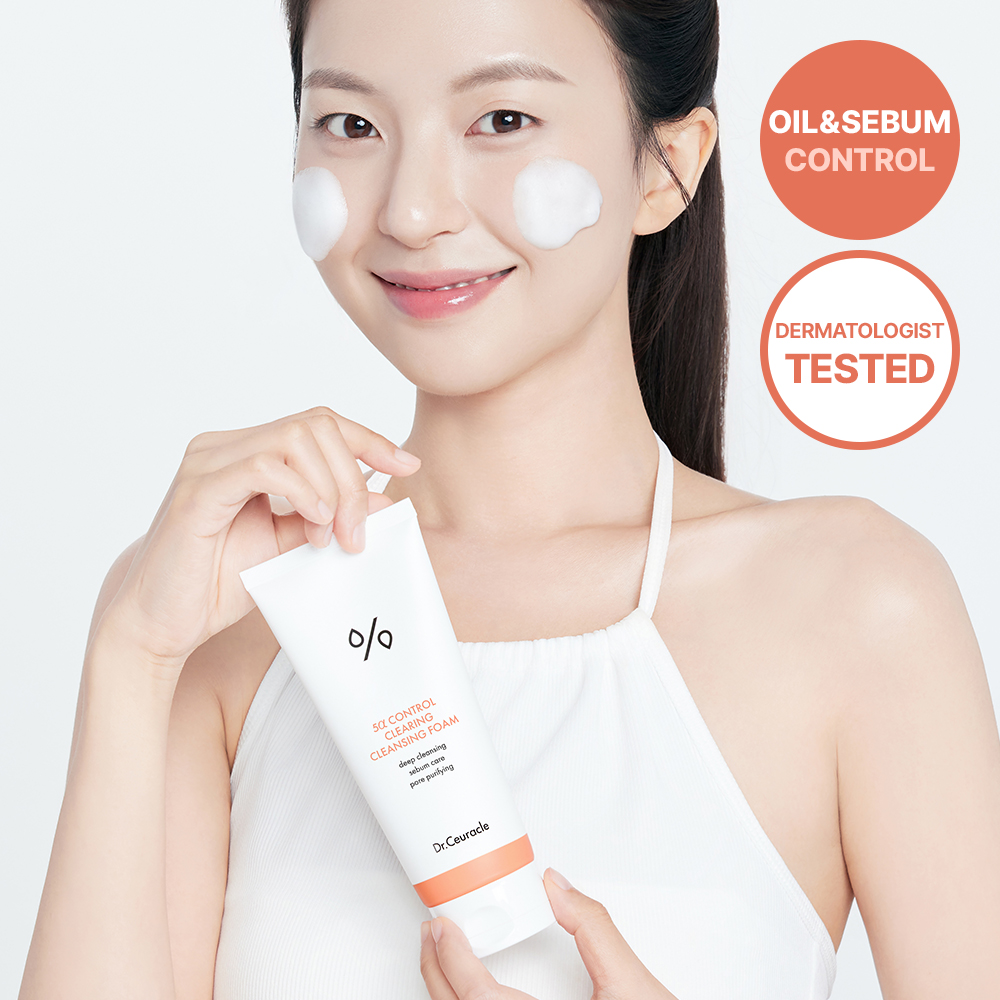
5α Control Clearing Cleansing Foam
Dr.Ceuracle
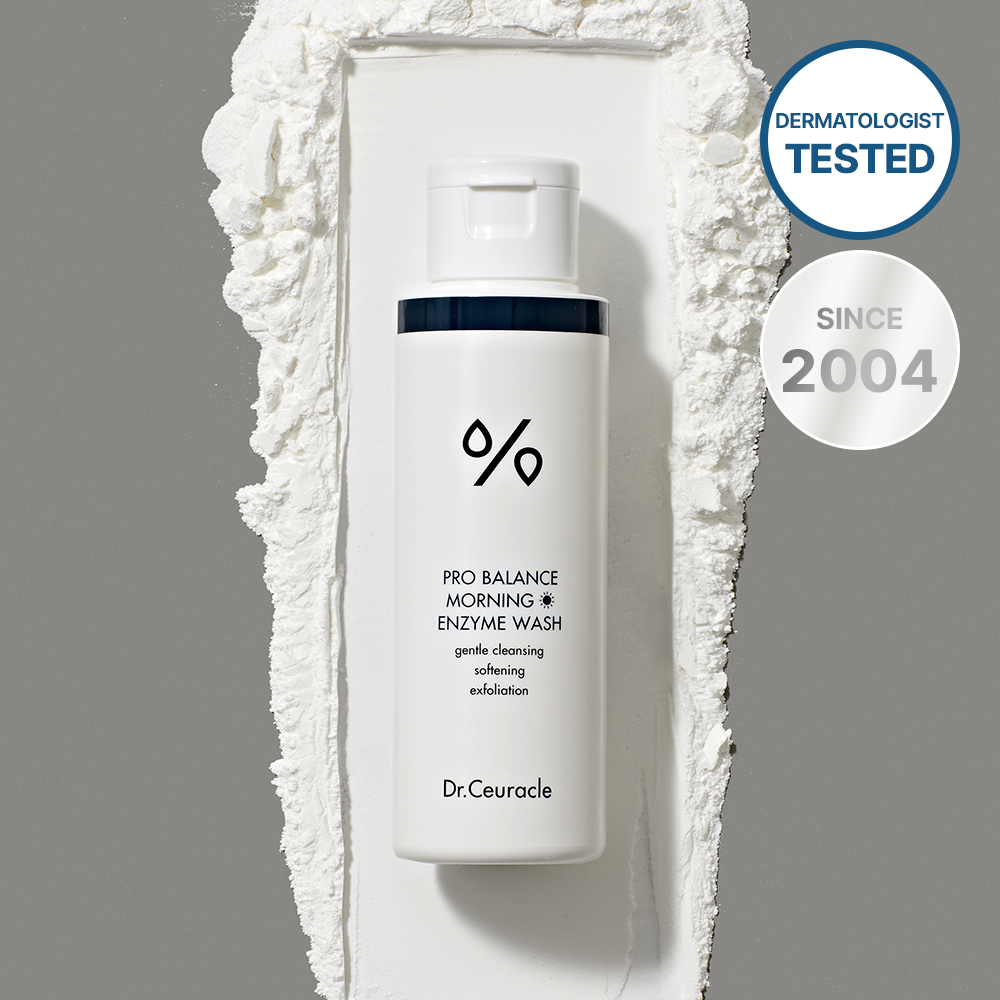
Pro Balance Morning Enzyme Wash
Dr.Ceuracle
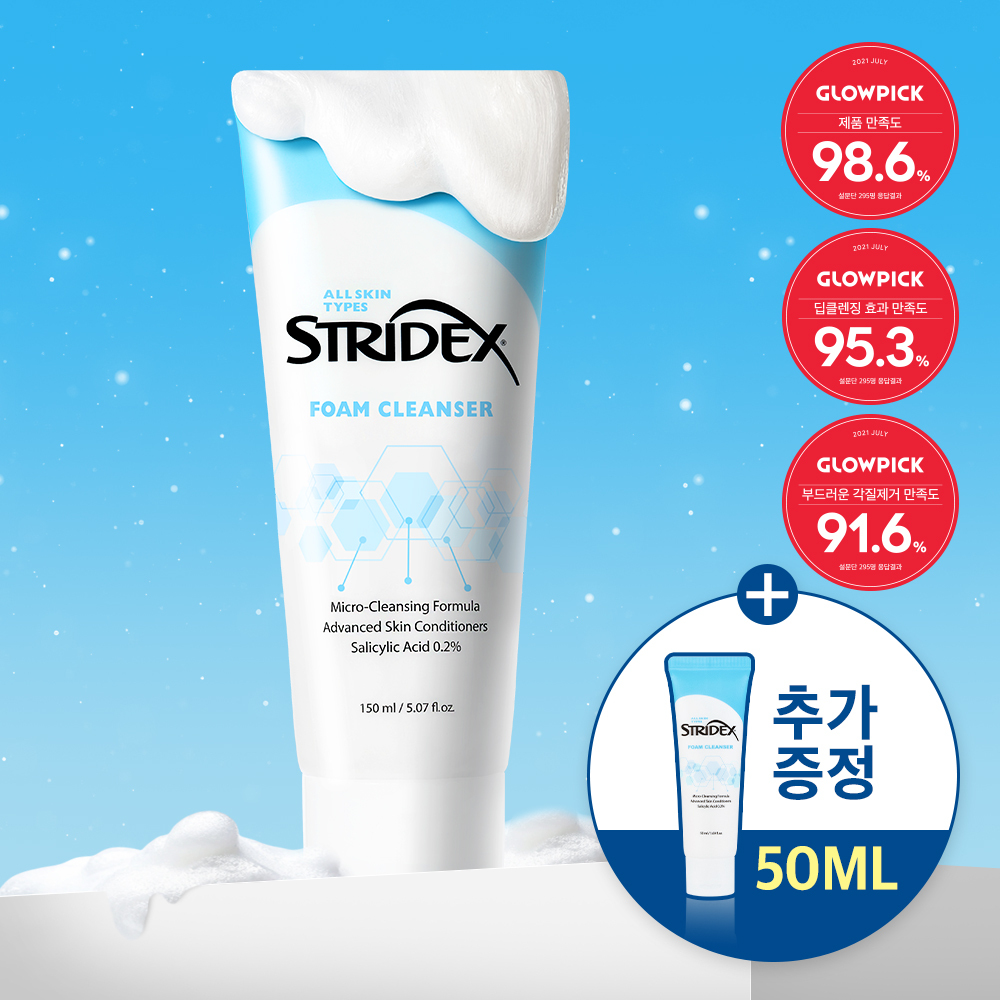
Foam Cleanser
Stridex
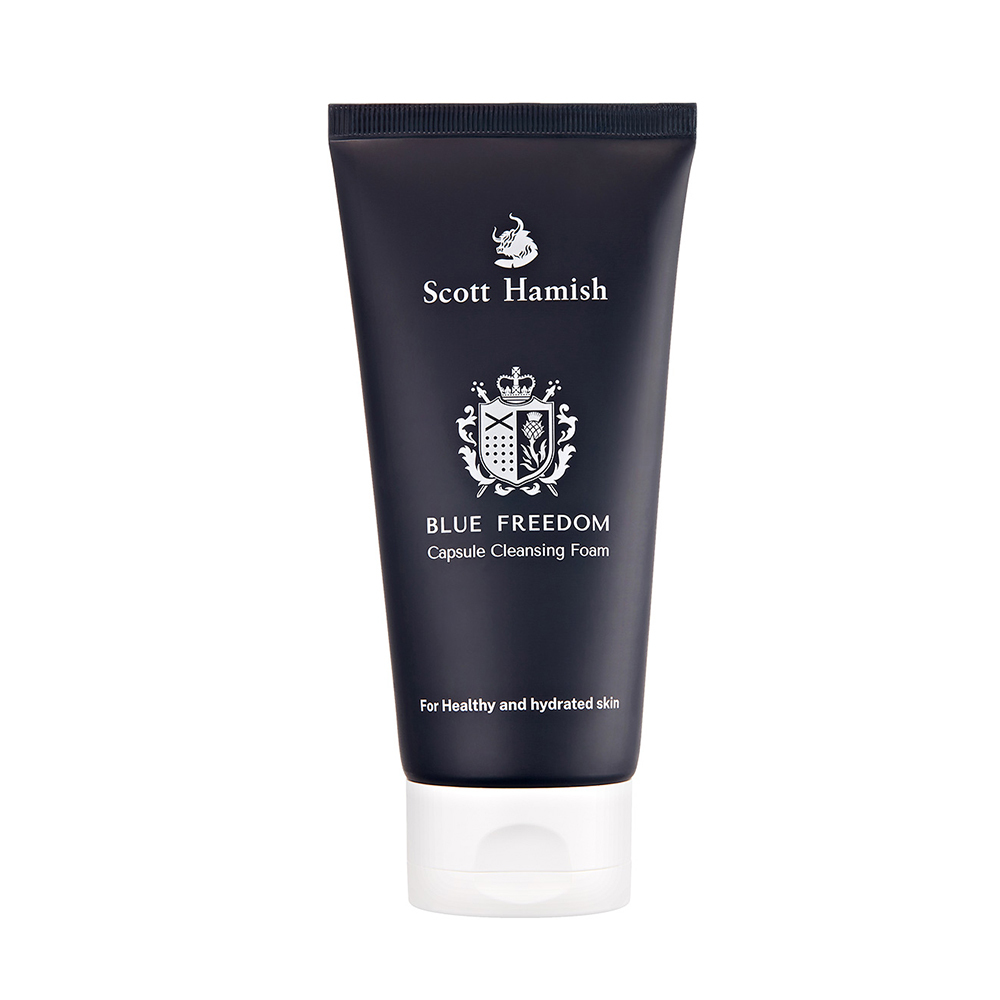
Blue Freedom Capsule Cleansing Foam
Beplain
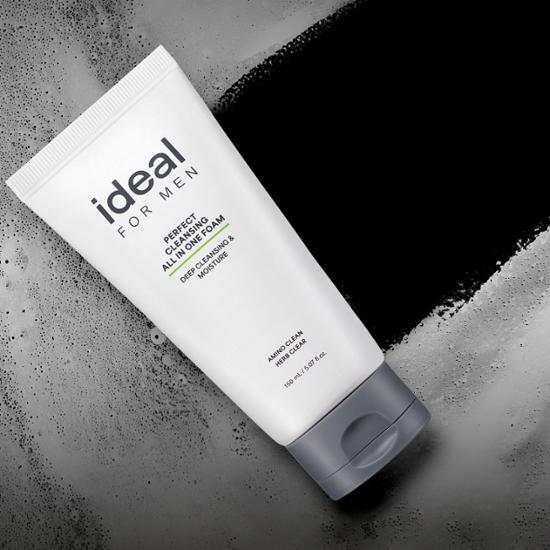
Perfect Cleansing All-in-One Foam
Ideal for Men
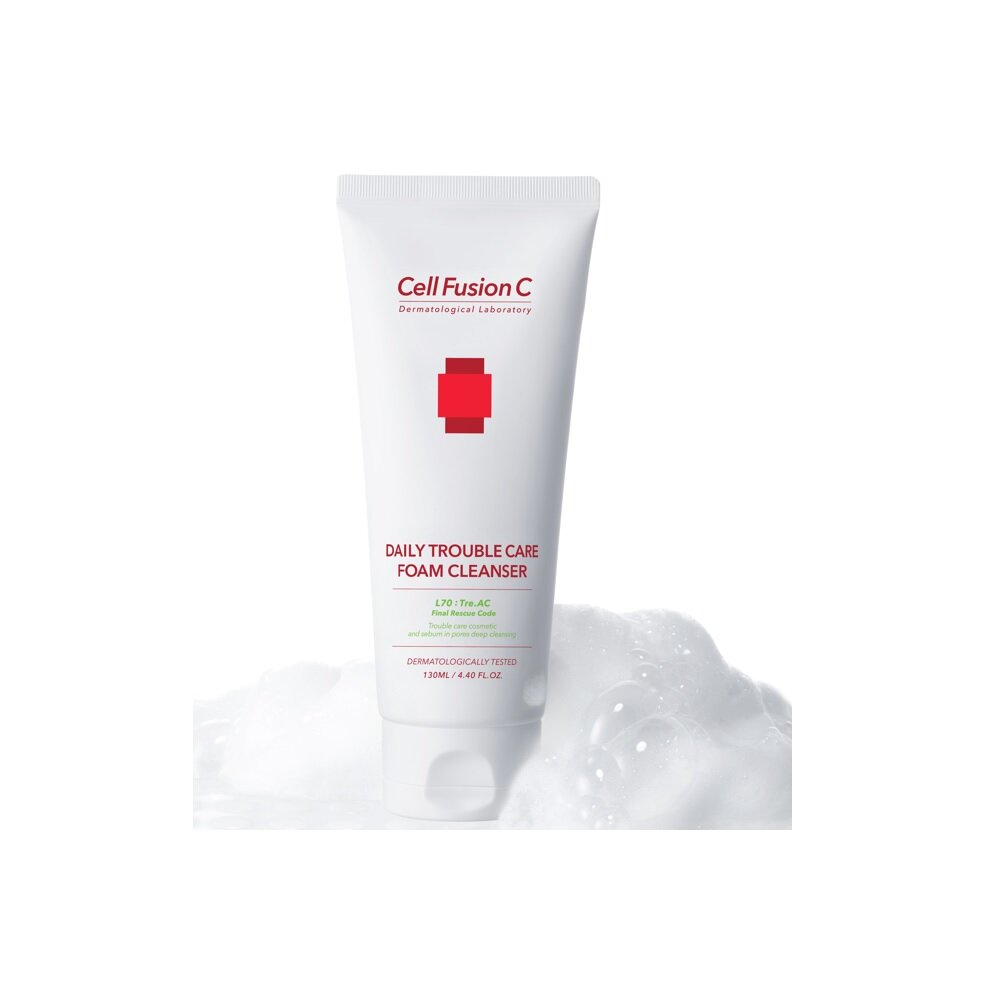
Tre-AC Daily Trouble Care Foam Cleanser
Cell Fusion C

Jeju Sparkling Water Whip Power Cleansing Foam
Shingmulnara
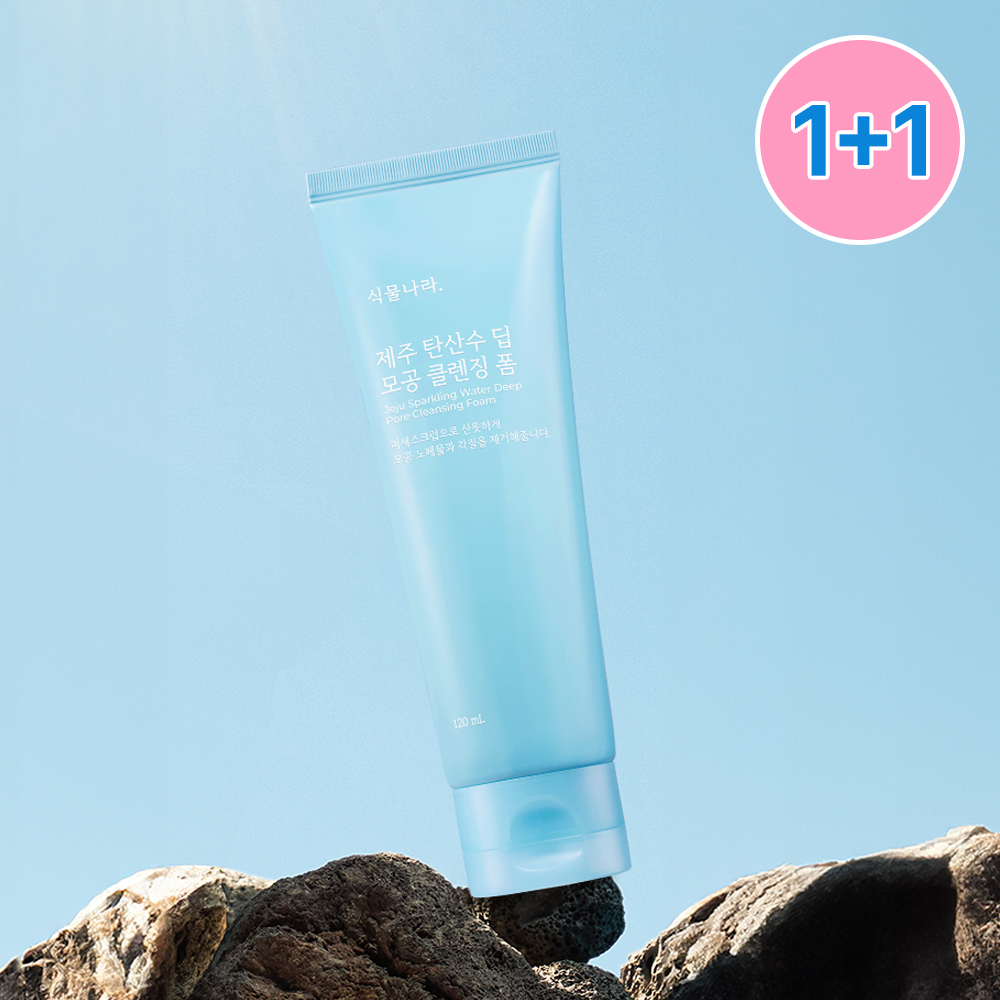
Jeju Sparkling Water Deep Pore Cleansing Foam
Shingmulnara
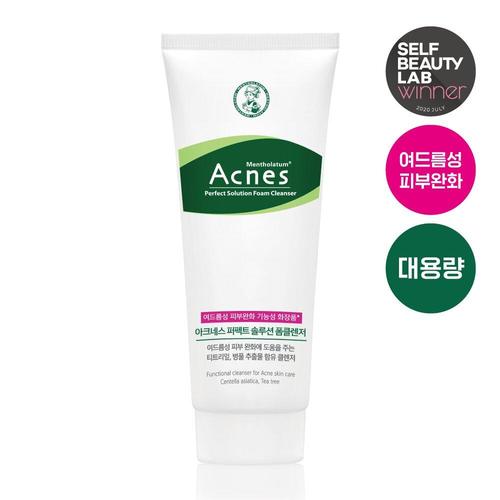
Perfect Solution Foam Cleanser
Acnes

White Truffle Return Oil Cream Cleanser
d'Alba
Frequently Asked Questions
Is amaranth seed extract the same as amaranth oil?▼
Why do so many top-rated Korean cleansers contain amaranth seed extract?▼
Can amaranth seed extract help with acne?▼
Is the 4/5 safety rating a concern?▼
Explore More
Want personalized ingredient advice?
Yuri, our AI beauty advisor, can tell you how Amaranth Seed Extract works with your specific skin type, routine, and concerns.
Ask Yuri, free