Pineapple Extract
INCI: Ananas Sativus (Pineapple) Fruit Extract
Enzymatic exfoliant and skin brightener
About Pineapple Extract
Pineapple extract is derived from the tropical fruit Ananas sativus and contains bromelain, a powerful proteolytic enzyme that gently dissolves dead skin cells on the surface of your skin. Unlike physical scrubs or harsh acids, bromelain works by breaking down the keratin protein bonds holding dull, dead cells together, revealing fresher skin underneath without mechanical friction. This enzymatic action makes pineapple extract particularly popular in K-beauty formulations aimed at brightening and refining skin texture. Beyond exfoliation, pineapple extract is rich in vitamin C, alpha hydroxy acids (AHAs), and antioxidants that work together to even out skin tone, fade post-inflammatory hyperpigmentation, and protect against environmental damage. The extract's natural fruit acids provide mild chemical exfoliation while bromelain handles the enzymatic work, creating a dual-action approach that's gentler than using acids alone. Its non-comedogenic rating of 0/5 means it won't clog pores, making it a safe choice across different skin types. With 34 K-beauty products on Seoul Sister featuring this ingredient, including highly rated cleansers like Banila Co's Pongdang Pore Deep Clean Cleansing Oil and treatment serums like Melixir's Mandarin Vitamin C5 Dark Spot Serum, pineapple extract has proven its versatility in modern Korean skincare routines focused on achieving that coveted glass skin glow.
How Pineapple Extract Works
Bromelain, the star enzyme in pineapple extract, functions as a biological catalyst that specifically targets peptide bonds in keratin proteins. When applied topically, bromelain recognizes and cleaves these bonds in the stratum corneum (the outermost layer of dead skin cells), essentially digesting the glue that holds dull, aged cells to your skin's surface. This selective proteolysis happens without disrupting living cells beneath, since the enzyme only acts on already-dead tissue. The process is pH-dependent and works optimally in slightly acidic to neutral environments, which is why you'll find pineapple extract in formulations carefully balanced around pH 4-6. Simultaneously, the vitamin C content (primarily ascorbic acid) inhibits tyrosinase, the enzyme responsible for melanin production, helping to prevent new dark spots while fading existing ones. The natural AHAs present in pineapple, including citric and malic acids, provide additional surface exfoliation by loosening the bonds between corneocytes. Together, these mechanisms accelerate cell turnover from the typical 28-day cycle to something closer to 21-24 days, revealing brighter, more even-toned skin. The antioxidants, particularly phenolic compounds, neutralize free radicals from UV exposure and pollution, preventing oxidative stress that leads to premature aging and uneven pigmentation.
Pineapple Extract by Skin Type
Oily Skin
Pineapple extract is excellent for oily skin thanks to its ability to clear away excess sebum-trapped dead cells that can clog pores and lead to congestion. The enzymatic exfoliation helps prevent the buildup that causes blackheads and whiteheads, while the natural astringent properties from fruit acids can help temporarily minimize the appearance of enlarged pores. Products like Banila Co's Pongdang Pore Deep Clean Cleansing Oil (5.0/5 on Seoul Sister) leverage pineapple extract specifically for pore care in oily skin types.
Dry Skin
While pineapple extract is generally safe for dry skin, the exfoliating action requires careful consideration. The enzyme helps remove the flaky, rough texture that often plagues dry skin, but you'll want to use it in hydrating formulations that balance the exfoliation with moisture replenishment. Look for products like COSNORI's Panthenol Barrier Toner (5.0/5), which combines pineapple extract with barrier-supporting ingredients. Start with once or twice weekly application and always follow with a rich moisturizer to prevent over-exfoliation.
Combo Skin
Combination skin benefits significantly from pineapple extract's balanced approach to exfoliation. The enzyme can address congestion and excess oil in the T-zone while remaining gentle enough for drier cheek areas. This makes it ideal for all-over use without the risk of over-treating dry patches or under-treating oily zones. The non-comedogenic rating means you can use it confidently on your entire face without worrying about breakouts in oilier areas.
Sensitive Skin
Pineapple extract can work for sensitive skin, but requires a cautious approach. While enzymatic exfoliation is generally gentler than physical scrubs or high-concentration acids, bromelain can still cause irritation if your skin is compromised or highly reactive. The safety rating of 4/5 reflects this consideration. Start with leave-on products containing lower concentrations, like mists (Real After Care Mist by Idplacosmetic rates 5.0/5), rather than treatment masks, and always patch test first.
Normal Skin
Normal skin types can enjoy the full benefits of pineapple extract without much concern. The enzymatic exfoliation maintains your skin's natural radiance, prevents dullness, and supports even texture without disrupting your already-balanced moisture levels. You can incorporate it 2-3 times weekly in serums, toners, or cleansers as part of your regular routine to maintain that fresh, bright complexion that defines healthy skin.
How to Use Pineapple Extract
- 1Always apply pineapple extract products to clean, dry skin for maximum enzymatic activity. Water or other skincare products can dilute the enzyme concentration and reduce effectiveness.
- 2If using a pineapple extract mask or treatment, start with 5-10 minutes of contact time and gradually increase to 15 minutes as your skin builds tolerance. Never leave enzymatic treatments on longer than directed.
- 3Avoid combining pineapple extract with strong chemical exfoliants (high-percentage AHAs, BHAs, or retinoids) in the same routine to prevent over-exfoliation. Space them out by at least 24 hours or use them on alternating days.
- 4Follow pineapple extract treatments with SPF 30+ during the day, as the exfoliation reveals newer skin cells that are more vulnerable to UV damage and hyperpigmentation.
- 5Store products containing pineapple extract in cool, dark places, as bromelain enzyme activity can degrade with heat and light exposure, reducing the product's effectiveness over time.
Background
Pineapple has been used for centuries in traditional medicine across Central and South America, where indigenous peoples applied the fruit topically to treat wounds and inflammation due to bromelain's protein-dissolving properties. The enzyme was first isolated and studied scientifically in the late 1800s, but its cosmetic applications didn't gain traction until the natural skincare movement of the 1980s and 90s. K-beauty brands began incorporating pineapple extract in the early 2010s as part of the broader trend toward fruit enzyme exfoliation, which aligned perfectly with Korean skincare philosophy emphasizing gentle, consistent treatment over aggressive intervention. The ingredient became particularly popular in cleansing products and brightening serums as K-beauty expanded globally, with brands recognizing that enzymatic exfoliation offered a gentler alternative to the harsh physical scrubs common in Western routines. Today, pineapple extract represents K-beauty's signature approach: harnessing effective natural ingredients through scientific formulation to achieve visible results without compromising skin health.
K-Beauty Products with Pineapple Extract
View all 34 →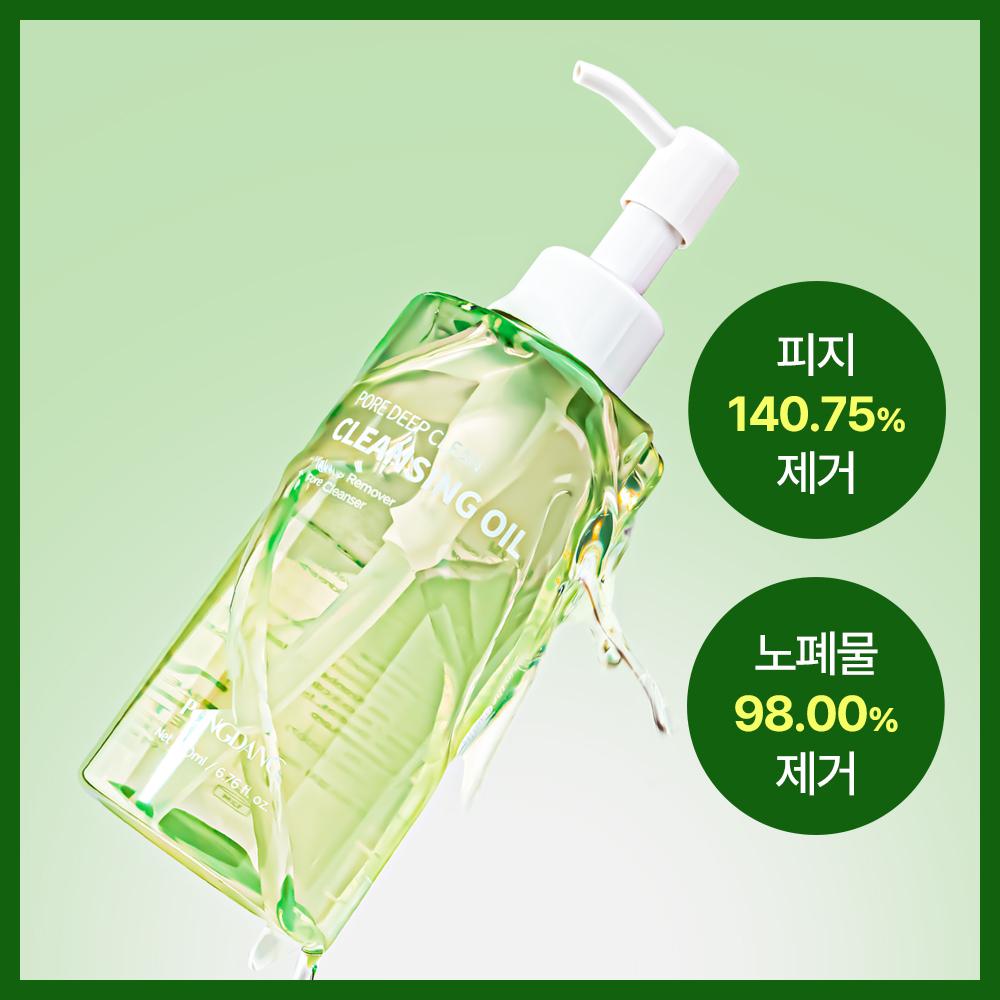
Pongdang Pore Deep Clean Cleansing Oil
Banila Co
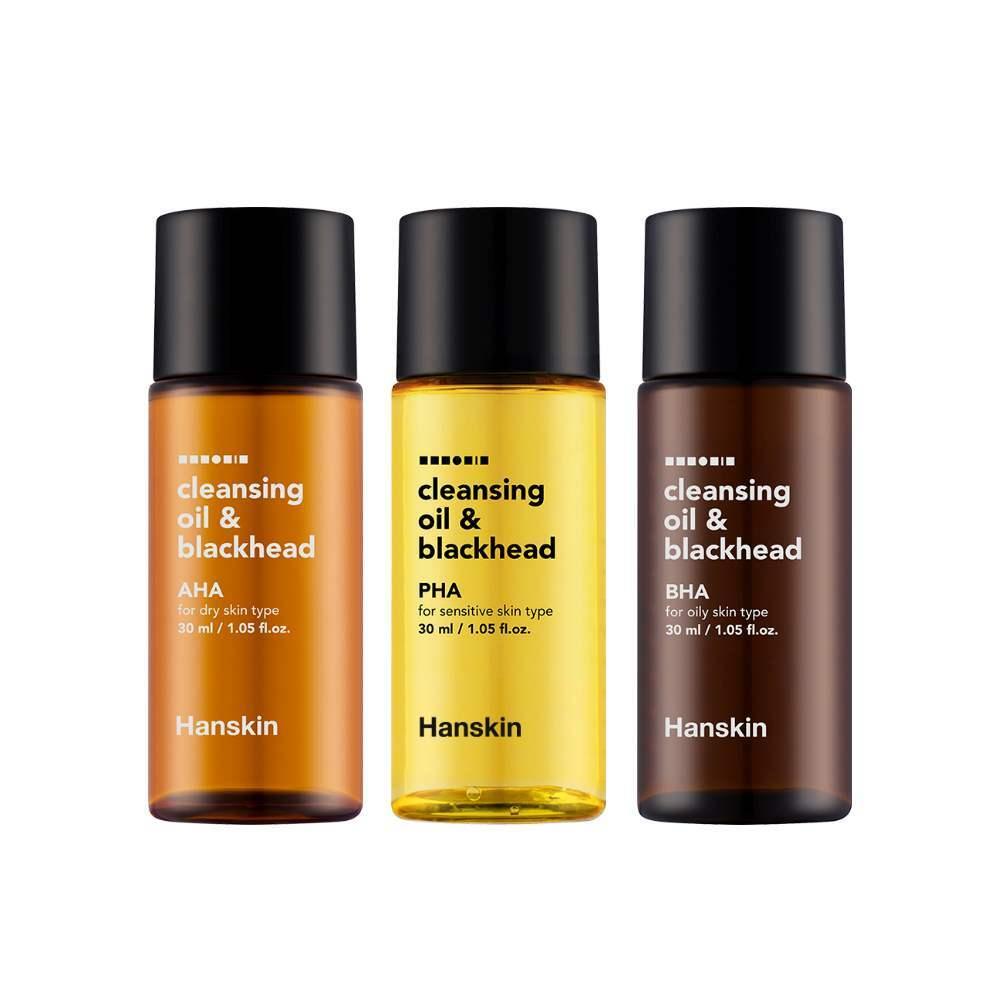
Cleansing Oil & Blackhead 3P Travel Kit
Hanskin
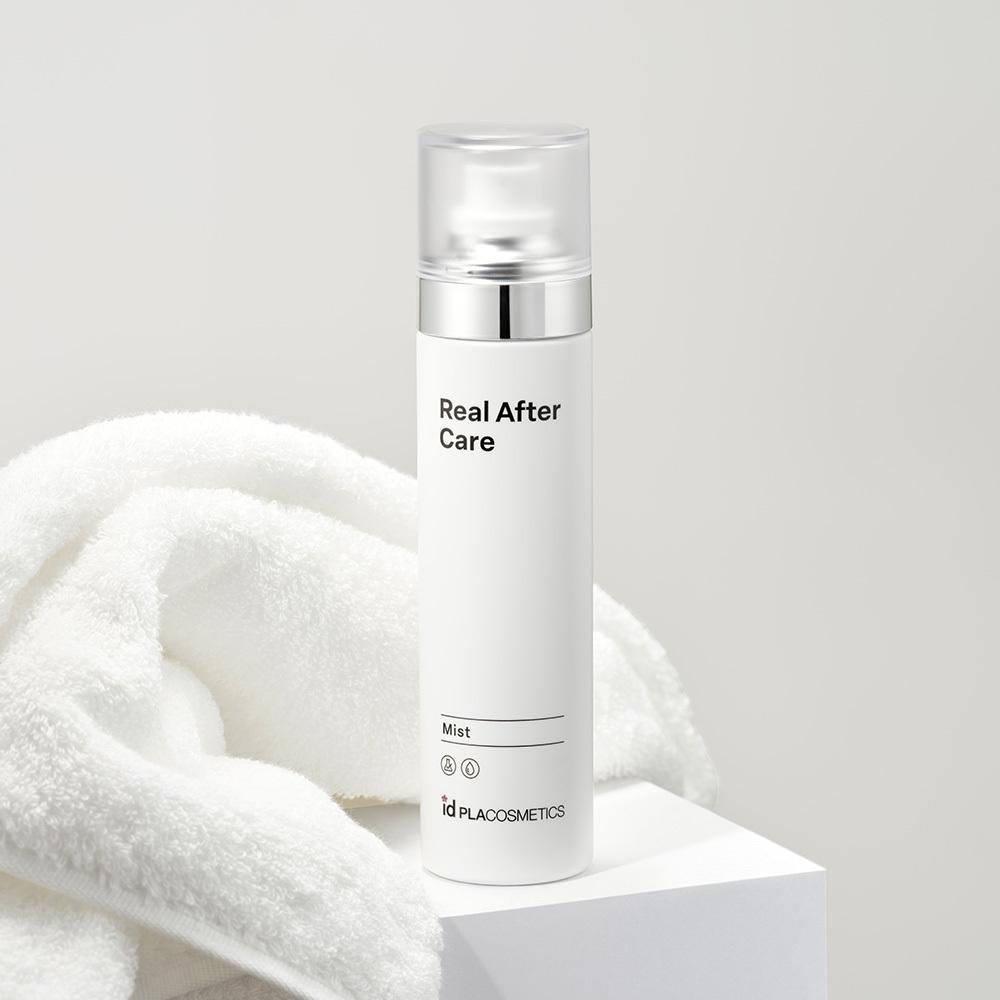
Real After Care Mist
Idplacosmetic
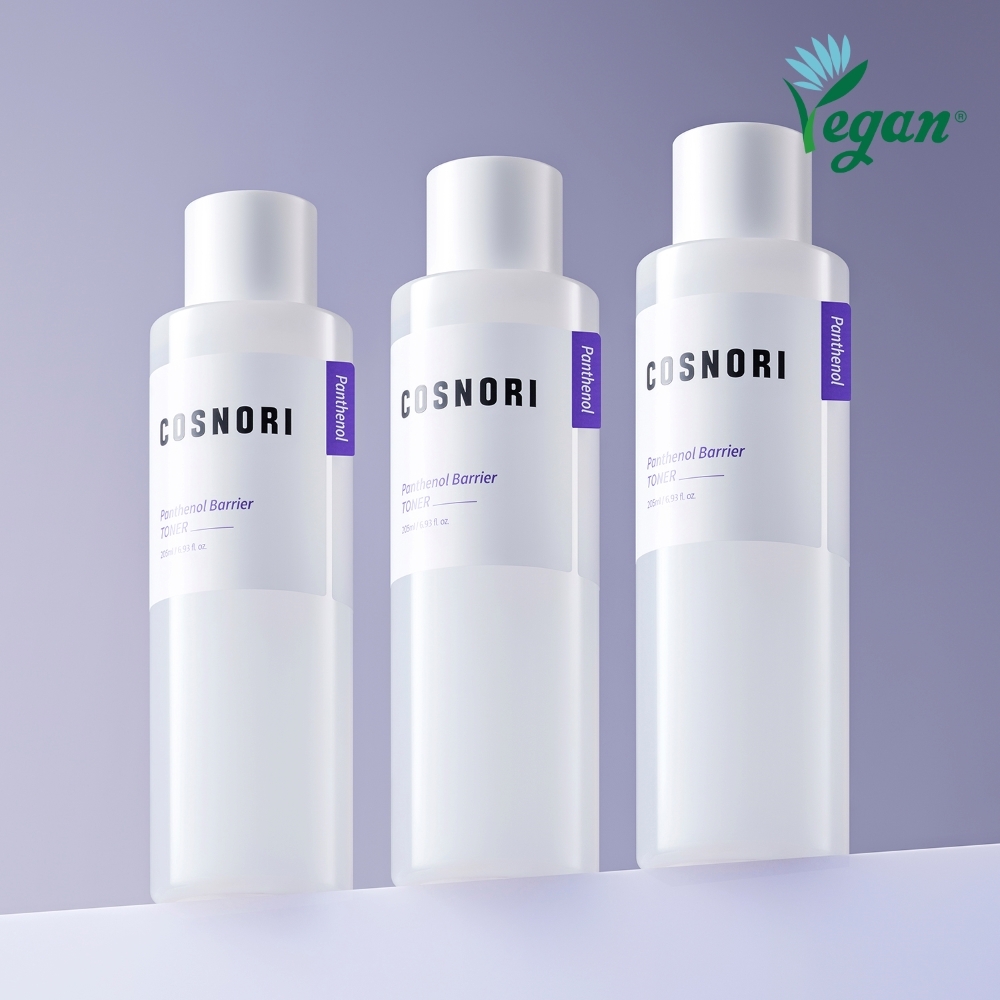
Panthenol Barrier Toner
COSNORI
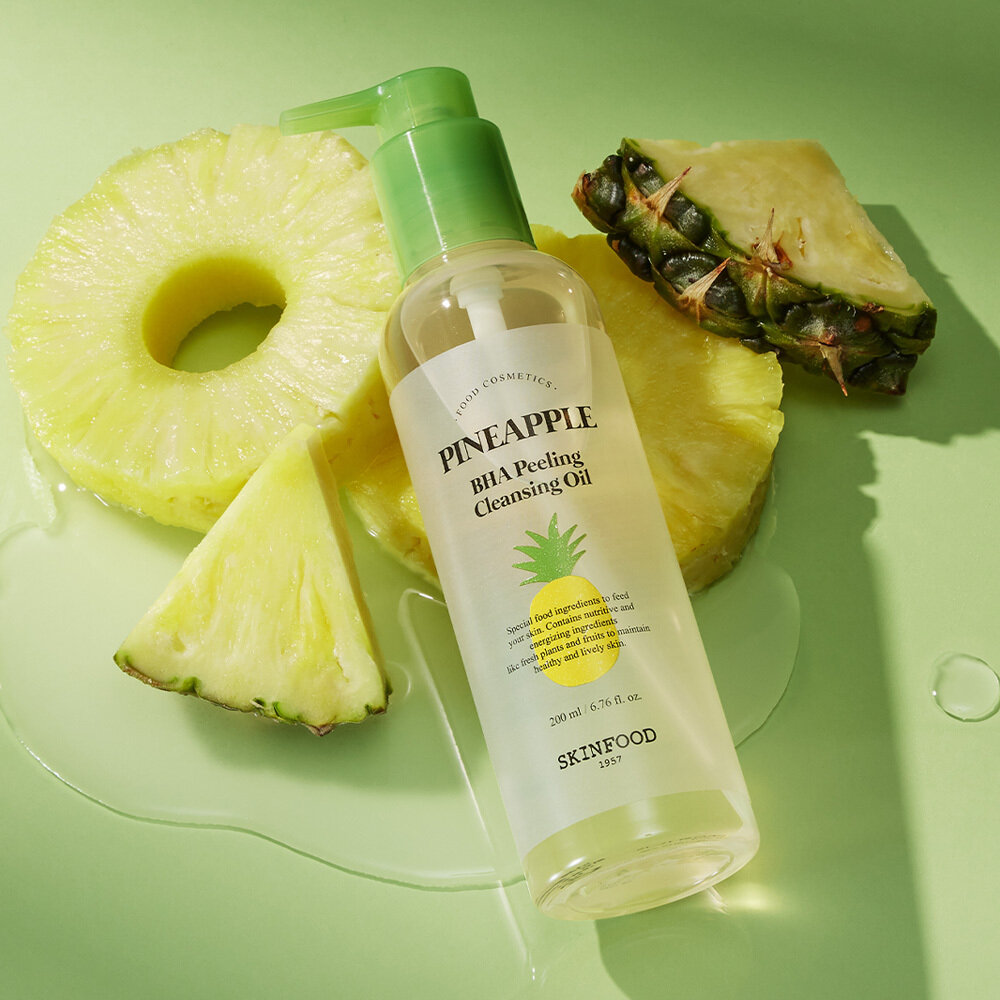
Pineapple BHA Peeling Cleansing Oil
Skinfood

The Perfect Cleansing Tissue Plus
Ariul
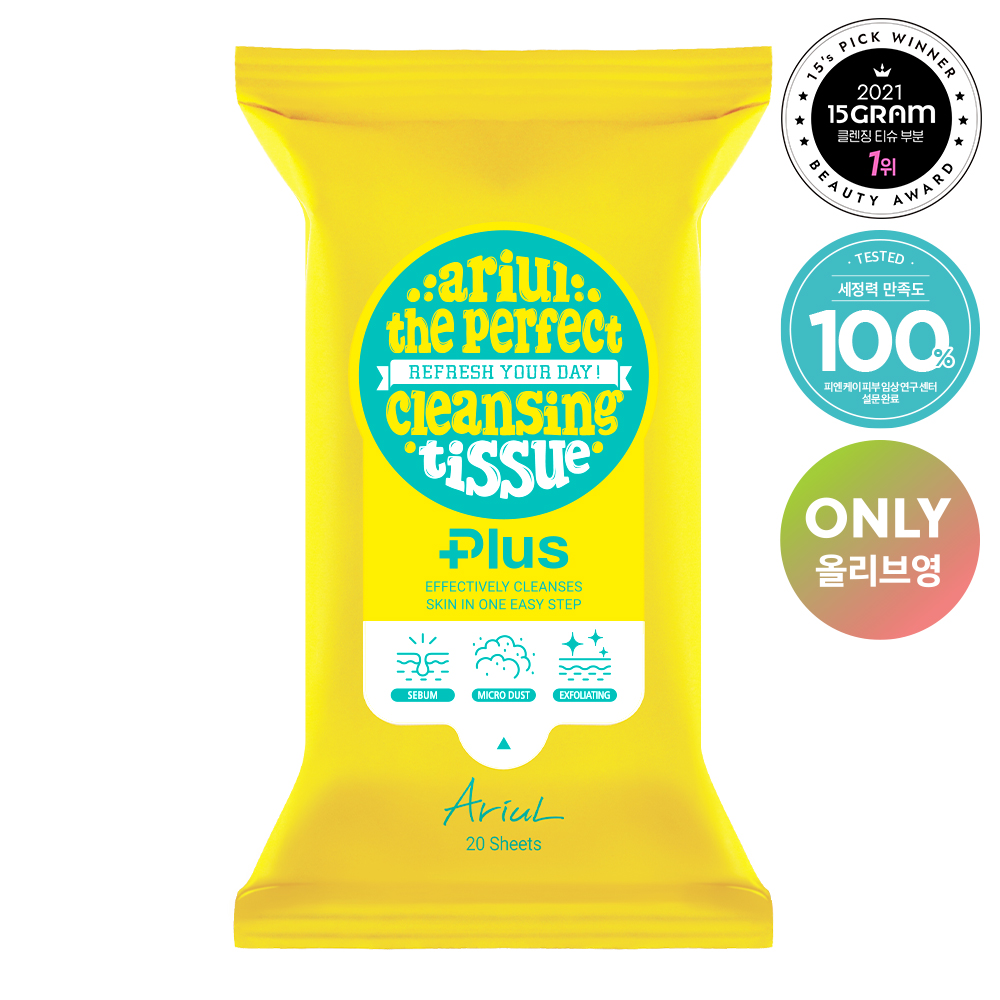
Stress Relieving Purefull Cleansing Tissue Plus
Ariul
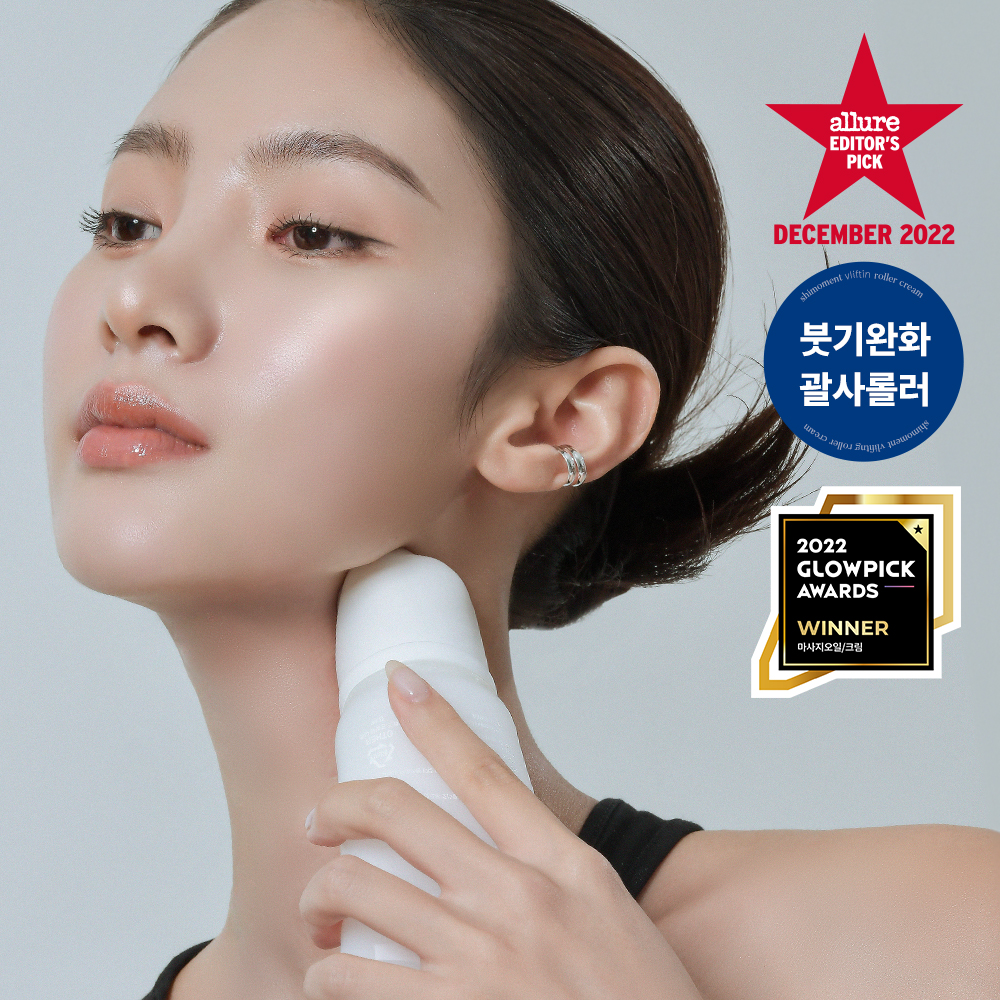
Shimoment V-Lifting Roller Cream (Refill)
Centellian24
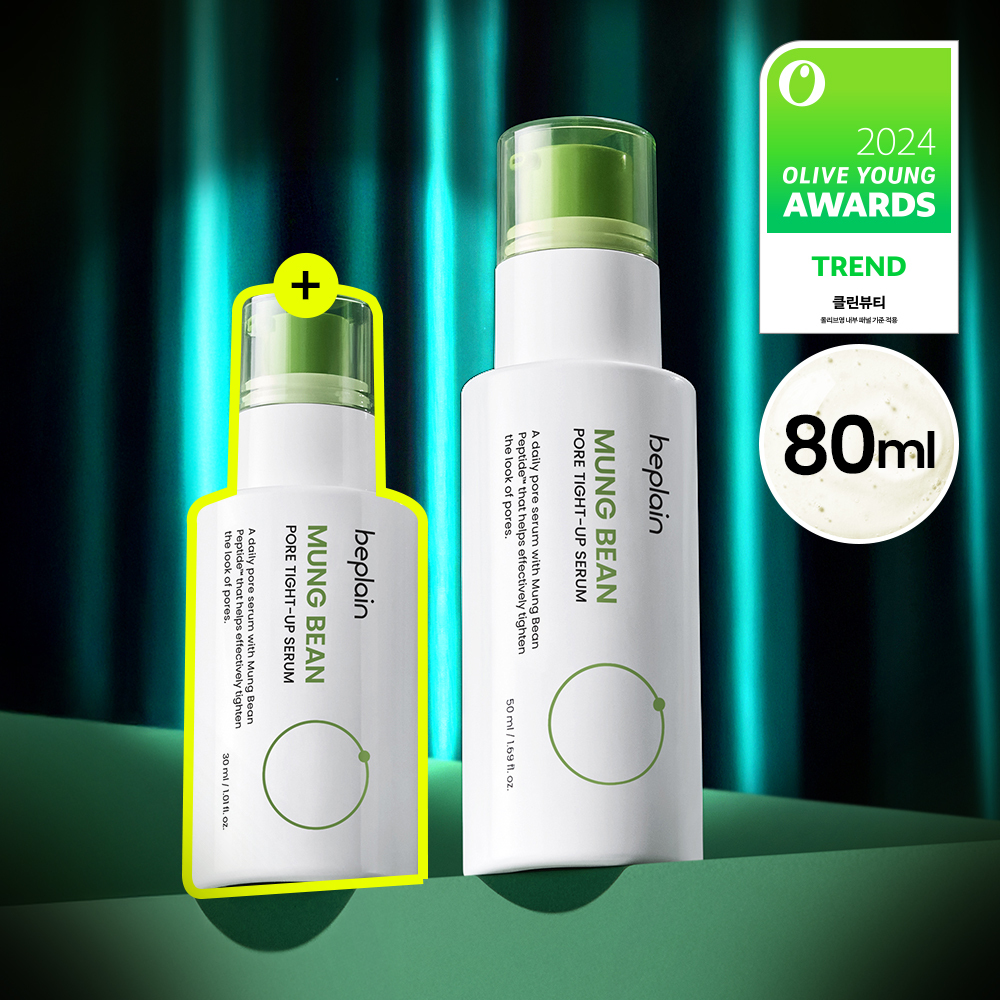
Mung Bean Pore Tight Up Serum
Beplain
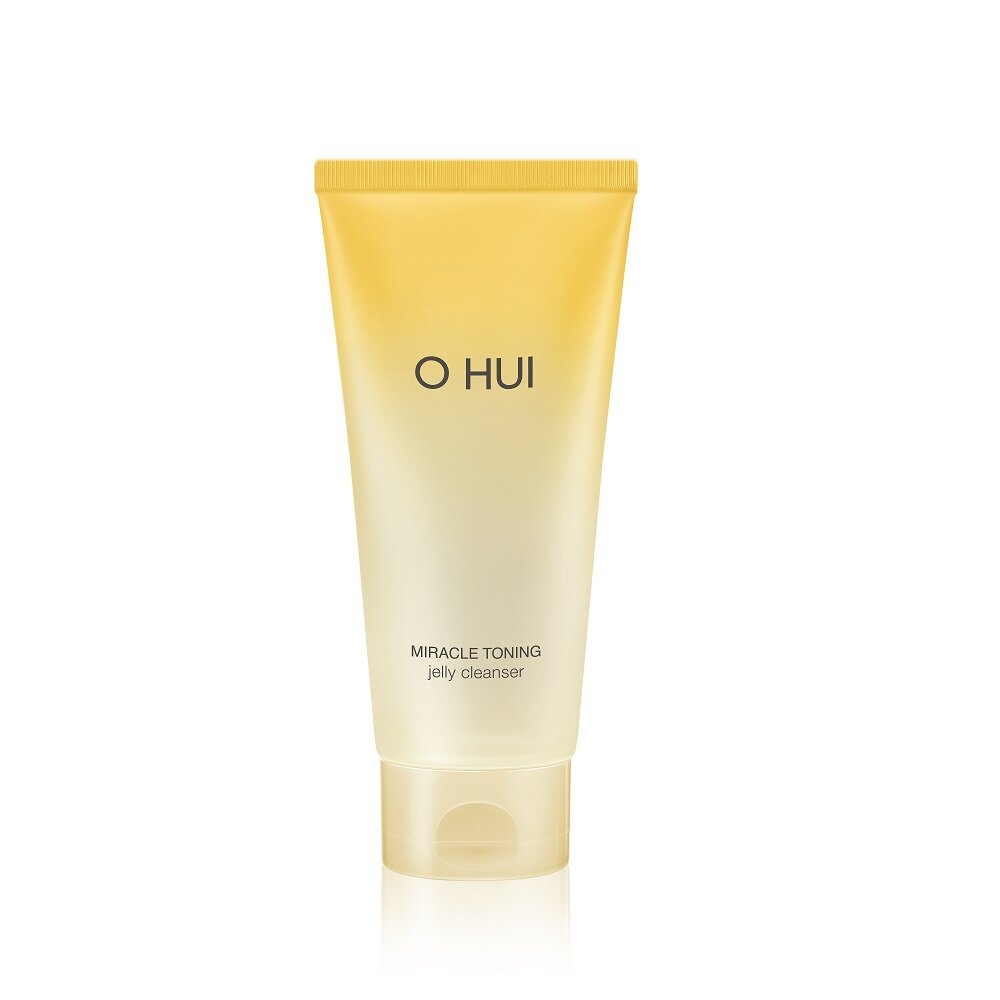
Miracle Toning Jelly Cleanser
OHUI

Mung Bean Pore Tight-Up Serum
Beplain
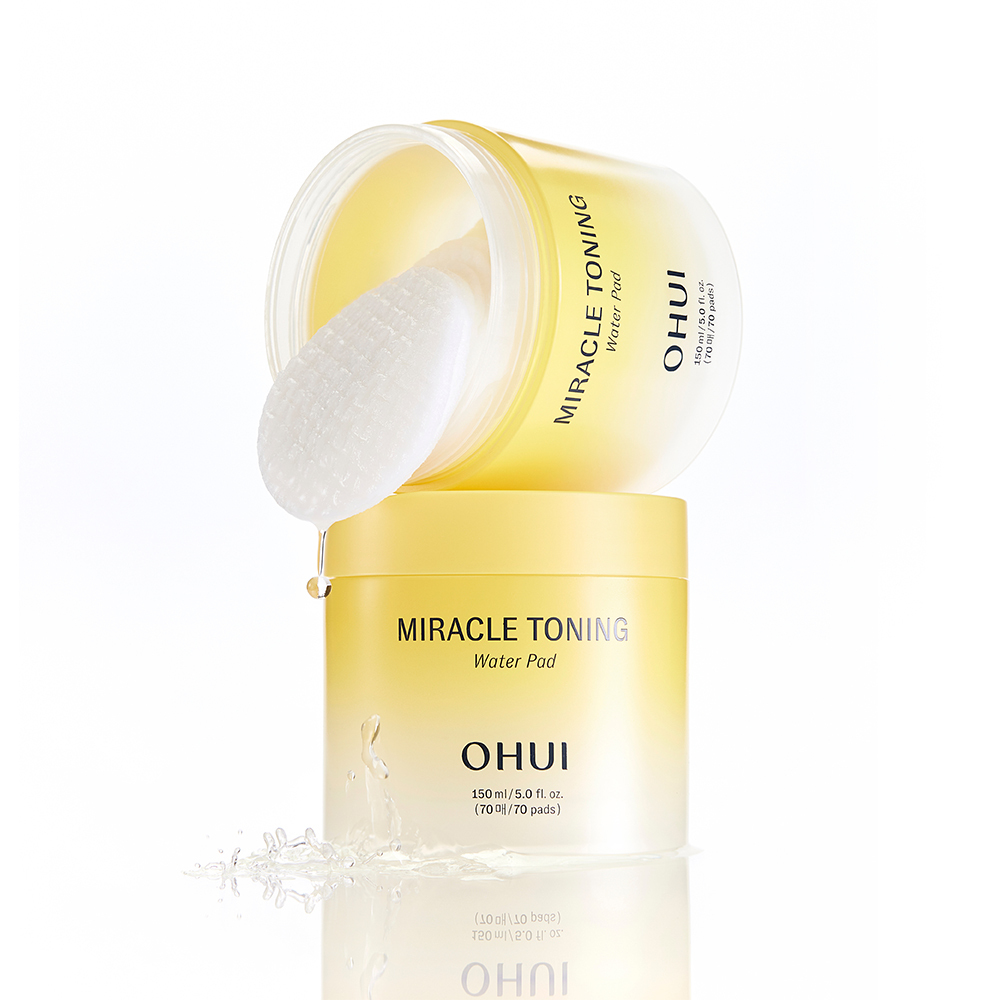
Miracle Toning Water Pad
OHUI
Frequently Asked Questions
Can I use pineapple extract every day or will it over-exfoliate my skin?▼
Is pineapple extract safe to use if I'm allergic to pineapple fruit?▼
Will pineapple extract help fade acne scars and dark spots?▼
Can I use pineapple extract with other active ingredients like niacinamide or vitamin C?▼
Explore More
Want personalized ingredient advice?
Yuri, our AI beauty advisor, can tell you how Pineapple Extract works with your specific skin type, routine, and concerns.
Ask Yuri, free