Ashitaba Extract
INCI: Angelica Keiskei Extract
Antioxidant and anti-inflammatory plant extract
About Ashitaba Extract
Ashitaba extract, derived from the Japanese plant Angelica keiskei, is a potent antioxidant and anti-inflammatory ingredient that has gained serious traction in K-beauty formulations. The name 'ashitaba' translates to 'tomorrow's leaf' in Japanese, referencing the plant's remarkable ability to regenerate a new leaf within 24 hours of being harvested. This rapid regeneration hints at the bioactive compounds within, particularly chalcones like xanthoangelol and 4-hydroxyderricin, which are responsible for its skin benefits. In K-beauty, ashitaba extract appears in 29 products on Seoul Sister, often formulated into targeted treatments for troubled skin, anti-aging serums, and soothing toners. Its versatility makes it a go-to for brands like Bringgreen and Isoi, which incorporate it into highly rated products such as the Zinc Teca Blemish Serum Set (5.0/5) and For Men Aqua Soothing Toner (5.0/5). With a low comedogenic rating of 1/5 and a solid safety profile of 4/5, ashitaba extract works across multiple skin concerns without clogging pores or causing irritation. It addresses oxidative stress from pollution and UV exposure while calming inflammation, making it particularly relevant for urban skincare routines. The ingredient's dual action of protecting skin cells from free radical damage while reducing redness and sensitivity explains its popularity in both preventative and corrective skincare.
How Ashitaba Extract Works
Ashitaba extract works through its unique chalcone compounds, which function as powerful antioxidants by neutralizing free radicals that damage cellular structures and accelerate aging. These chalcones inhibit the production of reactive oxygen species (ROS) at the cellular level, protecting DNA, proteins, and lipids from oxidative degradation. On the anti-inflammatory front, ashitaba extract suppresses pro-inflammatory cytokines and inhibits the NF-κB pathway, a key regulator of inflammatory responses in skin. This makes it effective at calming conditions like acne, rosacea, and general skin irritation. The extract also promotes healthy cell turnover by supporting mitochondrial function and enhancing cellular energy production, which contributes to improved skin texture and resilience over time. Additionally, preliminary research suggests ashitaba may support collagen synthesis by protecting fibroblasts from oxidative damage, though this mechanism requires more clinical validation. Its yellow sap contains compounds that exhibit antimicrobial properties, adding another layer of benefit for acne-prone skin by helping control bacteria on the skin's surface without harsh disruption.
Ashitaba Extract by Skin Type
Oily Skin
Ashitaba extract is excellent for oily skin due to its non-comedogenic profile (1/5 rating) and anti-inflammatory properties that help calm the redness and irritation often accompanying excess sebum production. The antimicrobial compounds in the extract can help manage acne-causing bacteria without stripping the skin, making it a gentler alternative to harsher actives. You'll find it in products like Isoi's For Men Acni Dr. All In One Duo Set (5.0/5), specifically formulated to address oily, blemish-prone skin.
Dry Skin
For dry skin, ashitaba extract provides antioxidant protection that helps prevent further moisture barrier damage from environmental stressors. While it's not a humectant or emollient itself, its ability to support healthy cell function and reduce inflammation creates better conditions for barrier repair. Look for it paired with hydrating ingredients like in Anua's Veganifect Collagen EGF Serum (4.9/5), where it works synergistically to protect while other ingredients moisturize.
Combo Skin
Combination skin benefits significantly from ashitaba extract's balanced approach to skincare. It addresses oiliness in the T-zone without exacerbating dryness on the cheeks, thanks to its anti-inflammatory action that calms reactive areas without altering sebum production. The ingredient's antioxidant properties protect all zones equally from environmental damage. Bringgreen's Zinc Teca Trouble Serum (4.8/5) demonstrates this balanced approach by combining ashitaba with other targeted actives for comprehensive care.
Sensitive Skin
Ashitaba extract is particularly well-suited for sensitive skin, with its anti-inflammatory properties directly addressing the heightened reactivity characteristic of this skin type. It calms redness and reduces the inflammatory cascade that leads to sensitivity flare-ups. With a safety rating of 4/5 and minimal irritation potential, it appears in soothing formulations like Isoi's For Men Aqua Soothing Toner (5.0/5), designed specifically to calm and strengthen reactive skin without triggering further sensitivity.
Normal Skin
For normal skin, ashitaba extract functions as an excellent preventative ingredient, protecting against the oxidative stress that leads to premature aging and maintaining the skin's healthy balance. Its antioxidant action shields cells from daily environmental damage like pollution and UV exposure, while its anti-inflammatory properties keep skin calm and resilient. Normal skin can handle ashitaba extract easily and benefit from its long-term protective effects without any concerns about sensitivity or comedogenicity.
How to Use Ashitaba Extract
- 1Layer ashitaba extract products after cleansing and toning but before heavier creams to maximize absorption of its bioactive compounds.
- 2Pair with other antioxidants like vitamin C or niacinamide in your morning routine for enhanced protection against environmental stressors throughout the day.
- 3If using ashitaba extract for acne or inflammation, apply it directly to problem areas and allow it to absorb fully before following with other targeted treatments.
- 4Store products containing ashitaba extract away from direct sunlight, as light exposure can degrade the delicate chalcone compounds that provide its benefits.
- 5Give ashitaba extract at least 4-6 weeks of consistent use to see noticeable improvements in skin clarity and reduction of inflammatory conditions, as its effects are cumulative rather than immediate.
Background
Ashitaba has been used in traditional Japanese medicine for centuries, particularly on Hachijo Island where the plant grows abundantly in volcanic soil. Locals consumed it as a vegetable and herbal remedy, believing it promoted longevity and vitality. The plant's legendary regenerative properties (growing a new leaf overnight after harvest) made it a symbol of resilience in Japanese culture. Korean skincare companies began incorporating ashitaba extract in the 2010s as K-beauty's focus shifted toward hanbang (traditional medicine) ingredients and plant-based actives with scientific backing. Research into its chalcone compounds validated traditional claims about its health benefits, particularly its antioxidant and anti-inflammatory effects. Today, ashitaba has carved out a niche in K-beauty as a gentle but effective botanical for calming troubled skin and providing daily antioxidant protection, appearing in 29 products tracked by Seoul Sister across various categories from serums to toners.
K-Beauty Products with Ashitaba Extract
View all 31 →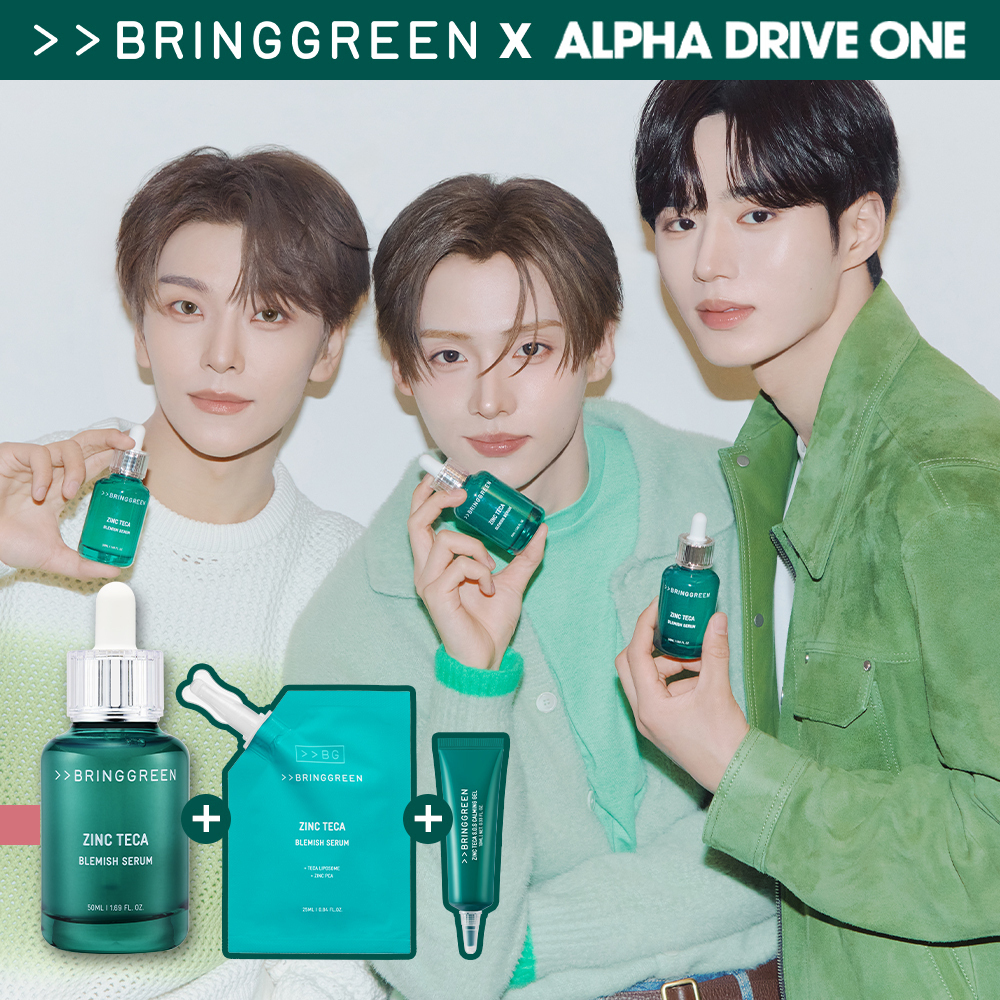
Zinc Teca Blemish Serum Set
Bringgreen
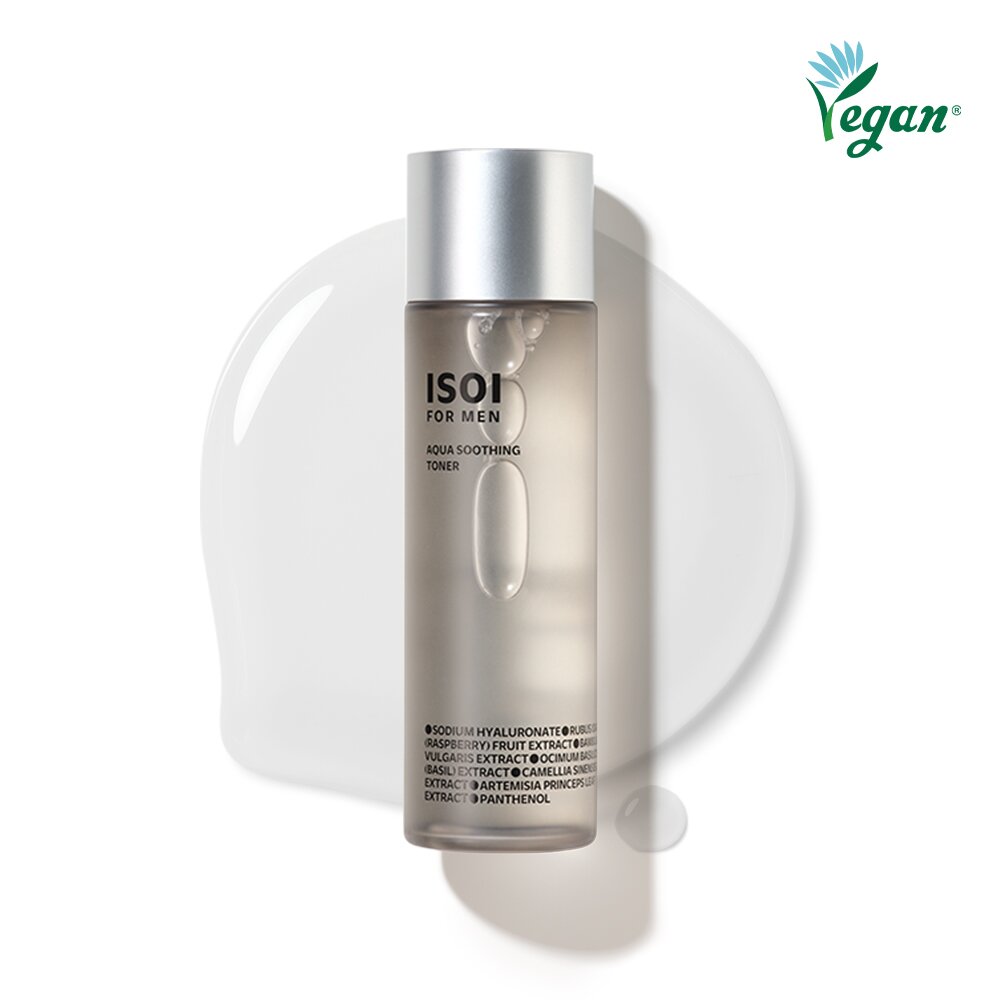
For Men Aqua Soothing Toner
Isoi
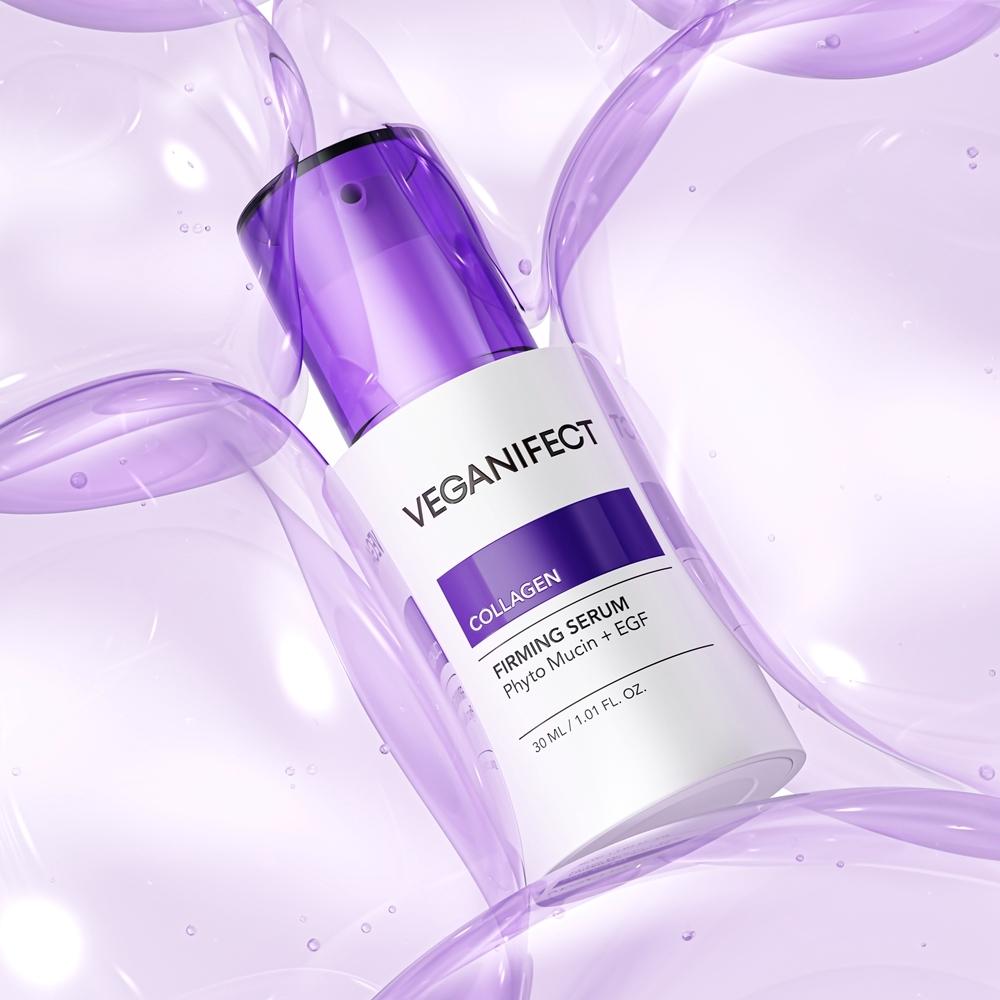
Veganifect Collagen EGF Serum
Anua

Zinc Teca Trouble Serum
Bringgreen
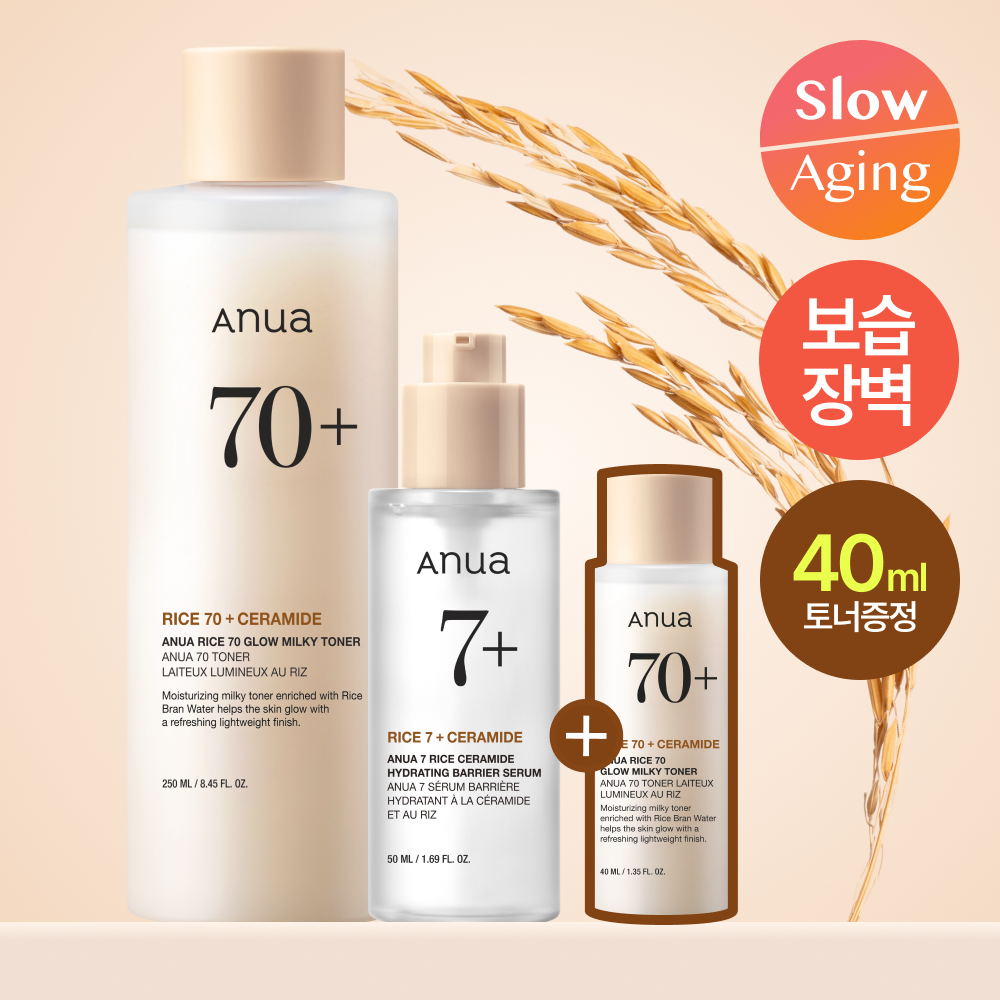
Rice 70 Glow Milky Serum Toner Set (Serum 50ml + Toner 250ml + Toner 40ml)
Anua
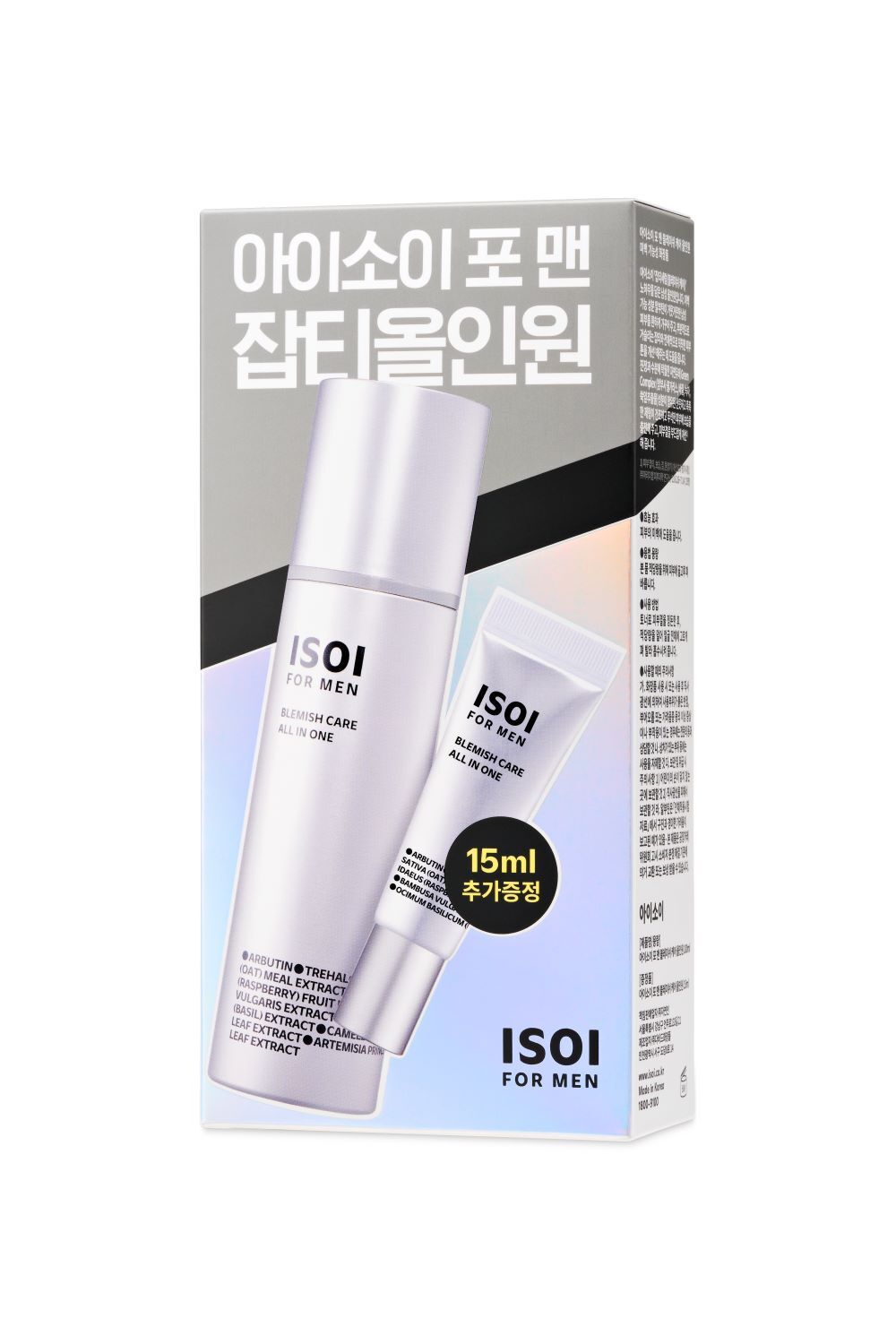
For Men Blemish Care All In One Special Set
Isoi
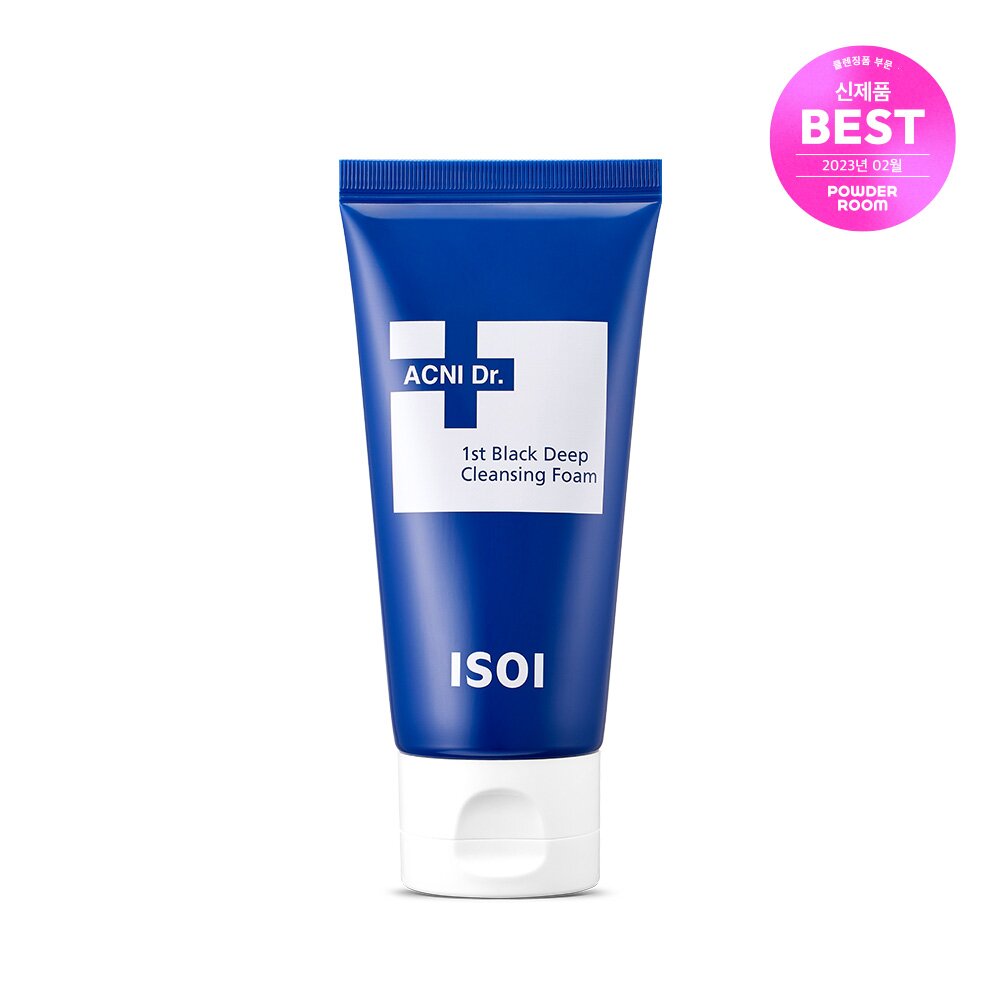
Acni Dr. 1st Black Deep Cleansing Foam
Isoi
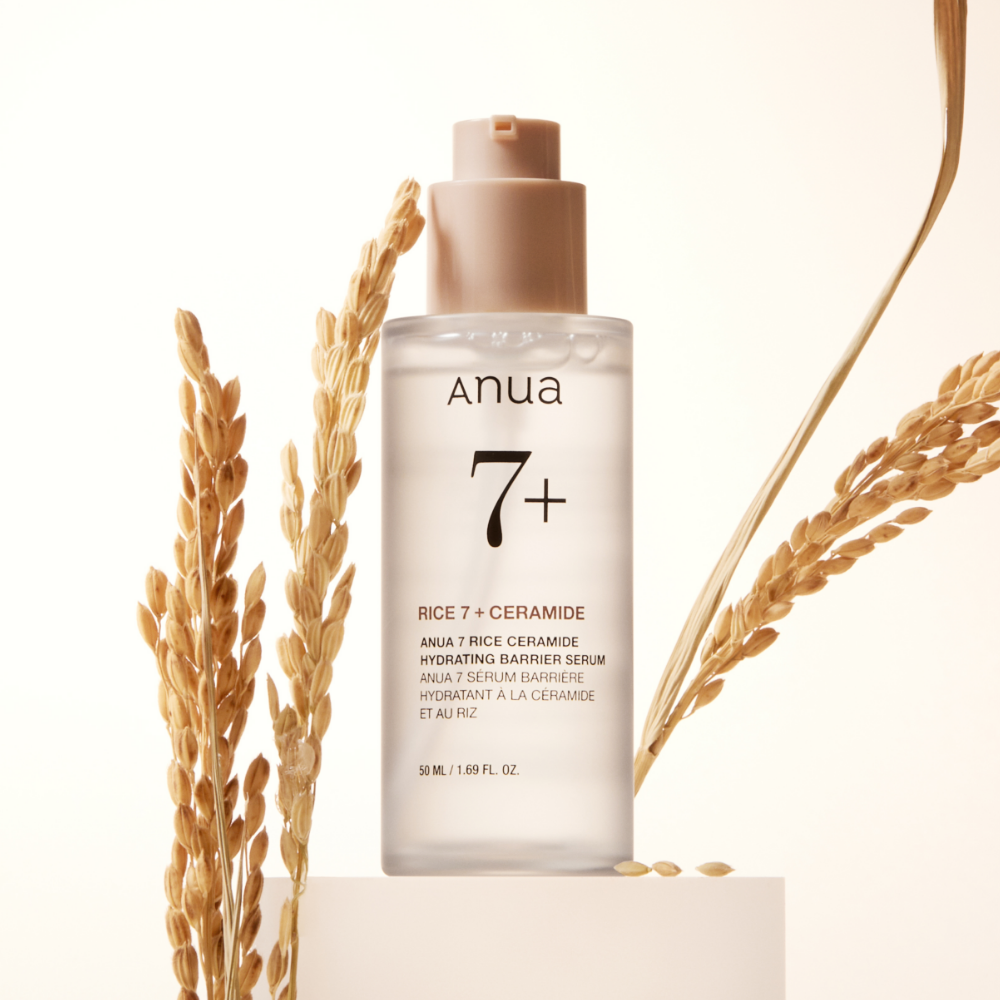
7 Rice Ceramide Hydrating Barrier Serum
Anua

Zinc Teca Trouble Serum Double Set
Bringgreen
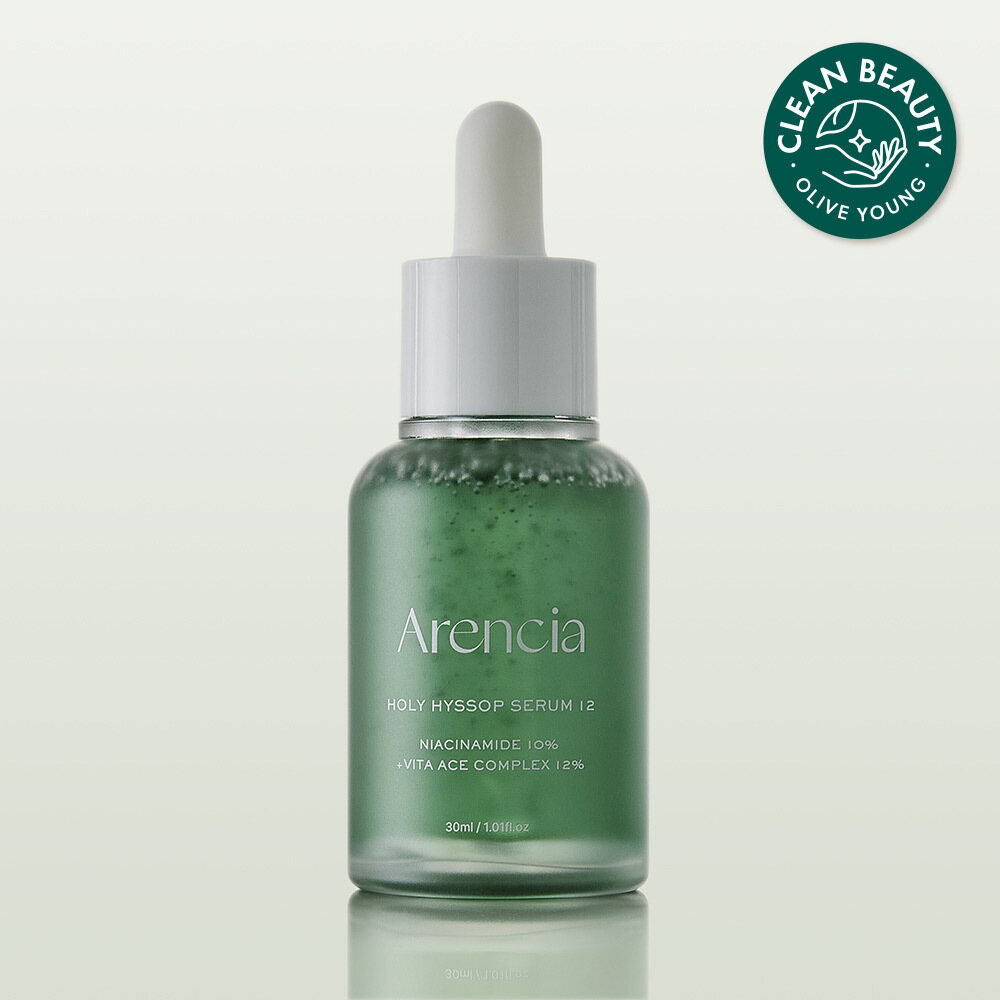
Holy Hyssop Serum 12
Arencia
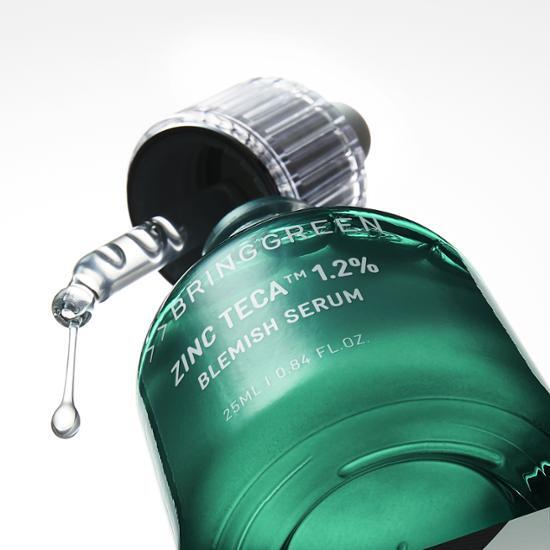
Zinc Teca 1.2% Blemish Serum
Bringgreen
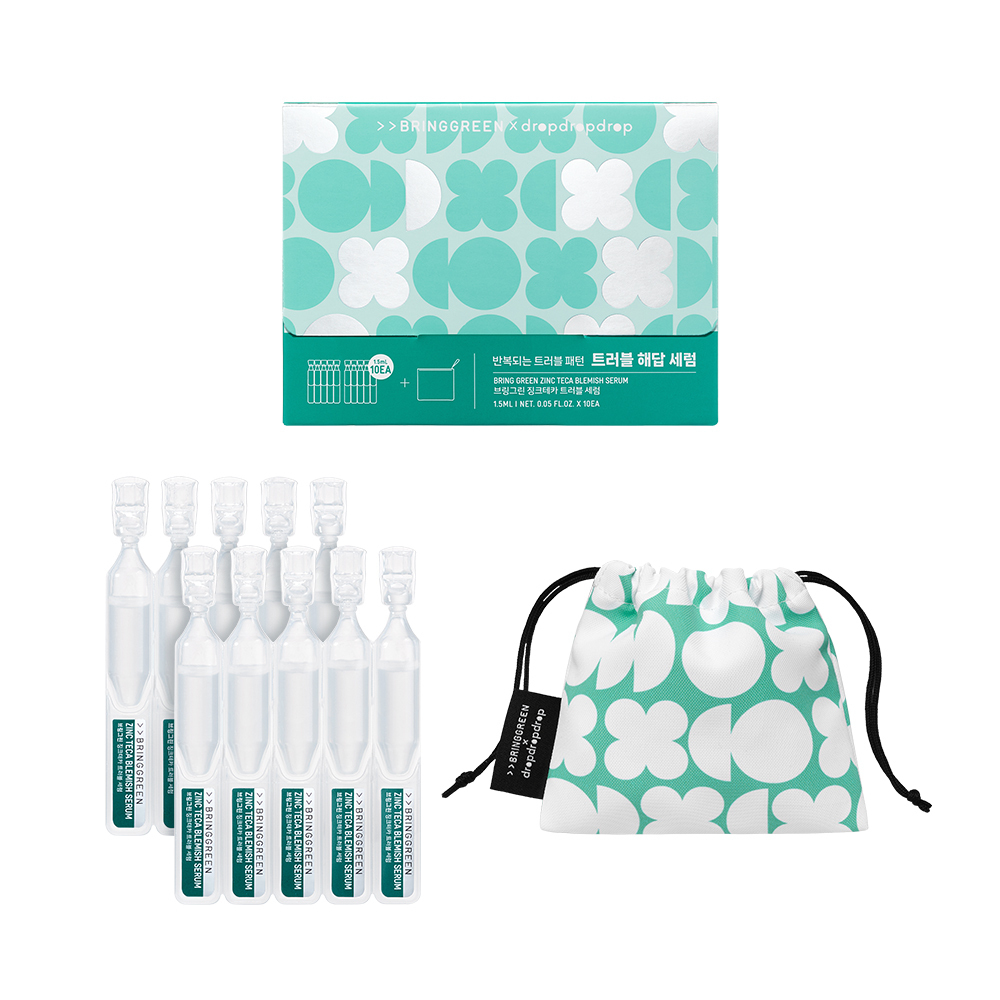
Zinc Teca Blemish Serum
Bringgreen
Frequently Asked Questions
Is ashitaba extract safe to use during pregnancy?▼
Can I use ashitaba extract with retinol or vitamin C?▼
How quickly will I see results from ashitaba extract?▼
Why is ashitaba extract good for acne-prone skin if it's not drying?▼
Is ashitaba extract the same as other Angelica extracts in skincare?▼
Explore More
Want personalized ingredient advice?
Yuri, our AI beauty advisor, can tell you how Ashitaba Extract works with your specific skin type, routine, and concerns.
Ask Yuri, free