Roman Chamomile Oil
INCI: Anthemis Nobilis Flower Oil
Anti-inflammatory and soothing botanical extract
About Roman Chamomile Oil
Roman Chamomile Oil is a gentle yet powerful botanical extract derived from the flowers of Anthemis nobilis, a daisy-like plant native to Western Europe. In K-beauty formulations, it serves as both a functional anti-inflammatory agent and a natural fragrance component, offering dual benefits that align with the Korean skincare philosophy of treating the skin while creating a sensorial experience. The oil contains key bioactive compounds including chamazulene and bisabolol, which give it distinctive calming properties that help reduce redness, irritation, and inflammatory responses in the skin. With a comedogenic rating of just 1 out of 5, Roman Chamomile Oil is notably non-pore-clogging, making it suitable for acne-prone users who typically need to avoid heavy oils. Its presence in 124 K-beauty products on Seoul Sister reflects its versatility across cleansers, masks, and treatments. However, its safety rating of 3 out of 5 requires attention because as a fragrance ingredient, it contains naturally occurring allergens like linalool and geraniol that can trigger sensitivity in some individuals. Korean brands often pair it with other soothing agents like centella asiatica or tea tree in products targeting compromised skin barriers, as seen in formulations like Beplain's z+piderm EGF Skin Barrier Cleansing Foam and Dr.Ceuracle's Tea Tree Purifine Cleansing Foam. The ingredient represents K-beauty's approach to harnessing traditional botanical wisdom with modern skincare science, offering calming benefits particularly valued in the multi-step Korean routine where layering products can sometimes stress sensitive skin.
How Roman Chamomile Oil Works
Roman Chamomile Oil works through multiple mechanisms at the cellular level. Its primary anti-inflammatory action comes from chamazulene, a compound formed during steam distillation that inhibits the production of inflammatory mediators like prostaglandins and leukotrienes. When applied topically, these compounds penetrate the stratum corneum and interact with skin cells to suppress the release of histamine and other irritation signals, effectively calming redness and reactive responses. The oil's bisabolol content enhances this effect by blocking inflammatory cytokines and promoting the skin's natural healing processes. At a molecular level, Roman Chamomile Oil also contains flavonoids like apigenin that demonstrate antioxidant properties, neutralizing free radicals that contribute to skin aging and inflammation. The essential oil's volatile compounds interact with sensory receptors in the skin, potentially triggering parasympathetic nervous system responses that reduce stress-related cortisol production, which can indirectly benefit skin health. Its light molecular structure allows for relatively quick absorption without leaving occlusive residue, which explains its low comedogenic rating despite being an oil-based ingredient. The combination of these mechanisms makes it particularly effective in products designed to repair compromised barriers or calm irritation from exfoliating treatments.
Roman Chamomile Oil by Skin Type
Oily Skin
Roman Chamomile Oil works surprisingly well for oily skin due to its ultra-low comedogenic rating of 1/5, meaning it rarely clogs pores despite being an oil. Its anti-inflammatory properties help calm the redness and irritation that often accompany acne, while its lightweight texture absorbs quickly without contributing to excess sebum. However, oily skin users should still patch test since the fragrance components could potentially trigger sensitivity.
Dry Skin
This is an excellent ingredient for dry skin types because it provides soothing relief without heavy occlusion. The oil helps calm the inflammation and irritation that frequently occur when the skin barrier is compromised by dryness, while its antioxidant compounds support barrier repair. Dry skin tends to be more reactive, and Roman Chamomile Oil's calming properties address both the physical dryness and the inflammatory cascade that often accompanies it.
Combo Skin
Combination skin benefits from Roman Chamomile Oil's balanced profile, as it's light enough not to overwhelm oily zones while soothing enough to calm any dry, irritated patches. The low comedogenic rating means it won't contribute to congestion in T-zone areas, and its anti-inflammatory action helps even out the varied needs across different facial zones. It's particularly useful in cleansers for combination skin, where it can soothe without leaving residue.
Sensitive Skin
Sensitive skin experiences the strongest benefits from Roman Chamomile Oil's anti-inflammatory and calming properties, which directly address the heightened reactivity characteristic of this skin type. However, the 3/5 safety rating reflects real concerns because naturally occurring allergens in the essential oil (linalool, geraniol) can trigger reactions in highly reactive individuals. Those with sensitive skin should always patch test products containing this ingredient, and may want to avoid it entirely if they have known fragrance sensitivities or conditions like rosacea.
Normal Skin
Normal skin can enjoy Roman Chamomile Oil as both a functional ingredient and a pleasant sensorial addition to products. It provides preventative anti-inflammatory benefits that help maintain skin health and barrier integrity, while the natural fragrance enhances the user experience without the skin having underlying vulnerabilities that might make fragrance problematic. For normal skin, this ingredient offers maintenance benefits rather than corrective ones.
How to Use Roman Chamomile Oil
- 1Look for Roman Chamomile Oil in cleansing products (like the SUM37 Secret Rice Nuruk Daily Exfoliating Cleanser) where it can provide anti-inflammatory benefits during the cleansing step without prolonged skin contact, reducing potential sensitivity risks.
- 2If you have known fragrance sensitivities or conditions like eczema or rosacea, patch test any product containing Roman Chamomile Oil on your inner arm for 24-48 hours before applying to your face, regardless of other positive ingredients.
- 3Pair products with Roman Chamomile Oil with simpler, fragrance-free products in your routine to minimize the cumulative exposure to potential allergens while still benefiting from its anti-inflammatory properties.
- 4Use Roman Chamomile Oil-containing products (like the Medicube Spa Relief Frozen Pore Mask) after potentially irritating treatments like chemical exfoliants or retinoids to help calm any resulting inflammation.
- 5Store products containing Roman Chamomile Oil away from direct sunlight and heat, as essential oils can oxidize over time and become more irritating, reducing the product's effectiveness and increasing sensitivity risk.
Background
Roman Chamomile has been used medicinally for over 2,000 years, with ancient Romans, Greeks, and Egyptians all documenting its healing properties for everything from digestive issues to skin inflammation. The name comes from the Greek 'kamai' (on the ground) and 'melon' (apple), referring to its low-growing habit and apple-like scent. European herbalists traditionally made chamomile infusions and poultices for wounds and skin conditions, establishing its reputation as a gentle healing plant. In modern skincare, the essential oil became popular in European aromatherapy and cosmetics during the 20th century. K-beauty brands adopted Roman Chamomile Oil as part of their broader embrace of botanical ingredients, particularly appreciating its dual function as both an active anti-inflammatory agent and a natural fragrance component. This aligns with Korean skincare's preference for multi-functional ingredients that address both efficacy and sensorial experience. The ingredient gained particular prominence in K-beauty cleansers and soothing masks, where its calming properties support the Korean philosophy of gentle, nurturing skincare that builds rather than strips the skin barrier.
K-Beauty Products with Roman Chamomile Oil
View all 144 →
Mask Sheet (Retifit Collagen / Hya-light Calming)
NEEDLY
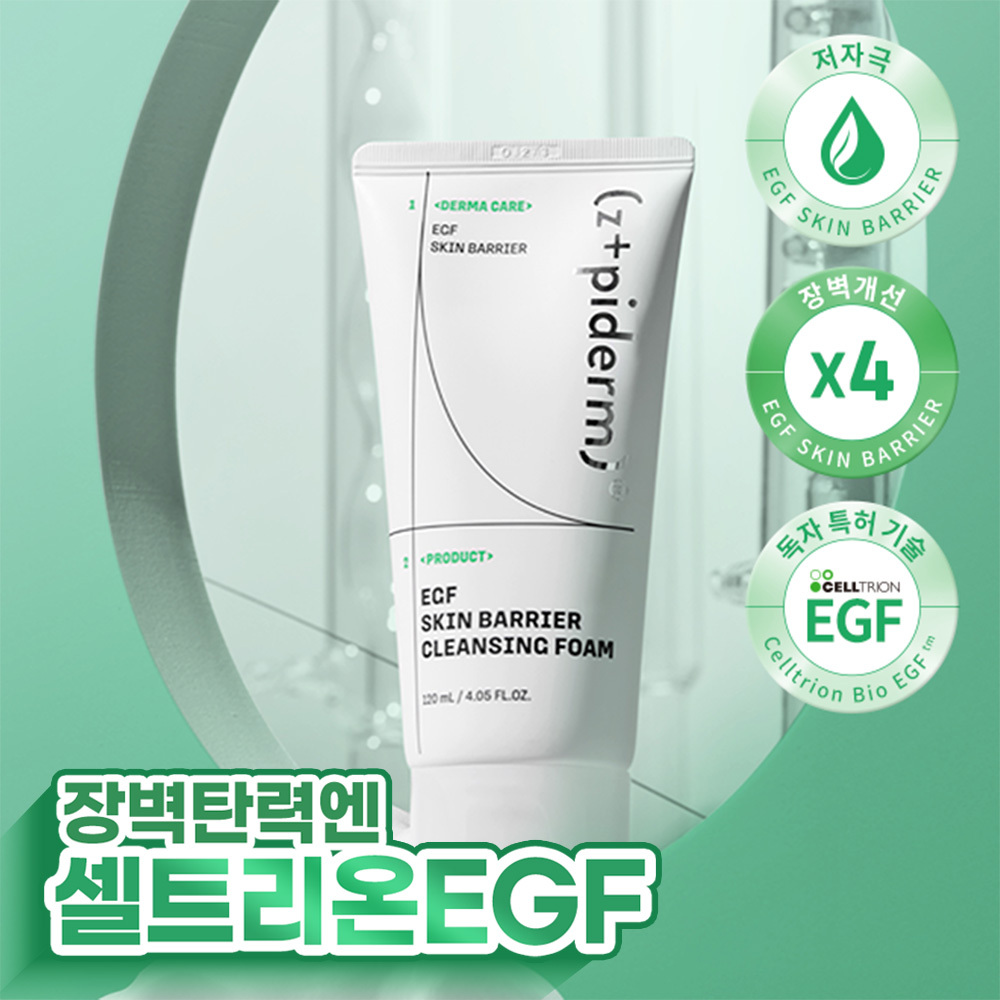
z+piderm EGF Skin Barrier Cleansing Foam
Beplain
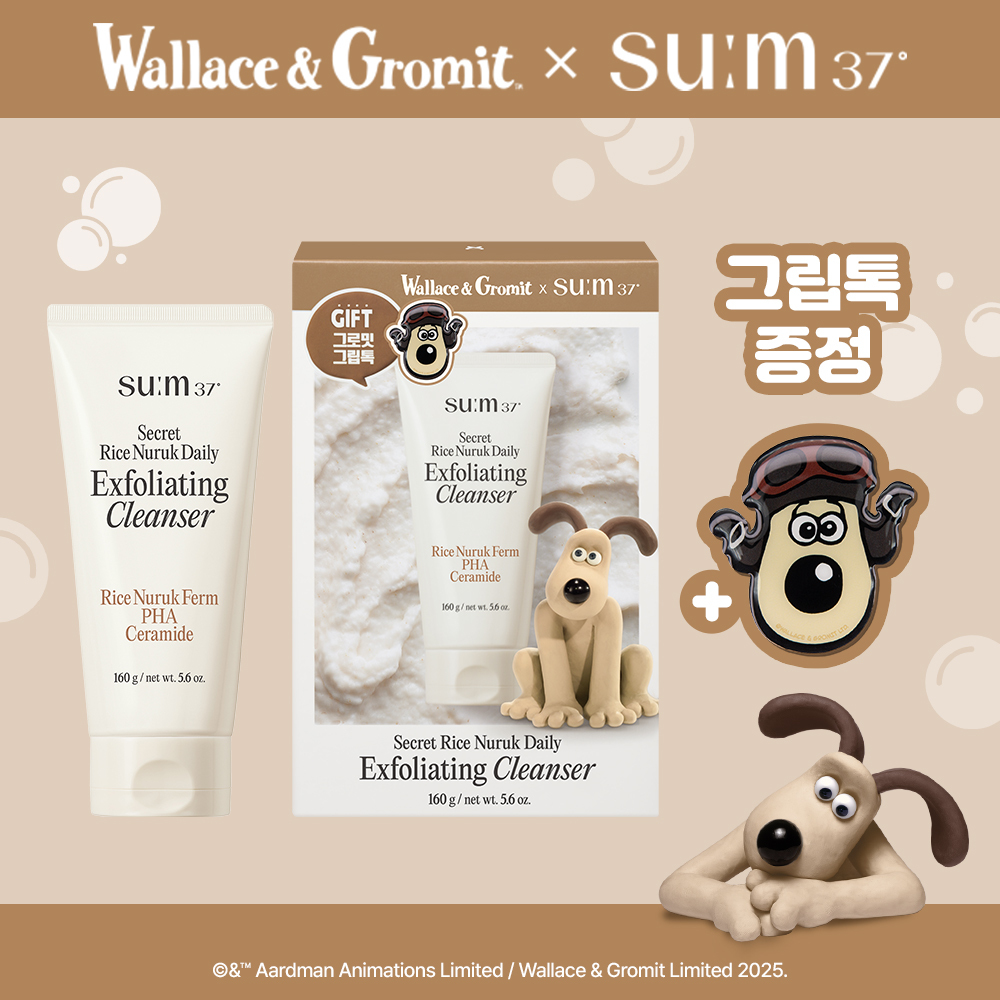
Secret Rice Nuruk Daily Exfoliating Cleanser
SUM37
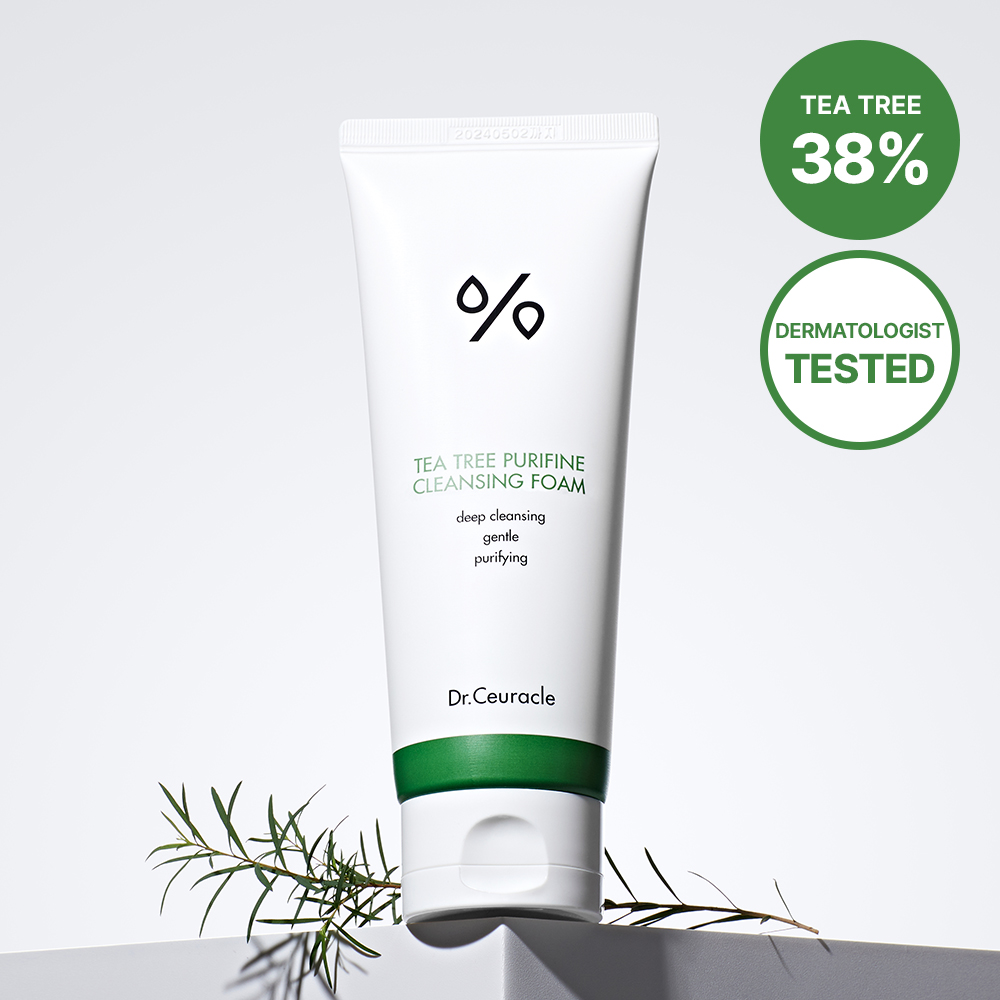
Tea Tree Purifine Cleansing Foam
Dr.Ceuracle
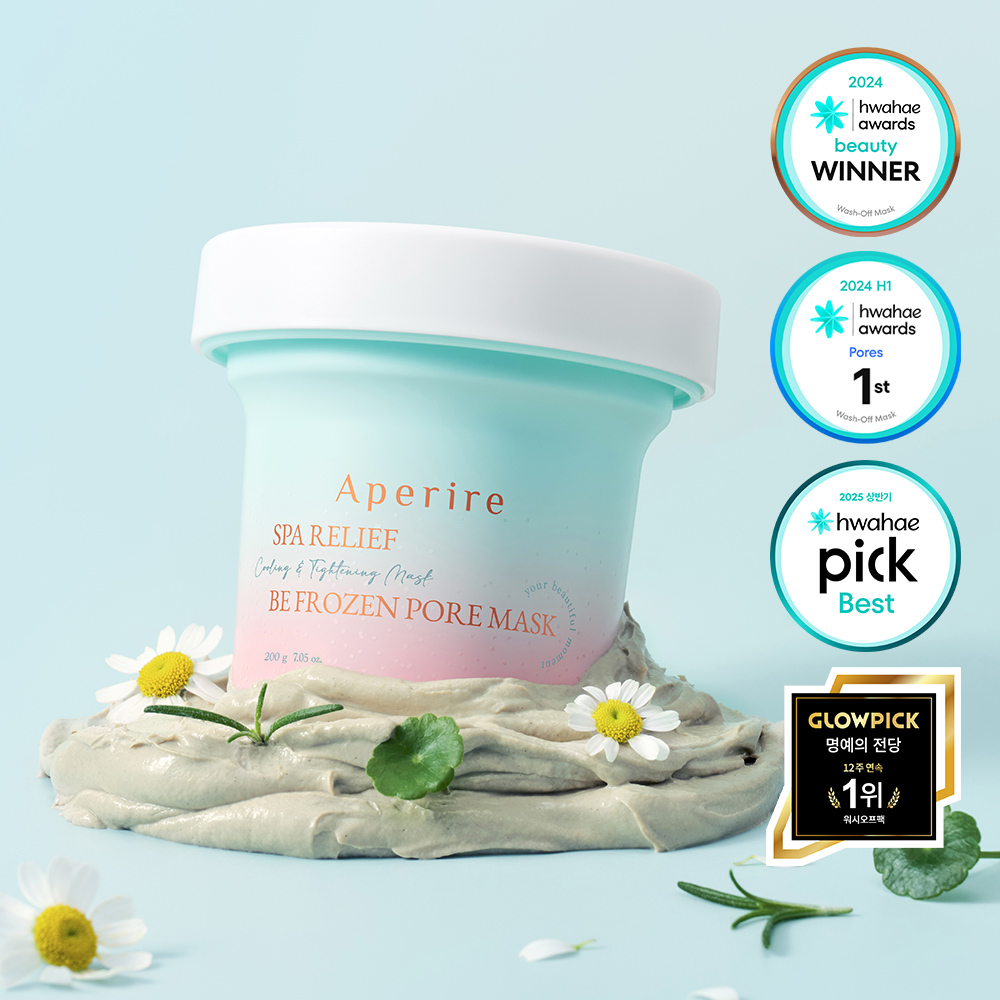
Spa Relief Frozen Pore Mask
Medicube

Heartleaf Hyaluron Soothing Pore Cleansing Foam
Goodal
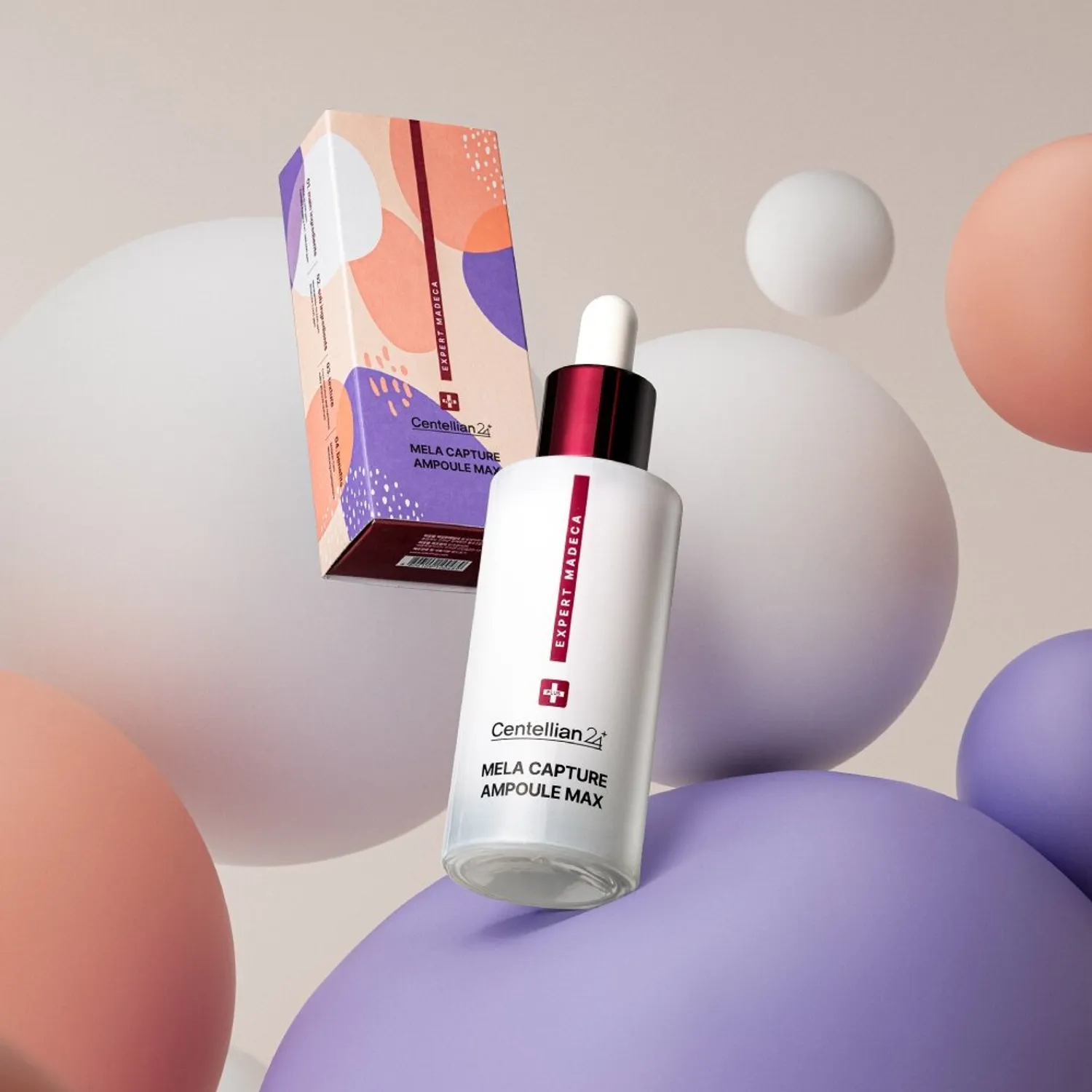
Expert Madeca Mela Capture Ampoule Max
Centellian24
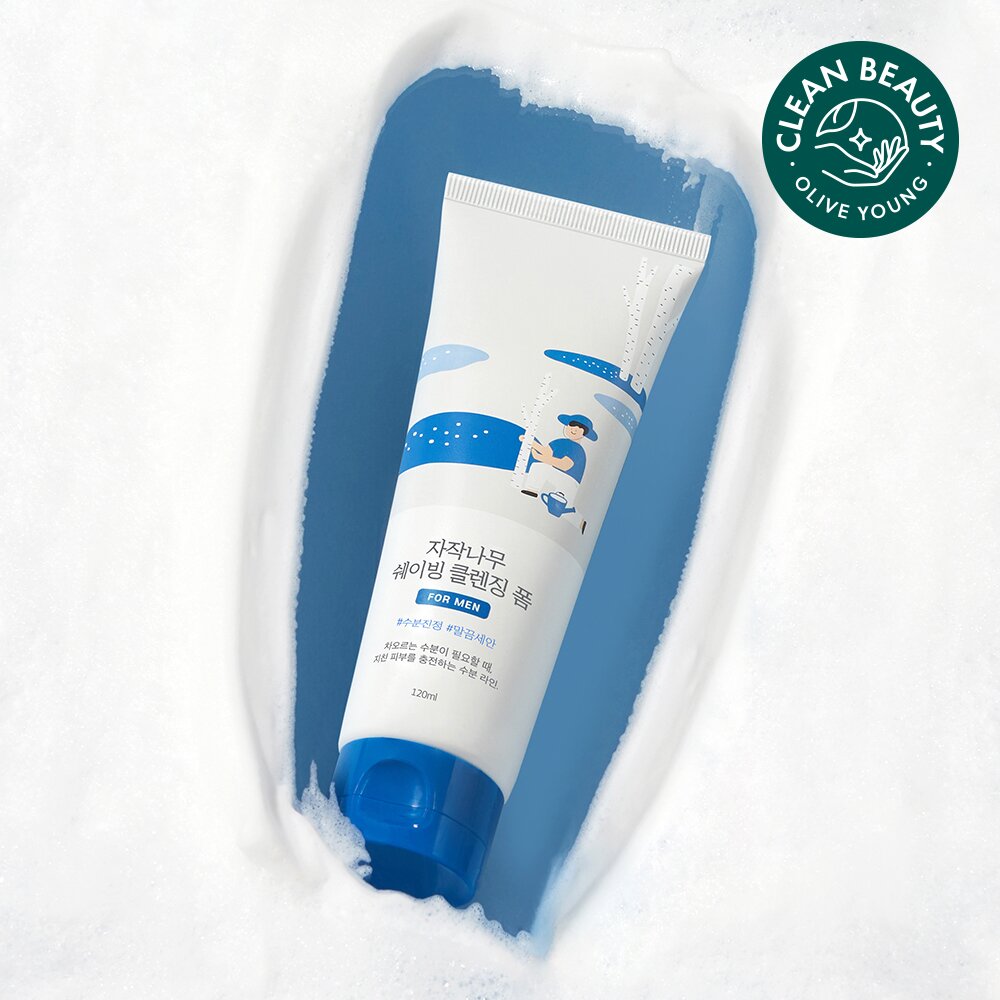
Birch Juice Shaving Cleansing Foam
Round Lab

Heartleaf Hyaluron Soothing Pore Cleansing Oil
Goodal
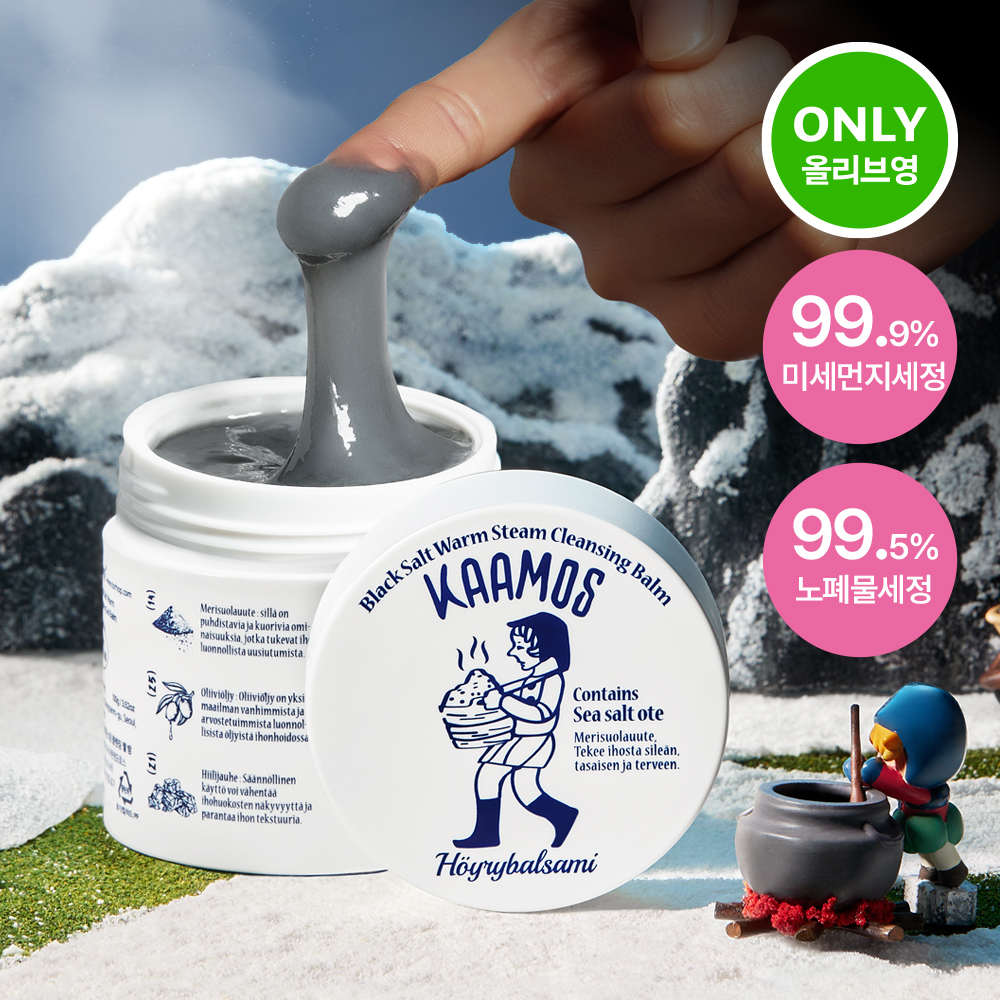
Kaamos Black Salt Warm Steam Cleansing Balm
Torhop
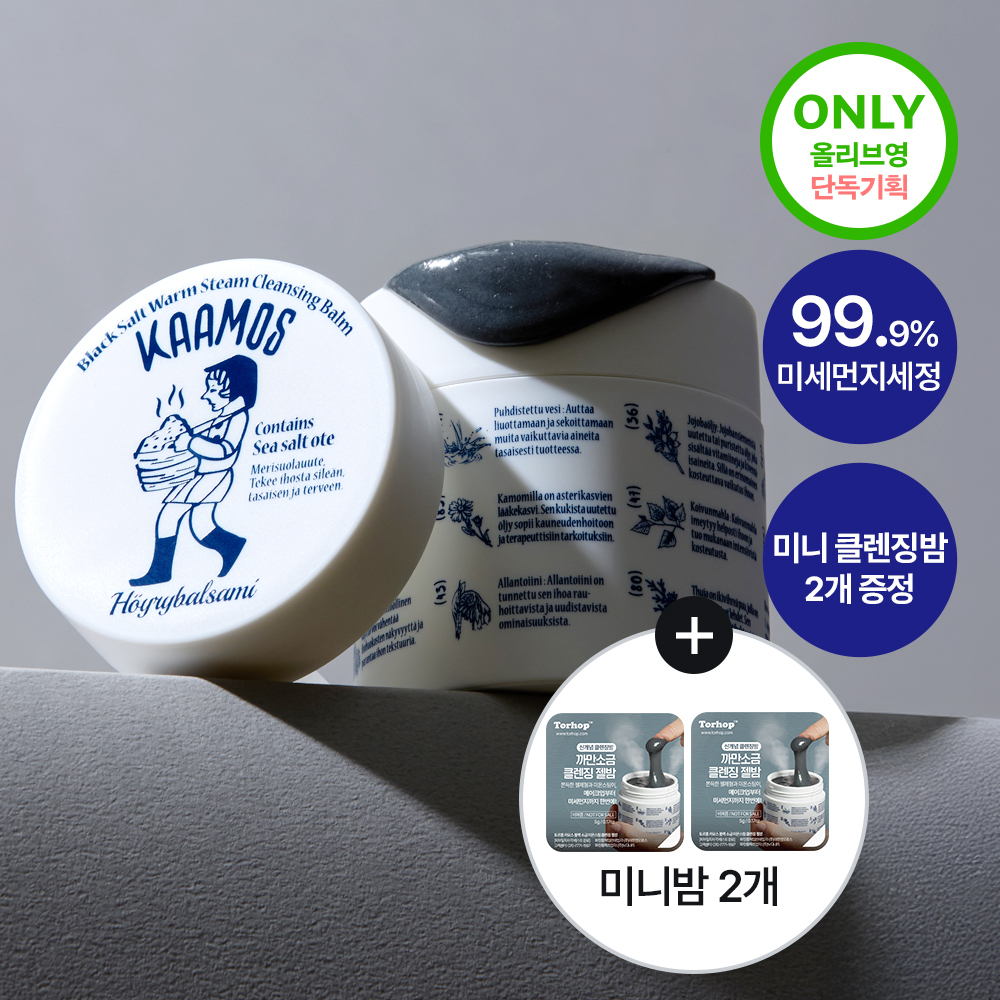
Kaamos Black Salt Warm Steam Cleansing Balm Set
Torhop

ReSaltZ Salt Massage Ocean Cleansing Bar
Beplain
Frequently Asked Questions
Is Roman Chamomile Oil the same as German Chamomile Oil in skincare?▼
Why does Roman Chamomile Oil have a 3/5 safety rating if it's natural?▼
Can I use Roman Chamomile Oil if I have acne-prone skin?▼
Should I avoid Roman Chamomile Oil during pregnancy?▼
How can I tell if a product contains enough Roman Chamomile Oil to be effective?▼
Explore More
Want personalized ingredient advice?
Yuri, our AI beauty advisor, can tell you how Roman Chamomile Oil works with your specific skin type, routine, and concerns.
Ask Yuri, free