Mugwort Leaf Powder
INCI: Artemisia Princeps Leaf Powder
Soothing antioxidant with anti-inflammatory properties
About Mugwort Leaf Powder
Mugwort Leaf Powder (Artemisia Princeps Leaf Powder) is finely milled powder derived from the leaves of Korean mugwort, a perennial herb that has been central to traditional Korean medicine and skincare for centuries. In K-beauty formulations, this ingredient delivers concentrated soothing and anti-inflammatory benefits, making it particularly valuable for calming reactive skin and addressing redness. The powder form preserves the plant's natural compounds, including flavonoids, volatile oils, and polyphenols, which work together to protect skin from oxidative stress and environmental aggressors. Unlike liquid extracts, the powdered form can be incorporated into wash-off products and masks to provide gentle exfoliation alongside its calming properties. With a comedogenic rating of just 1 out of 5, mugwort leaf powder is remarkably skin-friendly and rarely triggers breakouts, even in acne-prone individuals. Its safety rating of 4 out of 5 reflects its gentle nature and low risk of irritation. Korean brands have embraced this ingredient as part of the broader mugwort renaissance in K-beauty, where traditional botanical wisdom meets modern formulation science. The 11 products containing this ingredient on Seoul Sister, particularly Whipped's highly-rated vegan cleansers, demonstrate how mugwort leaf powder has found its niche in gentle, plant-based skincare that doesn't compromise on effectiveness.
How Mugwort Leaf Powder Works
Mugwort leaf powder works through multiple pathways to calm and protect skin. Its flavonoid compounds, particularly eupatilin and jaceosidin, inhibit the production of pro-inflammatory cytokines, essentially interrupting the cascade of chemical signals that lead to redness, irritation, and discomfort. These same flavonoids act as potent antioxidants, neutralizing free radicals generated by UV exposure and pollution before they can damage cellular structures and accelerate aging. The powder contains volatile oils with antimicrobial properties that help maintain a balanced skin microbiome, which is particularly beneficial for those dealing with inflammatory conditions like acne or perioral dermatitis. When used in physical formulations like cleansers and masks, the fine powder particles provide gentle mechanical exfoliation, removing dead skin cells without the harsh abrasiveness of synthetic scrubs. This dual action of chemical soothing and physical refinement makes mugwort leaf powder especially effective in wash-off products. The ingredient also supports the skin barrier by promoting ceramide synthesis, helping skin retain moisture and resist external irritants more effectively over time.
Mugwort Leaf Powder by Skin Type
Oily Skin
Mugwort leaf powder is excellent for oily skin thanks to its low comedogenic rating and antimicrobial properties that help keep pores clear without stripping skin. The gentle exfoliation from powder particles removes excess sebum and dead cells that can clog pores, while the anti-inflammatory compounds reduce the redness often associated with breakouts. Its ability to balance the skin microbiome may also help regulate sebum production over time.
Dry Skin
While mugwort leaf powder isn't a hydrating ingredient itself, it supports dry skin by calming inflammation that can compromise the moisture barrier. The antioxidant protection helps prevent transepidermal water loss caused by environmental damage. When formulated in cream-based cleansers like Whipped's products, the powder provides gentle exfoliation that helps dry skin better absorb subsequent moisturizing products without causing irritation or flaking.
Combo Skin
Combination skin benefits significantly from mugwort leaf powder's balanced approach. It addresses oiliness in the T-zone with gentle exfoliation and sebum control while soothing any dry, irritated patches on the cheeks. The low comedogenic rating means it won't trigger breakouts in oily areas, and its anti-inflammatory properties calm reactivity in drier zones, making it ideal for the unpredictable nature of combination skin.
Sensitive Skin
Mugwort leaf powder is particularly well-suited for sensitive skin due to its strong anti-inflammatory and soothing properties. The safety rating of 4 out of 5 reflects its gentle nature, and its traditional use in Korean medicine for treating skin irritation speaks to its calming efficacy. Sensitive skin types should still patch test, but this ingredient typically helps reduce reactivity rather than triggering it, especially when used in the gentle vegan formulations found in top-rated products on Seoul Sister.
Normal Skin
Normal skin can use mugwort leaf powder as a preventative antioxidant treatment to maintain its balanced state. The ingredient provides environmental protection without overloading skin with heavy actives, and the gentle exfoliation keeps texture smooth without disruption. It's an excellent maintenance ingredient that works quietly in the background to preserve skin health, which is why it appears in highly-rated everyday products like Whipped's Vegan Pack Cleanser (4.6/5).
How to Use Mugwort Leaf Powder
- 1Look for mugwort leaf powder in cleansers and wash-off masks where the powder can provide both its soothing benefits and gentle physical exfoliation without leaving residue on skin.
- 2Use products containing this ingredient 2-3 times per week if you're new to physical exfoliation, then increase frequency as your skin adapts, particularly if you have sensitive or reactive skin.
- 3Pair mugwort leaf powder cleansers with hydrating toners and essences to maximize the ingredient's barrier-supporting benefits and help your skin better absorb subsequent products.
- 4For maximum anti-inflammatory benefits, use mugwort products after sun exposure or when your skin feels particularly reactive or irritated from environmental stressors.
- 5Consider rotating between different mugwort formulations like Whipped's Mugtree, Muhwabutter, and Yujamong variants (all rated 4.6-5.0 on Seoul Sister) to experience how the powder works with different complementary ingredients.
Background
Artemisia princeps, known as Korean mugwort or ssuk, has been used in traditional Korean medicine for over 3,000 years, initially as a remedy for digestive issues and women's health concerns. In folk skincare practices, mugwort was burned and the resulting smoke was believed to purify skin, or fresh leaves were crushed and applied directly to wounds and inflammatory skin conditions. The plant grows abundantly across Korea and has deep cultural significance, even being used in traditional rice cakes (ssukgae떡) and eaten during the Dano spring festival. K-beauty's scientific interest in mugwort accelerated in the 2010s when researchers began isolating and studying its active compounds, discovering the specific anti-inflammatory mechanisms of its flavonoids. Brands like I'm From sparked the modern mugwort trend with their Mugwort Essence in 2017, and the ingredient quickly expanded into various formats including the powdered form, which preserves more of the plant's natural structure and allows for innovative textures in cleansers and masks. This represents K-beauty's signature approach of validating traditional ingredients through modern science and creative formulation.
K-Beauty Products with Mugwort Leaf Powder
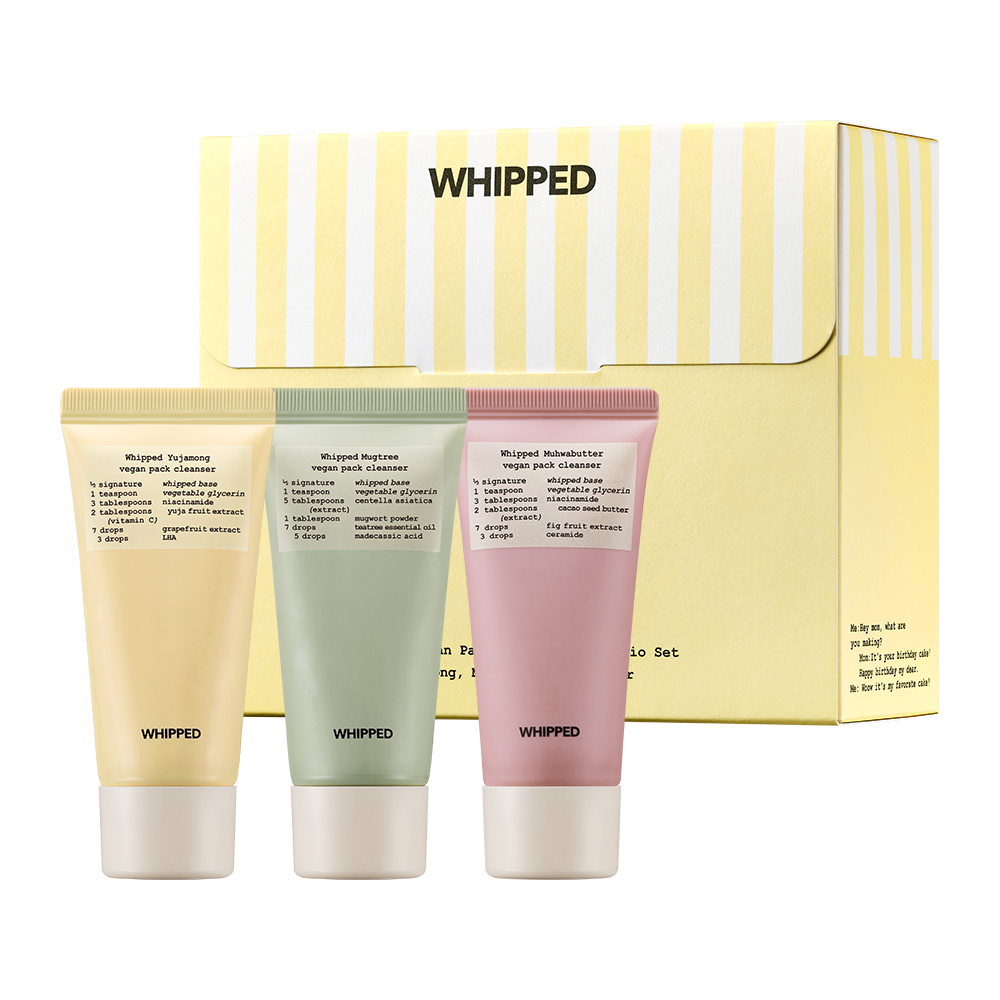
Vegan Pack Cleanser Gift Set (Mugtree + Muhwabutter + Yujamong)
Whipped
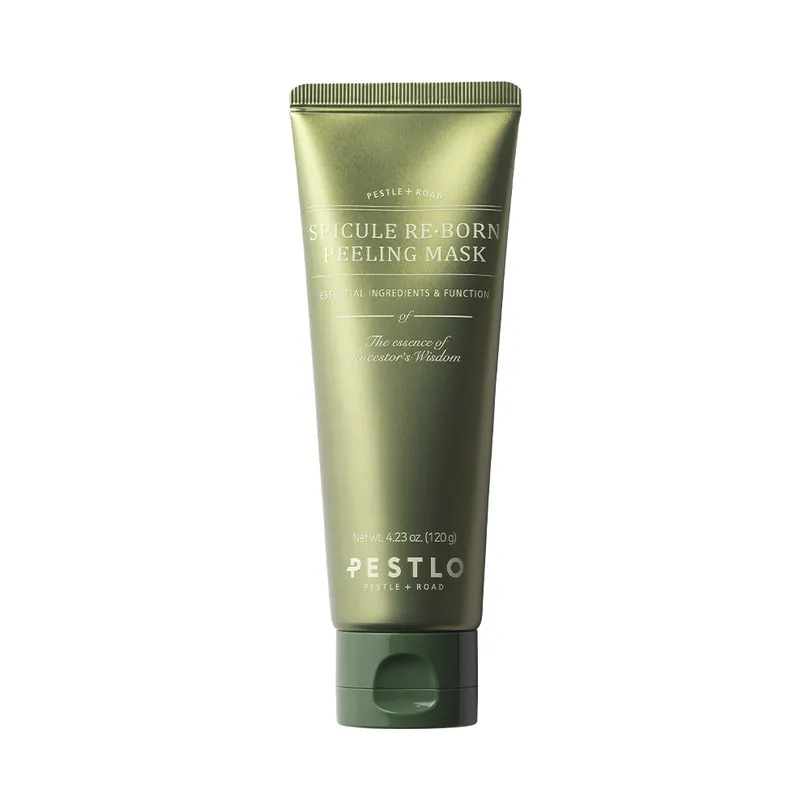
Spicule Re-Born Peeling Mask
Pestlo
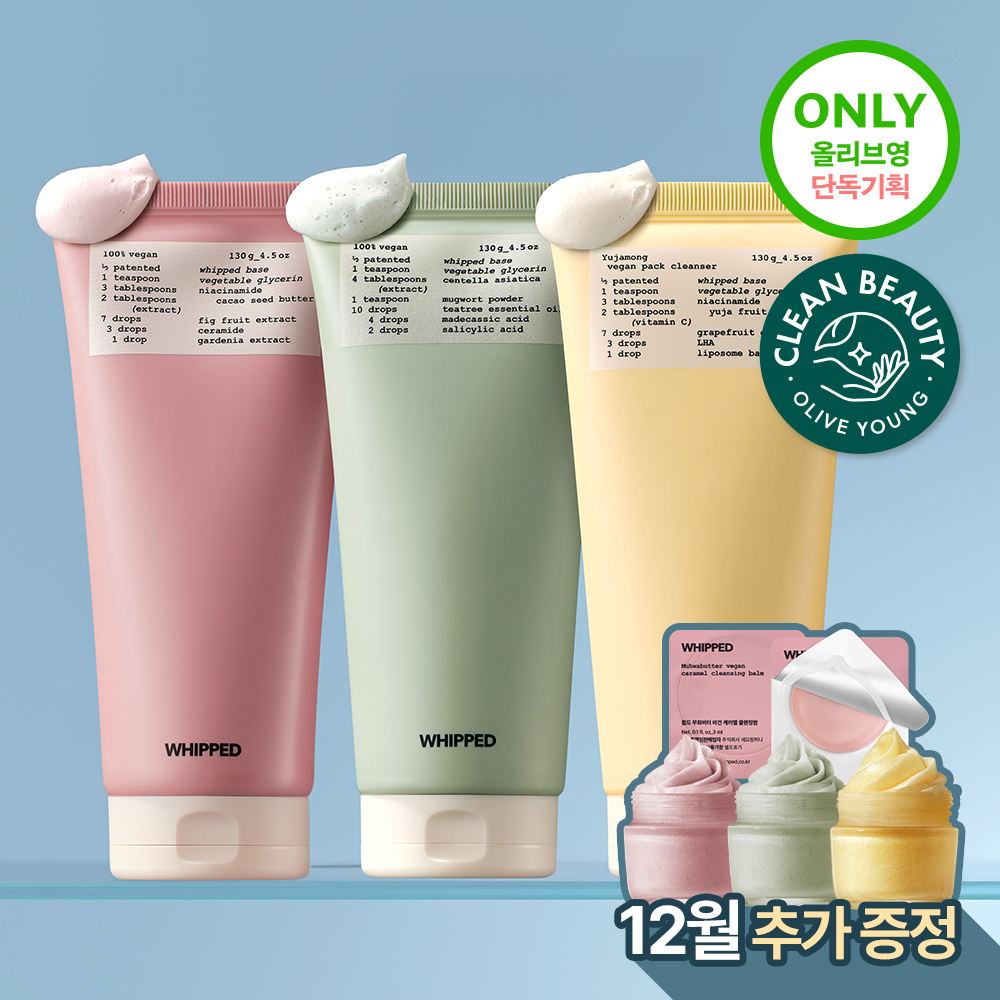
Vegan Pack Cleanser Set
Whipped
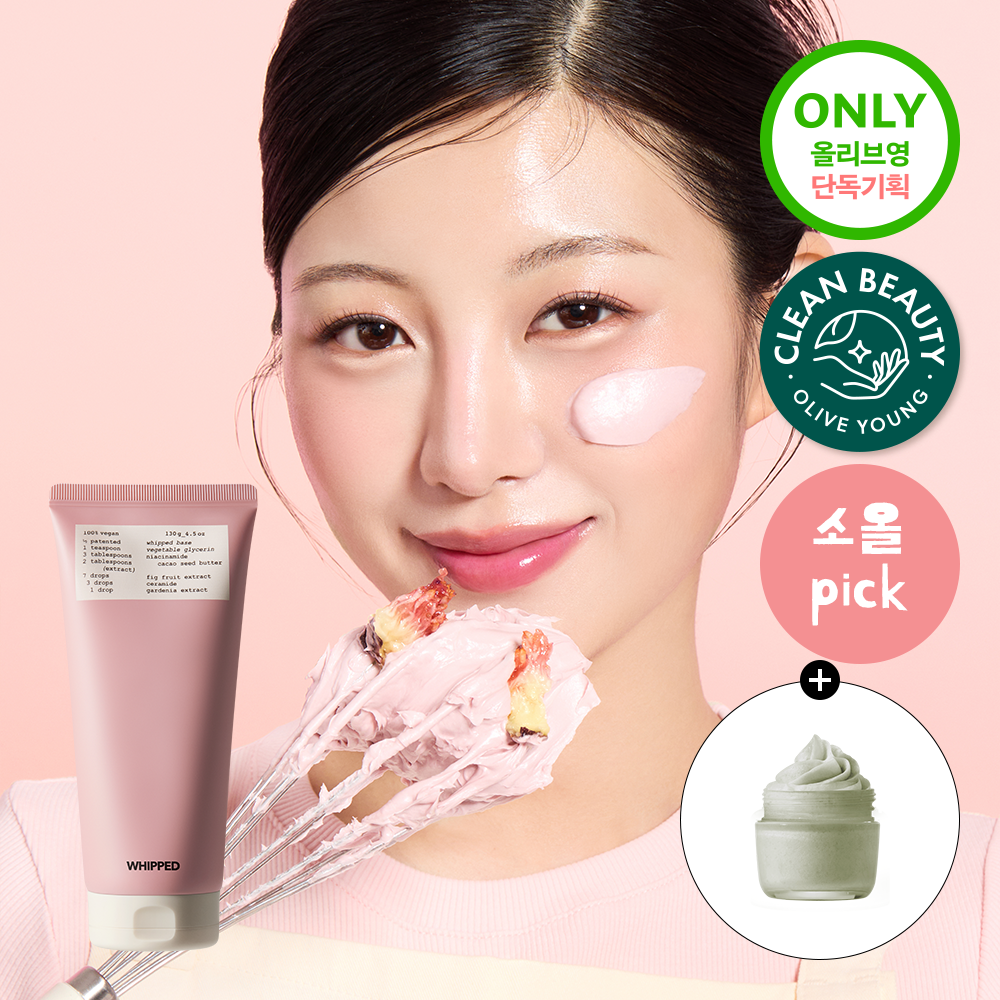
Muhwabutter Vegan Pack Cleanser Set
Whipped
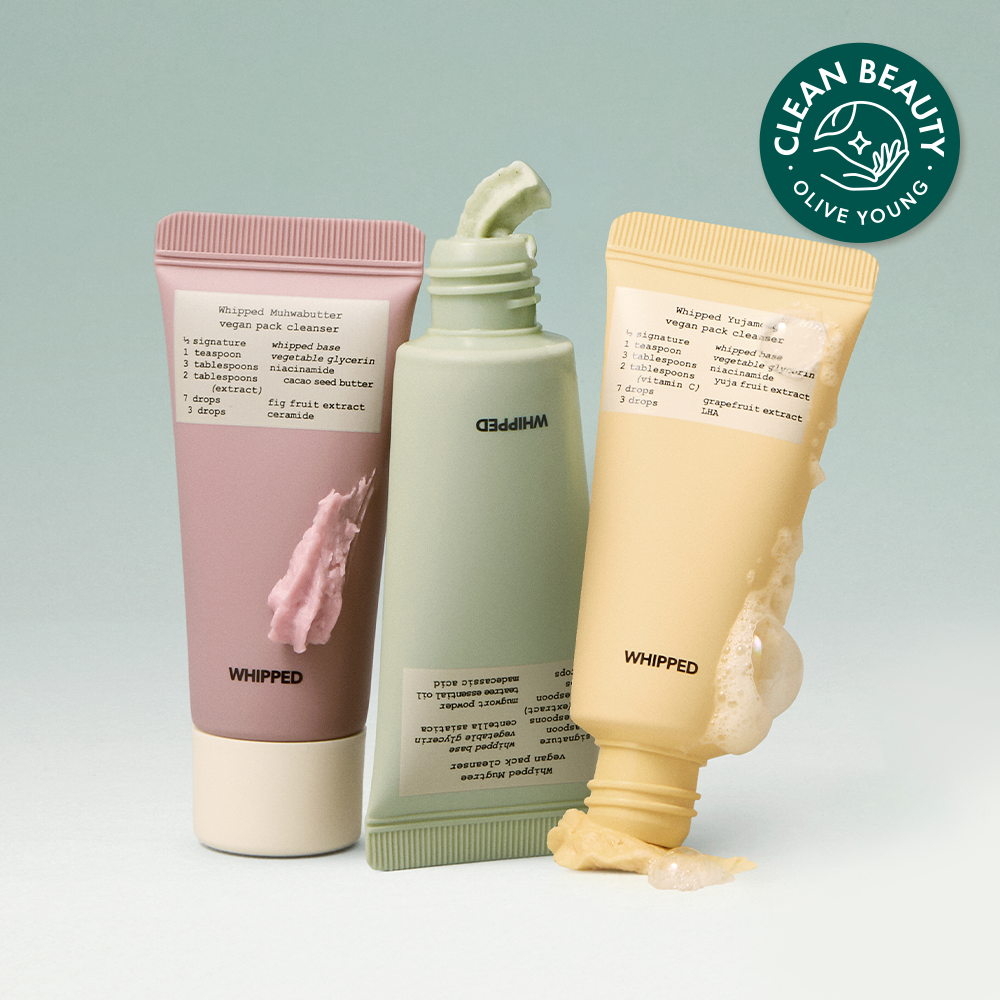
Vegan Pack Cleanser
Whipped
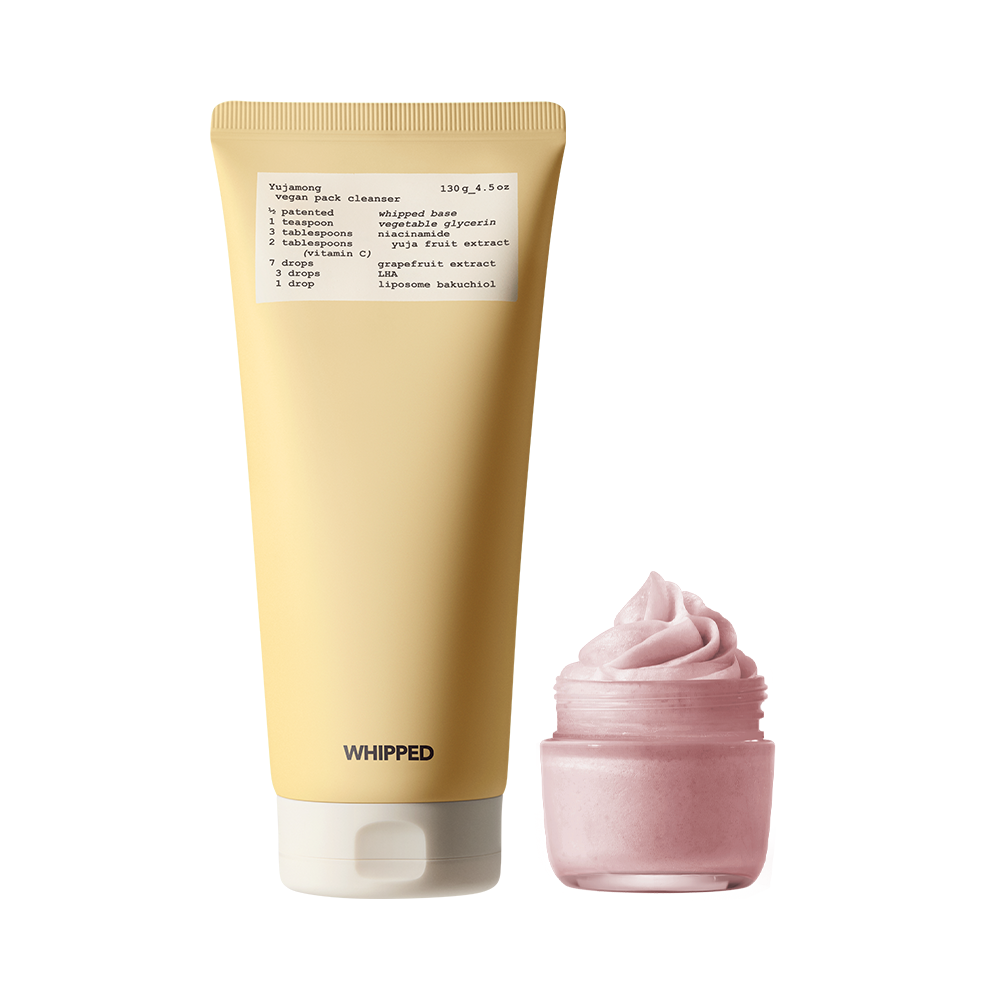
Yujamong Vegan Pack Cleanser Set
Whipped
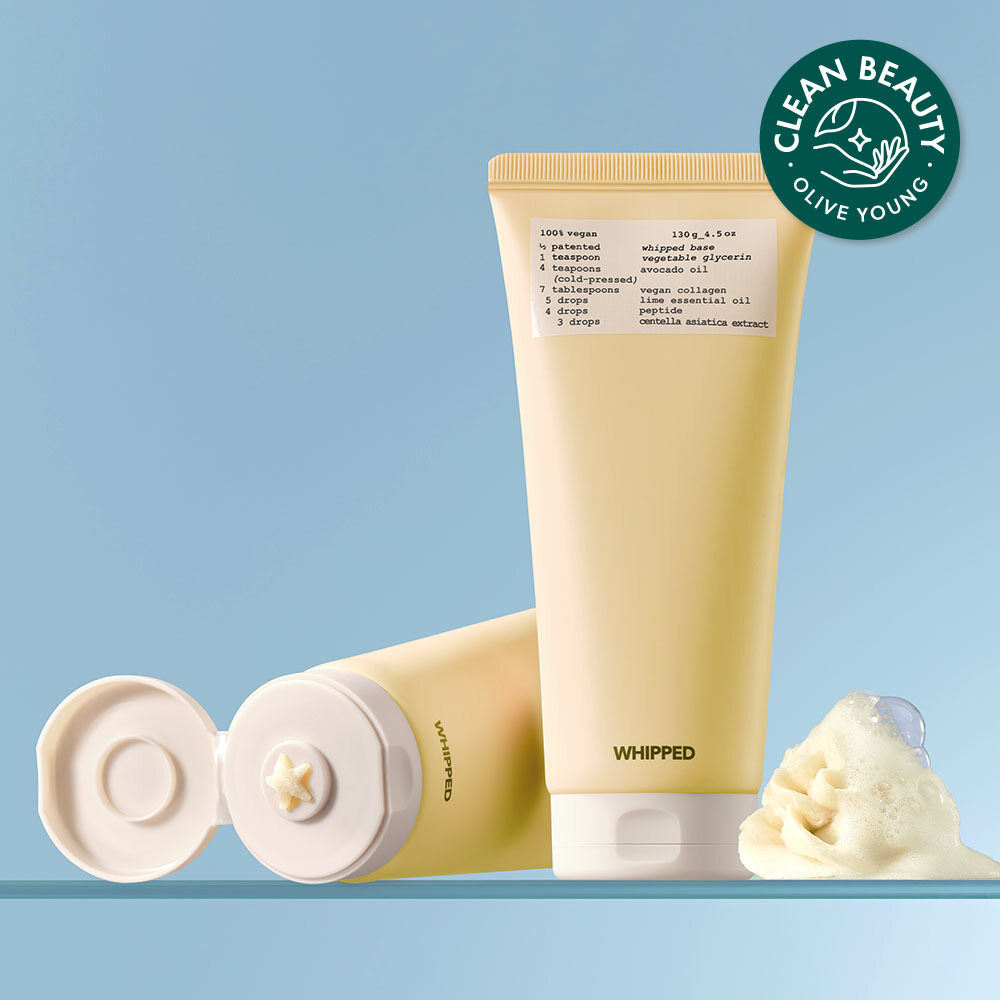
Yujamong Vegan Pack Cleanser
Whipped
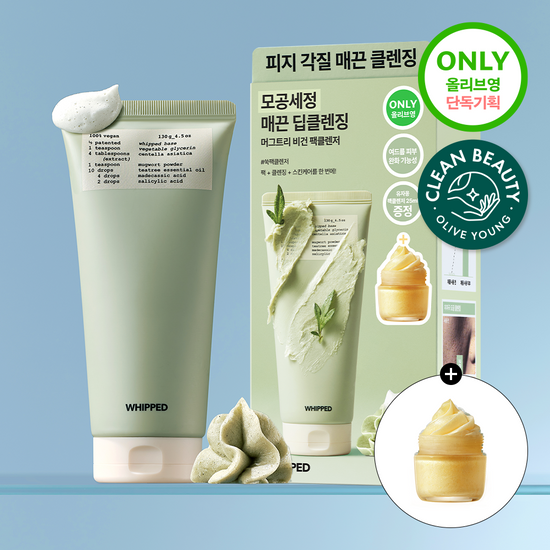
Mugtree Vegan Pack Cleanser Set
Whipped

Mugtree Vegan Pack Cleanser
Whipped
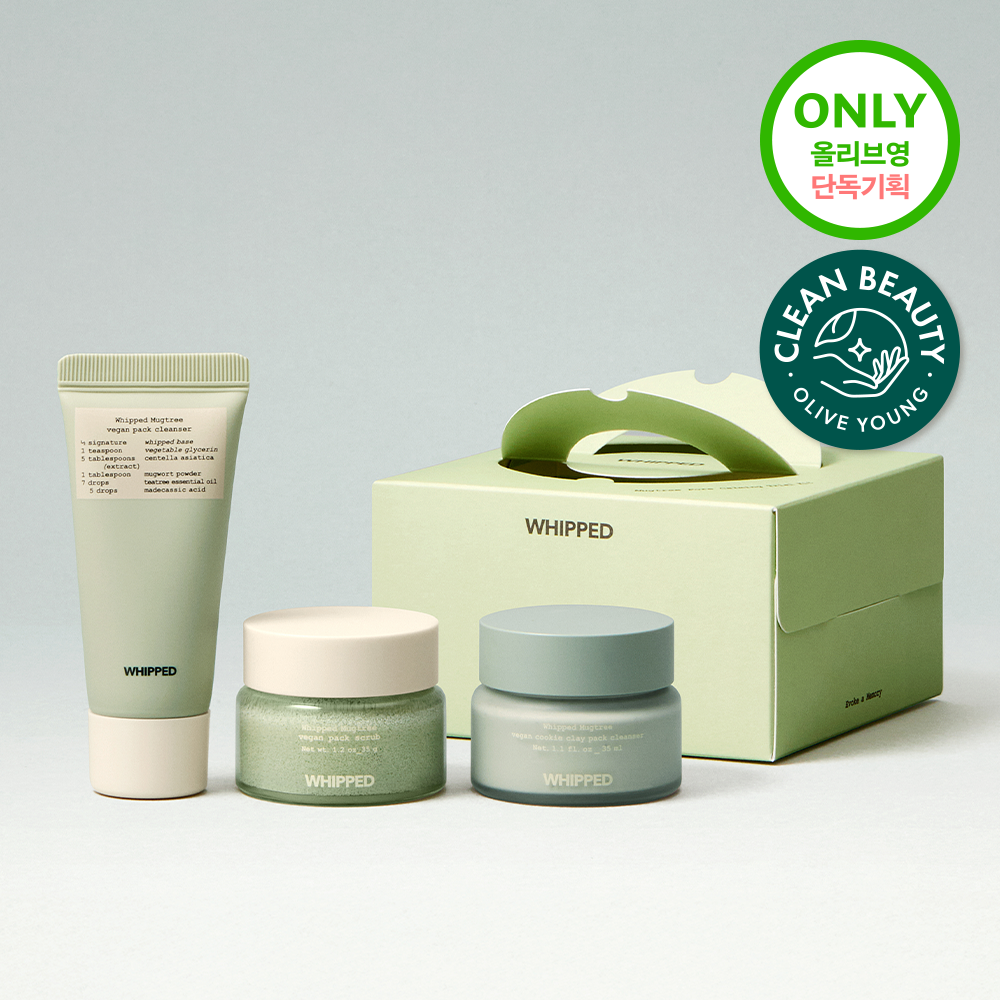
Mugtree Pore Calming Gift Set (Pack Cleanser 25g + Pack Scrub 35g + Cookie Clay 35ml)
Whipped
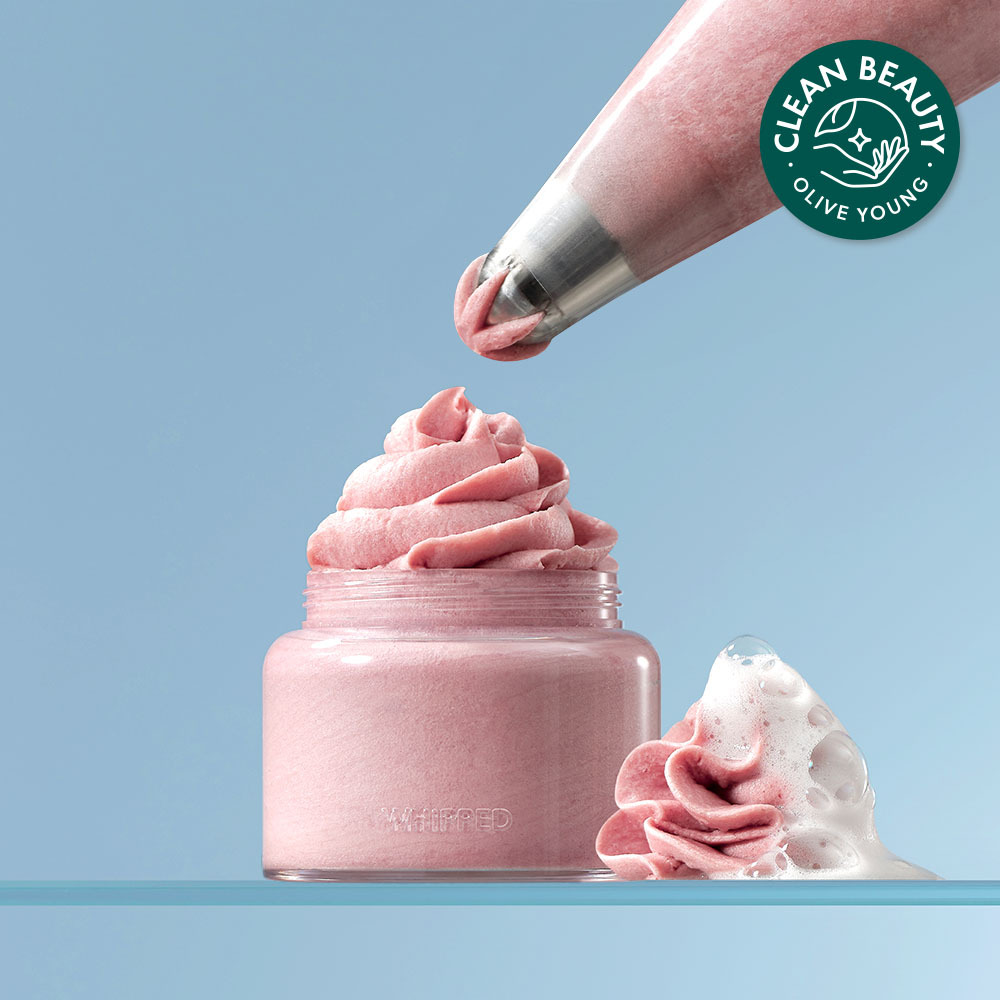
Muhwabutter Vegan Pack Cleanser
Whipped
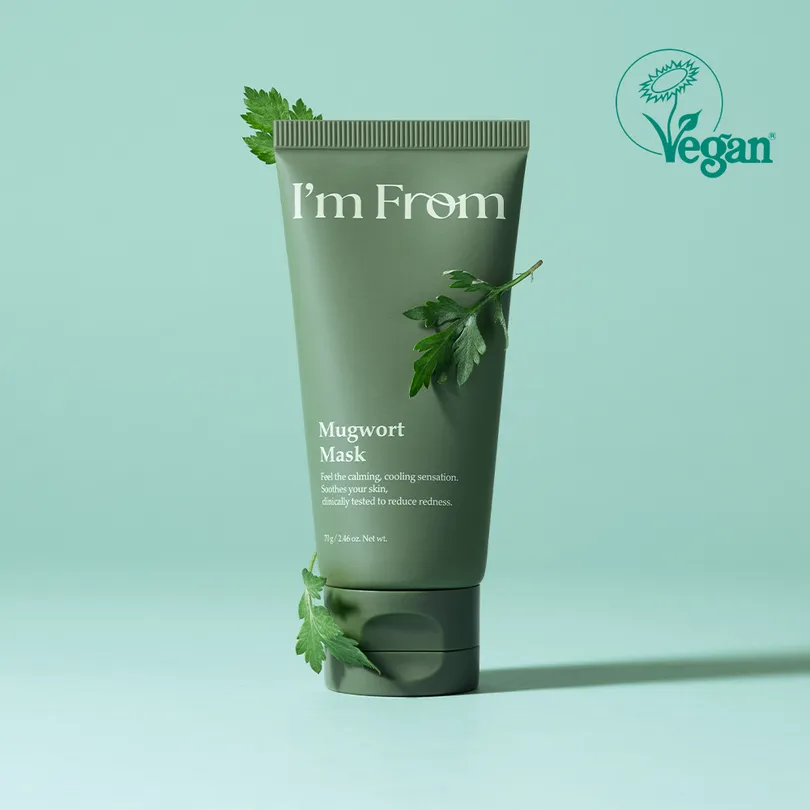
Mugwort Mask
I'm From
Frequently Asked Questions
Is mugwort leaf powder the same as mugwort extract?▼
Can I use mugwort leaf powder if I have a ragweed allergy?▼
Why do so many top-rated mugwort products come from Whipped?▼
Will mugwort leaf powder clog my pores?▼
How quickly can I expect to see results from mugwort leaf powder?▼
Explore More
Want personalized ingredient advice?
Yuri, our AI beauty advisor, can tell you how Mugwort Leaf Powder works with your specific skin type, routine, and concerns.
Ask Yuri, free