Mugwort Oil
INCI: Artemisia Vulgaris Oil
Anti-inflammatory and soothing botanical oil
About Mugwort Oil
Mugwort oil, derived from the Artemisia vulgaris plant, is a botanical powerhouse in K-beauty known for its potent anti-inflammatory and skin-soothing properties. This essential oil has been a staple in traditional Korean medicine for centuries, and modern formulations leverage its bioactive compounds like flavonoids, polyphenols, and volatile oils to calm irritated skin, reduce redness, and support the skin barrier. With a safety rating of 3/5 and comedogenic rating of 2/5, mugwort oil strikes a balance between efficacy and gentleness, making it suitable for most skin types when properly formulated. You'll find it in 87 K-beauty products on Seoul Sister, particularly in cleansing oils and foam cleansers where its calming effects complement the cleansing process. Top-rated products like Redence's Green Grape Pore Scaling Cleansing Oil and Dewytree's Hi Amino All Cleansing Oil both earn perfect 5.0/5 scores, demonstrating how effectively mugwort oil can be incorporated into daily skincare routines. While it's celebrated for reducing inflammation and sensitivity, the moderate comedogenic rating means those with very acne-prone skin should patch test first and monitor how their skin responds.
How Mugwort Oil Works
Mugwort oil works at the cellular level by modulating inflammatory pathways in the skin. Its active compounds, particularly jaceosidin and eupatilin (flavonoids unique to Artemisia species), inhibit the production of pro-inflammatory cytokines like TNF-alpha and IL-6. This means when your skin encounters irritants or allergens, mugwort oil helps suppress the inflammatory cascade before it escalates into visible redness or sensitivity. The oil's polyphenols also act as antioxidants, neutralizing free radicals that can damage cellular membranes and accelerate aging. Additionally, mugwort oil contains small amounts of camphor and thujone, volatile compounds that provide a mild antimicrobial effect while improving microcirculation in the skin. This increased blood flow supports healing and gives skin a healthier appearance. The oil's lipophilic nature allows it to penetrate the lipid barrier of the stratum corneum, delivering these bioactive compounds directly to the deeper layers of the epidermis where inflammation begins.
Mugwort Oil by Skin Type
Oily Skin
Mugwort oil's moderate comedogenic rating (2/5) means it can work for oily skin when used in rinse-off products like cleansing oils or foams, where it won't sit on skin long enough to potentially clog pores. Its anti-inflammatory properties can actually help calm the reactive inflammation that often accompanies oiliness and breakouts. If you have oily skin, stick to cleansers containing mugwort oil rather than leave-on serums or moisturizers.
Dry Skin
Dry skin benefits significantly from mugwort oil's combination of soothing and barrier-supporting properties. The oil provides lightweight hydration while its anti-inflammatory compounds reduce the irritation and sensitivity that often accompany dryness. It works especially well in cleansing oils for dry skin, gently removing impurities without stripping natural oils, as seen in highly-rated products like the Hi Amino All Cleansing Oil.
Combo Skin
Combination skin thrives with mugwort oil because it addresses multiple concerns without overwhelming any one zone. The oil soothes reactive T-zone areas prone to irritation while providing gentle nourishment to drier cheek areas. In cleansing formulations, it effectively removes excess sebum from oily zones without dehydrating drier patches, making it ideal for the balancing act combination skin requires.
Sensitive Skin
This is where mugwort oil truly shines. Sensitive skin responds exceptionally well to its anti-inflammatory and antioxidant properties, which help calm reactivity and strengthen the skin's defense mechanisms. The oil's traditional use in treating skin irritations translates well to modern sensitive skin concerns like redness, stinging, and environmental sensitivity. Products like KAINE's Rosemary Relief Gel Cleanser (4.9/5) combine mugwort oil with other calming ingredients specifically for sensitive skin needs.
Normal Skin
Normal skin can use mugwort oil as a preventative measure to maintain skin health and resilience. Its antioxidant properties protect against environmental stressors while its anti-inflammatory compounds keep skin balanced and calm. For normal skin, mugwort oil works well in any product format, from cleansers to leave-on treatments, supporting long-term skin health without causing issues.
How to Use Mugwort Oil
- 1Start with mugwort oil in cleansing products (oils, foams, balms) before trying leave-on formulations, especially if you're acne-prone, since the moderate comedogenic rating is less of a concern in rinse-off products.
- 2Pair mugwort oil with other calming ingredients like centella asiatica or green tea for amplified soothing effects, particularly if you're dealing with active irritation or post-procedure sensitivity.
- 3Use mugwort oil-containing products in your evening routine when skin is most receptive to repair and anti-inflammatory compounds can work overnight without environmental interference.
- 4If you have very oily or acne-prone skin, patch test for two weeks on a small area before applying mugwort oil products all over your face to ensure your skin tolerates the comedogenic rating well.
Background
Mugwort (Artemisia vulgaris) has been used in traditional Korean medicine for over a thousand years, where it's known as 'ssuk.' In Korean culture, mugwort was burned during moxibustion treatments, consumed as tea, and applied topically to treat wounds and skin inflammations. Ancient Korean texts document its use for reducing fever and calming 'hot' skin conditions, recognizing its cooling, anti-inflammatory properties long before modern science identified the specific compounds responsible. The plant grows abundantly throughout Korea, and traditional practices included steaming the face over boiled mugwort water to purify and calm the skin. K-beauty brands began incorporating mugwort extract and oil into modern formulations in the early 2000s as the industry rediscovered traditional herbal ingredients. Today, mugwort is experiencing a major renaissance in Korean skincare, with brands like I'm From, Missha, and Real Barrier featuring it prominently as consumers seek natural, time-tested ingredients backed by both tradition and scientific research.
K-Beauty Products with Mugwort Oil
View all 97 →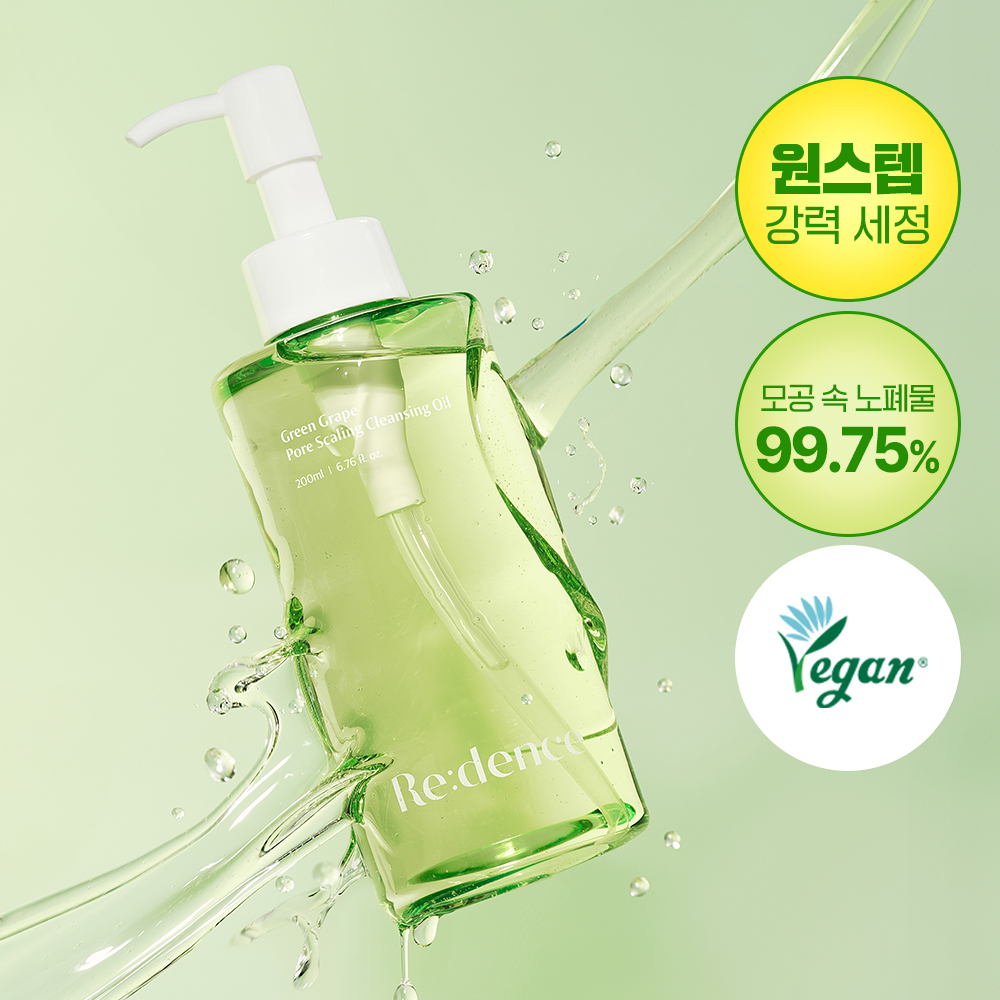
Green Grape Pore Scaling Cleansing Oil
Redence
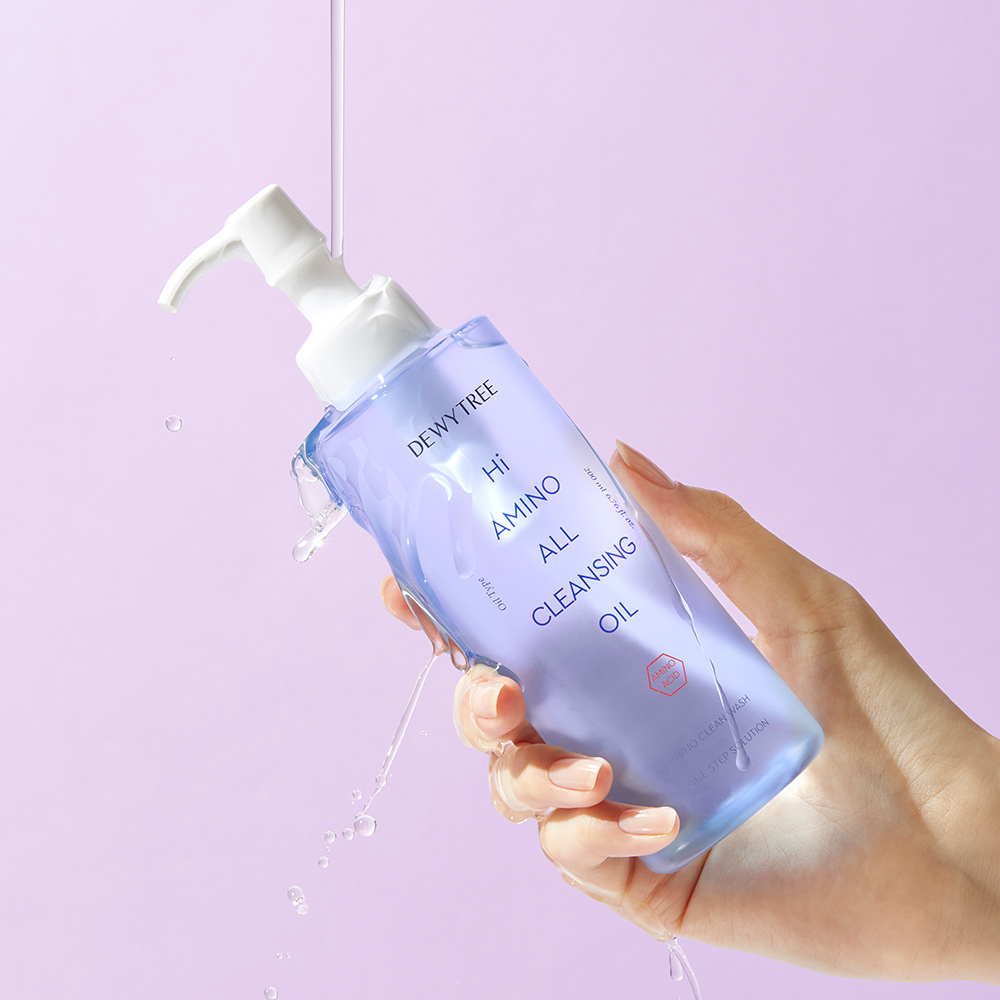
Hi Amino All Cleansing Oil
Dewytree
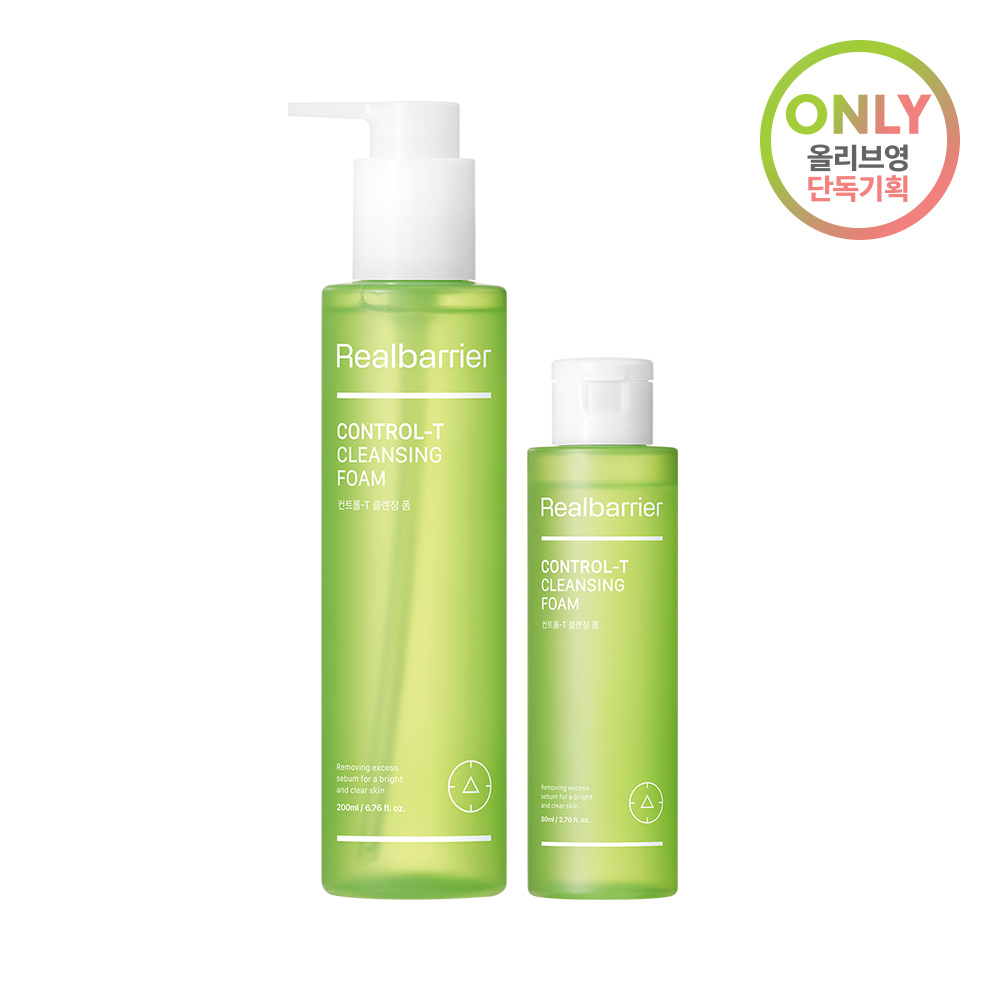
Control-T Cleansing Foam
Real Barrier
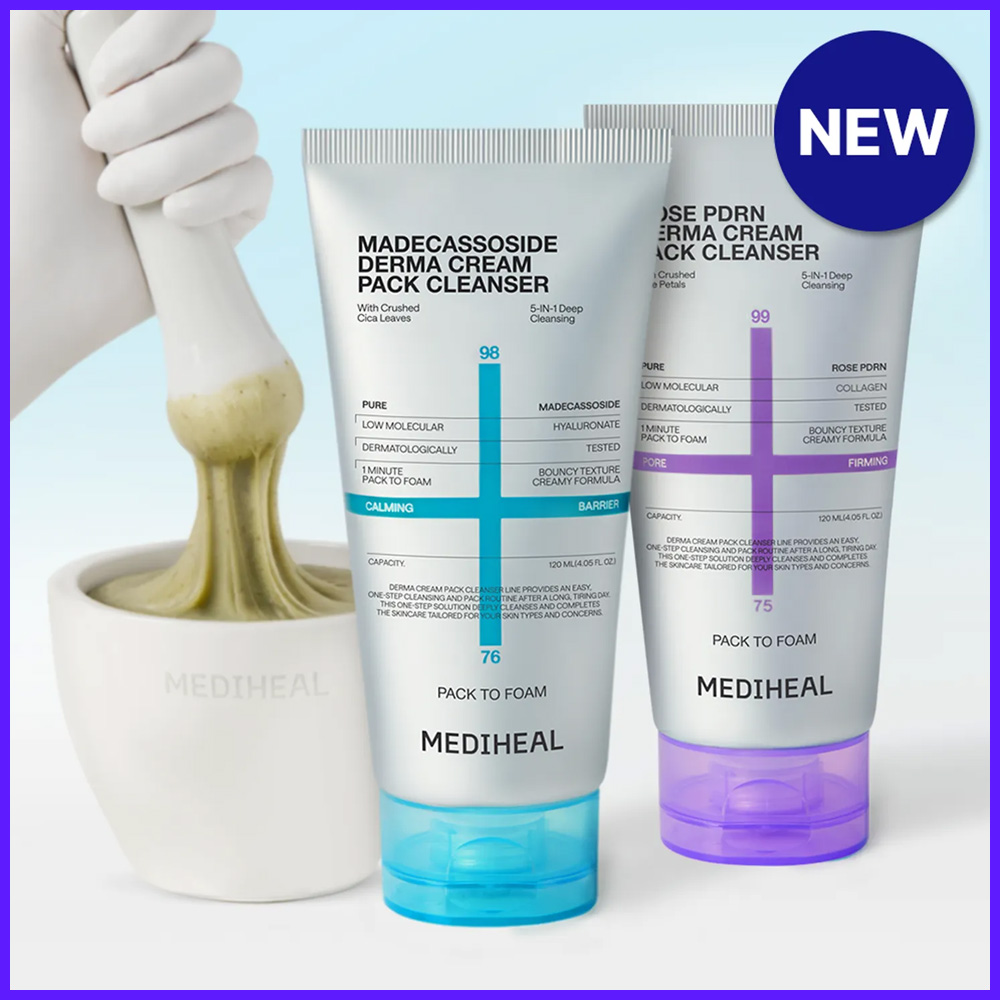
Derma Cream Pack Cleanser
Mediheal
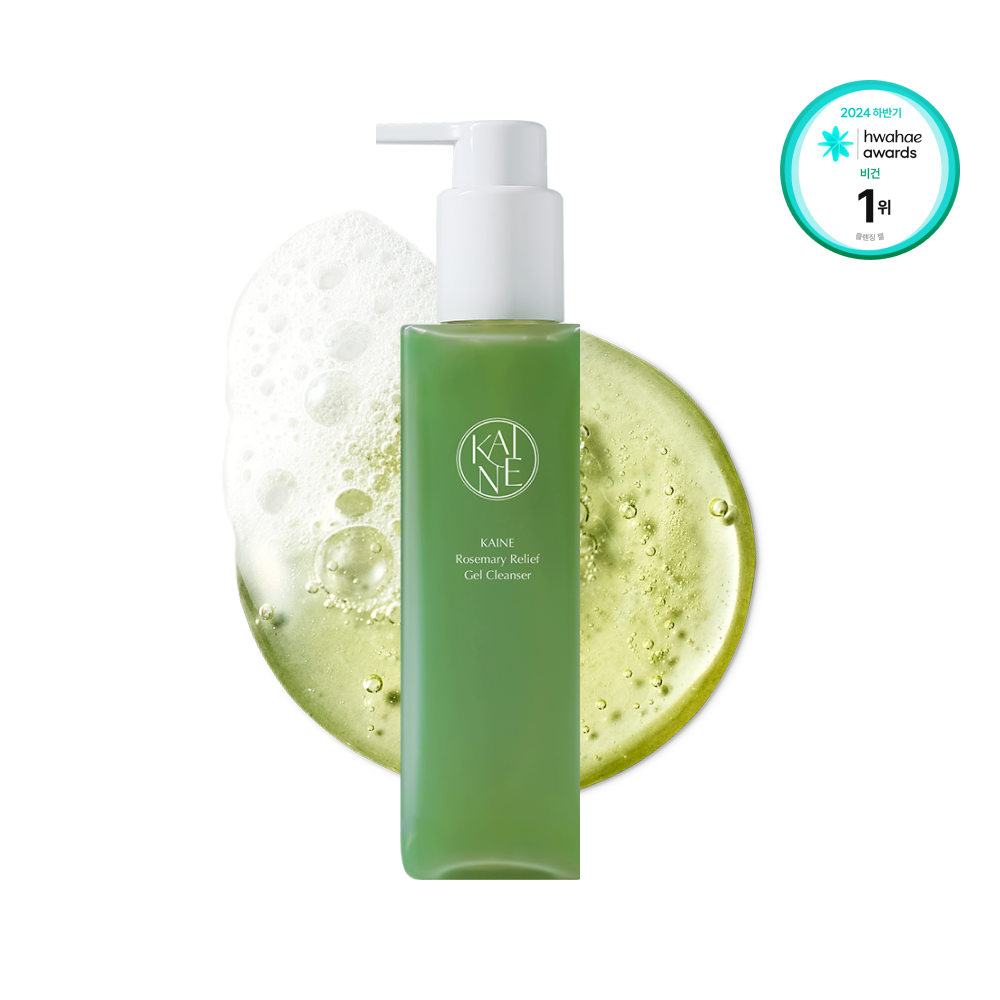
Rosemary Relief Gel Cleanser
KAINE

Madecassoside Blemish Repair Serum
Mediheal

Deep Melting Mud Pore Cleansing Oil
Banila Co
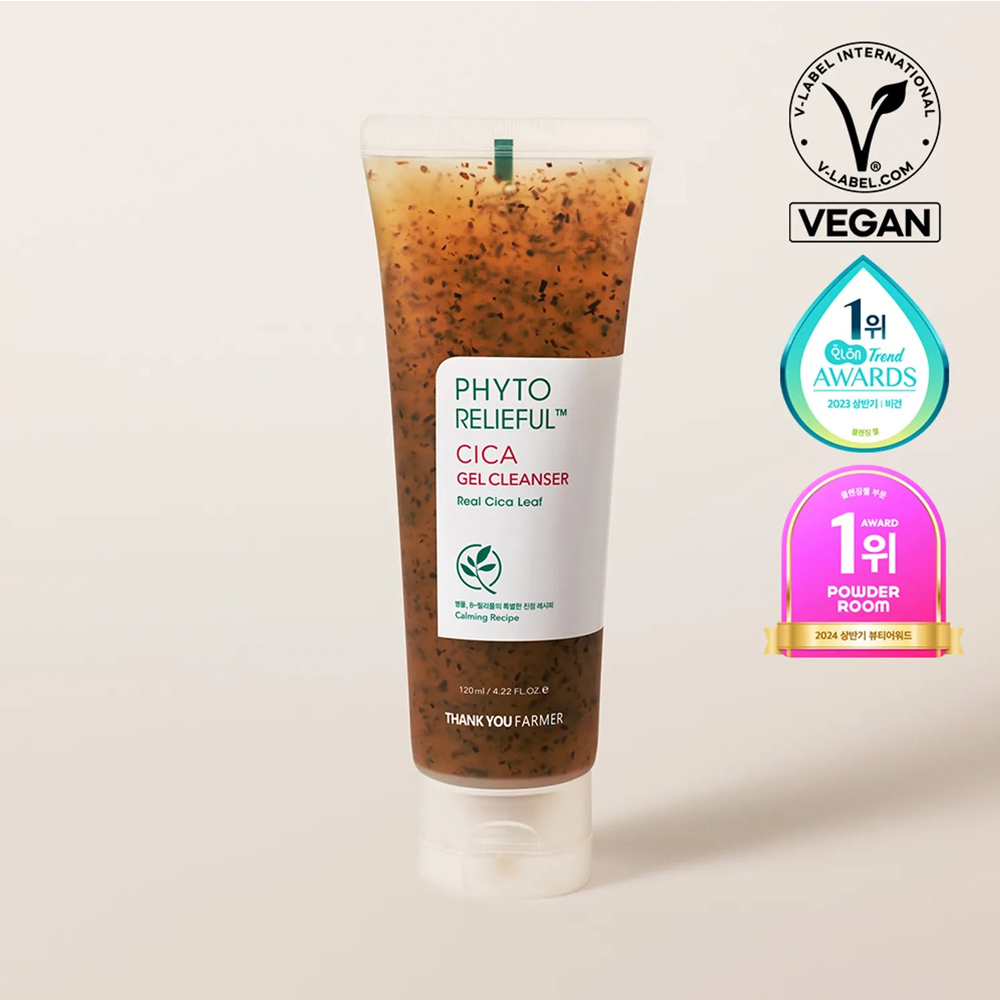
Phyto Relieful Cica Gel Cleanser
Thank You Farmer
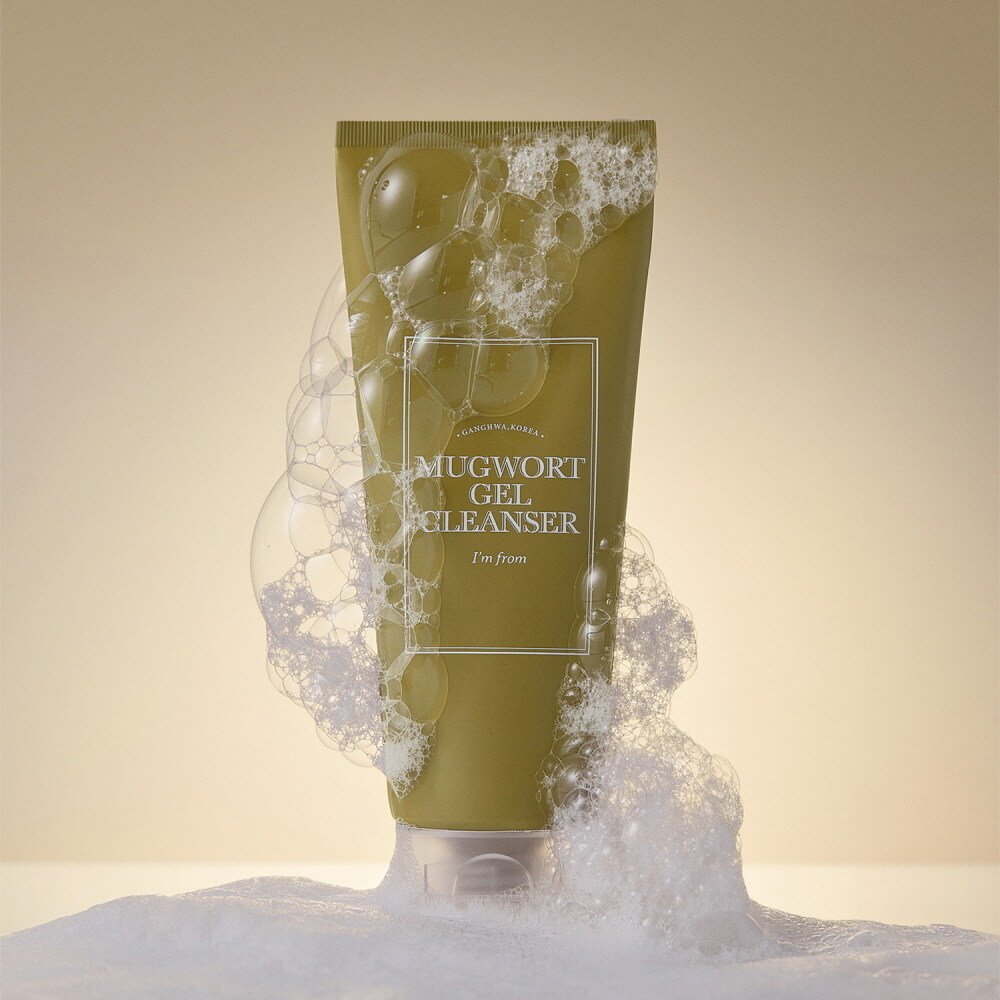
Mugwort Gel Cleanser
I'm From

Clean & Glow Green Barley LHA Deep Cleansing Oil Set
Banila Co
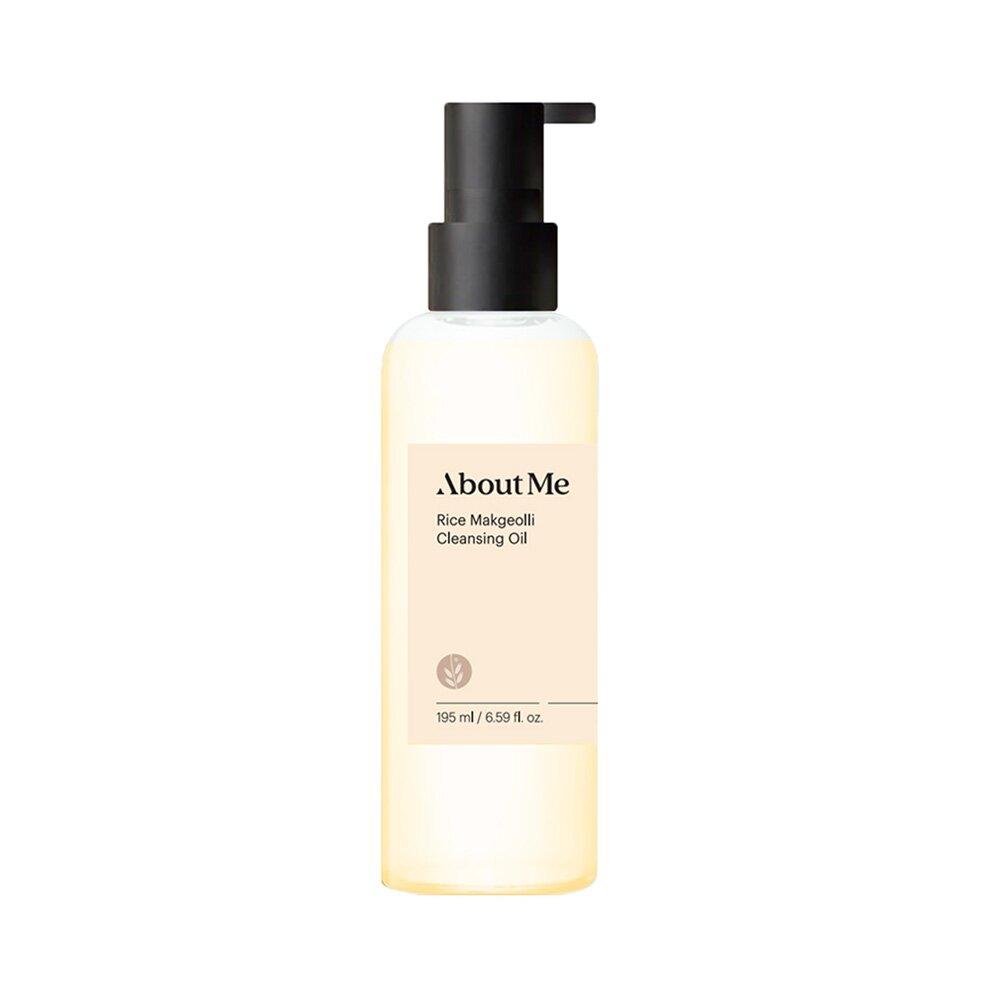
AboutMe Rice Makgeolli Cleansing Oil
Banila Co
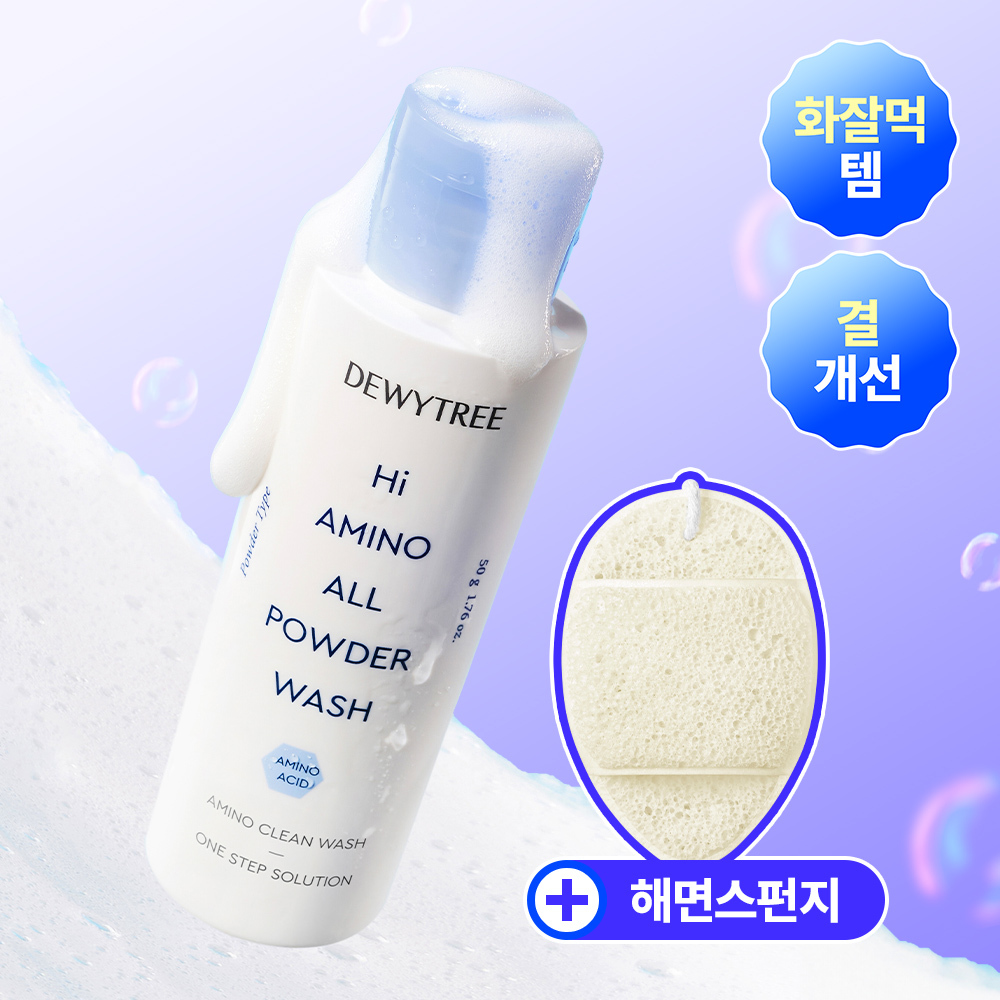
Hi Amino All Powder Wash
Dewytree
Frequently Asked Questions
Is mugwort oil safe for acne-prone skin?▼
What's the difference between mugwort extract and mugwort oil?▼
Can I use mugwort oil if I'm allergic to ragweed?▼
How quickly does mugwort oil reduce redness and irritation?▼
Explore More
Want personalized ingredient advice?
Yuri, our AI beauty advisor, can tell you how Mugwort Oil works with your specific skin type, routine, and concerns.
Ask Yuri, free