Vitamin C Polypeptide
INCI: Ascorbic Acid Polypeptide
Antioxidant and collagen synthesis booster
About Vitamin C Polypeptide
Vitamin C Polypeptide is a next-generation form of vitamin C that combines ascorbic acid with amino acid chains to create a more stable, skin-friendly antioxidant powerhouse. Unlike traditional L-ascorbic acid that can oxidize quickly and irritate sensitive skin, this polypeptide-bound version delivers all the brightening and anti-aging benefits of vitamin C while maintaining stability in formulations and playing nicely with other actives. In K-beauty, it's become a go-to for brands like Bioheal BOH and Numbuzin that prioritize both efficacy and gentle delivery. The polypeptide attachment serves a dual purpose: it protects the ascorbic acid from degradation while also supporting collagen production through the peptide component itself. This makes it particularly effective for addressing multiple signs of aging simultaneously, from dark spots and dullness to fine lines and loss of firmness. With a non-comedogenic rating of 0/5 and presence in 43 K-beauty products, it's proven versatile enough for everything from lightweight sun serums to rich repair creams. The safety rating of 4/5 reflects its excellent tolerability compared to traditional vitamin C forms, though some users with extremely reactive skin may still need to introduce it gradually.
How Vitamin C Polypeptide Works
At the molecular level, Vitamin C Polypeptide functions as both an electron donor and a collagen synthesis catalyst. The ascorbic acid component neutralizes free radicals by donating electrons to unstable molecules generated by UV exposure, pollution, and natural metabolic processes. This antioxidant action prevents oxidative damage to cellular membranes and DNA, which manifests visibly as premature aging and hyperpigmentation. Simultaneously, ascorbic acid acts as a cofactor for prolyl hydroxylase and lysyl hydroxylase, enzymes essential for stabilizing collagen's triple helix structure during synthesis. The polypeptide chains attached to the ascorbic acid enhance penetration through the stratum corneum by mimicking the skin's natural amino acid signals, allowing deeper dermal delivery. These peptides also independently stimulate fibroblast activity, the cells responsible for producing new collagen and elastin. Additionally, vitamin C inhibits tyrosinase, the enzyme that triggers melanin production, which explains its effectiveness in fading dark spots and preventing new hyperpigmentation. The polypeptide bond protects ascorbic acid from oxidation in the bottle and on skin, maintaining potency far longer than unstabilized forms.
Vitamin C Polypeptide by Skin Type
Oily Skin
Vitamin C Polypeptide works exceptionally well for oily skin due to its zero comedogenic rating and lightweight molecular structure. The antioxidant properties help protect sebum from oxidizing into pore-clogging compounds, while the brightening effects address post-acne marks common in oily skin types. Products like Anua's Slowpure Glow Up Fluid Sun Serum incorporate it into oil-free formulations that layer beautifully without heaviness.
Dry Skin
For dry skin, the collagen-boosting properties of Vitamin C Polypeptide help strengthen the moisture barrier by supporting the structural proteins that prevent transepidermal water loss. The peptide component provides additional hydration signaling, making it ideal in richer formulations like Bioheal BOH's Panthecell Repair Cicasome Cream Set. However, dry skin types should pair it with ceramides or hyaluronic acid, as vitamin C alone doesn't provide direct humectant benefits.
Combo Skin
Combination skin gets the best of both worlds with Vitamin C Polypeptide since it addresses both oily T-zone concerns and dry cheek needs without tipping the balance either way. Its non-comedogenic nature prevents breakouts in oilier areas while the anti-aging benefits work uniformly across the face. Essence formulations like Numbuzin's No. 9 NAD Bio Lifting-sil Essence offer the perfect texture for combination skin, absorbing quickly without residue.
Sensitive Skin
The polypeptide-bound structure makes this form of vitamin C significantly gentler than traditional ascorbic acid, though sensitive skin should still introduce it slowly. The stability prevents the pH drops that typically irritate reactive skin, and the added peptides provide soothing benefits. If you've reacted to pure vitamin C serums before, products with Vitamin C Polypeptide in lower concentrations within hydrating bases are worth trying, though patch testing remains essential.
Normal Skin
Normal skin can handle Vitamin C Polypeptide easily and will see comprehensive benefits including brightness, firmness, and antioxidant protection. This is the ideal ingredient for maintaining youthful skin before major aging signs appear. Normal skin types can experiment with higher concentrations and layering it with other actives like niacinamide without concern, as seen in the highly-rated NAD-Prizcell Glow Power Serum formulations.
How to Use Vitamin C Polypeptide
- 1Apply Vitamin C Polypeptide products in the morning to maximize antioxidant protection against daily environmental stressors, though it's stable enough for evening use as well.
- 2Layer it before heavier creams but after toners and essences to ensure optimal absorption of the peptide-bound molecules through properly hydrated skin.
- 3Unlike traditional vitamin C, this form plays well with niacinamide and doesn't require specific pH timing, making it easier to incorporate into multi-step K-beauty routines.
- 4Store products in cool, dry places away from direct sunlight, though the polypeptide bond makes these formulations far more stable than pure ascorbic acid serums that turn orange when oxidized.
- 5Start with once-daily application if new to vitamin C derivatives, gradually increasing to twice daily as your skin builds tolerance and you confirm no sensitivity.
Background
Vitamin C Polypeptide emerged from cosmetic chemistry research in the early 2010s as scientists sought to solve the notorious instability problems of L-ascorbic acid. Traditional vitamin C serums would oxidize within weeks of opening, turning brown and losing efficacy, which frustrated both formulators and consumers. By binding ascorbic acid to short chains of amino acids (polypeptides), chemists created a molecule that maintained vitamin C's benefits while dramatically improving shelf stability and skin tolerability. K-beauty brands were early adopters of this technology, incorporating it into advanced anti-aging lines that emphasized gentle yet effective actives. The rise of Vitamin C Polypeptide coincided with K-beauty's broader shift toward biomimetic ingredients that work with skin's natural processes rather than against them. Korean brands like Bioheal BOH and Numbuzin have particularly championed this ingredient, often combining it with other cutting-edge actives like NAD+ for synergistic anti-aging effects.
K-Beauty Products with Vitamin C Polypeptide
View all 46 →
No. 9 NAD Bio Lifting-sil Essence
Numbuzin
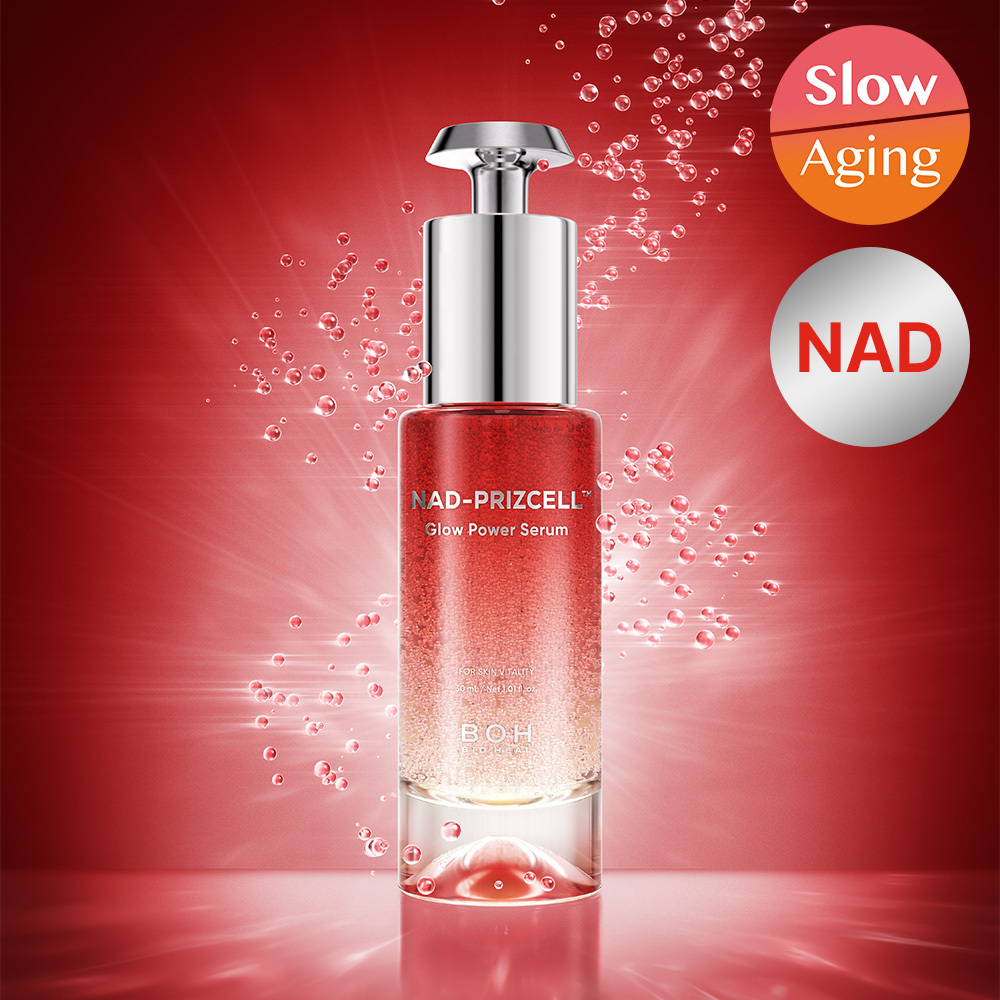
NAD-Prizcell Glow Power Serum
Bioheal BOH
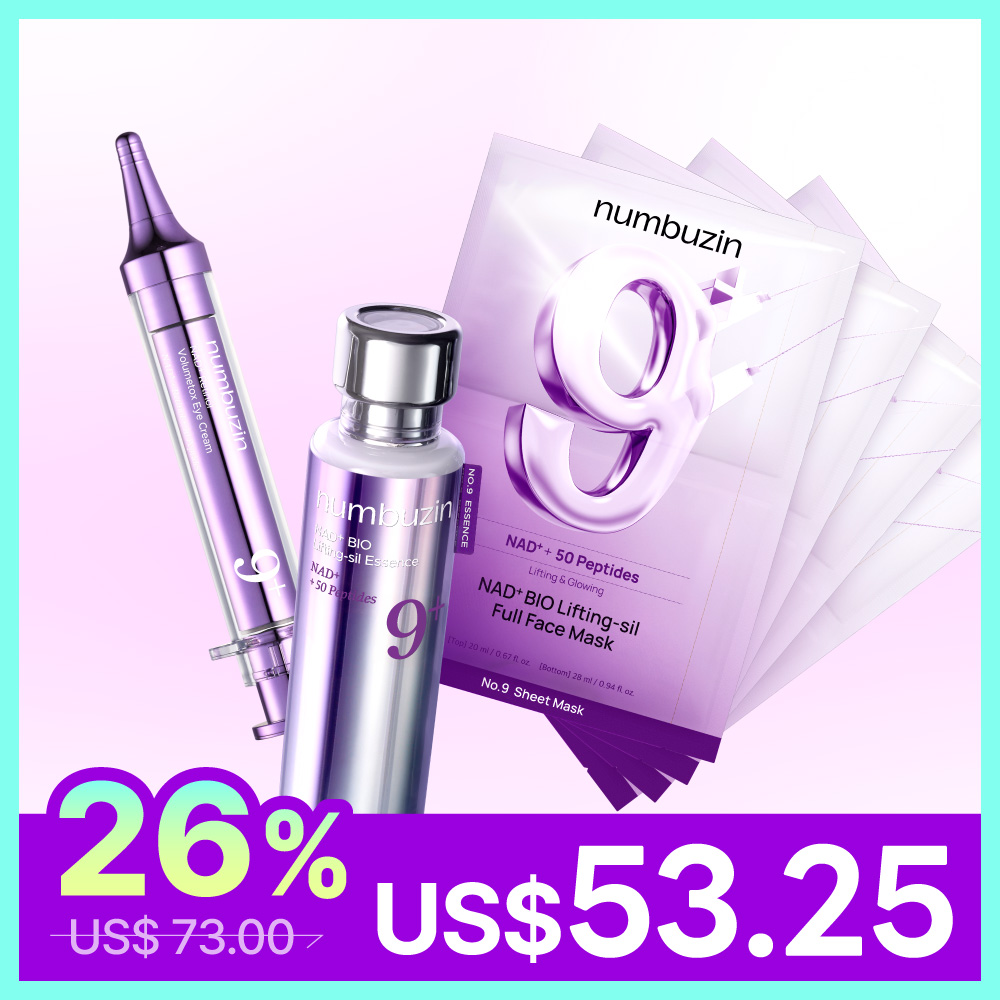
No. 9 NAD Ultimate Lifting Set
Numbuzin
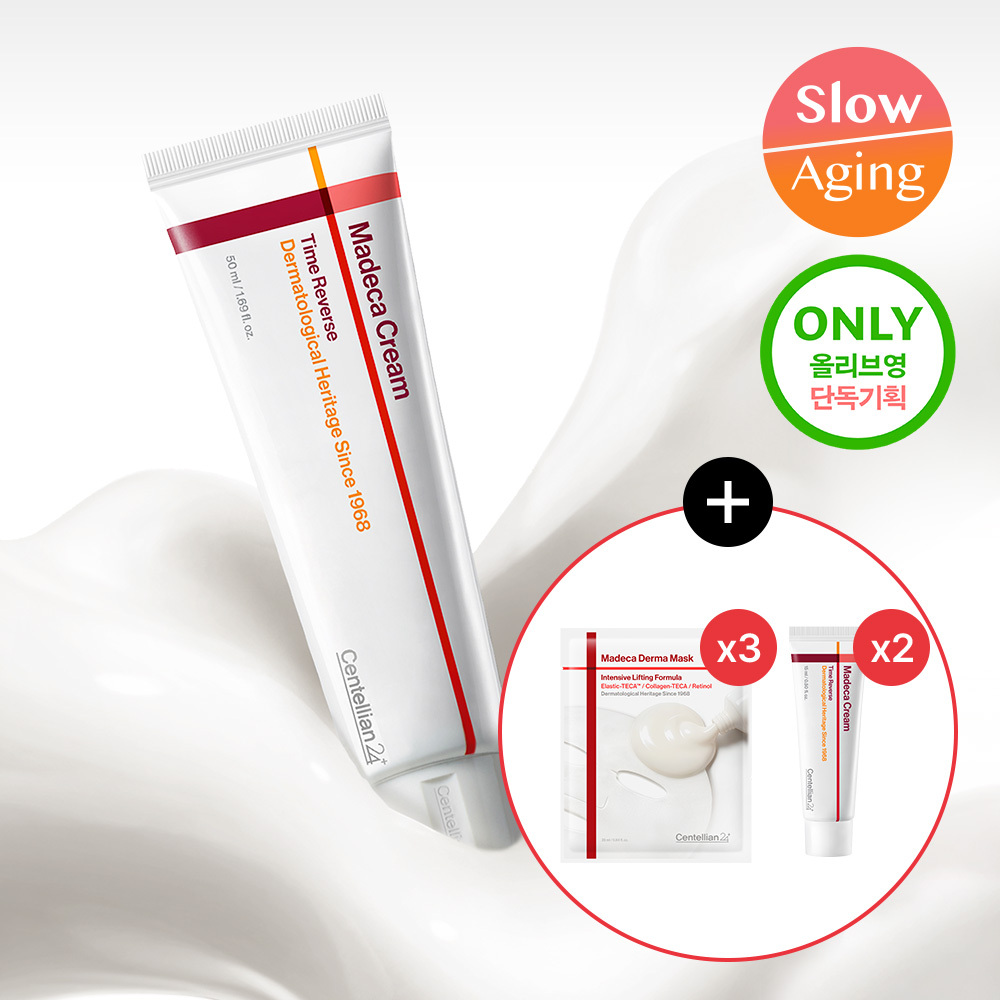
Madeca Cream Time Reverse Set
Centellian24
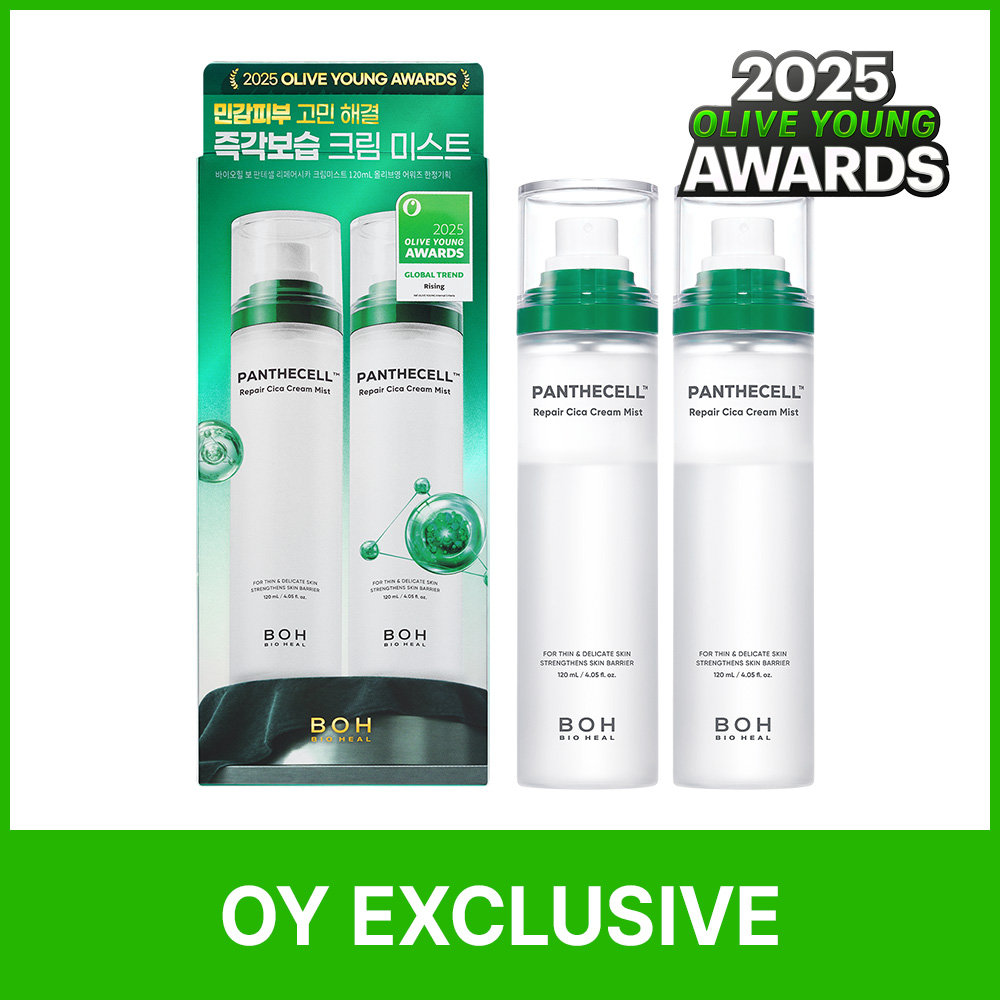
Panthecell Repair Cica Cream Mist
Bioheal BOH
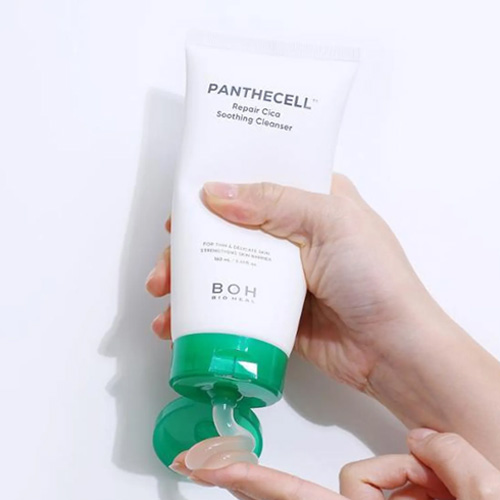
Panthecell Repair Cica Soothing Cleanser Double Pack
Bioheal BOH
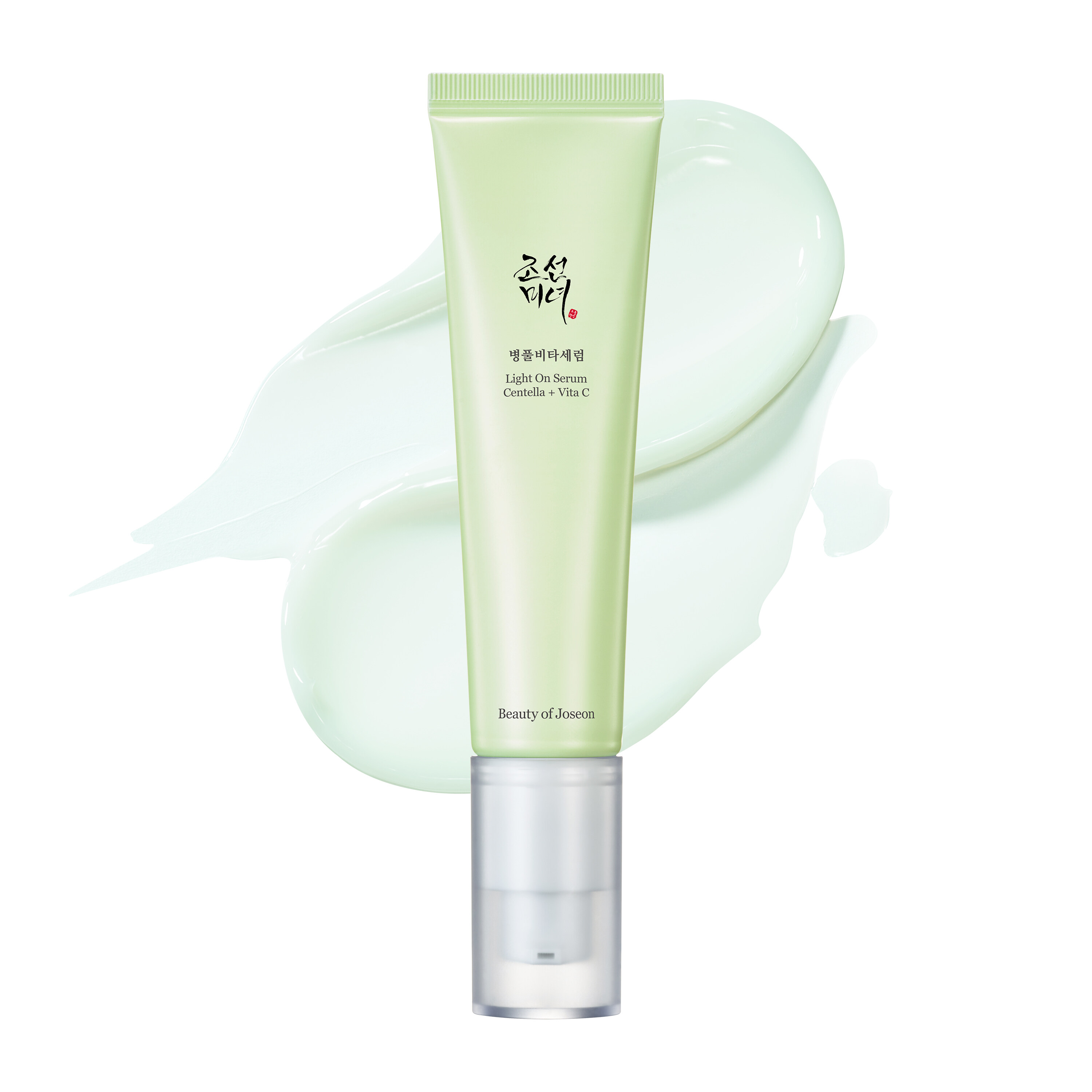
Centella Asiatica Vita Serum
Beauty of Joseon
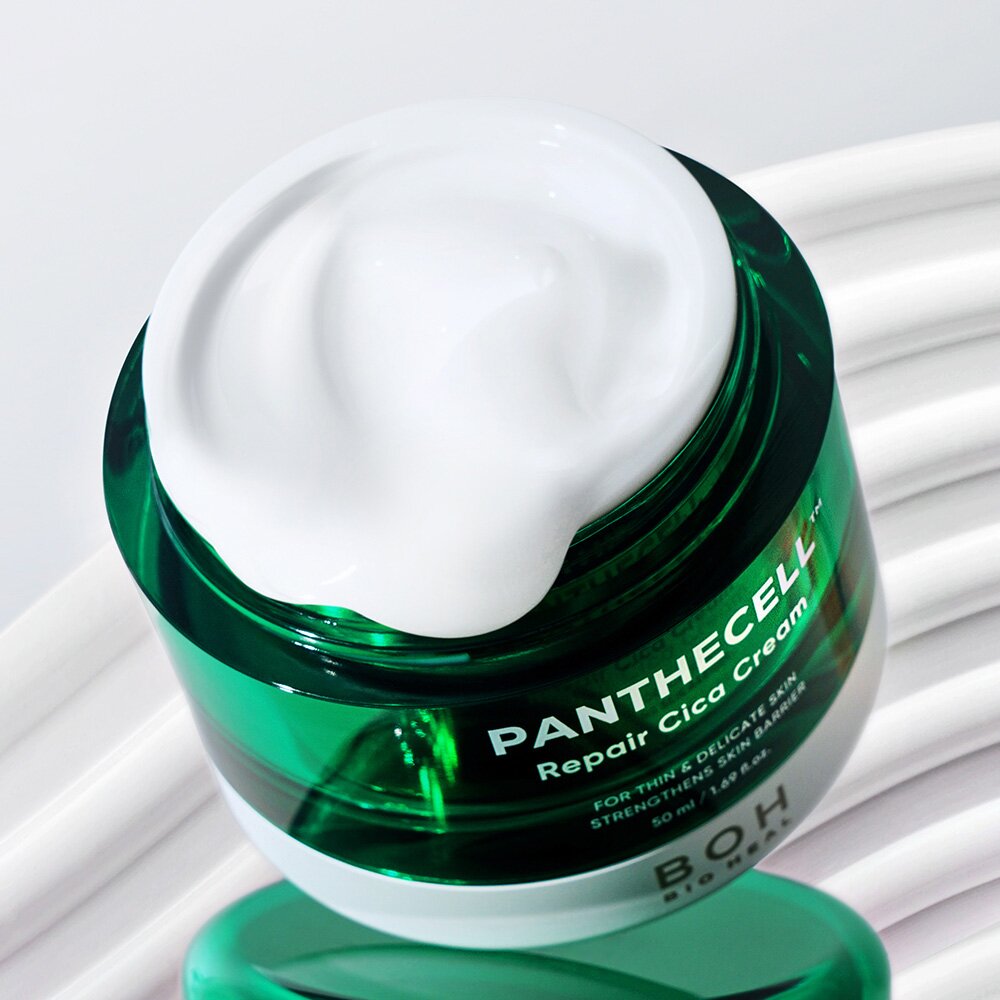
Panthecell Repair Cica Cream
Bioheal BOH
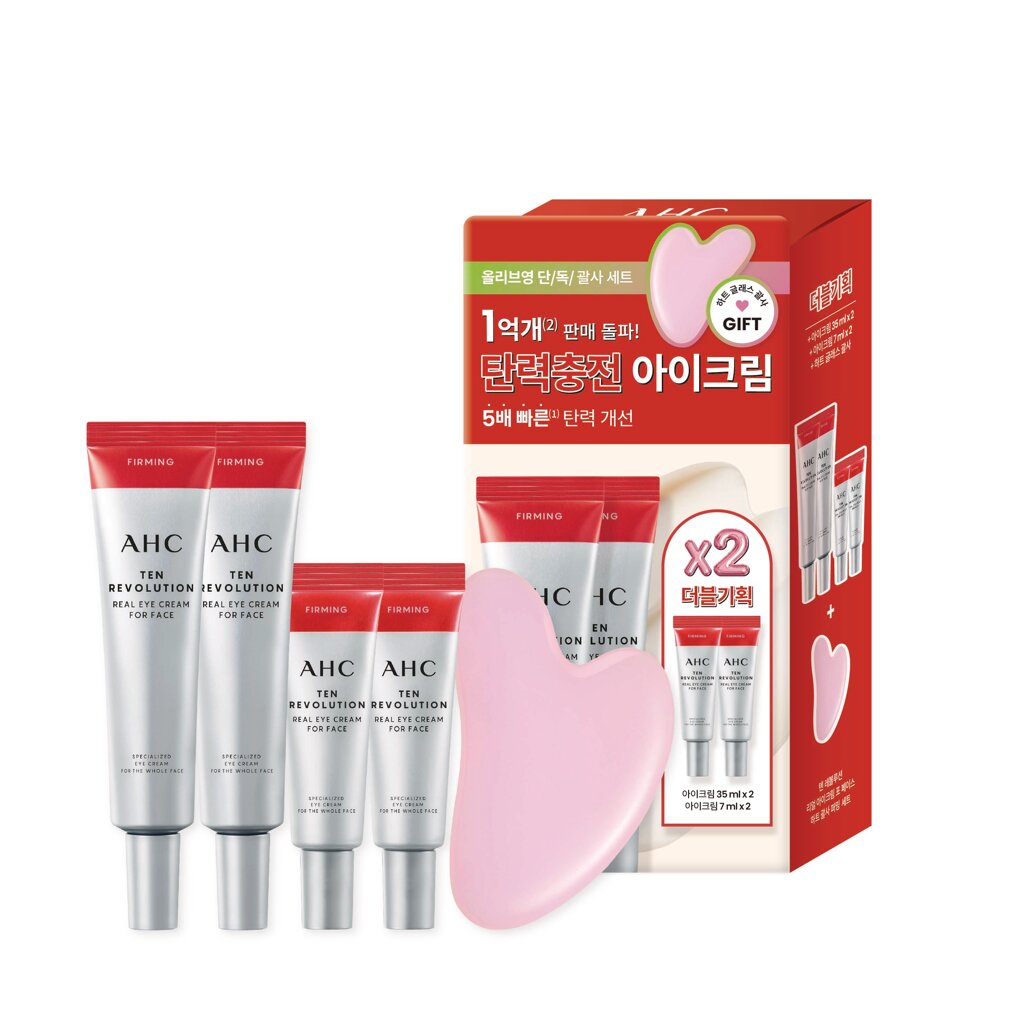
10 Revolution Real Eye Cream For Face
AHC
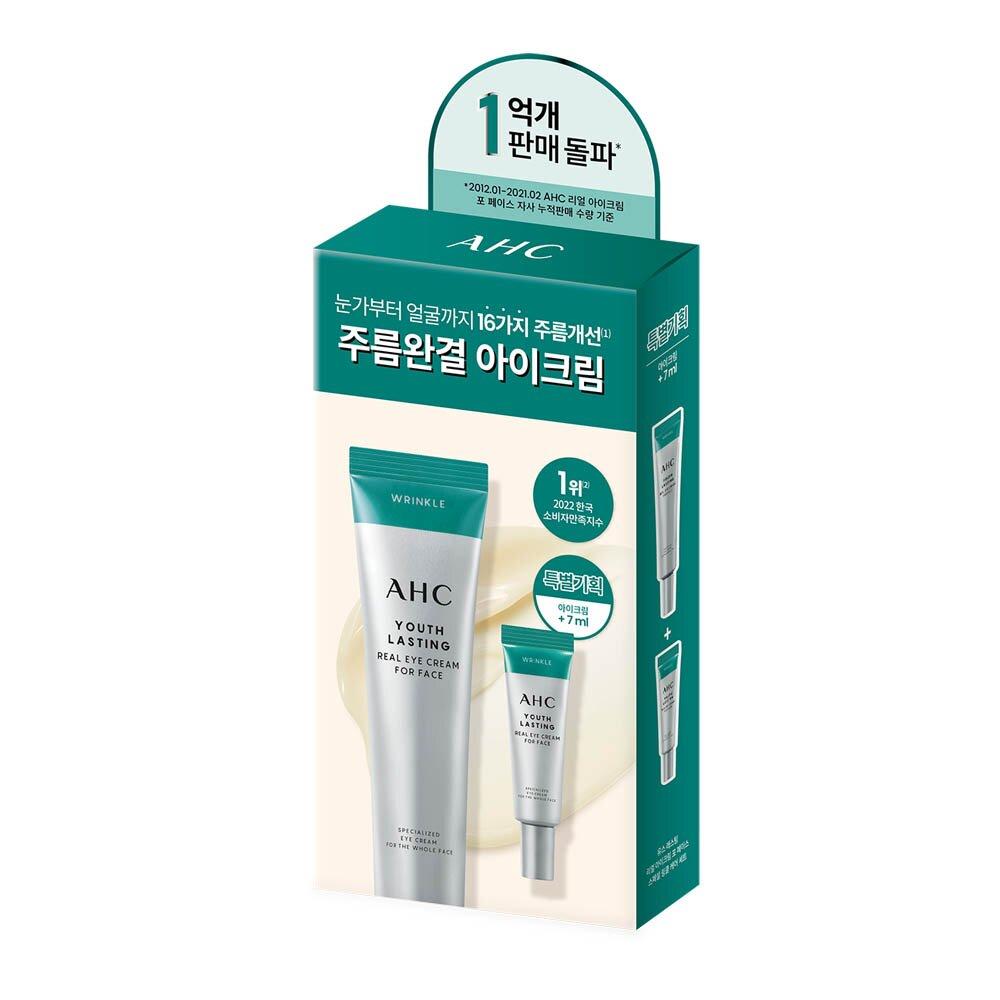
Youth Lasting Real Eye Cream For Face Special Wrinkle Care Set
AHC
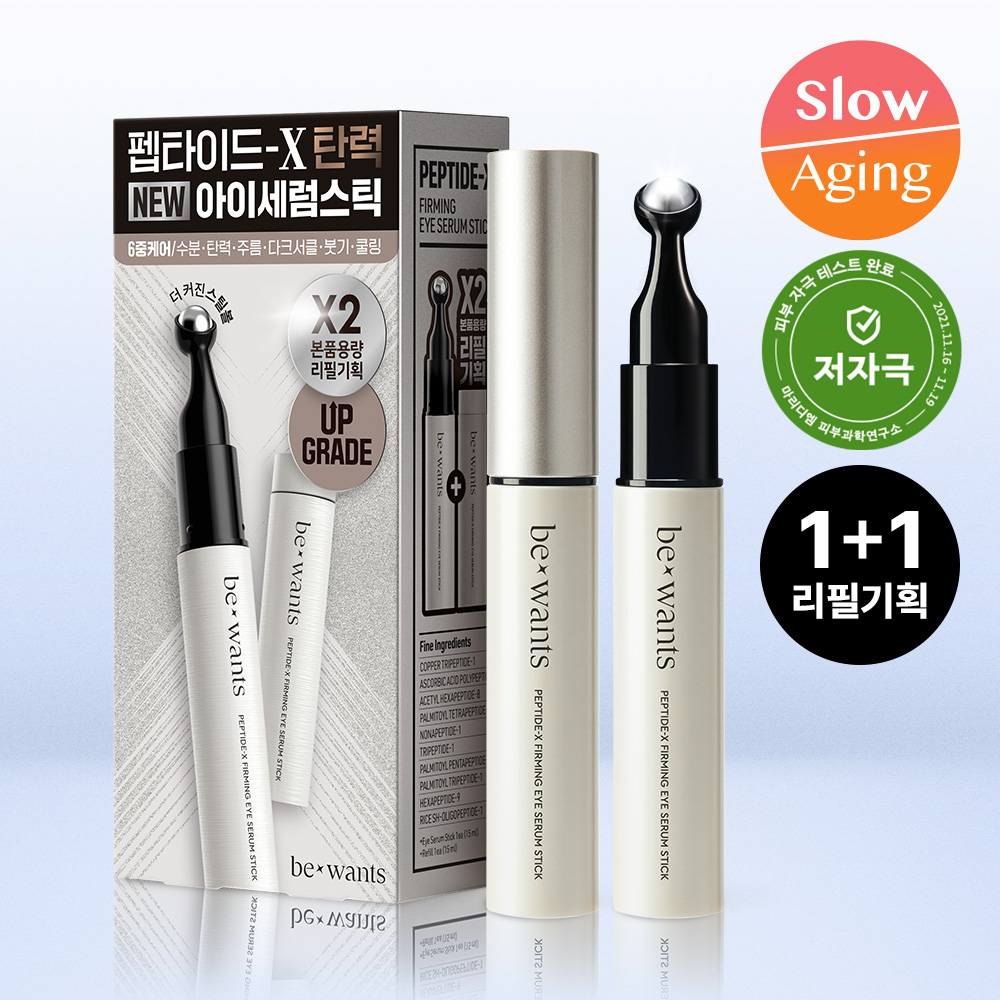
Peptide-X Firming Eye Serum Stick Set
Bewants
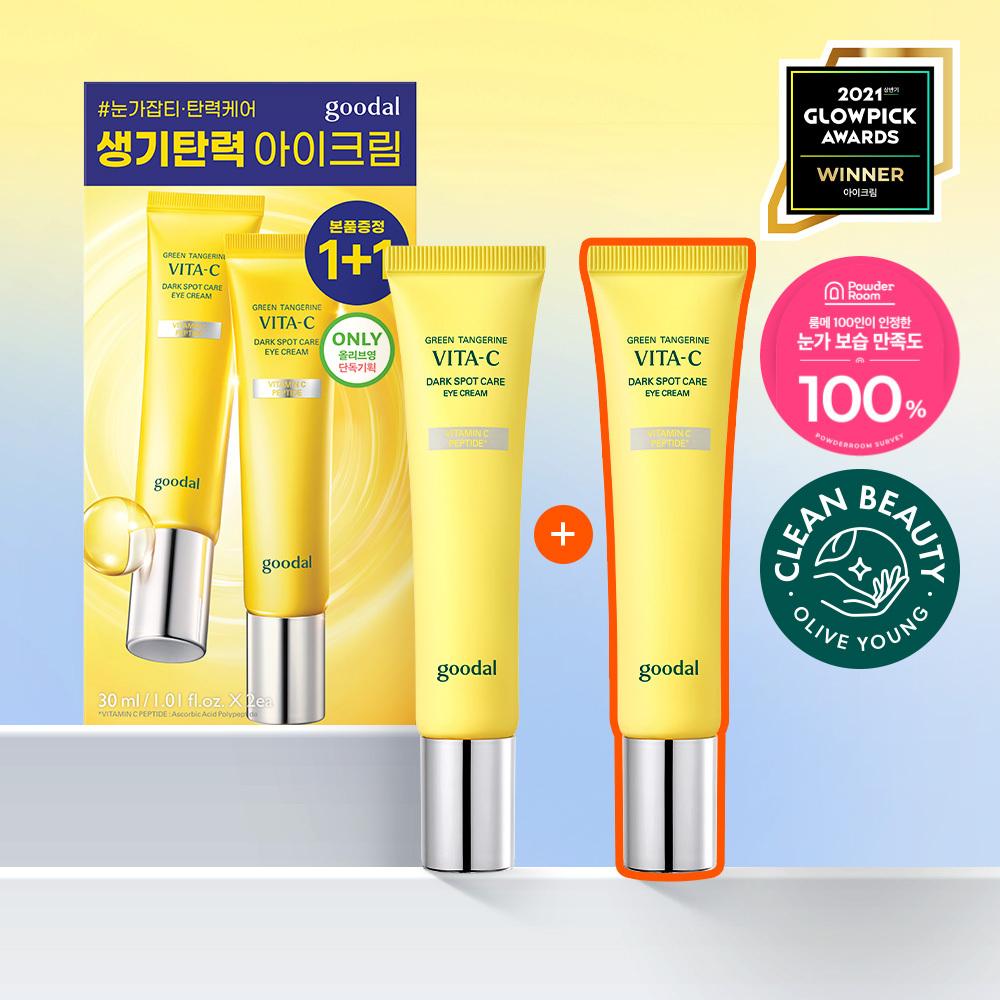
Green Tangerine Vita-C Dark Spot Care Eye Cream
Goodal
Frequently Asked Questions
Is Vitamin C Polypeptide better than regular vitamin C?▼
Can I use Vitamin C Polypeptide with retinol?▼
How long before I see results from Vitamin C Polypeptide?▼
Why do products like Bioheal BOH's Panthecell Repair Cicasome Cream Set rate 5.0/5?▼
Will Vitamin C Polypeptide cause purging or breakouts?▼
Explore More
Want personalized ingredient advice?
Yuri, our AI beauty advisor, can tell you how Vitamin C Polypeptide works with your specific skin type, routine, and concerns.
Ask Yuri, free