Vitamin C Palmitate
INCI: Ascorbyl Palmitate
Antioxidant and stabilizer for formulations
About Vitamin C Palmitate
Vitamin C Palmitate, officially known as Ascorbyl Palmitate, is a fat-soluble form of vitamin C created by combining ascorbic acid with palmitic acid, a fatty acid derived from palm oil or other vegetable sources. Unlike its water-soluble cousin L-ascorbic acid, this lipophilic version integrates seamlessly into oil-based formulas and lipid layers of the skin, making it a workhorse ingredient in K-beauty formulations. While it delivers gentler antioxidant benefits compared to pure ascorbic acid, its true superpower lies in its dual functionality. It protects other active ingredients from oxidation while simultaneously providing skin with its own antioxidant defense against environmental stressors like UV radiation and pollution. In K-beauty, brands value Ascorbyl Palmitate for its formulation-stabilizing properties, which is why you'll find it in 62 products on Seoul Sister, including top-rated items like Dr.G's Green Deep Pore Avocado Pack To Foam and CNP's Propolis Energy Active Ampule, both scoring perfect 5.0 ratings. Its moderate comedogenic rating of 2/5 means it's generally well-tolerated across skin types, though those with very acne-prone skin should patch test first. The ingredient works best when combined with other antioxidants in multi-defense formulas, a strategy K-beauty brands have mastered through their layered skincare approach.
How Vitamin C Palmitate Works
At the molecular level, Ascorbyl Palmitate functions through two primary mechanisms. First, as an antioxidant, it neutralizes free radicals by donating electrons to unstable molecules generated by UV exposure, pollution, and natural metabolic processes. This electron transfer stabilizes reactive oxygen species before they can damage cellular structures like lipid membranes, proteins, and DNA. The palmitate ester portion allows the molecule to penetrate lipid-rich areas of the stratum corneum more effectively than water-soluble vitamin C forms, positioning it within cell membranes where lipid peroxidation typically occurs. Second, as a preservative and stabilizer, it prevents the oxidation of oils and other sensitive ingredients in formulations by sacrificing itself, essentially rusting before the valuable actives do. When applied topically, enzymes in the skin can cleave the ester bond, releasing both ascorbic acid and palmitic acid. However, this conversion is less efficient than direct application of L-ascorbic acid, which is why Ascorbyl Palmitate is valued more for its protective and stabilizing properties than for dramatic brightening or collagen-boosting effects. Its gentler action profile makes it suitable for sensitive skin that might react poorly to high-strength vitamin C serums.
Vitamin C Palmitate by Skin Type
Oily Skin
Oily skin can benefit from Ascorbyl Palmitate's antioxidant protection without the heaviness of some oil-soluble ingredients, particularly in products like Dr.G's Green Deep Pore Avocado Pack To Foam. However, its comedogenic rating of 2/5 means those prone to clogged pores should monitor their skin's response, especially in leave-on products with higher concentrations.
Dry Skin
Dry skin types often see the best results with Ascorbyl Palmitate because its fat-soluble nature helps reinforce the skin's lipid barrier while providing antioxidant benefits. Products like Dr. Jart+'s Ceramidin Ultra Moisturizing Cream pair it with barrier-repairing ingredients for comprehensive moisture retention and environmental protection.
Combo Skin
Combination skin can handle Ascorbyl Palmitate well since it's gentler than pure ascorbic acid and less likely to cause irritation in sensitive zones while still addressing oxidative stress in oilier areas. The key is choosing lighter formulations for daytime and richer creams for nighttime if needed.
Sensitive Skin
Sensitive skin often tolerates Ascorbyl Palmitate better than direct vitamin C because it's less acidic and less likely to trigger irritation or redness. Products like AMPLE:N's Blemi Shot Cream and Dr.G's Red Blemish line (both rated 5.0/5) demonstrate how this ingredient can deliver antioxidant benefits without compromising sensitive skin's comfort level.
Normal Skin
Normal skin types can incorporate Ascorbyl Palmitate easily as part of a preventative antioxidant strategy. It works well in both morning routines for environmental protection and evening routines for overnight repair, complementing other actives without overwhelming the skin.
How to Use Vitamin C Palmitate
- 1Layer Ascorbyl Palmitate products in the morning under sunscreen for enhanced UV protection, as antioxidants work synergistically with SPF to minimize free radical damage.
- 2Look for products that combine it with other antioxidants like vitamin E (tocopherol) or ferulic acid for amplified protective benefits through antioxidant networking.
- 3If you have acne-prone skin, start with rinse-off products containing Ascorbyl Palmitate (like cleansers or masks) before graduating to leave-on formulas to assess your skin's tolerance.
- 4Store products containing this ingredient in cool, dark places and use within the recommended timeframe, as even stable vitamin C derivatives can degrade with prolonged exposure to heat and light.
Background
Ascorbyl Palmitate emerged in the skincare world as formulators sought more stable, skin-compatible alternatives to pure L-ascorbic acid, which oxidizes rapidly and can irritate sensitive skin at effective concentrations. By esterifying ascorbic acid with palmitic acid, a naturally occurring fatty acid found in palm oil, coconut oil, and even human skin sebum, chemists created a hybrid molecule in the mid-20th century that could penetrate lipid barriers and resist degradation. K-beauty brands embraced this derivative not for dramatic brightening claims but for its practical formulation benefits, using it to extend product shelf life and protect expensive botanical extracts and oils from oxidation. The Korean skincare philosophy of gentle, consistent care over aggressive treatments made Ascorbyl Palmitate an ideal fit, particularly as brands developed sophisticated multi-step routines requiring stable, compatible ingredients that wouldn't destabilize each other. Today, it appears across product categories from cleansers to creams, valued more as a protective workhorse than a marquee active.
K-Beauty Products with Vitamin C Palmitate
View all 69 →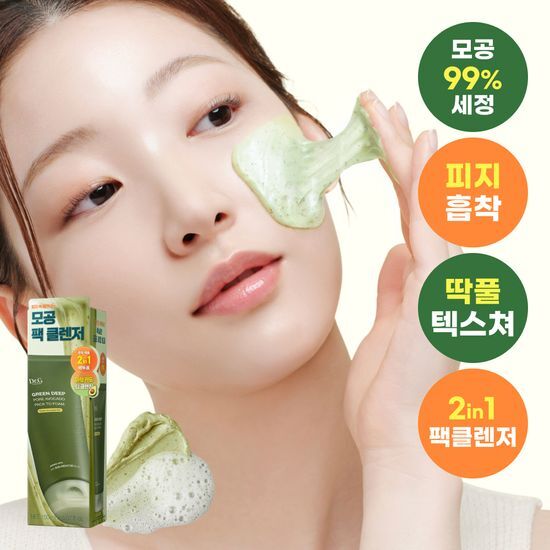
Green Deep Pore Avocado Pack To Foam
Dr.G
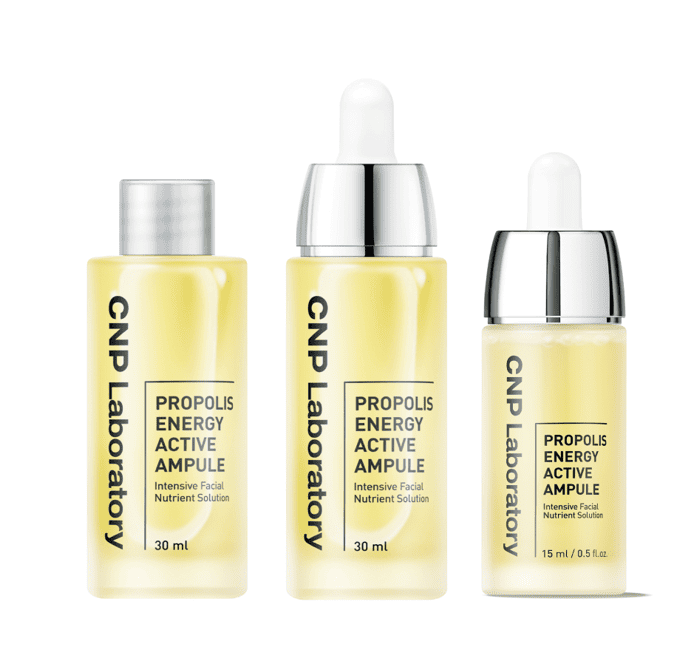
Propolis Energy Active Ampule
CNP
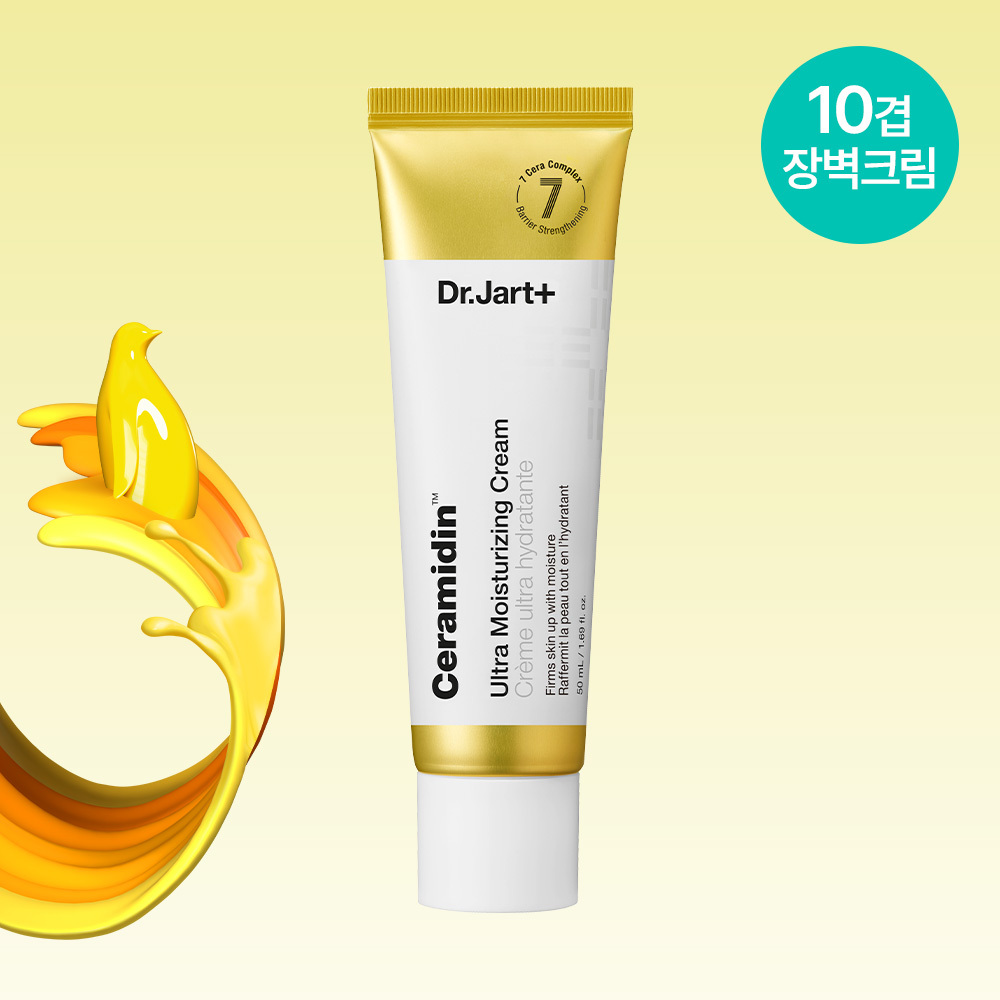
Ceramidin Ultra Moisturizing Cream
Dr. Jart+
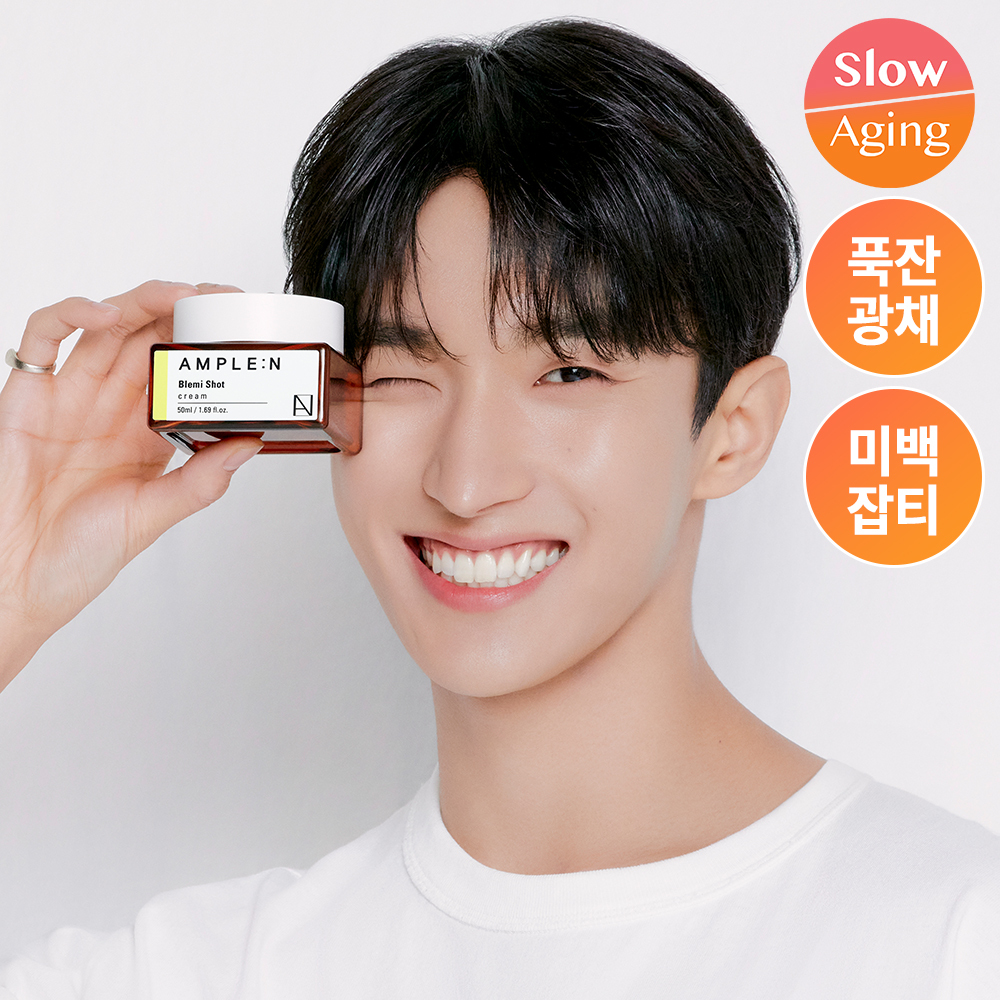
Blemi Shot Cream
AMPLE:N
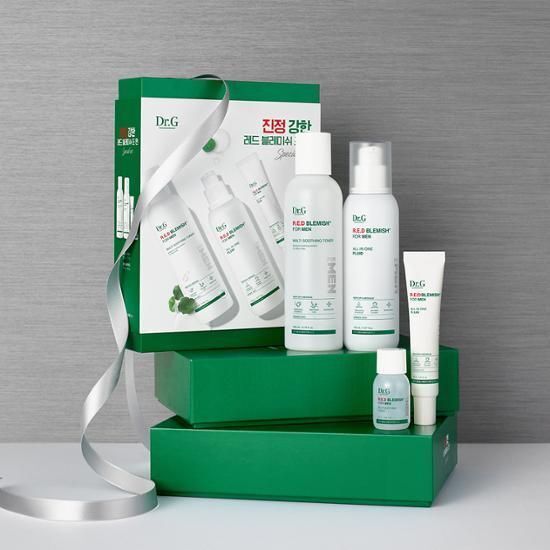
Red Blemish For Men Multi Soothing Toner / Calming All In One 2P Set
Dr.G
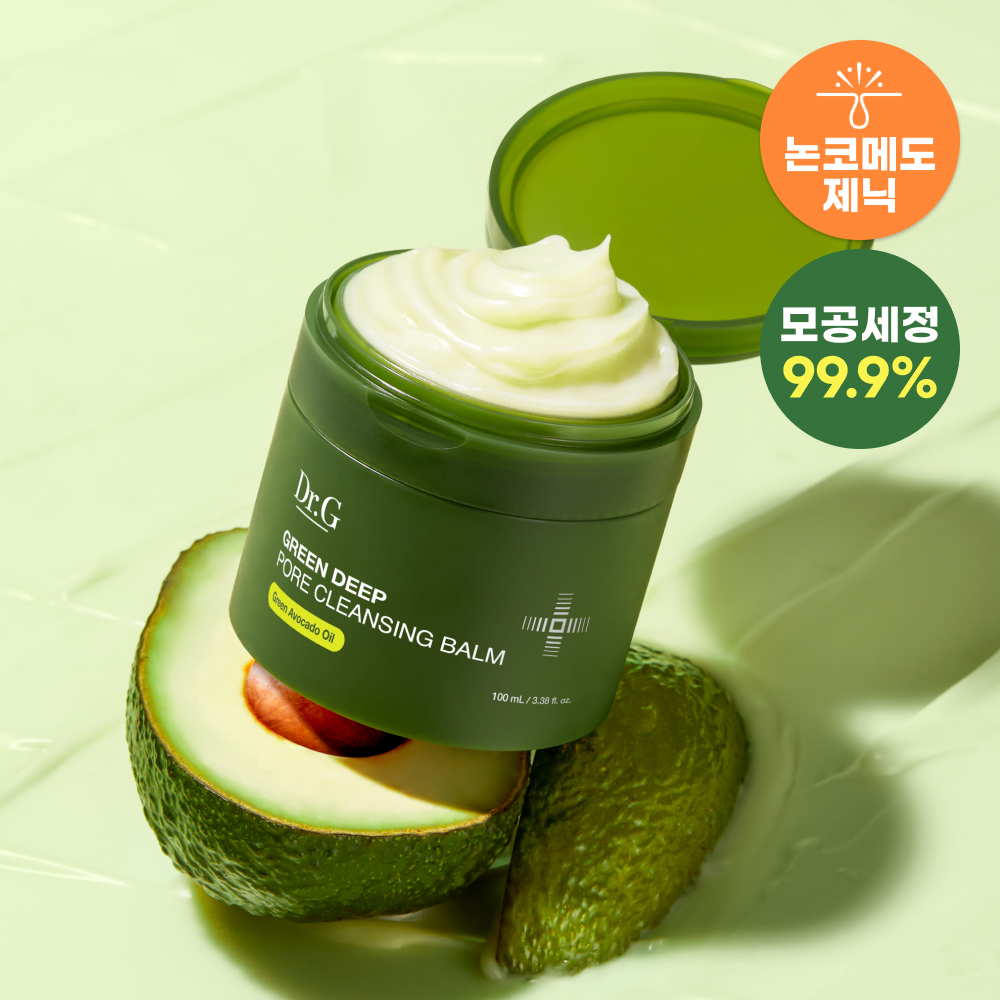
Green Deep Pore Cleansing Balm
Dr.G
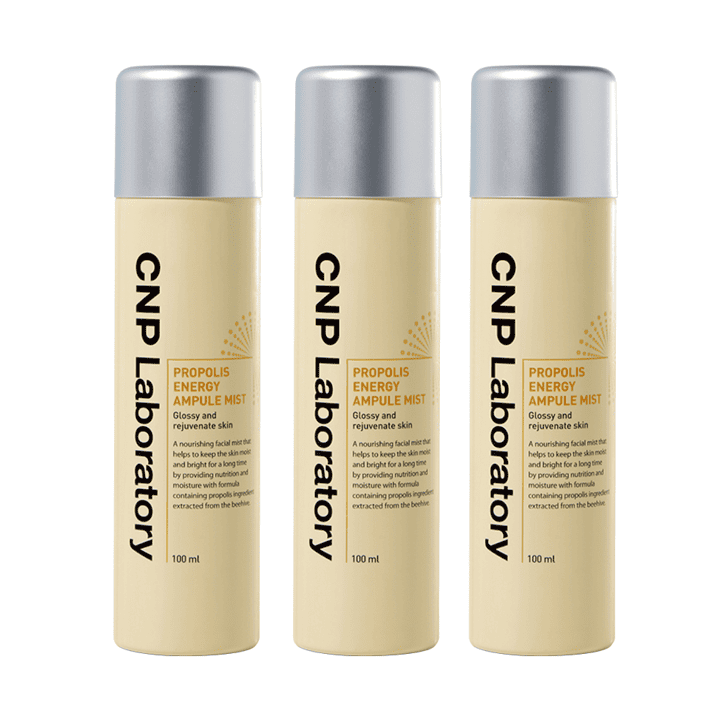
Propolis Energy Active Ampule Mist
CNP
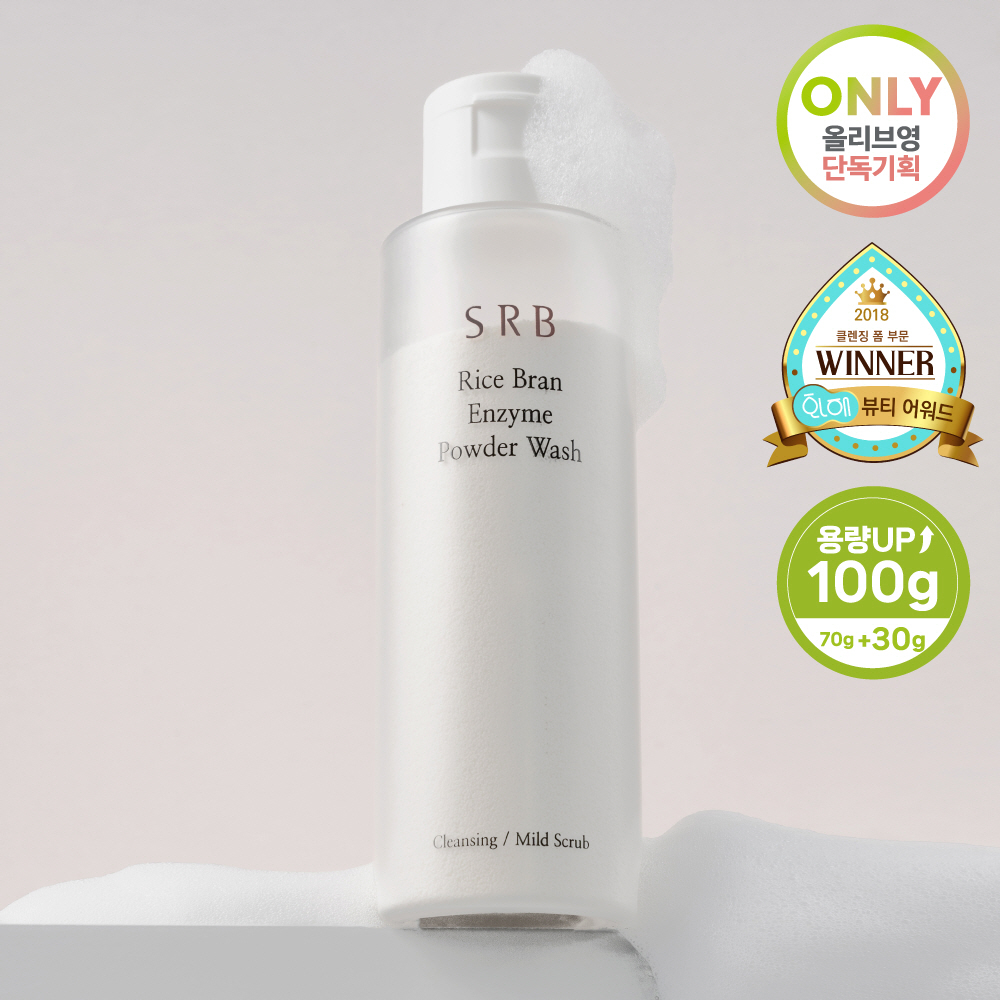
Rice Bran Enzyme Powder Wash
Ilso
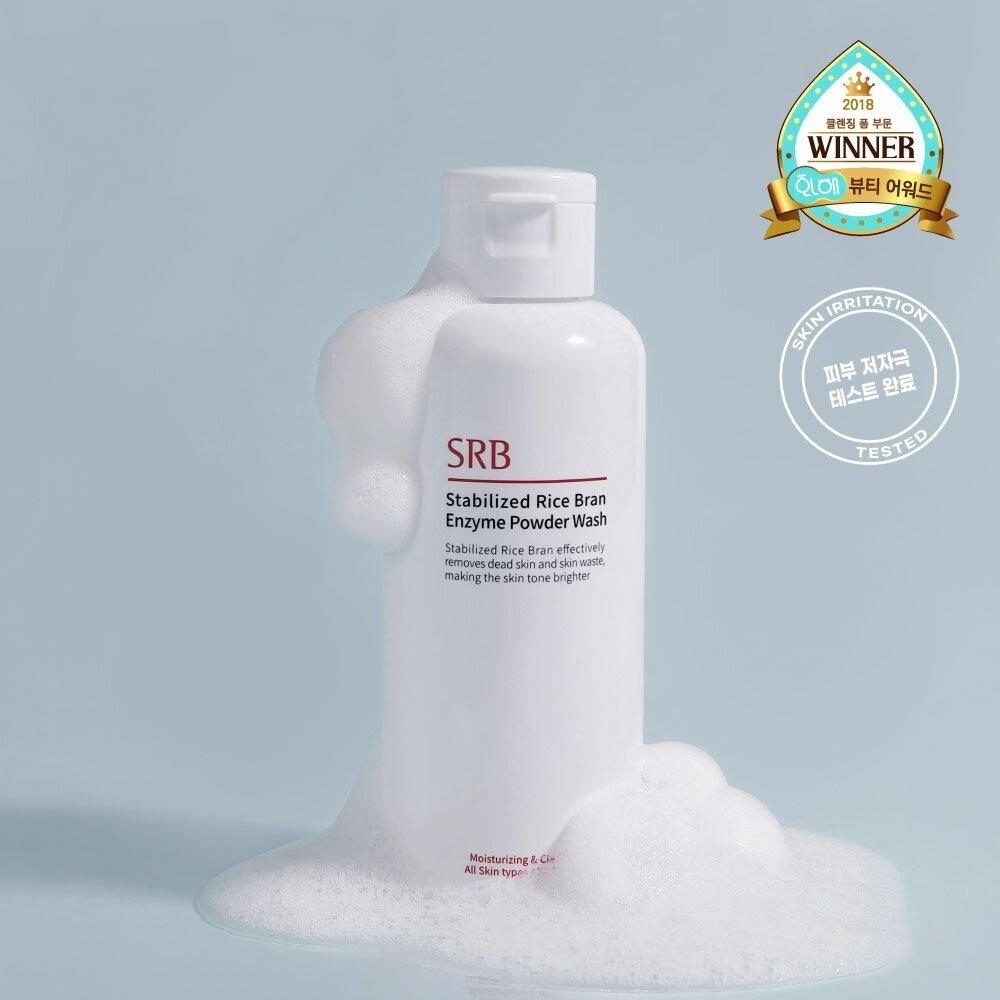
Stabilized Rice Bran Enzyme Powder Wash
Ilso
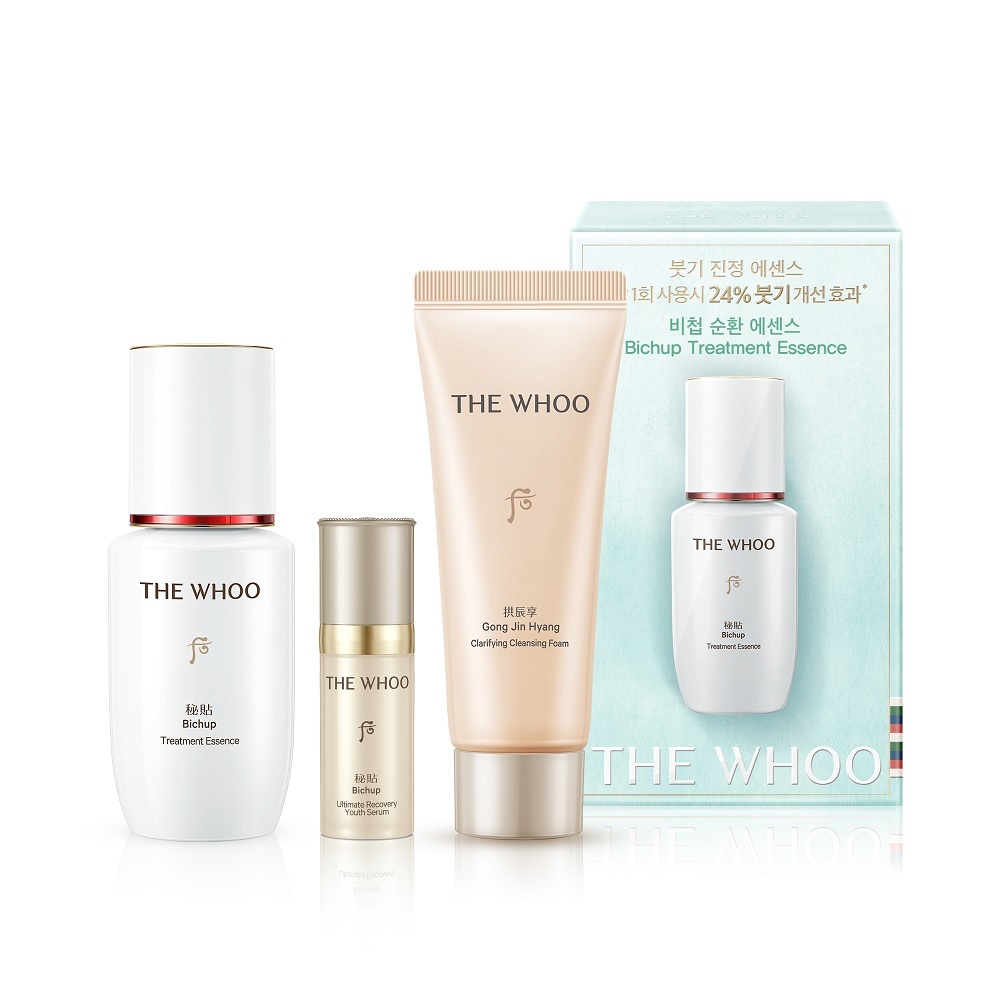
Bichup Treatment Essence 30ml Set
The Whoo
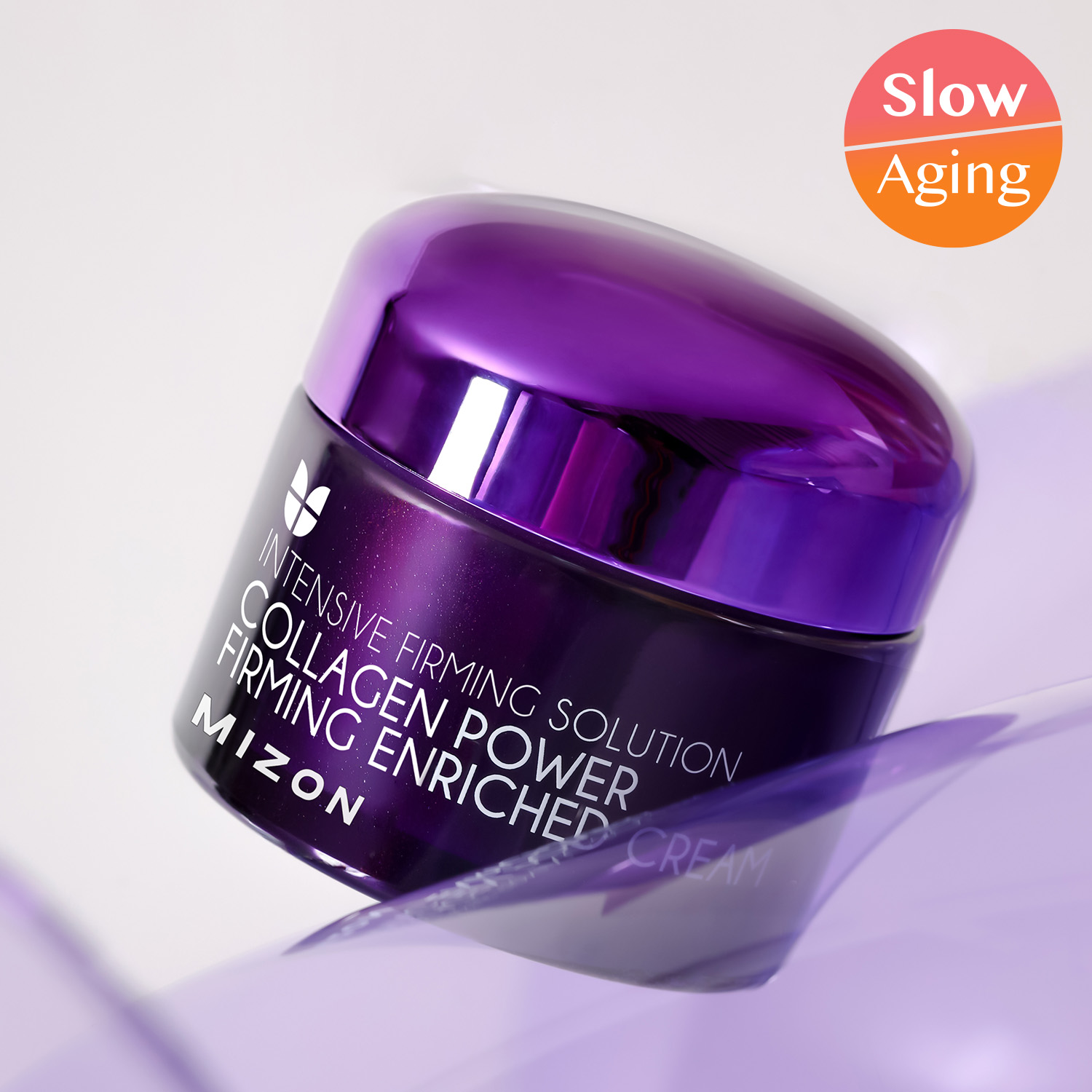
Collagen Power Firming Enriched Cream
Mizon
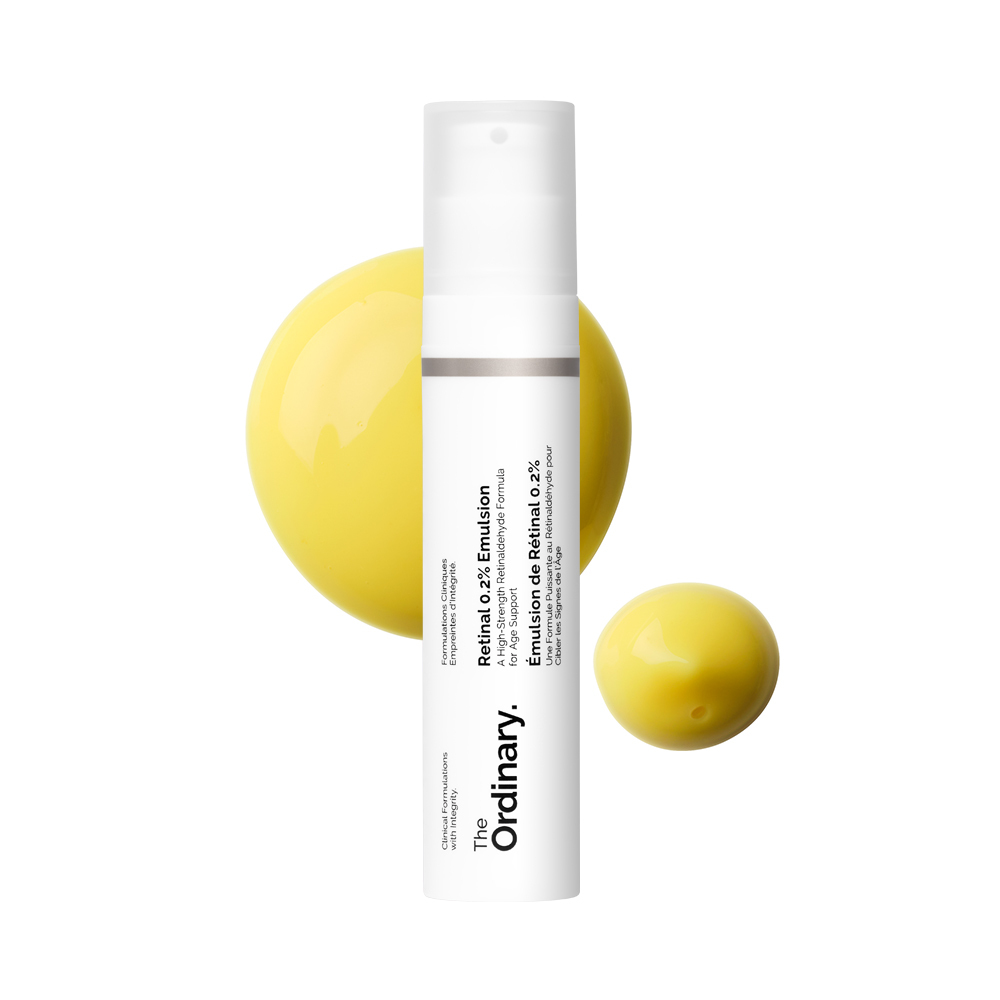
Retinal 0.2% Emulsion
The Ordinary
Frequently Asked Questions
Is Ascorbyl Palmitate as effective as L-ascorbic acid for brightening?▼
Can Ascorbyl Palmitate cause breakouts?▼
Should I use Ascorbyl Palmitate in the morning or at night?▼
Does Ascorbyl Palmitate work well with retinol or AHAs?▼
Explore More
Want personalized ingredient advice?
Yuri, our AI beauty advisor, can tell you how Vitamin C Palmitate works with your specific skin type, routine, and concerns.
Ask Yuri, free