Vitamin C Tetraisopalmitate
INCI: Ascorbyl Tetraisopalmitate
Oil-soluble vitamin C derivative for brightening
About Vitamin C Tetraisopalmitate
Vitamin C Tetraisopalmitate (Ascorbyl Tetraisopalmitate) is an oil-soluble vitamin C derivative that has become a staple in modern K-beauty formulations for its superior stability and penetration compared to traditional L-ascorbic acid. While water-soluble vitamin C derivatives have dominated the market for decades, this lipophilic form offers a gentler yet equally effective approach to brightening and anti-aging. Its molecular structure features four palmitic acid chains attached to the ascorbic acid core, making it highly stable in formulations and capable of penetrating deeper into the skin's lipid layers. In K-beauty, brands like Easydew and Neogen have leveraged this ingredient in their top-rated serums and ampoules, where it works to inhibit melanin production, boost collagen synthesis, and provide antioxidant protection without the irritation often associated with pure vitamin C. Found in 37 products across the Seoul Sister platform, this derivative has proven particularly valuable in multi-step Korean skincare routines where layering compatibility matters. Its oil-soluble nature means it plays well with other lipid-based ingredients and can be incorporated into creams, emulsions, and even cleansing products like Hanyul's Yuja Cleansing Tone Up Pack Foam Set, where it survives the rinse-off process better than water-soluble forms.
How Vitamin C Tetraisopalmitate Works
Once applied to skin, Vitamin C Tetraisopalmitate penetrates through the stratum corneum via its lipophilic structure, accessing the deeper epidermal layers where skin enzymes (particularly esterases) gradually cleave the palmitic acid chains to release active ascorbic acid directly at the cellular level. This slow-release mechanism provides sustained antioxidant activity over time rather than a single burst of vitamin C that quickly oxidizes. At the cellular level, the released ascorbic acid inhibits tyrosinase, the enzyme responsible for melanin synthesis, leading to a reduction in hyperpigmentation and overall brightening. Simultaneously, it acts as a cofactor for prolyl and lysyl hydroxylase enzymes that stabilize collagen's triple helix structure, promoting firmer, more resilient skin. Its antioxidant properties neutralize free radicals generated by UV exposure and pollution, preventing oxidative damage to cellular membranes and DNA. The oil-soluble nature also means it integrates seamlessly into the skin's lipid barrier, potentially enhancing barrier function while delivering its brightening and anti-aging benefits without disrupting the skin's pH balance, which is a common issue with water-soluble ascorbic acid.
Vitamin C Tetraisopalmitate by Skin Type
Oily Skin
Oily skin types can benefit from Vitamin C Tetraisopalmitate's brightening and antioxidant effects, though the comedogenic rating of 2/5 means some caution is warranted if you're highly acne-prone. The ingredient itself won't increase oil production and can actually help fade post-acne marks effectively. If your skin is reactive to heavier textures, look for lightweight serum formulations like the Double Vita Spot Toning Serum by Neogen rather than cream-based products.
Dry Skin
This is an excellent vitamin C choice for dry skin because its oil-soluble nature means it's typically formulated in nourishing, emollient bases that support the skin barrier rather than strip it. The gentle, non-irritating profile means you can get brightening benefits without the stinging or flaking that water-soluble vitamin C often causes on compromised dry skin. Products like the DW-EGF Vitamin C Boosting Ampoule combine this ingredient with hydrating elements for optimal results on parched complexions.
Combo Skin
Combination skin often struggles with vitamin C products that are either too heavy for the T-zone or too drying for the cheeks, but Vitamin C Tetraisopalmitate's moderate profile makes it a smart middle ground. The stability of this derivative means it won't oxidize and turn orange on your bathroom shelf, maintaining efficacy across different humidity levels that combination skin often creates. Layer it strategically in your routine, applying more product to dry areas and less to oily zones, or choose balanced formulations like those found in HERA's Homme Black Active line.
Sensitive Skin
Sensitive skin types typically tolerate Vitamin C Tetraisopalmitate much better than pure L-ascorbic acid because it doesn't require a low pH to remain stable, eliminating the primary source of irritation in traditional vitamin C serums. The gradual enzymatic conversion to active ascorbic acid means there's no sudden influx of acidic molecules that could trigger inflammation. With a safety rating of 4/5, this derivative has demonstrated gentleness across diverse skin types, though you should still patch test if you have a history of reactions to actives.
Normal Skin
Normal skin can handle Vitamin C Tetraisopalmitate beautifully and reap its full spectrum of benefits without concern about sensitivity or excessive heaviness. This is an ideal ingredient for maintaining your skin's healthy baseline while preventing future damage and addressing any subtle dullness or fine lines. You have the flexibility to use it both morning and night, and it layers well with other actives like niacinamide or peptides commonly found in K-beauty routines.
How to Use Vitamin C Tetraisopalmitate
- 1Apply Vitamin C Tetraisopalmitate products in the morning to maximize antioxidant protection against daytime environmental stressors, but unlike L-ascorbic acid, this derivative is stable enough for night use too without risk of oxidation.
- 2Because it's oil-soluble, this ingredient pairs exceptionally well with other lipophilic actives like vitamin E, squalane, or ceramides. Layer it after water-based essences but before heavier creams for optimal absorption.
- 3You can safely combine this form of vitamin C with niacinamide without the flushing reaction that sometimes occurs with ascorbic acid, making it perfect for K-beauty multi-step routines that often feature both ingredients.
- 4Store products containing Vitamin C Tetraisopalmitate in a cool, dry place, but you don't need to be as paranoid about air exposure as you would with L-ascorbic acid since this derivative remains stable in typical packaging for 12+ months.
- 5If you're using this ingredient to target specific dark spots or post-acne marks, apply an extra drop directly to those areas after your all-over application for concentrated brightening action over 8-12 weeks.
Background
Vitamin C Tetraisopalmitate was developed in the late 1990s by Japanese cosmetic chemists seeking to solve the notorious instability problem of L-ascorbic acid, which would oxidize rapidly when exposed to light, air, or water. By attaching four palmitic acid molecules (a saturated fatty acid naturally found in palm oil and animal fats) to ascorbic acid's hydroxyl groups, they created a stable, lipophilic molecule that could withstand formulation challenges and penetrate the skin's lipid barrier. The ingredient gained traction in Japanese and Korean skincare throughout the 2000s as brands sought gentler alternatives to the harsh, low-pH vitamin C serums popular in Western markets. K-beauty's philosophy of layering multiple products with complementary ingredients made this derivative particularly appealing since it could be incorporated into various product formats without destabilizing other actives. By the 2010s, it had become a premium ingredient in Korean dermatological and luxury skincare lines, prized for delivering vitamin C benefits without the irritation, making it accessible to the sensitive skin types common among East Asian consumers.
K-Beauty Products with Vitamin C Tetraisopalmitate
View all 39 →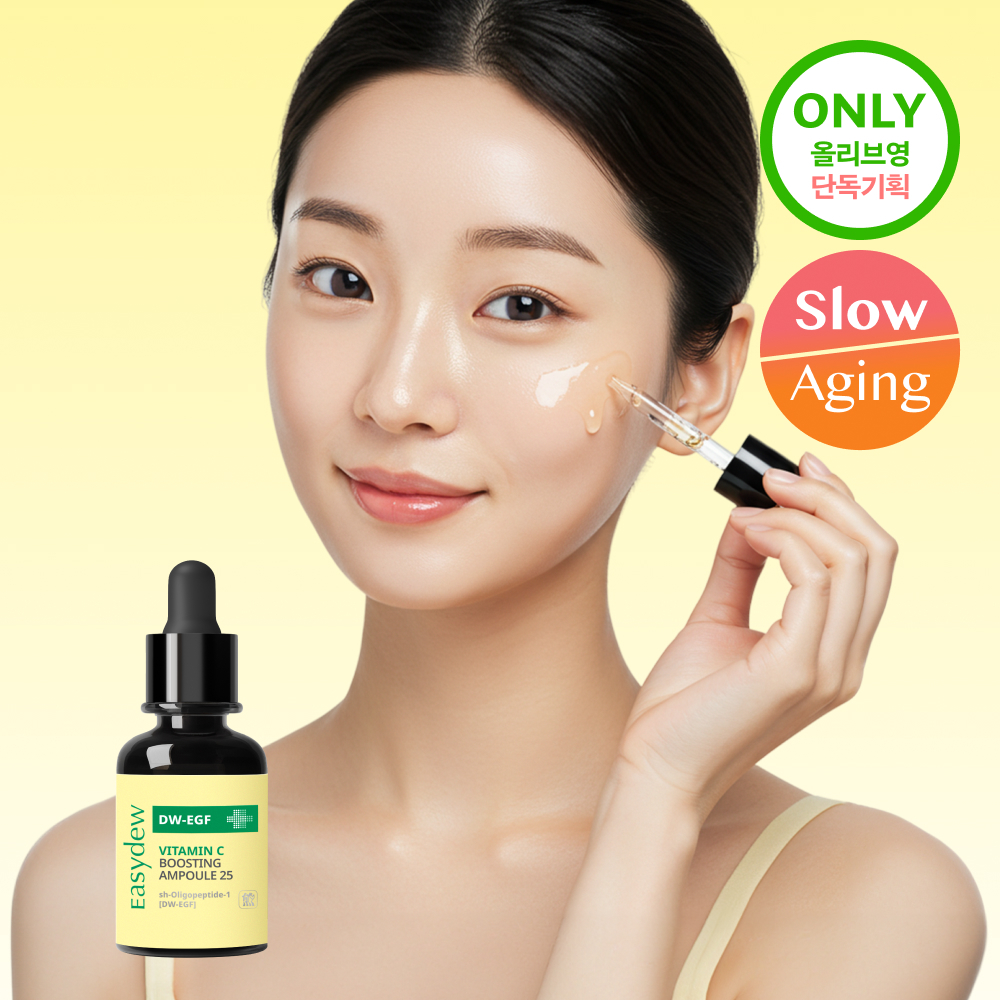
DW-EGF Vitamin C Boosting Ampoule 25
Easydew
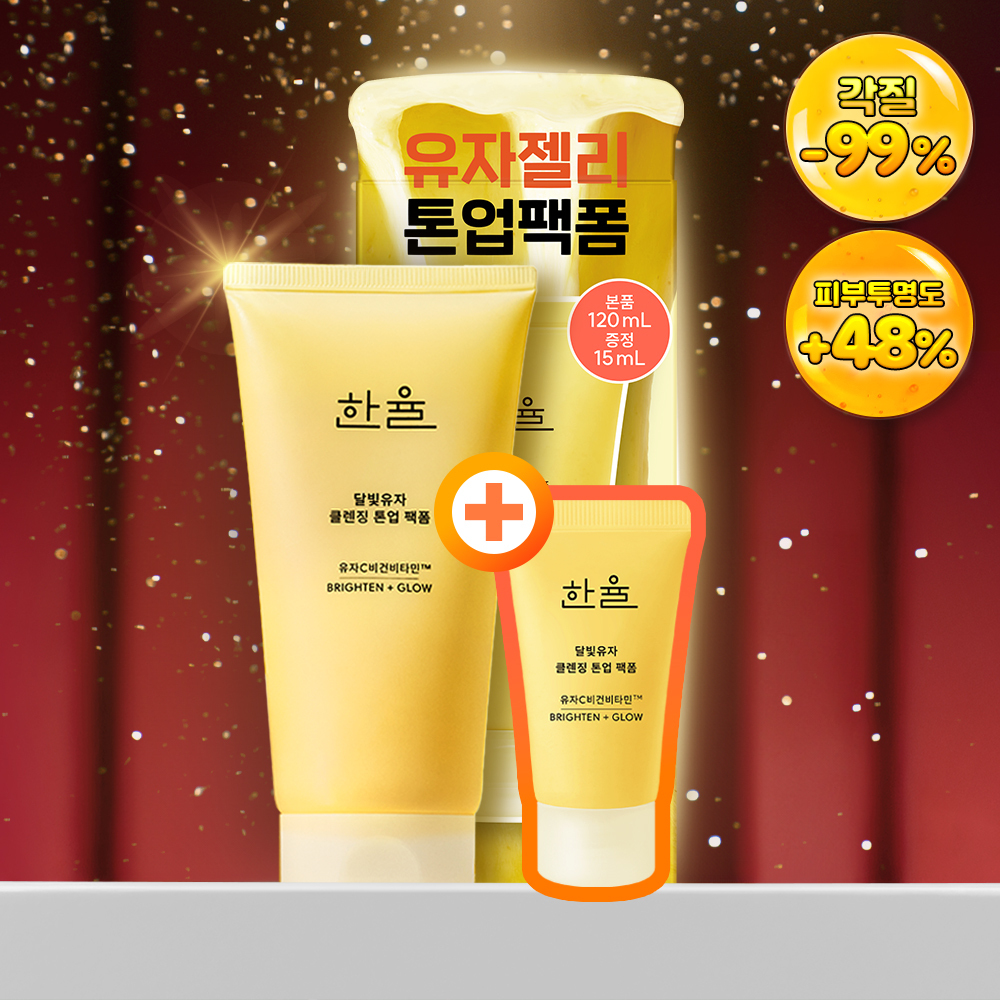
Yuja Cleansing Tone Up Pack Foam Set
Hanyul
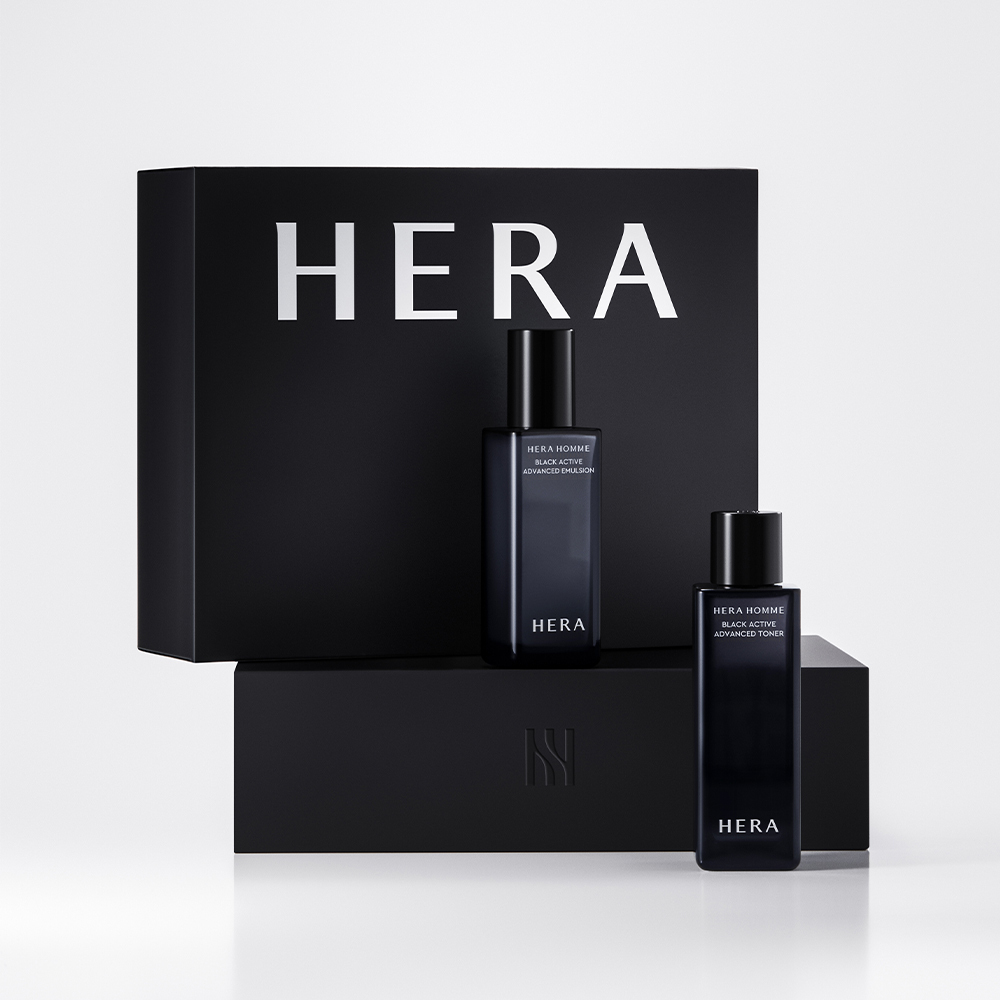
Homme Black Active 2P Set (Toner 125ml + Emulsion 110ml)
HERA
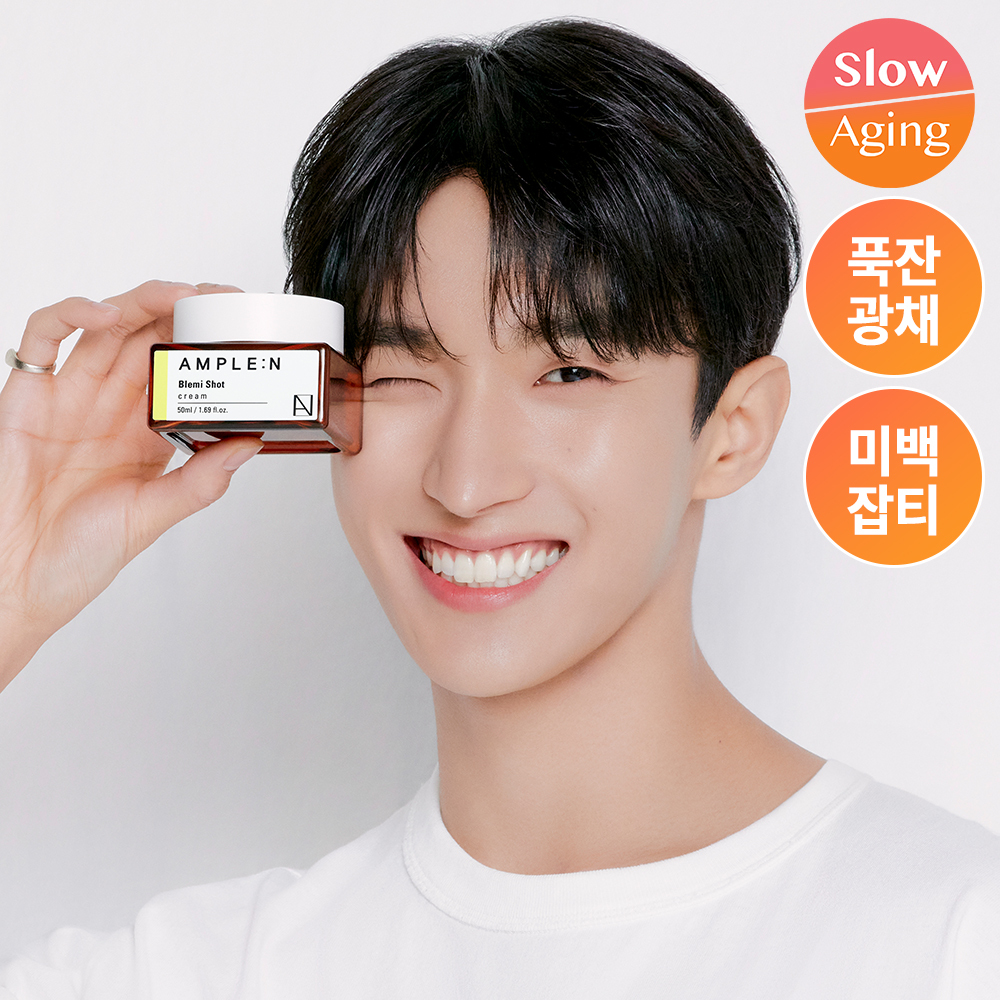
Blemi Shot Cream
AMPLE:N
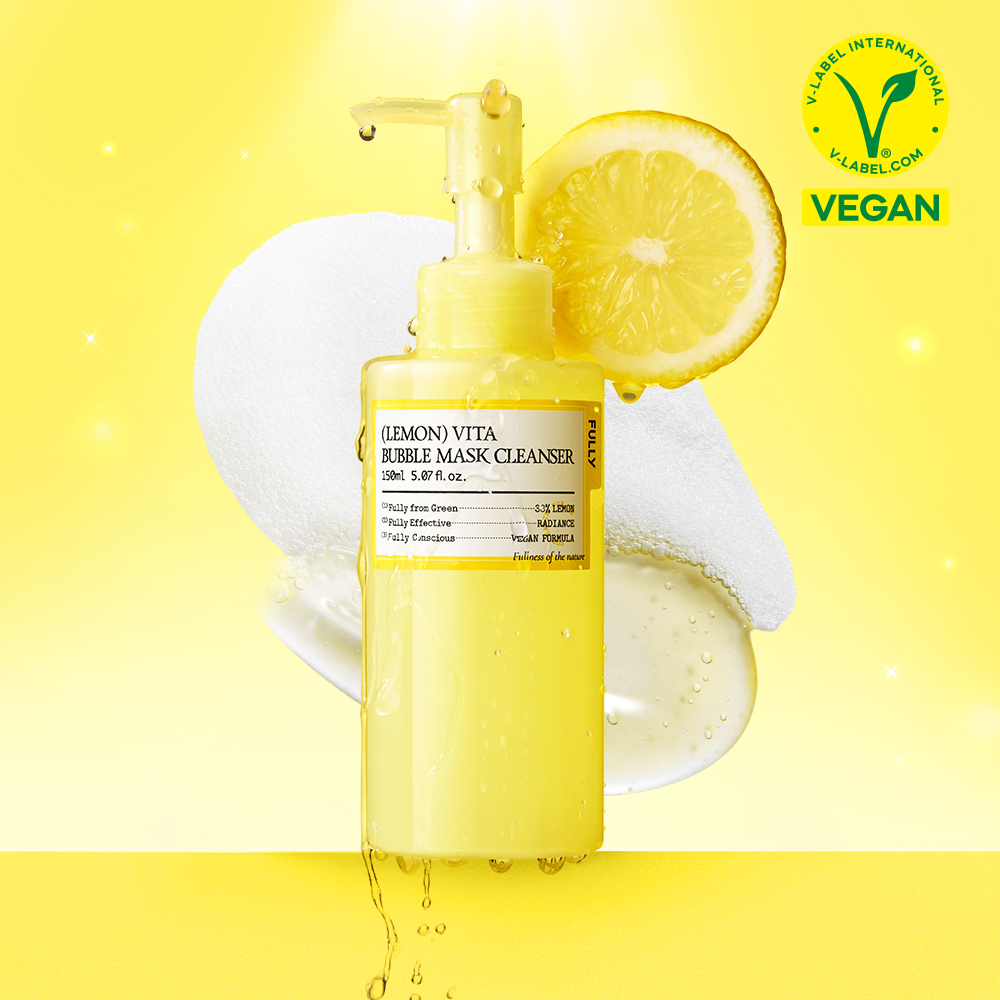
Lemon Vita Bubble Pack Cleanser
Fully
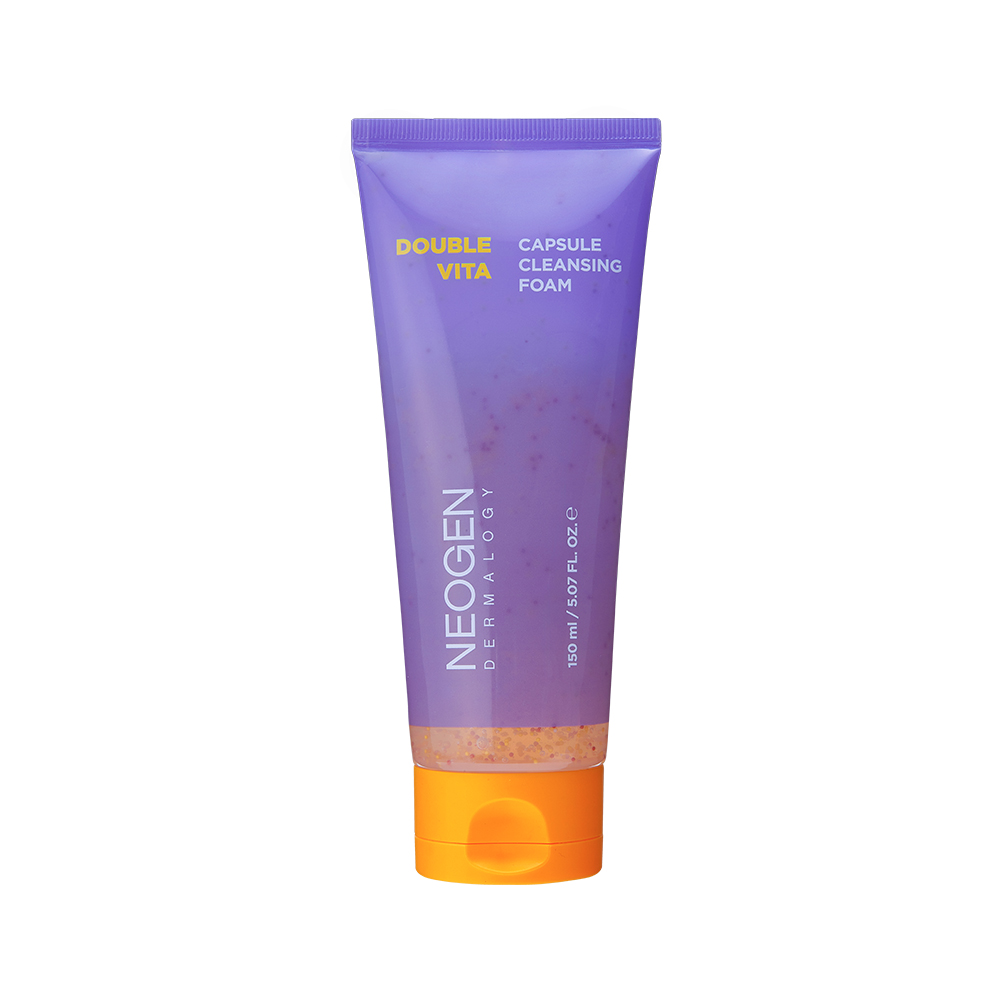
Double Vita Capsule Cleansing Foam
Neogen
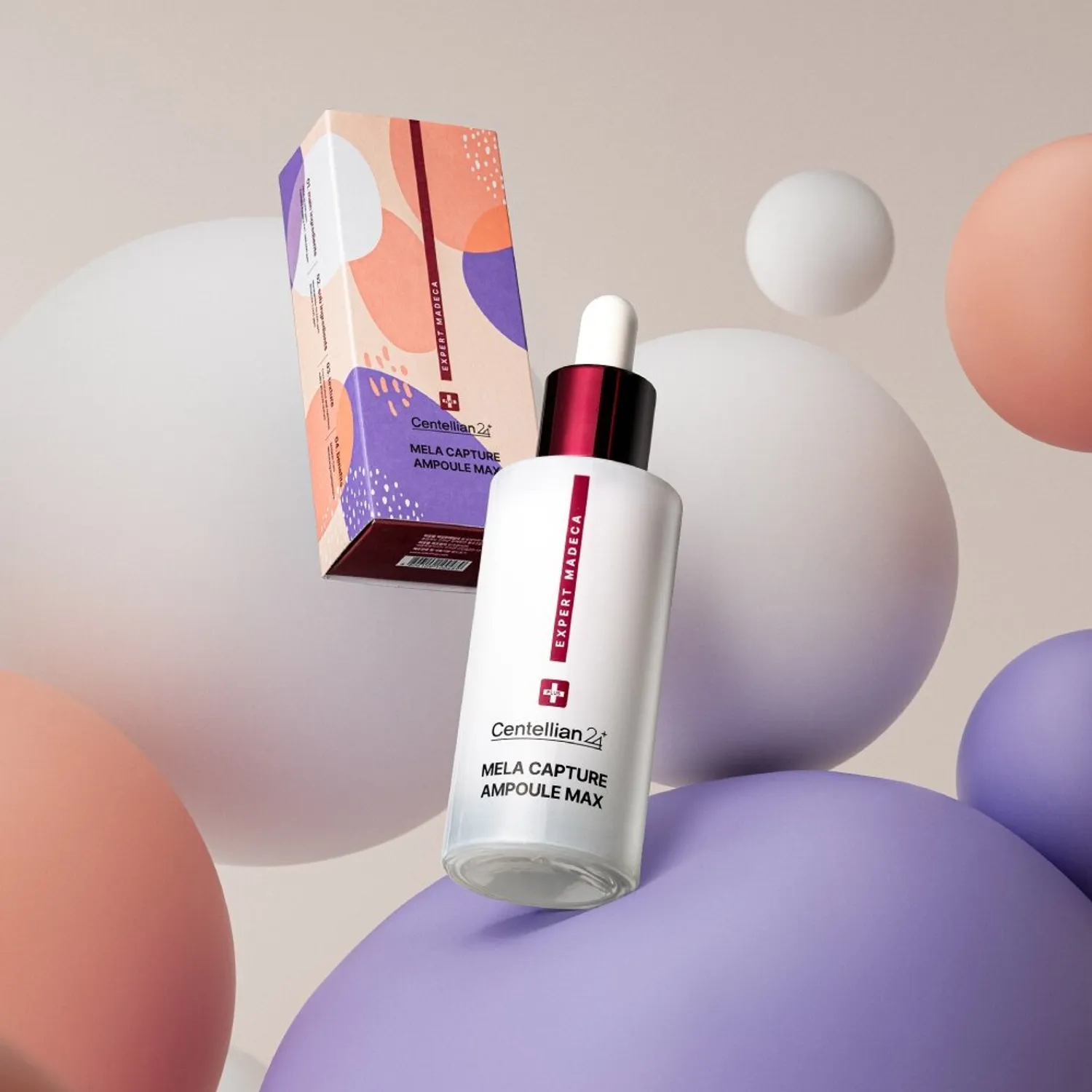
Expert Madeca Mela Capture Ampoule Max
Centellian24
Yuja Cleansing Peeling Gel Balm
Hanyul
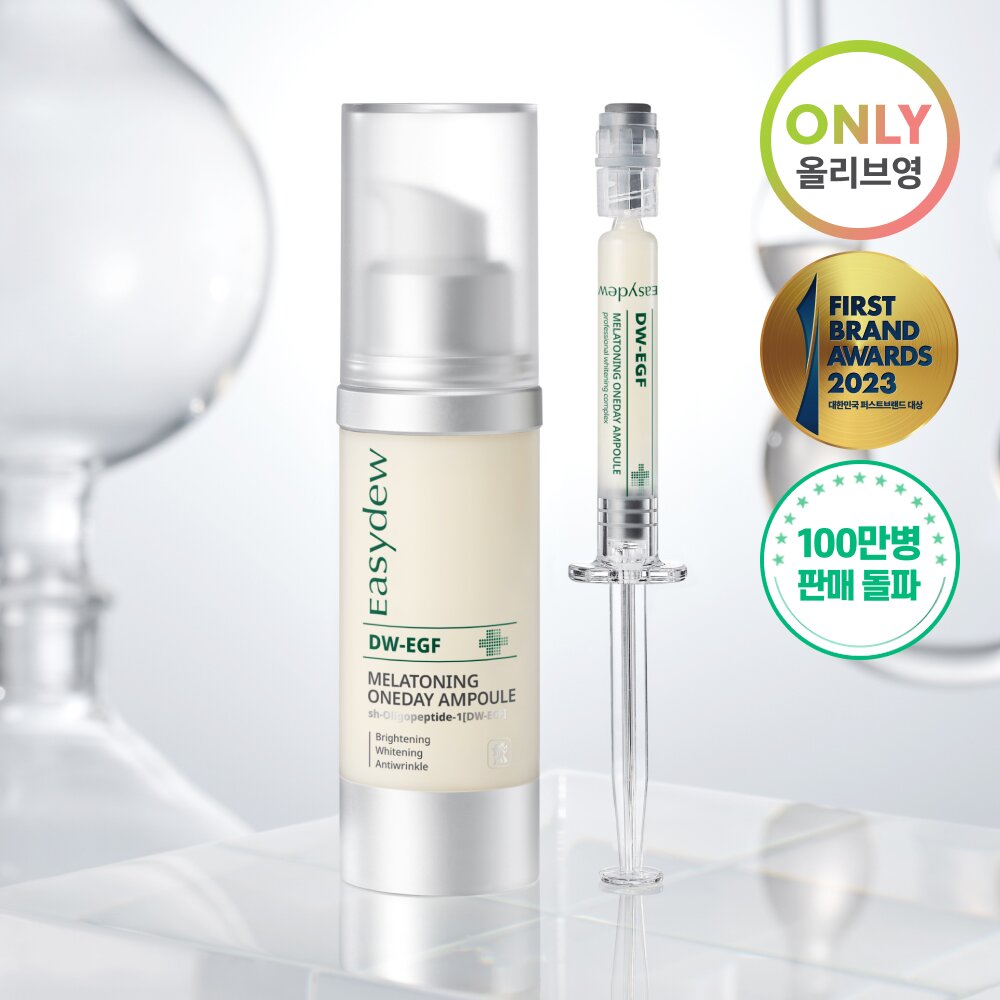
EX-DW EGF Melatoning One Day Ampoule
Easydew
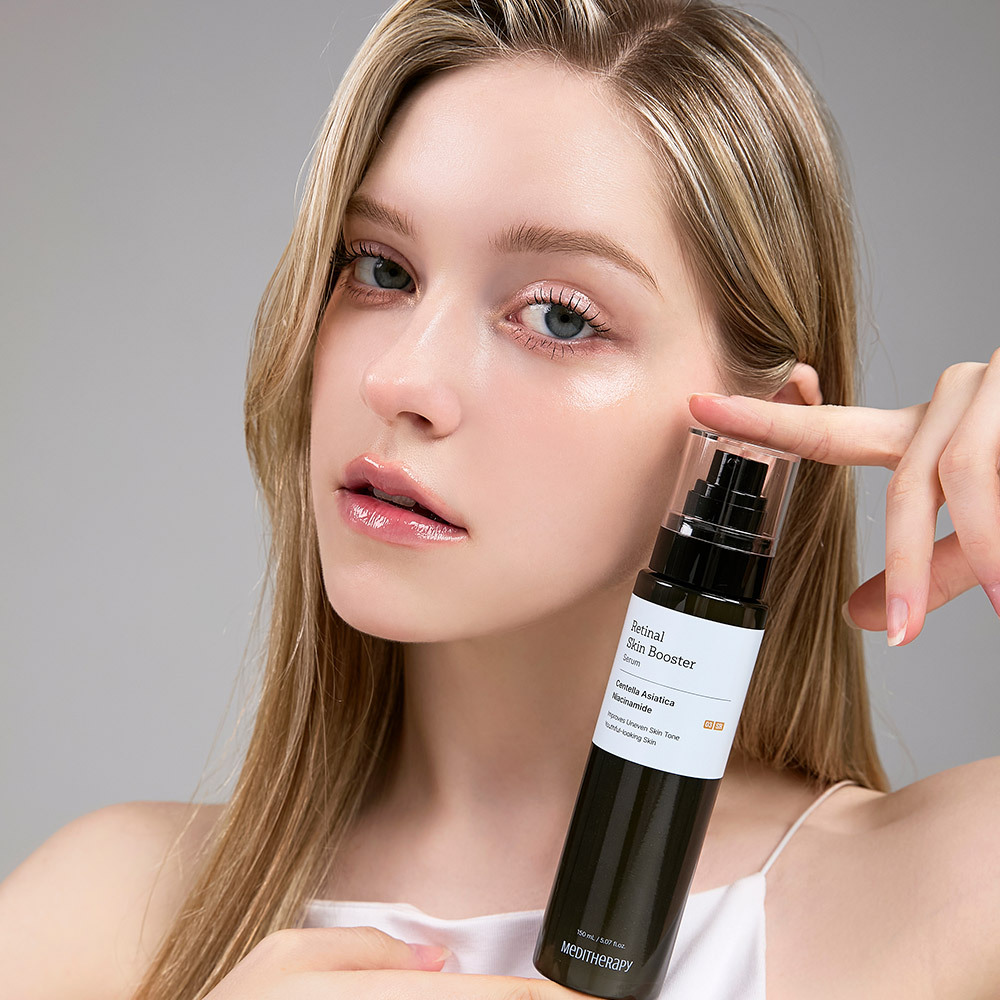
Retinal Skin Booster Serum
Anua
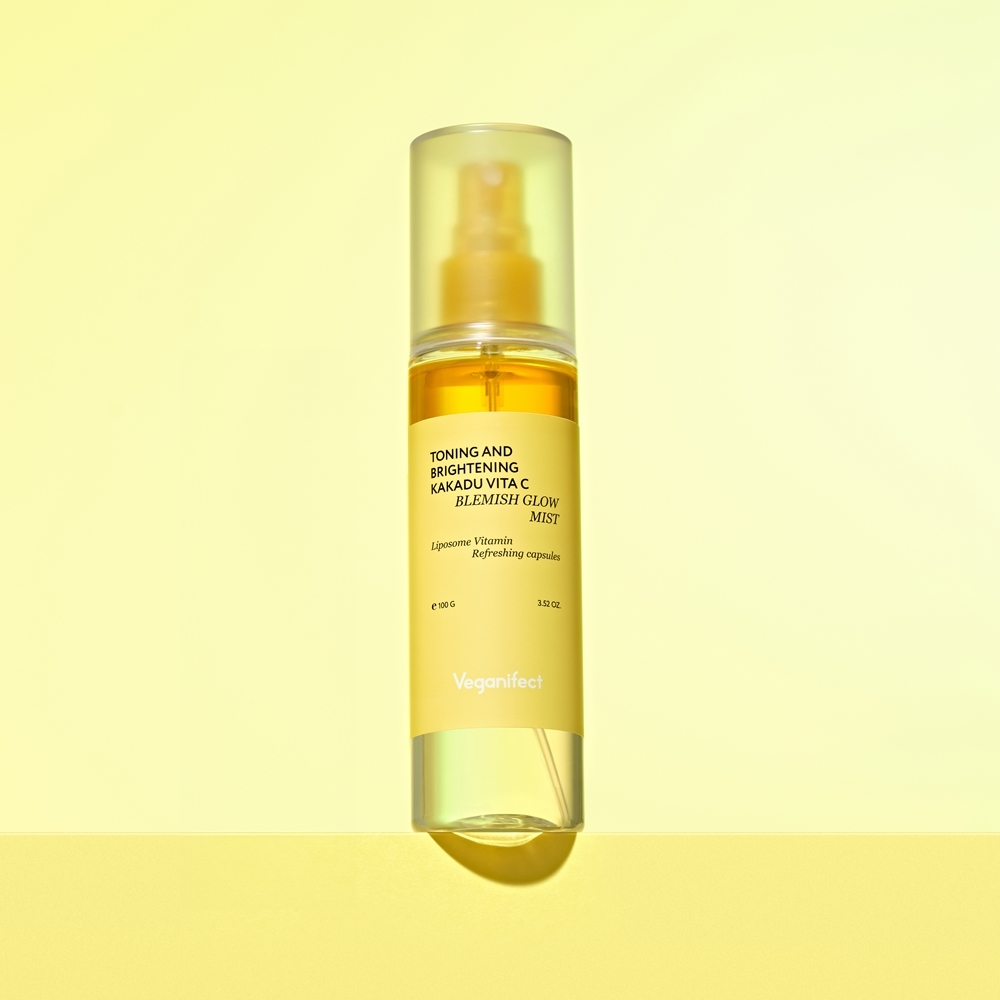
Toning And Brightening Kakadu Vita C Blemish Glow Mist
Medicube
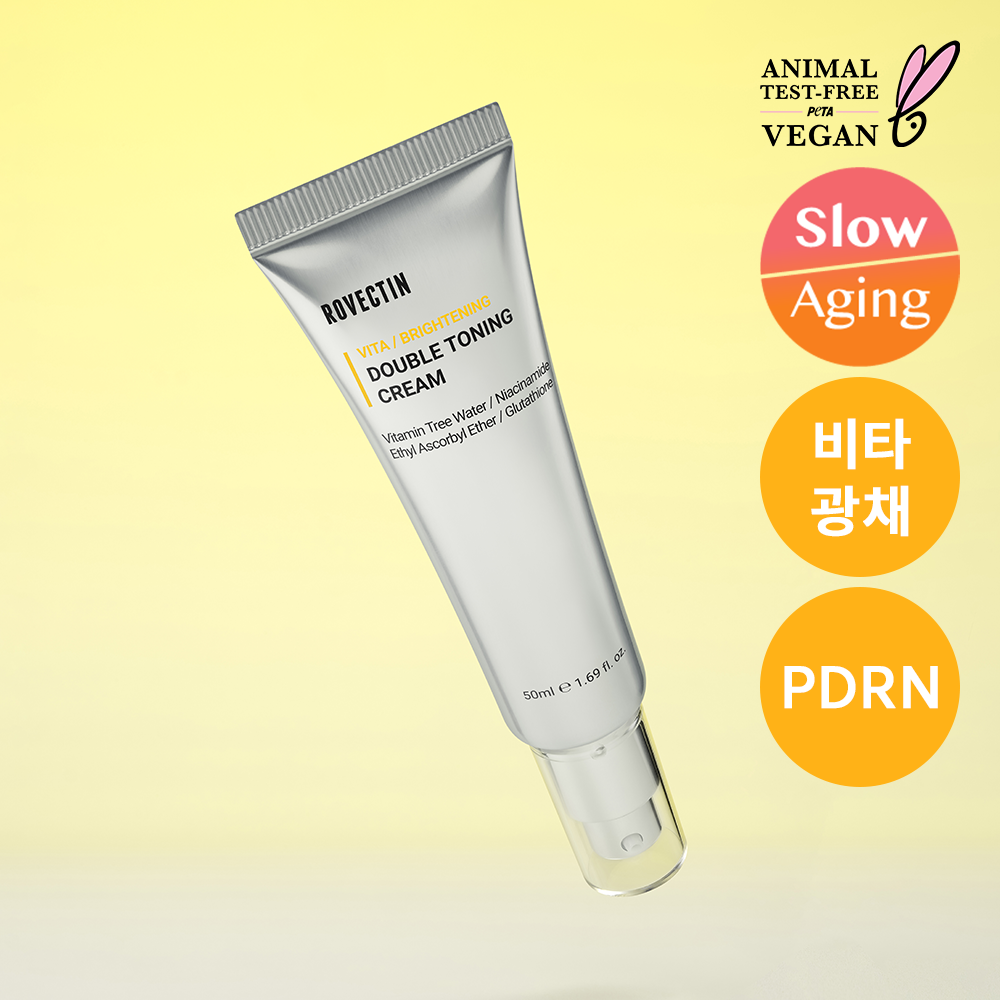
Vita Double Toning Cream
Rovectin
Frequently Asked Questions
Is Vitamin C Tetraisopalmitate as effective as pure vitamin C (L-ascorbic acid)?▼
Will this vitamin C derivative clog my pores?▼
How long does it take to see brightening results?▼
Can I use Vitamin C Tetraisopalmitate with retinol or AHAs?▼
Why is this ingredient more expensive than other vitamin C forms?▼
Explore More
Want personalized ingredient advice?
Yuri, our AI beauty advisor, can tell you how Vitamin C Tetraisopalmitate works with your specific skin type, routine, and concerns.
Ask Yuri, free