Asiatic Acid
Wound healing and anti-inflammatory compound from Centella Asiatica
About Asiatic Acid
Asiatic acid is one of the four main triterpene compounds extracted from Centella Asiatica (also known as Cica or tiger grass), alongside asiaticoside, madecassic acid, and madecassoside. This powerful bioactive molecule has become a cornerstone of K-beauty formulations thanks to its proven wound healing and anti-inflammatory properties. While Centella extract contains all four compounds, asiatic acid specifically stands out for its ability to stimulate collagen synthesis and accelerate skin regeneration at the cellular level. In K-beauty, asiatic acid appears in everything from calming masks to intensive repair creams, often alongside its sister compounds for synergistic effects. Found in 561 products on Seoul Sister, it's particularly popular in barrier repair formulations and post-procedure recovery products. Korean brands favor asiatic acid because it delivers visible results for compromised skin without the irritation associated with stronger actives. Its non-comedogenic profile (0/5 rating) makes it suitable for acne-prone skin, while its wound healing properties address the micro-damage from breakouts. The ingredient works beautifully in layered K-beauty routines, complementing other actives rather than competing with them. Whether you're dealing with sensitivity, post-inflammatory hyperpigmentation, or simply want to strengthen your skin barrier, asiatic acid offers a research-backed solution that's become indispensable in modern Korean skincare.
How Asiatic Acid Works
Asiatic acid works by stimulating fibroblast proliferation, the cells responsible for producing collagen and elastin in the dermis. At the molecular level, it activates the TGF-beta signaling pathway, which triggers increased production of type I and type III collagen, the proteins that give skin its structural integrity. This makes it particularly effective for wound healing and reducing the appearance of scars. Beyond collagen synthesis, asiatic acid inhibits inflammatory mediators like TNF-alpha and interleukins, calming redness and irritation at the source. It also enhances antioxidant enzyme activity, helping skin neutralize free radicals that cause premature aging. Research shows asiatic acid can penetrate the stratum corneum effectively due to its relatively small molecular weight, allowing it to reach deeper skin layers where repair processes occur. The compound also promotes keratinocyte migration, speeding up the skin's natural healing response. When applied topically, it strengthens the skin barrier by supporting lipid production in the stratum corneum, reducing transepidermal water loss and protecting against environmental stressors.
Asiatic Acid by Skin Type
Oily Skin
Asiatic acid is excellent for oily skin because it's completely non-comedogenic and helps heal acne lesions without adding heaviness. Its anti-inflammatory properties reduce the redness and swelling associated with active breakouts, while its wound healing abilities minimize post-acne scarring. The ingredient won't clog pores or increase oil production, making it safe for daily use even on congested skin.
Dry Skin
For dry skin, asiatic acid strengthens the moisture barrier by promoting lipid synthesis and reducing transepidermal water loss. It works particularly well when combined with hydrating ingredients like hyaluronic acid or panthenol, as seen in products like Purito Seoul's Mighty Bamboo Panthenol Cream (4.8/5). The compound helps repair the micro-cracks in compromised dry skin, allowing other moisturizing ingredients to work more effectively.
Combo Skin
Combination skin benefits from asiatic acid's balanced approach to healing and barrier support without adding oil or causing dryness. It addresses inflammation in the T-zone while supporting hydration in drier cheek areas. Products like the Mung Bean Pore Cleansing Milk Balm by Beplain (4.9/5) leverage asiatic acid to calm skin during cleansing without stripping or irritating different facial zones.
Sensitive Skin
Asiatic acid is ideal for sensitive skin due to its potent anti-inflammatory and barrier-strengthening properties. It actively reduces reactivity by inhibiting inflammatory pathways while repairing the compromised barrier that makes sensitive skin vulnerable. The NEEDLY Mask Sheet (5.0/5) demonstrates how asiatic acid can deliver calming benefits for reactive skin without causing additional irritation.
Normal Skin
Even normal skin benefits from asiatic acid as a preventative measure against environmental damage and aging. It maintains optimal collagen levels, supports barrier integrity, and provides antioxidant protection without disrupting skin's natural balance. Regular use helps preserve the healthy state of normal skin, preventing future concerns before they develop.
How to Use Asiatic Acid
- 1Layer asiatic acid products after cleansing and toning but before heavier creams to maximize penetration. The ingredient absorbs best on slightly damp skin.
- 2Pair with niacinamide or vitamin C for enhanced brightening effects on post-inflammatory hyperpigmentation and acne scars.
- 3Use asiatic acid products consistently for at least 4-6 weeks to see visible improvements in skin texture and barrier strength, as collagen synthesis takes time.
- 4Apply asiatic acid serums or creams immediately after procedures like microneedling or chemical peels to accelerate healing and reduce downtime.
- 5Don't worry about layering asiatic acid with other actives like retinol or AHAs. Its anti-inflammatory properties actually help buffer potential irritation from stronger ingredients.
Background
Asiatic acid's skincare journey begins with Centella Asiatica, a medicinal herb used in Traditional Chinese Medicine and Ayurveda for thousands of years to treat wounds, burns, and skin conditions. The plant earned its nickname "tiger grass" from observations of wounded tigers rolling in the herb to heal injuries. Korean traditional medicine also recognized Centella's healing properties, calling it "byeongpul" or "gotukola." Modern isolation of asiatic acid as a distinct compound occurred in the mid-20th century when researchers began identifying Centella's individual bioactive components. Korean cosmetic scientists embraced asiatic acid in the early 2000s during the rise of "Cica" skincare, recognizing that isolated triterpenes could deliver more concentrated and predictable results than whole plant extracts. Today, asiatic acid represents K-beauty's philosophy of combining traditional herbal wisdom with modern extraction technology to create targeted, effective ingredients.
K-Beauty Products with Asiatic Acid
View all 628 →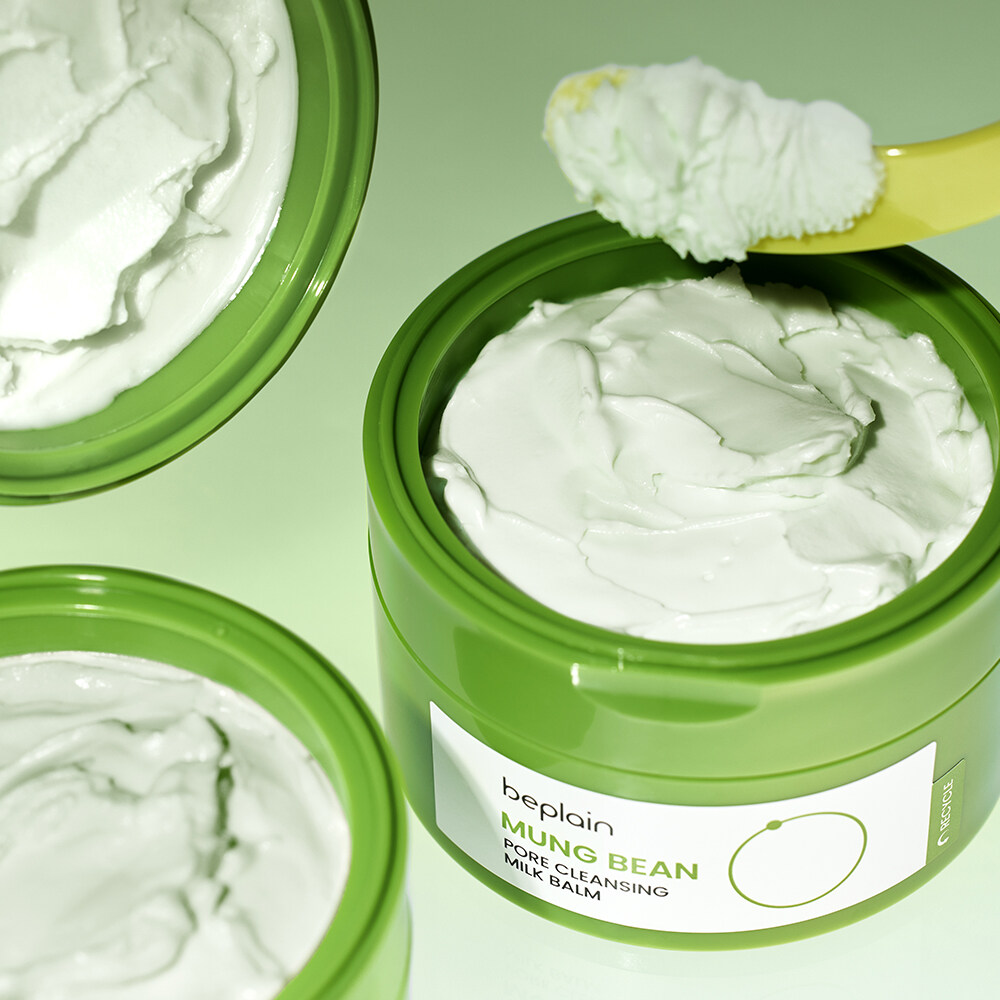
Mung Bean Pore Cleansing Milk Balm
Beplain

Reedle Shot 100 Essence Double Pack
VT
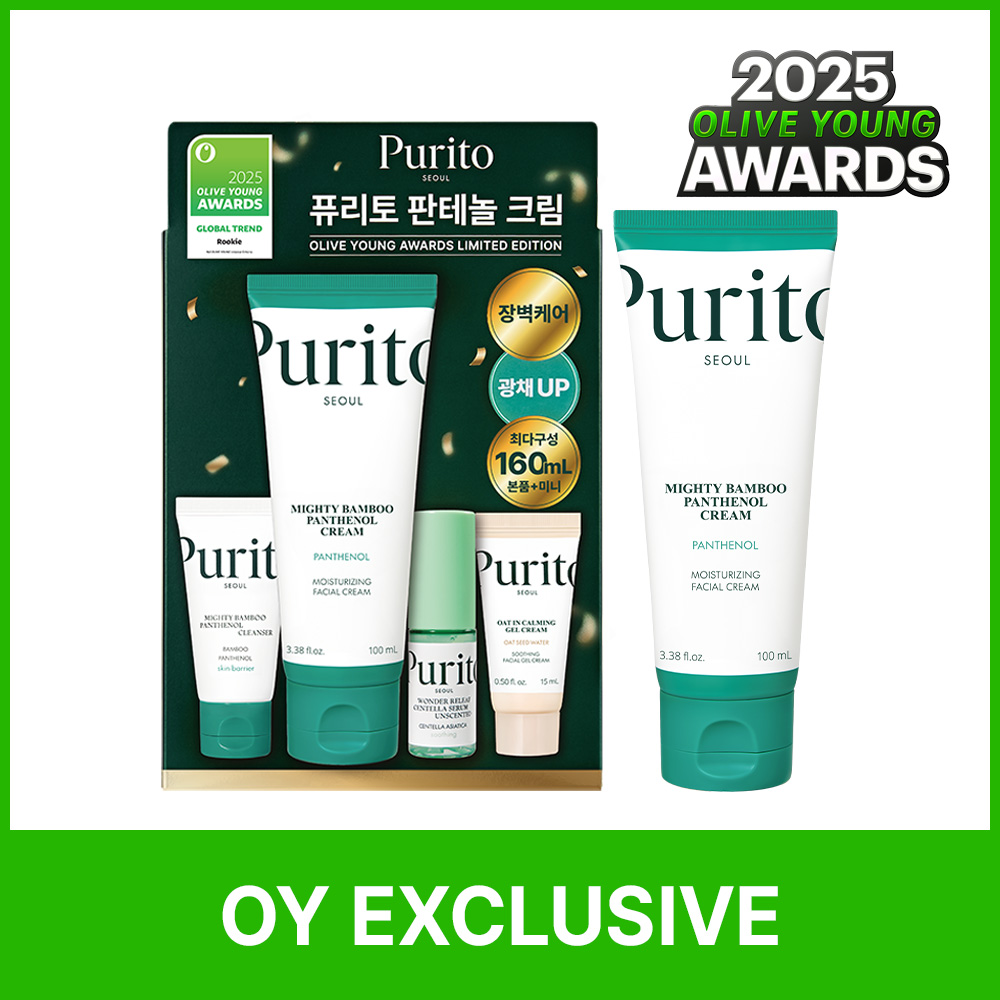
Mighty Bamboo Panthenol Cream
Purito Seoul

Madagascar Centella Probio-Cica Enrich Cream
SKIN1004

Zinc Teca Trouble Serum
Bringgreen
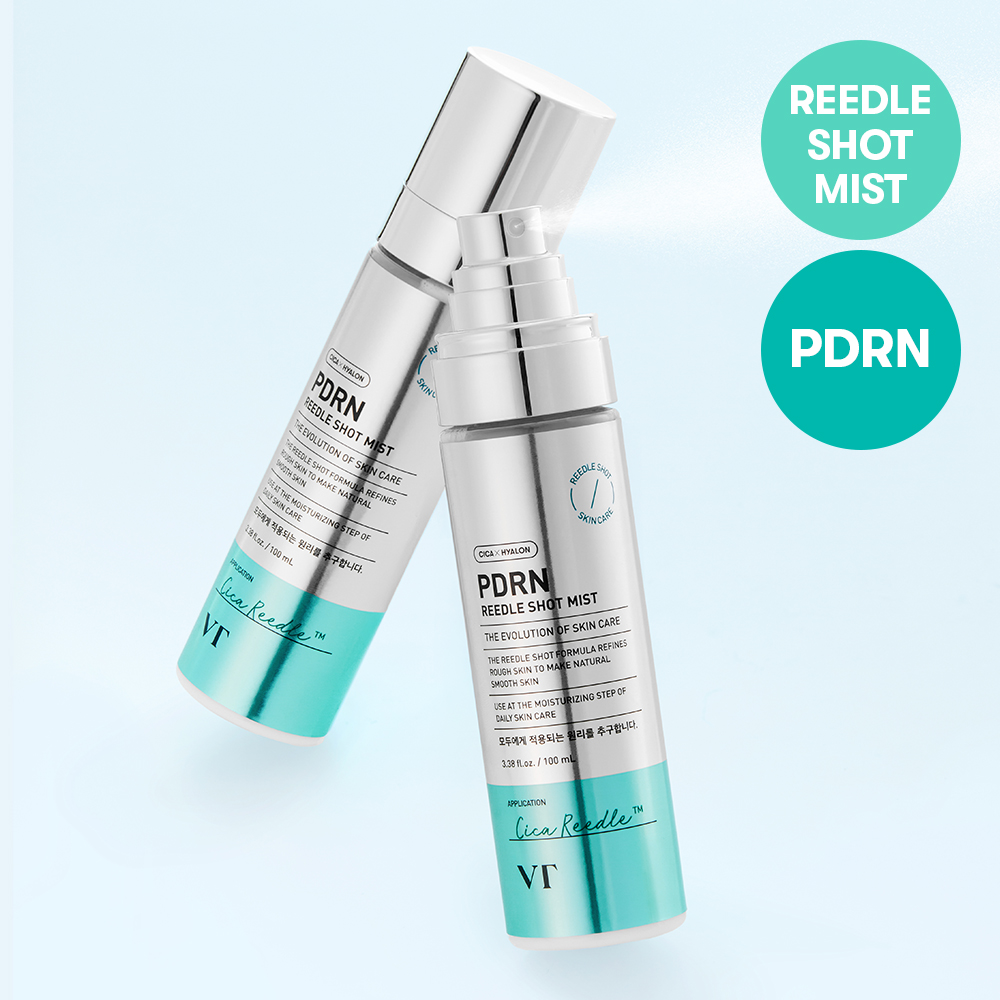
PDRN Reedle Shot Mist
VT
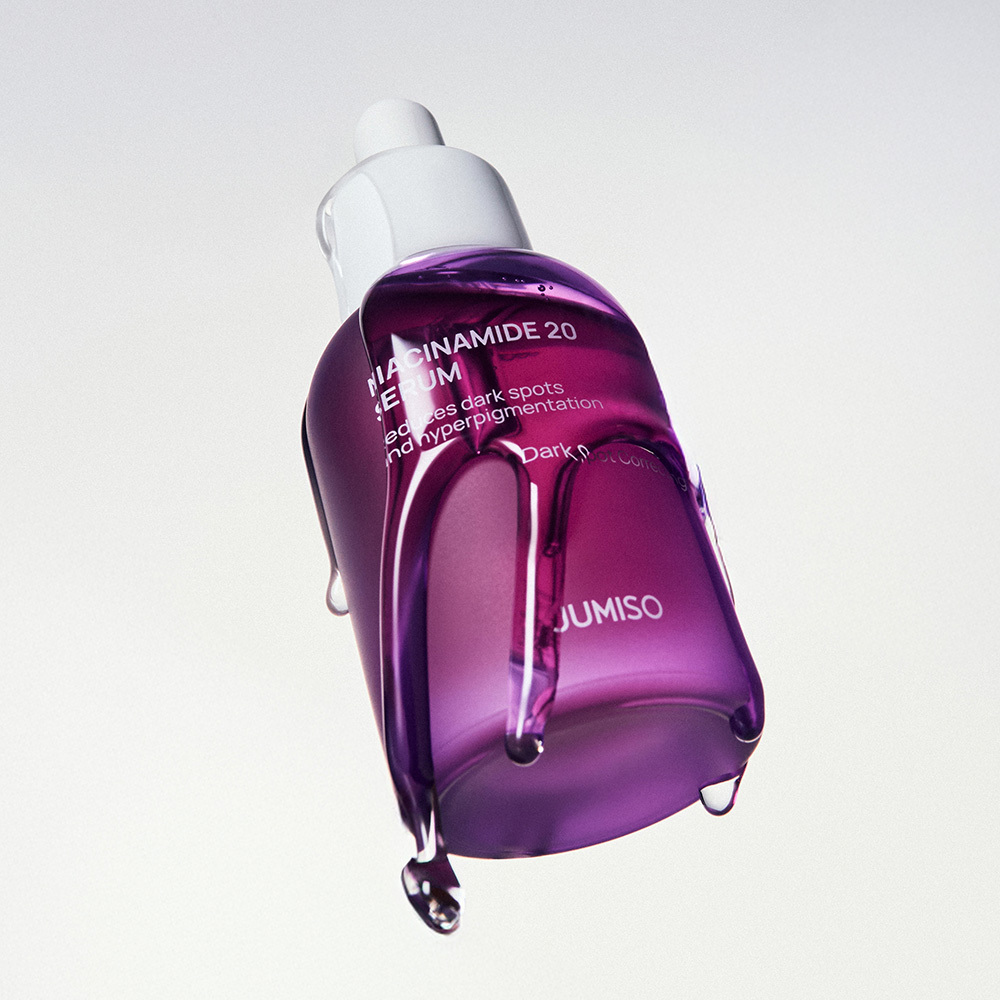
Niacinamide 20 Serum
Jumiso

Madeca Matcha Toning Peeling Gel
Centellian24

Niacinamide 10% + TXA 4% Dark Spot Correcting Serum
Anua

Reedle Shot 300 Essence
VT
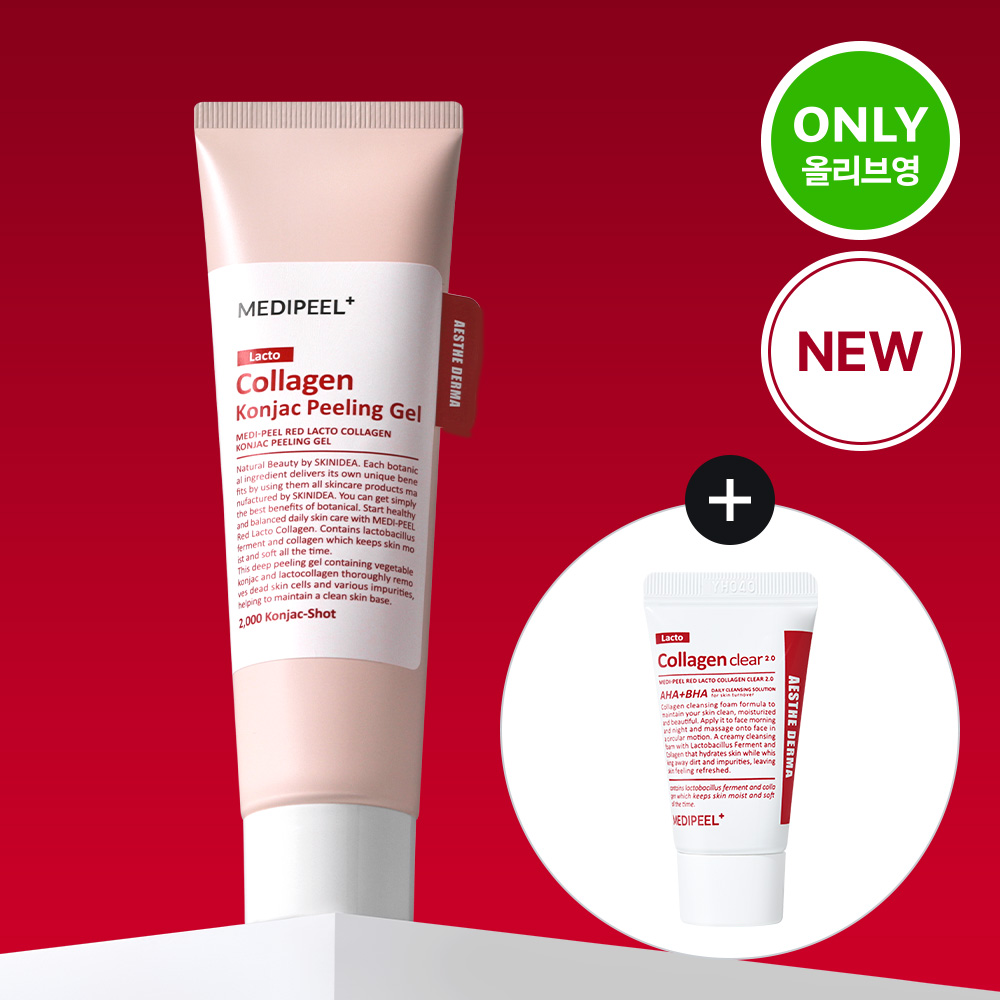
Red Lacto Collagen Konjac Peeling Gel
Medi-Peel
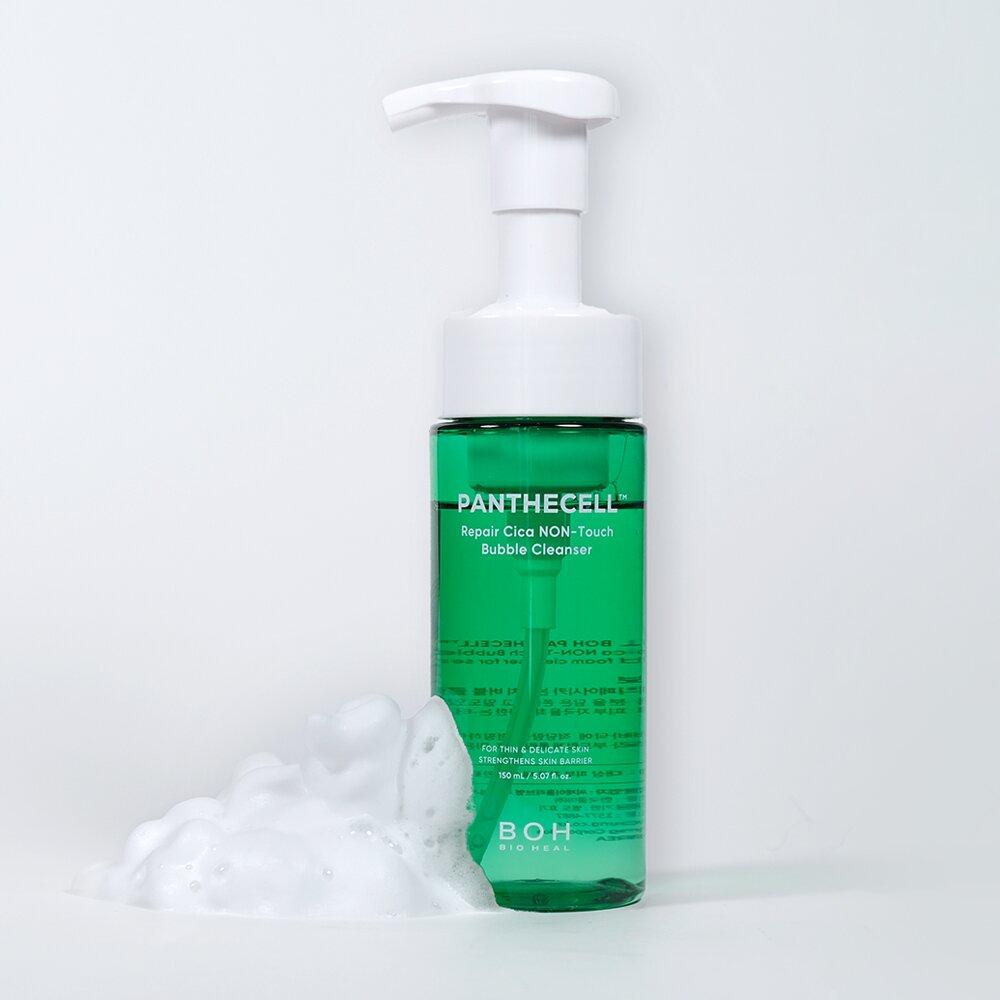
Panthecell Repair Cica NON-Touch Bubble Cleanser
Bioheal BOH
Frequently Asked Questions
Is asiatic acid the same as Centella Asiatica extract?▼
Can asiatic acid help with acne scars?▼
Will asiatic acid make my skin purge or break out?▼
How long does it take to see results from asiatic acid?▼
Can I use asiatic acid with retinol or vitamin C?▼
Articles About Asiatic Acid
Best Korean Skincare for PIE Acne Scars and Texture
If your acne is gone but the red marks and bumpy texture won't budge, you're probably dealing with PIE, not regular hyperpigmentation. The fix requires a completely different set of ingredients, and K-beauty happens to do them really well.
Top 10 Trending K-Beauty Products in March 2026
These are the Korean beauty products trending at Olive Young right now. From barrier-repair creams to PDRN serums, here are the products about to dominate your feed.
Explore More
Want personalized ingredient advice?
Yuri, our AI beauty advisor, can tell you how Asiatic Acid works with your specific skin type, routine, and concerns.
Ask Yuri, free