Rooibos Extract
INCI: Aspalathus Linearis Extract
Antioxidant and soothing agent for skin
About Rooibos Extract
Rooibos extract comes from the leaves of Aspalathus linearis, a South African red bush that's been used for centuries as a healing tea. In K-beauty, it's prized as a multitasking antioxidant that calms inflammation while protecting skin from environmental damage. What makes rooibos particularly interesting is its unique polyphenol profile, including aspalathin and nothofagin, which aren't found in many other botanicals. These compounds work synergistically to neutralize free radicals, reduce redness, and strengthen the skin barrier. Korean formulators love rooibos because it's gentle enough for sensitive skin yet powerful enough to deliver visible anti-aging benefits. You'll find it in everything from cleansers to moisturizers, where it adds soothing properties without any risk of clogging pores. The ingredient has gained traction in K-beauty over the past decade as brands shifted toward naturally derived actives that could compete with synthetic antioxidants like vitamin C. With a perfect safety rating and zero comedogenicity, rooibos fits perfectly into the Korean skincare philosophy of gentle, layered routines that build skin health over time.
How Rooibos Extract Works
Rooibos extract works primarily through its high concentration of flavonoids and phenolic acids, which intercept reactive oxygen species before they can damage cellular DNA and collagen structures. The key compound aspalathin has been shown to inhibit the enzyme tyrosinase, which means it can help prevent hyperpigmentation while simultaneously calming inflammatory pathways in the skin. When applied topically, these polyphenols penetrate the upper layers of the epidermis and modulate the inflammatory response by reducing cytokine production. This dual action makes rooibos particularly effective at addressing both immediate irritation and long-term oxidative stress. The extract also contains zinc and alpha hydroxy acids in trace amounts, which gently support cell turnover without causing sensitivity. Unlike some antioxidants that degrade quickly when exposed to light or air, rooibos compounds remain relatively stable in formulations, which is why Korean brands incorporate it into products across multiple steps of a routine.
Rooibos Extract by Skin Type
Oily Skin
Rooibos extract is excellent for oily skin because it delivers powerful antioxidant benefits without adding weight or congestion. Its natural anti-inflammatory properties help calm the reactive sebum production that often comes with breakouts. The zero comedogenic rating means you can layer it freely without worrying about clogged pores.
Dry Skin
For dry skin, rooibos works as a protective shield that prevents moisture loss while reducing the inflammation that often accompanies dehydration. It pairs beautifully with humectants and occlusives in creams like BADSKIN's Collagen Bomb Hydrating Cream, where it supports barrier repair. The soothing properties also help calm the tight, uncomfortable feeling that comes with dryness.
Combo Skin
Combination skin benefits from rooibos because it balances without over-correcting either zone. It provides antioxidant protection to the entire face while calming oily areas and protecting dry patches from environmental stress. Look for it in lightweight fluids like The Face Shop's Fresh For Men Hydrating Fluid, which hydrate without overwhelming the T-zone.
Sensitive Skin
This is where rooibos truly shines. Its anti-inflammatory compounds reduce reactivity and redness without any of the irritation that comes from stronger actives. With a 5/5 safety rating, it's one of the gentlest antioxidants available, making it ideal for skin that can't tolerate vitamin C or retinol. Korean brands specifically choose rooibos for sensitive skin formulas because it strengthens tolerance over time.
Normal Skin
Normal skin can use rooibos as preventive maintenance against aging and environmental damage. It's gentle enough for daily use in multiple products, from cleansers like 9wishes Rice Foaming Cleanser to treatment creams. The antioxidant protection helps maintain skin health without disrupting the natural balance that normal skin types enjoy.
How to Use Rooibos Extract
- 1Layer rooibos extract products throughout your routine (cleanser, toner, moisturizer) for cumulative antioxidant protection without risking irritation or pilling.
- 2Use rooibos-containing products in the morning to protect skin from oxidative stress caused by UV exposure and pollution throughout the day.
- 3If you're introducing stronger actives like retinol or acids, look for rooibos in your supporting products to help minimize inflammatory side effects.
- 4Rooibos pairs exceptionally well with other soothing ingredients like centella asiatica and green tea, creating a synergistic calming effect for reactive skin.
Background
Rooibos has been harvested by indigenous Khoisan people in South Africa's Cederberg region for over 300 years, originally used as a medicinal tea to treat colic and allergies. The plant grows only in this specific mountainous area, making it a geographically protected ingredient. Korean skincare brands discovered rooibos in the early 2010s while searching for botanical alternatives to synthetic antioxidants. They were particularly drawn to its cultural history as a healing remedy and its impressive stability in cosmetic formulations. Unlike green tea or ginseng, which were already staples in K-beauty, rooibos offered a novel story and a unique phytochemical profile. Today, it's become a signature ingredient in products targeting sensitive skin and those marketed toward men, who often prefer botanical ingredients with a heritage story behind them.
K-Beauty Products with Rooibos Extract
View all 38 →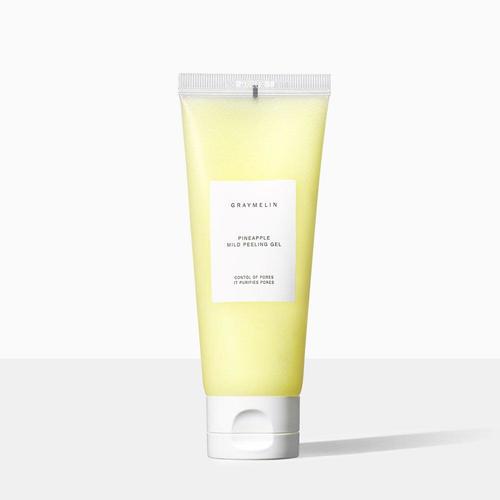
Pineapple Mild Peeling Gel
Graymelin
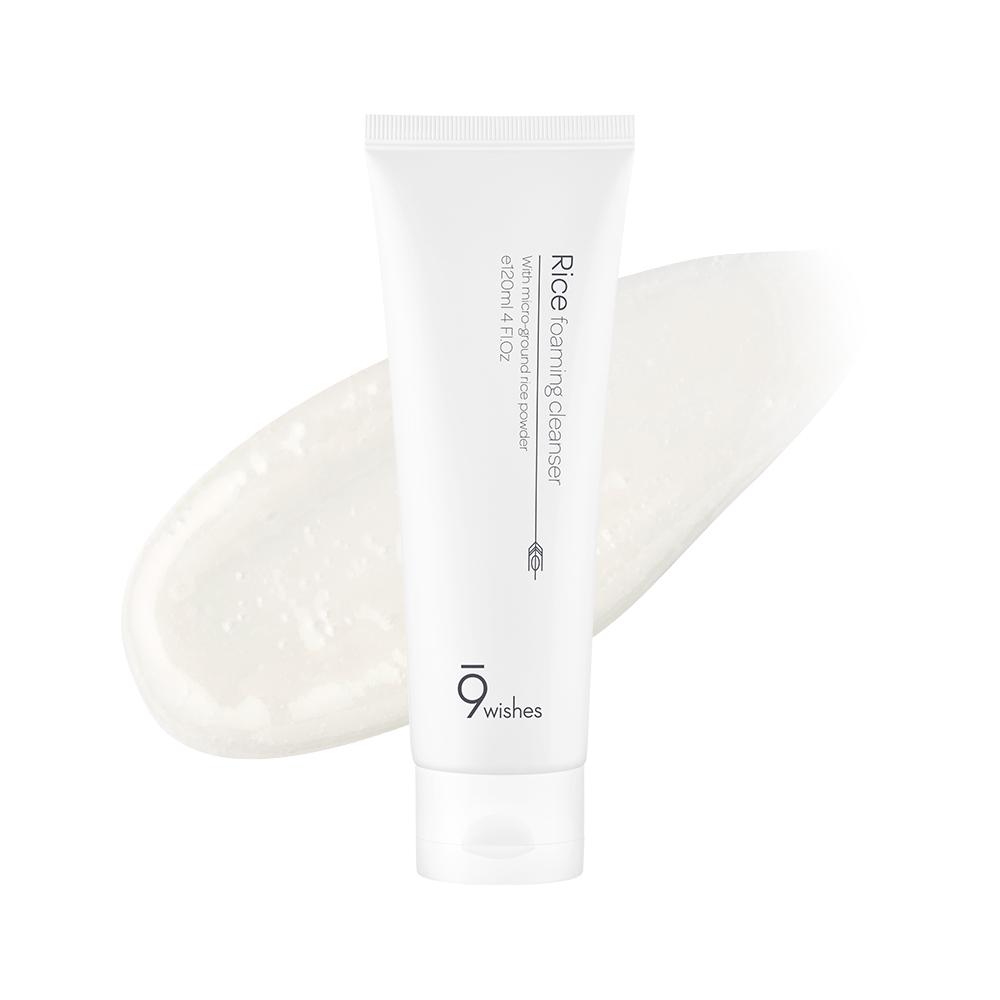
Rice Foaming Cleanser
9wishes
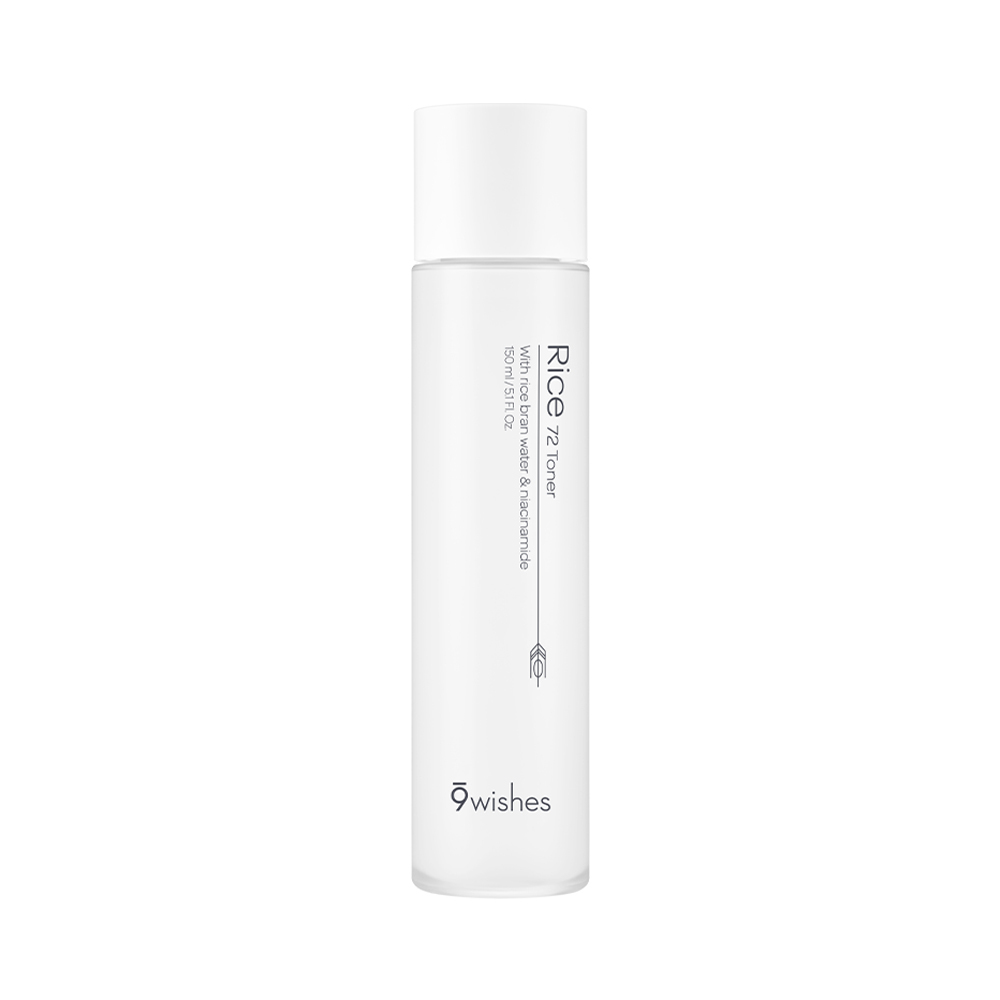
Rice 72 Toner
9wishes
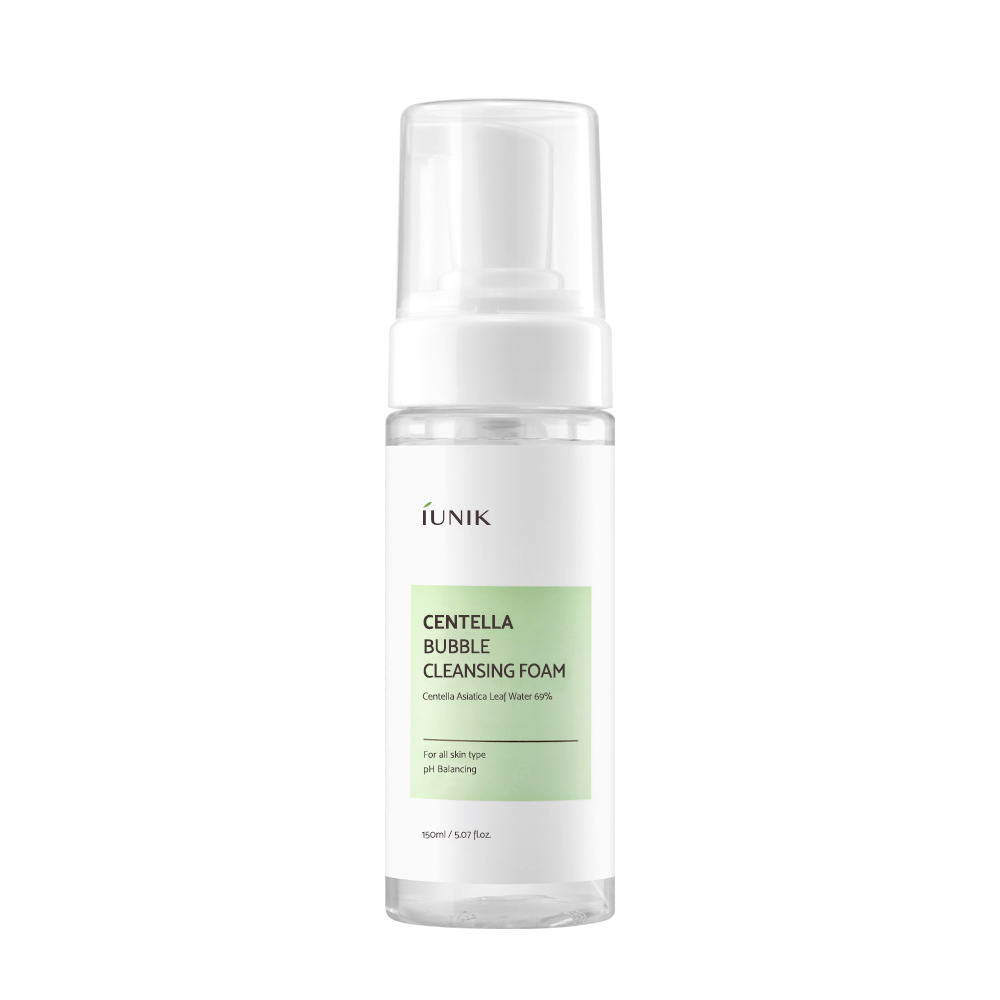
Centella Bubble Cleansing Foam
iUNIK

Clean It Zero Soothing Lip & Eye Remover Pad
Banila Co
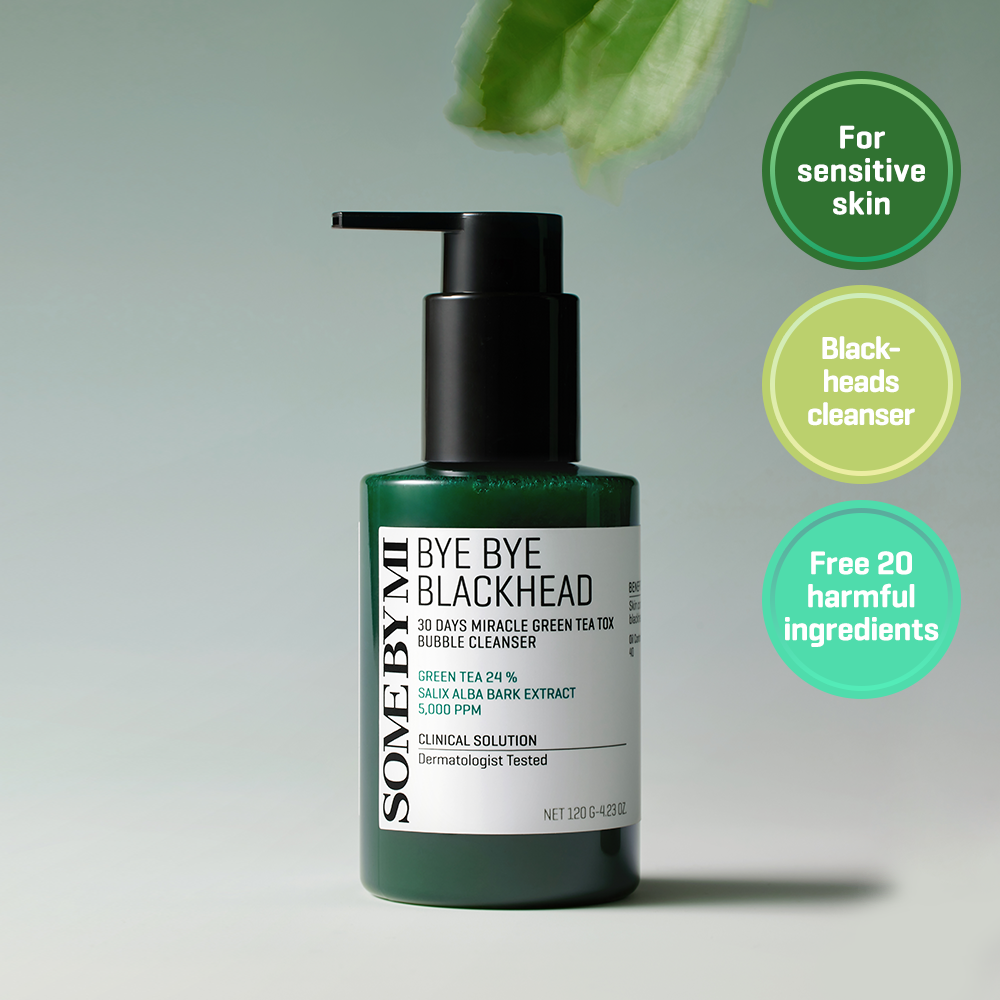
Bye Bye Blackhead 30 Days Miracle Green Tea Tox Bubble Cleanser
Some By Mi
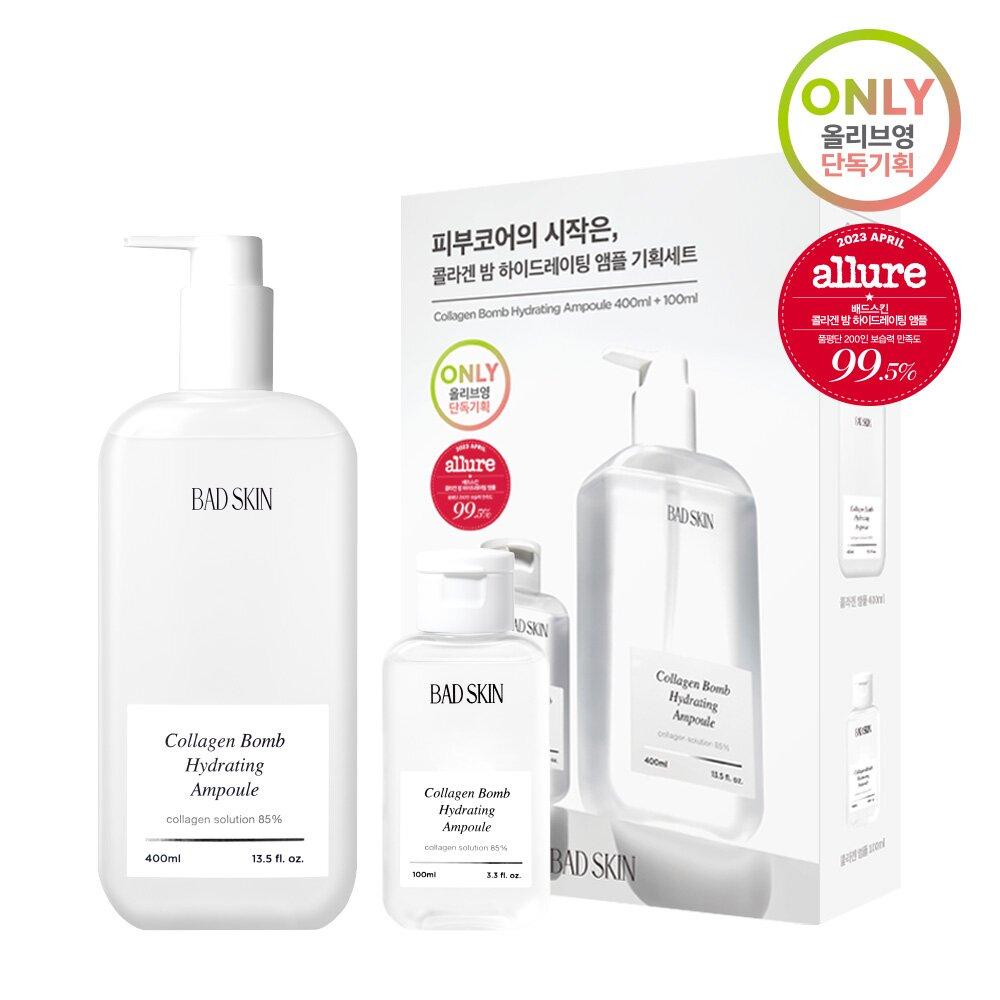
Collagen Bomb Hydrating Ampoule
Anua
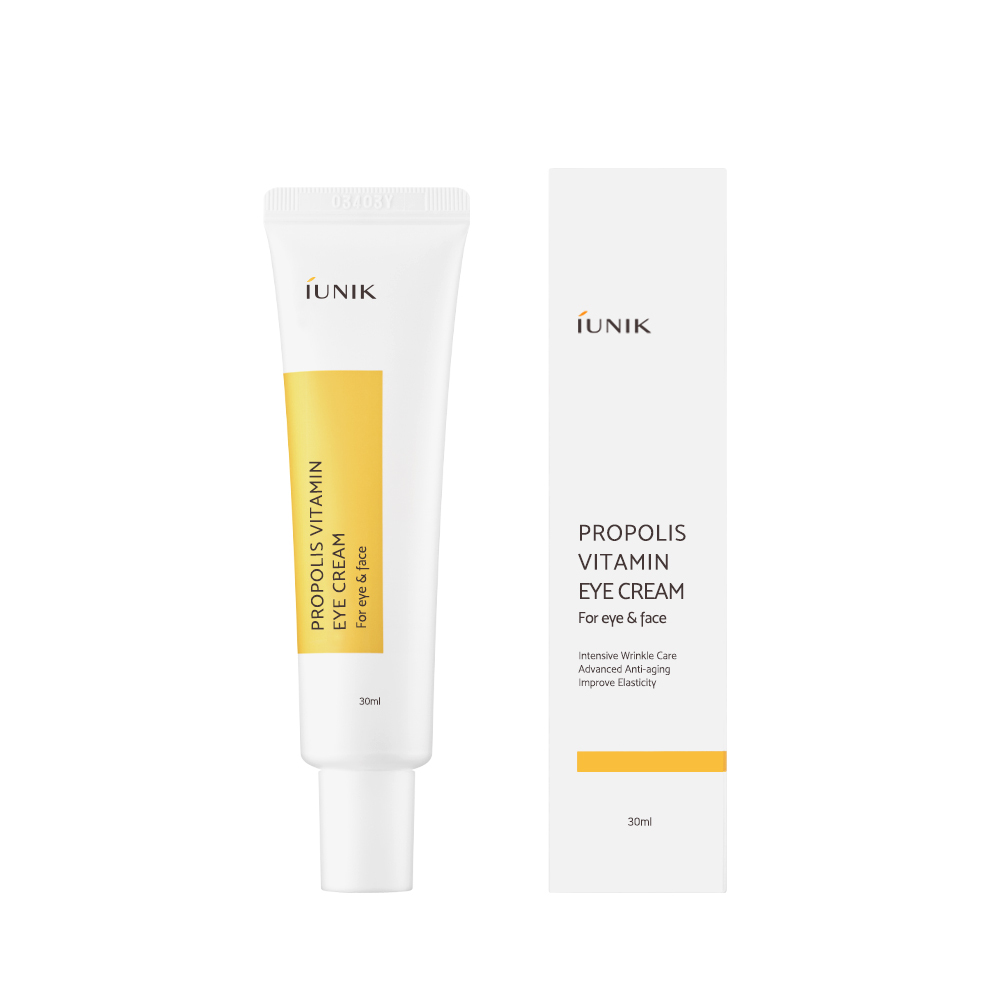
Propolis Vitamin Eye Cream
iUNIK

Rice Radiance Cream
9wishes
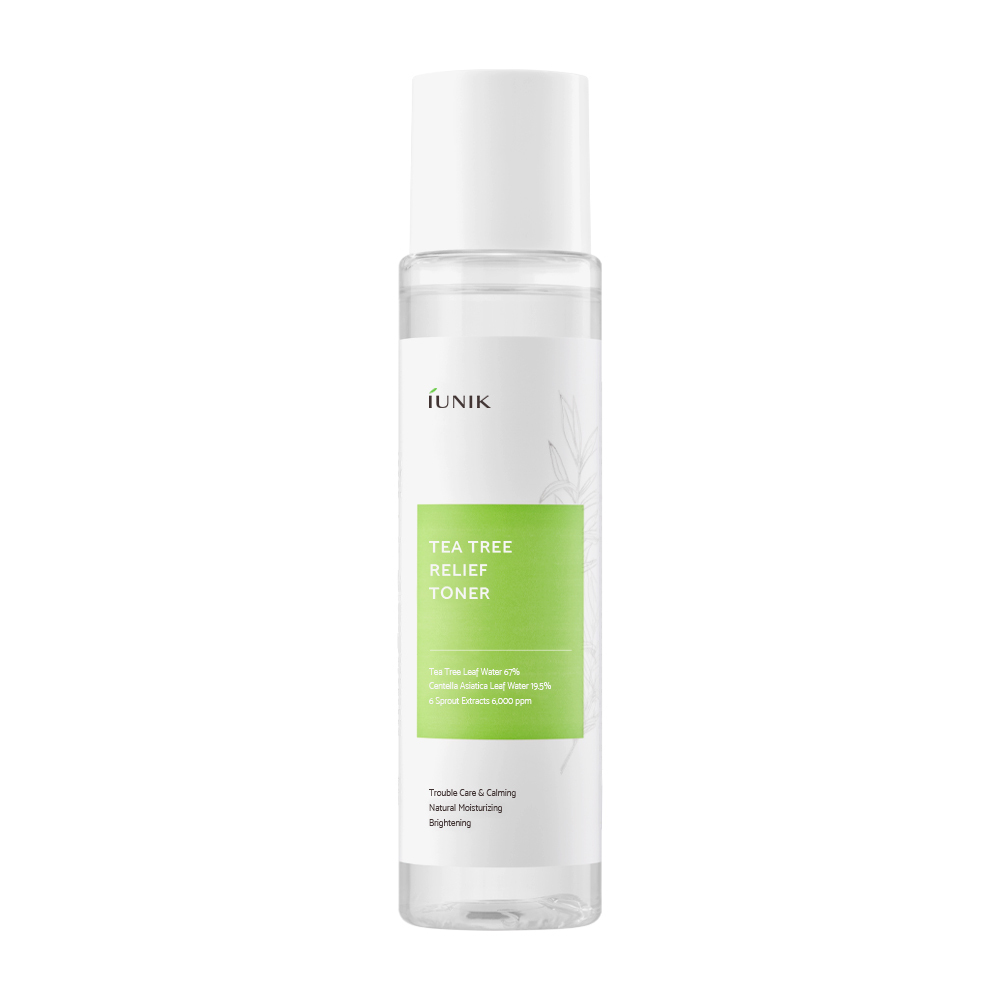
Tea Tree Relief Toner
iUNIK
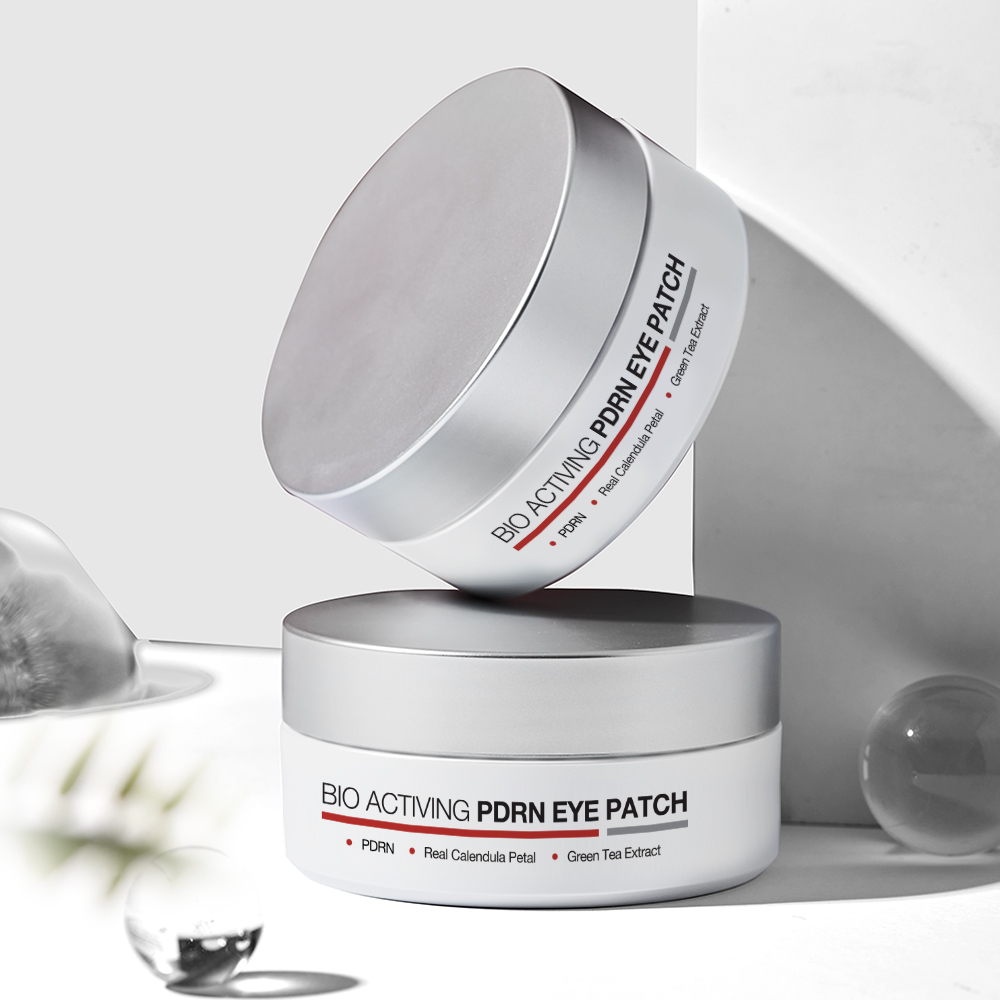
Bio Activing PDRN Eye Patch 60P
DERMALINE
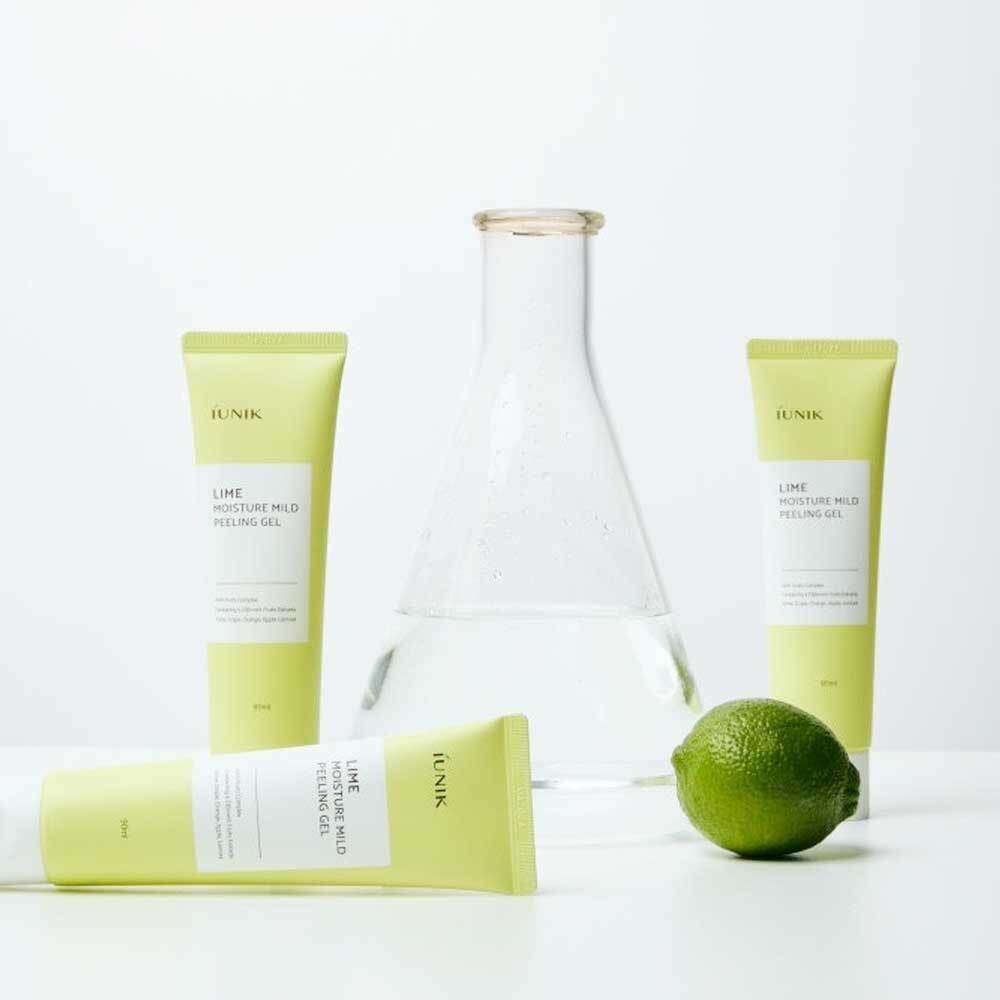
Lime Moisture Mild Peeling Gel
iUNIK
Frequently Asked Questions
Is rooibos extract as effective as vitamin C for antioxidant protection?▼
Can I use rooibos extract if I'm pregnant or breastfeeding?▼
Why do so many men's K-beauty products contain rooibos extract?▼
Will rooibos extract help fade dark spots or hyperpigmentation?▼
Explore More
Want personalized ingredient advice?
Yuri, our AI beauty advisor, can tell you how Rooibos Extract works with your specific skin type, routine, and concerns.
Ask Yuri, free