Asparagine
Amino acid for skin conditioning and hydration
About Asparagine
Asparagine is a non-essential amino acid that plays a surprisingly powerful role in skin hydration and cellular function. As one of the 20 standard amino acids that make up proteins in the human body, asparagine is naturally present in your skin's natural moisturizing factor (NMF), the complex mixture of water-soluble compounds that keeps your stratum corneum hydrated and functioning properly. In K-beauty formulations, asparagine is prized for its ability to support skin barrier integrity, enhance moisture retention, and improve overall skin texture without any risk of irritation or clogging pores. You'll often find it in high-end anti-aging and hydrating serums, particularly in luxury Korean brands like The Whoo and MISSHA, where it works synergistically with collagen-boosting ingredients and other amino acids to create comprehensive skin conditioning effects. What makes asparagine particularly valuable in K-beauty is its dual role as both a humectant that attracts water to the skin and a building block for proteins that maintain skin structure. With a perfect safety rating of 5/5 and zero comedogenic potential, asparagine is genuinely suitable for all skin types, from acne-prone to sensitive. Its presence in 25 products on Seoul Sister, including some of the highest-rated serums and ampoules in the K-beauty space, reflects its growing recognition as a sophisticated hydration ingredient that goes beyond surface-level moisturization.
How Asparagine Works
At the molecular level, asparagine functions through two primary mechanisms. First, as a component of your skin's natural moisturizing factor, it acts as a humectant by forming hydrogen bonds with water molecules, actively pulling moisture from the environment into the upper layers of your epidermis and preventing transepidermal water loss (TEWL). This is the same mechanism your skin uses naturally to stay hydrated, which is why topically applied asparagine integrates so seamlessly with your skin's existing moisture management systems. Second, asparagine serves as a biosynthetic precursor for proteins, meaning your skin cells can use it as a building block to synthesize structural proteins like collagen and elastin. This is particularly important because aging skin gradually loses its ability to produce adequate amino acids for protein synthesis. By supplying asparagine topically, you're essentially providing your fibroblasts with raw materials they need for tissue repair and maintenance. Additionally, asparagine plays a role in cell signaling pathways that regulate keratinocyte differentiation, helping to maintain proper skin cell turnover and barrier function. This amino acid also supports the synthesis of glycoproteins, which are crucial for cell-to-cell communication and maintaining the extracellular matrix that gives skin its structure and resilience.
Asparagine by Skin Type
Oily Skin
Asparagine is excellent for oily skin precisely because it provides lightweight hydration without adding oils or occlusives that could exacerbate shine or congestion. Its zero comedogenic rating means you get moisture support and barrier repair benefits without any risk of clogged pores. Many oily-skinned users find amino acid-based hydration particularly effective because it addresses the dehydration that can actually trigger excess sebum production.
Dry Skin
For dry skin, asparagine is a foundational hydrating ingredient that works at the cellular level to improve your skin's ability to attract and retain moisture. It's particularly effective when combined with other humectants and occlusives, as seen in products like MISSHA's Atelo Collagen 500 Power Plumping Ampoule (5.0/5 rating). The amino acid supports barrier repair, which is often compromised in chronically dry skin, helping to reduce moisture loss over time.
Combo Skin
Combination skin benefits from asparagine's balanced approach to hydration, delivering moisture where needed without overwhelming oilier zones. Its ability to support barrier function helps normalize skin behavior across different facial zones. Products containing asparagine, like Numbuzin's No. 9 NAD Bio Lifting-sil Essence (4.9/5), often provide the kind of intelligent hydration that combination skin needs, addressing dehydration in dry areas while remaining non-greasy in the T-zone.
Sensitive Skin
Asparagine is one of the gentlest hydrating ingredients available, with a perfect 5/5 safety rating and no known irritants or allergens. Because it's naturally present in skin, topical application rarely triggers sensitivity reactions. It actually supports barrier repair and can help reduce sensitivity over time by maintaining proper skin barrier function, which is often compromised in reactive skin types.
Normal Skin
Even normal skin benefits from asparagine's maintenance and prevention properties. By supporting optimal NMF levels and providing building blocks for ongoing protein synthesis, asparagine helps maintain the healthy balance that defines normal skin. It's particularly valuable in anti-aging prevention, as seen in luxury formulations like The Whoo's Bichup Ultimate Recovery Youth Serum (5.0/5), where it works to preserve youthful skin function before visible aging appears.
How to Use Asparagine
- 1Layer asparagine-containing serums under heavier creams or oils to maximize hydration benefits, as amino acids work best when applied to damp skin and sealed in with occlusives.
- 2Look for products that combine asparagine with other amino acids (like glycine, proline, or arginine) for synergistic effects, as your skin uses multiple amino acids together for protein synthesis.
- 3Apply asparagine serums both morning and night, as amino acids are gentle enough for twice-daily use and work continuously to support skin barrier function and hydration.
- 4Pair asparagine products with peptide serums or retinoids for enhanced anti-aging effects, since amino acids provide the raw materials needed for the increased protein synthesis these ingredients stimulate.
Background
Asparagine was first isolated in 1806 from asparagus juice by French chemists Louis Nicolas Vauquelin and Pierre Jean Robiquet, making it one of the first amino acids ever discovered. While it has been used in medical and nutritional applications for over a century, its incorporation into skincare is relatively recent, emerging from the broader scientific understanding of the skin's natural moisturizing factor that developed in the 1980s and 1990s. Korean beauty brands were among the first to recognize the cosmetic potential of individual amino acids like asparagine, moving beyond simple protein hydrolysates to formulate with specific amino acids for targeted benefits. The ingredient gained particular traction in luxury K-beauty lines focused on comprehensive anti-aging and barrier repair, with brands like The Whoo incorporating it into their traditional herb-inspired formulations as a bridge between ancient botanical wisdom and modern biochemistry. Today, asparagine represents K-beauty's sophisticated approach to hydration, focusing on supporting skin's natural processes rather than simply coating the surface.
K-Beauty Products with Asparagine
View all 26 →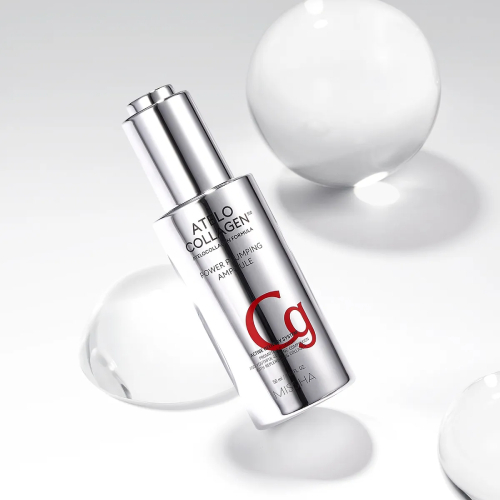
Atelo Collagen 500 Power Plumping Ampoule
MISSHA

No. 9 NAD Bio Lifting-sil Essence
Numbuzin
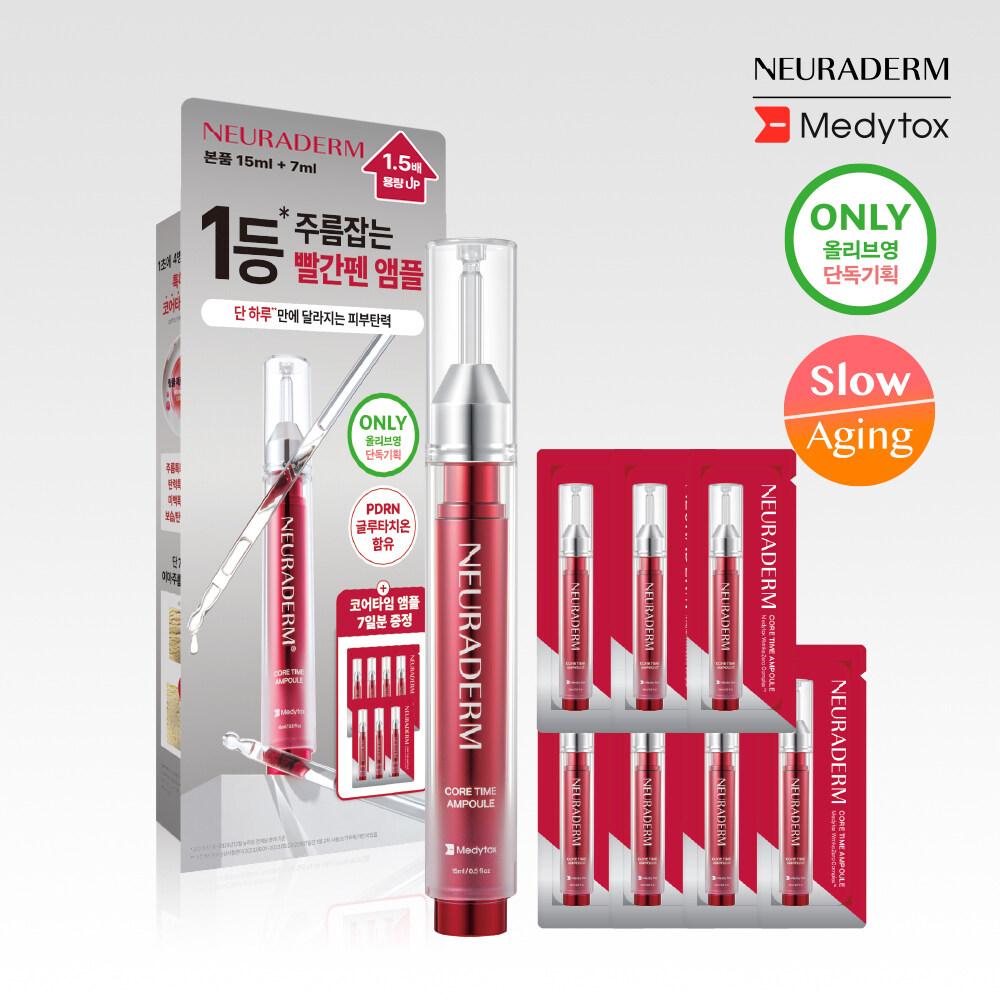
Medytox Core Time Ampoule
Neuraderm

Bichup Ultimate Recovery Youth Serum Discovery Set
The Whoo
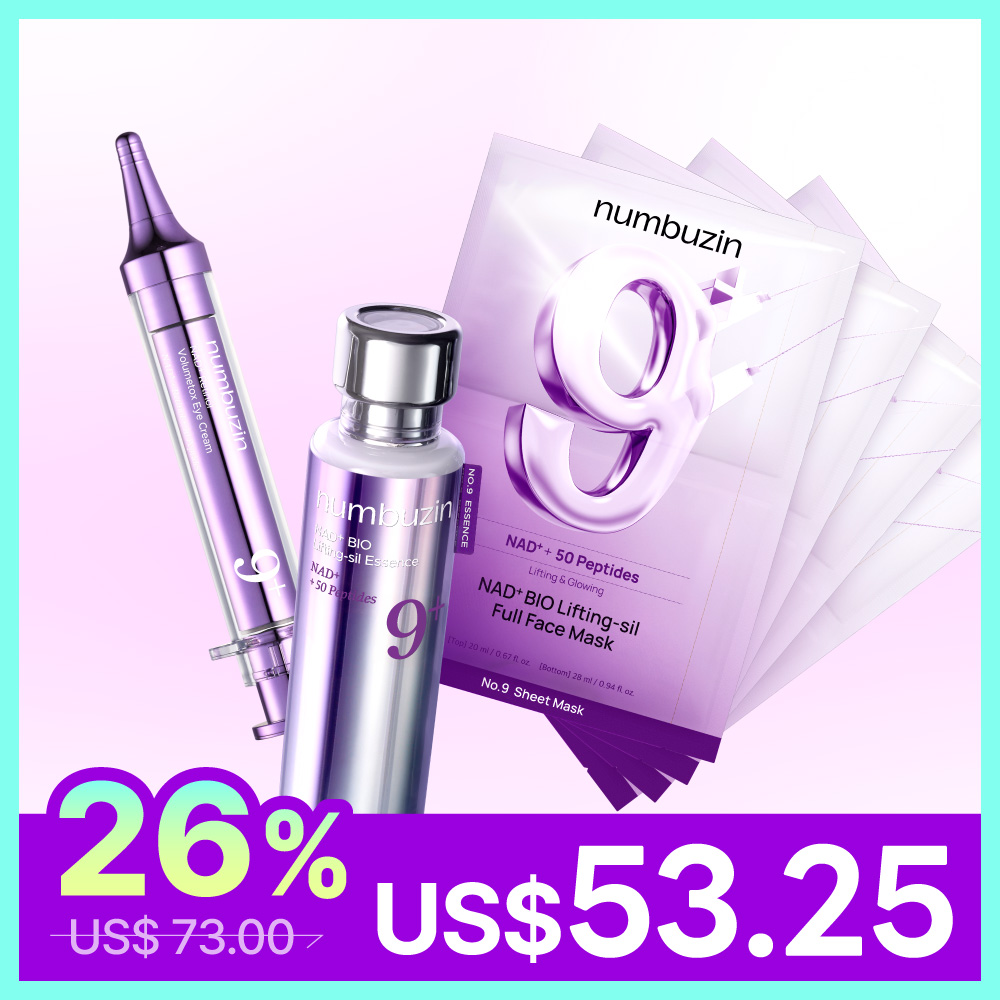
No. 9 NAD Ultimate Lifting Set
Numbuzin
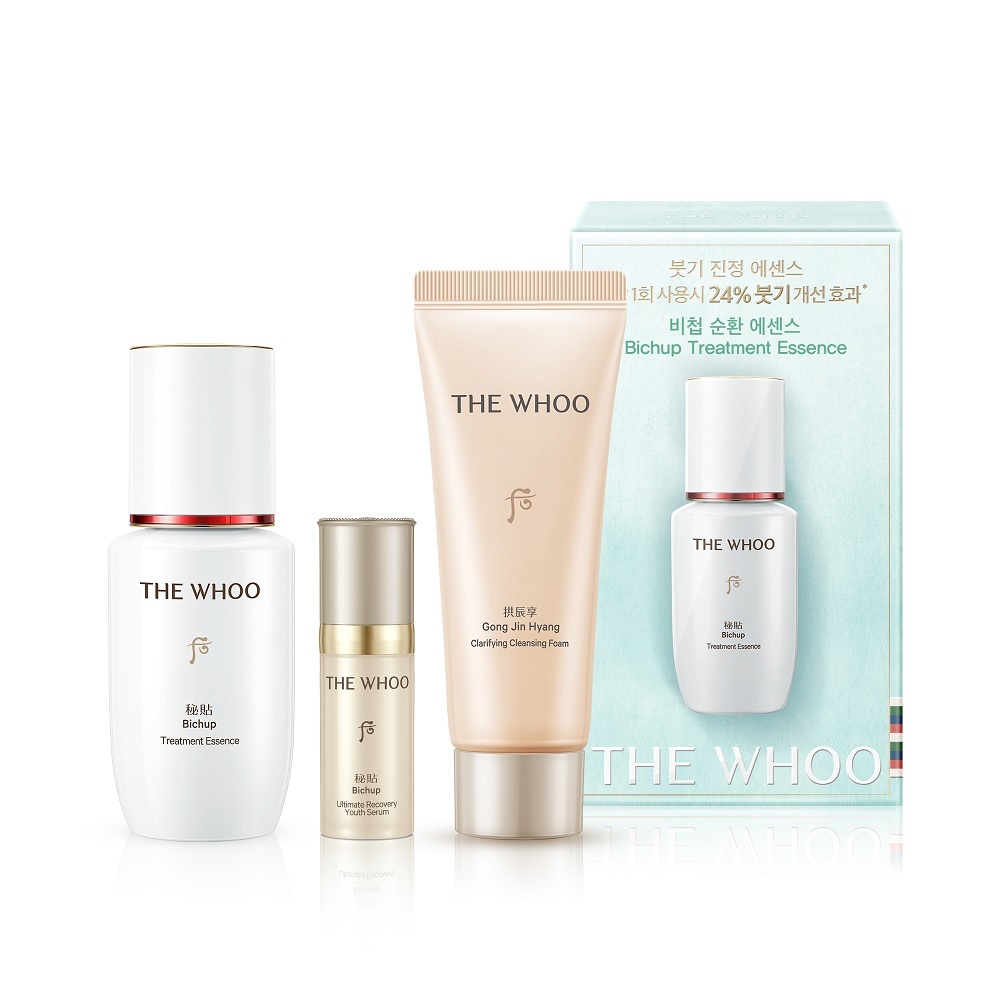
Bichup Treatment Essence 30ml Set
The Whoo
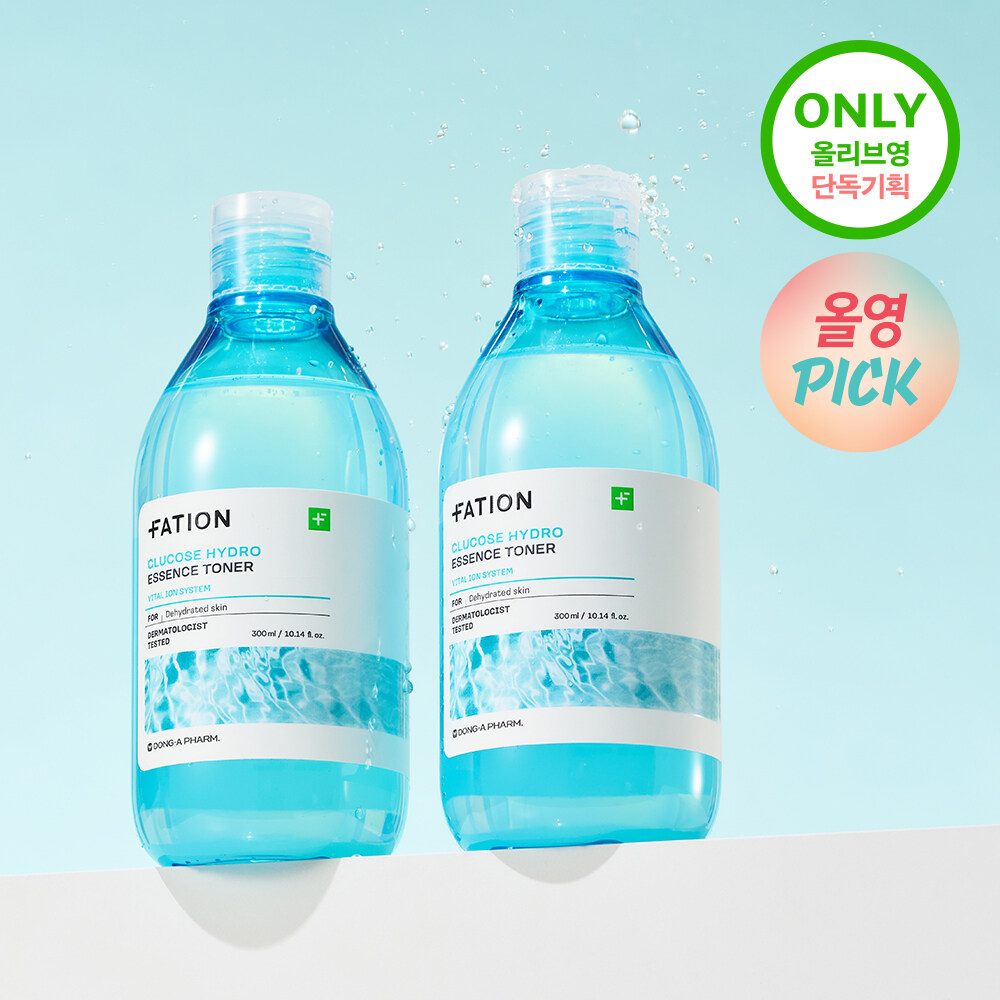
Glucose Hydro Essence Toner Double Pack
Fation
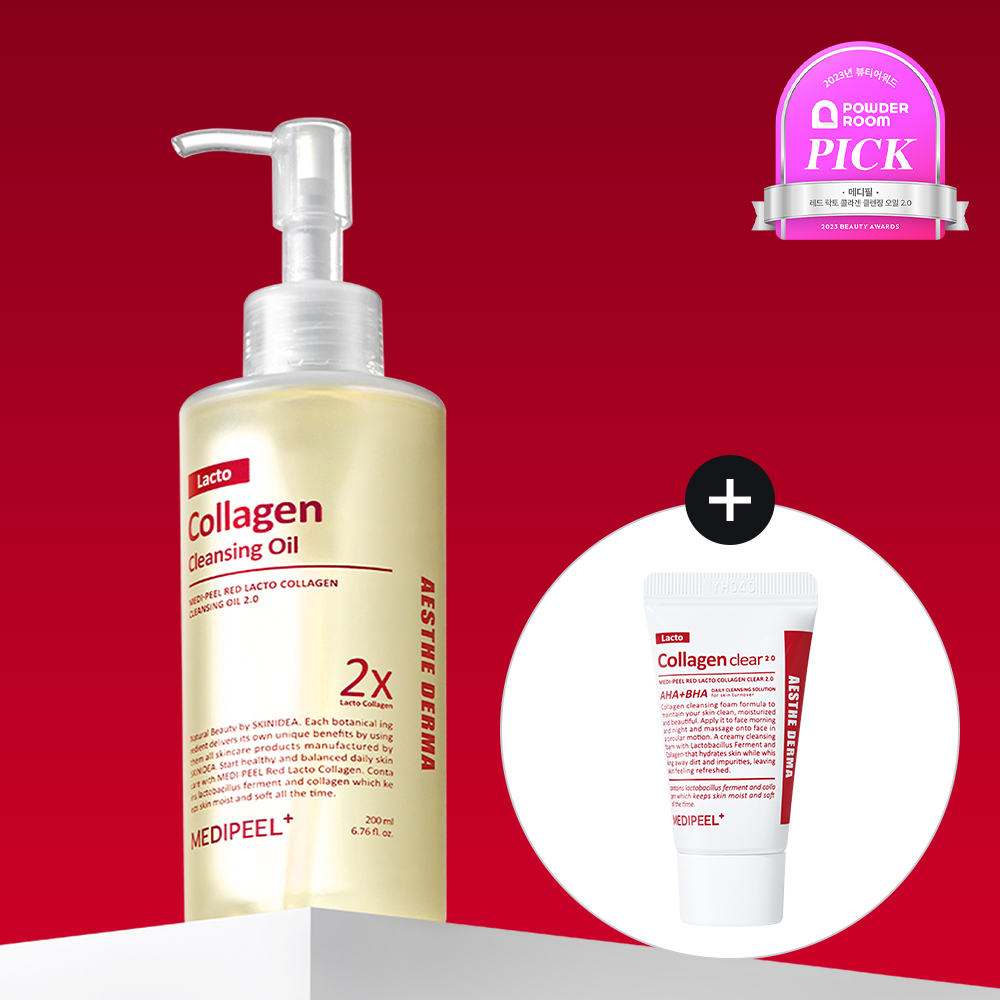
Red Lacto Collagen Cleansing Oil 2.0 Special Set
Medi-Peel
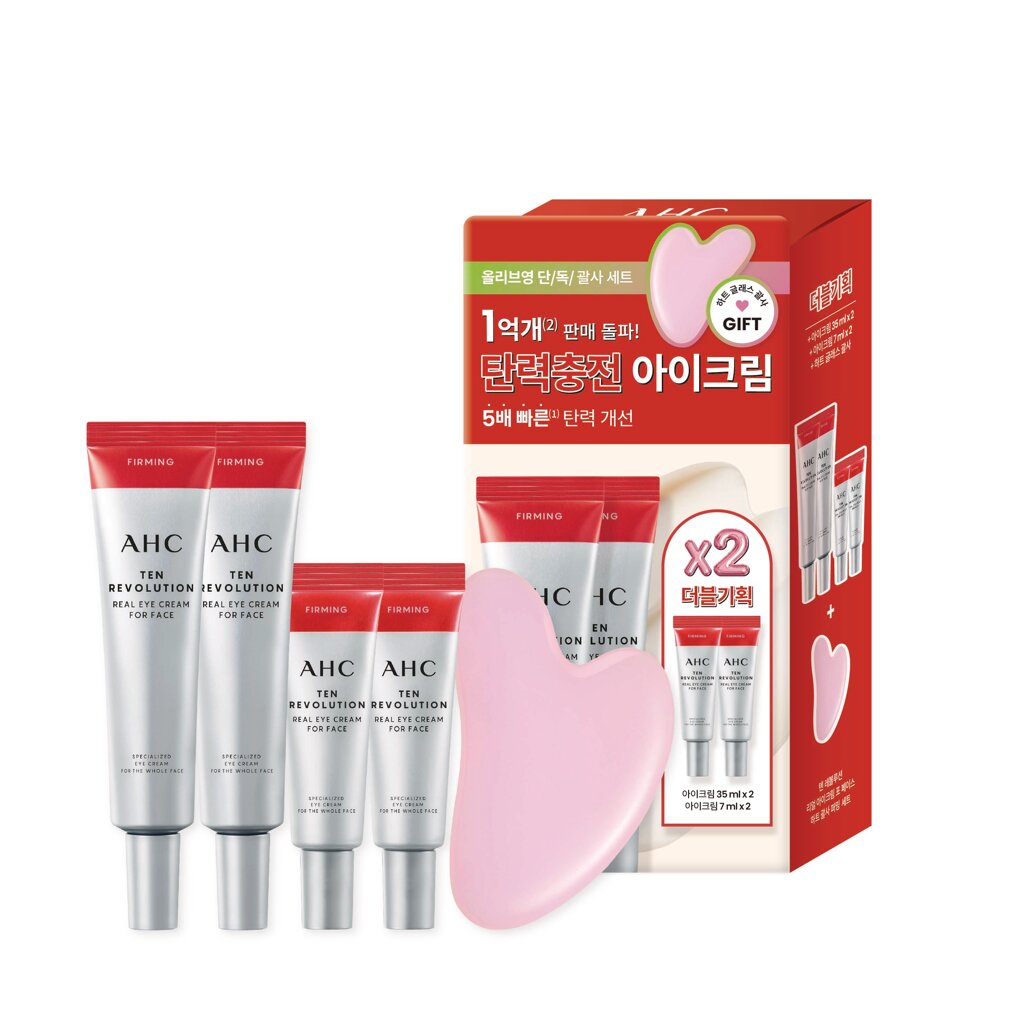
10 Revolution Real Eye Cream For Face
AHC
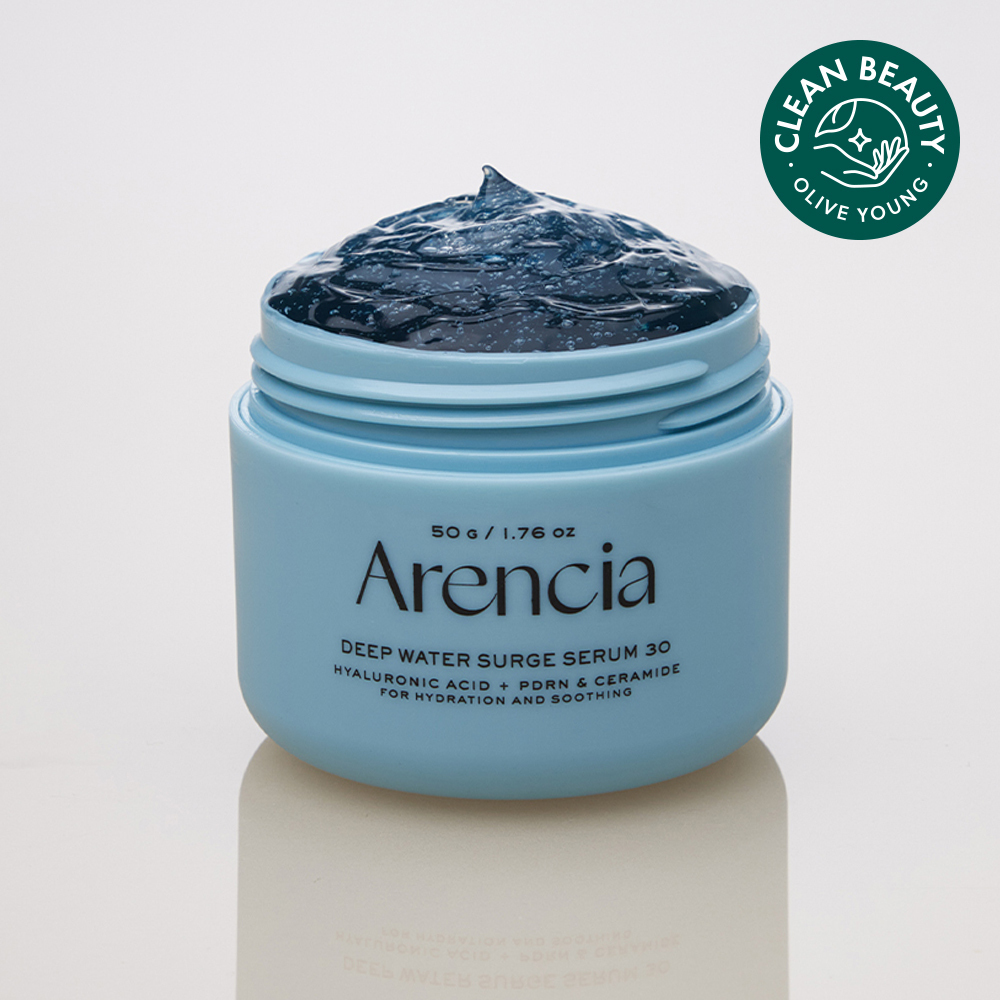
Deep Water Surge Serum 30
Arencia
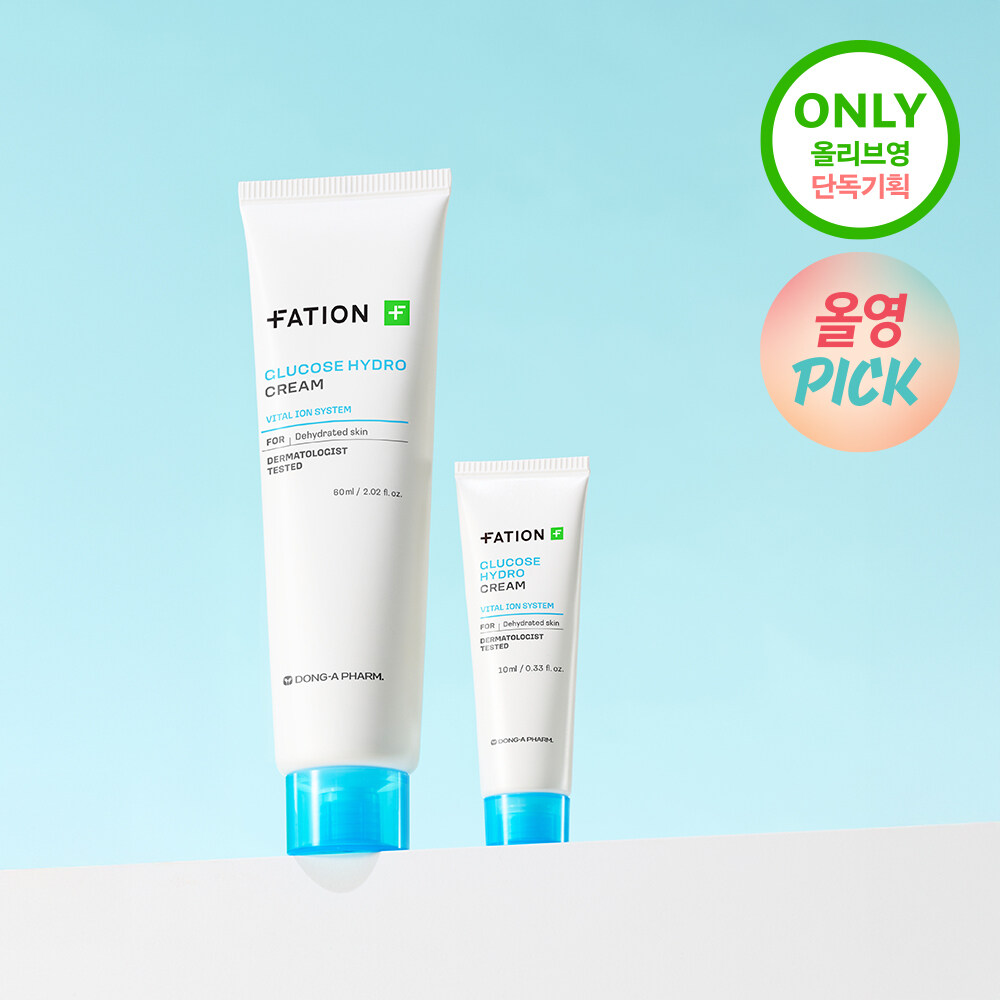
Glucose Hydro Cream Set
Fation
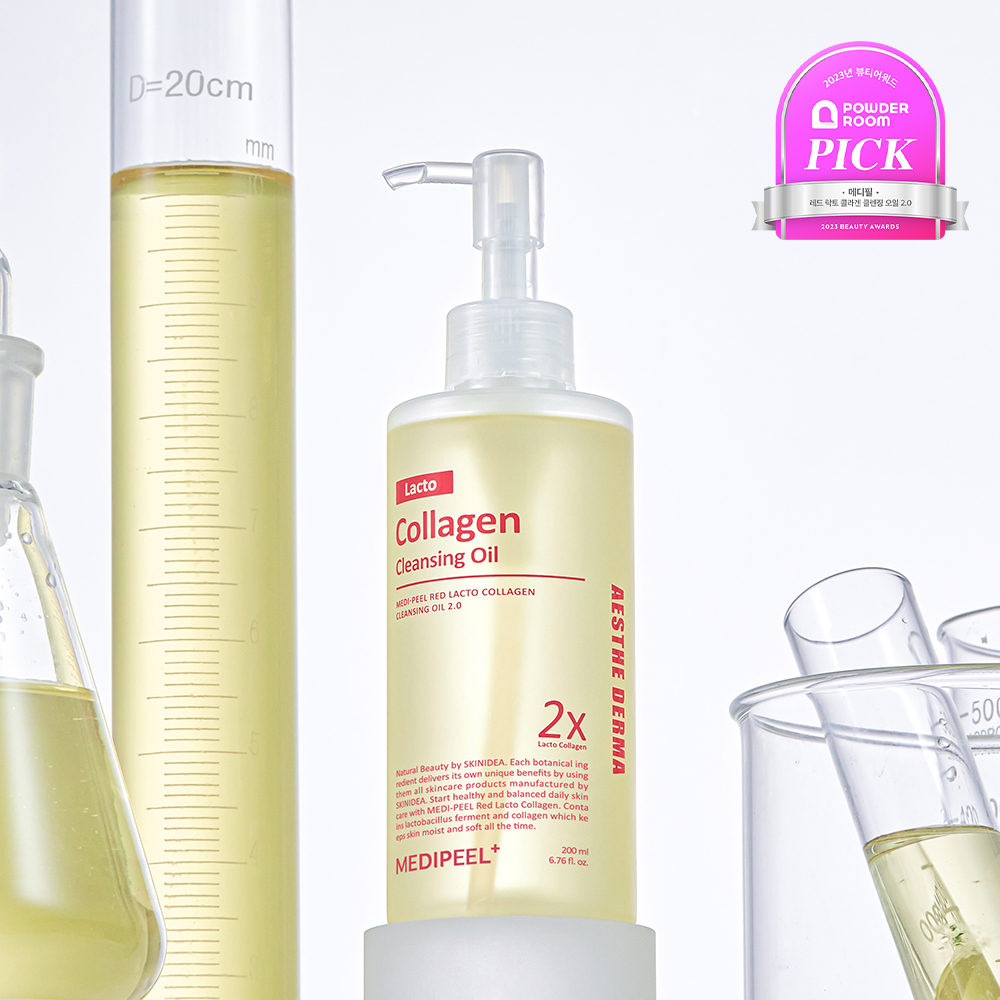
Red Lacto Collagen Cleansing Oil 2.0
MEDIPEEL
Frequently Asked Questions
Is asparagine the same as asparagus extract in skincare?▼
Can asparagine help with fine lines and wrinkles?▼
How is asparagine different from hyaluronic acid for hydration?▼
Will asparagine break me out if I'm acne-prone?▼
Explore More
Want personalized ingredient advice?
Yuri, our AI beauty advisor, can tell you how Asparagine works with your specific skin type, routine, and concerns.
Ask Yuri, free