Chinese Asparagus Root Extract
INCI: Asparagus Cochinchinensis Extract
Antioxidant and skin soothing botanical extract
About Chinese Asparagus Root Extract
Chinese Asparagus Root Extract, derived from Asparagus cochinchinensis (also known as Tian Men Dong in Traditional Chinese Medicine), is a revered botanical ingredient in K-beauty formulations that delivers powerful antioxidant and skin-soothing benefits. This extract comes from the tuberous roots of a climbing plant native to East Asia and has been used for centuries in herbal medicine for its moisturizing and anti-inflammatory properties. In modern skincare, it's prized for its rich content of steroidal saponins, polysaccharides, and amino acids that work together to protect skin from environmental stressors while calming irritation and supporting the skin barrier. Korean brands particularly value this ingredient for its ability to deliver hydration without heaviness, making it a staple in both luxury lines like The Whoo's Gong Jin Hyang collection and accessible everyday products like Banila Co cleansers. With a low comedogenic rating of 1/5, it's suitable for virtually all skin types, including acne-prone and sensitive skin. The ingredient appears in 18 products on Seoul Sister, often paired with other traditional Asian botanicals in formulations that bridge ancient wisdom with contemporary skincare science. Its presence in multiple 5.0-rated products demonstrates its effectiveness and compatibility with other active ingredients.
How Chinese Asparagus Root Extract Works
At the cellular level, Chinese Asparagus Root Extract works through multiple pathways to improve skin health. Its steroidal saponins act as natural anti-inflammatory agents by inhibiting the production of pro-inflammatory cytokines and reducing the activity of enzymes that break down collagen and elastin. The polysaccharide content forms a protective film on the skin's surface that helps retain moisture while allowing the skin to breathe, supporting the natural moisture barrier without occlusion. The extract's antioxidant compounds, including flavonoids and phenolic acids, neutralize free radicals generated by UV exposure and pollution, preventing oxidative damage that leads to premature aging. Additionally, the amino acid profile supports the skin's natural moisturizing factor (NMF), helping the stratum corneum maintain optimal hydration levels. Research suggests the extract may also stimulate fibroblast activity, promoting collagen synthesis and improving skin elasticity over time. This multi-functional mechanism makes it particularly effective in anti-aging and sensitive skin formulations where gentle yet effective action is required.
Chinese Asparagus Root Extract by Skin Type
Oily Skin
Chinese Asparagus Root Extract is surprisingly beneficial for oily skin due to its lightweight hydration and anti-inflammatory properties. It provides moisture without adding heaviness or triggering excess sebum production, and its soothing effects can help calm the inflammation that often accompanies acne and enlarged pores. The low comedogenic rating means it won't clog pores or contribute to breakouts.
Dry Skin
This ingredient is excellent for dry skin, offering both immediate and long-term hydration benefits through its polysaccharide content that helps strengthen the moisture barrier. The extract's ability to support the skin's natural moisturizing factor means improved water retention over time, while its antioxidants protect already compromised barrier function from further environmental damage. You'll often find it in Korean essences and emulsions designed for deep hydration.
Combo Skin
For combination skin, Chinese Asparagus Root Extract offers balanced benefits that address both dry and oily zones without causing issues in either area. Its lightweight texture provides hydration to dry patches while the non-comedogenic formula won't overwhelm oilier areas like the T-zone. The soothing properties help calm any localized irritation or redness that combination skin types often experience in transitional areas.
Sensitive Skin
This extract is particularly well-suited for sensitive skin due to its proven anti-inflammatory and soothing properties. It helps calm reactive skin, reduce redness, and strengthen the compromised barrier function that often characterizes sensitive skin types. With a high safety rating of 4/5 and centuries of traditional use, it's generally well-tolerated even by those who react to more common botanical extracts.
Normal Skin
Even normal skin benefits from Chinese Asparagus Root Extract's preventative antioxidant protection and barrier-supporting properties. It helps maintain the healthy state of normal skin by protecting against environmental stressors and subtle inflammation that can accumulate over time. The ingredient supports long-term skin health and resilience without causing imbalance or unwanted changes to already well-functioning skin.
How to Use Chinese Asparagus Root Extract
- 1Look for this ingredient in the first half of the ingredient list for meaningful concentrations, particularly in toners, essences, and serums where it can deliver optimal antioxidant and hydrating benefits.
- 2Layer products containing Chinese Asparagus Root Extract under heavier creams or occlusives at night to maximize its barrier-supporting and moisture-retaining effects while you sleep.
- 3This ingredient pairs beautifully with other traditional Korean botanicals like ginseng, licorice root, and lotus extract, as seen in The Whoo's Gong Jin Hyang line, for enhanced anti-aging benefits.
- 4If you're using actives like retinol or acids, products with this extract can help buffer potential irritation while still allowing the actives to work effectively, making it ideal for sensitive skin introducing stronger ingredients.
Background
Asparagus cochinchinensis has been cultivated and used medicinally in China, Korea, and other parts of East Asia for over 2,000 years, where it's known as Tian Men Dong (literally 'heavenly winter'). In Traditional Chinese Medicine, it was primarily used to nourish yin, clear heat, and moisten dryness, both internally and topically. Korean traditional medicine adopted these uses, incorporating the root into treatments for dry, irritated skin conditions. The transition to modern K-beauty occurred as Korean skincare brands began systematically studying traditional herbal ingredients through contemporary scientific methods in the 1990s and 2000s. Luxury Korean brands like The Whoo were pioneers in elevating these traditional ingredients, featuring Chinese Asparagus Root Extract prominently in their Gong Jin Hyang line, which draws inspiration from royal court beauty recipes. Today, the ingredient represents K-beauty's distinctive approach of validating ancestral botanical knowledge with modern dermatological science, appearing in both premium and accessible product lines across the industry.
K-Beauty Products with Chinese Asparagus Root Extract
View all 19 →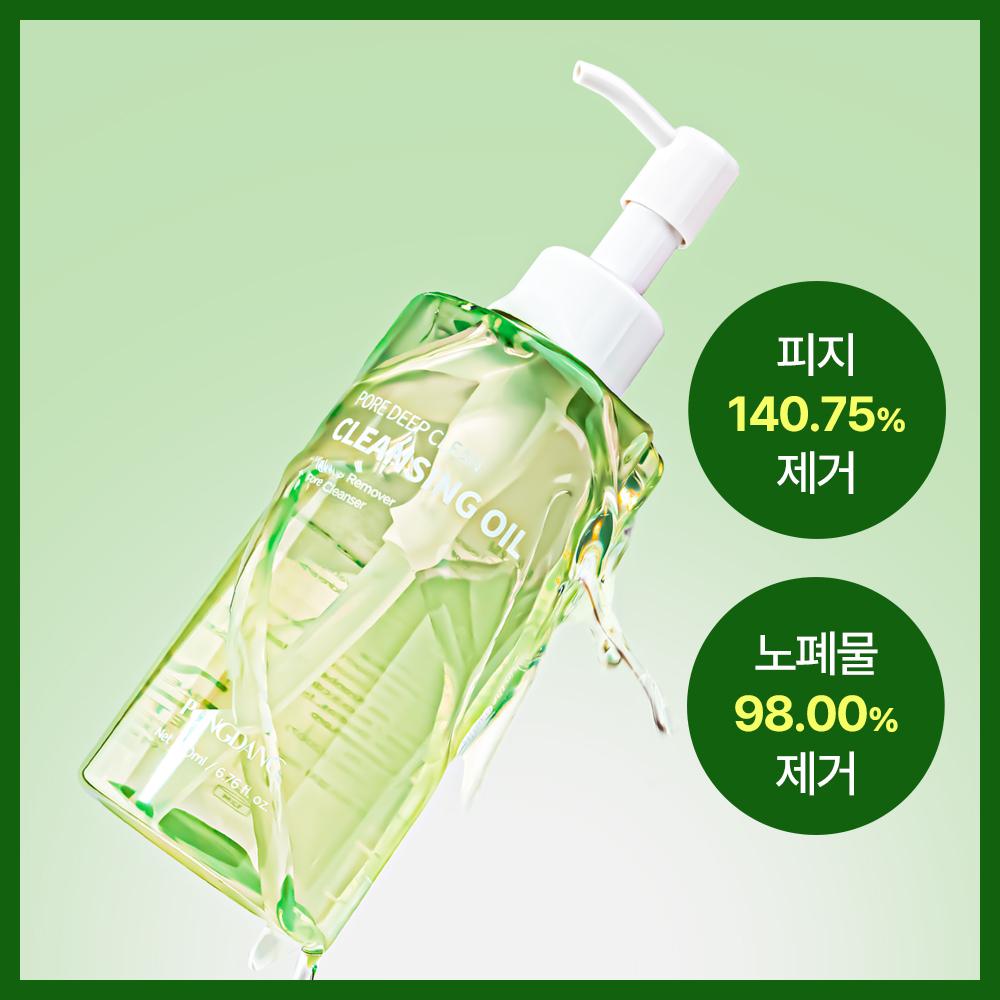
Pongdang Pore Deep Clean Cleansing Oil
Banila Co
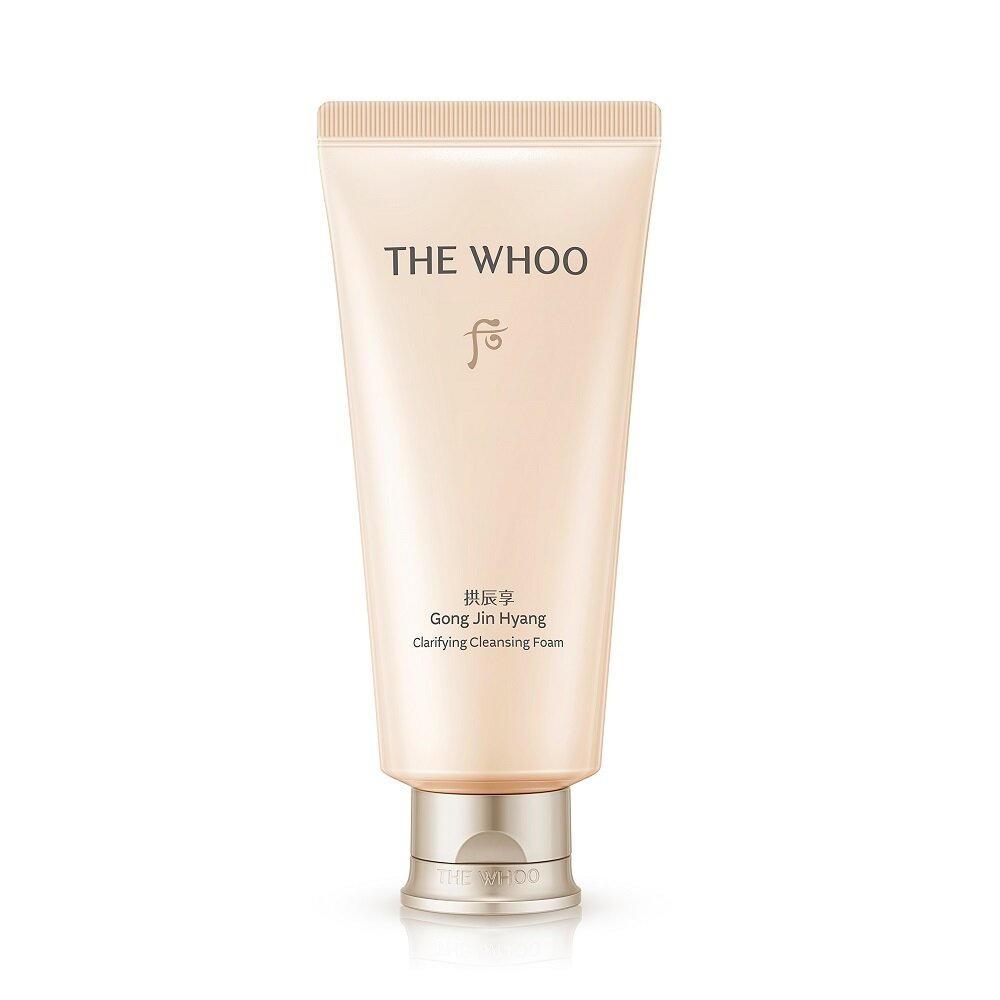
Gong Jin Hyang Cleansing Foam
The Whoo
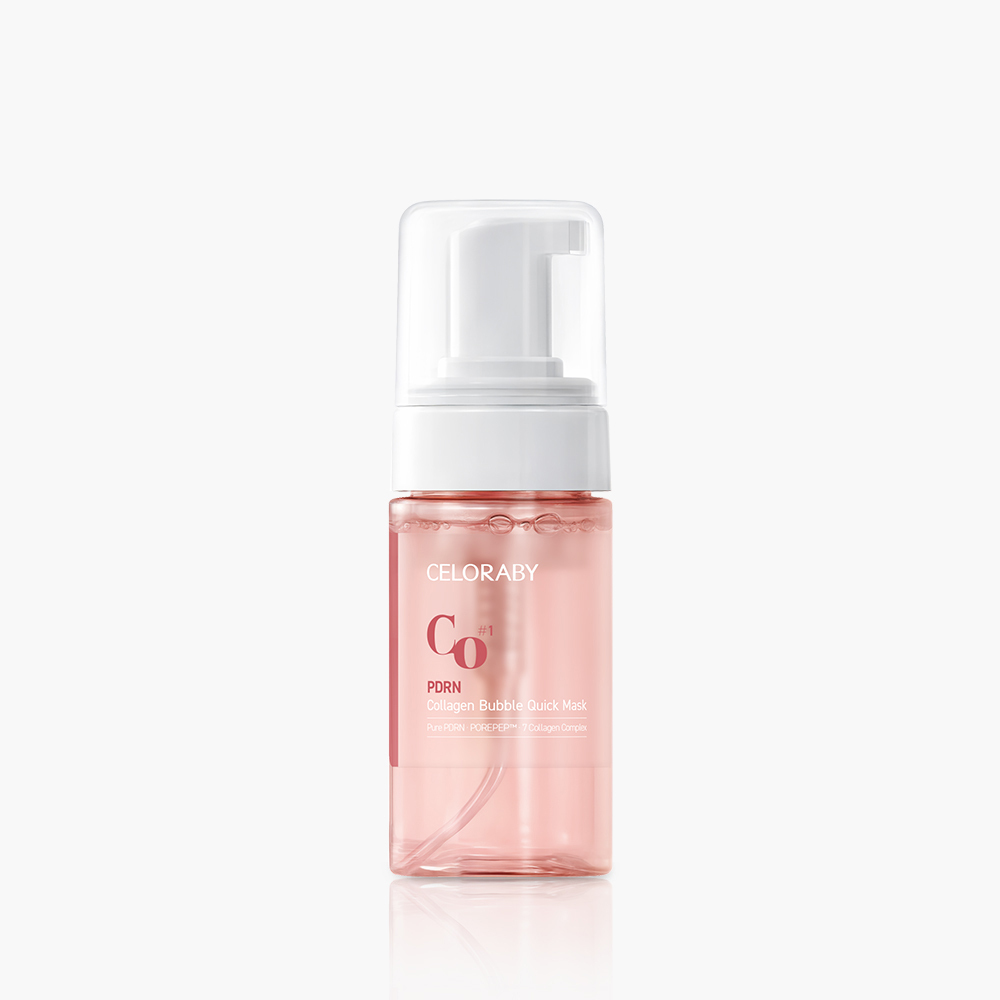
PDRN Collagen Bubble Quick Mask Serum
CELORABY by Anua
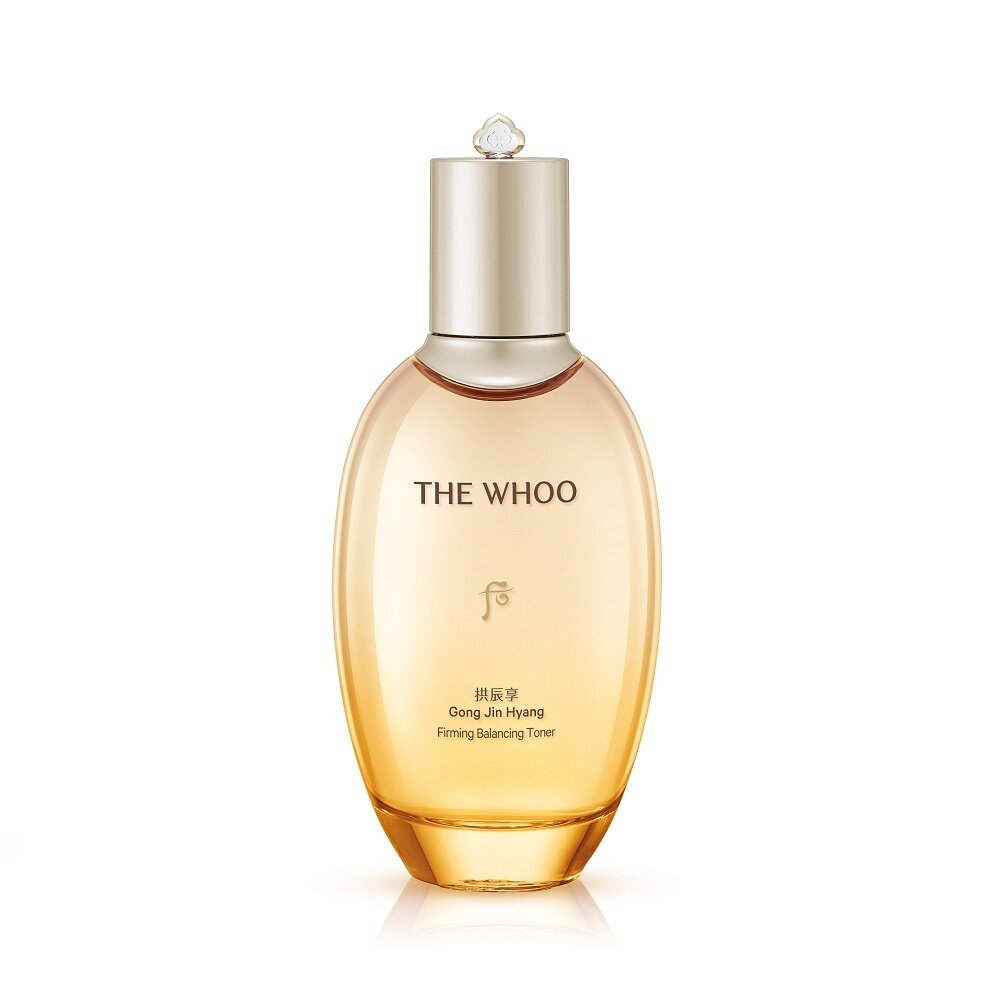
Gong Jin Hyang Firming Balancing Toner
The Whoo
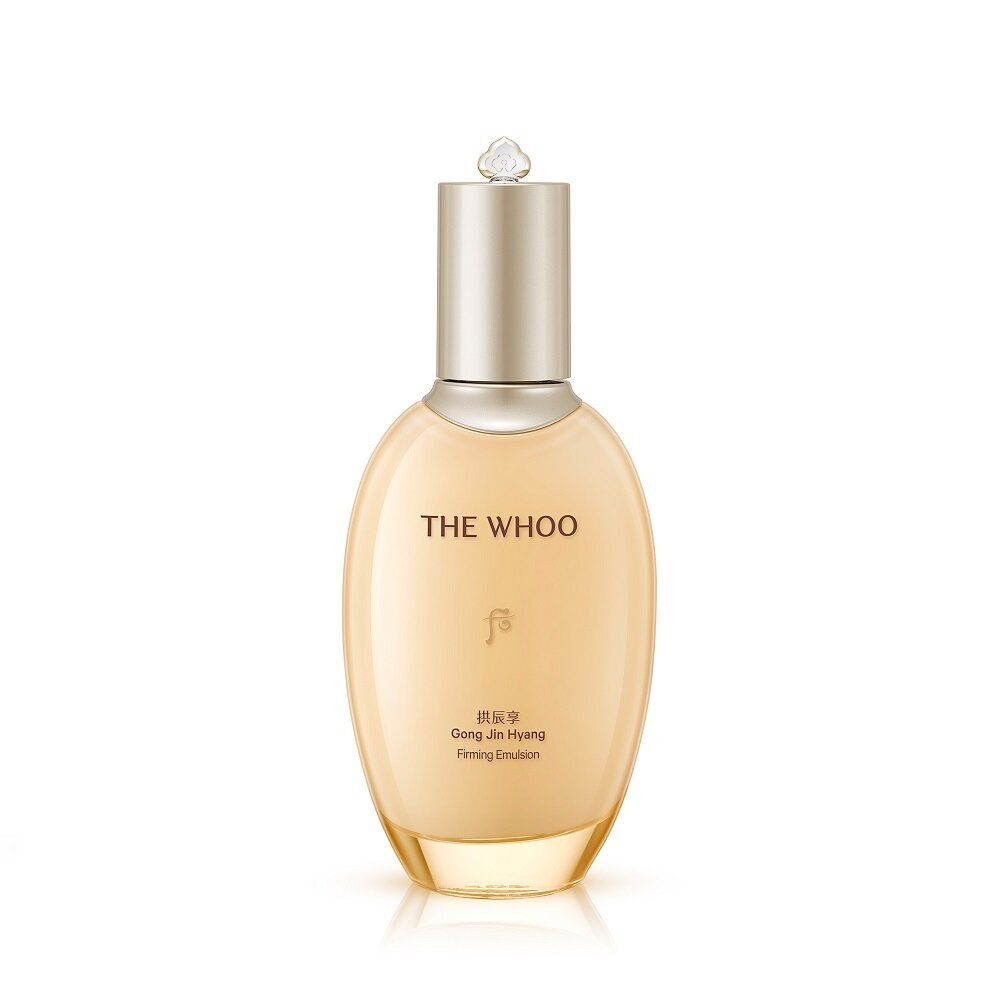
Gong Jin Hyang Firming Emulsion
The Whoo
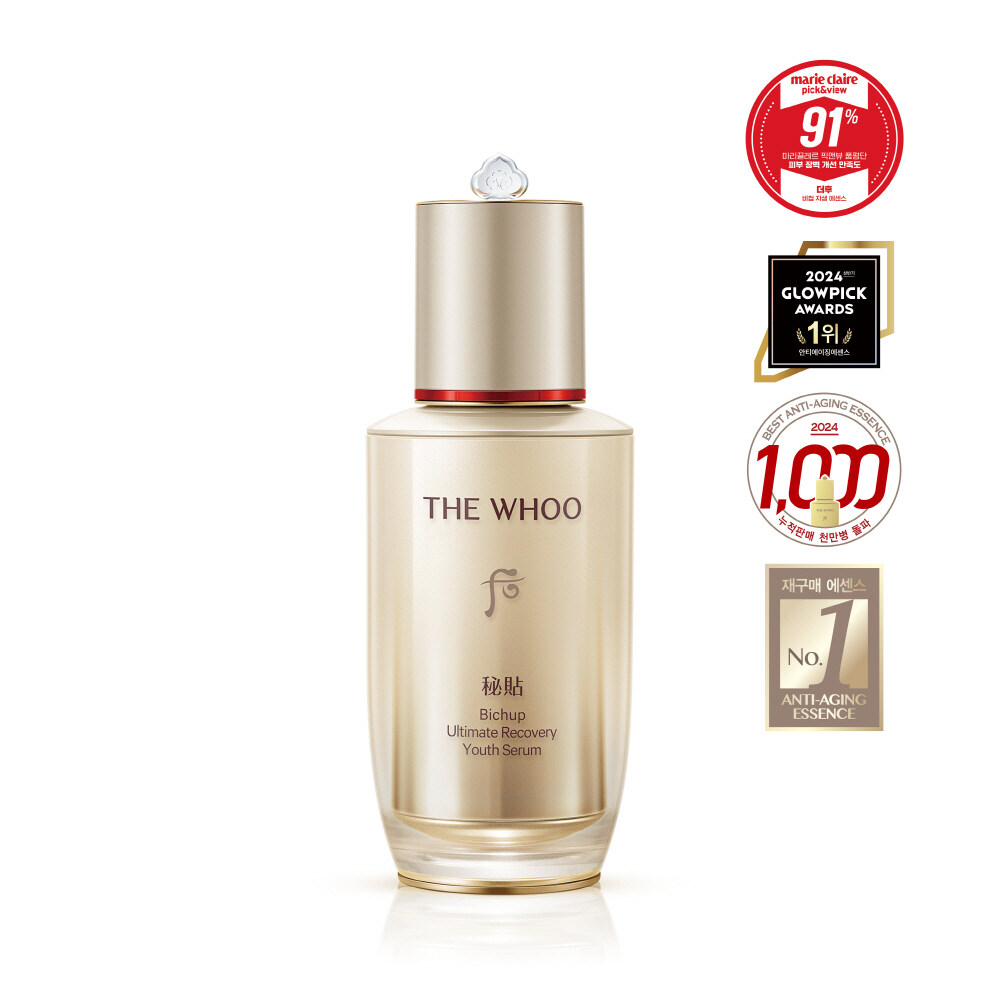
Bichup Ultimate Recovery Youth Serum
The Whoo

Bichup Ultimate Recovery Youth Serum Discovery Set
The Whoo
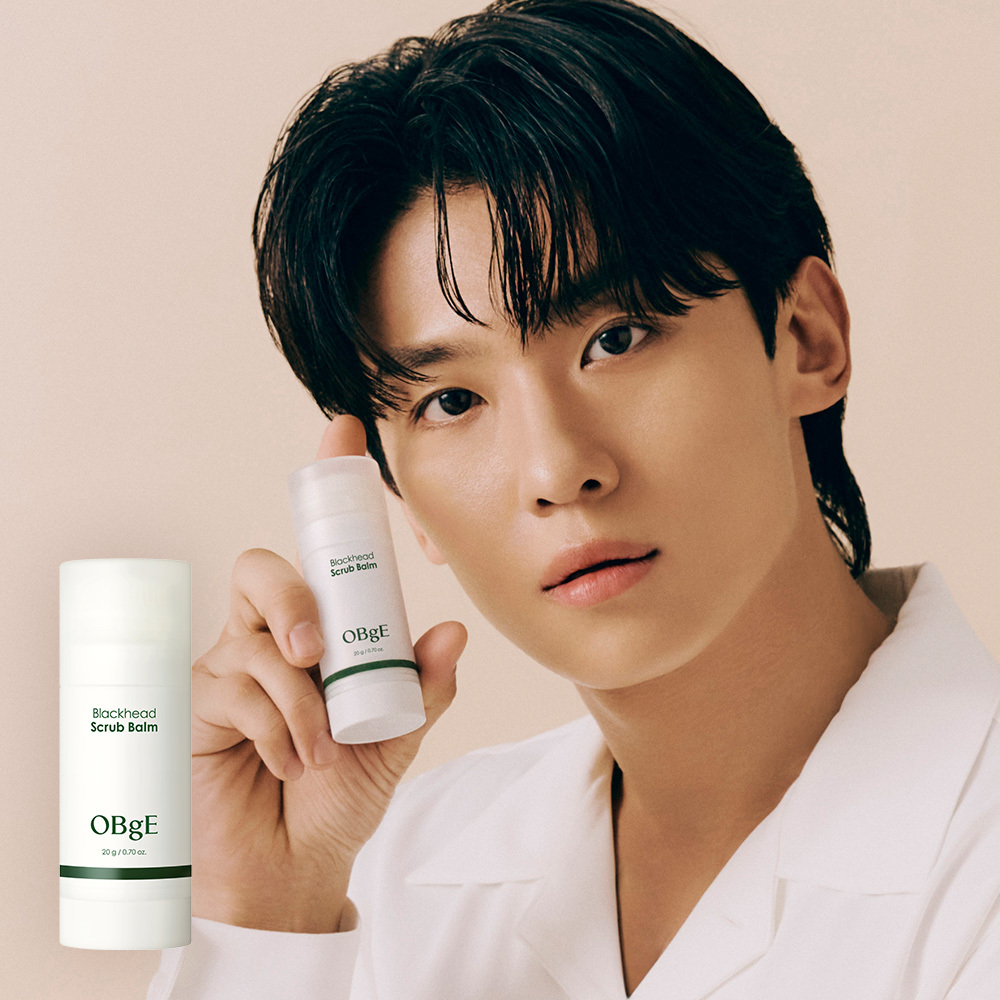
Blackhead Scrub Balm
OBgE
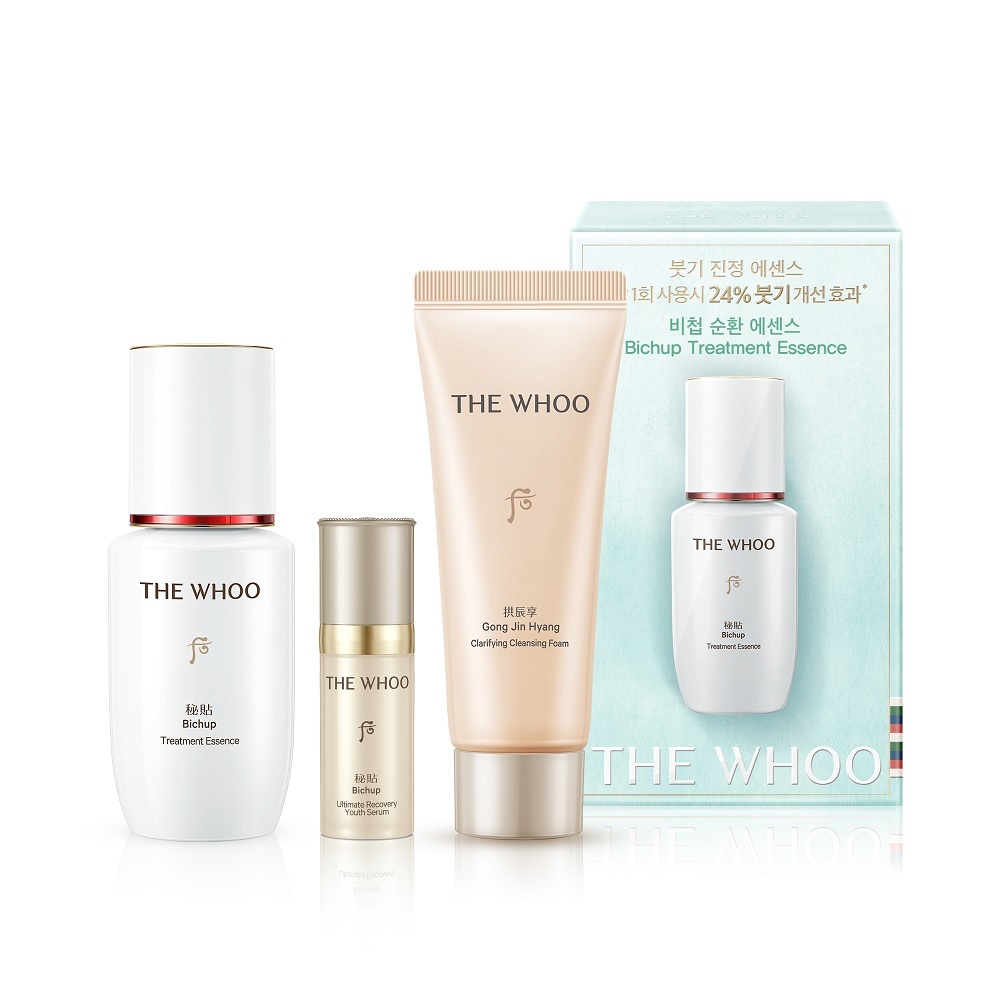
Bichup Treatment Essence 30ml Set
The Whoo
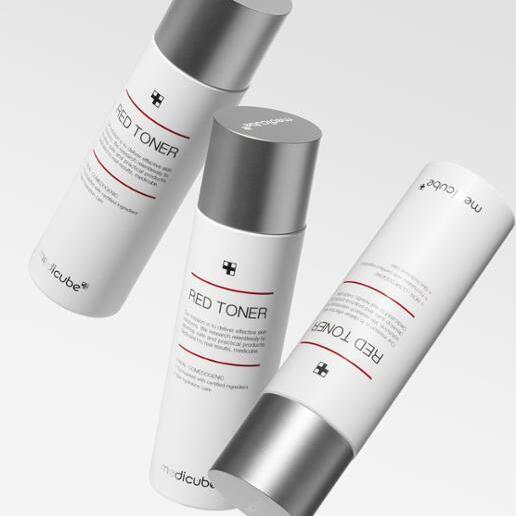
Red Toner 2.0
Medicube
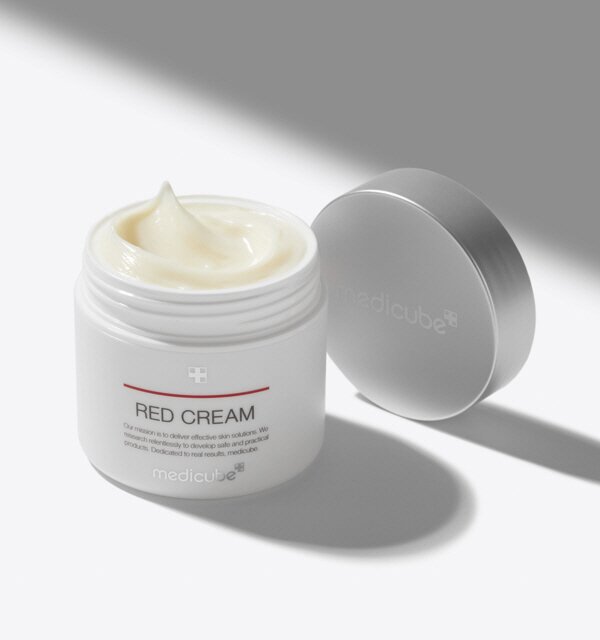
Red Cream 2.0
Medicube

Gong Jin Hyang Firming Cream
The Whoo
Frequently Asked Questions
Is Chinese Asparagus Root Extract safe to use during pregnancy?▼
Can I use this ingredient if I'm allergic to asparagus vegetables?▼
How does this compare to other antioxidant ingredients like vitamin C or niacinamide?▼
Why is this ingredient featured so prominently in luxury Korean brands like The Whoo?▼
Will products with this ingredient feel heavy or greasy on my skin?▼
Explore More
Want personalized ingredient advice?
Yuri, our AI beauty advisor, can tell you how Chinese Asparagus Root Extract works with your specific skin type, routine, and concerns.
Ask Yuri, free