Aspergillus Ferment
Enzyme exfoliant and skin brightener
About Aspergillus Ferment
Aspergillus ferment is a bioactive ingredient derived from the fermentation of Aspergillus fungi, typically using rice or other grains as a substrate. This fermentation process produces a complex mixture of enzymes, amino acids, peptides, and organic acids that work together to gently exfoliate dead skin cells while brightening the complexion. In K-beauty, fermented ingredients have deep roots in traditional Korean skincare wisdom, where fermented rice water and sake have been used for centuries to achieve clear, luminous skin. The fermentation process breaks down molecules into smaller, more bioavailable forms that penetrate skin more effectively than their non-fermented counterparts. Aspergillus ferment is particularly valued for its dual action: it provides enzymatic exfoliation without the irritation of physical scrubs or harsh acids, while simultaneously delivering brightening benefits through natural kojic acid and other metabolites produced during fermentation. With a comedogenic rating of 0/5, it won't clog pores, making it suitable for acne-prone skin. Its presence in 36 K-beauty products, including top-rated formulas like Numbuzin's No. 3 Super Glowing Essence Toner and Haruharu Wonder's Black Rice line (all rated 4.9-5.0/5), demonstrates its effectiveness and popularity among brands focused on gentle yet results-driven skincare.
How Aspergillus Ferment Works
At a cellular level, Aspergillus ferment works through enzymatic hydrolysis and melanin suppression. The proteolytic enzymes produced during fermentation (primarily proteases) break down the keratin bonds between dead skin cells in the stratum corneum, facilitating natural desquamation without disrupting the skin barrier. Unlike alpha hydroxy acids that work by lowering skin pH and dissolving intercellular cement, these enzymes specifically target proteins, making them inherently gentler and less likely to cause irritation. The fermentation process also produces kojic acid, a well-researched tyrosinase inhibitor that interferes with melanin production at the source. Tyrosinase is the enzyme responsible for converting tyrosine into melanin, and by blocking this conversion, kojic acid helps fade existing hyperpigmentation and prevents new dark spots from forming. Additionally, the small molecular weight amino acids and peptides generated through fermentation can penetrate deeper into the epidermis, where they support cellular renewal and stimulate collagen synthesis. The organic acids present in the ferment (like lactic acid) provide mild pH adjustment that optimizes enzyme activity while maintaining skin's natural acid mantle.
Aspergillus Ferment by Skin Type
Oily Skin
Aspergillus ferment is excellent for oily skin because its enzymatic exfoliation helps prevent pore congestion without stripping natural oils or triggering rebound sebum production. The gentle resurfacing action keeps pores clear while the brightening properties help fade post-acne marks that often trouble oily skin types. Its 0/5 comedogenic rating means zero risk of breakouts.
Dry Skin
Dry skin benefits from Aspergillus ferment's gentle approach to exfoliation, which removes flaky patches without compromising the moisture barrier like harsher exfoliants can. The amino acids and peptides in the ferment actually support barrier function and hydration retention. Look for it in cream formulas like Haruharu Wonder's Black Rice moisturizers, where it's paired with ceramides and hyaluronic acid for maximum hydration.
Combo Skin
Combination skin gets the best of both worlds with Aspergillus ferment. It addresses congestion and excess oil in the T-zone through enzymatic exfoliation while the gentle, non-stripping nature prevents dry patches on cheeks from getting worse. The brightening benefits work across all zones to even out skin tone inconsistencies common in combination skin.
Sensitive Skin
Sensitive skin tolerates Aspergillus ferment remarkably well compared to traditional exfoliants. The enzymatic action is self-limiting (it only breaks down dead cells, not living tissue) and doesn't cause the inflammation associated with physical scrubs or strong acids. However, as with any active ingredient, patch test first. The fermented metabolites may even have anti-inflammatory properties that calm reactive skin.
Normal Skin
Normal skin can use Aspergillus ferment as a maintenance ingredient to preserve clarity, brightness, and smooth texture. It provides preventive exfoliation that keeps skin looking fresh without disrupting the already-balanced state. Products like Skinfood's Rice Brightening Toner (5.0/5 rating) showcase how this ingredient enhances naturally healthy skin.
How to Use Aspergillus Ferment
- 1Use Aspergillus ferment products in your morning routine, as the gentle exfoliation helps makeup apply more smoothly and the brightening effects give skin an immediate glow throughout the day.
- 2Layer Aspergillus ferment essences or toners before heavier actives like retinol to prep skin and enhance absorption, but avoid combining with vitamin C in the same routine as the pH requirements differ.
- 3For maximum brightening results, use daily for at least 4-6 weeks, as the melanin-inhibiting effects are cumulative and work on new skin cells as they form.
- 4If you're new to fermented ingredients, start with a toner format like Numbuzin's No. 3 Super Glowing Essence Toner rather than a leave-on cream to gauge your skin's response before committing to a fuller-face application.
Background
The use of Aspergillus fermentation in skincare traces back to traditional Korean and Japanese beauty practices, where women observed that brewery workers who handled fermented rice had exceptionally soft, bright hands. The Aspergillus oryzae species, used in making sake, soy sauce, and miso, became a focus of cosmetic research in the 1980s when scientists isolated kojic acid from the fermentation process and confirmed its melanin-inhibiting properties. In Korea, the tradition of using makgeolli (rice wine) and fermented rice water as beauty treatments provided cultural context for modern K-beauty brands to develop sophisticated fermented skincare. Today, companies like Haruharu Wonder have built entire product lines around black rice fermentation, leveraging both the enzymatic benefits and the high antioxidant content of pigmented rice varieties. The fermentation biotechnology allows brands to create gentle yet effective formulas that align with K-beauty's philosophy of skin health over aggressive treatment.
K-Beauty Products with Aspergillus Ferment
View all 47 →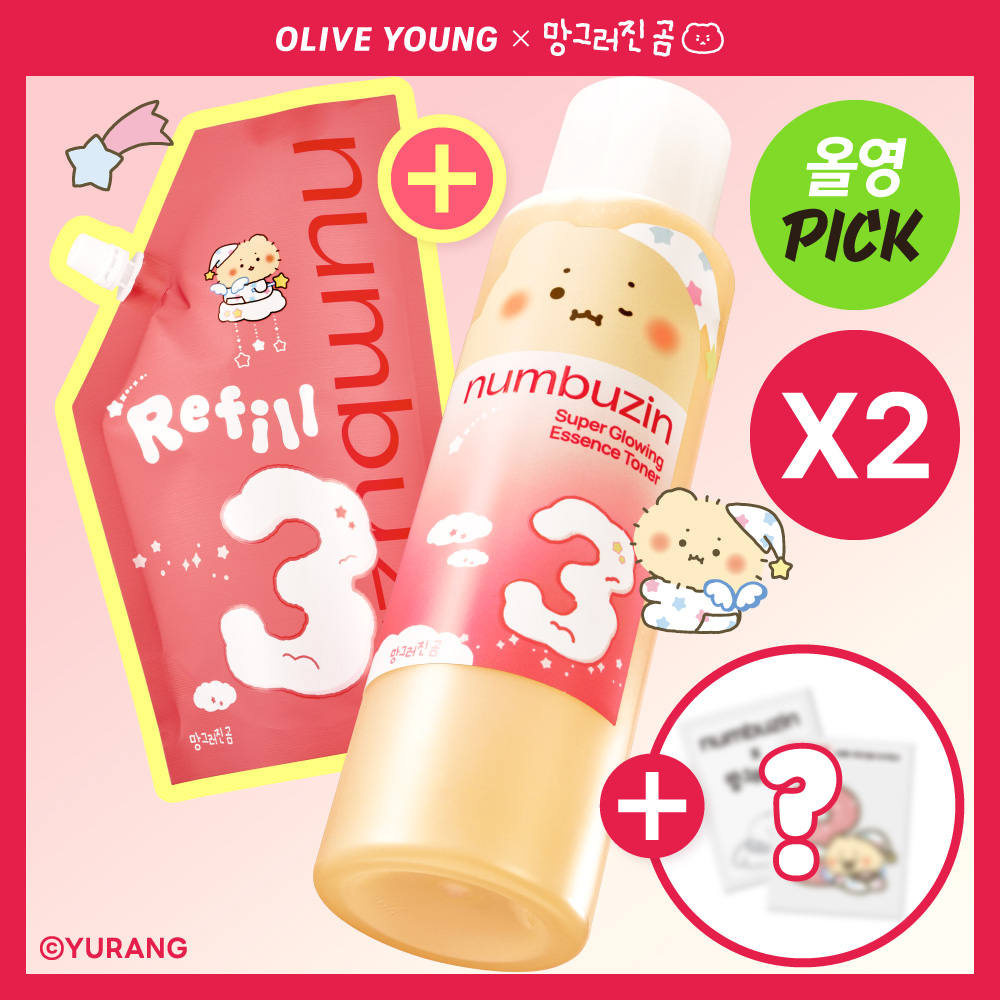
No. 3 Super Glowing Essence Toner
Numbuzin
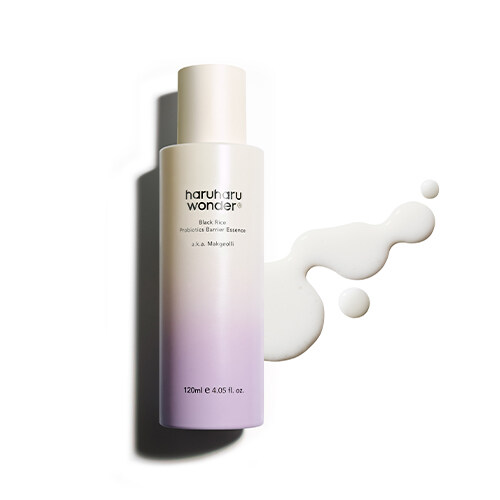
Black Rice Probiotics Barrier Essence
Haruharu Wonder
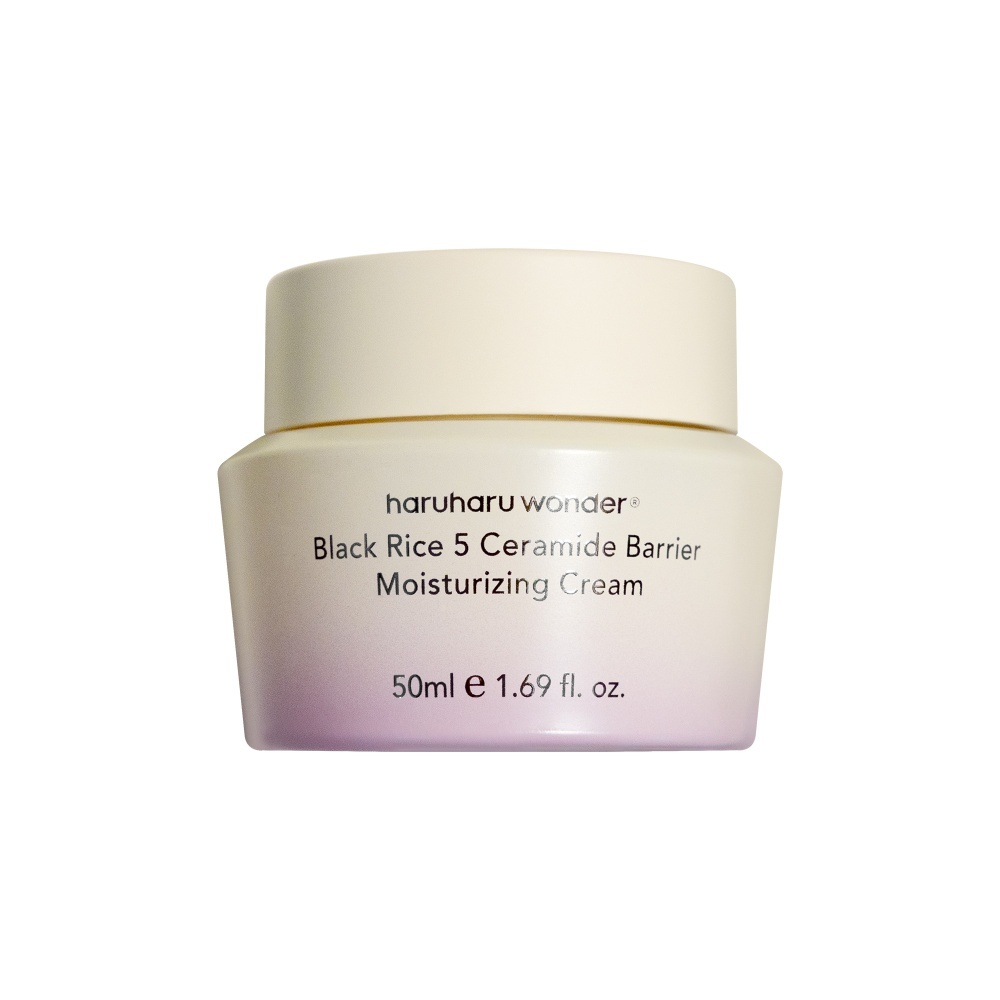
Black Rice 5 Ceramide Barrier Moisturizing Cream
Haruharu Wonder
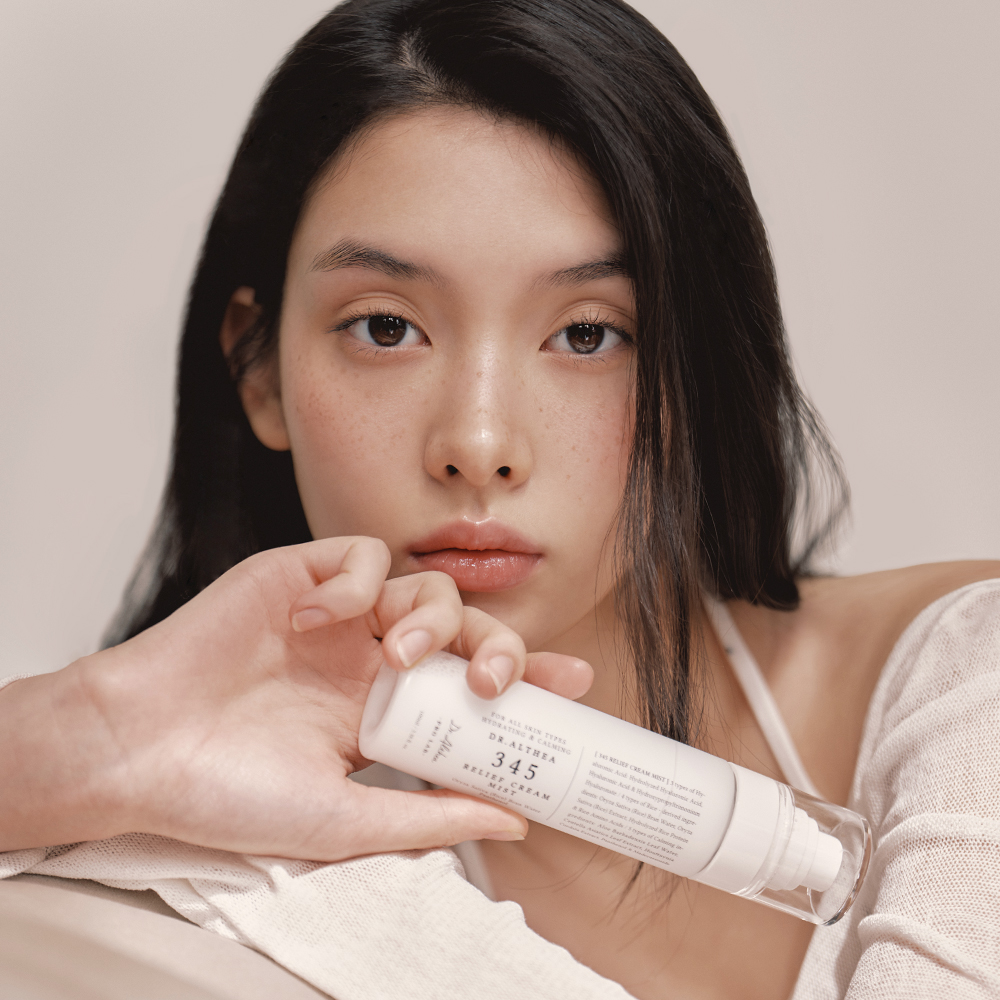
345 Relief Cream Mist
Dr. Althea
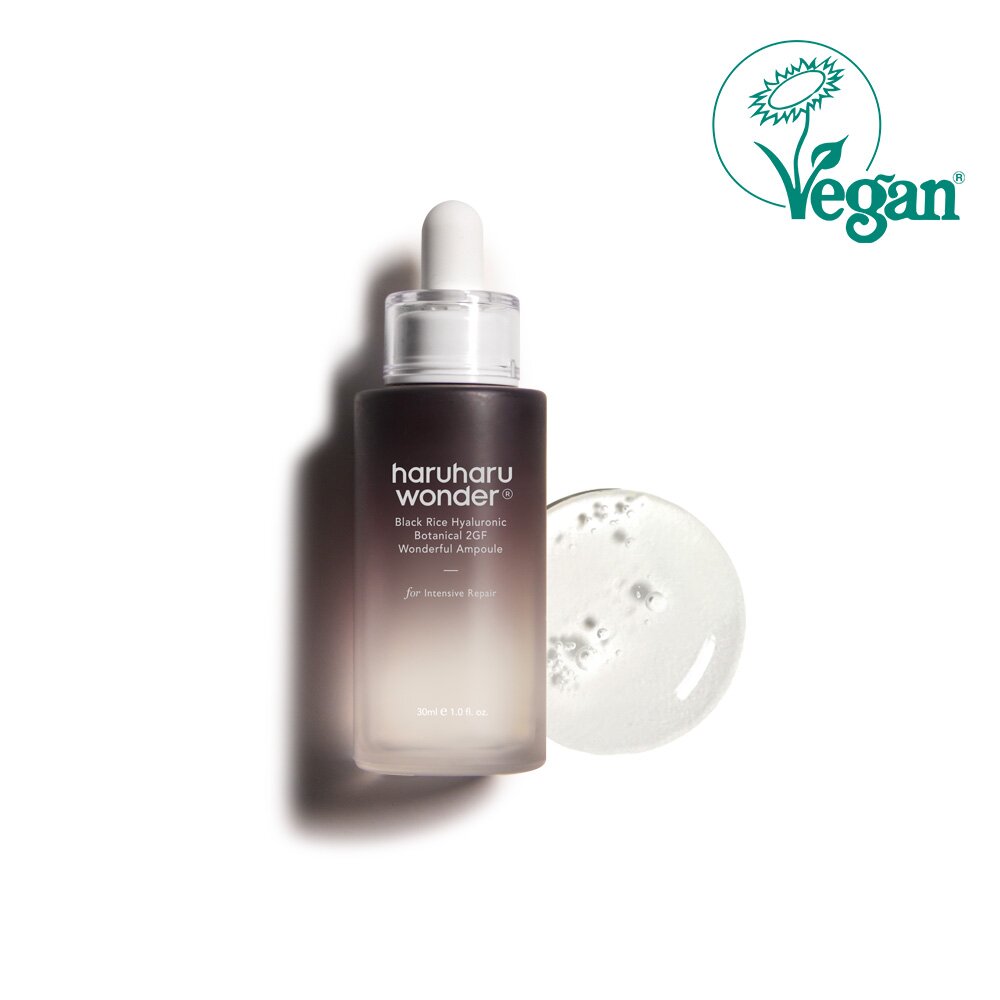
Black Rice Hyaluronic Botanical 2GF Wonderful Ampoule
Haruharu Wonder
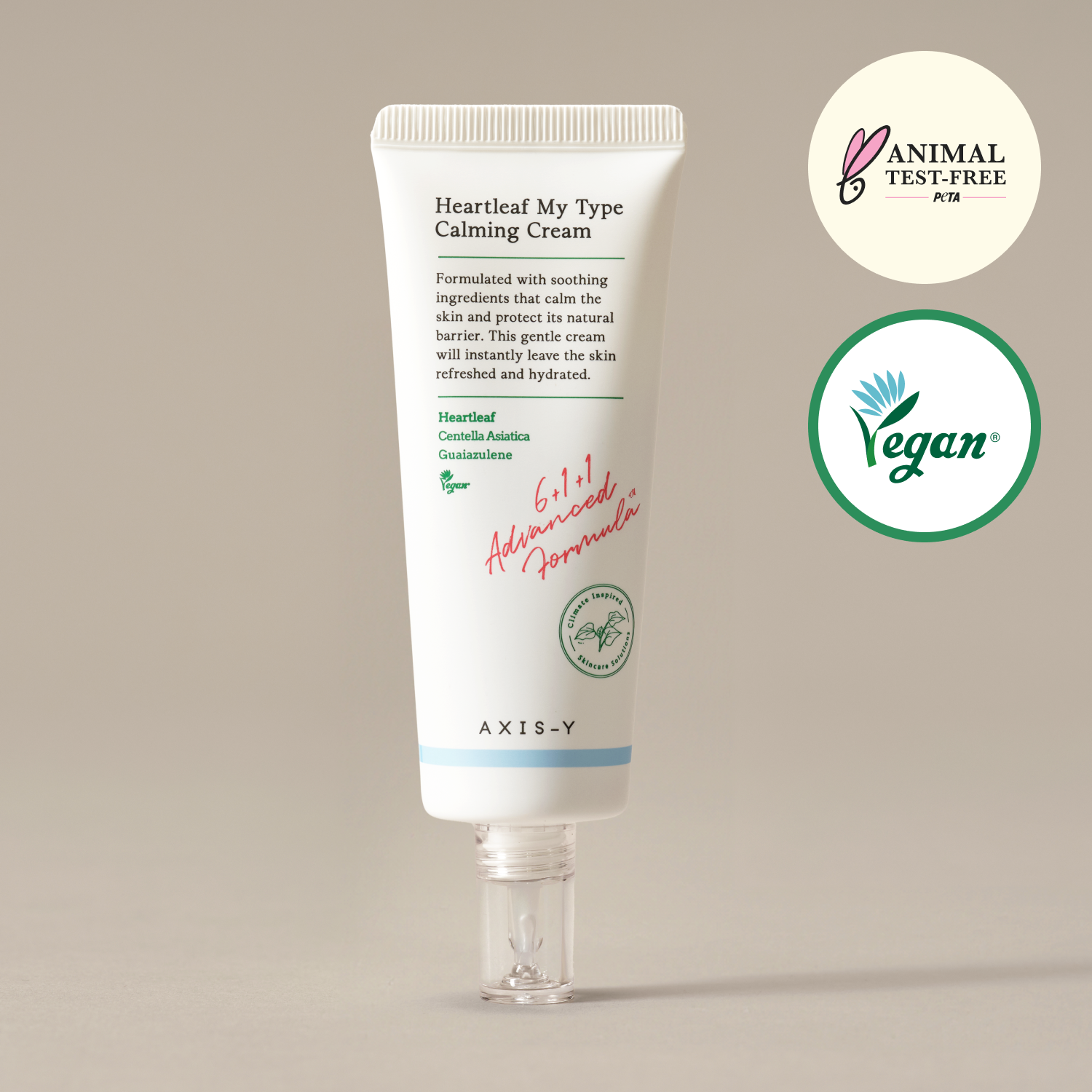
Heartleaf My-Type Calming Cream
AXIS-Y
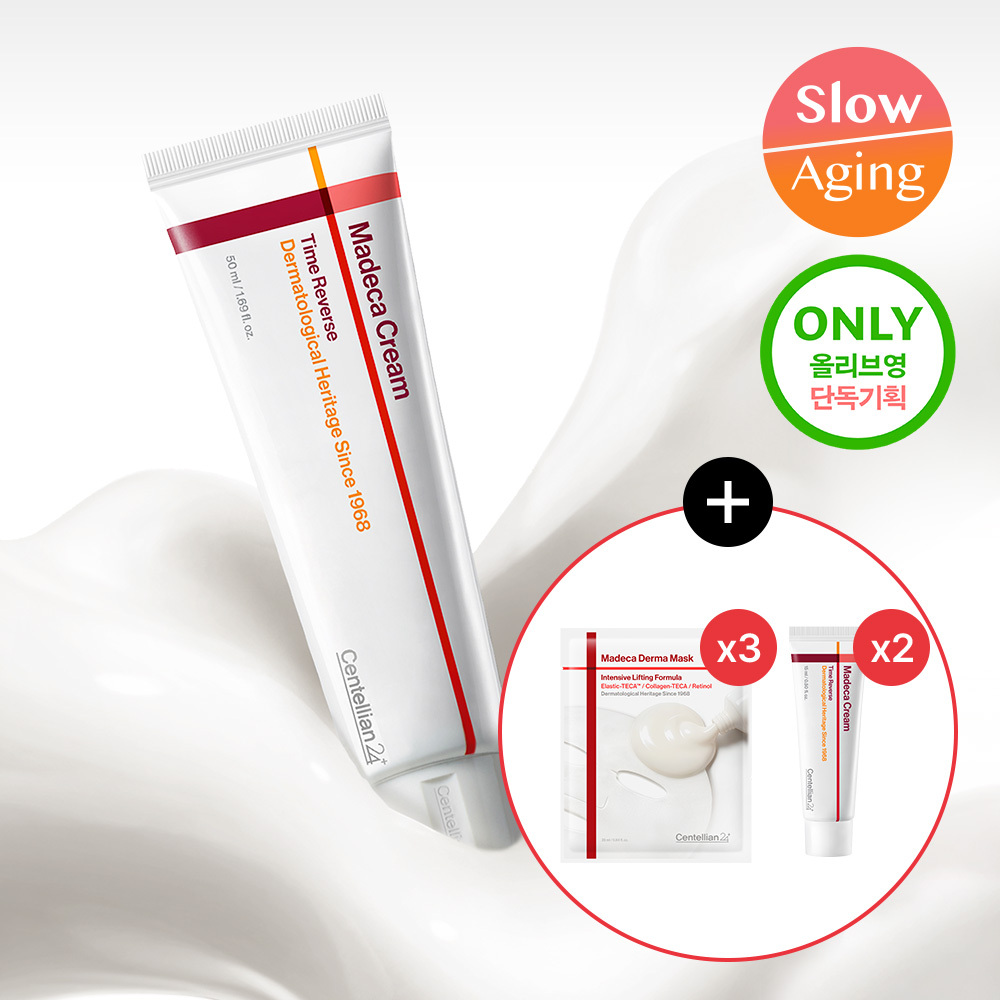
Madeca Cream Time Reverse Set
Centellian24
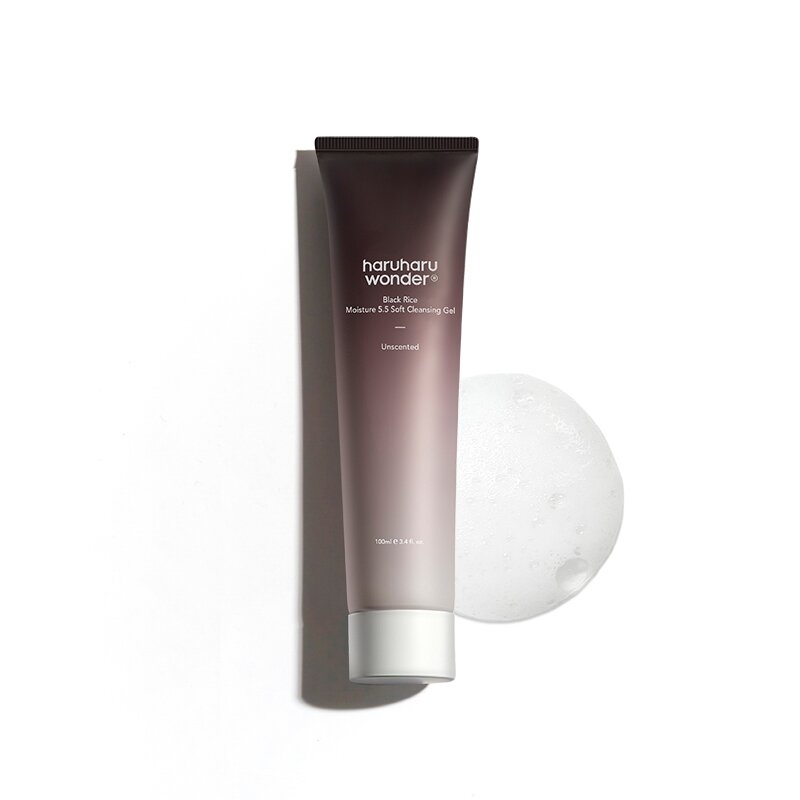
Black Rice Moisture 5.5 Soft Cleansing Gel
Haruharu Wonder
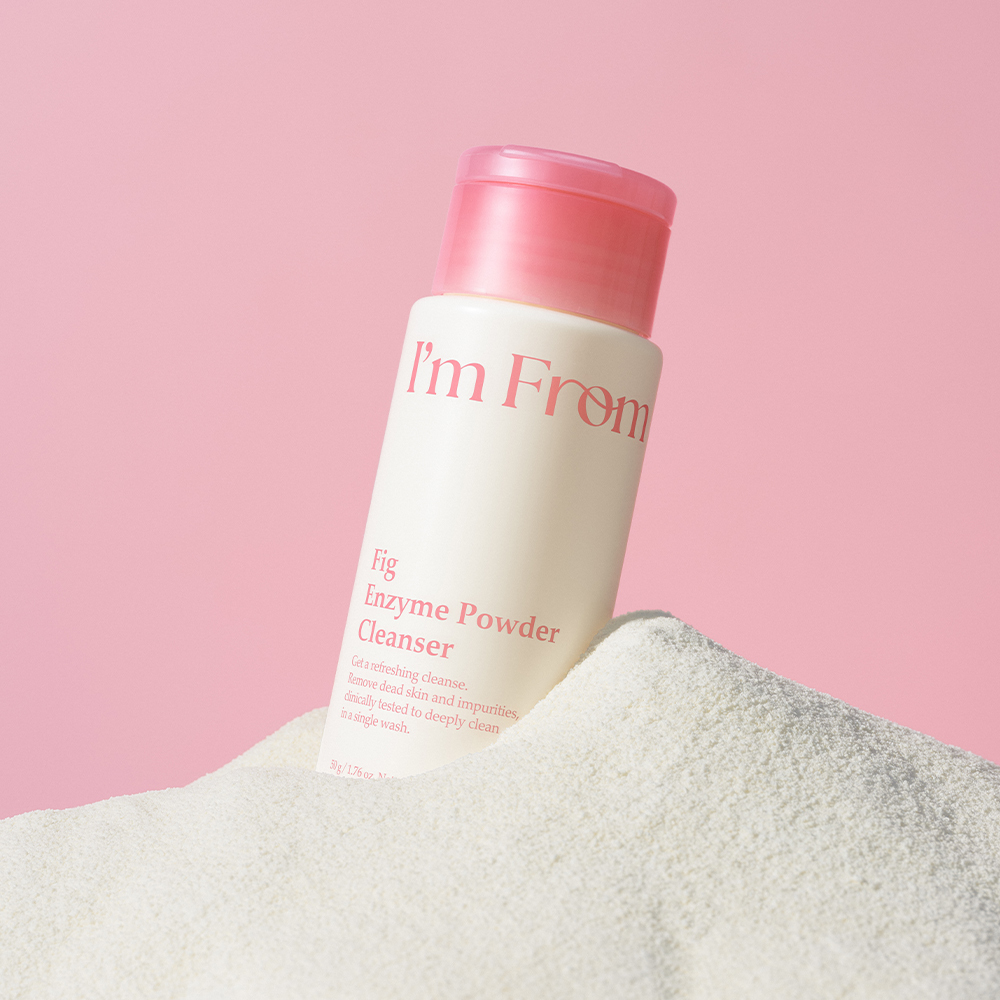
Fig Enzyme Powder Cleanser
I'm From
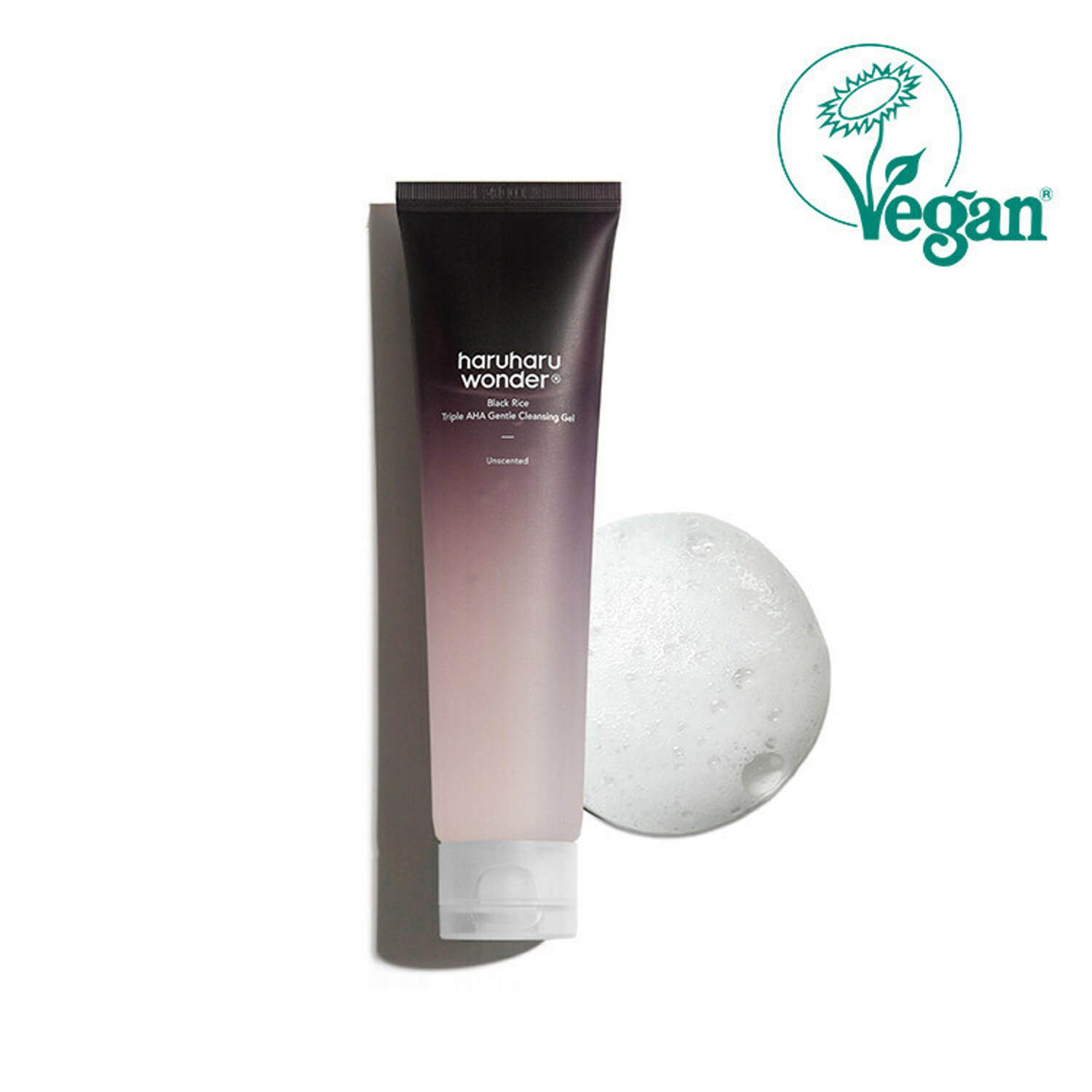
Black Rice Triple AHA Gentle Cleansing Gel
Haruharu Wonder
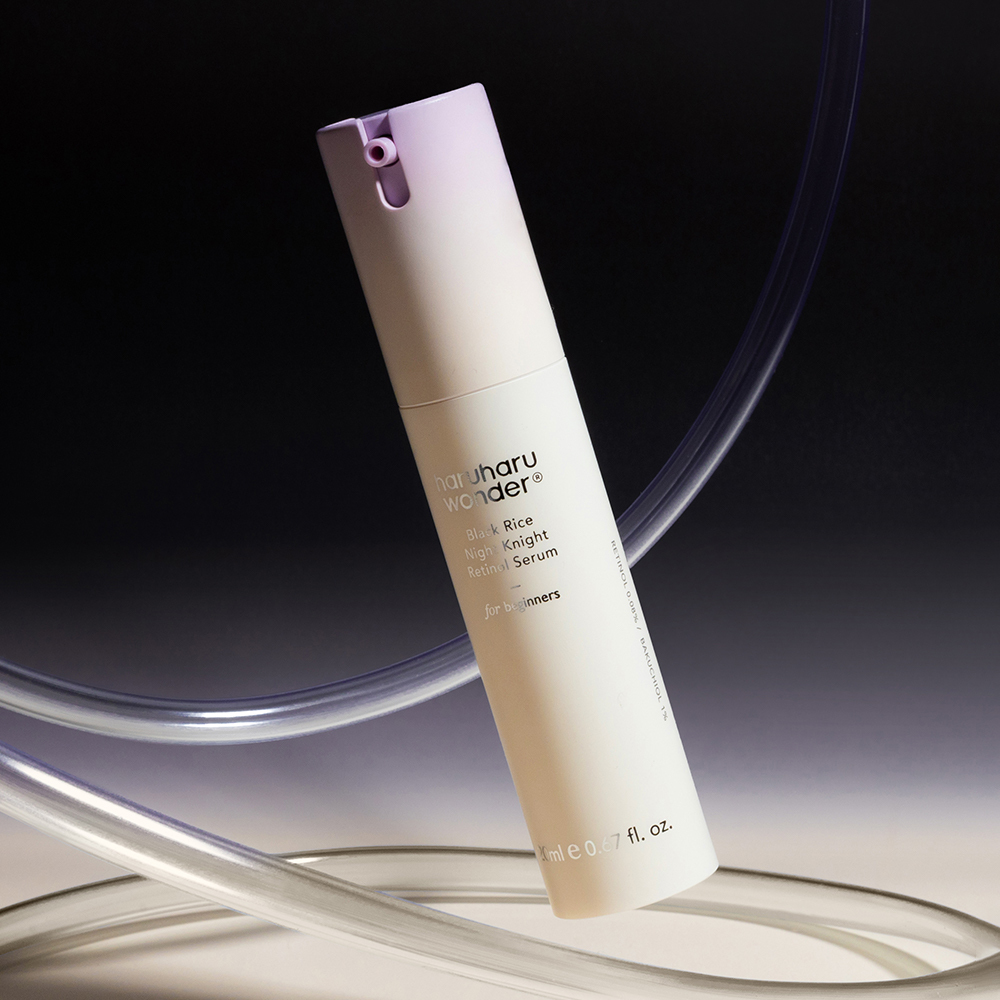
Black Rice Night Knight Retinol Serum
Haruharu Wonder
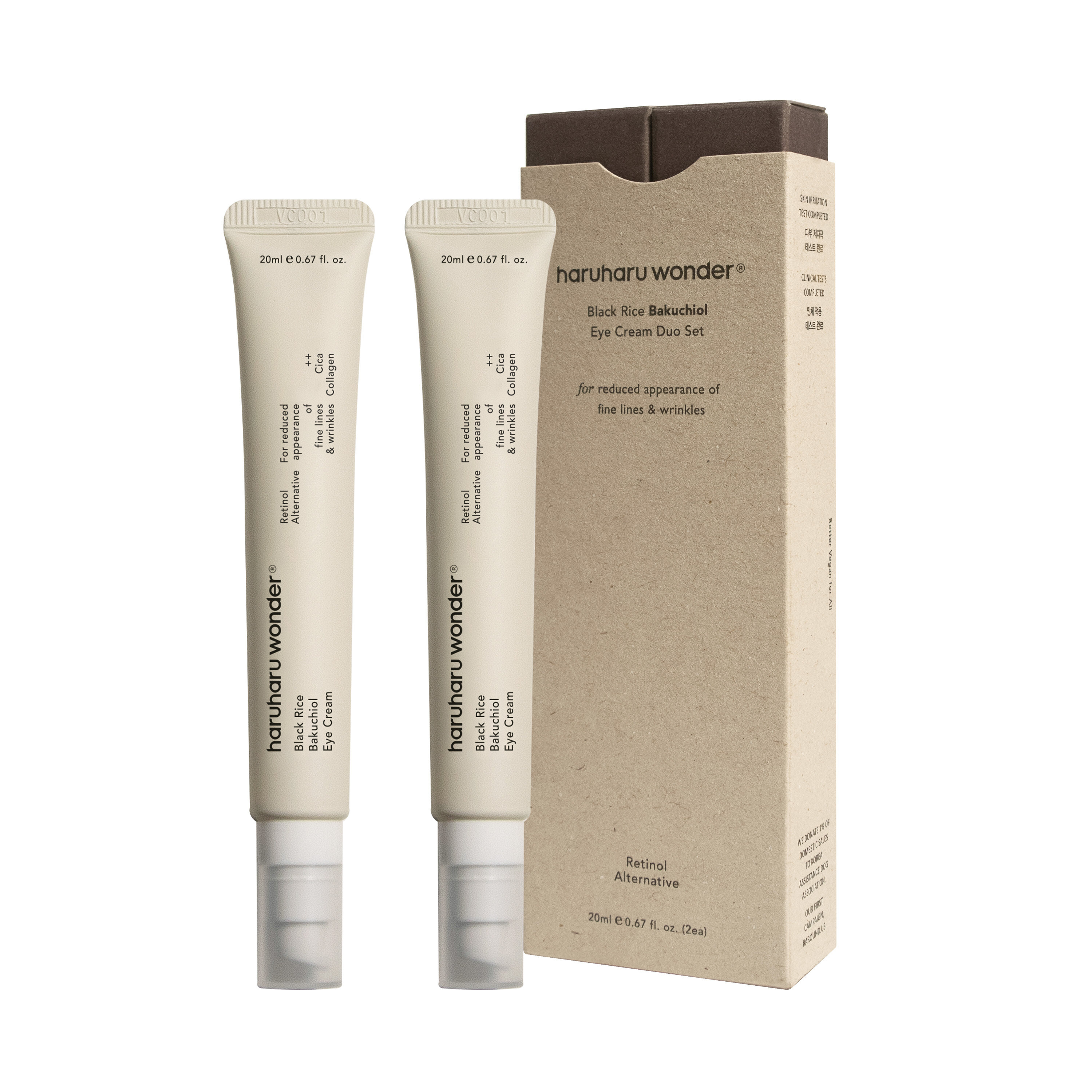
Black Rice Bakuchiol Eye Cream Double Pack
Haruharu Wonder
Frequently Asked Questions
Is Aspergillus ferment the same as kojic acid?▼
Can I use Aspergillus ferment if I'm allergic to mushrooms or yeast?▼
How does Aspergillus ferment compare to AHAs or BHAs for exfoliation?▼
Why do so many top-rated K-beauty products contain Aspergillus ferment?▼
Can Aspergillus ferment help with acne scars and dark spots?▼
Explore More
Want personalized ingredient advice?
Yuri, our AI beauty advisor, can tell you how Aspergillus Ferment works with your specific skin type, routine, and concerns.
Ask Yuri, free