Astaxanthin
Powerful antioxidant and anti-inflammatory agent
About Astaxanthin
Astaxanthin is a naturally occurring carotenoid pigment that gives salmon, shrimp, and krill their distinctive pink-red color. In K-beauty, it has emerged as one of the most potent antioxidants available, with studies showing it to be up to 6,000 times more powerful than vitamin C and 550 times stronger than vitamin E at neutralizing free radicals. This powerhouse ingredient doesn't just protect skin from environmental damage like UV rays and pollution. It also works deep within skin cells to reduce inflammation, support collagen production, and improve moisture retention. Korean skincare brands have been quick to recognize astaxanthin's unique ability to penetrate all three layers of skin (epidermis, dermis, and subcutaneous tissue), making it particularly effective at addressing signs of aging from multiple angles. With a perfect safety rating of 5/5 and a non-comedogenic rating of 0/5, astaxanthin suits all skin types without clogging pores. Seoul Sister data shows it appearing in 42 K-beauty products, often paired with other advanced ingredients like NAD+ peptides and niacinamide in high-performing serums and creams. Premium K-beauty lines have positioned astaxanthin as a next-generation anti-aging ingredient, particularly effective for addressing oxidative stress, fine lines, skin elasticity, and uneven tone.
How Astaxanthin Works
Astaxanthin works by embedding itself directly into cell membranes, where it creates a protective shield against oxidative damage. Unlike water-soluble antioxidants that work in the fluid inside or outside cells, or fat-soluble antioxidants that work in fatty tissue, astaxanthin spans the entire cell membrane thanks to its unique molecular structure. This positioning allows it to neutralize free radicals from both the inside and outside of cells simultaneously. At the mitochondrial level, astaxanthin protects the energy-producing centers of skin cells from damage, which helps maintain cellular metabolism and repair functions. It also inhibits the activity of matrix metalloproteinases (MMPs), enzymes that break down collagen and elastin when triggered by UV exposure. By suppressing inflammatory pathways, particularly NF-kB signaling, astaxanthin reduces redness and irritation while supporting the skin's natural barrier function. Research shows it can increase skin moisture levels by reducing transepidermal water loss and boost collagen density by protecting fibroblasts from oxidative stress.
Astaxanthin by Skin Type
Oily Skin
Astaxanthin works exceptionally well for oily skin because it's completely non-comedogenic and helps regulate sebum oxidation, which is what causes that unpleasant smell and contributes to acne formation. Its anti-inflammatory properties calm the chronic low-level inflammation often present in oily, acne-prone skin without adding heaviness or clogging pores.
Dry Skin
This ingredient is excellent for dry skin due to its ability to strengthen the skin barrier and reduce transepidermal water loss by up to 40% in some studies. Astaxanthin supports the skin's natural lipid layer and protects the moisture barrier from environmental damage, making it particularly valuable when paired with hydrating ingredients in serums and creams like the Red Ultimate Cream by Cell Fusion C.
Combo Skin
Combination skin benefits from astaxanthin's balanced approach to skin health, as it addresses excess oil in the T-zone while supporting hydration in drier areas. Its lightweight molecular structure means it absorbs quickly without leaving residue, and it works well layered with other actives in multi-step routines typical of K-beauty.
Sensitive Skin
Astaxanthin is remarkably gentle for sensitive skin, with its anti-inflammatory properties actively calming redness, irritation, and reactivity. Studies show it can reduce skin sensitivity to UV exposure and environmental stressors while supporting barrier repair, making it ideal for those dealing with rosacea, eczema, or general skin sensitivity without the irritation risk of many other antioxidants.
Normal Skin
For normal skin, astaxanthin serves as preventative maintenance, protecting against the daily oxidative stress that leads to premature aging. Its ability to support collagen production and cellular energy helps maintain skin's youthful appearance, elasticity, and resilience over time, making it a smart long-term investment in skin health.
How to Use Astaxanthin
- 1Apply astaxanthin serums in the morning under sunscreen for enhanced photoprotection, as it works synergistically with SPF to neutralize free radicals that penetrate sun protection
- 2Layer astaxanthin products after lightweight hydrators but before heavier creams to ensure optimal absorption into skin cells
- 3Pair with vitamin E or ferulic acid for amplified antioxidant benefits, as these ingredients work through different mechanisms and can enhance each other's stability
- 4For best results, use consistently for at least 8-12 weeks, as astaxanthin's collagen-supporting and skin-brightening effects accumulate over time
- 5Store astaxanthin products away from direct light and heat, as the ingredient can degrade with prolonged exposure to these elements
Background
Astaxanthin was first isolated in 1938 from lobster shells, but its use in skincare is a relatively recent innovation that gained momentum in the early 2000s. The ingredient's journey from marine biology to beauty cabinets began when researchers studying the extreme longevity of certain fish species discovered astaxanthin's role in cellular protection. Japanese scientists were among the first to explore its dermatological applications, noting how it protected skin cells from UV damage in laboratory studies. Korean beauty brands began incorporating astaxanthin around 2015-2018, initially in premium anti-aging lines targeting oxidative stress. The ingredient is primarily sourced from microalgae (Haematococcus pluvialis) through sustainable cultivation, though some formulations use synthetic versions. K-beauty's focus on combining astaxanthin with cutting-edge ingredients like NAD+ peptides (as seen in products from Eqqualberry and Numbuzin) represents the latest evolution in harnessing this marine-derived antioxidant for comprehensive skin rejuvenation.
K-Beauty Products with Astaxanthin
View all 43 →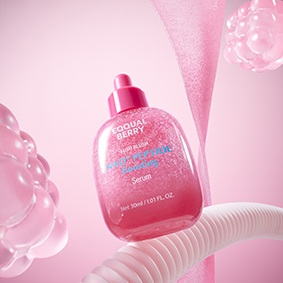
NAD+ Peptide Boosting Serum
Eqqualberry
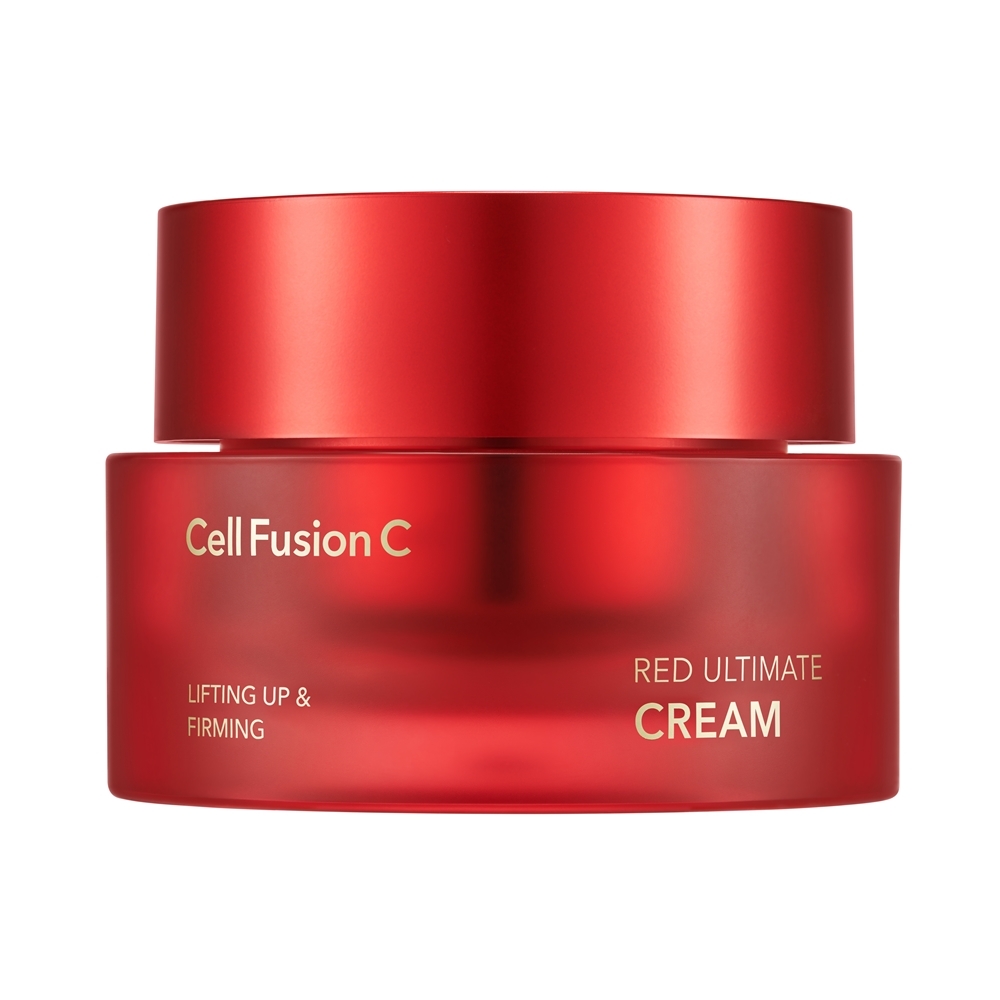
Red Ultimate Cream
Cell Fusion C

No. 9 NAD Bio Lifting-sil Essence
Numbuzin
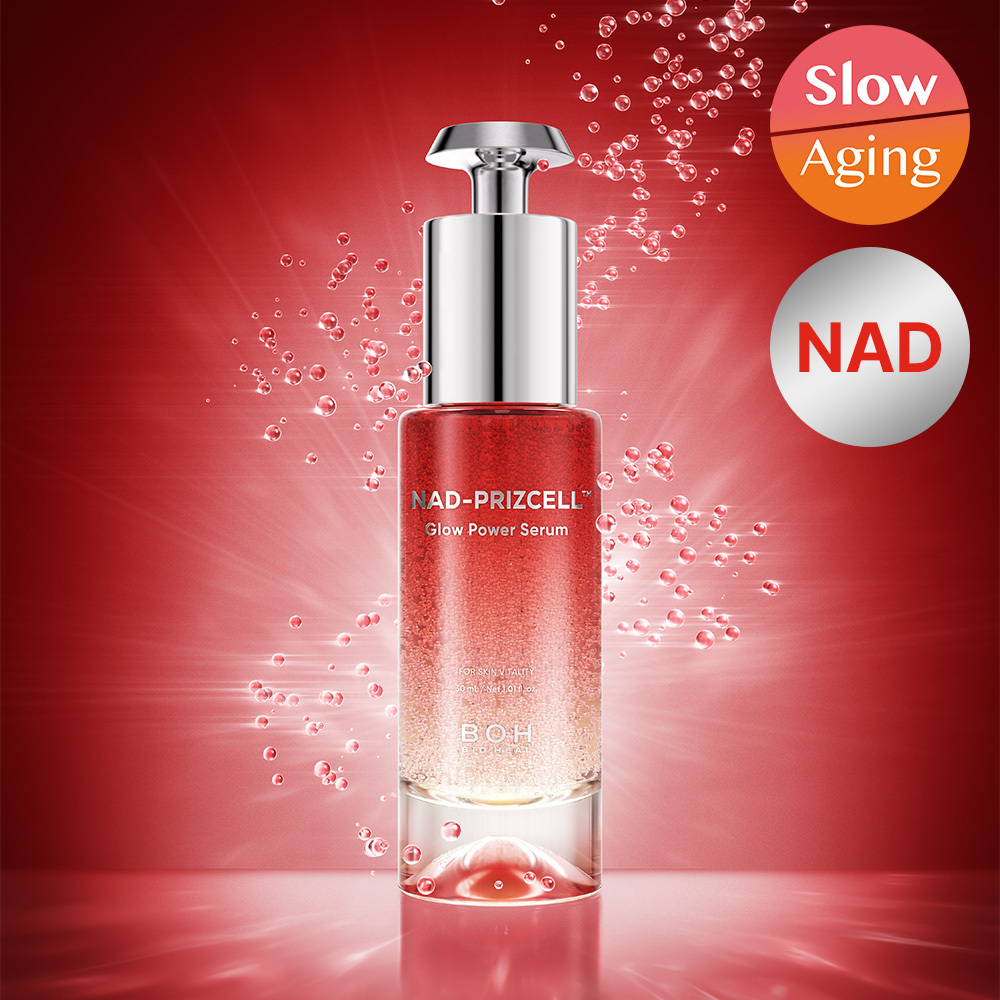
NAD-Prizcell Glow Power Serum
Bioheal BOH
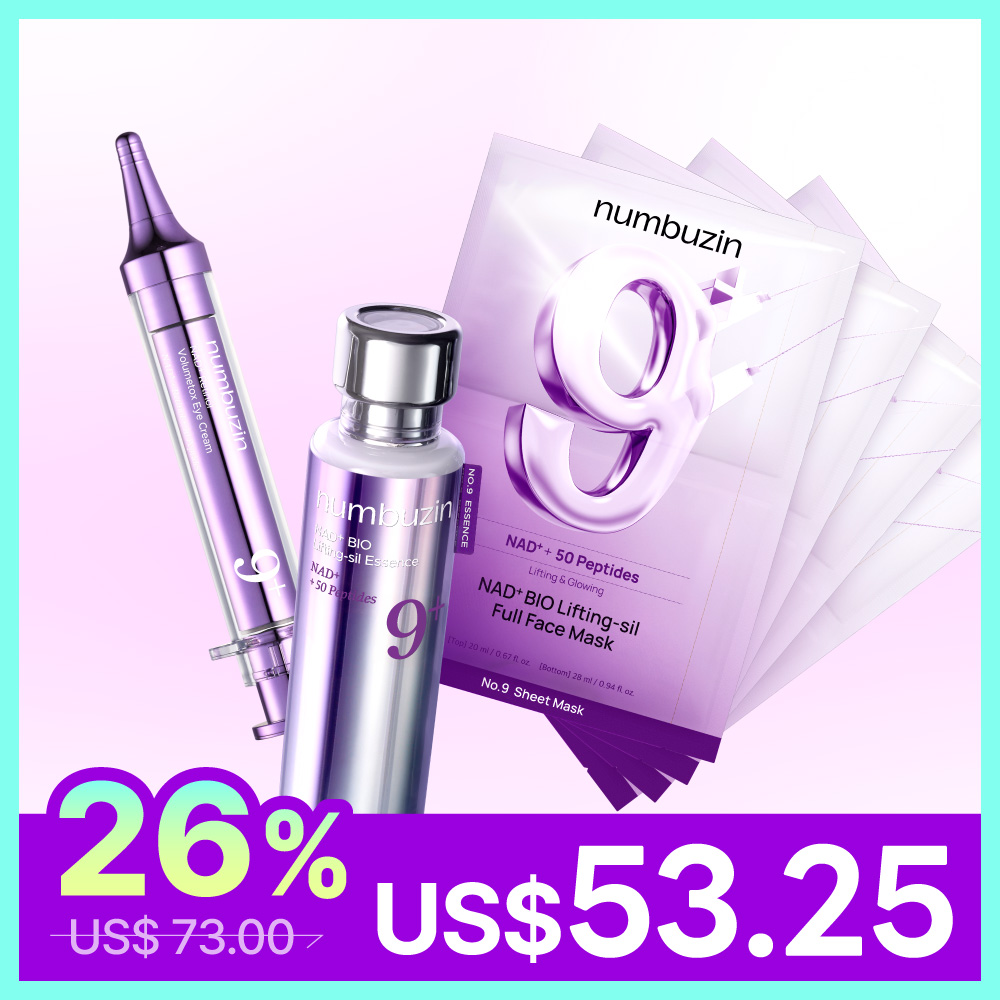
No. 9 NAD Ultimate Lifting Set
Numbuzin

Peptivita C Blemish Serum
Real Barrier
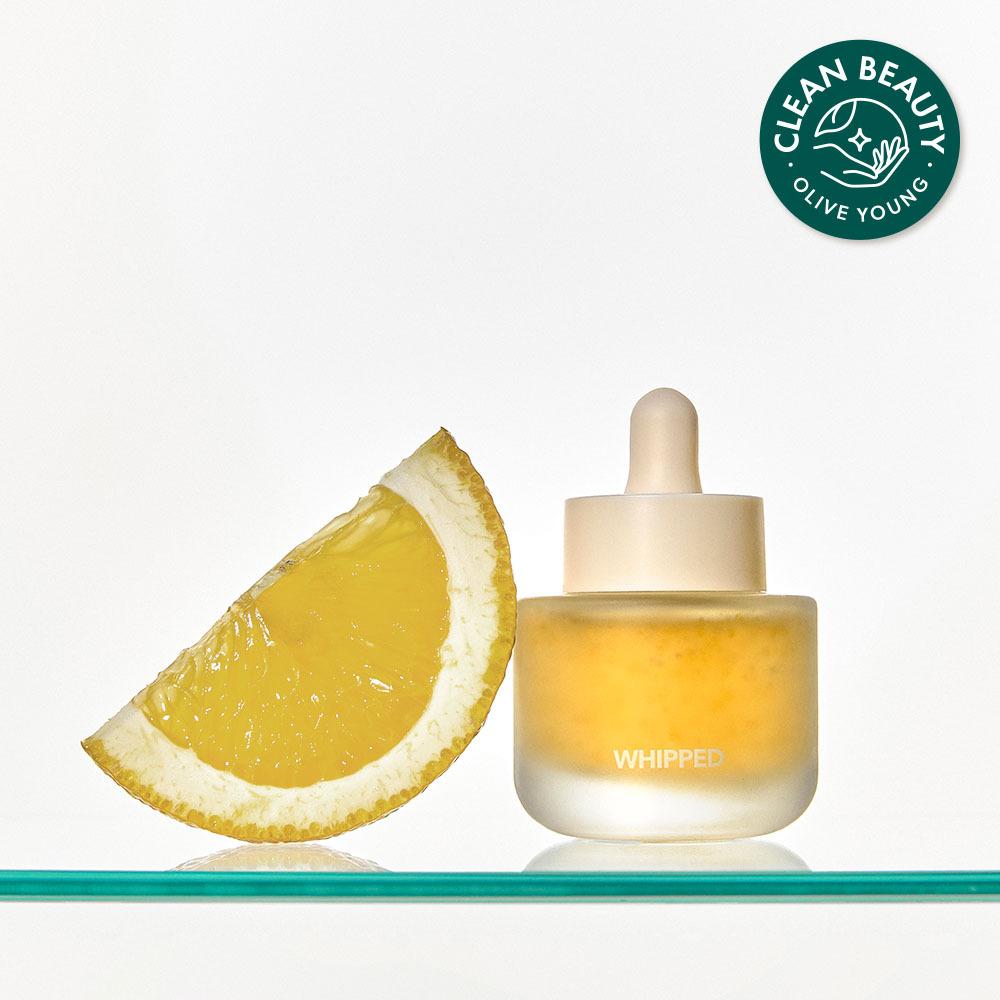
Yujamong Vegan Vita Syrup Ampoule
Whipped

Collagen Reedle Shot 100
VT
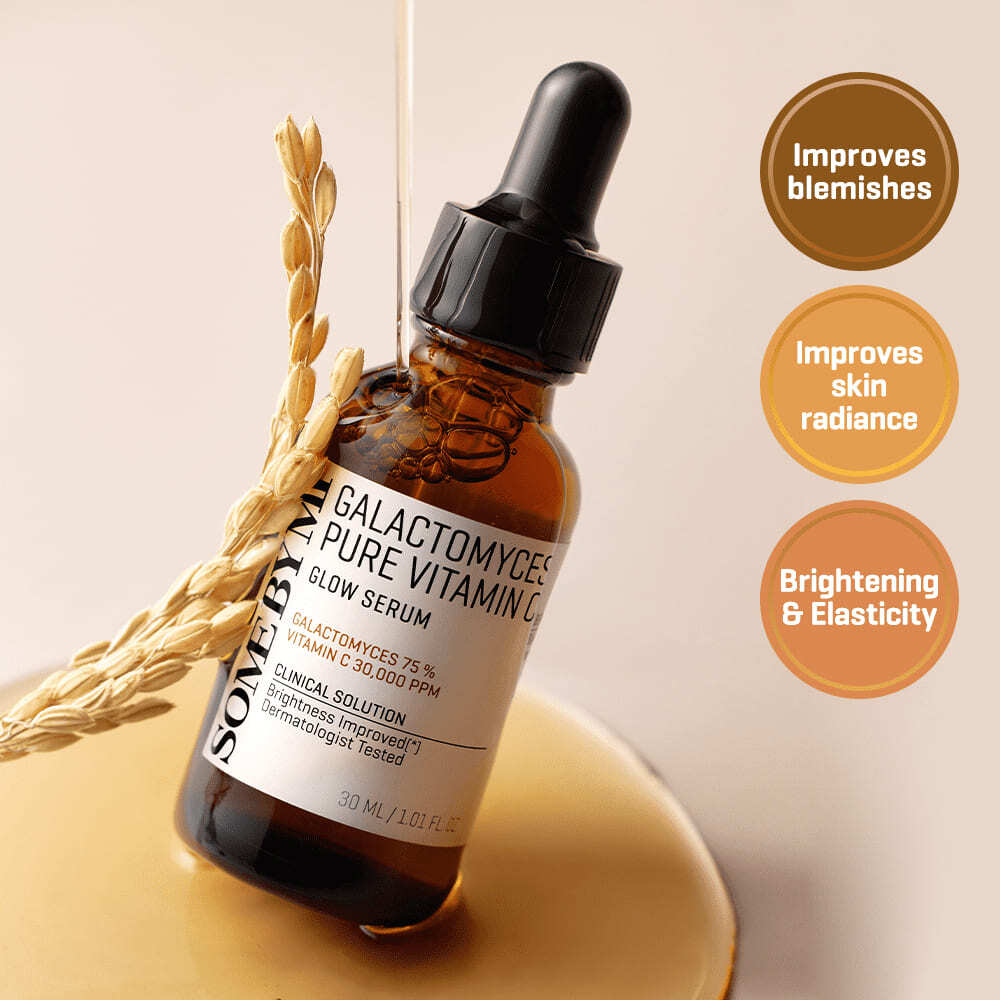
Galactomyces Pure Vitamin C Glow Serum
Some By Mi

Vita-Light Reedle Shot 100
VT
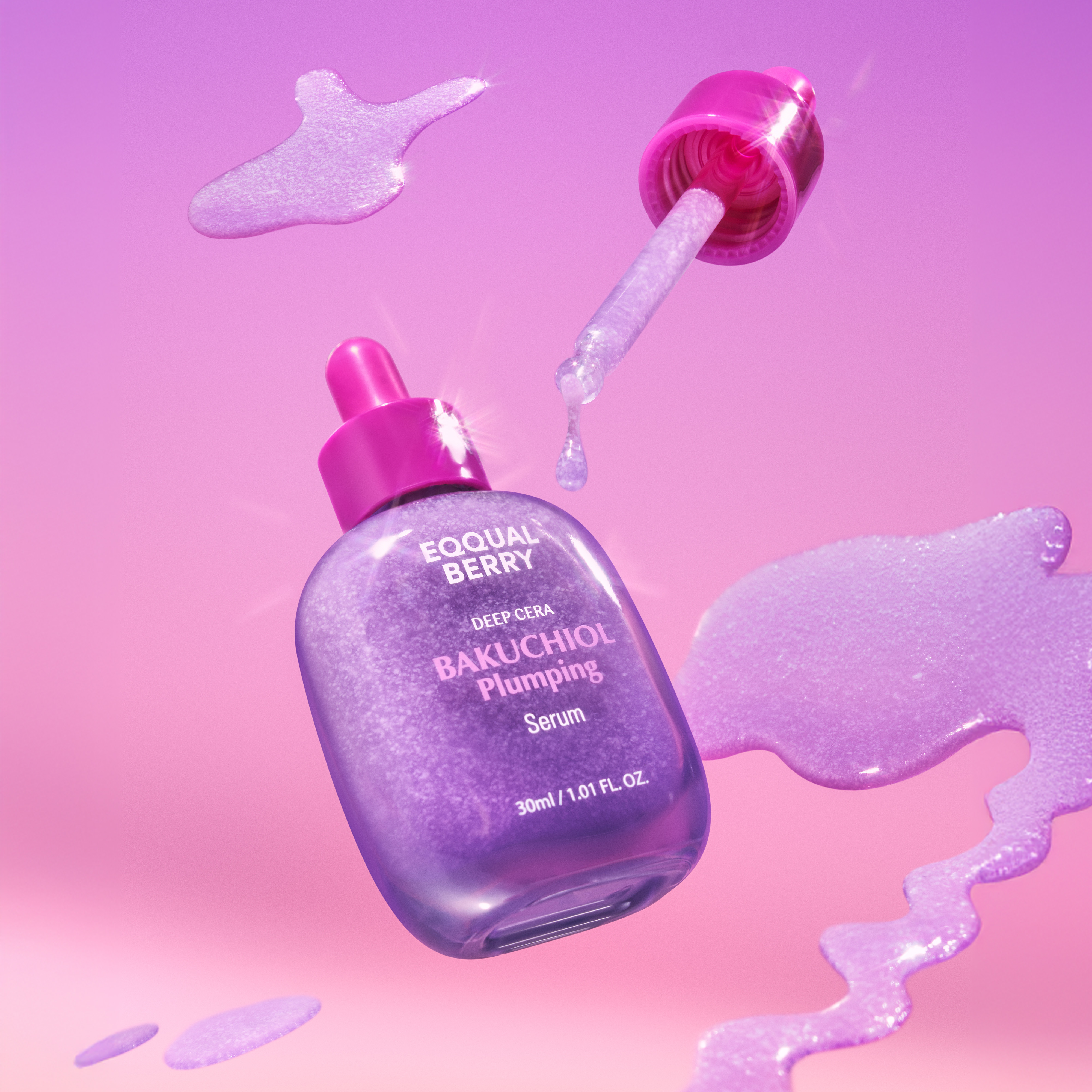
Bakuchiol Plumping Serum
Eqqualberry
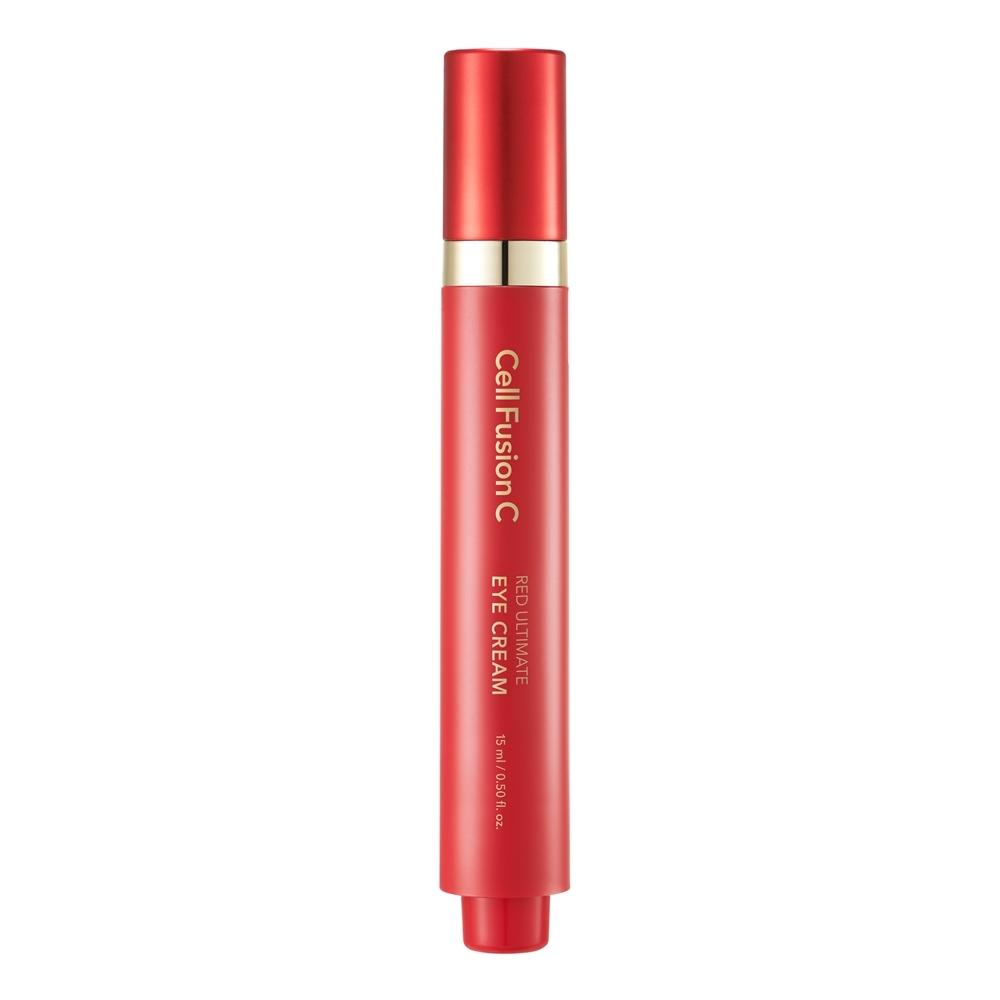
Red Ultimate Eye Cream
Cell Fusion C
Frequently Asked Questions
Is astaxanthin better than vitamin C for anti-aging?▼
Will astaxanthin turn my skin pink or orange?▼
Can I use astaxanthin if I'm pregnant or breastfeeding?▼
How long does it take to see results from astaxanthin?▼
Does astaxanthin conflict with retinol or other actives?▼
Explore More
Want personalized ingredient advice?
Yuri, our AI beauty advisor, can tell you how Astaxanthin works with your specific skin type, routine, and concerns.
Ask Yuri, free