Bakuchiol
Korean: 바쿠치올
anti-aging, brightening, retinol-alternative
A meroterpene derived from the seeds of Psoralea corylifolia (babchi plant). Functions similarly to retinol by upregulating type I, III, and IV collagen and reducing MMP expression, but without the irritation. Safe for use during pregnancy. An increasingly popular K-beauty ingredient for those who cannot tolerate retinol.
About Bakuchiol
Bakuchiol is a plant-derived meroterpene extracted from the seeds of Psoralea corylifolia, commonly known as the babchi plant. Unlike traditional retinoids that can cause irritation, dryness, and photosensitivity, bakuchiol offers a gentler path to anti-aging results. Research shows it upregulates collagen production (types I, III, and IV) while simultaneously reducing matrix metalloproteinase (MMP) expression, the enzymes responsible for breaking down collagen in aging skin. This dual action makes it remarkably effective at smoothing fine lines and improving skin firmness without the typical retinol side effects like redness and peeling.
What sets bakuchiol apart in K-beauty is its compatibility with sensitive skin and its safety profile during pregnancy, when vitamin A derivatives are contraindicated. Korean brands have embraced bakuchiol as a cornerstone ingredient in products designed for those who previously had no access to effective anti-aging actives. With 105 products on Seoul Sister featuring this ingredient, it has moved from niche alternative to mainstream powerhouse. The ingredient also demonstrates brightening properties by interfering with melanin production pathways, making it a multitasker for addressing both wrinkles and hyperpigmentation. Its low comedogenic rating (1/5) means it works across skin types without clogging pores, a particular advantage for combination and oily skin seeking anti-aging benefits.
How Bakuchiol Works
At the molecular level, bakuchiol functions as a gene expression modulator rather than binding to retinoid receptors like vitamin A does. It activates genes responsible for collagen synthesis, specifically increasing the production of type I collagen (which gives skin its structural support), type III collagen (which contributes to skin elasticity), and type IV collagen (a key component of the dermal-epidermal junction). Simultaneously, it inhibits MMPs, particularly MMP-1 and MMP-12, which are upregulated by UV exposure and aging. This protection against collagen degradation is as important as stimulating new collagen production.
Bakuchiol also interferes with tyrosinase activity, the rate-limiting enzyme in melanin synthesis, which explains its brightening effects on hyperpigmentation. Unlike retinol, which works by increasing cell turnover and can temporarily compromise the skin barrier, bakuchiol achieves similar results through antioxidant pathways that protect existing skin structure while promoting renewal. This gentler mechanism explains why users can apply it morning and evening without the adjustment period required by retinoids, and why it doesn't increase photosensitivity.
Bakuchiol by Skin Type
Oily Skin
Bakuchiol is excellent for oily skin because it delivers anti-aging benefits without adding heavy occlusives or oils that might trigger breakouts. Its low comedogenic rating (1/5) means it won't clog pores, and unlike some retinol formulations that include rich bases to offset dryness, bakuchiol serums tend to be lightweight. The ingredient also helps regulate sebum production over time by improving overall skin health and reducing inflammation that can trigger excess oil.
Dry Skin
While bakuchiol doesn't cause the dryness associated with retinol, dry skin types should still pair it with adequate hydration and barrier-supporting ingredients. The ingredient itself doesn't moisturize, so look for formulations that include hyaluronic acid, ceramides, or plant oils. The good news is that you can use bakuchiol twice daily without the peeling and flaking that often plagues dry skin users of traditional retinoids, making it easier to maintain consistent anti-aging treatment.
Combo Skin
Combination skin benefits tremendously from bakuchiol because it addresses aging concerns in dry areas without exacerbating oiliness in the T-zone. Unlike retinol, which can over-dry some areas while leaving others unchanged, bakuchiol works systemically to improve skin quality without disrupting sebum balance. Products like Dr.G's Bakuchiol Pore-Jet Serum (4.8/5) are specifically formulated to target pores while delivering anti-aging benefits, making them ideal for this skin type.
Sensitive Skin
Bakuchiol is a breakthrough for sensitive skin that cannot tolerate vitamin A derivatives. Clinical studies show it produces comparable results to retinol without irritation, redness, or compromised barrier function. Its antioxidant and anti-inflammatory properties actually calm skin rather than provoke it. That said, sensitive skin should still introduce any new active gradually, and those with extreme reactivity should patch test first, especially if formulations include other actives.
Normal Skin
Normal skin has the flexibility to use both bakuchiol and retinol, but bakuchiol offers the advantage of daytime use without photosensitivity concerns. It's an ideal choice for maintaining skin health preventatively, as it addresses early signs of aging while supporting barrier function. Normal skin types can maximize results by using bakuchiol daily and reserving stronger actives like tretinoin for targeted concerns, or by alternating between the two for a balanced approach to anti-aging.
How to Use Bakuchiol
- 1Unlike retinol, bakuchiol can be used both morning and night without increasing sun sensitivity, though pairing it with SPF is still essential for preventing new signs of aging.
- 2Bakuchiol plays well with other actives including vitamin C, niacinamide, and AHAs/BHAs, making it easy to incorporate into existing routines without complicated layering rules.
- 3You should see initial improvements in skin texture and radiance within 4-6 weeks, with more significant anti-aging results appearing after 12 weeks of consistent use, similar to the timeline for retinol.
- 4Pregnant and breastfeeding individuals should still consult healthcare providers, but bakuchiol is generally considered safe during pregnancy when vitamin A derivatives are contraindicated.
- 5If you're transitioning from retinol to bakuchiol, you can make the switch immediately without a washout period, though some users choose to use both by alternating nights for maximum anti-aging benefits.
Background
Bakuchiol comes from Psoralea corylifolia, a plant used in traditional Chinese and Ayurvedic medicine for centuries to treat skin conditions including vitiligo and psoriasis. The babchi plant's seeds were crushed into oils and pastes long before modern extraction techniques isolated the specific compound responsible for its benefits. Western skincare didn't pay attention to bakuchiol until the 2010s, when researchers began searching for retinol alternatives that could serve aging populations with sensitive skin or those seeking pregnancy-safe options. K-beauty brands were early adopters, recognizing that their consumer base valued both efficacy and gentleness. The ingredient gained significant traction around 2018-2019 when clinical studies directly compared bakuchiol to retinol and found comparable improvements in wrinkles and hyperpigmentation without irritation. Korean formulation expertise, which excels at stabilizing plant-derived actives and combining them with complementary ingredients, has made bakuchiol products particularly effective and popular in the global market.
Addresses These Concerns
K-Beauty Products with Bakuchiol
View all 110 →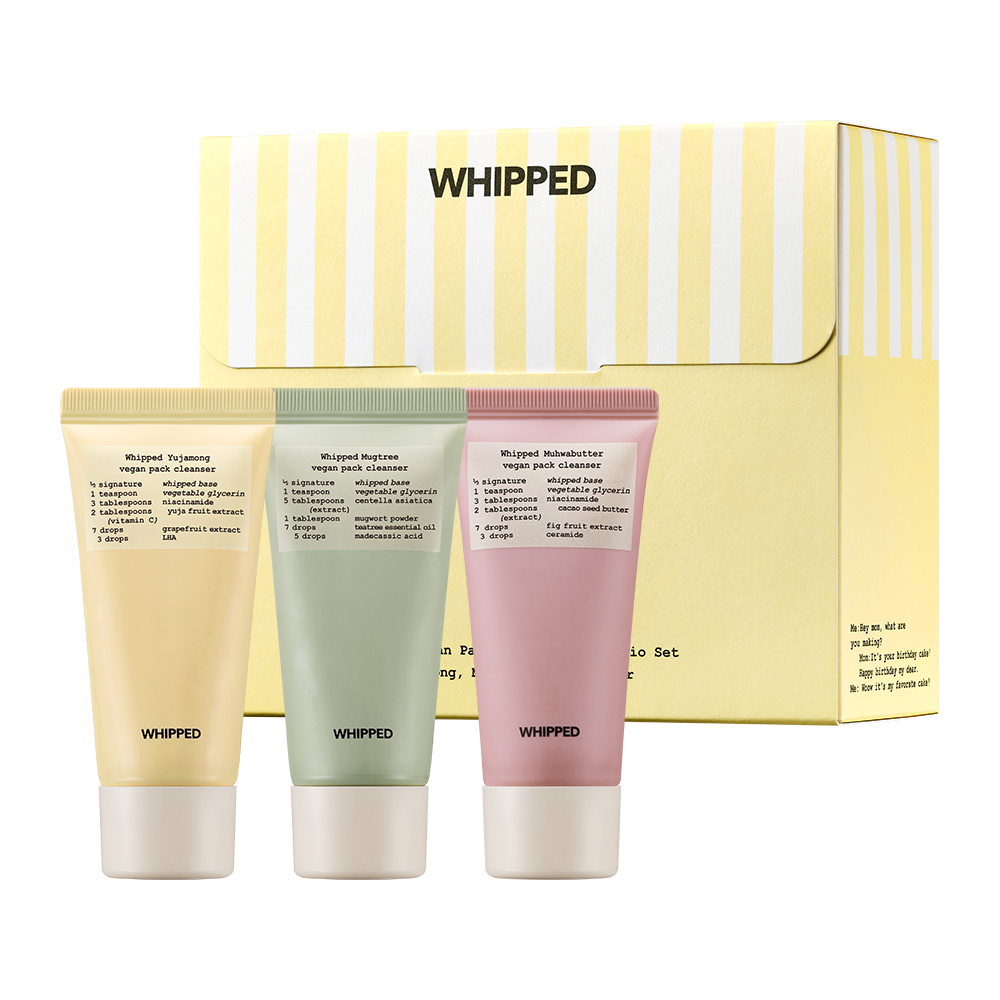
Vegan Pack Cleanser Gift Set (Mugtree + Muhwabutter + Yujamong)
Whipped
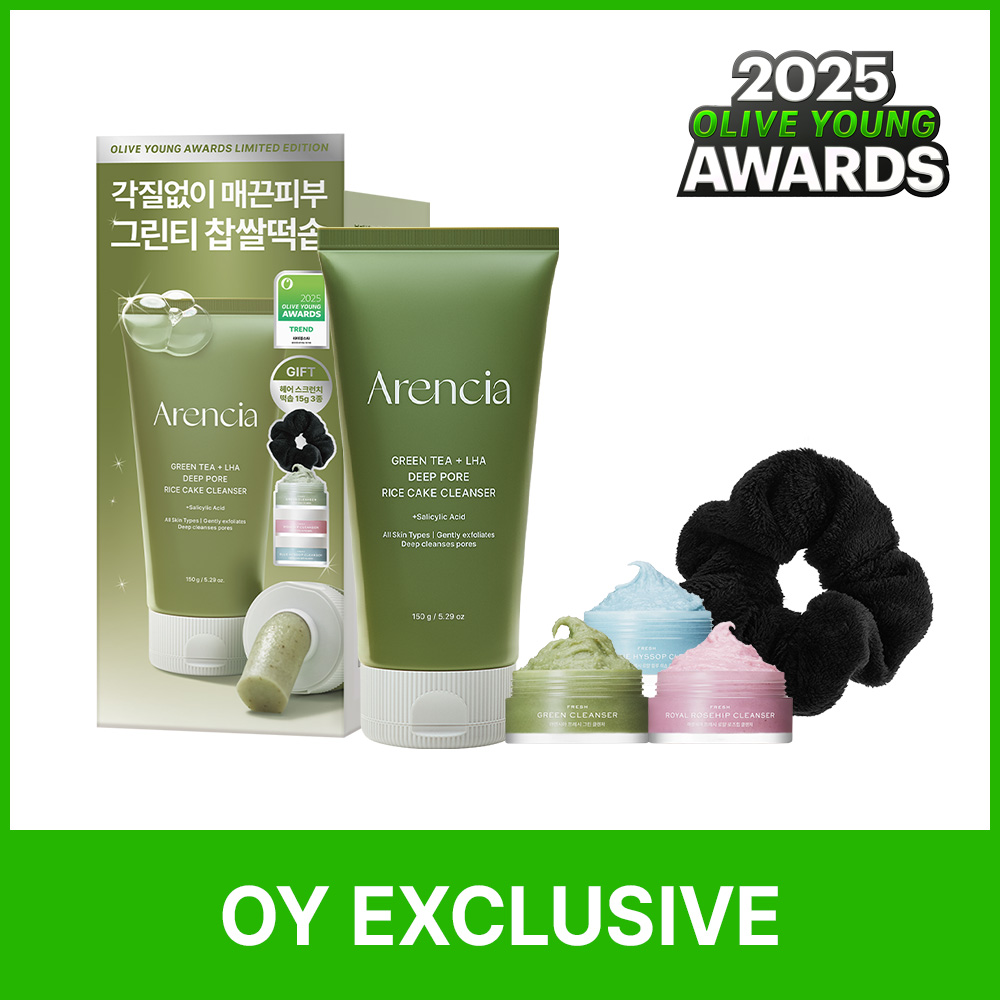
Green Tea + LHA Deep Pore Rice Cake Cleanser
Arencia

Green Tea LHA Deep Pore Rice Cake Cleanser
Arencia
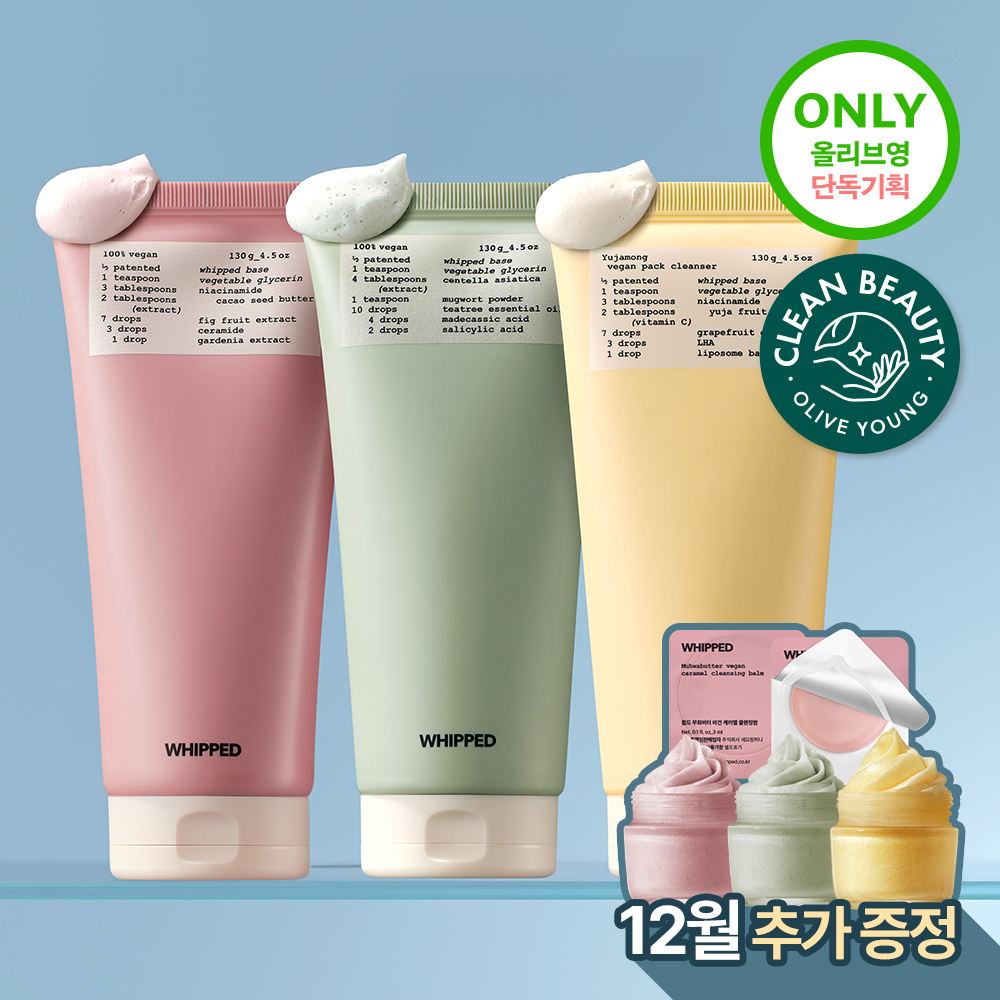
Vegan Pack Cleanser Set
Whipped
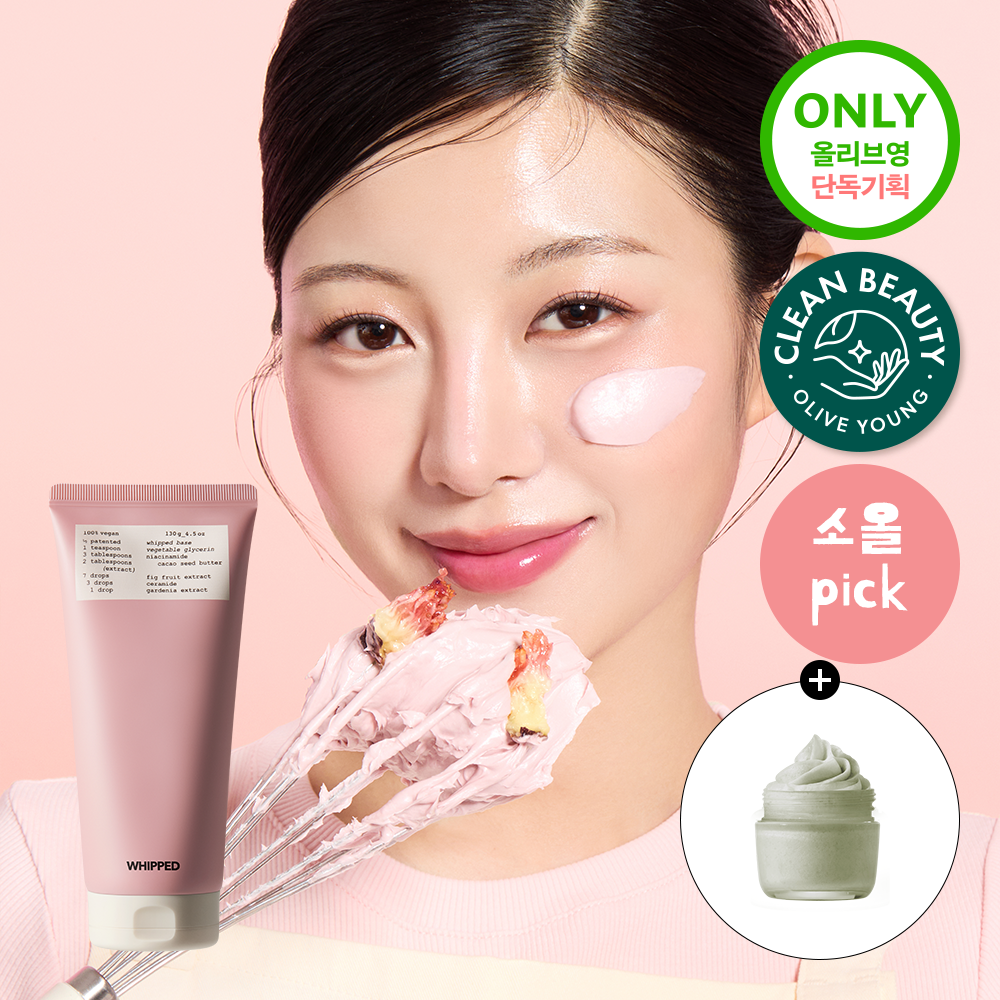
Muhwabutter Vegan Pack Cleanser Set
Whipped
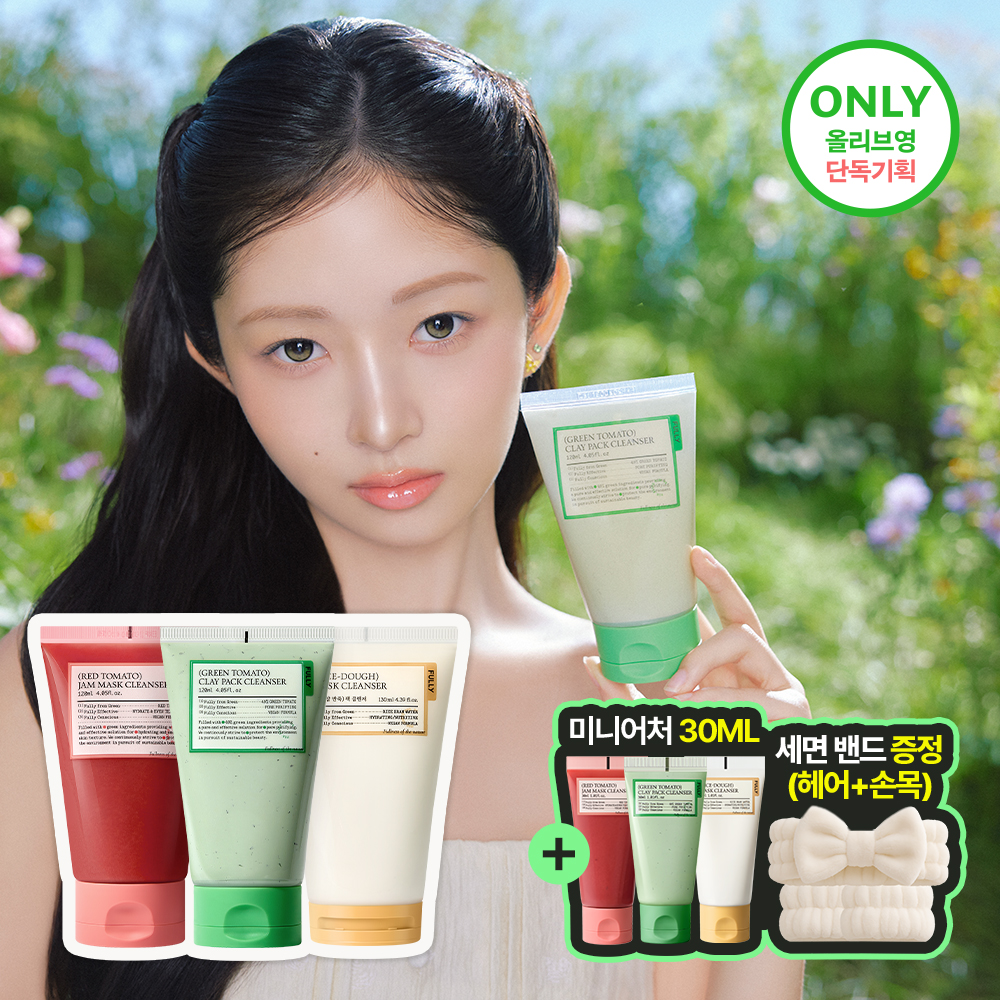
Pack Cleanser Set - Green Tomato / Red Tomato / Rice Dough
Fully
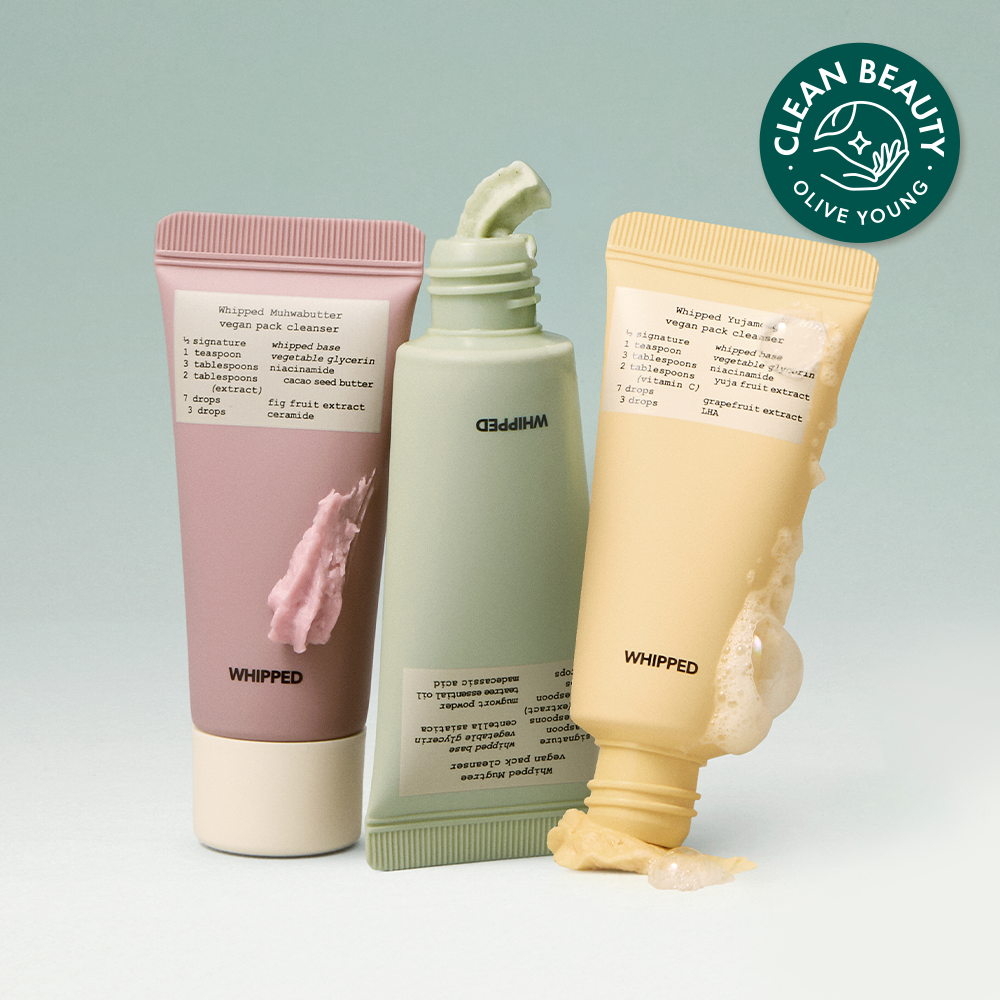
Vegan Pack Cleanser
Whipped
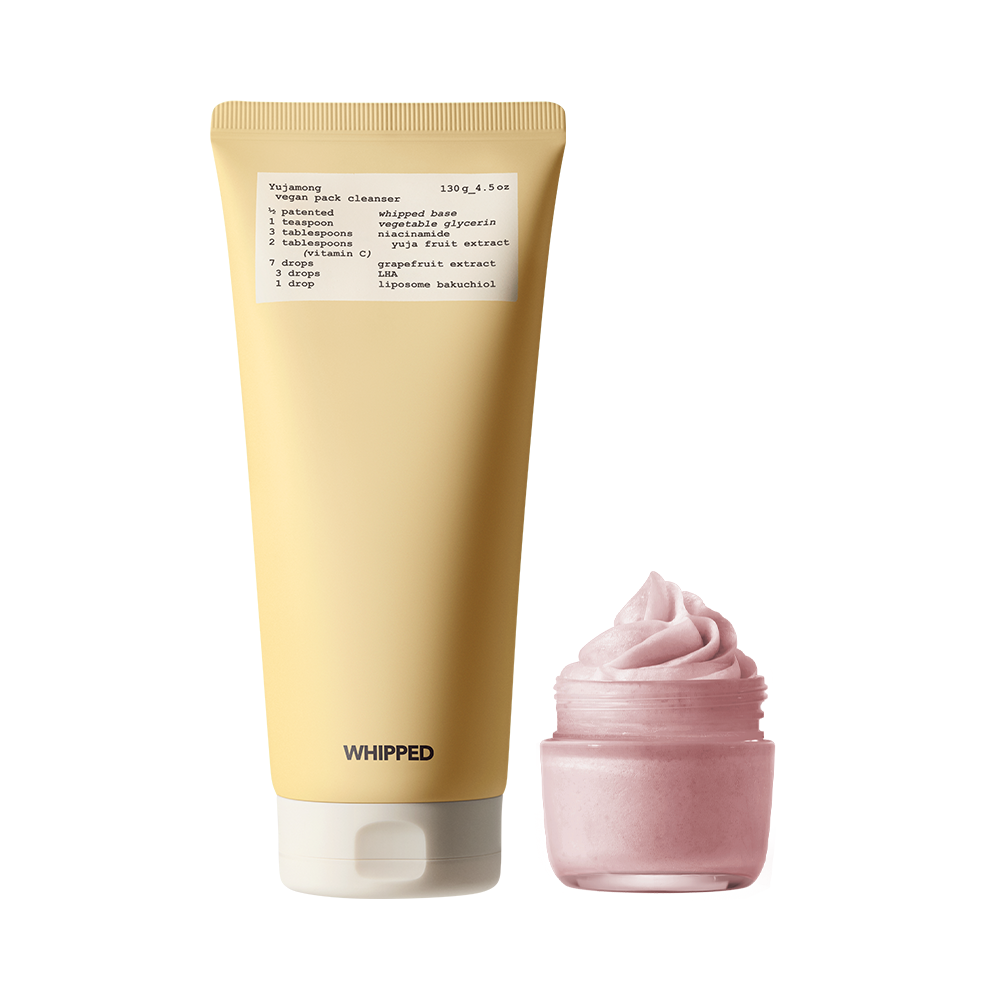
Yujamong Vegan Pack Cleanser Set
Whipped
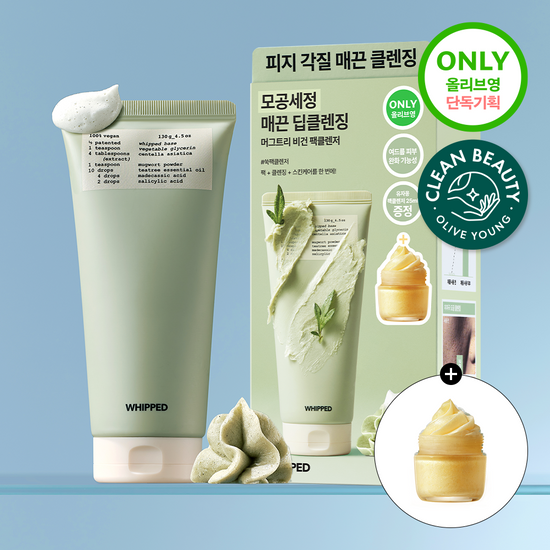
Mugtree Vegan Pack Cleanser Set
Whipped

Mugtree Vegan Pack Cleanser
Whipped
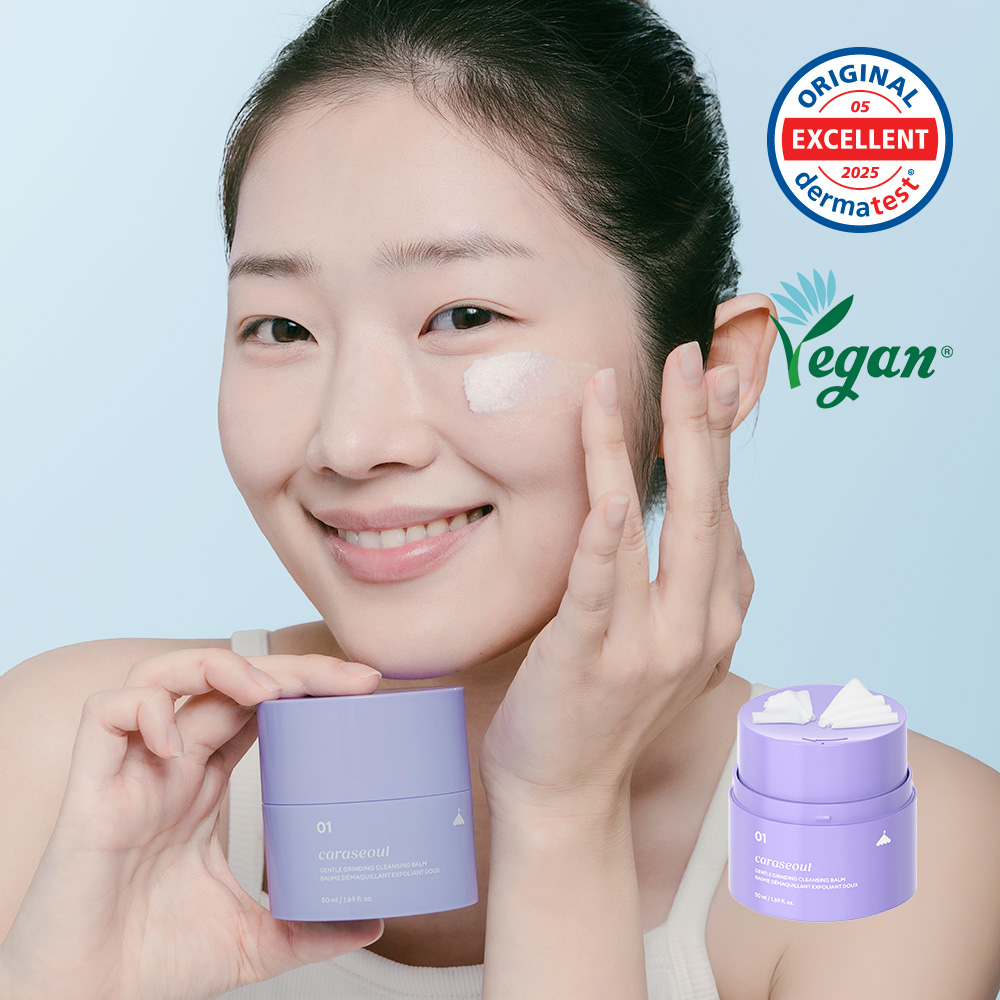
Gentle Grinding Cleansing Balm
Caraseoul
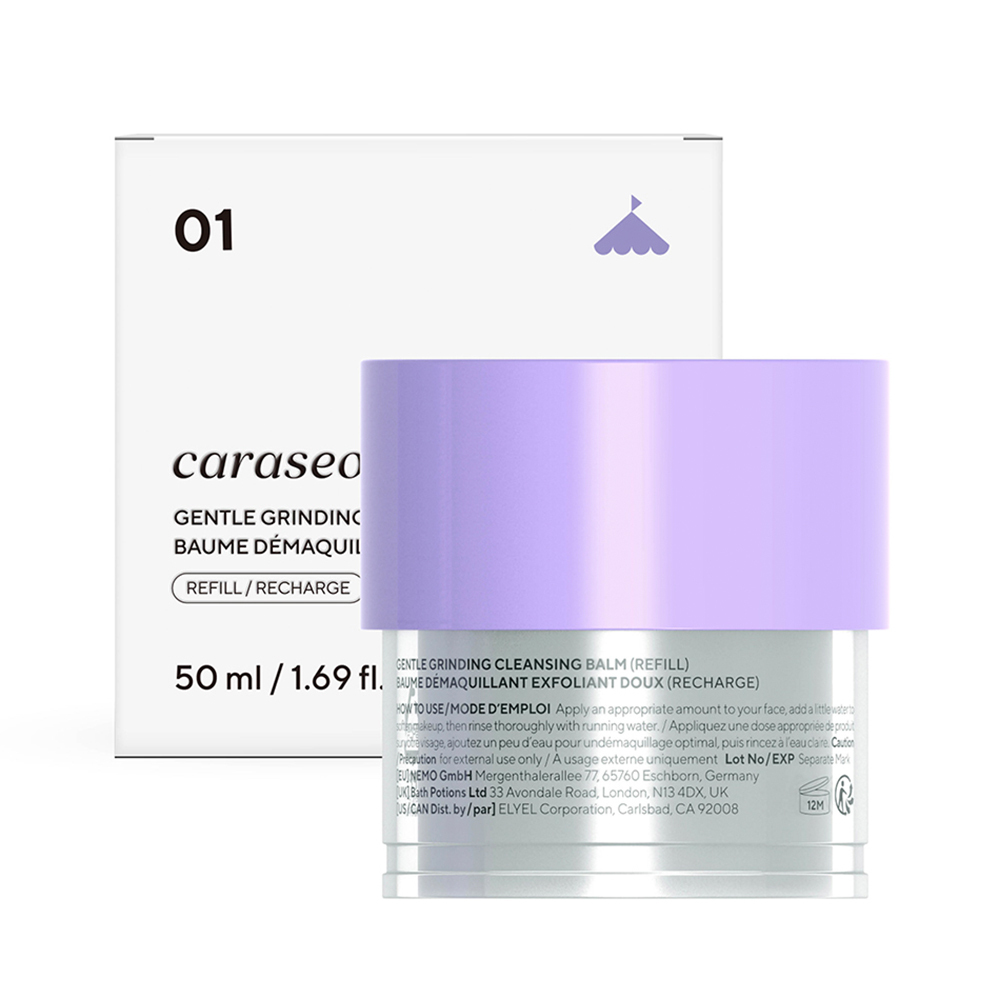
Gentle Grinding Cleansing Balm Refill
Caraseoul
Frequently Asked Questions
Is bakuchiol really as effective as retinol for anti-aging?▼
Can I use bakuchiol if I'm already using retinol or tretinoin?▼
Why do some bakuchiol products cost so much more than retinol?▼
Does bakuchiol help with acne like retinol does?▼
How should I store bakuchiol products to keep them effective?▼
Articles About Bakuchiol
Explore More
Want personalized ingredient advice?
Yuri, our AI beauty advisor, can tell you how Bakuchiol works with your specific skin type, routine, and concerns.
Ask Yuri, free