Bamboo Juice
INCI: Bambusa Arundinacea Juice
Hydrating and soothing plant extract with minerals
About Bamboo Juice
Bamboo juice is a naturally derived liquid extract obtained from the stems of the bamboo plant (Bambusa arundinacea), prized in K-beauty formulations for its exceptional hydrating properties and rich mineral content. Unlike bamboo extracts or powders, bamboo juice retains the plant's natural sap, which contains high concentrations of silica (up to 70% of its composition), along with potassium, calcium, and amino acids. In Korean skincare philosophy, bamboo represents resilience and purity, and its juice has been incorporated into formulations designed to strengthen the skin barrier while delivering lightweight, non-greasy hydration. The ingredient works particularly well in gel-based products and toners, where its watery consistency blends seamlessly to provide immediate moisture without heaviness. Found in 20 products on Seoul Sister, including highly rated formulations like KAINE's Green Calm Aqua Cream (5.0/5) and Beyond's Angel Aqua line, bamboo juice has gained recognition for its ability to soothe irritated skin and support long-term hydration. Its zero comedogenic rating makes it universally safe for all skin types, including acne-prone and sensitive skin. The silica content is especially valuable, as this mineral plays a crucial role in collagen synthesis and skin elasticity, making bamboo juice a multifunctional ingredient that addresses both immediate hydration needs and long-term skin health.
How Bamboo Juice Works
Bamboo juice functions as both a humectant and a skin-conditioning agent at the cellular level. Its high silica content directly supports fibroblast activity, the cells responsible for producing collagen and elastin, which maintain skin firmness and elasticity. The naturally occurring amino acids in bamboo juice help repair the skin's natural moisturizing factor (NMF), a collection of water-binding compounds in the stratum corneum that keeps skin hydrated from within. Meanwhile, the potassium and calcium minerals work to regulate cellular water balance and support the integrity of cell membranes. When applied topically, bamboo juice creates a thin, breathable moisture layer on the skin's surface that reduces transepidermal water loss (TEWL) without occlusion. This allows skin to breathe while staying hydrated. The polysaccharides present in the juice also exhibit soothing properties, calming inflammatory pathways by inhibiting pro-inflammatory cytokines. This makes bamboo juice particularly effective in products designed for sensitive or compromised skin barriers, where reducing inflammation while maintaining hydration is essential for recovery and protection.
Bamboo Juice by Skin Type
Oily Skin
Bamboo juice is excellent for oily skin because it delivers hydration without adding oil or weight to the complexion. Its lightweight, water-based nature absorbs quickly and won't clog pores (0/5 comedogenic rating), making it ideal for maintaining moisture balance without triggering excess sebum production. The mineral content also helps regulate skin's natural oil production over time.
Dry Skin
For dry skin, bamboo juice provides multi-level hydration by supporting the skin's natural moisturizing factor and reducing water loss through the skin barrier. The silica content is particularly beneficial, as it strengthens the skin's structural integrity and improves its ability to retain moisture long-term. Layer it with richer moisturizers for optimal results.
Combo Skin
Combination skin benefits from bamboo juice's ability to hydrate dry areas without overwhelming oily zones. Its balanced, non-comedogenic formula works well across different facial regions, providing consistent moisture where needed while remaining light enough not to cause shine or congestion in the T-zone.
Sensitive Skin
Sensitive skin responds well to bamboo juice due to its natural soothing properties and gentle mineral composition. The ingredient's anti-inflammatory effects help calm redness and irritation, while its simple molecular structure reduces the risk of allergic reactions. With a strong safety rating of 4/5, it's a reliable choice for reactive skin types.
Normal Skin
Normal skin can use bamboo juice as a maintenance ingredient to preserve optimal hydration levels and support ongoing collagen production. Its mineral content contributes to healthy skin aging, while its lightweight texture makes it easy to incorporate into daily routines without disrupting the skin's natural balance.
How to Use Bamboo Juice
- 1Layer bamboo juice products under heavier creams or oils to maximize hydration benefits, as the watery consistency absorbs best when applied to damp skin first.
- 2Use bamboo juice toners or essences both morning and night for consistent hydration, especially in dry climates or air-conditioned environments where moisture loss is accelerated.
- 3Pair bamboo juice with hyaluronic acid products (like the Luvum Bamboo Hyaluronic Moisture Gel Cleanser) for synergistic hydration that works at multiple skin depths.
- 4Apply bamboo juice gel formulations as a lightweight moisturizer during humid summer months when heavier creams feel too occlusive.
Background
Bamboo has been revered in Asian cultures for over 5,000 years, not only as a construction material but also in traditional medicine and beauty practices. In Korean traditional medicine (hanbang), bamboo was valued for its cooling properties and ability to purify and detoxify. The extraction of bamboo juice specifically for skincare is a more modern innovation, emerging in the early 2000s as K-beauty brands began exploring indigenous botanical ingredients with scientific backing. Korean cosmetic scientists discovered that the fresh sap contained higher concentrations of bioactive silica and minerals compared to dried extracts, leading to its incorporation in hydrating and soothing formulations. Bamboo's symbolic significance in Korean culture (representing strength, flexibility, and purity) aligned perfectly with the K-beauty philosophy of using nature-derived ingredients that work in harmony with skin. Today, bamboo juice appears across multiple product categories, from cleansers to moisturizers, reflecting its versatility and the ongoing K-beauty trend of elevating traditional ingredients through modern extraction and formulation technology.
K-Beauty Products with Bamboo Juice
View all 21 →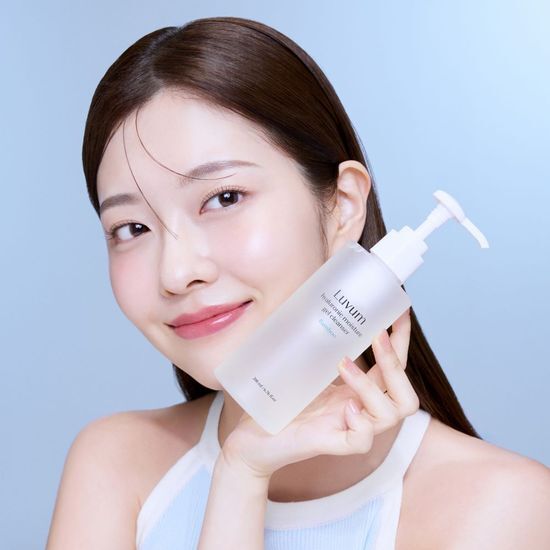
Bamboo Hyaluronic Moisture Gel Cleanser
Luvum
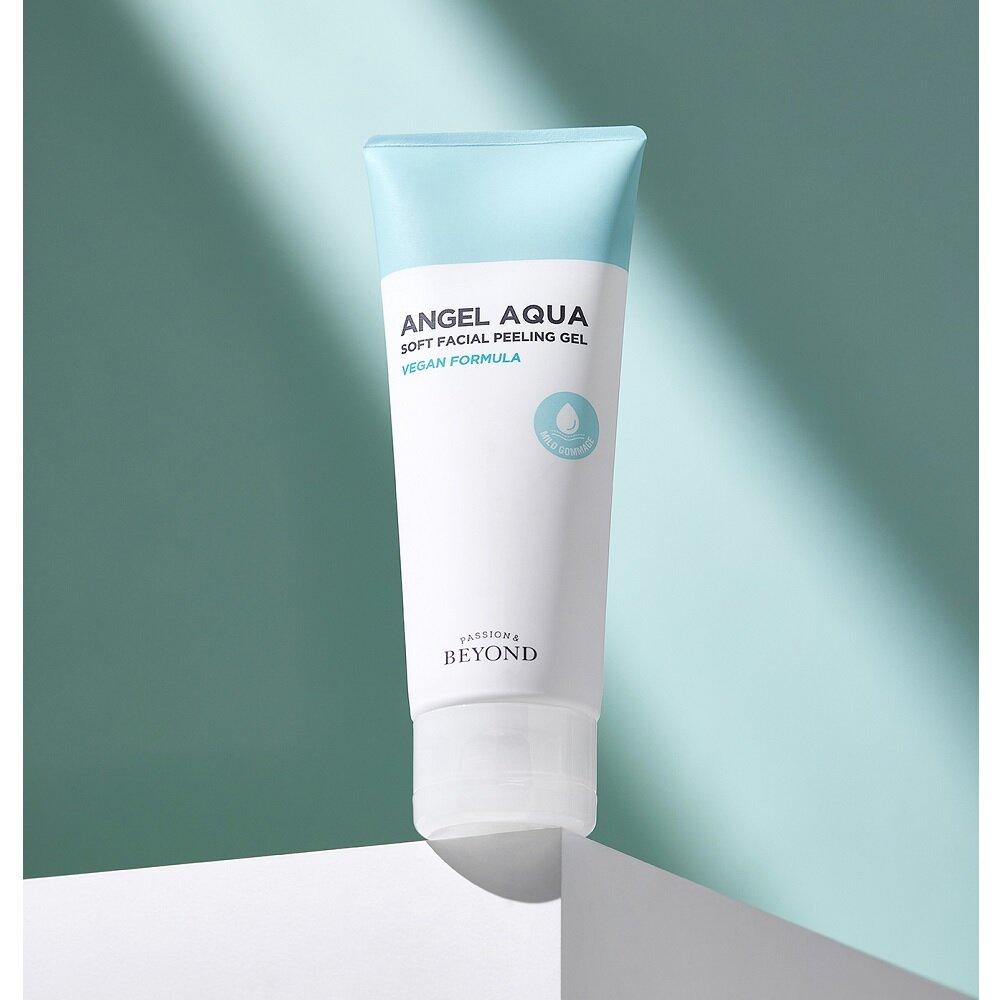
Angel Aqua Soft Facial Peeling Gel
Beyond
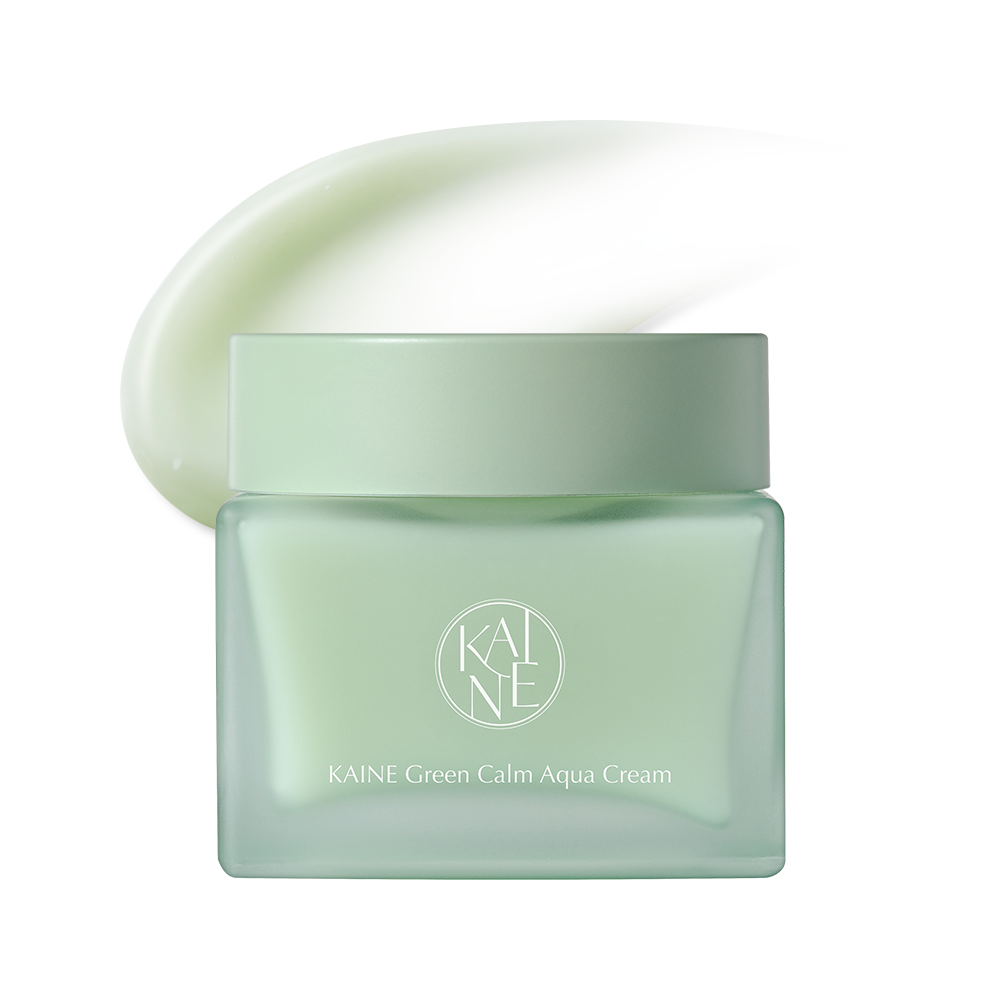
Green Calm Aqua Cream
KAINE

Angel Aqua Moisture Cream
Beyond
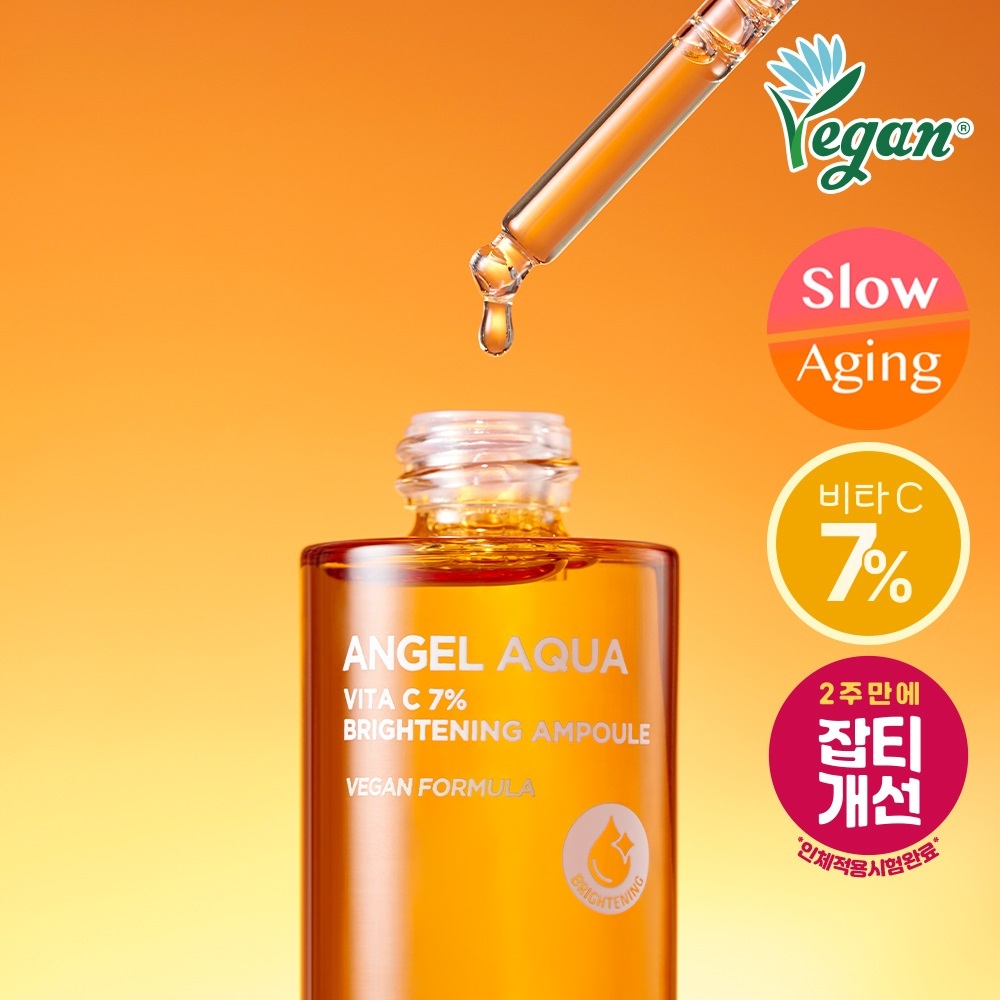
Angel Aqua Vita C 7% Brightening Ampoule
Beyond
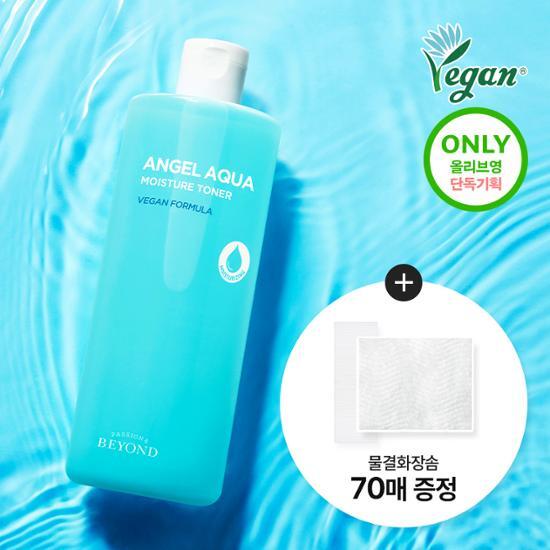
Angel Aqua Moisture Toner
Beyond
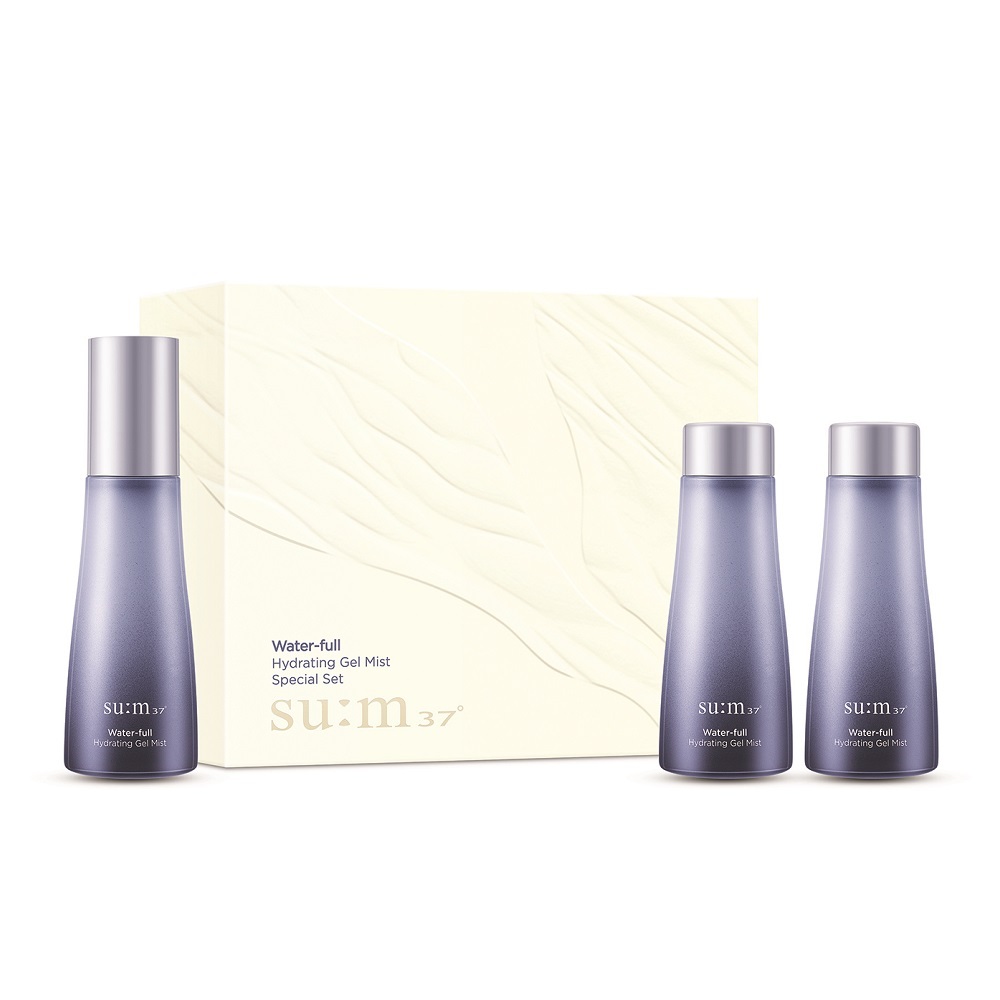
Water-full Hydrating Gel Mist
SUM37
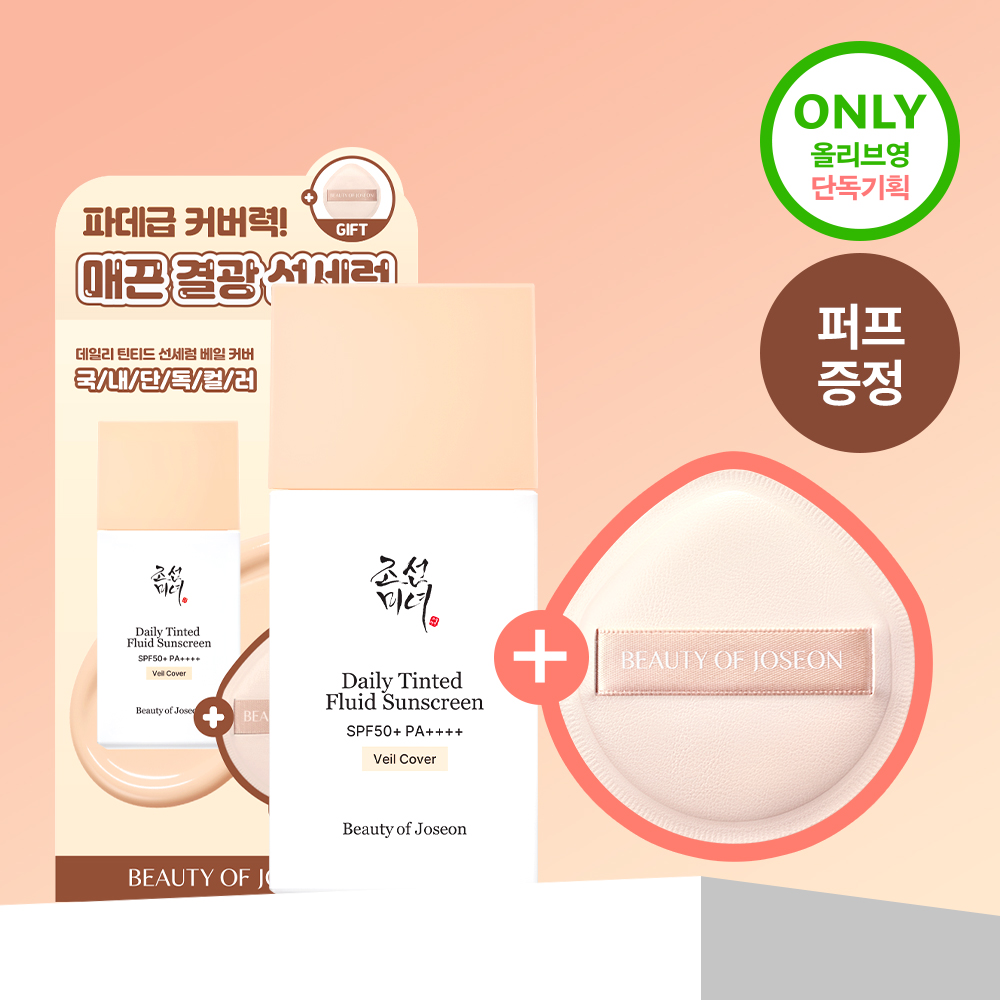
Daily Tinted Sun Serum Veil Cover
Beauty of Joseon
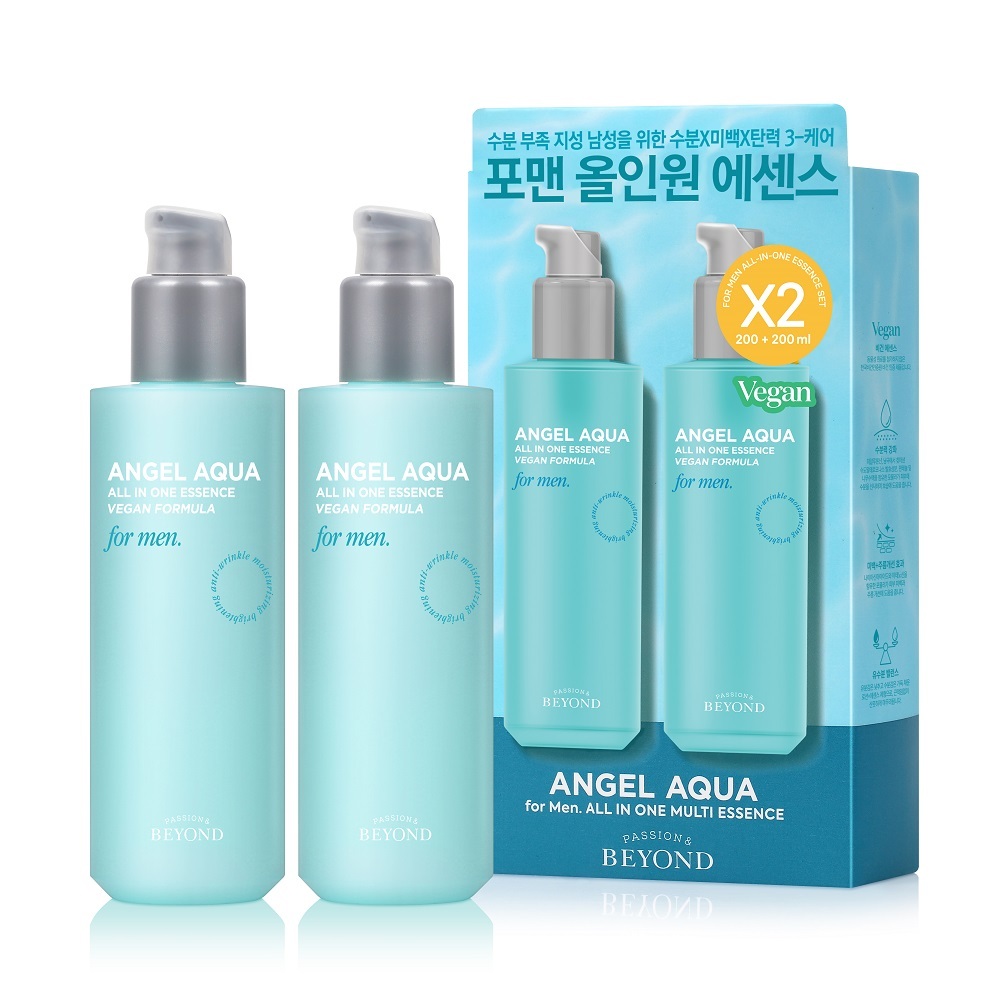
Angel Aqua For Men All In One Multi Essence
Beyond
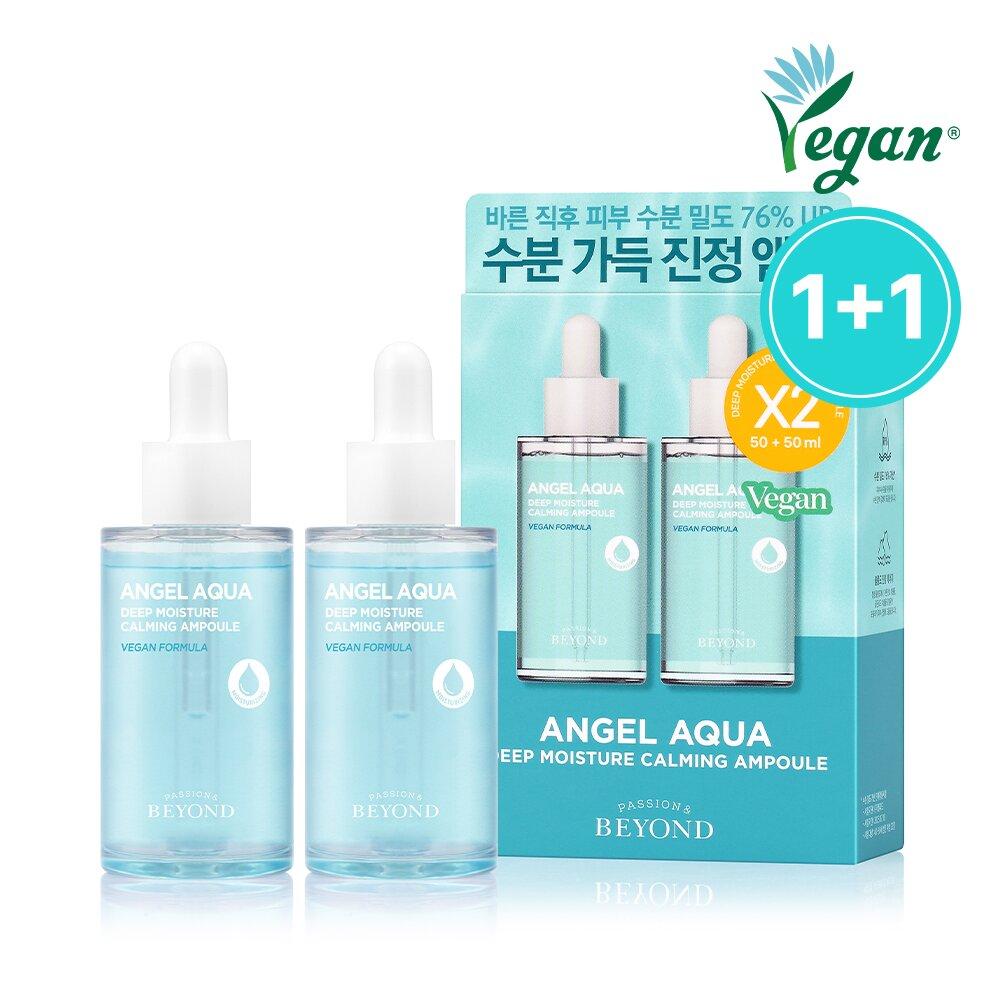
Angel Aqua Deep Moisture Calming Ampoule
Beyond

2 Seconds Magic Deep Cleansing Oil
ON:THE BODY
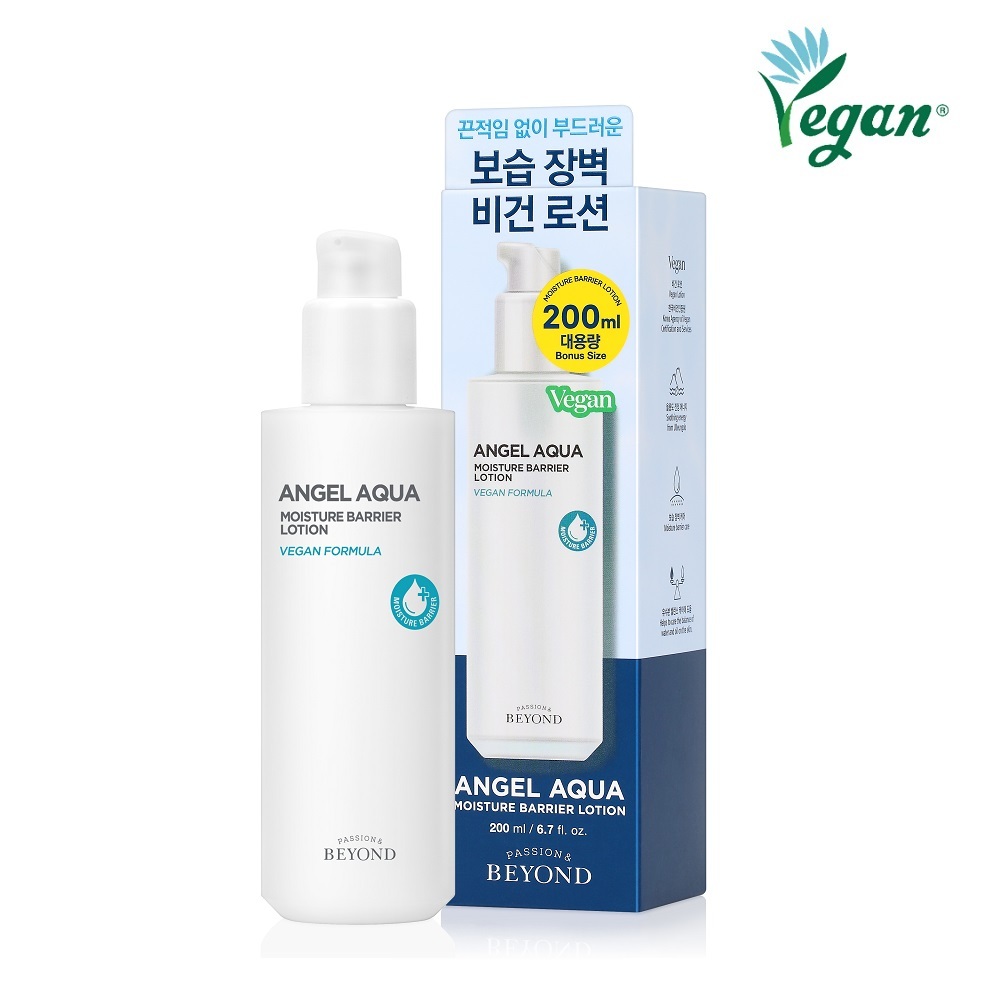
Angel Aqua Moisture Barrier Lotion
Beyond
Frequently Asked Questions
Is bamboo juice the same as bamboo extract?▼
Can bamboo juice help with acne-prone skin?▼
How much silica is actually in bamboo juice products?▼
Does bamboo juice conflict with any other skincare ingredients?▼
Why is bamboo juice popular in gel cleansers and lightweight moisturizers?▼
Explore More
Want personalized ingredient advice?
Yuri, our AI beauty advisor, can tell you how Bamboo Juice works with your specific skin type, routine, and concerns.
Ask Yuri, free