Daisy Flower Extract
INCI: Bellis Perennis (Daisy) Flower Extract
Skin brightening and dark spot reducer
About Daisy Flower Extract
Daisy Flower Extract, derived from Bellis perennis, is a gentle yet powerful botanical brightening agent that has become a cult favorite in K-beauty formulations targeting hyperpigmentation and uneven skin tone. Unlike harsh chemical lighteners, this meadow flower works by inhibiting tyrosinase, the enzyme responsible for melanin production, making it an effective option for fading dark spots, post-acne marks, and age-related discoloration. What sets daisy extract apart is its dual-action approach: it not only prevents new pigmentation from forming but also helps break down existing melanin clusters in the skin. Korean skincare brands appreciate this ingredient for its compatibility with other actives and its suitability for sensitive skin types that can't tolerate stronger brightening ingredients like hydroquinone or high-concentration vitamin C. The extract is rich in natural saponins, polyphenols, and organic acids that contribute to both its brightening efficacy and antioxidant properties. In the Seoul Sister database, daisy flower extract appears in 27 products, often paired with other botanical brighteners like niacinamide or vitamin C for amplified results. Its non-comedogenic rating of 0/5 makes it suitable for acne-prone skin, while its gentle nature allows it to be used in everything from daily sun essences to intensive ampoules without causing irritation.
How Daisy Flower Extract Works
Daisy flower extract's brightening mechanism centers on its ability to interrupt melanogenesis at multiple stages. The extract contains compounds that competitively inhibit tyrosinase, the copper-containing enzyme that converts tyrosine into melanin. By blocking this enzymatic reaction, less pigment is produced in melanocytes. Additionally, daisy extract interferes with the transfer of melanosomes (pigment-containing organelles) from melanocytes to surrounding keratinocytes, which means even if some melanin is produced, less of it reaches the skin's surface where it becomes visible as dark spots. The polyphenols in daisy extract also provide antioxidant protection, neutralizing free radicals that can trigger inflammatory hyperpigmentation. Studies have shown that daisy extract can reduce melanin synthesis by up to 50% in laboratory conditions. Unlike chemical peels or retinoids that work by accelerating cell turnover, daisy extract takes a gentler approach by regulating pigment production from within, making results more gradual but also more sustainable and less likely to cause rebound hyperpigmentation.
Daisy Flower Extract by Skin Type
Oily Skin
Daisy flower extract is ideal for oily skin struggling with post-acne hyperpigmentation. Its non-comedogenic nature means it won't contribute to breakouts while fading the dark marks that often linger after blemishes heal. The lightweight nature of most daisy extract formulations pairs well with the texture preferences of oily skin types.
Dry Skin
Dry skin can benefit from daisy extract's brightening effects without the dryness associated with stronger actives like retinoids or acids. Look for formulations that combine daisy extract with hydrating ingredients like hyaluronic acid or ceramides to address both pigmentation and moisture barrier concerns simultaneously.
Combo Skin
Combination skin types will appreciate daisy extract's versatility in addressing different concerns across face zones. It can brighten pigmentation in the T-zone without aggravating oily areas, while remaining gentle enough for drier cheeks. Products like the Sungboon Editor Green Tomato NMN Pore Lifting Ampoule (4.9/5) demonstrate how daisy extract works in combination-friendly formulations.
Sensitive Skin
This is where daisy extract truly shines. Its gentle inhibition of melanin production makes it one of the safest brightening options for reactive skin that can't tolerate stronger alternatives. The extract's anti-inflammatory properties actually help calm skin while brightening, making it suitable even for those with rosacea-prone or easily irritated complexions.
Normal Skin
Normal skin can use daisy extract as a preventative brightening treatment or to address early signs of sun damage. The ingredient's safety profile allows for daily use in products like the MONSIEURJ UV Cut Sun Essence Double Pack (5.0/5), where it provides both brightening and antioxidant protection without disrupting skin balance.
How to Use Daisy Flower Extract
- 1Layer daisy extract products under sunscreen for maximum brightening efficacy, as sun protection prevents new pigmentation while the extract works on existing spots. Products like UV Cut Sun Essence combine both functions.
- 2Pair with vitamin C for amplified results. The Luvum Green Citrus Vitamin C Gel Mask+ (4.9/5) demonstrates this synergy, where daisy extract and vitamin C work through different mechanisms to target pigmentation more comprehensively.
- 3Use consistently for at least 8-12 weeks to see visible results. Daisy extract works gradually by preventing new melanin formation, so patience is essential for noticeable brightening.
- 4Apply daisy extract products in the evening if combining with stronger actives like retinol, or use morning and night if it's your primary brightening ingredient. The gentle nature allows flexible application timing.
Background
The common daisy has been used in European folk medicine for centuries to treat bruises and wounds, but its journey into modern skincare began when Swiss researchers discovered its melanin-inhibiting properties in the early 2000s. Korean cosmetic chemists embraced daisy extract as part of the K-beauty philosophy of achieving bright, luminous skin through gentle botanical ingredients rather than aggressive chemical treatments. The extract aligned perfectly with the Korean skincare emphasis on prevention and maintenance rather than correction alone. By the 2010s, daisy flower extract had become a staple in K-beauty brightening formulations, prized for its ability to deliver results without the irritation or photosensitivity associated with alternatives like hydroquinone or arbutin. Today, it represents the K-beauty approach of harnessing traditional botanical wisdom through modern extraction and stabilization techniques.
K-Beauty Products with Daisy Flower Extract
View all 29 →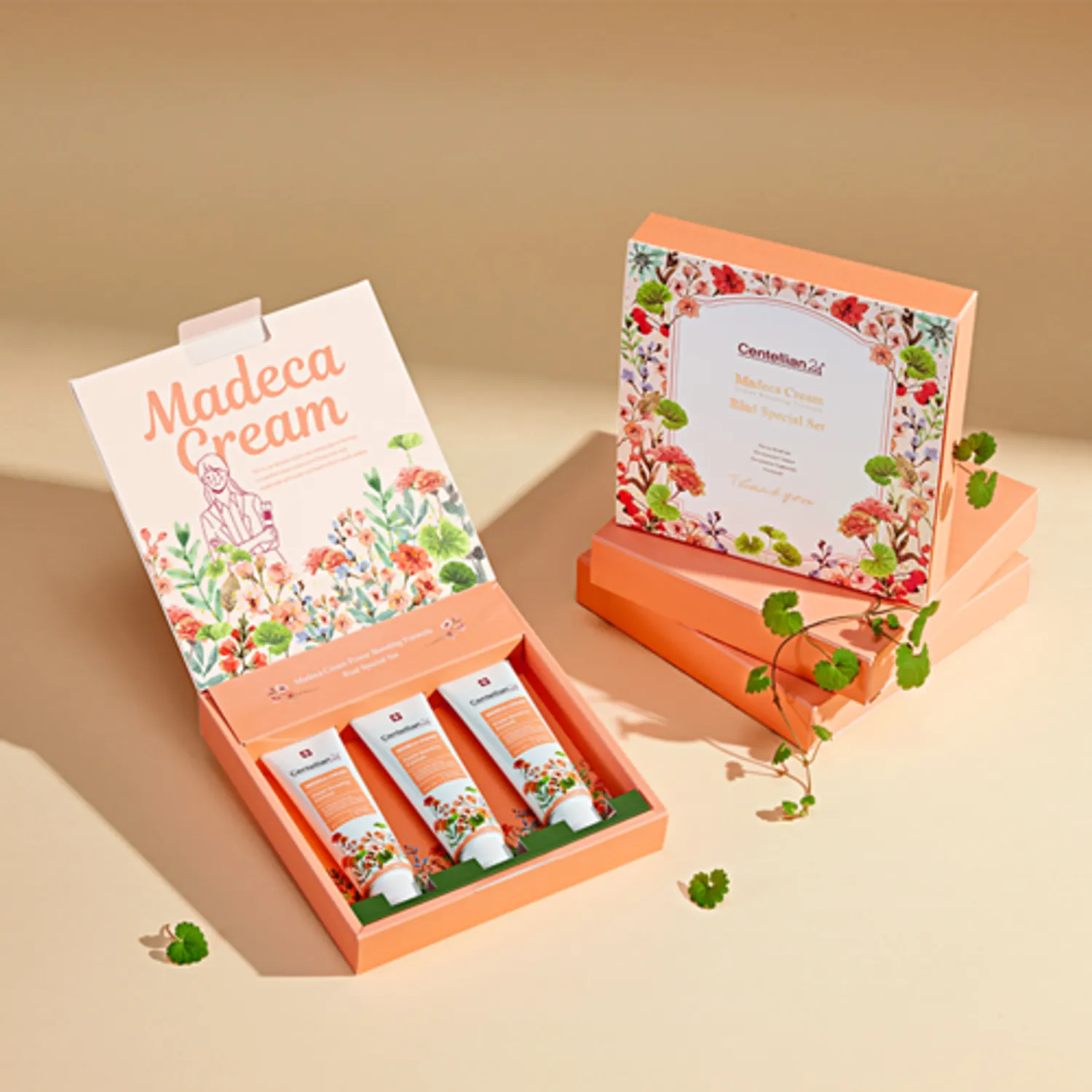
Madeca Cream Power Boosting Formula Triple Set
Centellian24
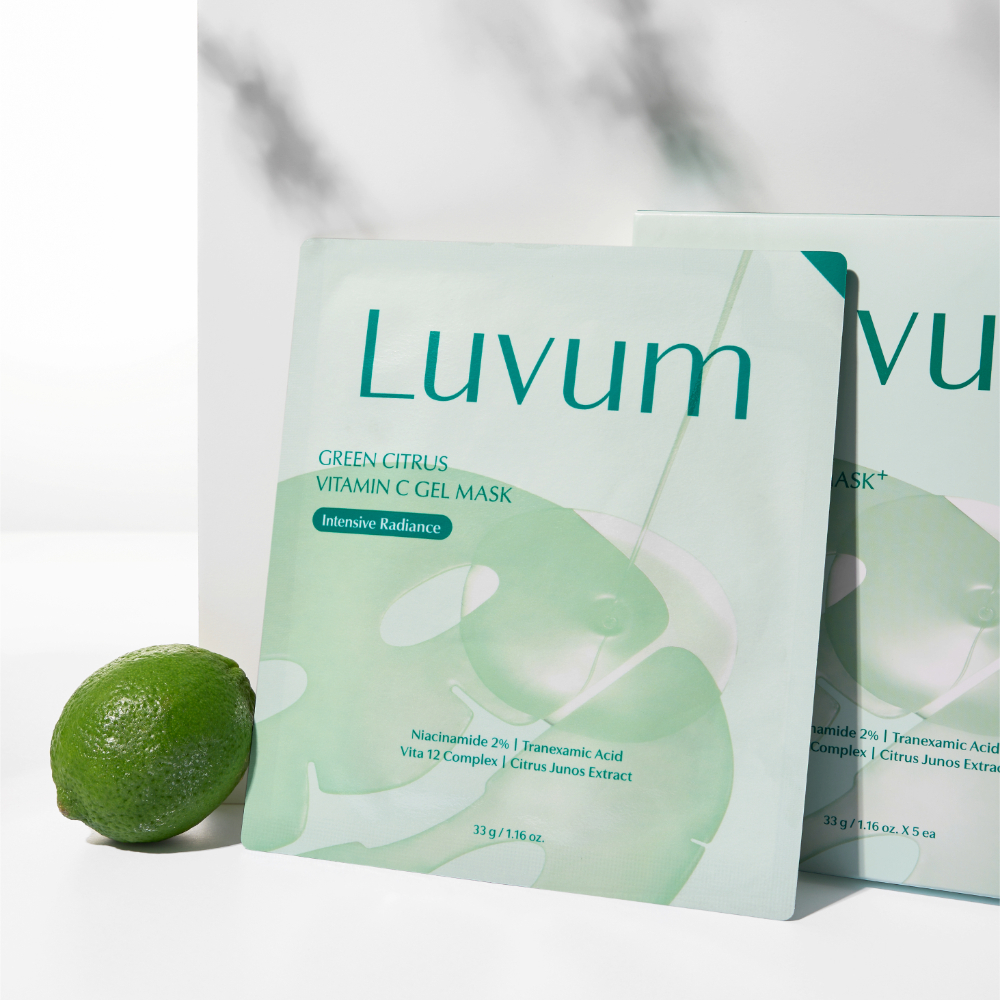
Green Citrus Vitamin C Gel Mask+ 5ea
Luvum
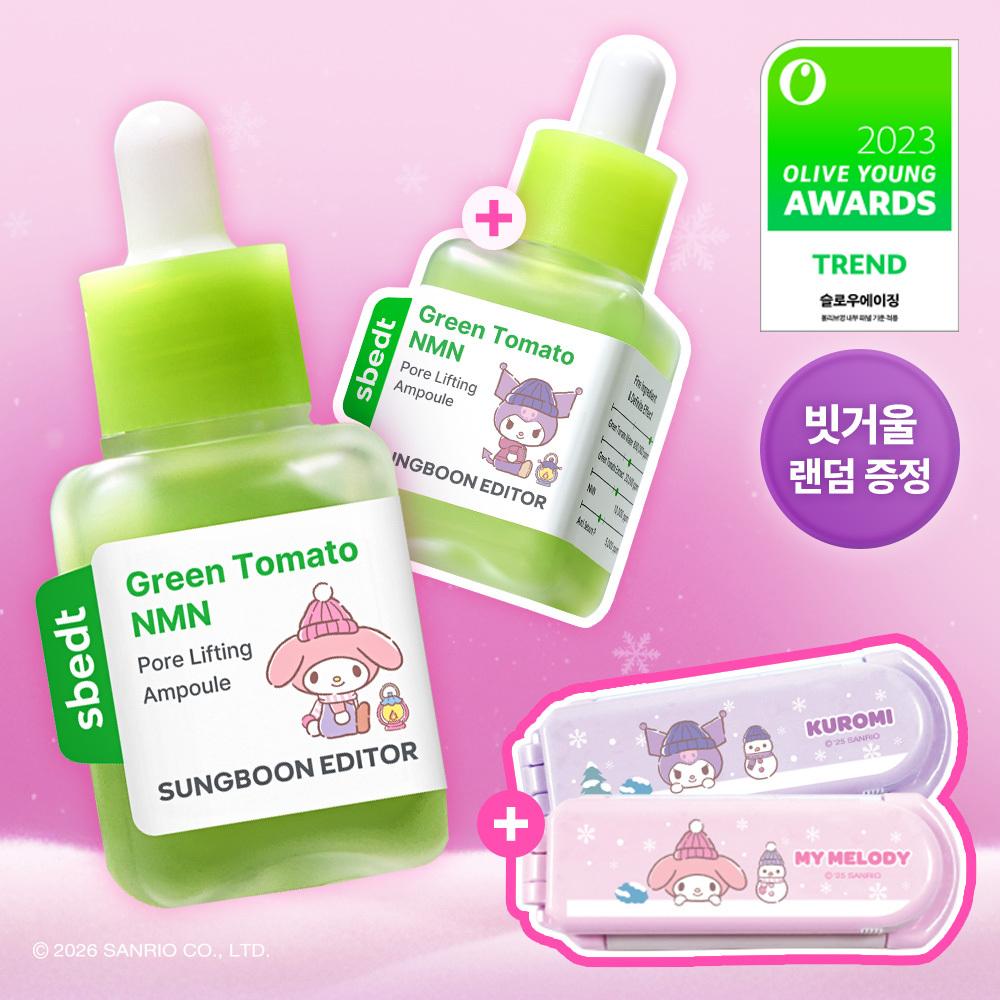
Green Tomato NMN Pore Lifting Ampoule
Sungboon Editor
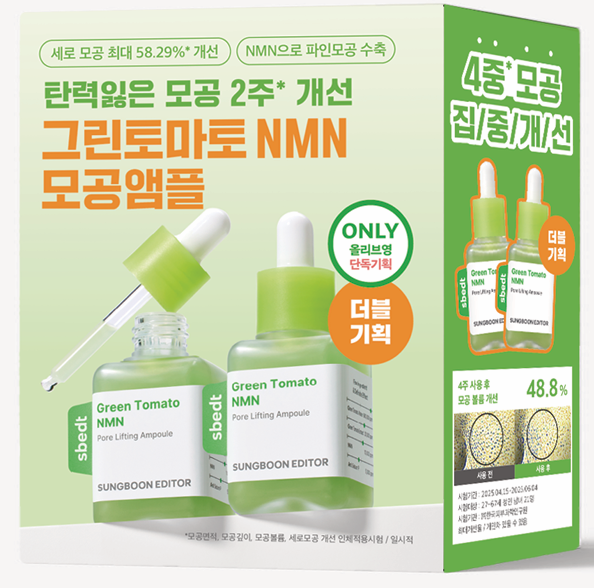
Green Tomato NMN Pore Lifting Ampoule Double Pack
Sungboon Editor

First Spray Serum
d'Alba
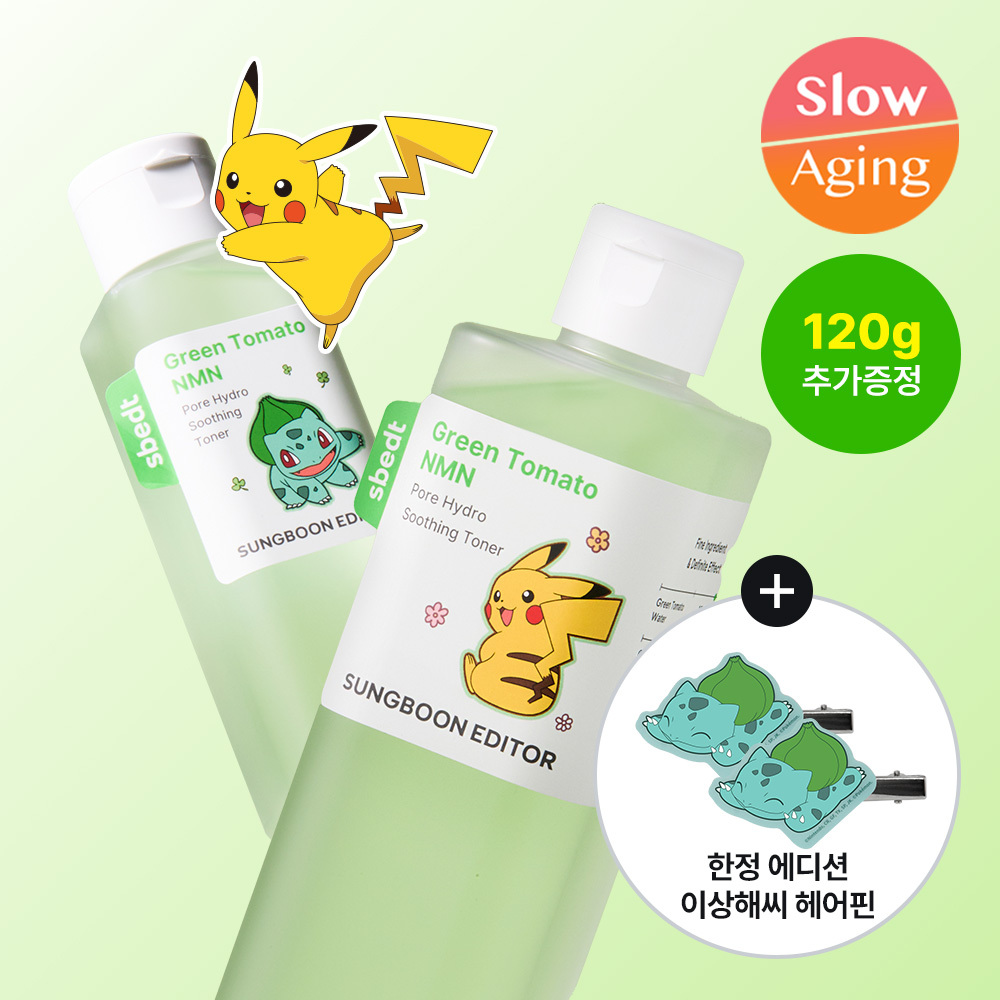
Green Tomato NMN Pore Hydro Soothing Toner
Sungboon Editor
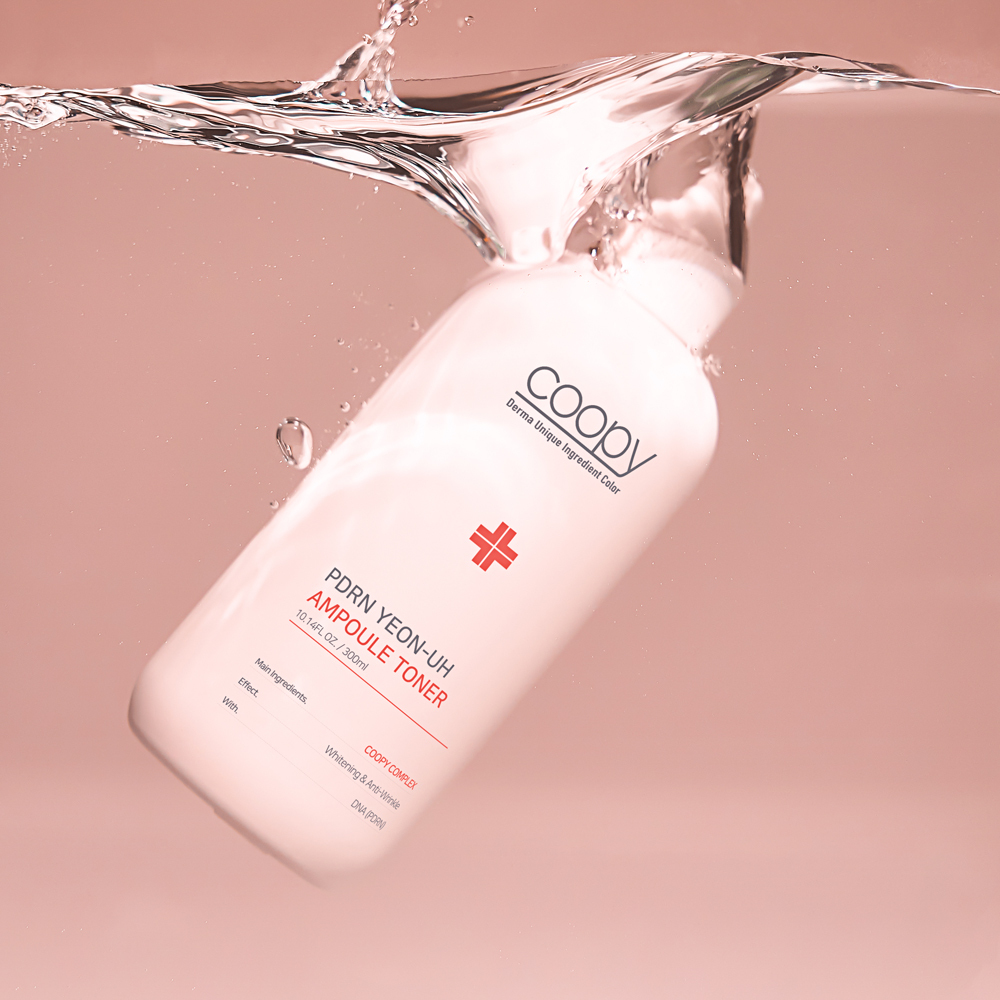
PDRN Yeon-Uh Ampoule Toner
Anua

First Spray Serum Original & Premium Vegan Mist Serum Gift Set
d'Alba
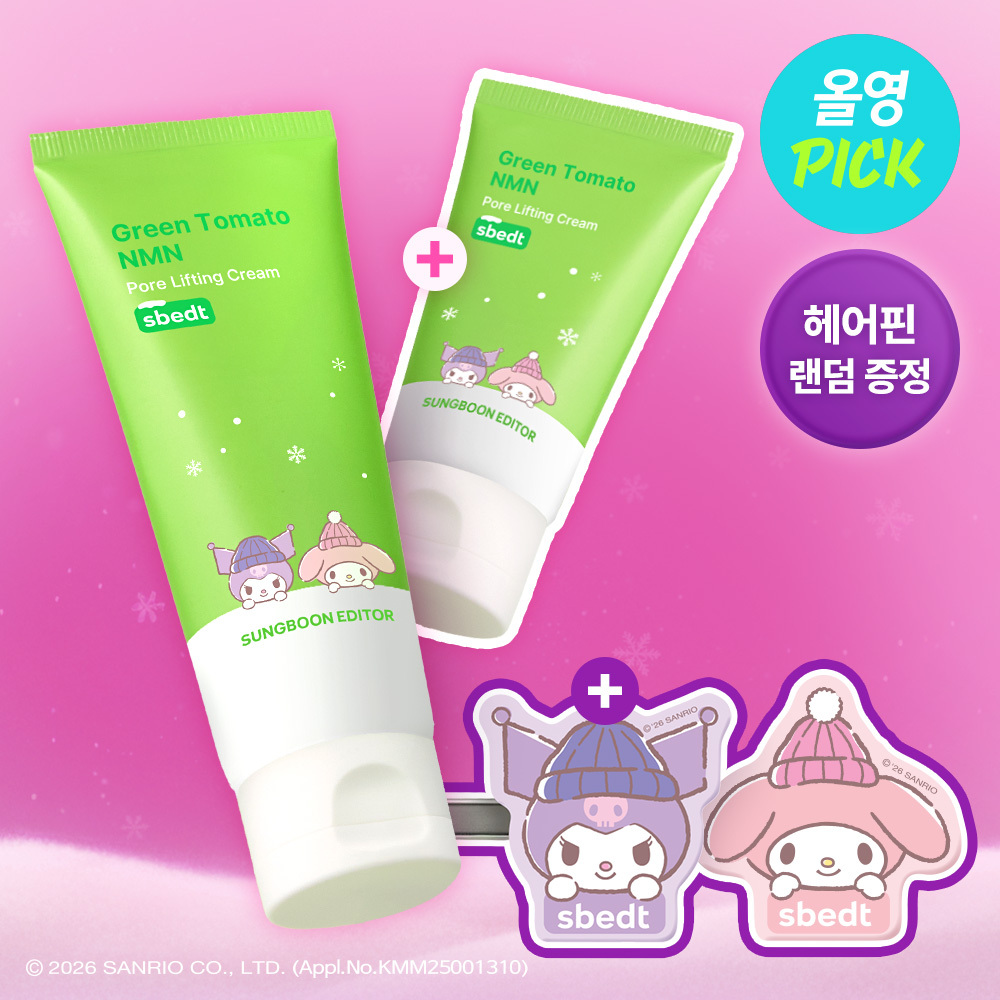
Green Tomato NMN Pore Lifting Cream
Sungboon Editor
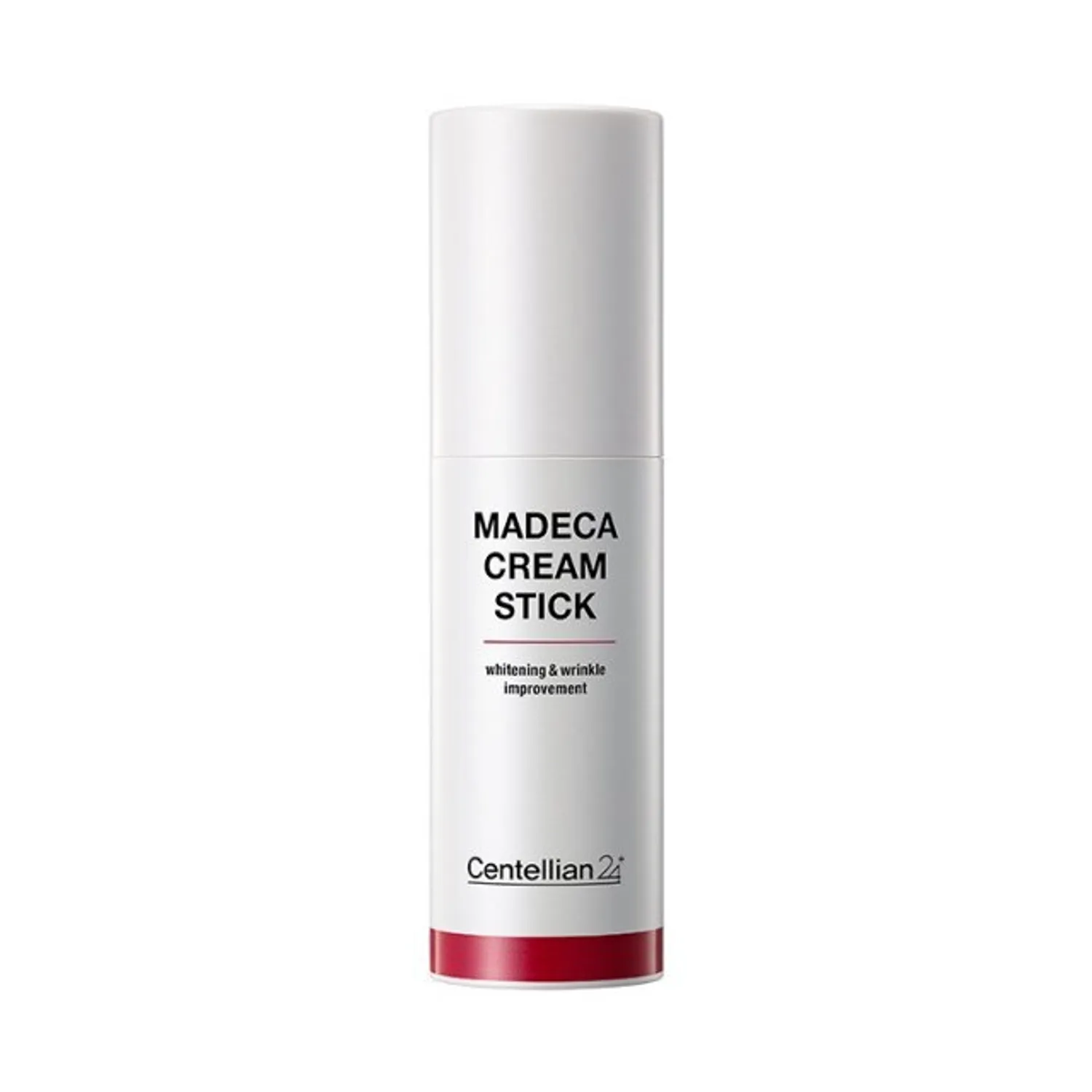
Madeca Cream Stick
Centellian24
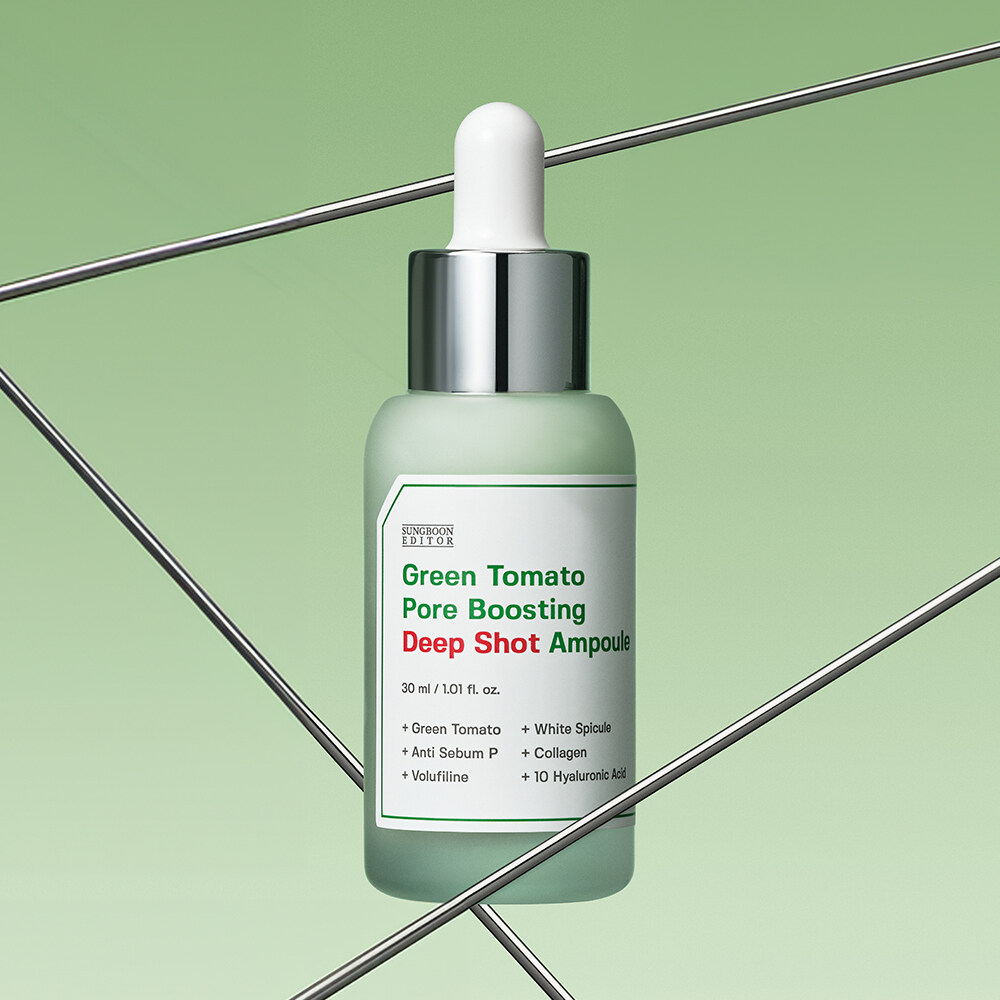
Green Tomato Pore Boosting Deep Shot Ampoule
Sungboon Editor
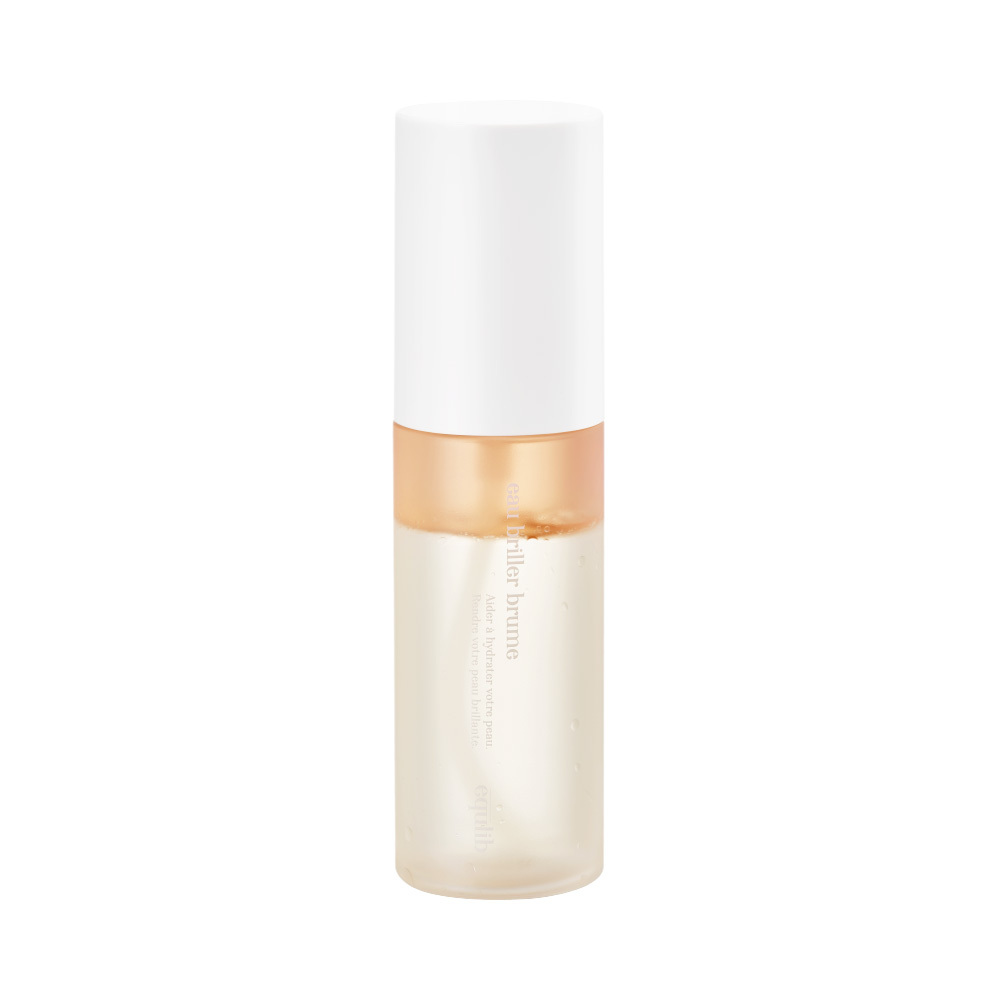
Eau Briller Brume Water Essence
Anua
Frequently Asked Questions
How long does it take to see results from daisy flower extract?▼
Can I use daisy flower extract with other brightening ingredients?▼
Is daisy flower extract safe during pregnancy?▼
Will daisy extract make my skin more sensitive to sun?▼
Can daisy flower extract help with melasma?▼
Explore More
Want personalized ingredient advice?
Yuri, our AI beauty advisor, can tell you how Daisy Flower Extract works with your specific skin type, routine, and concerns.
Ask Yuri, free