Beet Root Extract
INCI: Beta Vulgaris (Beet) Root Extract
Antioxidant and skin conditioning agent
About Beet Root Extract
Beet Root Extract is a powerhouse antioxidant derived from Beta vulgaris, the common garden beet known for its deep crimson color. This vibrant hue comes from betalains, a class of phytonutrients with exceptional free radical scavenging abilities that help protect skin from environmental stressors like pollution and UV exposure. In K-beauty formulations, beet root extract serves dual purposes as both an antioxidant and a skin conditioning agent, delivering hydration while strengthening the skin's natural defense systems. The extract is particularly rich in vitamins A and C, iron, folate, and betaine, an amino acid derivative that helps maintain cellular water balance and supports the skin barrier. Korean brands have embraced this ingredient for its ability to brighten dull complexions, improve skin texture, and provide a subtle radiance without irritation. With a comedogenic rating of 0/5, beet root extract works beautifully across all skin types, appearing in 29 K-beauty products on Seoul Sister, from gentle cleansers to concentrated essences. Its safety rating of 4/5 reflects its excellent tolerability profile, making it a smart choice for those building a science-backed routine that prioritizes both efficacy and gentleness.
How Beet Root Extract Works
At the cellular level, beet root extract functions through multiple pathways. The betalain pigments (betacyanins and betaxanthins) neutralize reactive oxygen species that damage collagen, lipids, and DNA in skin cells. These antioxidants donate electrons to unstable free radicals, effectively stopping the chain reaction of oxidative stress that leads to premature aging and inflammation. Betaine, the extract's key humectant compound, works by binding water molecules to the skin's surface and supporting the production of natural moisturizing factors within the stratum corneum. This creates a plumping effect that smooths fine lines and improves skin texture. The vitamin C content inhibits tyrosinase, the enzyme responsible for melanin production, which can help fade dark spots and even out skin tone over time. Meanwhile, the extract's natural sugars form a protective film on the skin's surface, reducing transepidermal water loss while allowing the skin to breathe. This multi-pronged approach explains why beet root extract appears in high-performing products like SUM37's Secret Essence (4.9/5), where it works synergistically with fermented ingredients to deliver visible results.
Beet Root Extract by Skin Type
Oily Skin
Beet root extract is excellent for oily skin because it provides antioxidant protection and hydration without adding heaviness or clogging pores. Its non-comedogenic nature (0/5 rating) makes it particularly valuable in oil-control products like VDL's Pure Stain Pore Control Cleansing Oil (5.0/5), where it helps balance sebum while cleansing. The betaine content actually helps regulate moisture levels, which can prevent the overproduction of oil that occurs when skin becomes dehydrated.
Dry Skin
Dry skin types benefit significantly from beet root extract's humectant properties and skin barrier support. The betaine draws moisture into the skin and helps retain it throughout the day, addressing the fundamental hydration deficit that characterizes dry skin. Products like SUM37's Secret Pore Ceramide Bubble Spray Serum (5.0/5) pair this ingredient with ceramides for enhanced barrier repair, making it particularly effective for those experiencing tightness, flaking, or rough texture.
Combo Skin
Combination skin finds an ideal match in beet root extract because it hydrates dry zones without overwhelming oily areas. The lightweight, water-binding nature of betaine normalizes moisture across different facial regions, helping to balance the T-zone while nourishing cheeks. This versatility explains its presence in cleansers like SUM37's Secret Rice Nuruk Daily Exfoliating Cleanser (5.0/5), where it conditions skin during the cleansing process without leaving residue.
Sensitive Skin
Sensitive skin types can typically tolerate beet root extract well, thanks to its plant-based origin and anti-inflammatory betalains that actually help calm reactive skin. The 4/5 safety rating reflects its gentle profile, though those with specific vegetable allergies should patch test first. The extract's antioxidant properties help protect sensitive skin from environmental triggers that might otherwise cause flare-ups or irritation, making it a smart addition to soothing routines.
Normal Skin
Normal skin uses beet root extract as preventative maintenance, leveraging its antioxidants to protect against future damage while maintaining optimal hydration. The conditioning benefits keep skin texture smooth and radiant without disrupting the balanced state normal skin naturally enjoys. It's a low-risk, high-reward ingredient that supports long-term skin health, as evidenced by its inclusion in well-rounded products like Dr.G's Red Blemish For Men All In One Oil Cut Lotion (5.0/5).
How to Use Beet Root Extract
- 1Layer beet root extract products from thinnest to thickest consistency, starting with essences like SUM37's Secret Essence after cleansing and toning to maximize absorption of the antioxidants and humectants.
- 2Pair with vitamin C serums or niacinamide for enhanced brightening effects, as the extract's own vitamin C content and tyrosinase-inhibiting properties work synergistically with these actives.
- 3Use beet root extract products both morning and night, as the antioxidants provide environmental protection during the day while the hydrating betaine supports overnight barrier repair.
- 4If you're sensitive to fermented ingredients, know that beet root extract often appears in fermented formulas (like SUM37's line) where it's well-tolerated even by reactive skin types because the fermentation process breaks down potential irritants.
- 5Don't worry about the natural red pigment staining your skin; the concentration in skincare is cosmetically elegant and won't leave residue, though you might notice a slight temporary pinkish tint in thicker cream formulations that fades upon absorption.
Background
Beets have been cultivated for over 4,000 years, originally in the Mediterranean region where ancient civilizations like the Romans prized them more for their leaves than roots. The use of beet root in traditional medicine dates back centuries, with folk remedies employing it to support liver function and blood health due to its rich nutrient profile. However, its journey into skincare is relatively modern, beginning in the 1990s when cosmetic chemists isolated betalains and discovered their remarkable antioxidant capacity, which rivals or exceeds that of many synthetic alternatives. K-beauty brands were early adopters of food-based ingredients with scientific backing, and beet root extract gained traction in the 2010s as the Korean beauty industry emphasized clean, natural ingredients with proven efficacy. The fermentation expertise that Korean brands like SUM37 developed allowed them to amplify the bioavailability of beet root's beneficial compounds, creating more potent formulations that deliver visible results while maintaining the gentle profile K-beauty consumers demand.
K-Beauty Products with Beet Root Extract
View all 32 →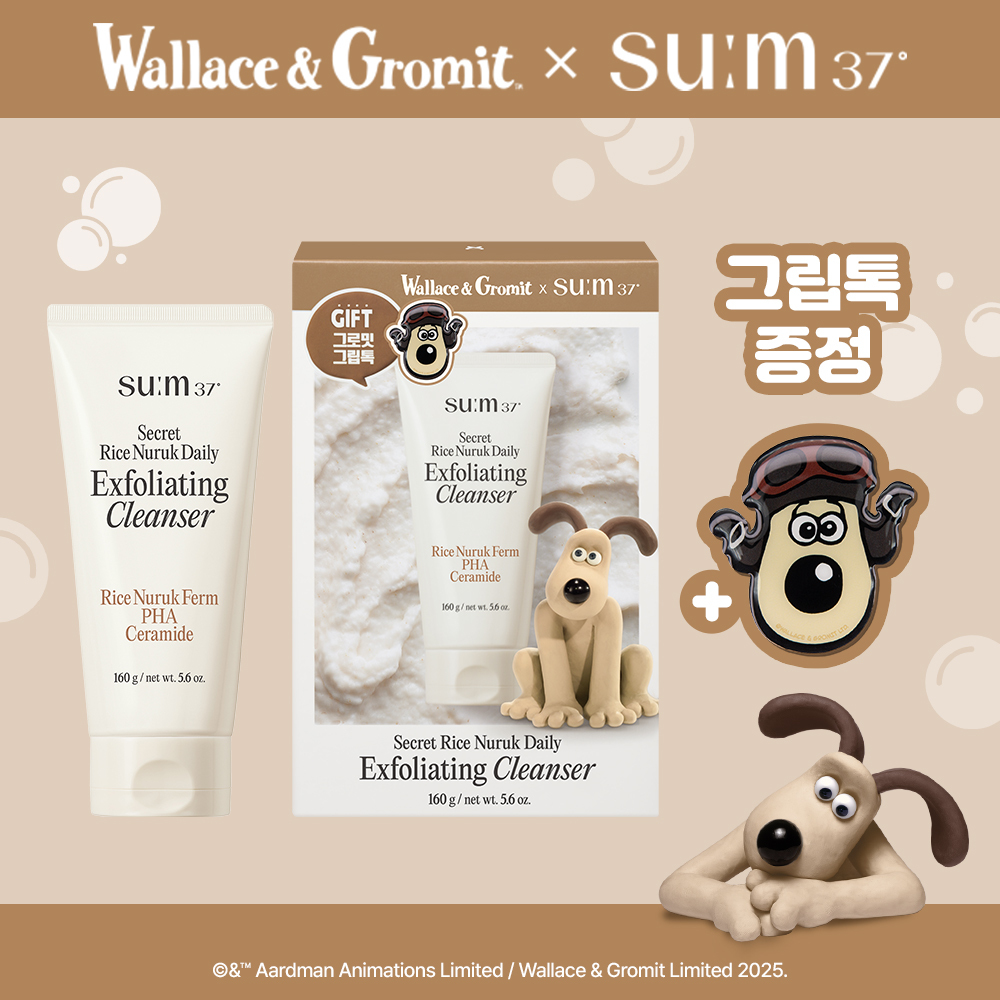
Secret Rice Nuruk Daily Exfoliating Cleanser
SUM37
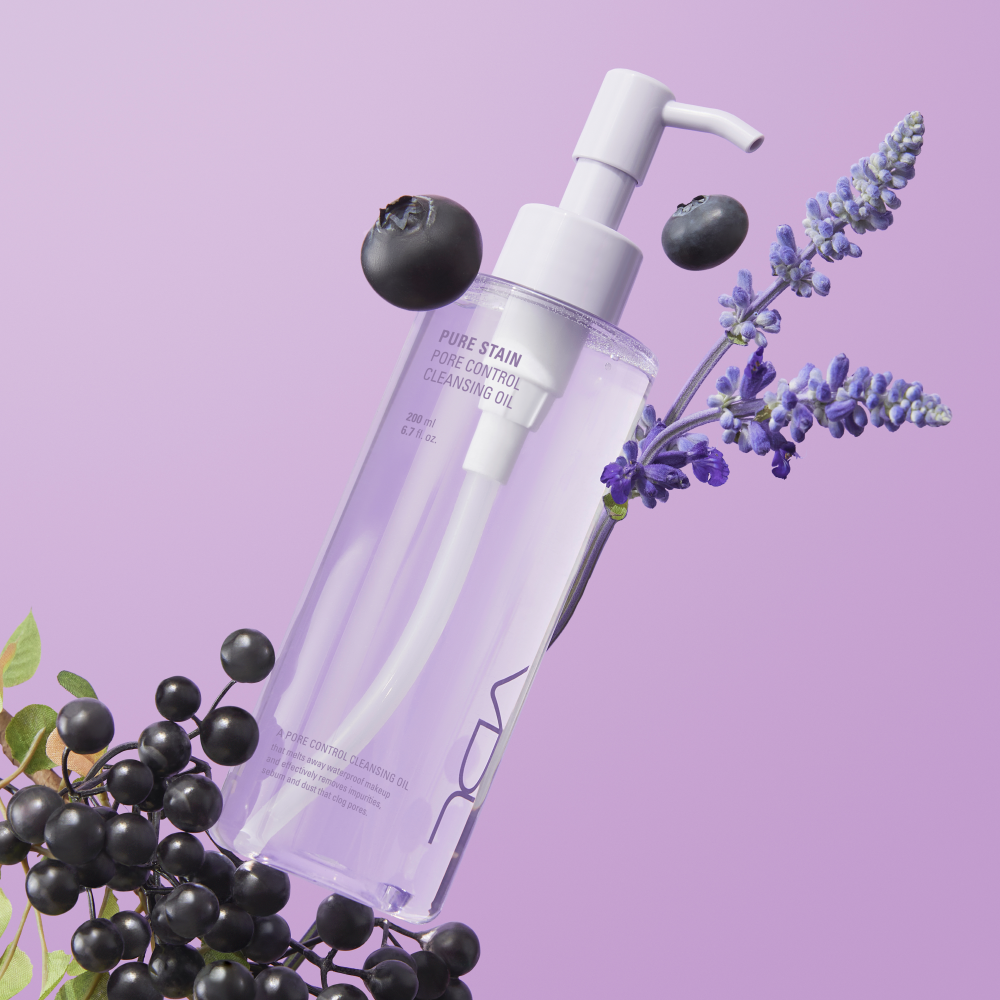
Pure Stain Pore Control Cleansing Oil
VDL
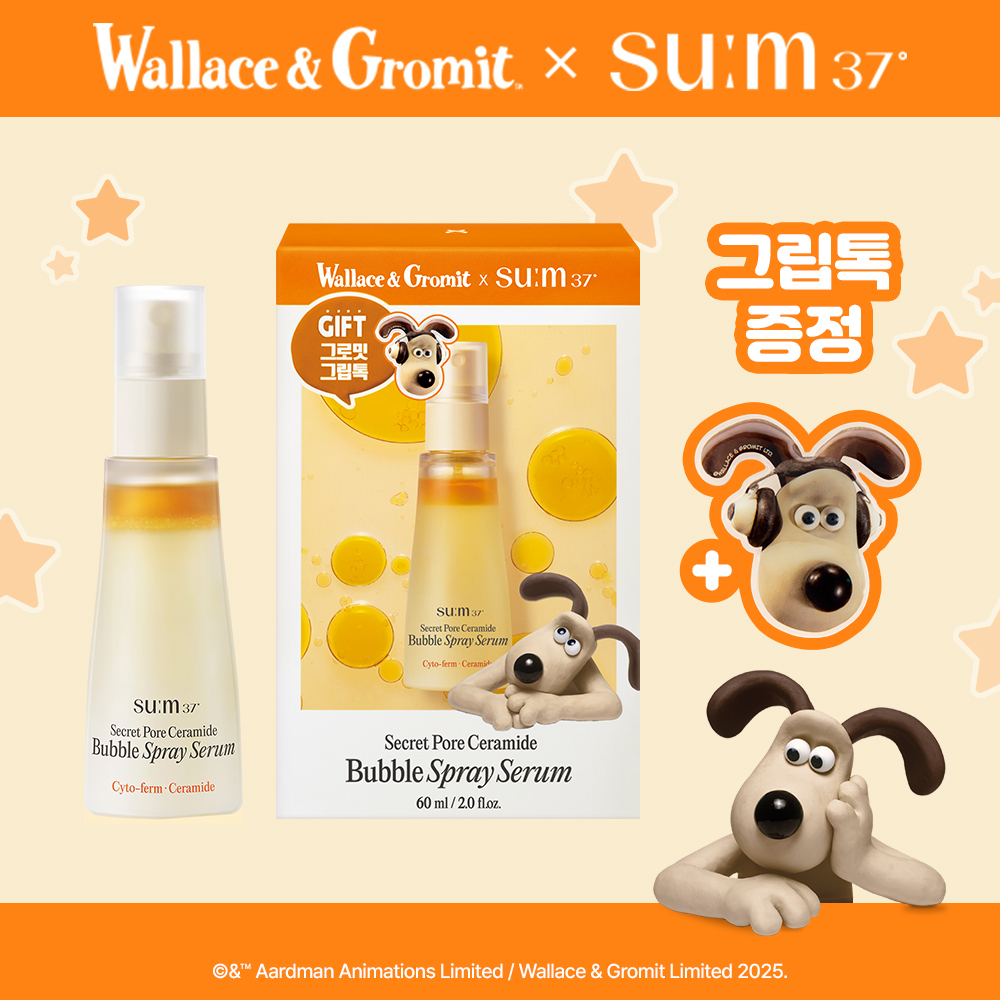
Secret Pore Ceramide Bubble Spray Serum
SUM37
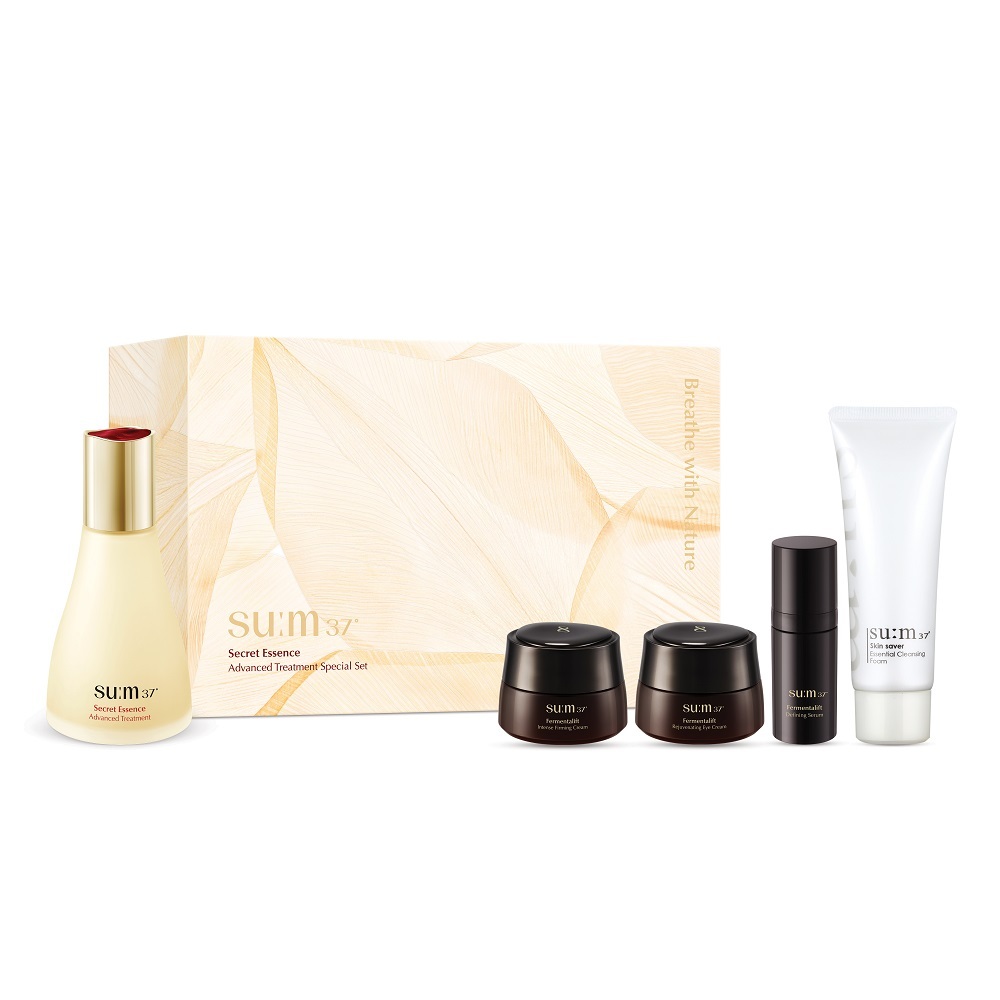
Secret Essence
SUM37
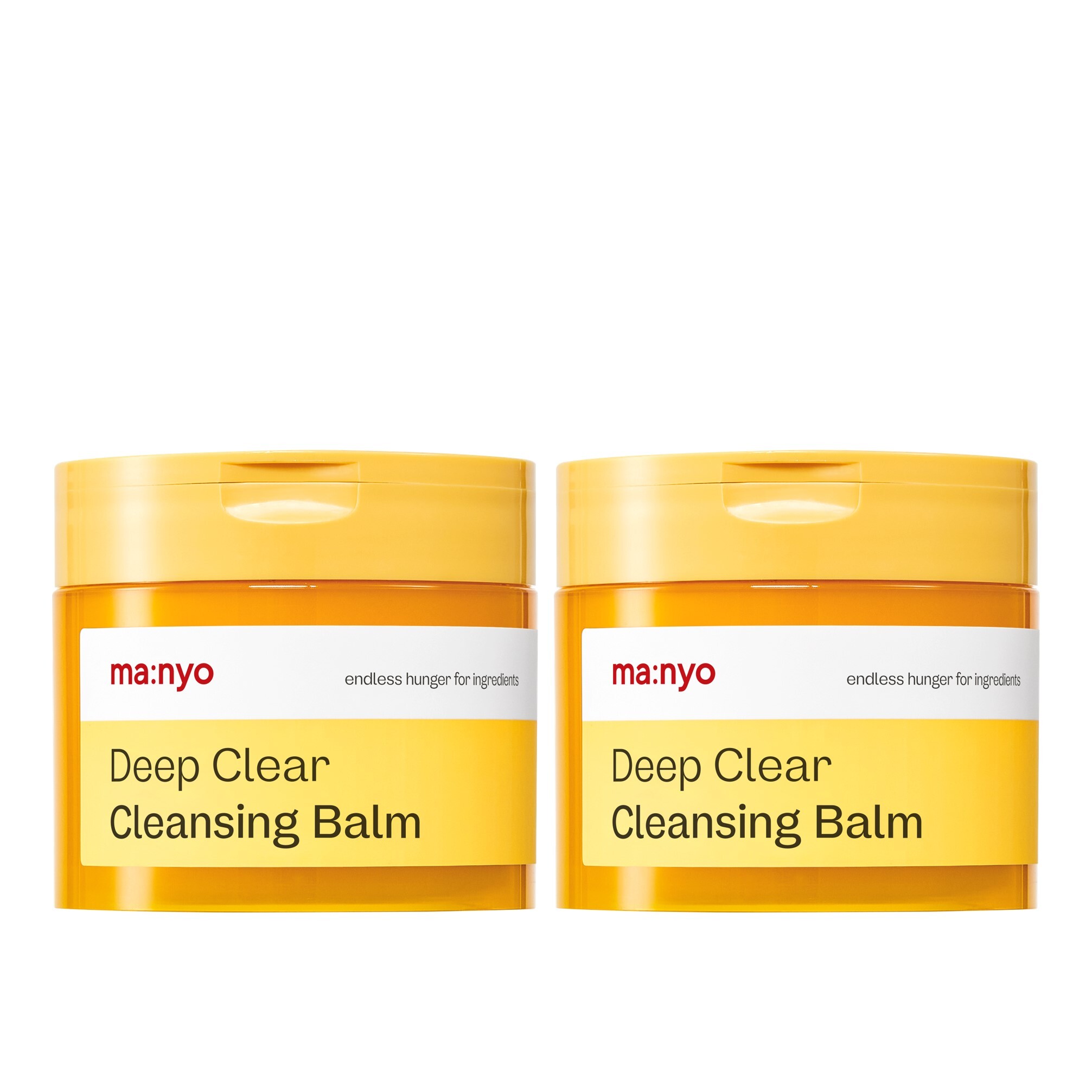
Deep Clear Cleansing Balm Double Pack
ma:nyo
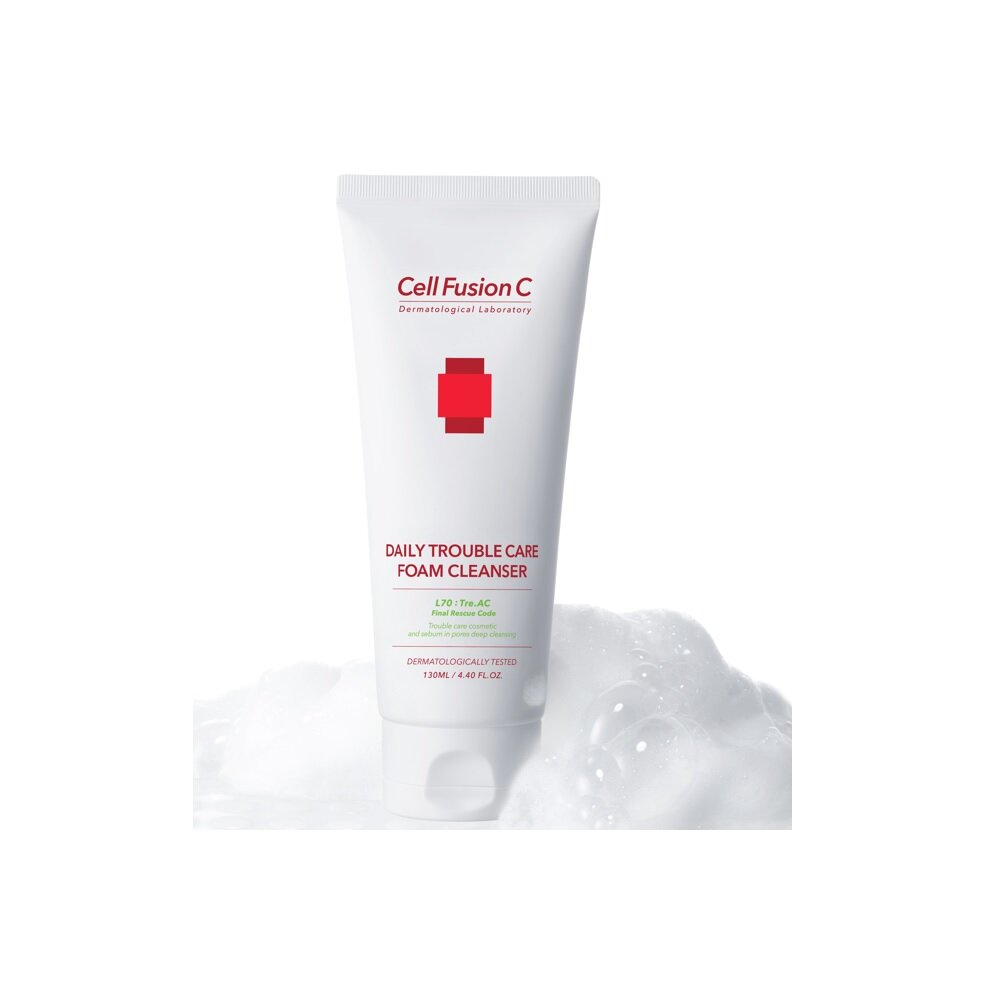
Tre-AC Daily Trouble Care Foam Cleanser
Cell Fusion C
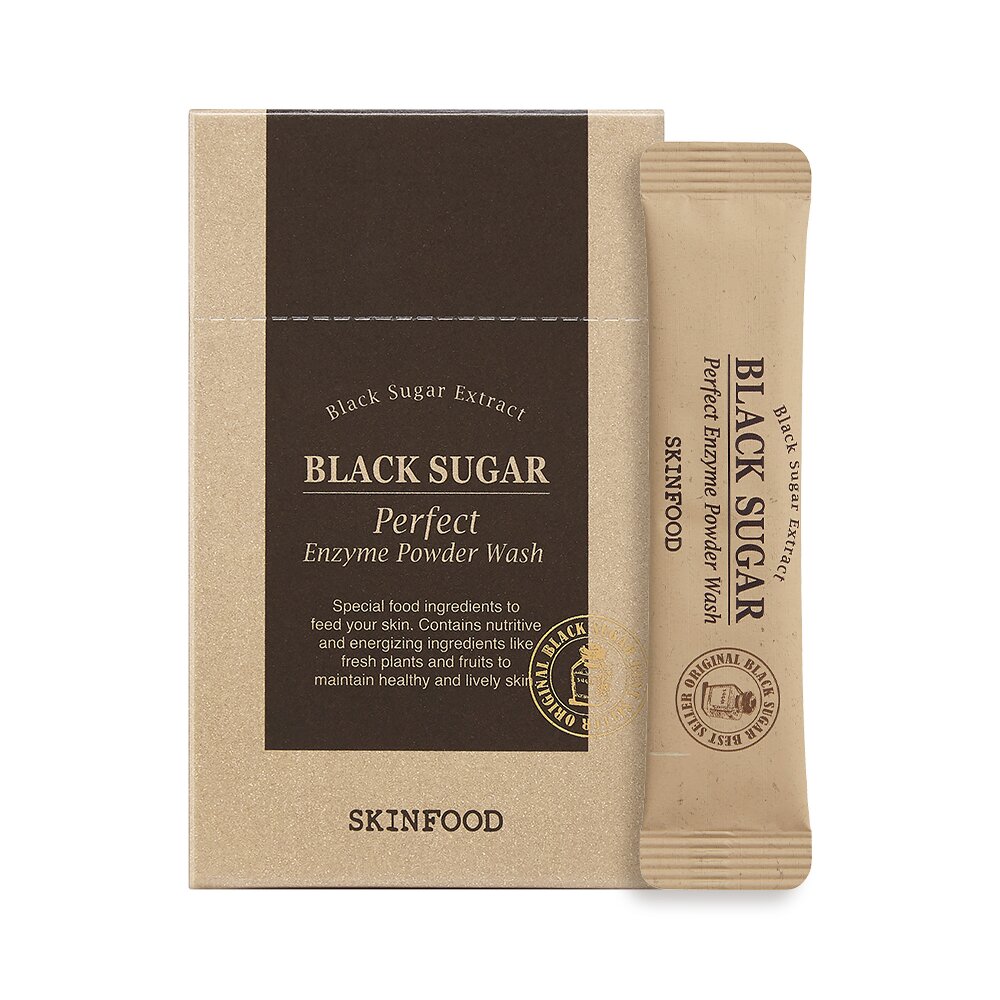
Black Sugar Perfect Enzyme Powder Wash
Skinfood
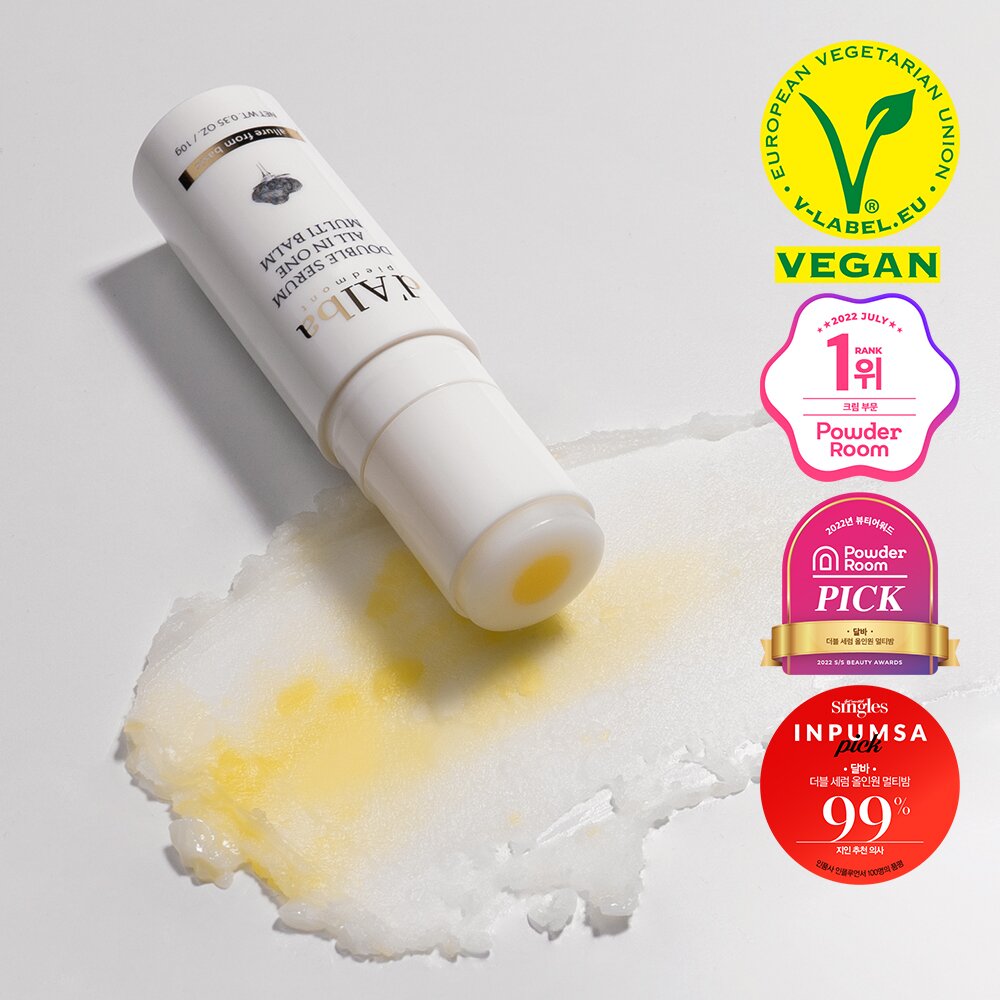
Double Serum All In One Multi Balm
d'Alba
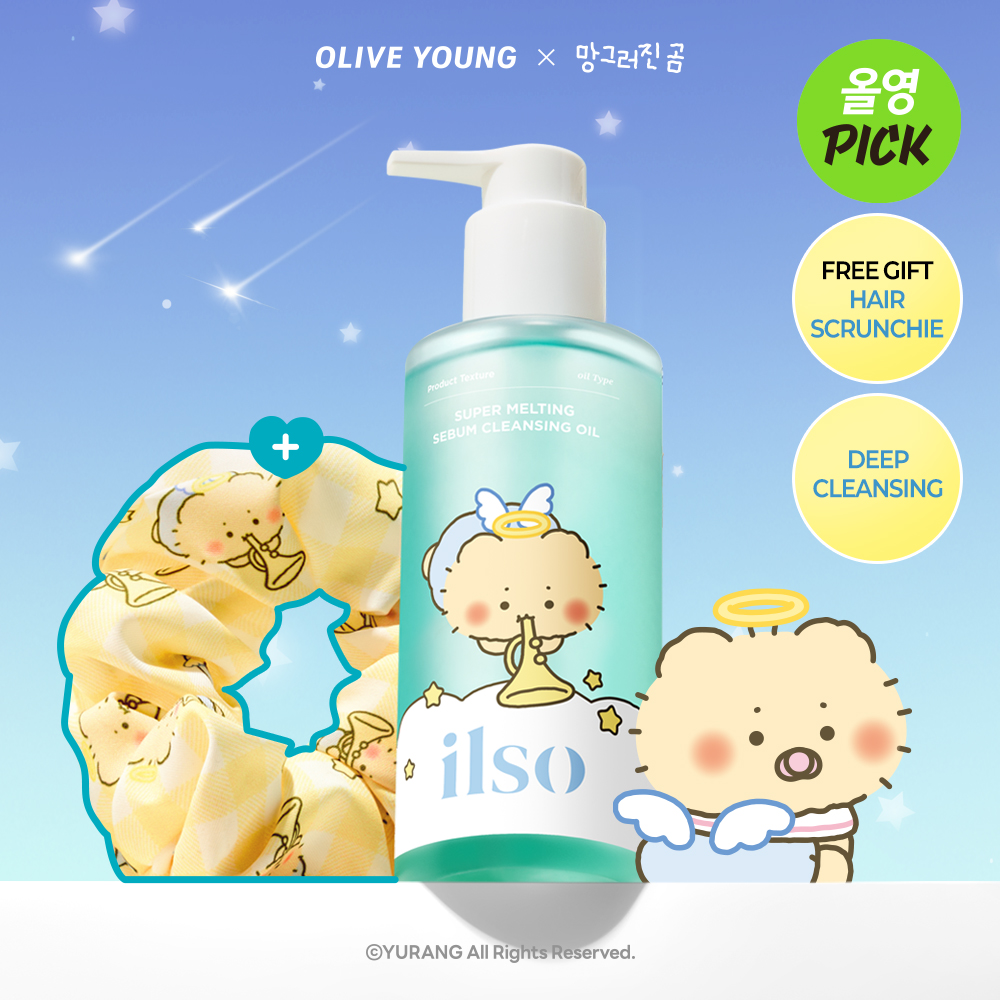
Super Melting Sebum Cleansing Oil
Ilso
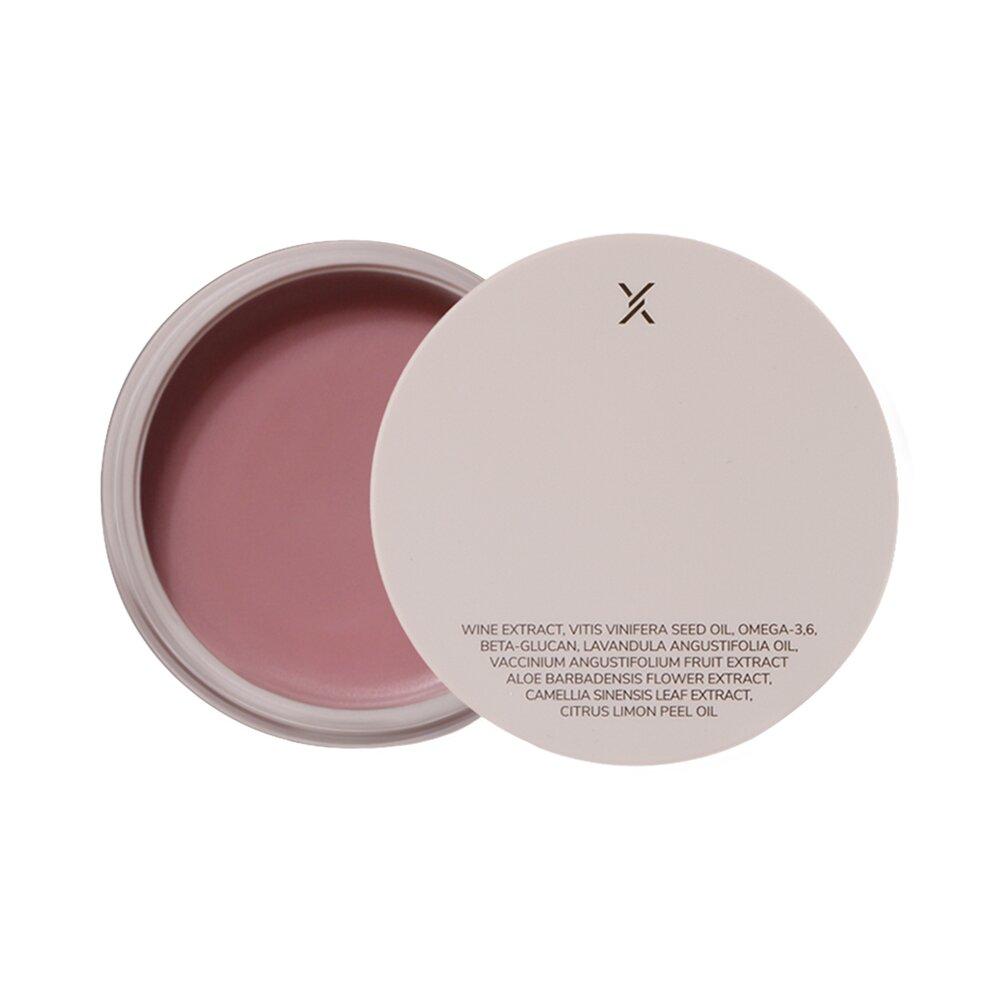
XOUL After Glow Cleansing Balm
Banila Co
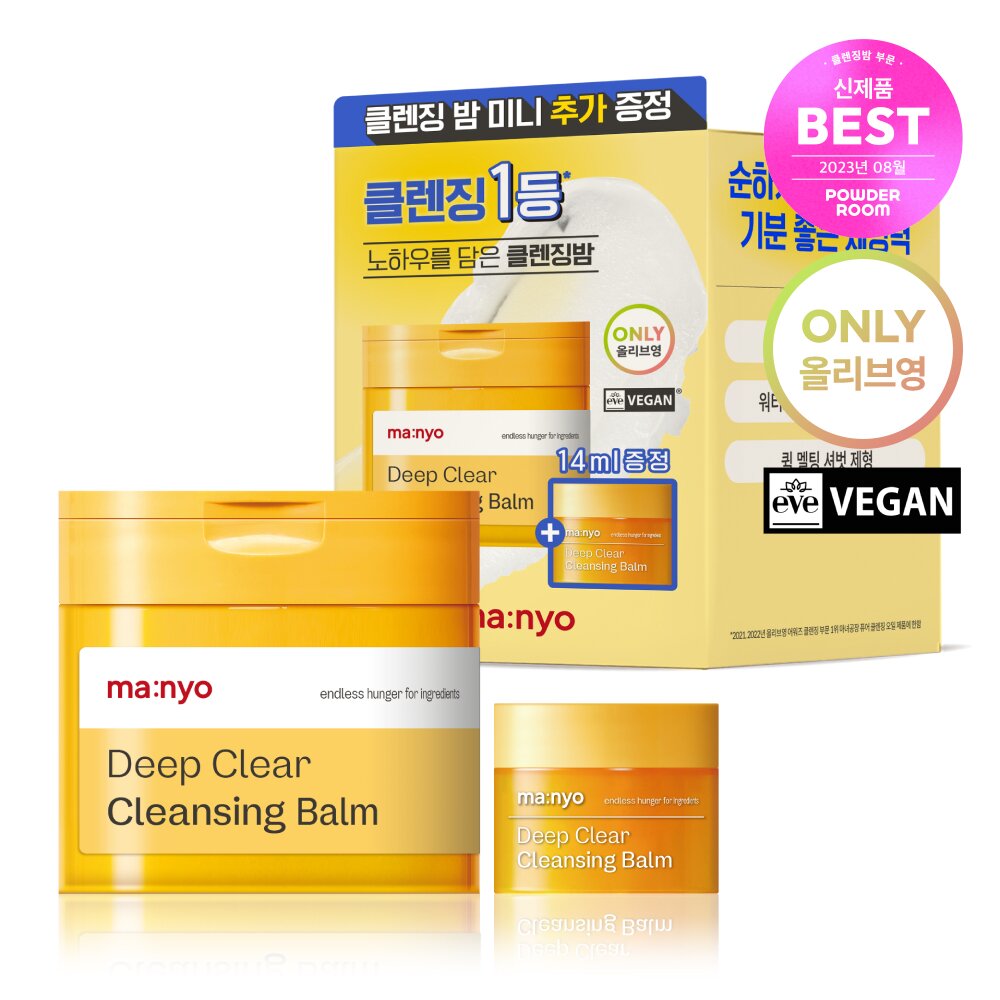
Deep Clear Cleansing Balm Special Set
ma:nyo
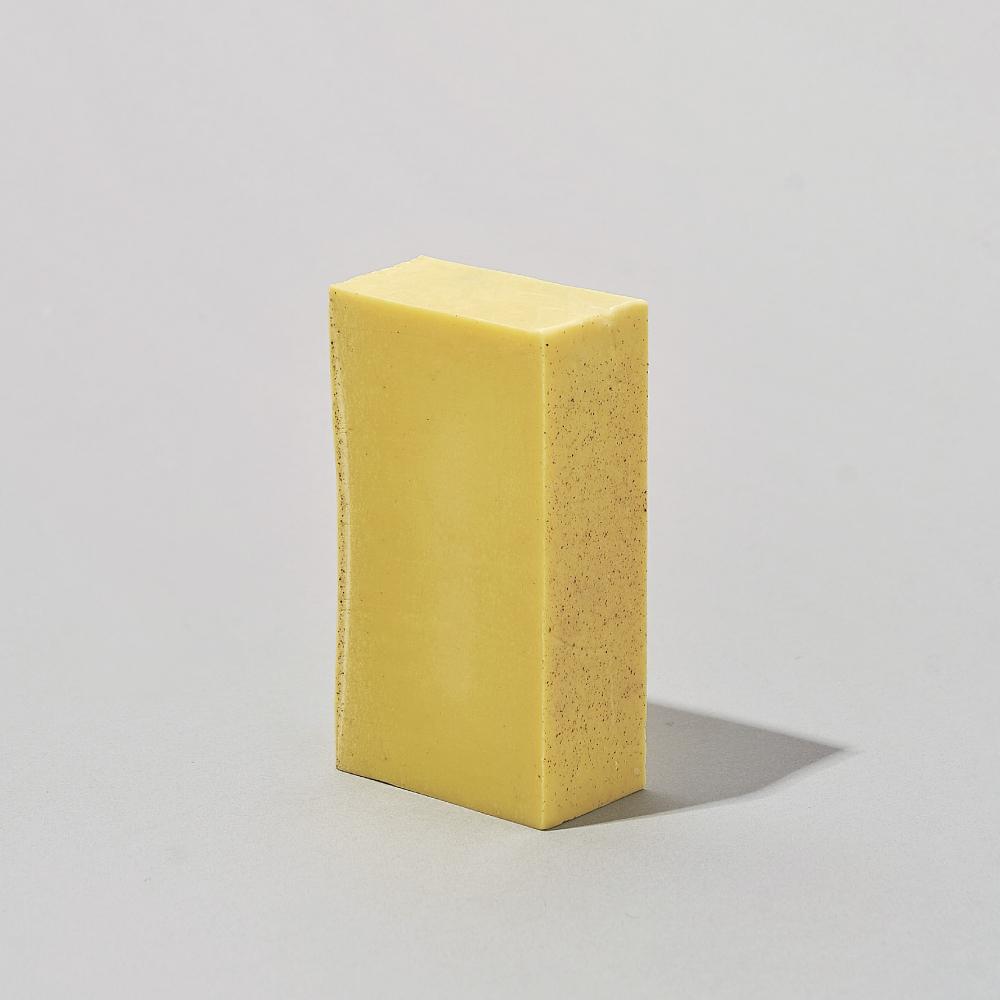
Monight Solid Cleansing Bar Tangerine Blended
Beplain
Frequently Asked Questions
Will beet root extract stain my skin or towels red?▼
Can I use beet root extract if I'm allergic to beets?▼
How does beet root extract compare to other antioxidants like vitamin C or green tea?▼
Why do I see beet root extract in both cleansers and serums?▼
Is beet root extract suitable for acne-prone skin?▼
Explore More
Want personalized ingredient advice?
Yuri, our AI beauty advisor, can tell you how Beet Root Extract works with your specific skin type, routine, and concerns.
Ask Yuri, free