Japanese White Birch Sap
INCI: Betula Platyphylla Japonica Juice
Hydrating and skin-soothing botanical extract
About Japanese White Birch Sap
Japanese White Birch Sap is a hydrating botanical extract harvested from Betula platyphylla japonica trees during early spring, when the sap flows most abundantly with nutrients. This translucent liquid has been used in traditional Korean skincare for centuries, prized for its ability to deeply hydrate while calming irritated skin. The sap contains naturally occurring minerals like magnesium, calcium, and potassium, along with amino acids, enzymes, and natural sugars that work together to strengthen the skin barrier and boost moisture retention. Unlike heavier oils or occlusives, birch sap provides lightweight hydration that absorbs quickly without leaving residue. Its non-comedogenic rating of 0/5 makes it universally suitable across all skin types, while its anti-inflammatory properties help reduce redness and sensitivity. Found in 111 K-beauty products on Seoul Sister, Japanese White Birch Sap appears most frequently in cleansers and hydrating treatments, where its gentle nature complements active ingredients without causing irritation. The ingredient's popularity in K-beauty stems from its alignment with the 'skin-first' philosophy, delivering essential hydration and nourishment without unnecessary heaviness. High-rated products like Torhop's Kaamos Black Salt Foaming Cleanser and Dewytree's Hi Amino All Cleansing Oil leverage birch sap's soothing properties to counterbalance potentially stripping cleansing agents, ensuring skin remains balanced and hydrated even after washing.
How Japanese White Birch Sap Works
Japanese White Birch Sap functions through multiple complementary mechanisms at the cellular level. Its mineral content, particularly magnesium and potassium, helps regulate cellular osmotic pressure, enabling skin cells to maintain optimal hydration levels. The naturally occurring amino acids in the sap serve as building blocks for protein synthesis, supporting the production of structural proteins like collagen and elastin that maintain skin firmness. Enzymatic components in birch sap gently encourage cell turnover, helping to reveal fresher skin without harsh exfoliation. The sap's natural sugars act as humectants, drawing moisture from the environment into the skin's outer layers while creating a protective film that prevents transepidermal water loss. Additionally, birch sap contains phenolic compounds and flavonoids that exhibit anti-inflammatory activity, reducing the production of pro-inflammatory cytokines that trigger redness, swelling, and discomfort. This anti-inflammatory action makes it particularly valuable for calming reactive skin and supporting barrier repair after exposure to environmental stressors or aggressive treatments.
Japanese White Birch Sap by Skin Type
Oily Skin
Japanese White Birch Sap offers ideal hydration for oily skin because it delivers moisture without adding oil or weight. The mineral content helps balance sebum production by ensuring skin cells are properly hydrated, which can prevent the overproduction of oil that occurs when skin is dehydrated. Its zero comedogenic rating means it won't clog pores or contribute to breakouts.
Dry Skin
This ingredient excels for dry skin by providing multi-layered hydration through both humectant and barrier-supporting properties. The amino acids help repair compromised skin barriers common in dry skin types, while the natural sugars continuously draw moisture into thirsty skin. The mineral content supports cellular water retention, helping skin maintain hydration longer between applications.
Combo Skin
Japanese White Birch Sap is particularly well-suited for combination skin because it hydrates effectively without creating imbalance. It provides enough moisture for dry areas without overwhelming oilier zones, and its lightweight texture absorbs evenly across different skin regions. The soothing properties help calm any reactive patches that combination skin types often experience.
Sensitive Skin
The anti-inflammatory compounds in birch sap make it exceptionally gentle for sensitive skin, actively calming irritation rather than simply avoiding it. Its natural composition with minimal processing reduces the risk of allergic reactions compared to synthetic hydrators. The barrier-supporting minerals and amino acids help strengthen compromised barriers that characterize sensitive skin, reducing overall reactivity over time.
Normal Skin
For normal skin, Japanese White Birch Sap provides preventative hydration that maintains the skin's balanced state. It delivers essential nutrients and minerals that support healthy cellular function without disrupting the skin's natural equilibrium. Regular use helps preserve the resilient barrier function that defines normal skin types.
How to Use Japanese White Birch Sap
- 1Look for birch sap in the first five ingredients of cleansers to ensure you're getting meaningful hydrating benefits even during the wash-off process.
- 2Layer products with birch sap under occlusive moisturizers at night to maximize its humectant properties and lock in the hydration it draws to the skin.
- 3Use birch sap-containing products immediately after exfoliation or treatments with actives like retinol to soothe and rehydrate stressed skin.
- 4Store birch sap products in cool, dark places to preserve the enzymatic activity and prevent degradation of the naturally occurring nutrients.
Background
Birch sap harvesting is an ancient practice in Northern and Eastern Asia, with Korean traditions dating back over a thousand years. In traditional Korean medicine, birch sap (자작나무 수액, jajaknamu suyeok) was consumed as a spring tonic believed to purify the blood and strengthen vitality after harsh winters. The practice involves tapping birch trees for just 2-3 weeks in early spring when temperatures fluctuate between freezing nights and warmer days, causing sap to flow. This narrow harvest window yields sap richest in nutrients accumulated during winter dormancy. Korean skincare brands began incorporating birch sap into cosmetic formulations in the early 2000s as interest in traditional ingredients and 'farm-to-face' botanicals grew. The ingredient gained international attention through K-beauty's global expansion, particularly as consumers sought lightweight, natural hydrators as alternatives to hyaluronic acid.
K-Beauty Products with Japanese White Birch Sap
View all 121 →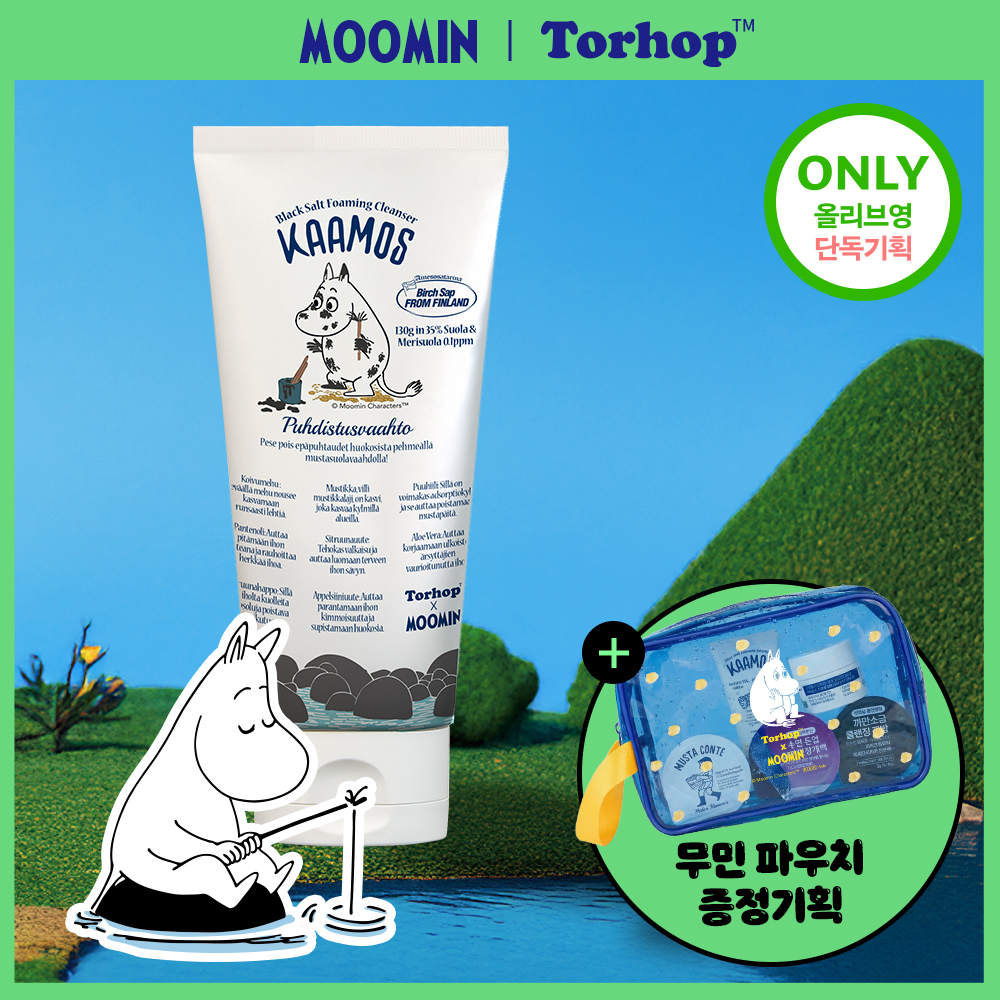
Kaamos Black Salt Foaming Cleanser
Torhop
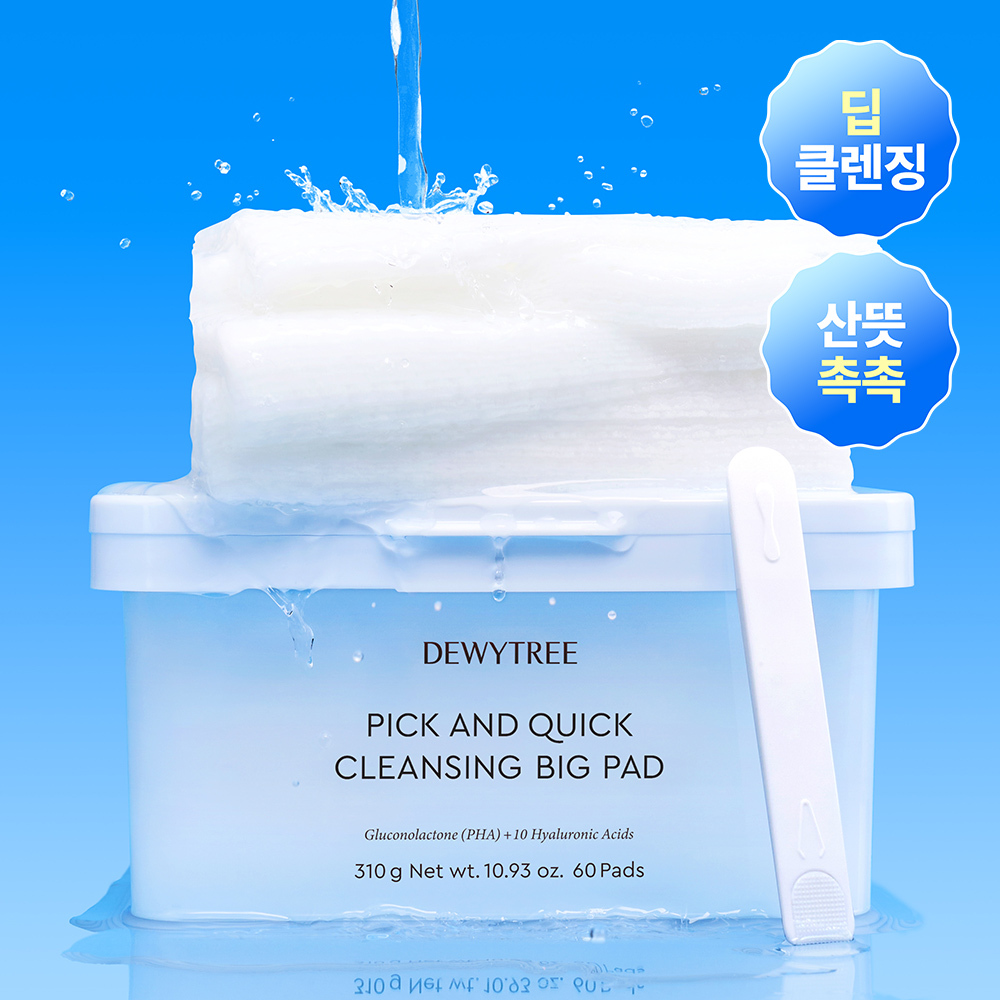
Pick And Quick Cleansing Big Pad
Dewytree
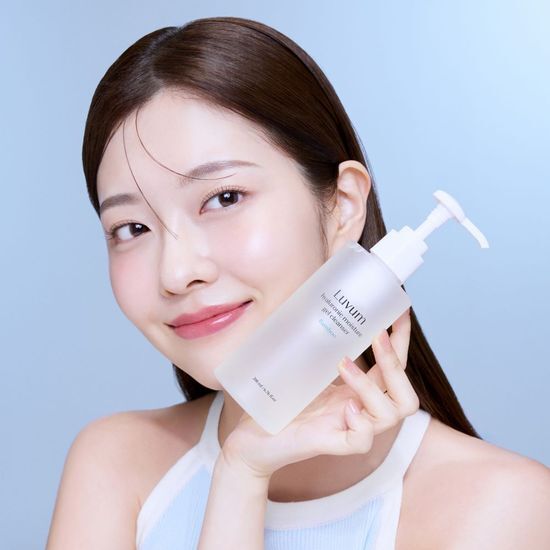
Bamboo Hyaluronic Moisture Gel Cleanser
Luvum
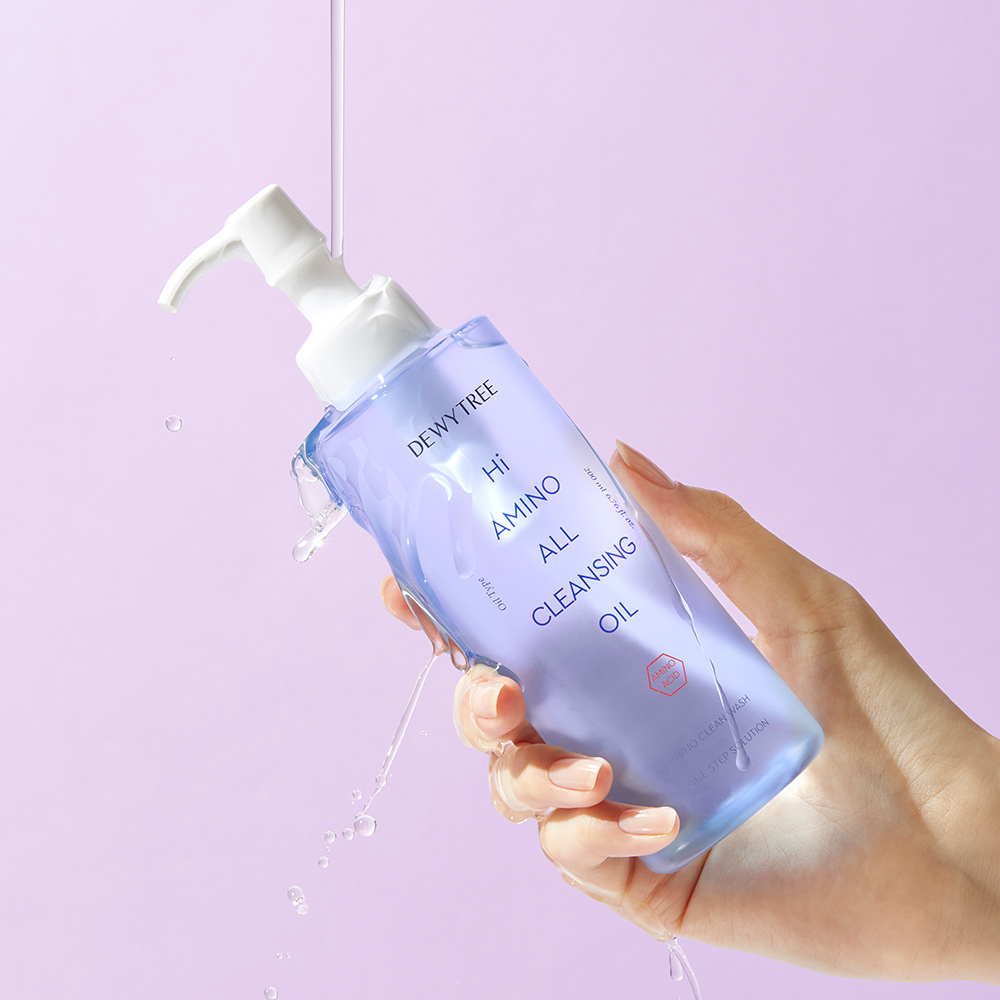
Hi Amino All Cleansing Oil
Dewytree
Green Relief Amino Gel Cleanser
Dr. Althea
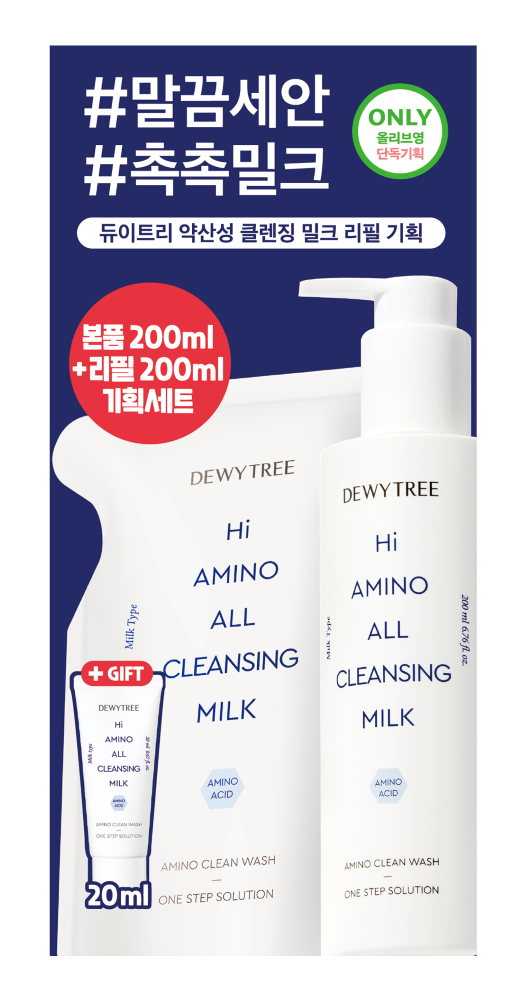
Hi Amino All Cleansing Milk
Dewytree

The Perfect Yulmu Enzyme Scrub Powder Cleanser
Ariul
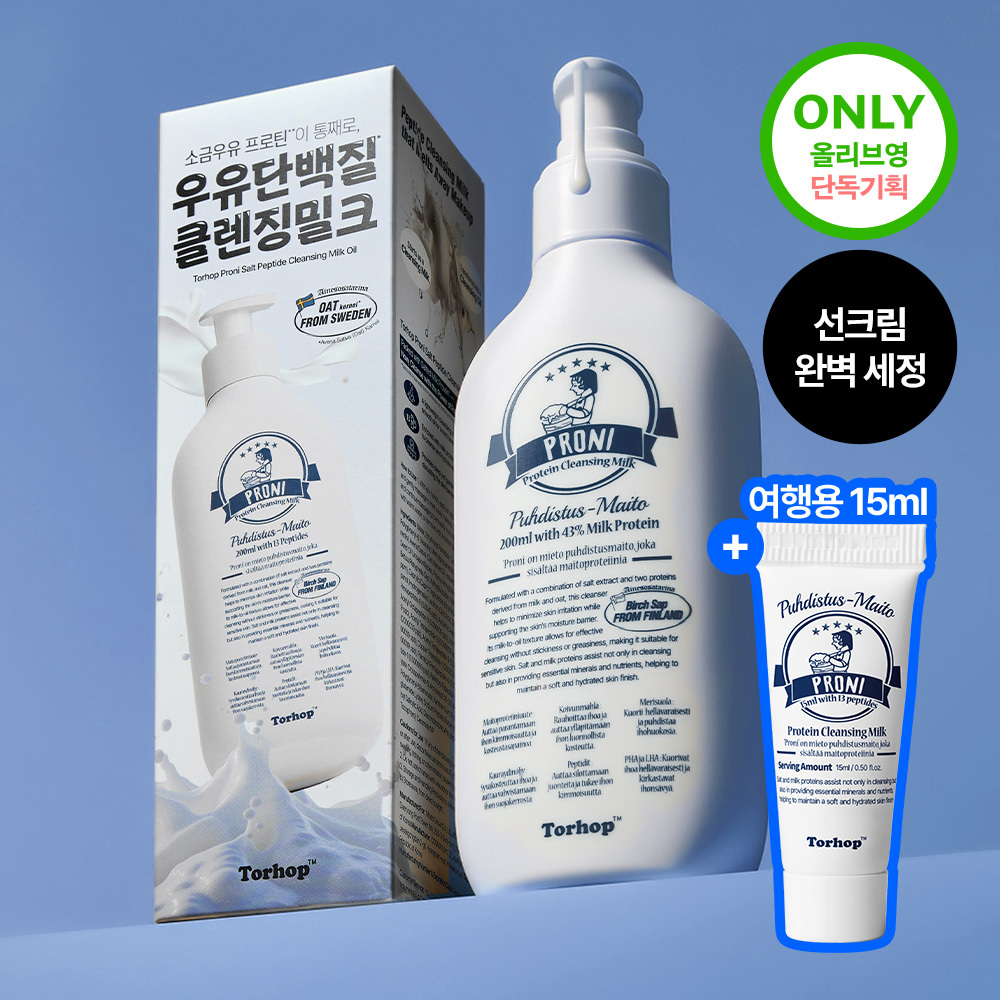
Proni Protein Cleansing Milk Set
Torhop
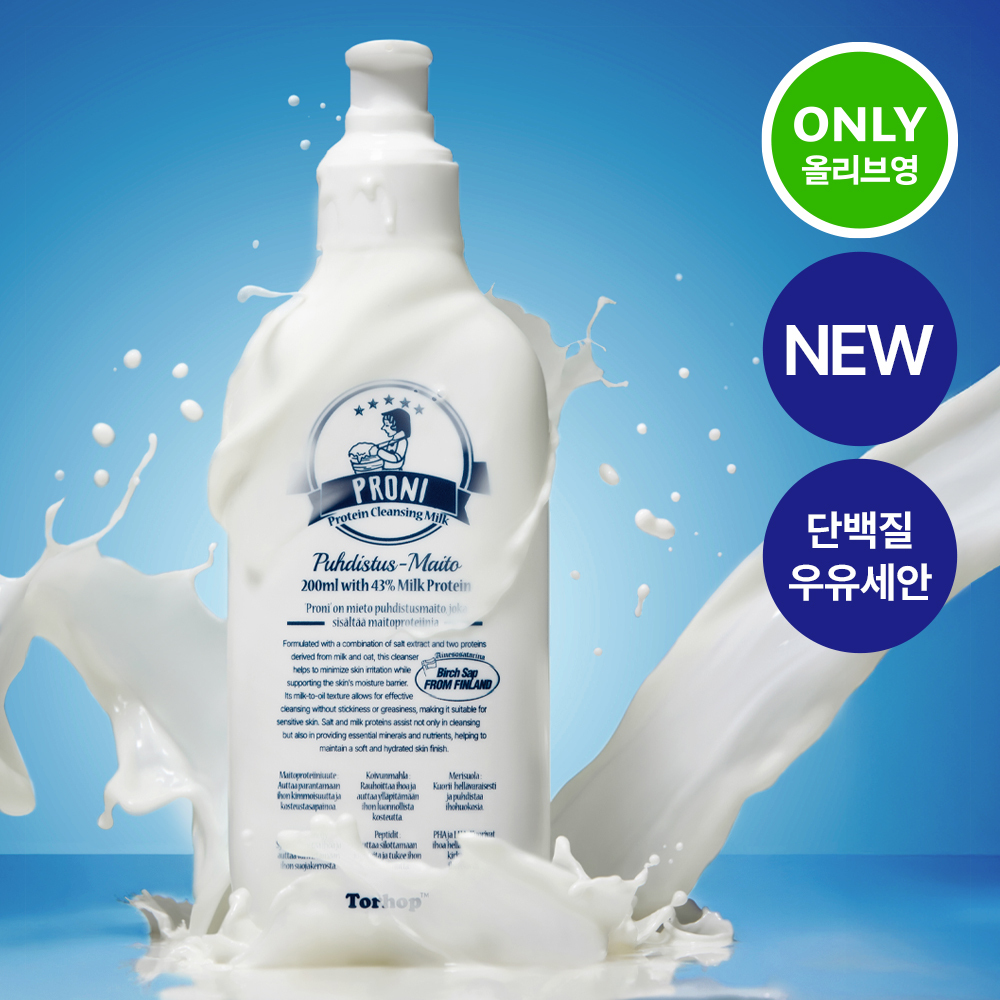
Proni Protein Cleansing Milk
Torhop
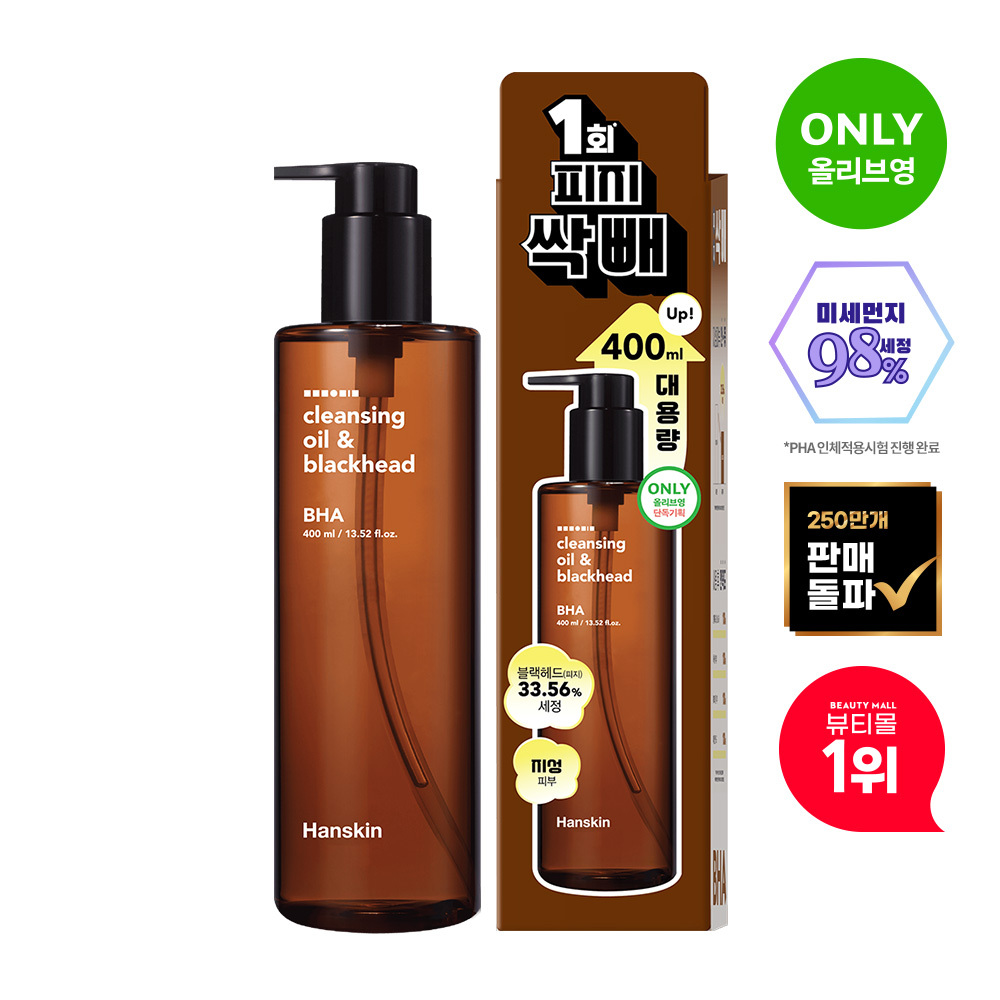
Cleansing Oil & Blackhead BHA
Hanskin
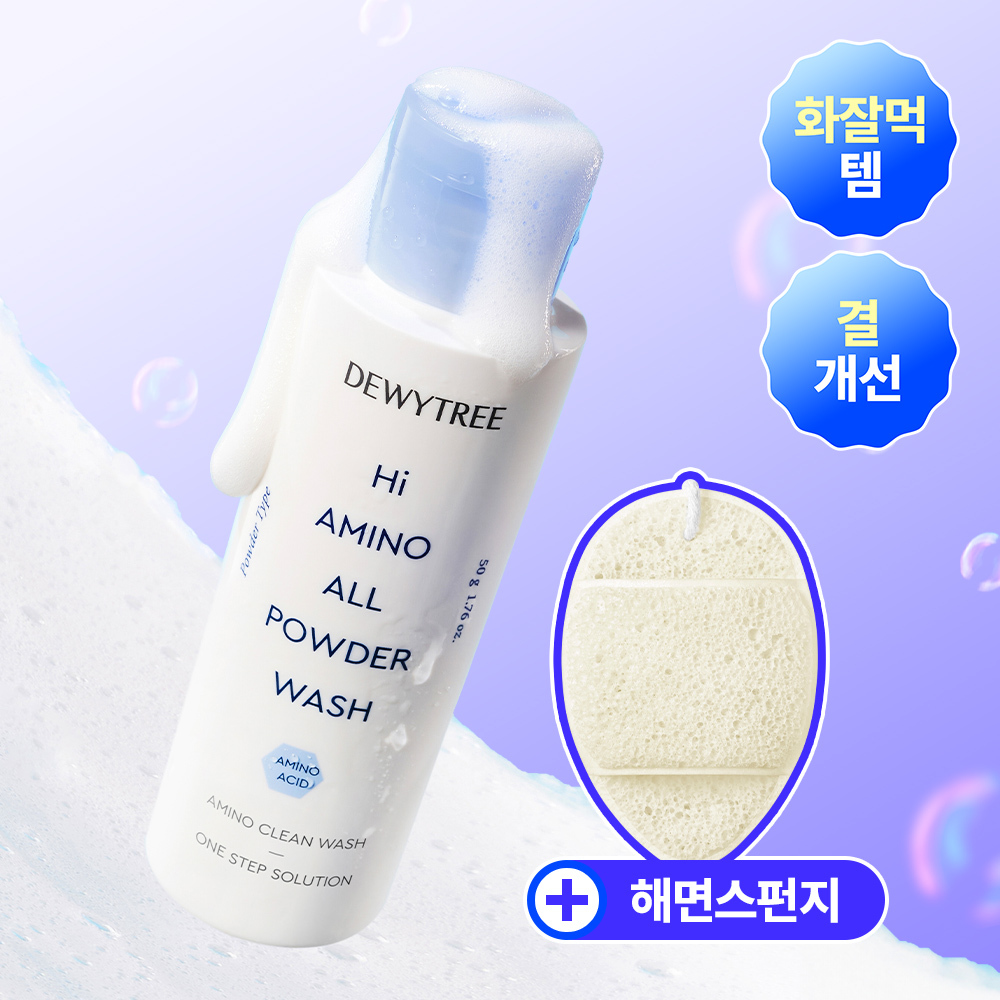
Hi Amino All Powder Wash
Dewytree
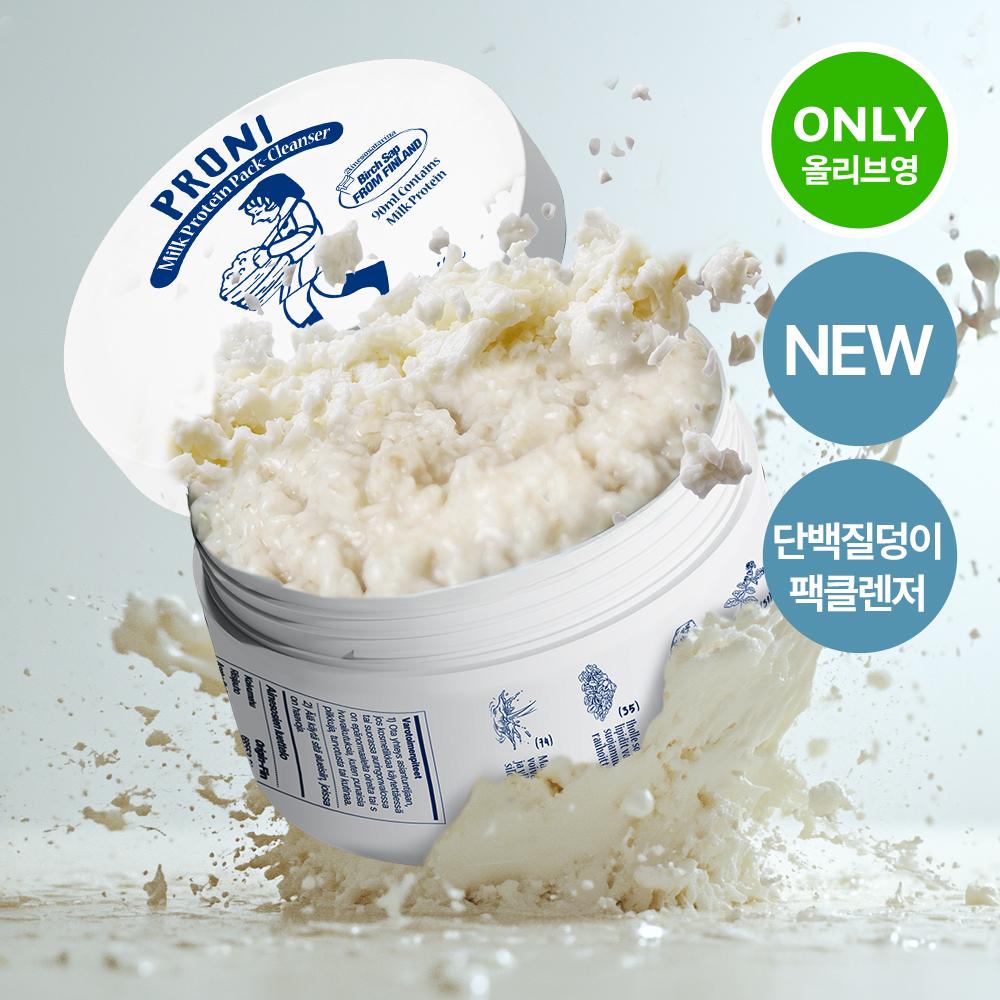
Proni Milk Protein Pack Cleanser
Torhop
Frequently Asked Questions
Is Japanese White Birch Sap the same as regular birch sap?▼
Can Japanese White Birch Sap replace hyaluronic acid in my routine?▼
Why is Japanese White Birch Sap so common in K-beauty cleansers?▼
Is this ingredient sustainable given it requires tree tapping?▼
Explore More
Want personalized ingredient advice?
Yuri, our AI beauty advisor, can tell you how Japanese White Birch Sap works with your specific skin type, routine, and concerns.
Ask Yuri, free