Bioflavonoids
Antioxidant and anti-inflammatory plant compounds
About Bioflavonoids
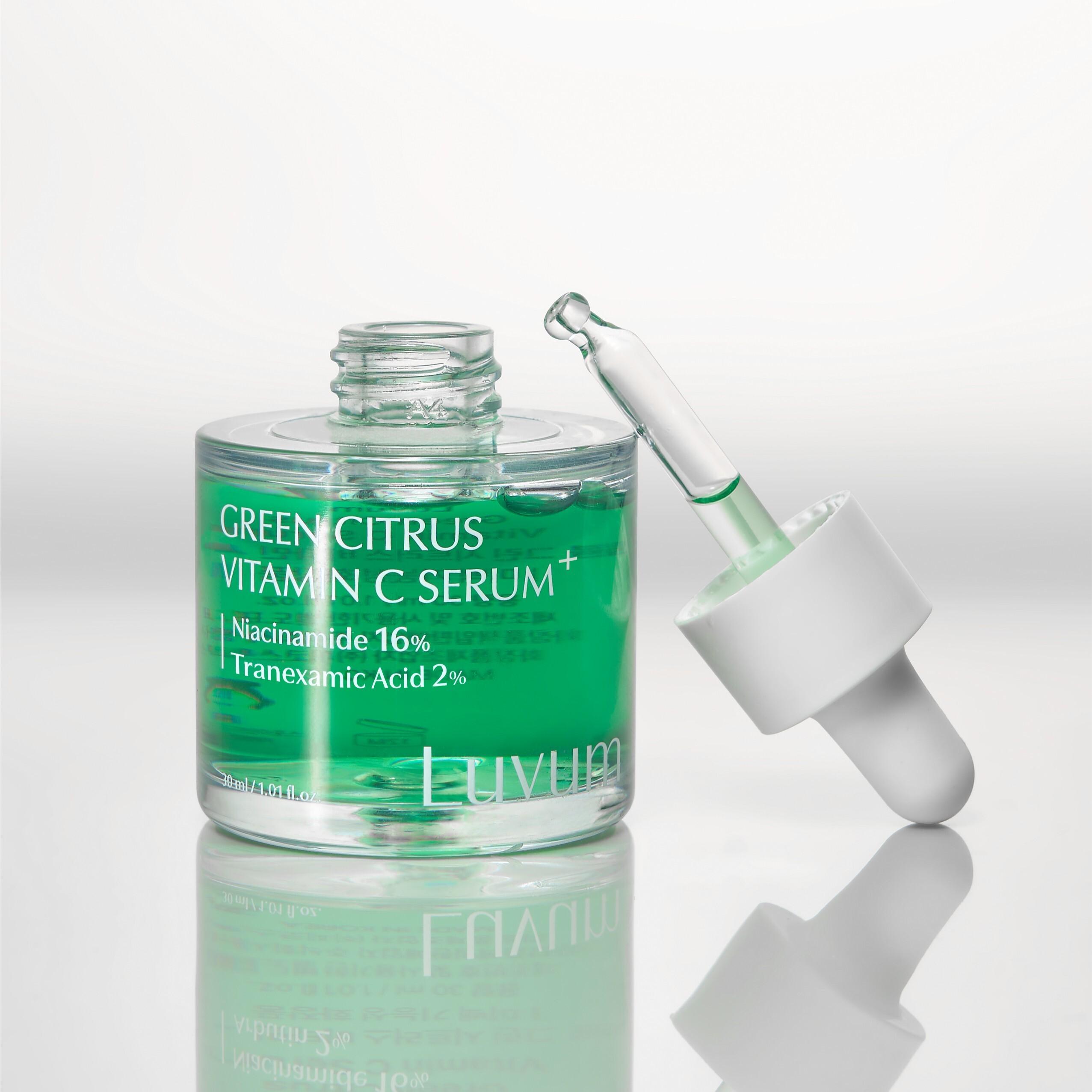
Bioflavonoids are a diverse family of polyphenolic plant compounds found naturally in citrus fruits, berries, green tea, and many other botanicals. In K-beauty formulations, these powerhouse antioxidants work synergistically with other active ingredients to protect skin from environmental stressors while calming inflammation and supporting overall skin health. Korean skincare brands have long recognized the value of bioflavonoids, often sourcing them from traditional ingredients like yuzu, green tea, and citrus extracts. With a safety rating of 4/5 and a non-comedogenic profile (0/5), bioflavonoids are suitable for virtually all skin types, including sensitive and acne-prone skin. What makes bioflavonoids particularly valuable in K-beauty is their ability to enhance the effectiveness of vitamin C, stabilize collagen production, and strengthen capillary walls to reduce redness and visible blood vessels. Found in 19 products on Seoul Sister, including top-rated formulations like Hanyul's Yuja Cleansing Tone Up Pack Foam Set and Luvum's Green Citrus Vitamin C Serum+, bioflavonoids represent Korean skincare's commitment to harnessing botanical intelligence for real results. Their multi-functional nature means they address oxidative stress, inflammation, and skin barrier health simultaneously, making them an efficient addition to layered K-beauty routines.
How Bioflavonoids Works
Bioflavonoids function primarily as antioxidants by donating electrons to neutralize free radicals generated by UV exposure, pollution, and metabolic processes. At the cellular level, they inhibit the activity of enzymes like collagenase and elastase that break down structural proteins in the skin matrix. Many bioflavonoids, particularly quercetin and rutin, modulate inflammatory pathways by suppressing NF-kB signaling and reducing the production of pro-inflammatory cytokines. This dual antioxidant and anti-inflammatory action helps prevent premature aging while soothing reactive skin. Bioflavonoids also chelate metal ions that can catalyze oxidative reactions, providing an additional layer of protection. Perhaps most importantly, bioflavonoids work synergistically with vitamin C, protecting ascorbic acid from oxidation while recycling oxidized vitamin C back to its active form. They strengthen capillary integrity by supporting collagen in blood vessel walls, which reduces the appearance of redness and spider veins. This makes bioflavonoids particularly valuable in products targeting uneven skin tone, sensitivity, and age-related concerns.
Bioflavonoids by Skin Type
Oily Skin
Bioflavonoids are excellent for oily skin thanks to their anti-inflammatory properties that help calm the reactive inflammation often associated with excess sebum production and acne. Their non-comedogenic nature means they won't clog pores, and their antioxidant action helps protect skin from oxidative stress that can trigger more oil production. Products like SNP's Pore Bounce-Up Clay Mask demonstrate how bioflavonoids work well in mattifying formulations.
Dry Skin
For dry skin, bioflavonoids support barrier function by protecting lipids from oxidative damage and reducing inflammation that can compromise the skin barrier. While they don't directly moisturize, their ability to strengthen capillaries improves circulation and nutrient delivery to skin cells. Pair bioflavonoid-rich products with hydrating ingredients for optimal results, as seen in formulations like Hanyul's Yuja Cleansing Tone Up Pack Foam Set.
Combo Skin
Combination skin benefits significantly from bioflavonoids because they address multiple concerns without adding heaviness or causing breakouts. Their balanced approach to soothing inflammation in dry areas while protecting oily zones from oxidative stress makes them ideal for this skin type. The non-comedogenic rating ensures T-zone concerns are managed while cheeks receive antioxidant protection.
Sensitive Skin
Bioflavonoids are particularly valuable for sensitive skin due to their robust anti-inflammatory properties that calm redness, reduce reactivity, and strengthen compromised capillaries. Their ability to inhibit inflammatory signaling pathways means fewer flare-ups and improved tolerance to other active ingredients. The high safety rating (4/5) reflects their gentle nature, making them suitable even for highly reactive skin types.
Normal Skin
Normal skin uses bioflavonoids preventatively, maintaining healthy collagen levels and protecting against environmental damage before visible signs appear. Their antioxidant action helps preserve the balanced state of normal skin while their capillary-strengthening properties maintain even tone. Regular use of bioflavonoid-containing products supports long-term skin health and resilience.
How to Use Bioflavonoids
- 1Layer bioflavonoid serums like Luvum's Green Citrus Vitamin C Serum+ with vitamin C products to maximize antioxidant protection and stabilize ascorbic acid for longer-lasting benefits
- 2Use bioflavonoid-rich cleansers like Hanyul's Yuja Cleansing Tone Up Pack Foam Set in the morning to prepare skin for daytime environmental stressors and pollution exposure
- 3Apply bioflavonoid products before sun exposure to enhance photoprotection, though always follow with broad-spectrum SPF as bioflavonoids complement but don't replace sunscreen
- 4For redness-prone skin, look for bioflavonoids in leave-on treatments and masks like SNP's Pore Bounce-Up Clay Mask to strengthen capillaries and reduce visible blood vessels over time
Background
Bioflavonoids were first discovered in 1936 by Nobel Prize winner Albert Szent-Györgyi, who noticed that certain plant compounds enhanced the effects of vitamin C. The term comes from the Latin 'flavus' meaning yellow, referencing the pigments many bioflavonoids produce in plants. In traditional Asian medicine, bioflavonoid-rich botanicals like green tea, citrus peels, and ginkgo have been used for centuries to treat circulation issues and inflammation. Korean skincare brands began incorporating concentrated bioflavonoid extracts in the 2000s as the science behind antioxidants gained momentum. The Korean beauty industry's emphasis on citrus fruits, particularly yuzu and tangerine, naturally led to formulations rich in bioflavonoids. Today, advanced extraction technologies allow K-beauty brands to isolate and concentrate specific bioflavonoids for targeted benefits, moving beyond whole-plant extracts to precision skincare ingredients.
K-Beauty Products with Bioflavonoids
View all 24 →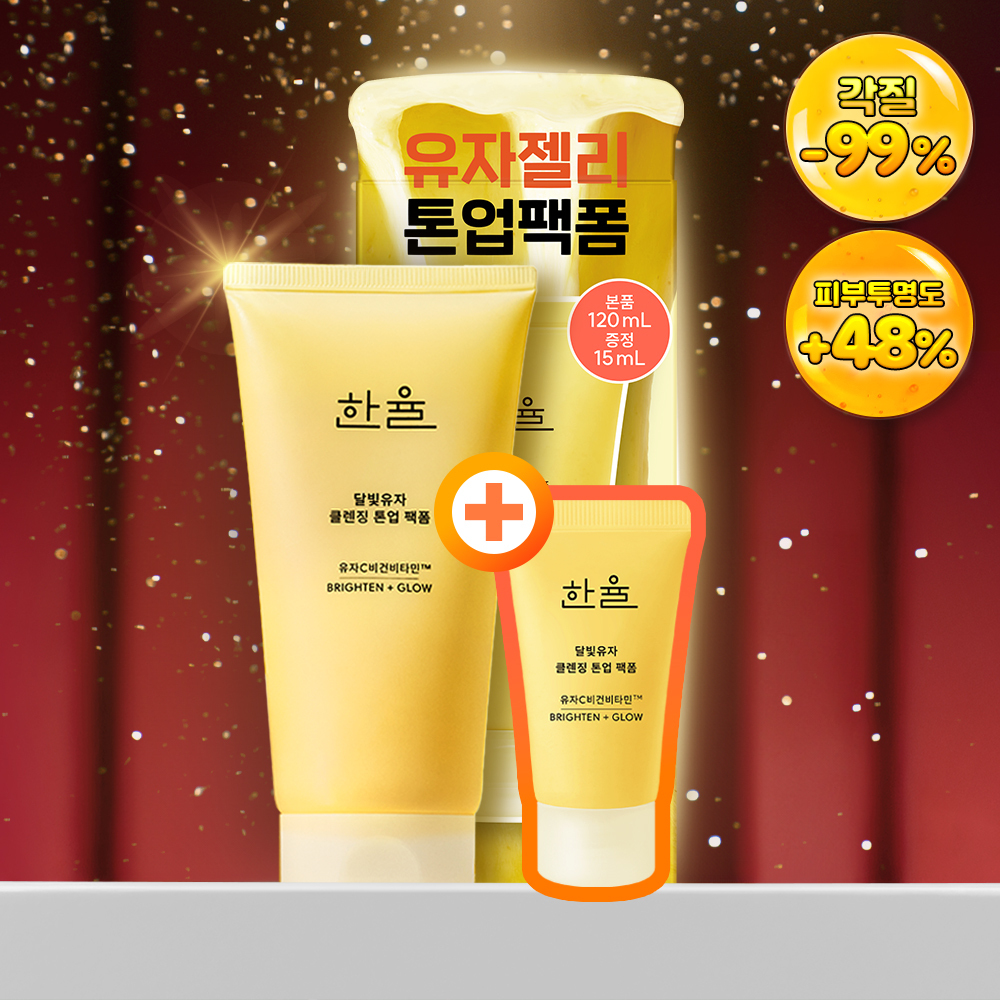
Yuja Cleansing Tone Up Pack Foam Set
Hanyul
Green Citrus Vitamin C Serum+
Luvum
Cheek Age Patch
LABOTTACH

Blanche Cleanser
S.Nature
V-Up Patch
LABOTTACH
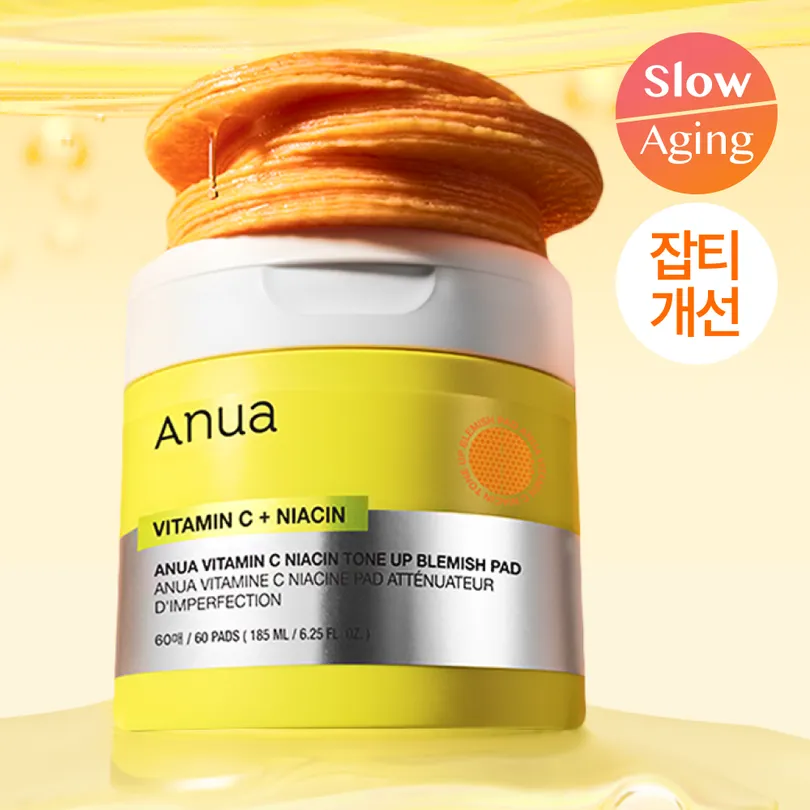
Vitamin C Niacin Tone Up Blemish Pad
Anua
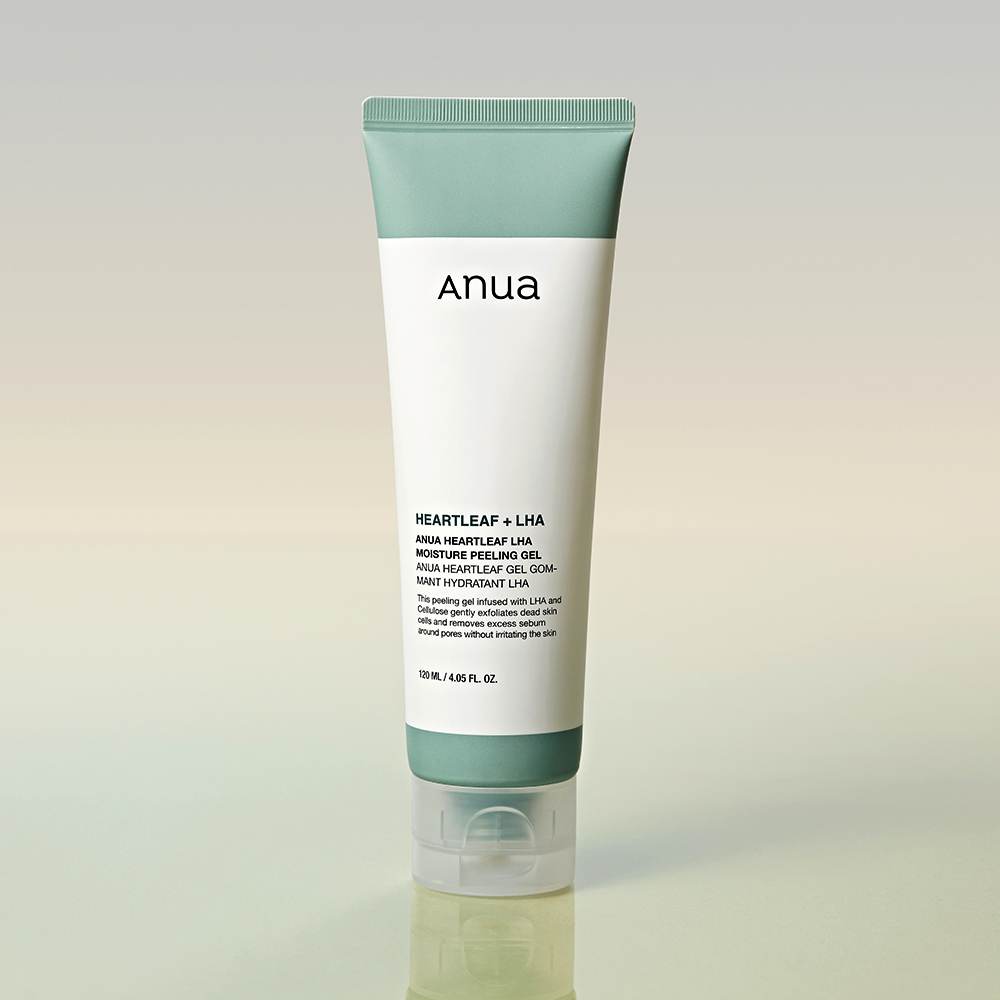
Heartleaf LHA Moisture Peeling Gel
Anua
Yuja Cleansing Peeling Gel Balm
Hanyul
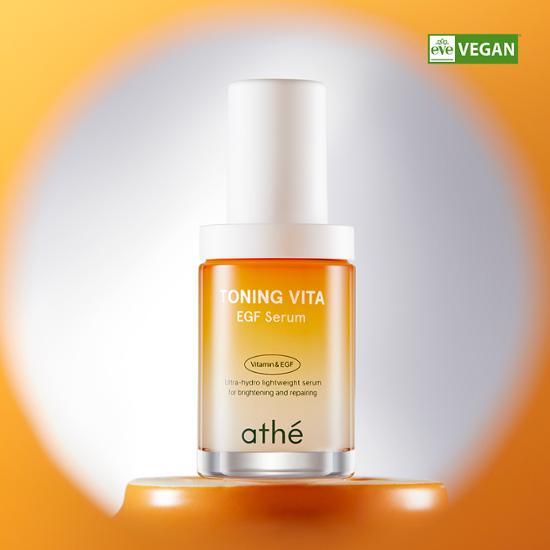
Toning Vita EGF Serum
Athe
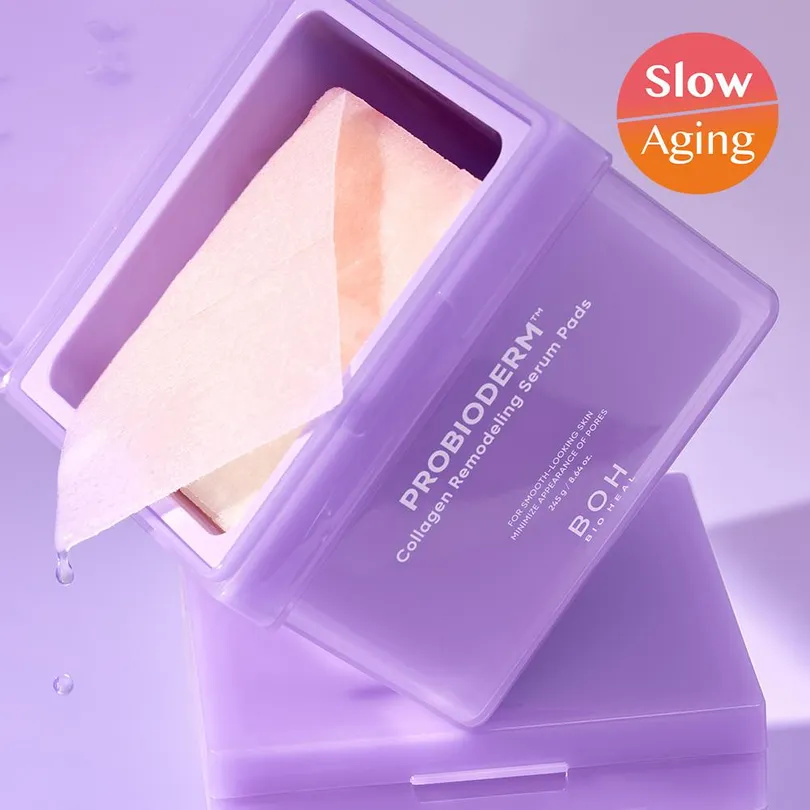
Probioderm Collagen Remodeling Serum Pads 70P
Bioheal BOH
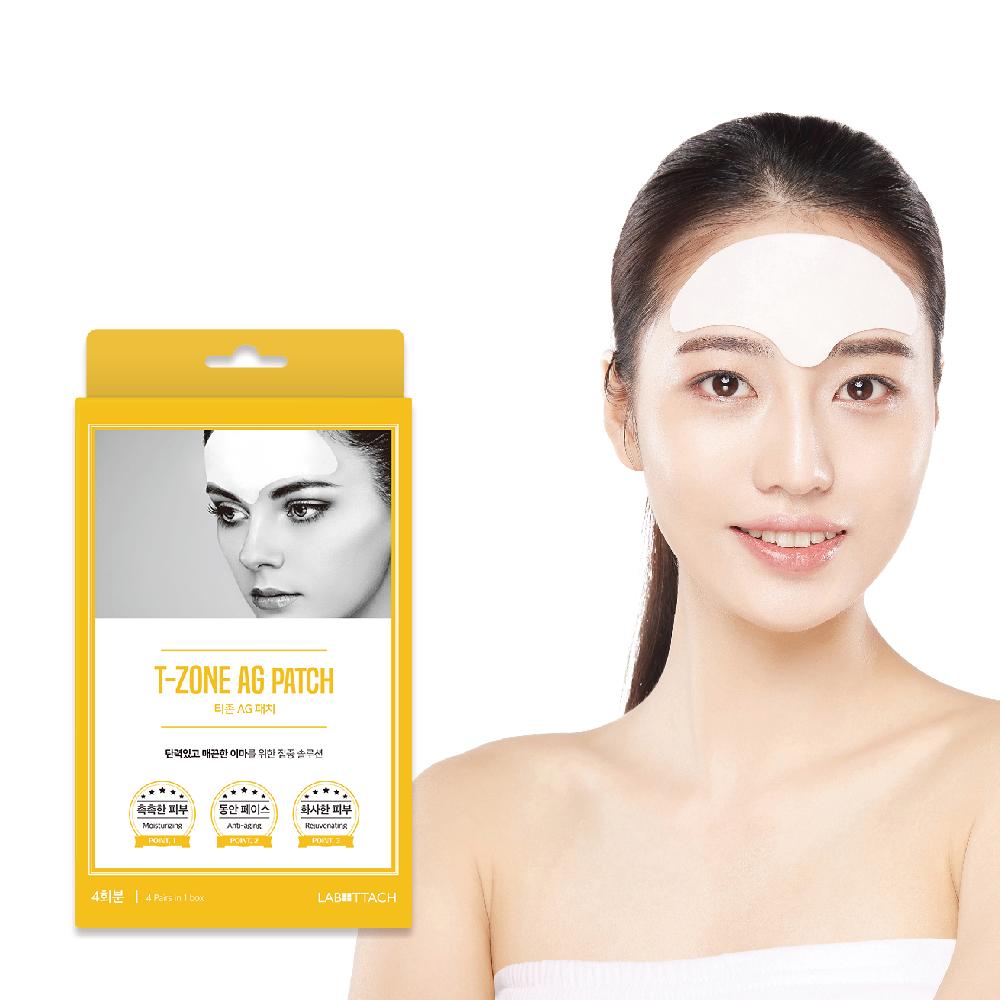
T-Zone AG Patch 4P
LABOTTACH
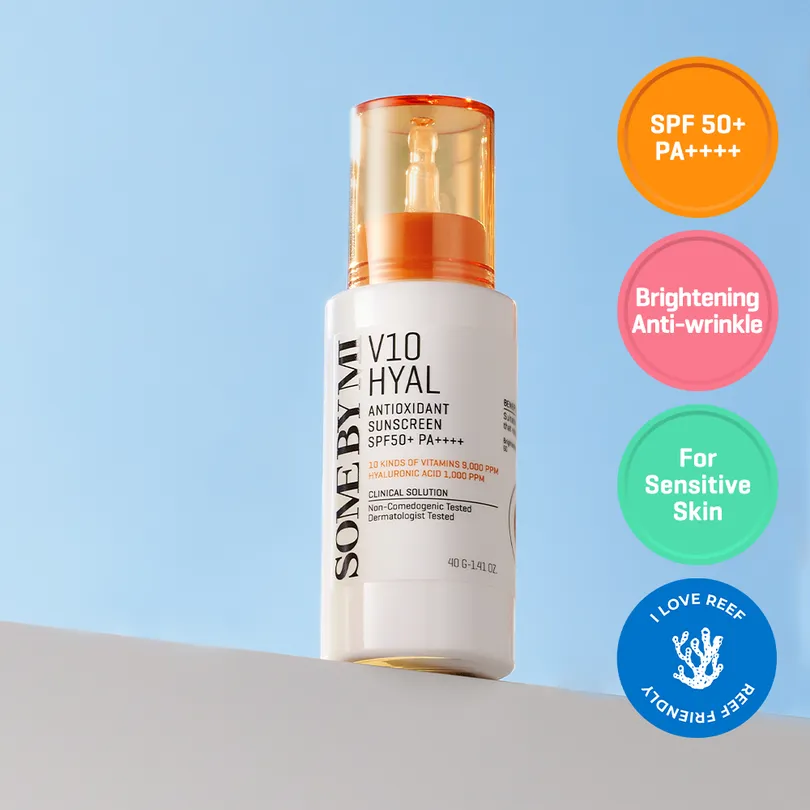
V10 Hyal Antioxidant Sunscreen
Some By Mi
Frequently Asked Questions
Can bioflavonoids replace vitamin C in my skincare routine?▼
Are bioflavonoids safe to use during pregnancy?▼
Why do some products list specific bioflavonoids like quercetin or rutin instead of just bioflavonoids?▼
How long does it take to see results from bioflavonoid products?▼
Explore More
Want personalized ingredient advice?
Yuri, our AI beauty advisor, can tell you how Bioflavonoids works with your specific skin type, routine, and concerns.
Ask Yuri, free