Biotin
Vitamin B7 that supports skin health
About Biotin
Biotin, also known as Vitamin B7 or Vitamin H, is a water-soluble B-complex vitamin that plays a crucial role in maintaining healthy skin, hair, and nails. In K-beauty formulations, biotin functions as a skin-conditioning agent that supports the skin's natural barrier function and promotes a healthy, glowing complexion. While biotin is perhaps most famous for its benefits to hair and nail growth when taken orally, its topical application in skincare products helps strengthen the skin's moisture barrier, improve texture, and support overall skin vitality. With a perfect safety rating of 5/5 and a non-comedogenic rating of 0/5, biotin is suitable for all skin types, including acne-prone and sensitive skin. Korean beauty brands have embraced this ingredient across various product categories, from cleansers like VIDIVICI's Clear Deep Cleansing Oil and Parnell's Ceramic Bubble Peeling Cleanser to treatment essences such as CNP's Propolis Energy Active Ampule and Numbuzin's No. 9 NAD Bio Lifting-sil Essence. The presence of biotin in 191 K-beauty products on Seoul Sister demonstrates its versatility and importance in modern Korean skincare routines. As a coenzyme involved in fatty acid synthesis, biotin helps maintain the lipid layer that keeps skin hydrated and protected from environmental stressors.
How Biotin Works
At the cellular level, biotin functions as a coenzyme for carboxylase enzymes that are essential for fatty acid synthesis, amino acid metabolism, and gluconeogenesis. In the skin, these metabolic processes are vital for maintaining healthy cell turnover and repair. Biotin supports the production of fatty acids that form the skin's lipid barrier, which is your first line of defense against moisture loss and external irritants. By facilitating the metabolism of amino acids, biotin also aids in the synthesis of keratin, a structural protein that gives skin its strength and resilience. When applied topically, biotin penetrates the upper layers of the skin where it supports keratinocyte function (the primary cells of the epidermis) and helps maintain the skin's natural moisture balance. This vitamin also plays a role in cellular energy production, ensuring that skin cells have the resources they need to repair damage, regenerate effectively, and maintain a healthy appearance. The result is skin that appears smoother, more hydrated, and better equipped to defend itself against environmental stressors.
Biotin by Skin Type
Oily Skin
Biotin is excellent for oily skin types because it's completely non-comedogenic and won't clog pores or trigger breakouts. Its role in supporting healthy skin metabolism can help regulate sebum production over time. The ingredient's lightweight nature makes it ideal for incorporation into gel cleansers and watery essences that won't add unwanted heaviness to oily skin.
Dry Skin
For dry skin, biotin shines by supporting the synthesis of fatty acids that form your skin's protective lipid barrier. This helps lock in moisture and prevent transepidermal water loss, addressing one of the root causes of dryness. Biotin-containing products can help improve skin texture and reduce flakiness while supporting long-term barrier health.
Combo Skin
Combination skin benefits from biotin's balanced approach to skin health. It provides hydration support where needed without overwhelming oily zones, thanks to its non-greasy, non-comedogenic nature. Biotin helps normalize skin function across different areas of the face, making it an ideal ingredient for those dealing with varying skin needs.
Sensitive Skin
With its perfect 5/5 safety rating, biotin is exceptionally well-tolerated by sensitive skin. It supports barrier repair and strengthens the skin's natural defenses without causing irritation. Biotin's gentle, supportive nature makes it suitable even for reactive skin types, helping to improve resilience over time.
Normal Skin
Normal skin types can use biotin as a maintenance ingredient to preserve skin health and prevent future concerns. It supports optimal skin metabolism and barrier function, helping to keep normal skin balanced and glowing. Biotin works well in preventative skincare routines to maintain the healthy status quo.
How to Use Biotin
- 1Look for biotin in your cleansers and essences for daily skin health support without adding extra steps to your routine.
- 2Biotin works synergistically with other B vitamins (like niacinamide) and antioxidants, so don't hesitate to layer products containing these ingredients.
- 3While biotin is safe for morning and evening use, it's particularly beneficial in nighttime routines when your skin's natural repair processes are most active.
- 4If you're taking biotin supplements orally, topical biotin products can complement your regimen for comprehensive skin, hair, and nail support.
- 5Biotin is stable in most formulations and plays well with actives like retinol, vitamin C, and AHAs/BHAs, making it easy to incorporate into any routine.
Background
Biotin was first discovered in the 1930s during research into what caused a peculiar skin condition in rats fed raw egg whites. Scientists identified that a factor in cooked egg yolks could prevent this condition, eventually isolating and naming this compound biotin from the Greek word 'biotos,' meaning life or sustenance. The vitamin earned its alternative name, Vitamin H, from the German words 'Haar und Haut' (hair and skin), reflecting its early recognized benefits for these tissues. While biotin has been used in oral supplements for decades to support hair, skin, and nail health, its incorporation into topical skincare is relatively recent. K-beauty brands have been particularly innovative in formulating biotin into diverse product types, recognizing its safety profile and skin-supporting benefits. The ingredient's rise in Korean skincare reflects the K-beauty philosophy of using vitamins and nutrients to support skin health from the outside in, complementing internal nutrition.
K-Beauty Products with Biotin
View all 202 →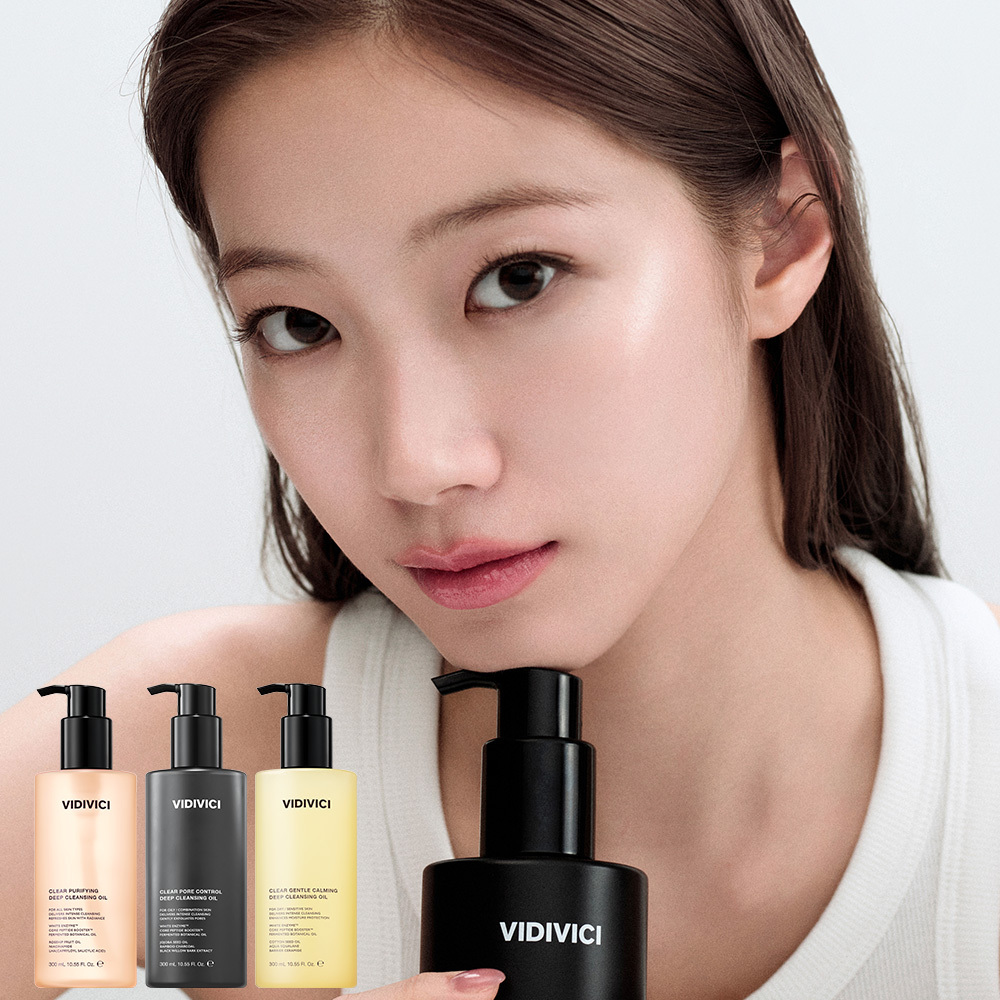
Clear Deep Cleansing Oil
VIDIVICI
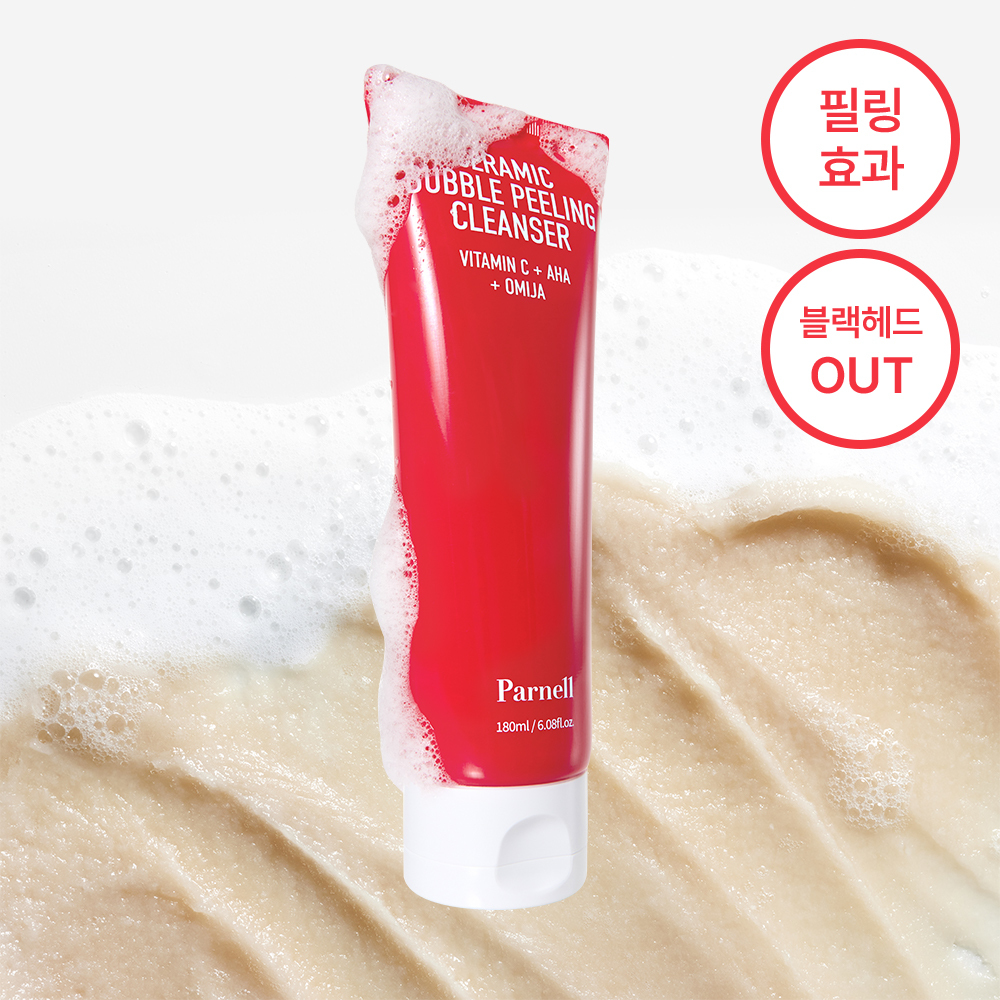
Ceramic Bubble Peeling Cleanser
Parnell

No. 9 NAD Bio Lifting-sil Essence
Numbuzin
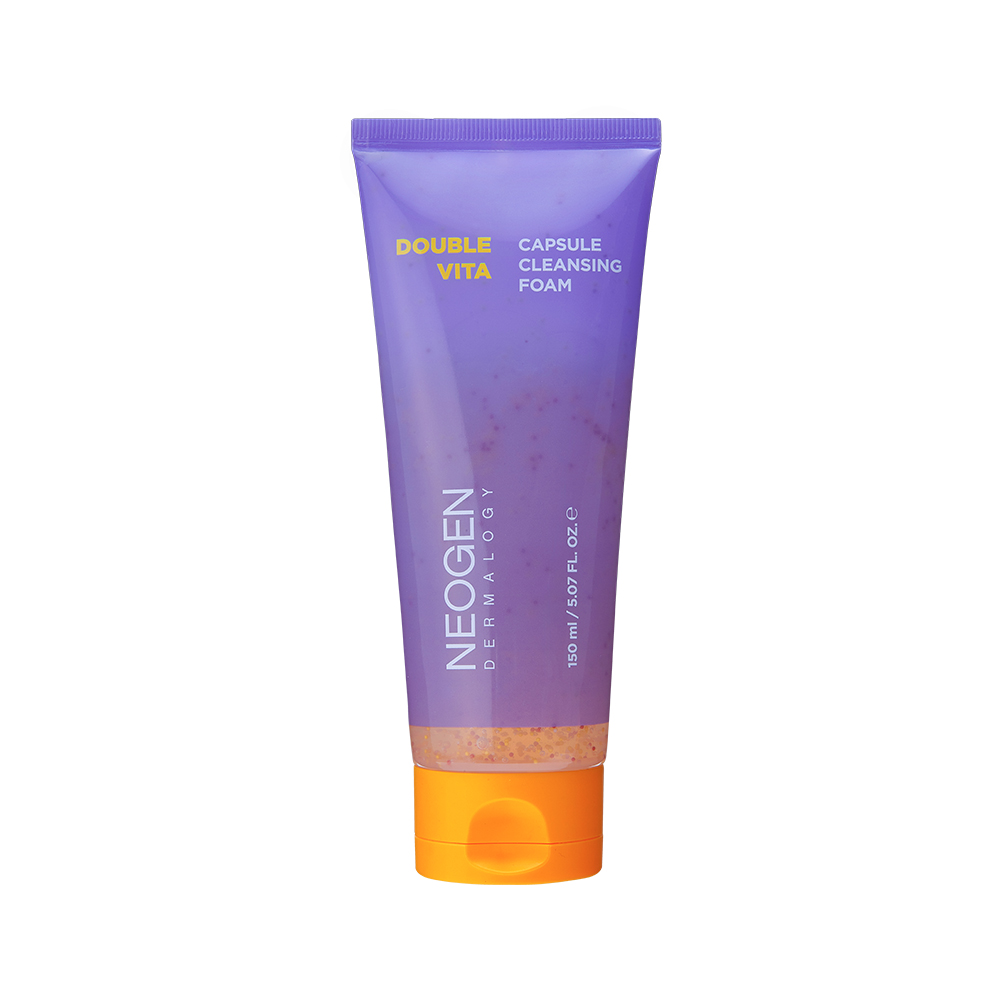
Double Vita Capsule Cleansing Foam
Neogen
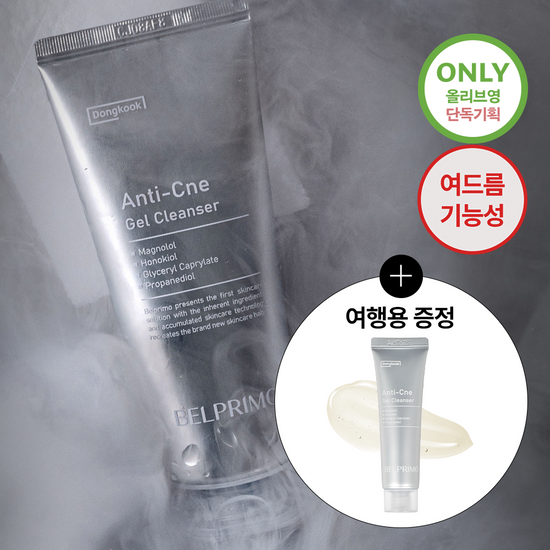
Anti-Cne Gel Cleanser
Beplain
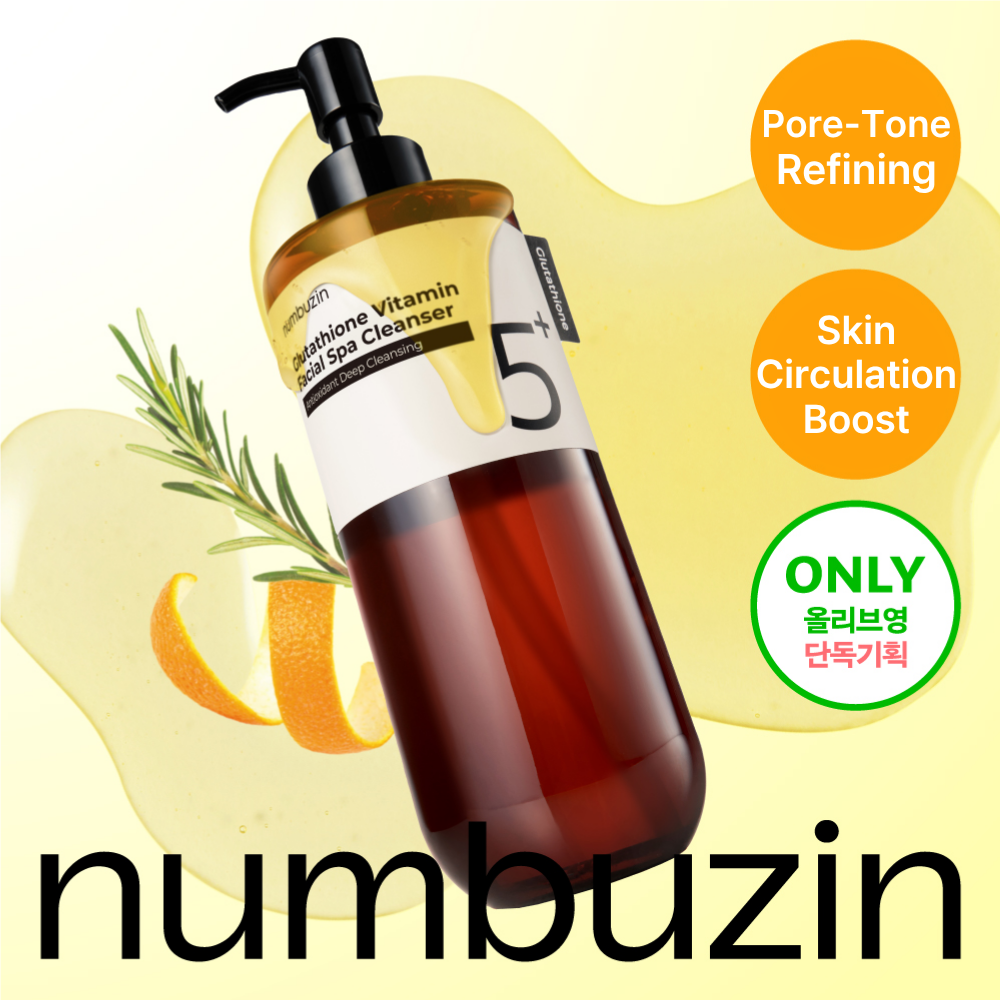
No. 5 Glutathione C Facial Spa Cleanser
Numbuzin
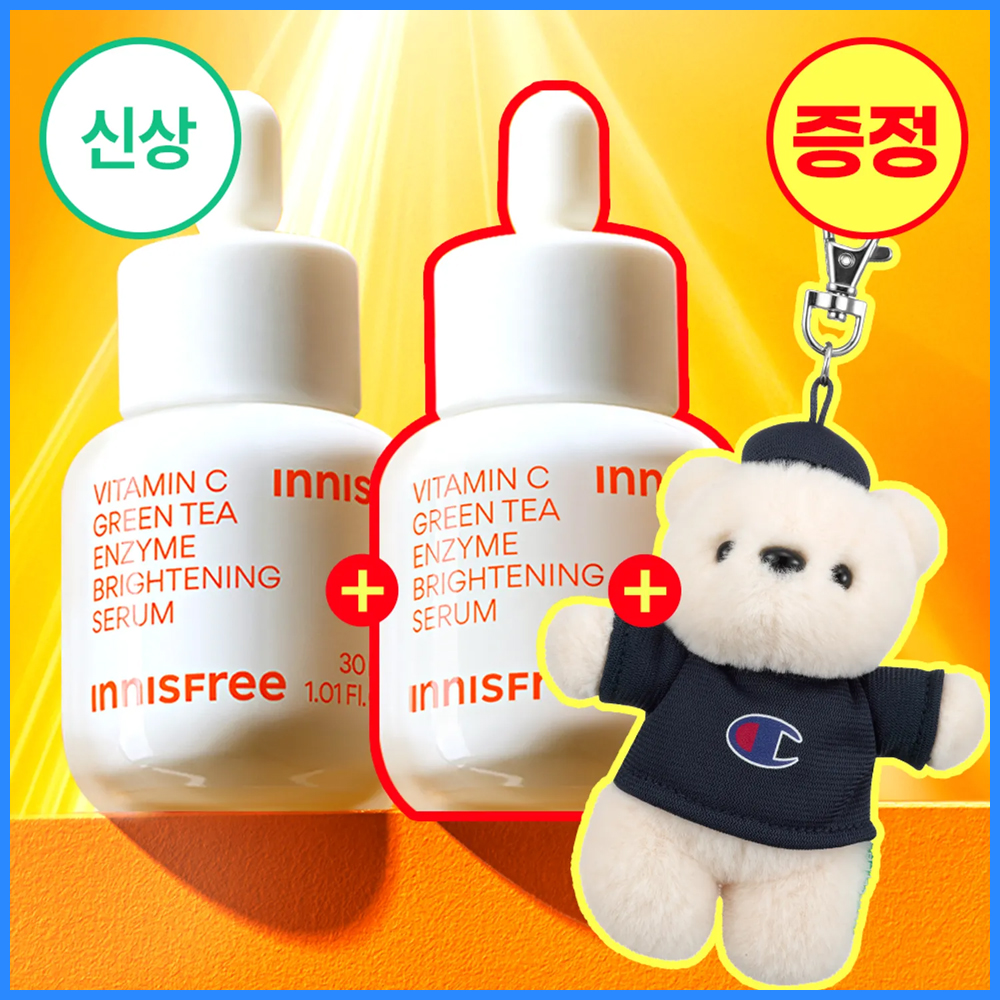
Vitamin C Green Tea Enzyme Brightening Serum
Innisfree
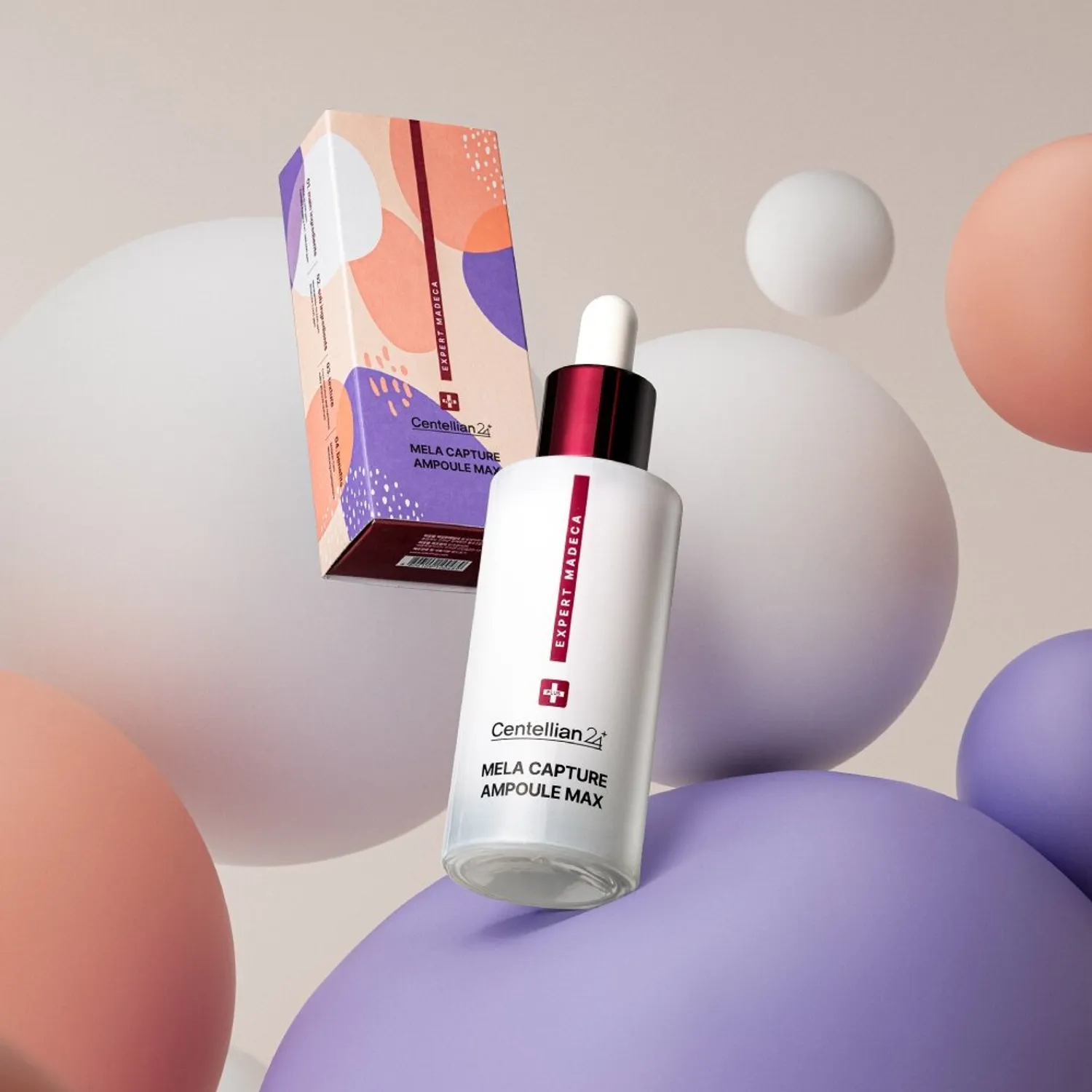
Expert Madeca Mela Capture Ampoule Max
Centellian24
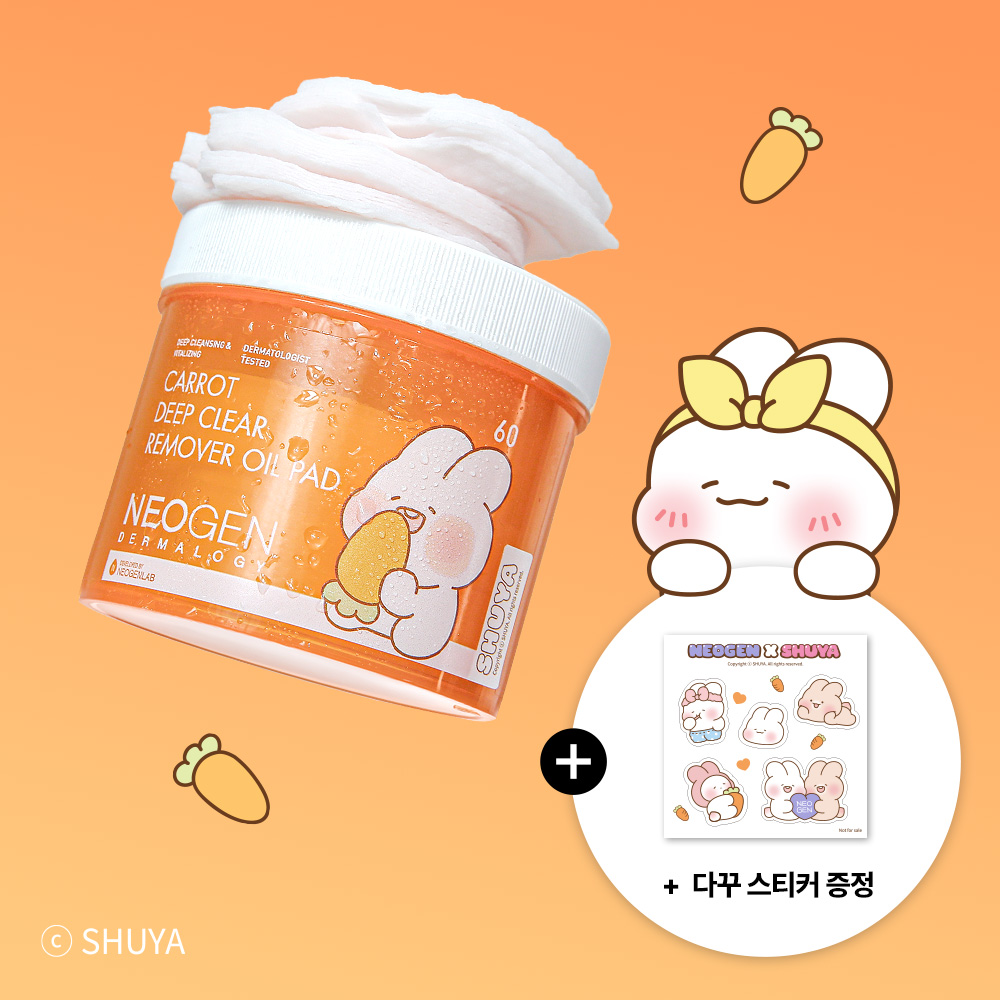
Dermalogy Carrot Deep Clear Remover Oil Pad
Neogen
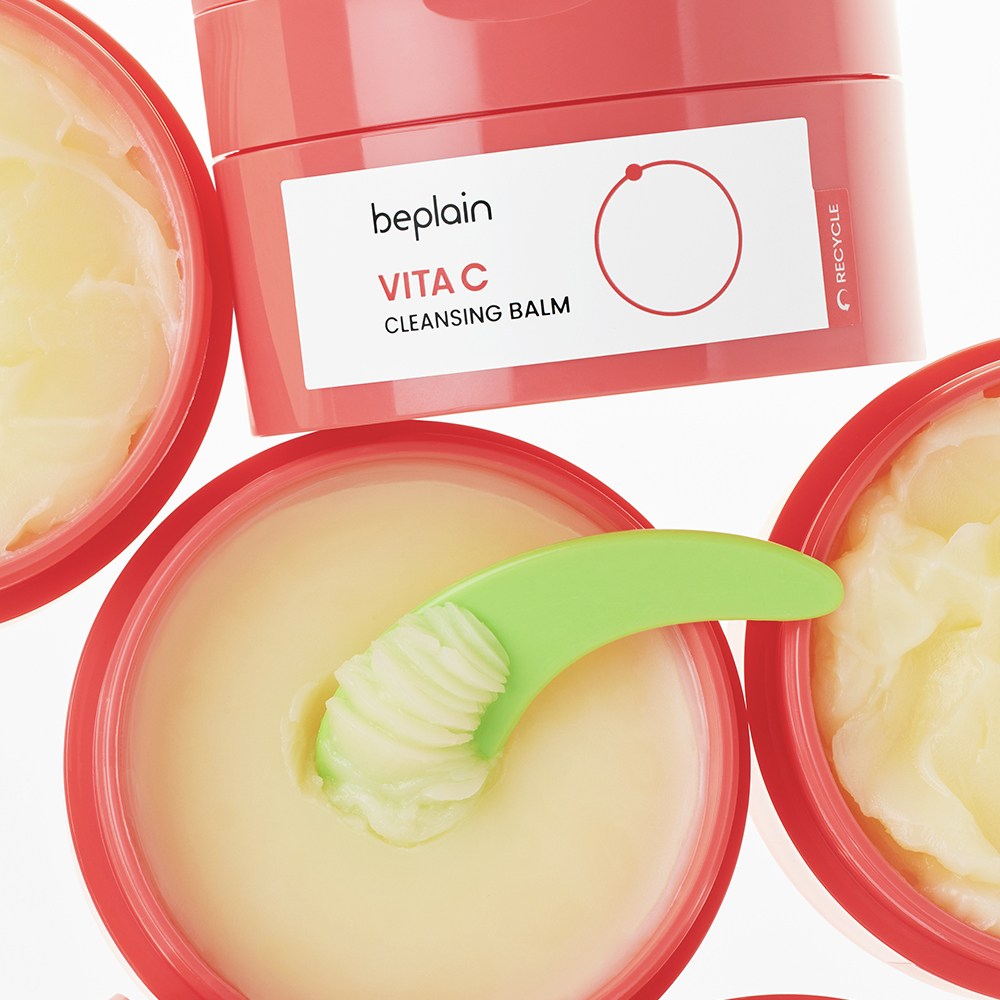
Vita C Cleansing Balm
Beplain
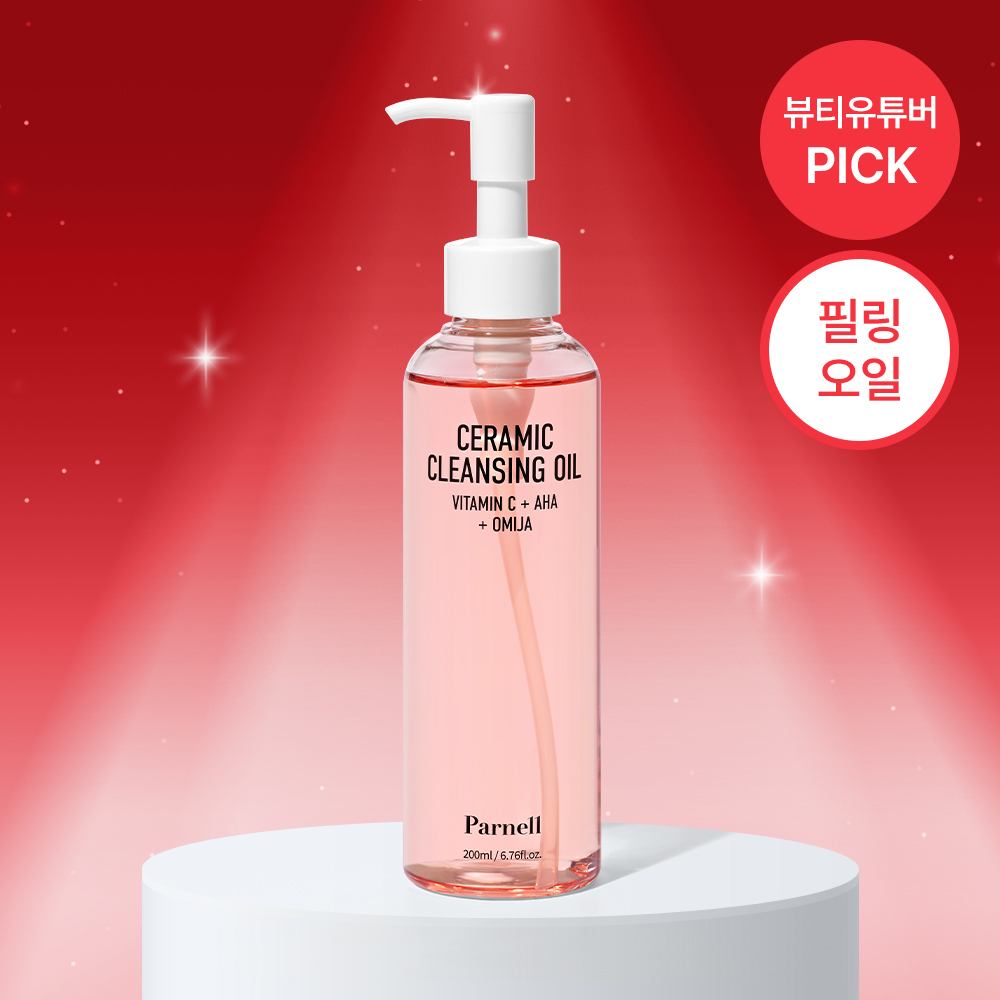
Ceramic Cleansing Oil
Parnell
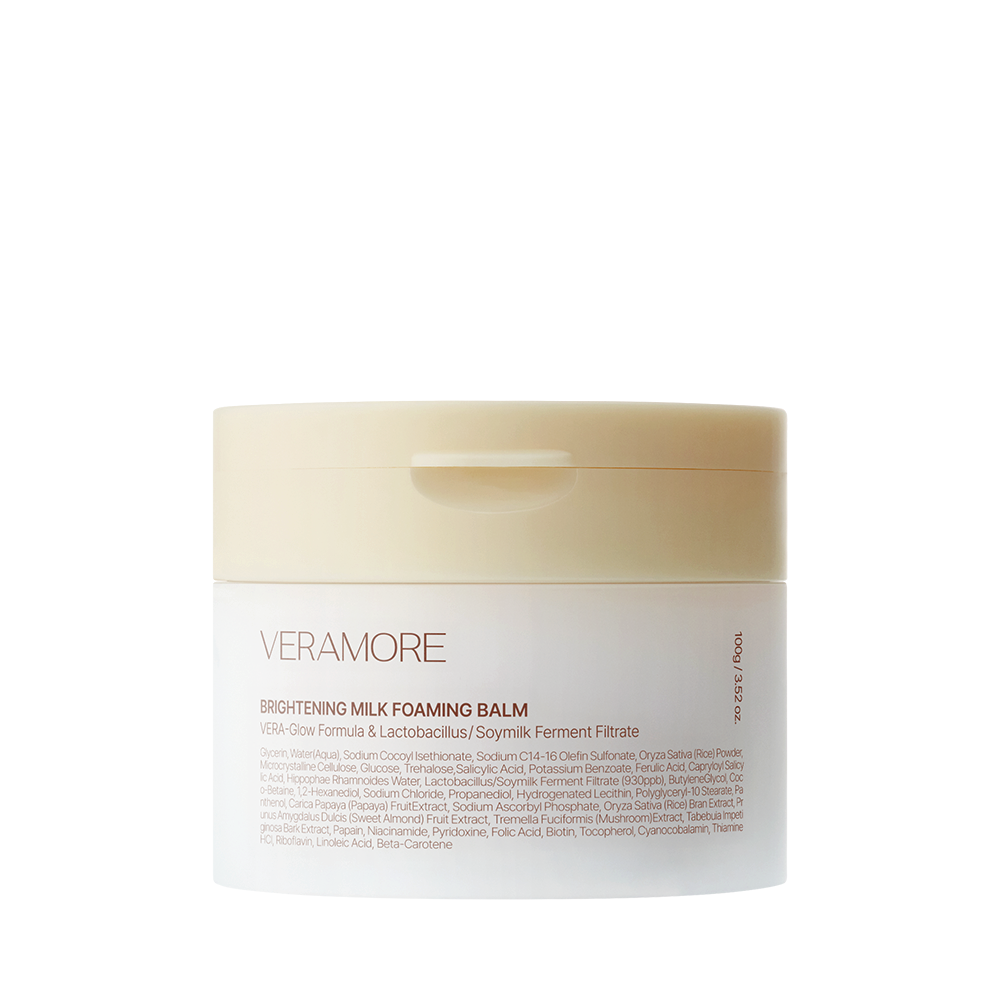
Veramore Brightening Milk Foaming Balm
Banila Co
Frequently Asked Questions
Can biotin in skincare cause breakouts like oral supplements sometimes do?▼
Is biotin in cleansers effective, or does it wash off before it can work?▼
How long does it take to see results from topical biotin?▼
Do I need biotin in my skincare if I'm already taking it as a supplement?▼
Explore More
Want personalized ingredient advice?
Yuri, our AI beauty advisor, can tell you how Biotin works with your specific skin type, routine, and concerns.
Ask Yuri, free