Biotinoyl Tripeptide-1
Peptide that supports hair growth and reduces hair loss
About Biotinoyl Tripeptide-1
Biotinoyl Tripeptide-1 is a cutting-edge peptide that has become a sought-after ingredient in K-beauty formulations, particularly in anti-aging and scalp care products. This biotin-conjugated peptide combines three amino acids with biotin (vitamin B7) to create a powerful compound that targets both hair follicle health and skin rejuvenation. While originally developed for hair loss prevention and growth stimulation, Korean skincare brands have recognized its potential for facial skin applications, where it helps strengthen the dermal-epidermal junction and supports the extracellular matrix. With a non-comedogenic rating of 0/5 and a solid safety profile of 4/5, it's considered gentle enough for most skin types. On Seoul Sister, Biotinoyl Tripeptide-1 appears in 14 K-beauty products, with Numbuzin's No. 9 NAD collection leading the charge. These highly-rated formulations (ranging from 4.7 to 4.9 out of 5) demonstrate how brands are leveraging this peptide's unique properties to address volume loss, sagging, and signs of aging. The ingredient's small molecular size allows it to penetrate effectively, making it a valuable addition to essences, toners, and eye creams where deeper delivery is essential.
How Biotinoyl Tripeptide-1 Works
At the molecular level, Biotinoyl Tripeptide-1 functions by mimicking natural signaling molecules that activate fibroblasts, the cells responsible for producing collagen, elastin, and other structural proteins in the skin. The biotin component serves as a carrier molecule that enhances cellular uptake, while the tripeptide sequence (typically glycine-histidine-lysine or similar) acts as a biological messenger. Once absorbed, it stimulates the synthesis of laminin-5 and collagen IV, two critical proteins that form the basement membrane connecting the epidermis to the dermis. This strengthening effect helps restore volume and firmness to aging skin. In hair follicles, the peptide activates dermal papilla cells, promoting the anagen (growth) phase of the hair cycle while reducing apoptosis (cell death) that leads to hair loss. The biotin attachment also provides nutritional support to rapidly dividing cells, as biotin is a cofactor in fatty acid synthesis and amino acid metabolism, both crucial for healthy cell proliferation and tissue repair.
Biotinoyl Tripeptide-1 by Skin Type
Oily Skin
Biotinoyl Tripeptide-1 works well for oily skin types due to its completely non-comedogenic nature. The peptide's lightweight molecular structure absorbs quickly without adding heaviness or triggering excess sebum production. It can help maintain skin resilience even when using mattifying or oil-controlling products that might otherwise compromise the skin barrier.
Dry Skin
This peptide is particularly beneficial for dry skin, as it supports the structural proteins that help retain moisture within the skin. By strengthening the dermal-epidermal junction, it reduces transepidermal water loss and creates a more resilient moisture barrier. Dry skin types will find it pairs well with hydrating ingredients in essences and serums, as seen in Numbuzin's NAD collection.
Combo Skin
Combination skin benefits from Biotinoyl Tripeptide-1's balanced approach to skin improvement. It addresses concerns in both dry and oily zones without exacerbating either condition. The peptide's focus on structural support rather than surface hydration or oil control makes it an ideal universal ingredient for combination skin routines.
Sensitive Skin
With a safety rating of 4/5 and zero comedogenic potential, Biotinoyl Tripeptide-1 is generally well-tolerated by sensitive skin. The peptide works through gentle biological signaling rather than chemical exfoliation or irritation. However, those with biotin sensitivity (rare but documented) should patch test products containing this ingredient before full application.
Normal Skin
Normal skin types can use Biotinoyl Tripeptide-1 preventatively to maintain the structural integrity of the skin as it ages. The peptide helps preserve the youthful architecture of the dermal-epidermal junction, delaying the onset of volume loss and sagging. It's an excellent ingredient for those in their late twenties or early thirties looking to establish an anti-aging routine.
How to Use Biotinoyl Tripeptide-1
- 1Apply products containing Biotinoyl Tripeptide-1 to slightly damp skin after cleansing and toning to maximize absorption of the peptide into deeper skin layers.
- 2Pair with NAD+ (nicotinamide adenine dinucleotide) ingredients for synergistic anti-aging effects, as demonstrated in Numbuzin's formulations that combine both technologies.
- 3Use consistently for at least 8-12 weeks to see visible results in skin firmness and volume, as peptides work through biological processes that require time to accumulate effects.
- 4Layer under eye cream or apply products specifically around areas prone to volume loss, such as the under-eye hollow, cheeks, and jawline.
- 5Store peptide products in a cool, dark place and use within 6-9 months of opening, as peptides can degrade with heat and light exposure.
Background
Biotinoyl Tripeptide-1 emerged from pharmaceutical research into hair loss treatments in the early 2000s, when scientists sought to develop alternatives to harsh chemical interventions. By conjugating biotin with specific peptide sequences, researchers discovered they could target hair follicle cells with remarkable precision. The ingredient gained initial traction in scalp serums and hair growth treatments before cosmetic chemists recognized its broader applications for facial skin aging. Korean beauty brands, known for their innovative approach to ingredient technology, were among the first to incorporate Biotinoyl Tripeptide-1 into facial skincare formulations. Numbuzin's No. 9 NAD collection represents the latest evolution of this trend, combining the peptide with NAD+ technology to create comprehensive anti-aging systems that address volume loss, elasticity, and cellular energy at once. The ingredient's journey from hair care to skincare reflects K-beauty's signature approach of repurposing effective technologies across product categories.
K-Beauty Products with Biotinoyl Tripeptide-1
View all 15 →
No. 9 NAD Bio Lifting-sil Essence
Numbuzin
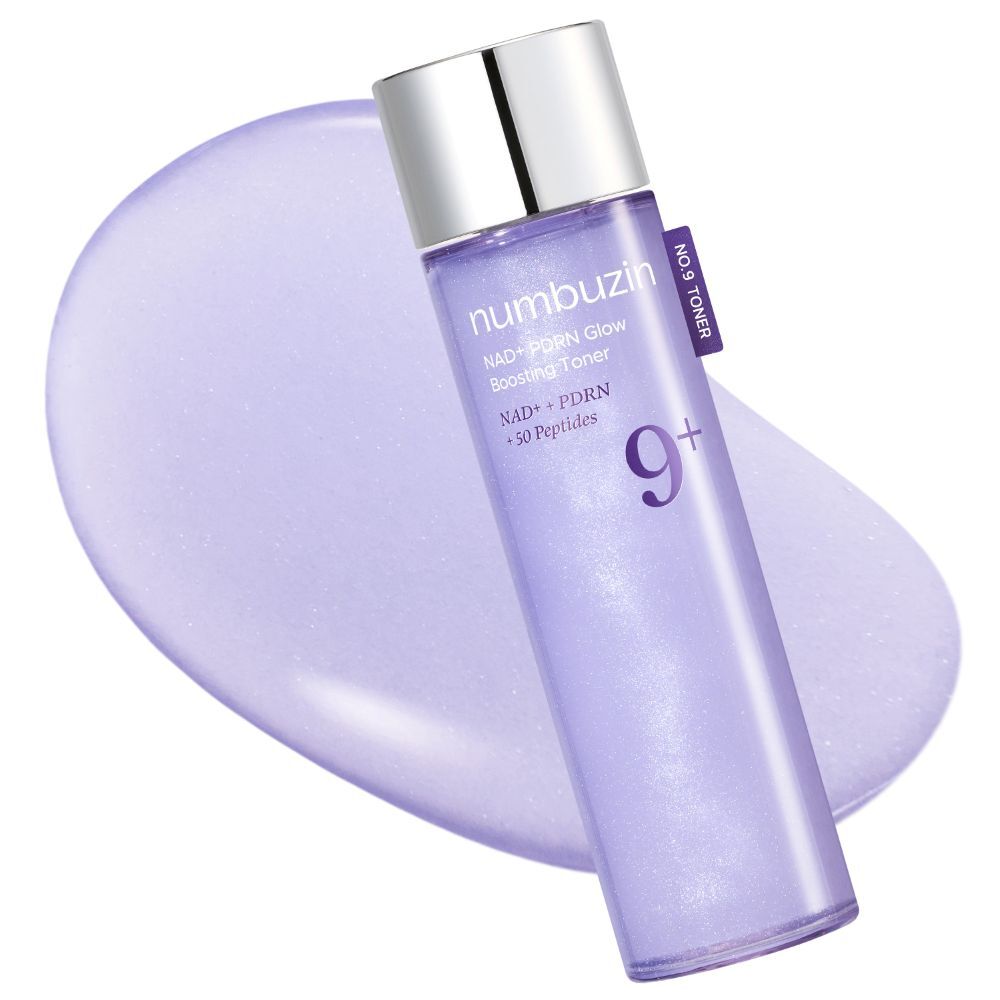
No. 9 NAD PDRN Glow Treatment Toner
Numbuzin
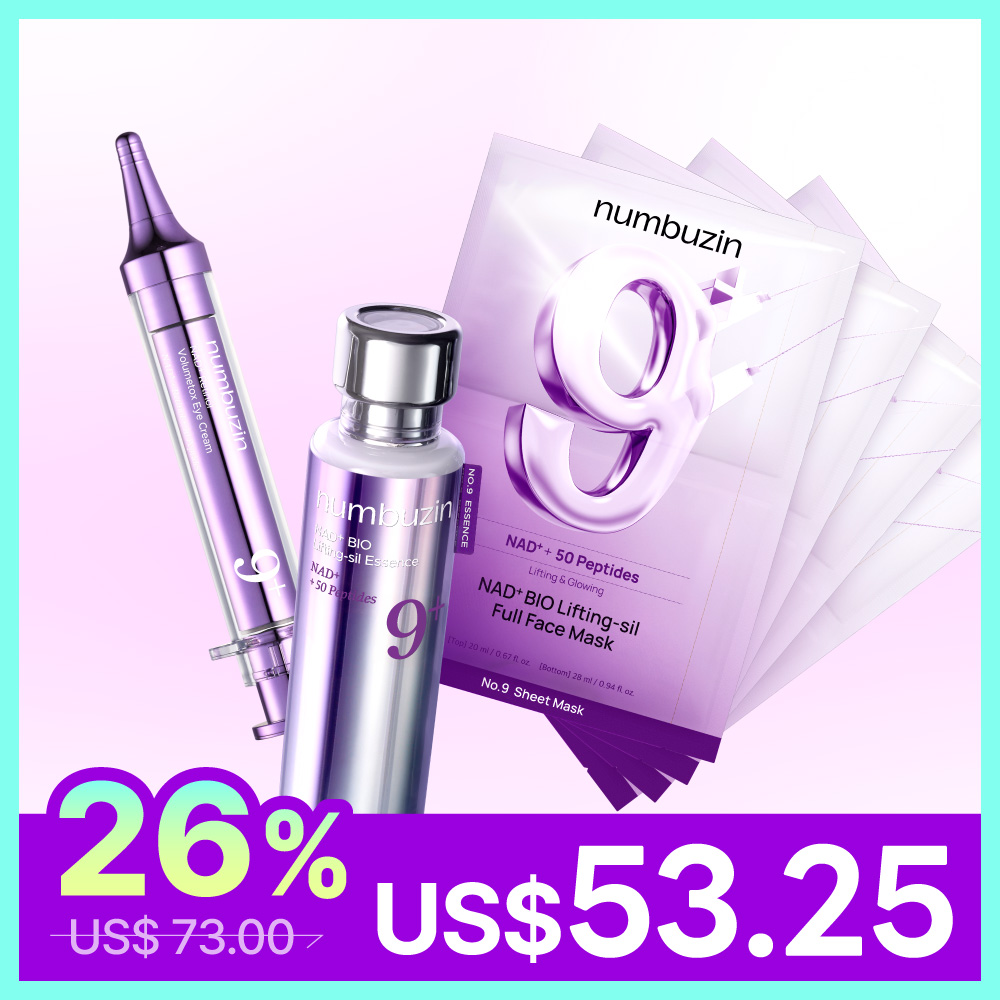
No. 9 NAD Ultimate Lifting Set
Numbuzin
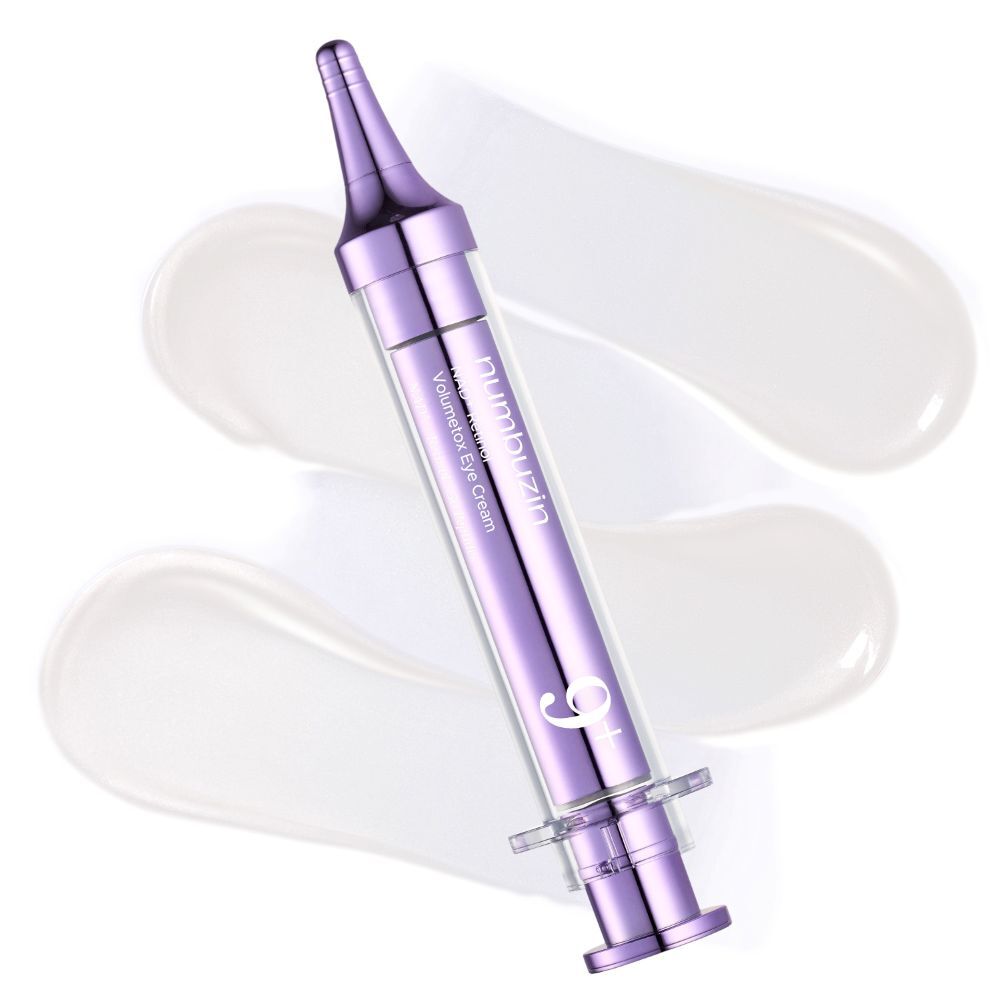
No. 9 NAD RetinA Volume Shot Eye Cream
Numbuzin
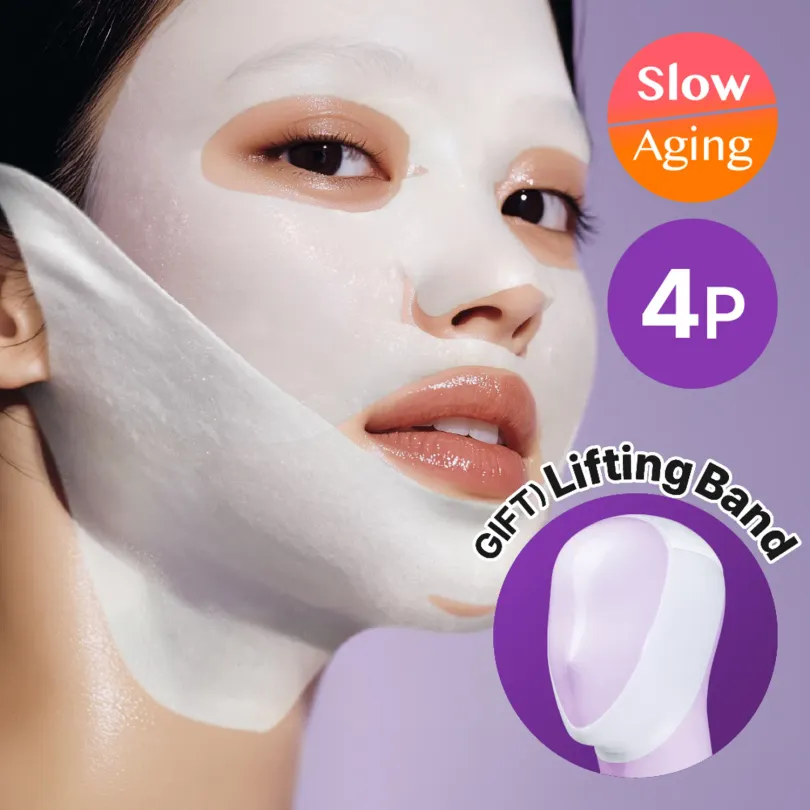
No. 9 NAD Bio Lifting-sil Full Face Pack Sheet 4ea Set
Numbuzin
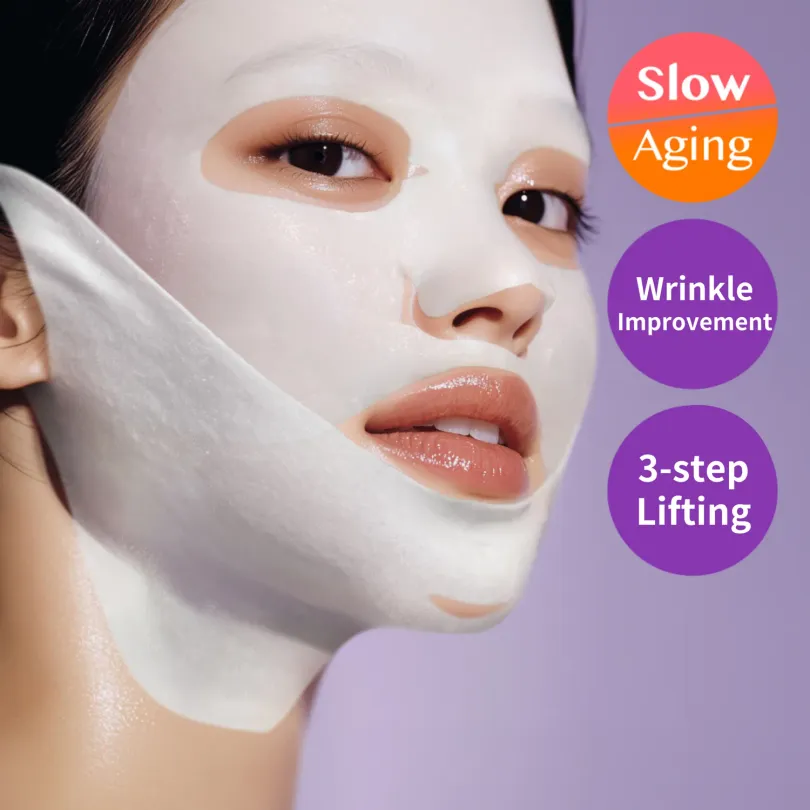
No. 9 NAD Bio Lifting-sil Full Face Pack Sheet
Numbuzin
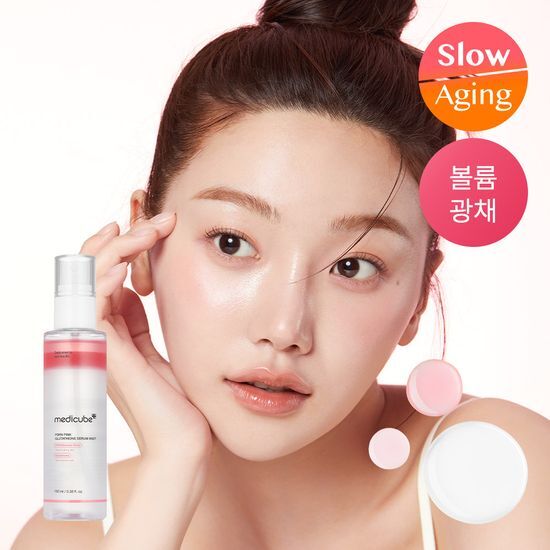
PDRN Pink Glutathione Serum Mist
Medicube
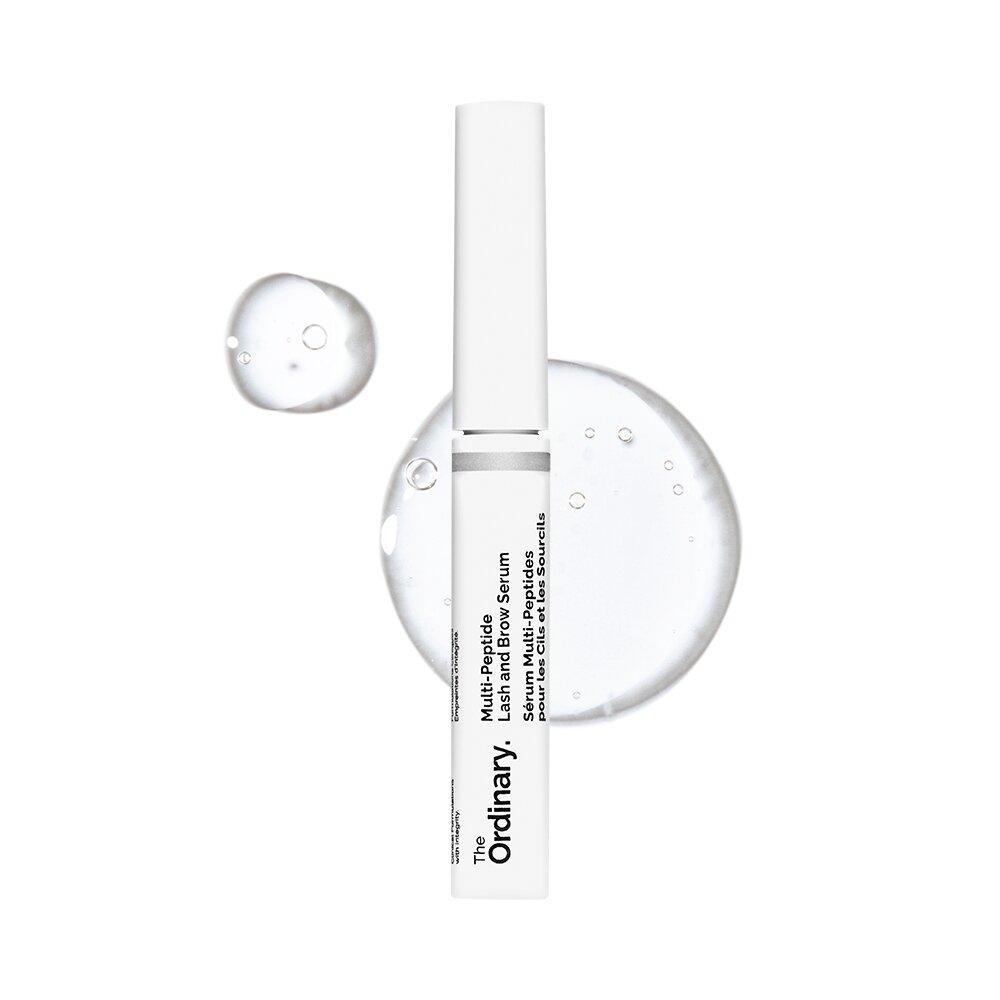
Multi-Peptide Lash and Brow Serum
The Ordinary

Lash & Brow Enriched Serum
MARSHIQUE

No. 9 NAD Collagen Overnight Selfie Patch
Numbuzin
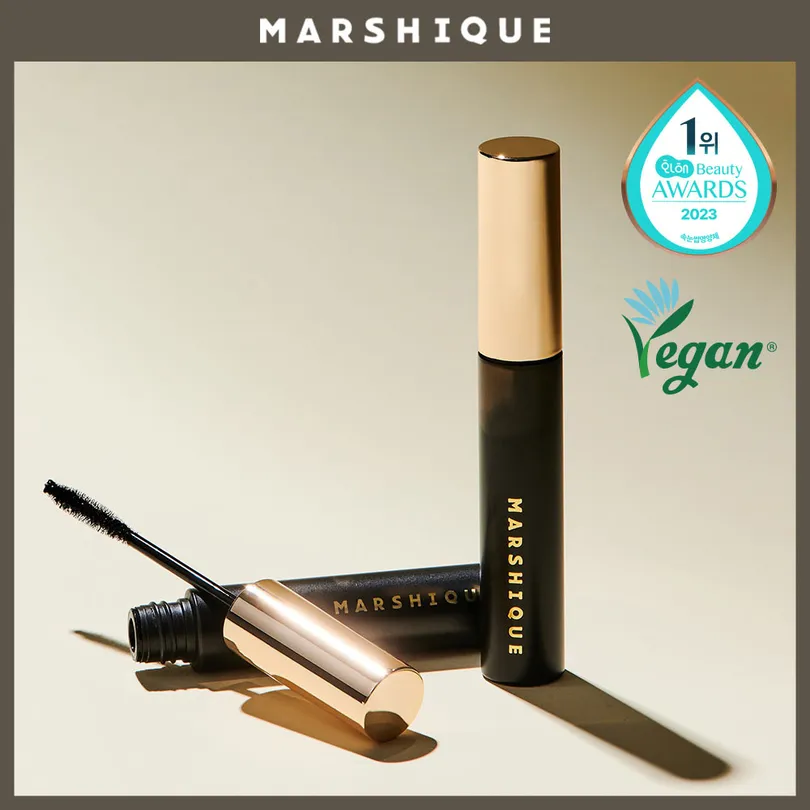
Lash & Brow Enriched Black Serum
MARSHIQUE
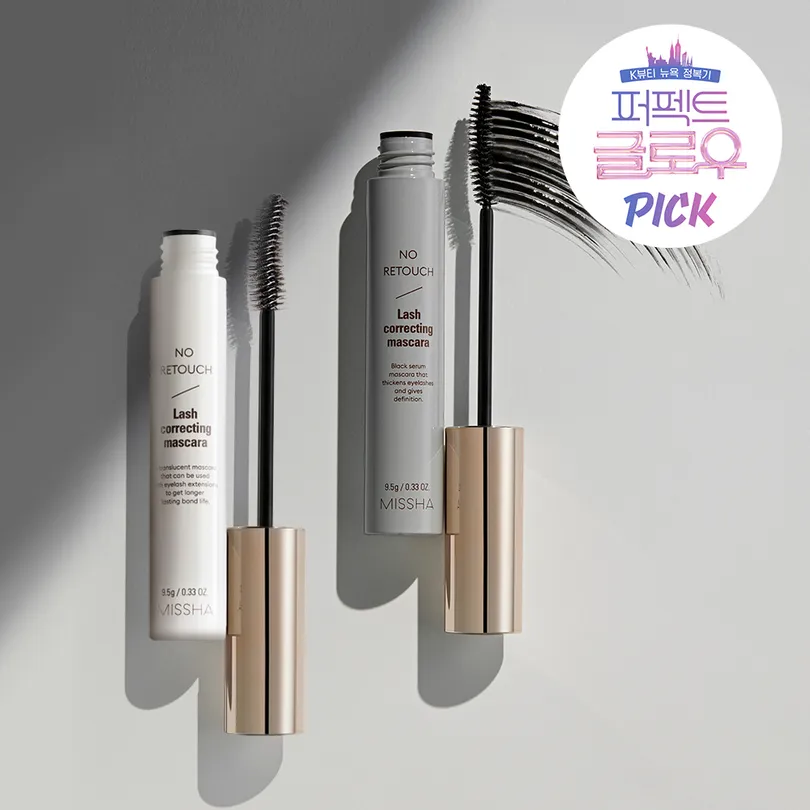
No Retouch Lash Correcting Mascara/Serum
MISSHA
Frequently Asked Questions
Can Biotinoyl Tripeptide-1 actually help with facial volume loss and sagging?▼
Will this ingredient make me break out if I have acne-prone skin?▼
How is Biotinoyl Tripeptide-1 different from regular biotin supplements?▼
Can I use Biotinoyl Tripeptide-1 with retinol or vitamin C?▼
Explore More
Want personalized ingredient advice?
Yuri, our AI beauty advisor, can tell you how Biotinoyl Tripeptide-1 works with your specific skin type, routine, and concerns.
Ask Yuri, free