Borage Seed Oil
INCI: Borago Officinalis Seed Oil
Emollient rich in gamma-linolenic acid for barrier repair
About Borage Seed Oil
Borage seed oil is a potent botanical emollient extracted from the seeds of Borago officinalis, a Mediterranean herb with striking blue star-shaped flowers. What makes this oil a standout in K-beauty formulations is its extraordinarily high concentration of gamma-linolenic acid (GLA), an omega-6 fatty acid that typically comprises 20-26% of the oil's composition. This is one of the richest plant-based sources of GLA available, making it particularly valuable for barrier repair and inflammatory skin conditions. In Korean skincare, borage seed oil appears across multiple categories, from cleansing oils to intensive creams, where it works to restore lipid balance and strengthen compromised skin barriers. The oil also contains significant amounts of linoleic acid (another omega-6) and oleic acid (omega-9), creating a fatty acid profile that closely mimics the skin's natural sebum composition. K-beauty brands have embraced borage seed oil not just for its barrier-repairing properties, but also for its ability to improve skin texture and reduce transepidermal water loss without feeling heavy or greasy. With 13 products featuring this ingredient on Seoul Sister and top-rated formulations from brands like Centellian24 and Belif incorporating it into their hero products, borage seed oil has earned its place as a sophisticated ingredient for addressing chronic dryness, sensitivity, and barrier dysfunction.
How Borage Seed Oil Works
Borage seed oil works at the cellular level by delivering gamma-linolenic acid directly into the skin, where it converts into dihomo-gamma-linolenic acid (DGLA). DGLA serves as a precursor to anti-inflammatory prostaglandins (specifically PGE1), which help regulate inflammatory responses and support barrier function. This is particularly important because many people with compromised skin barriers have difficulty converting linoleic acid to GLA on their own due to enzyme deficiencies or chronic inflammation. By providing pre-formed GLA, borage seed oil bypasses this metabolic bottleneck. The high linoleic acid content also plays a crucial role in maintaining proper desquamation and preventing the hyperkeratinization that leads to clogged pores and rough texture. These essential fatty acids integrate into the lipid bilayers between corneocytes in the stratum corneum, literally filling gaps in the barrier structure. Additionally, borage seed oil demonstrates ceramide-sparing effects, meaning it helps preserve the skin's existing ceramide levels by reducing inflammation-induced degradation. The oleic acid component enhances penetration of other beneficial ingredients while providing immediate emollient benefits on the skin's surface.
Borage Seed Oil by Skin Type
Oily Skin
Borage seed oil can work for oily skin when used strategically, particularly in cleansing oils where its linoleic acid content helps dissolve excess sebum without stripping. However, the moderate comedogenic rating (2/5) means it's best used in rinse-off products or very lightweight leave-on formulations for this skin type. If you have oily skin with barrier damage from over-cleansing or harsh actives, short-contact products containing borage seed oil can help restore balance without triggering breakouts.
Dry Skin
This is where borage seed oil truly excels. Dry skin often suffers from impaired GLA metabolism and insufficient omega-6 fatty acids in the barrier, making borage seed oil an ideal therapeutic ingredient. Products like the Centellian24 Madeca Cream (5.0/5 on Seoul Sister) leverage this oil's rich GLA content to address chronic dryness at its source, not just mask symptoms with occlusive agents. The oil's ability to reduce transepidermal water loss while supporting ceramide preservation makes it particularly effective for those with persistently dry, flaky skin.
Combo Skin
Combination skin can benefit from borage seed oil in targeted applications or products designed for balanced delivery. Look for formulations like the VDL Pure Stain Pore Control Cleansing Oil (5.0/5), which uses the oil's sebum-dissolving properties in areas that need it while providing barrier support to drier zones. The key is choosing products where borage seed oil is balanced with other ingredients that prevent concentration in the T-zone while delivering benefits to drier cheek areas.
Sensitive Skin
Borage seed oil is particularly well-suited for sensitive skin due to its anti-inflammatory properties and barrier-repairing capabilities. The conversion of GLA to anti-inflammatory prostaglandins helps calm reactive skin and reduce the sensitivity that comes from a compromised barrier. The high safety rating (4/5) reflects its generally excellent tolerance, though as with any botanical oil, patch testing is recommended for those with known plant allergies.
Normal Skin
Normal skin can use borage seed oil preventatively to maintain barrier integrity and protect against environmental stressors that gradually degrade skin health. Products like the Belif Manology 101 Smart Moisture Extreme (5.0/5) incorporate this ingredient to preserve the balanced state of normal skin rather than correct specific issues. The oil's mimicry of natural sebum composition makes it an elegant choice for maintaining skin homeostasis without disruption.
How to Use Borage Seed Oil
- 1If you have acne-prone or oily skin, use borage seed oil primarily in cleansing products that get rinsed off, allowing you to gain barrier benefits without risking pore congestion from prolonged contact.
- 2For maximum barrier repair, apply products containing borage seed oil to damp skin immediately after cleansing, when the skin is most permeable and can better absorb the fatty acids.
- 3Borage seed oil oxidizes relatively quickly due to its high polyunsaturated fatty acid content, so store products containing it in cool, dark places and use them within 6-8 months of opening for optimal potency.
- 4Layer borage seed oil products under occlusives at night to create a barrier repair sandwich, trapping the GLA close to skin where it can be most effectively absorbed and converted to anti-inflammatory compounds.
- 5If using borage seed oil to address specific barrier damage or eczema-prone areas, apply it consistently for at least 4-6 weeks, as the anti-inflammatory effects build cumulatively through prostaglandin pathway modulation.
Background
Borage has been cultivated since ancient times throughout the Mediterranean and was traditionally known as the 'herb of gladness' due to its purported mood-lifting properties when consumed. The plant made its way into traditional European medicine for treating inflammatory conditions, though its topical skincare applications are relatively modern. The extraction and study of borage seed oil accelerated in the 1980s when researchers discovered its exceptional GLA content, leading to both nutritional supplement and cosmetic applications. K-beauty's adoption of borage seed oil reflects the industry's broader philosophy of incorporating botanicals with proven biochemical mechanisms rather than just traditional use. Korean formulators particularly appreciate ingredients that offer multiple pathways to skin health, and borage seed oil's combination of barrier lipids, anti-inflammatory precursors, and antioxidant compounds fits this philosophy perfectly. Its integration into premium K-beauty products represents the marriage of European botanical heritage with Korean scientific skincare innovation.
K-Beauty Products with Borage Seed Oil
View all 14 →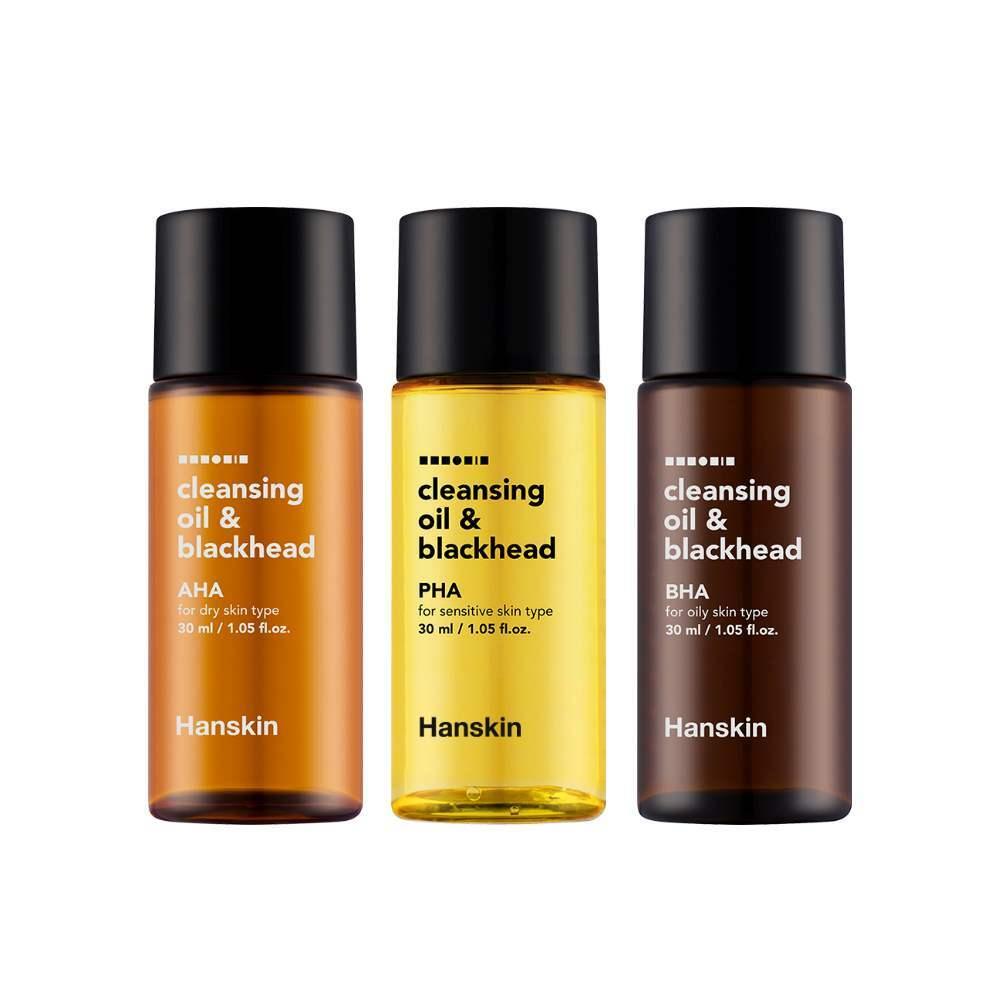
Cleansing Oil & Blackhead 3P Travel Kit
Hanskin
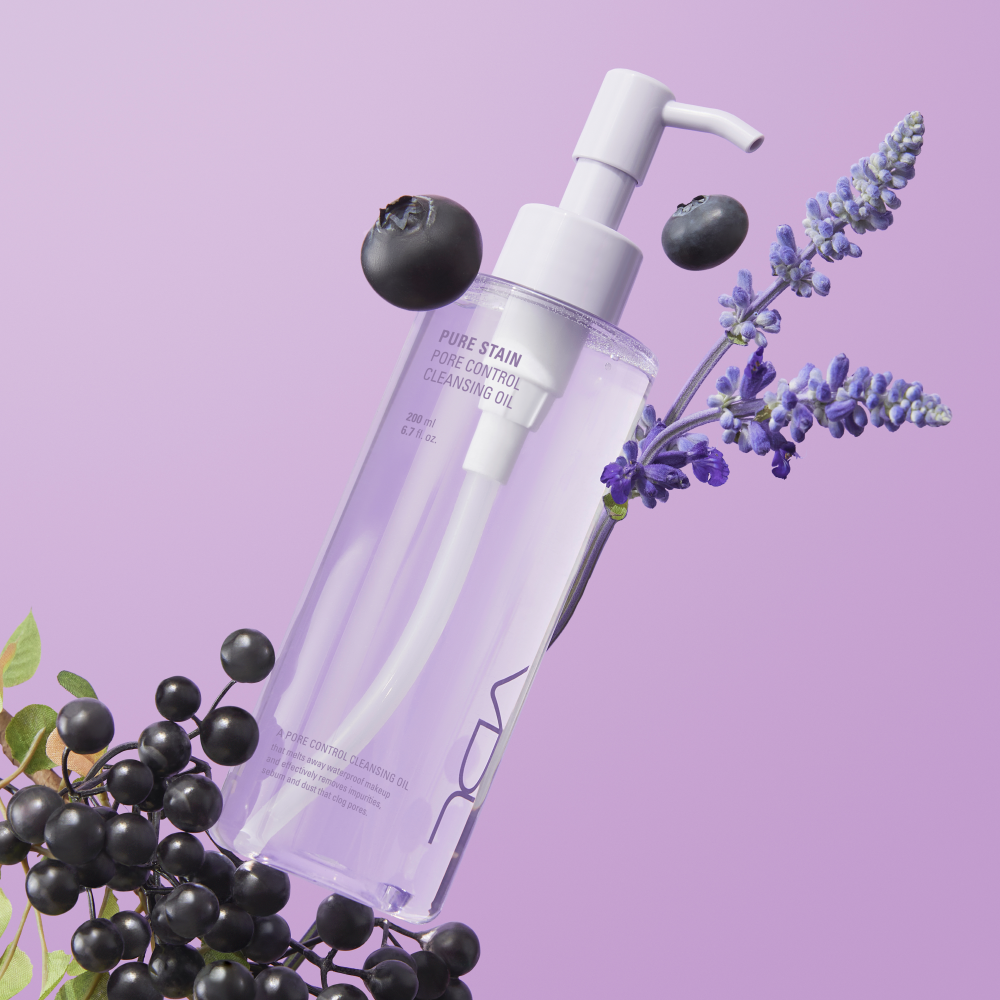
Pure Stain Pore Control Cleansing Oil
VDL
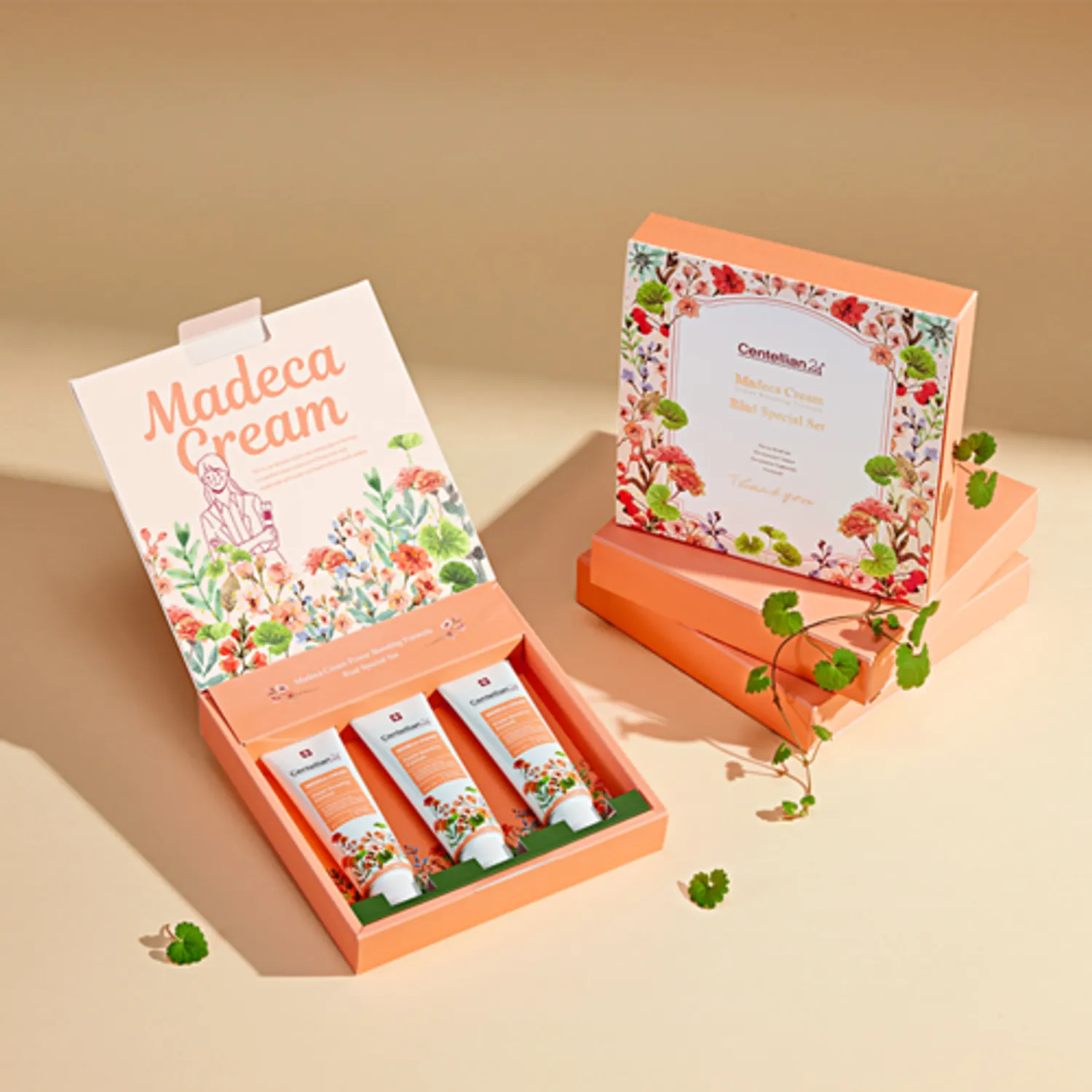
Madeca Cream Power Boosting Formula Triple Set
Centellian24
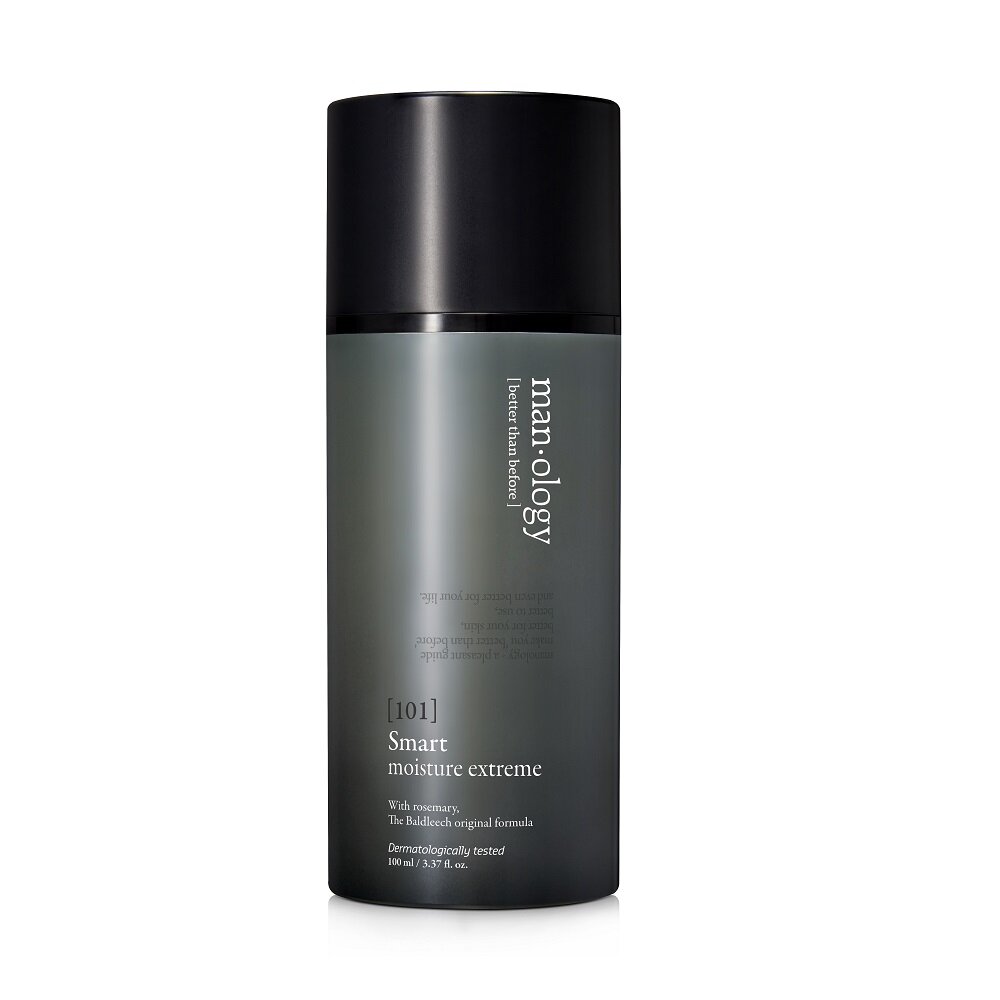
Manology 101 Smart Moisture Extreme
Belif
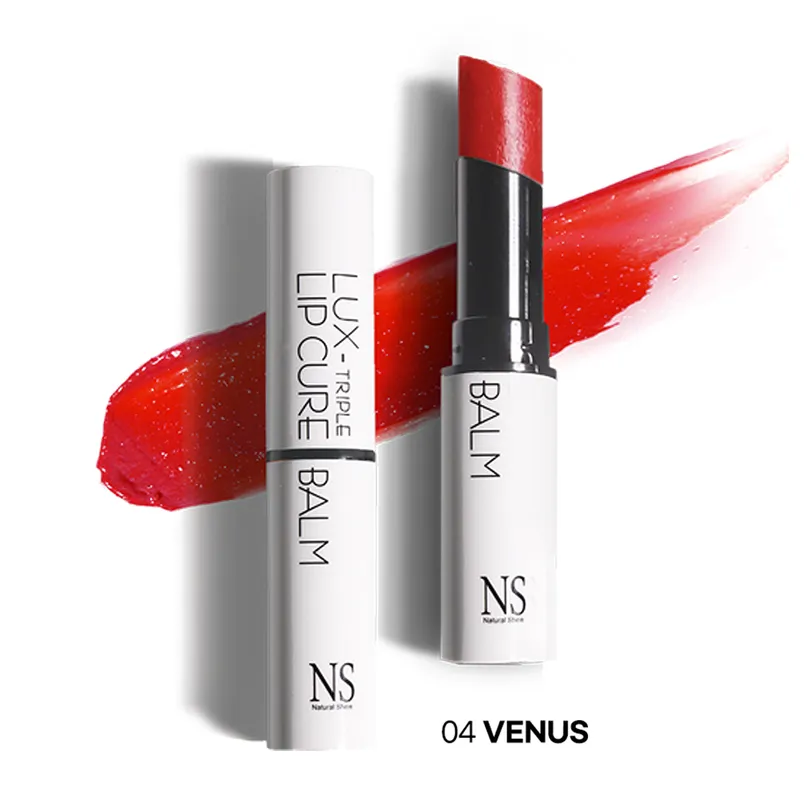
Lux-Triple Lip Cure Balm #Glossy Venus
Natural Shine
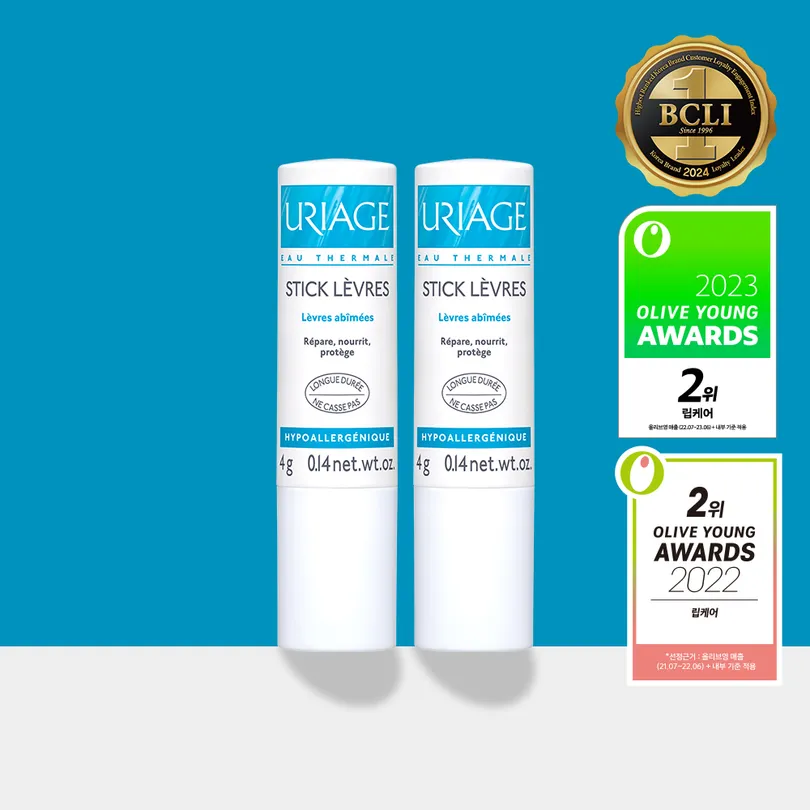
Stick Levres Original Special Set
Uriage
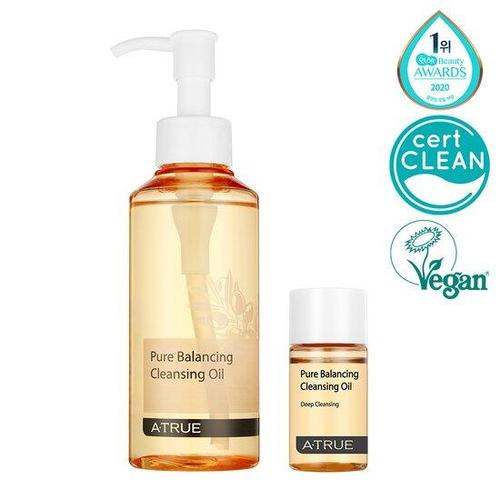
Pure Balancing Cleansing Oil Special Set
ATRUE
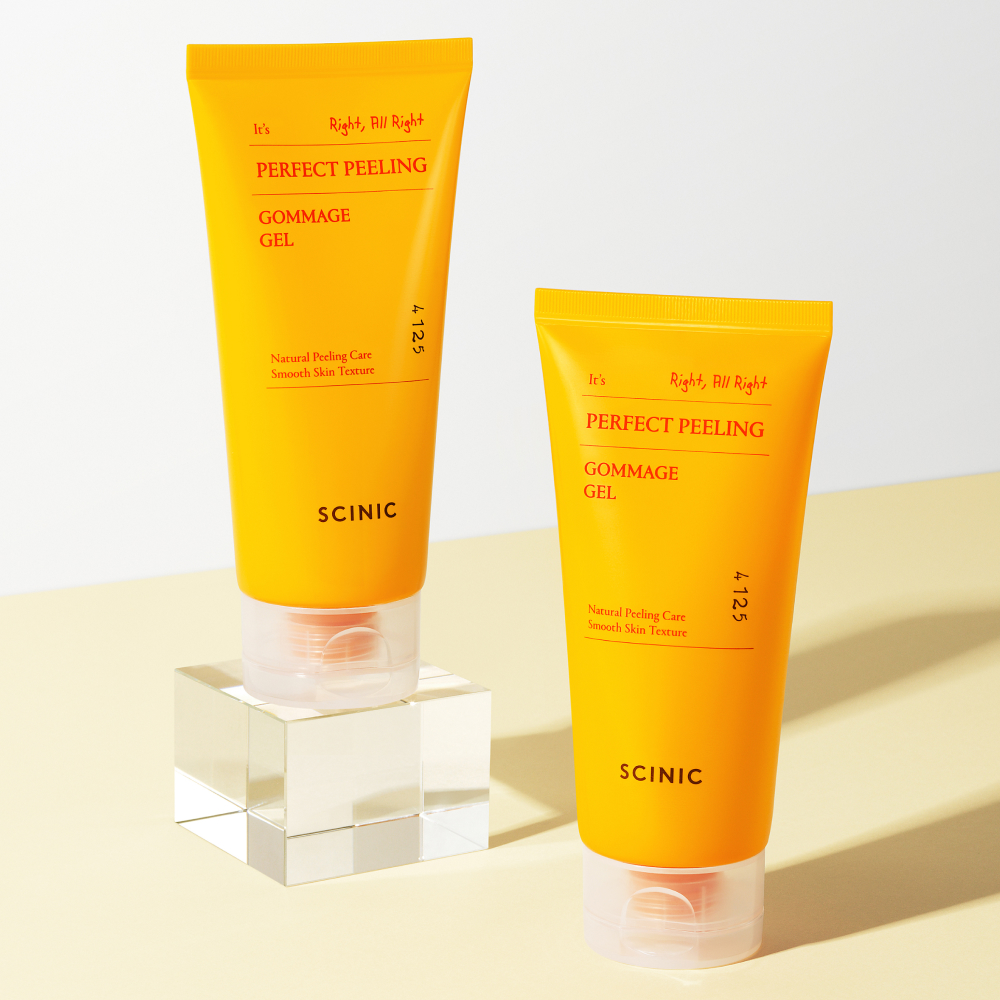
Perfect Peeling Gommage Gel
Scinic
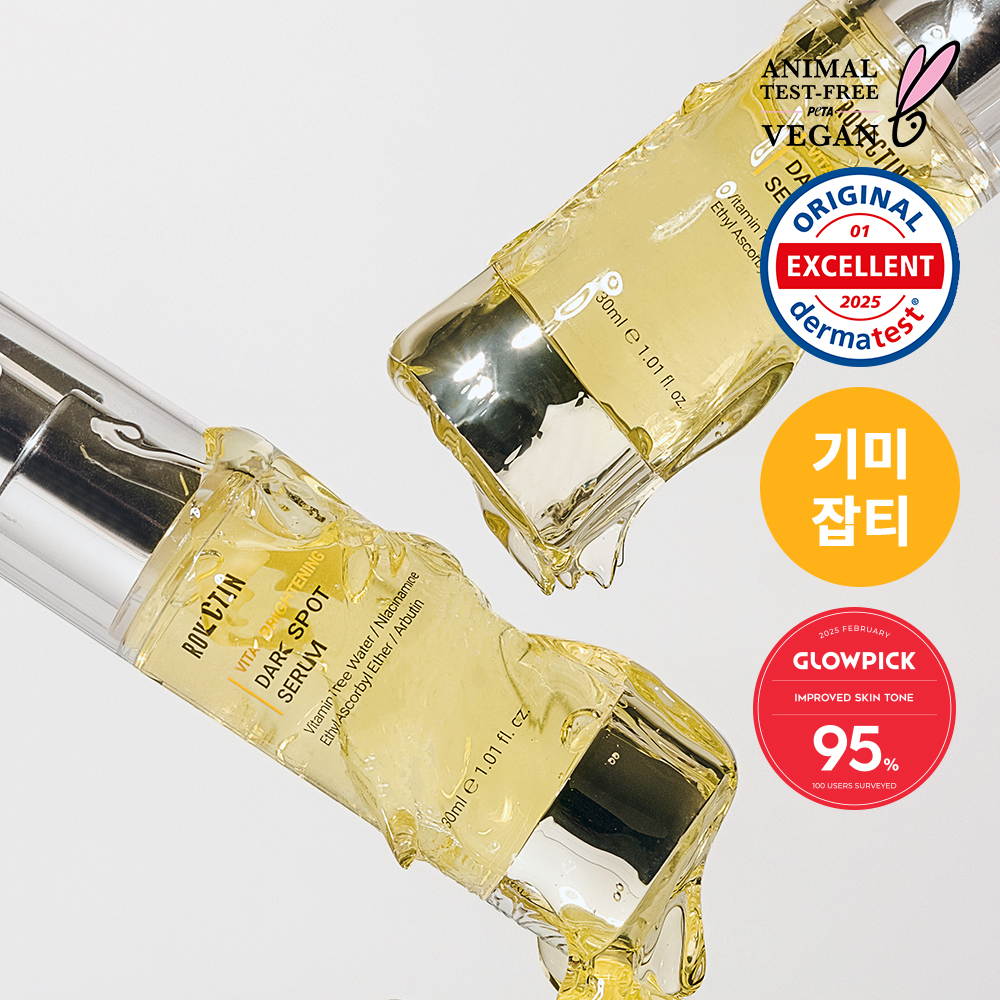
Vita Brightening Dark Spot Serum
Rovectin
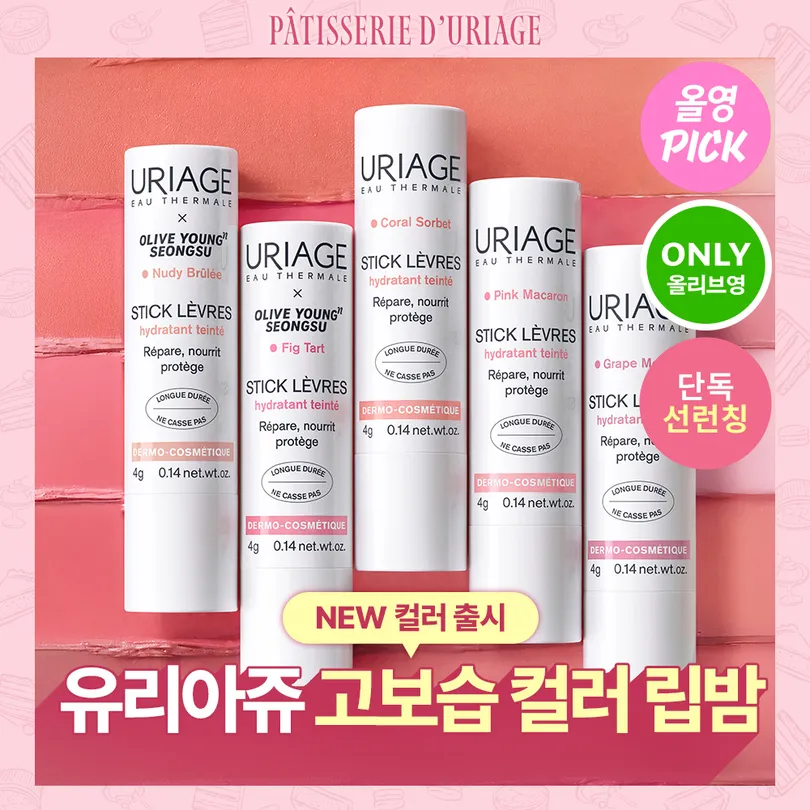
Stick Lèvres Colored Lip Balm
Uriage
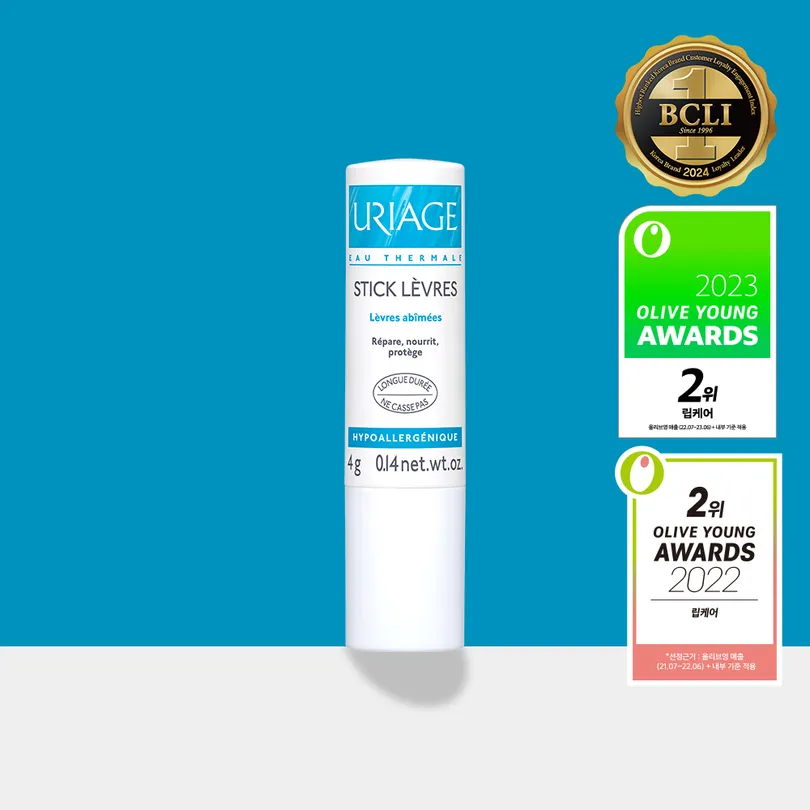
Stick Lévres Lip Balm
Uriage
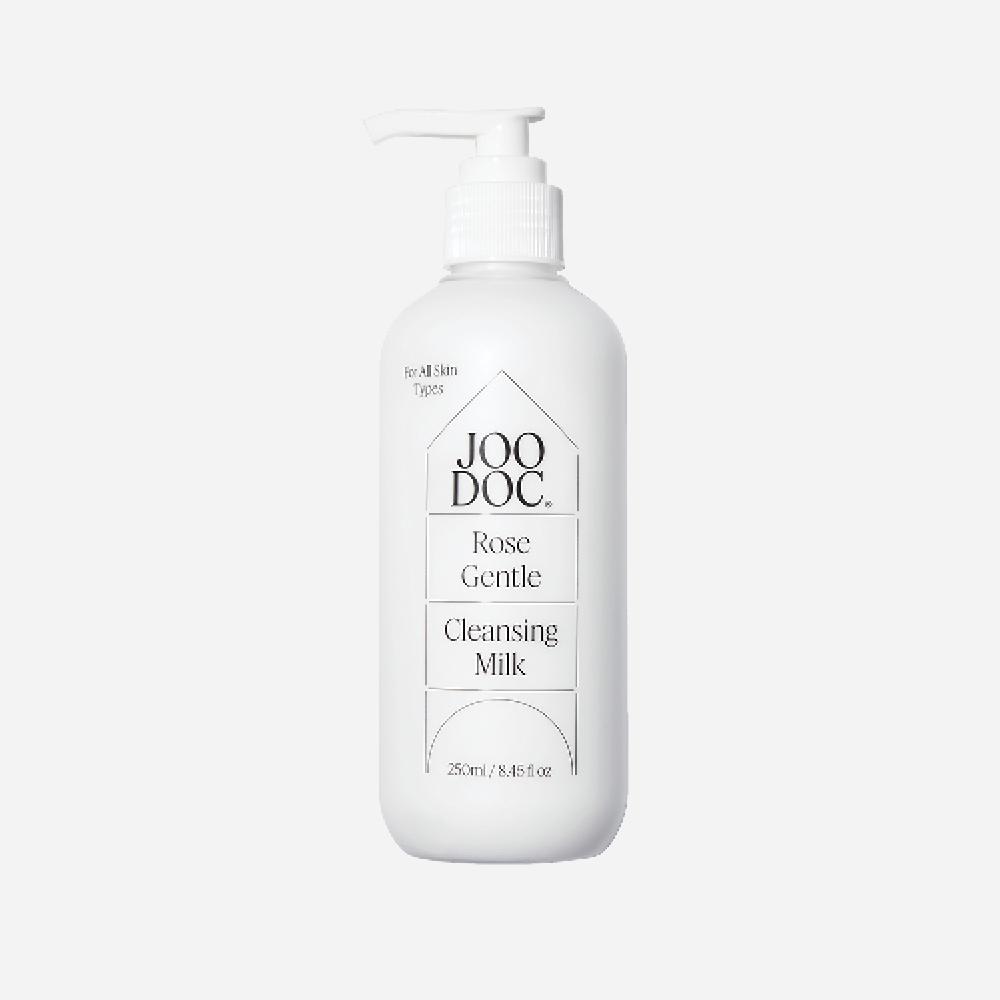
Rose Gentle Cleansing Milk
Makeprem
Frequently Asked Questions
Will borage seed oil break me out if I have acne-prone skin?▼
How is borage seed oil different from evening primrose oil?▼
Can I use borage seed oil if I'm pregnant or breastfeeding?▼
Does borage seed oil need to be refrigerated?▼
How long does it take to see results from borage seed oil for barrier repair?▼
Explore More
Want personalized ingredient advice?
Yuri, our AI beauty advisor, can tell you how Borage Seed Oil works with your specific skin type, routine, and concerns.
Ask Yuri, free