Rapeseed Extract
INCI: Brassica Campestris (Rapeseed) Extract
Antioxidant and skin conditioning agent
About Rapeseed Extract
Rapeseed extract, derived from the Brassica campestris plant (also known as turnip or field mustard), is a botanical ingredient that brings antioxidant protection and skin conditioning benefits to K-beauty formulations. This plant extract is rich in essential fatty acids, vitamins E and K, and phytosterols that work together to strengthen the skin barrier and protect against environmental stressors. In K-beauty, rapeseed extract appears primarily in cleansing products and soothing gels, where it helps maintain skin's moisture balance even during the cleansing process. With a low comedogenic rating of 1/5, it's suitable for most skin types without risk of clogging pores. The extract's antioxidant properties help neutralize free radicals from pollution and UV exposure, while its emollient qualities leave skin feeling soft and conditioned rather than stripped. You'll find it in 14 products on Seoul Sister, including highly-rated cleansers like the Wonder Bath Super Vegitoks Packcleanser (5.0/5) and iUNIK's Centella Mild Cleansing Foam (5.0/5), as well as the cult-favorite Bringgreen Aloe 97% Soothing Gel (4.9/5). K-beauty brands value rapeseed extract for its gentle, nourishing profile that complements the philosophy of treating skin kindly while delivering real results.
How Rapeseed Extract Works
Rapeseed extract works on multiple levels to benefit skin health. Its high concentration of omega-3 and omega-6 fatty acids integrates into the lipid matrix of the stratum corneum, reinforcing the skin's natural barrier function and reducing transepidermal water loss. The vitamin E content (tocopherols) acts as a lipid-soluble antioxidant, intercepting free radicals before they can damage cell membranes and accelerate aging. Phytosterols in the extract mimic cholesterol's structure, helping to organize and stabilize the lipid bilayer while also demonstrating anti-inflammatory properties that calm irritation at the cellular level. The extract's vitamin K component supports skin's natural healing processes and helps reduce the appearance of redness by supporting capillary integrity. When applied topically in cleansers, the emollient properties create a protective film that prevents excessive moisture loss during washing, which is why it's particularly valued in K-beauty cleansing formulations that aim to cleanse thoroughly without compromising the skin barrier.
Rapeseed Extract by Skin Type
Oily Skin
Rapeseed extract works well for oily skin due to its non-comedogenic nature (rated 1/5) and lightweight conditioning properties. It provides antioxidant protection without adding heaviness or contributing to excess sebum production, making it ideal in cleansers that need to remove oil without triggering rebound oiliness.
Dry Skin
This ingredient is particularly beneficial for dry skin types, as its essential fatty acid content helps repair compromised skin barriers and lock in moisture. The emollient properties prevent the tight, stripped feeling often experienced after cleansing, while the vitamin E supports long-term skin barrier health and hydration retention.
Combo Skin
Combination skin benefits from rapeseed extract's balanced approach to skin conditioning. It provides sufficient moisture to dry areas without overwhelming the T-zone, and its antioxidant properties protect all areas of the face equally, making it an excellent choice in products designed for mixed skin concerns.
Sensitive Skin
The anti-inflammatory phytosterols and gentle conditioning action make rapeseed extract suitable for sensitive skin. Its natural origin and proven safety rating (4/5) mean it's less likely to trigger reactions, and it actually helps calm inflammation while protecting against environmental irritants that can exacerbate sensitivity.
Normal Skin
Normal skin types can use rapeseed extract to maintain their skin's healthy status quo. The antioxidant protection guards against premature aging from environmental exposure, while the conditioning benefits keep skin feeling comfortable and balanced without adding unnecessary richness.
How to Use Rapeseed Extract
- 1Look for rapeseed extract in your morning cleansers to help protect your skin barrier before facing daily environmental stressors like pollution and UV exposure.
- 2When using products containing rapeseed extract, you may find you need less moisturizer afterward due to its conditioning properties, especially if you have normal to oily skin.
- 3Rapeseed extract works synergistically with other antioxidants like centella asiatica and aloe, which is why it appears in many soothing gel formulations.
- 4Because it's non-comedogenic, you can safely use rapeseed extract products multiple times daily without worrying about breakouts or clogged pores.
Background
Rapeseed (Brassica campestris) has been cultivated for thousands of years, primarily in Asia and Europe, initially for its oil-rich seeds used in cooking and lamp fuel. The plant belongs to the same family as cabbage, broccoli, and mustard, and has been used in traditional Asian medicine for its anti-inflammatory properties. In skincare, rapeseed oil gained attention in the late 20th century when researchers identified its impressive fatty acid profile and vitamin content. K-beauty brands began incorporating rapeseed extract (rather than just the oil) into formulations in the 2010s, recognizing that the whole plant extract contained additional beneficial compounds like phytosterols and antioxidants beyond what the pure oil offered. Its inclusion in cleansing products reflects K-beauty's focus on gentle, barrier-protecting cleansing methods.
K-Beauty Products with Rapeseed Extract
View all 16 →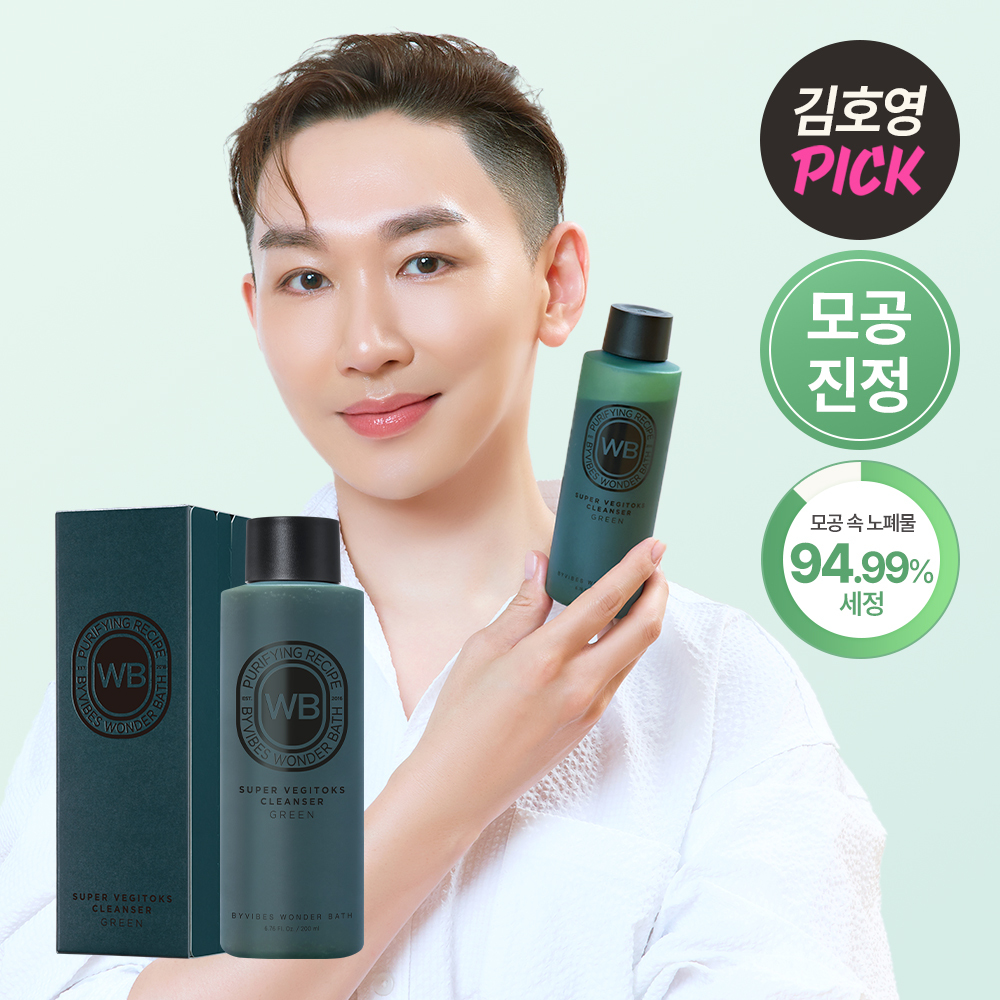
Wonder Bath Super Vegitoks Packcleanser
Chosungah Beauty
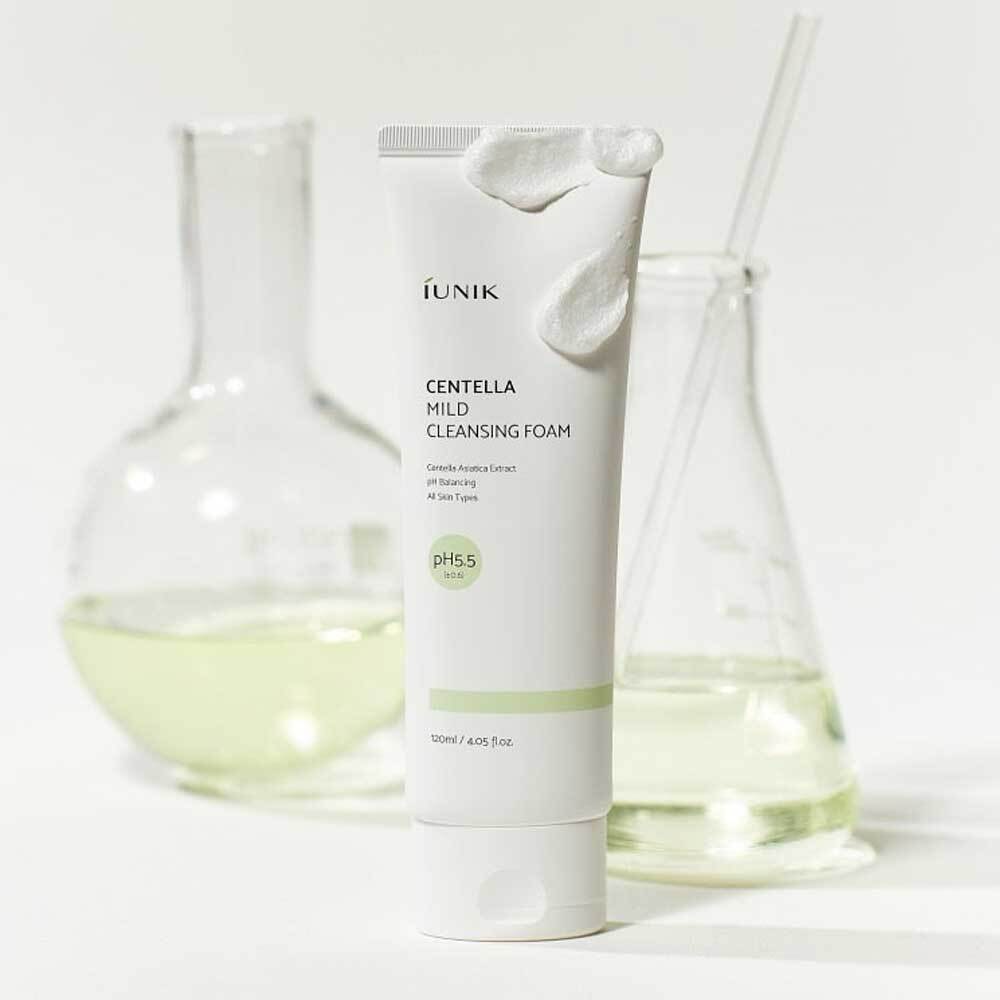
Centella Mild Cleansing Foam
iUNIK
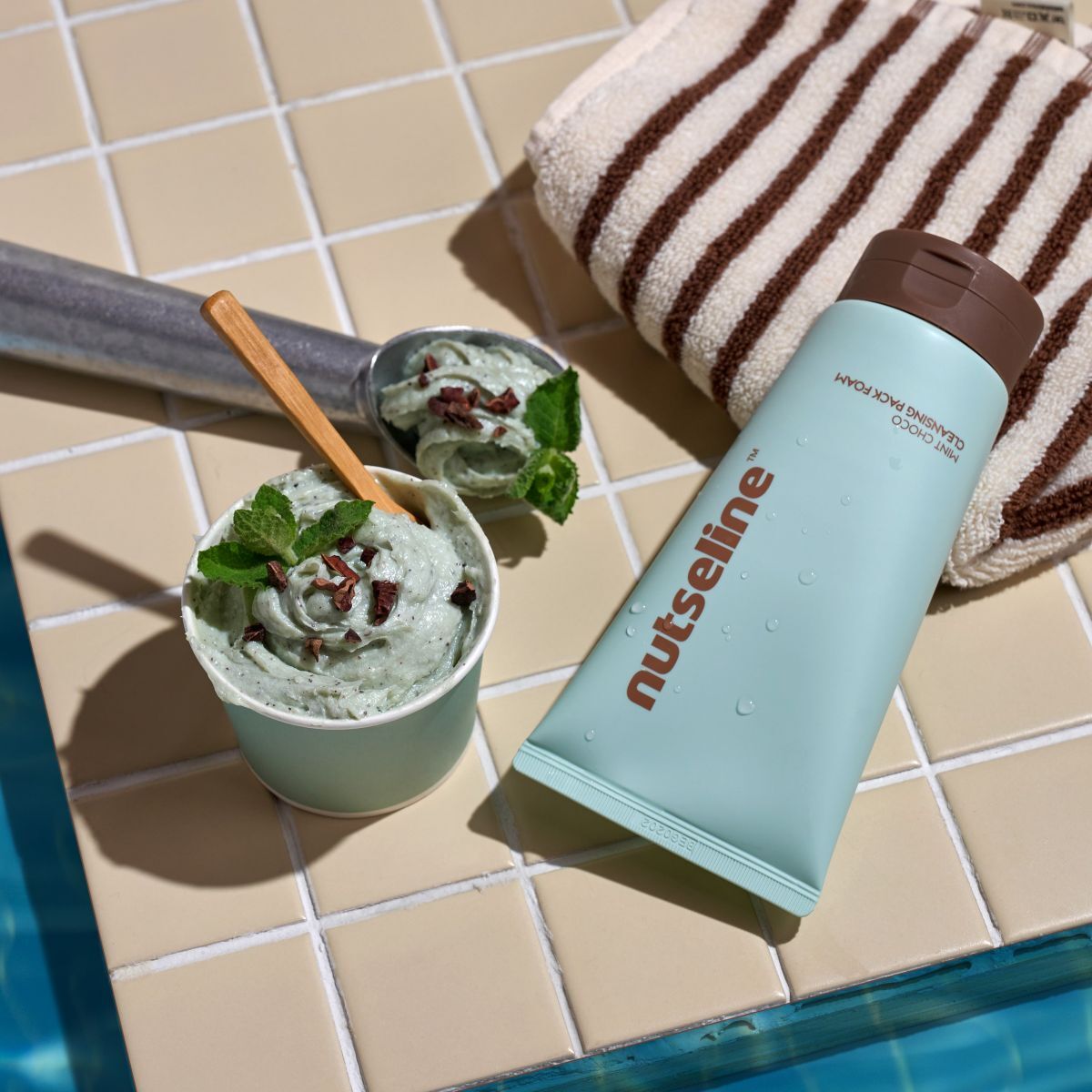
Mint Choco Cleansing Pack Foam
Nutseline
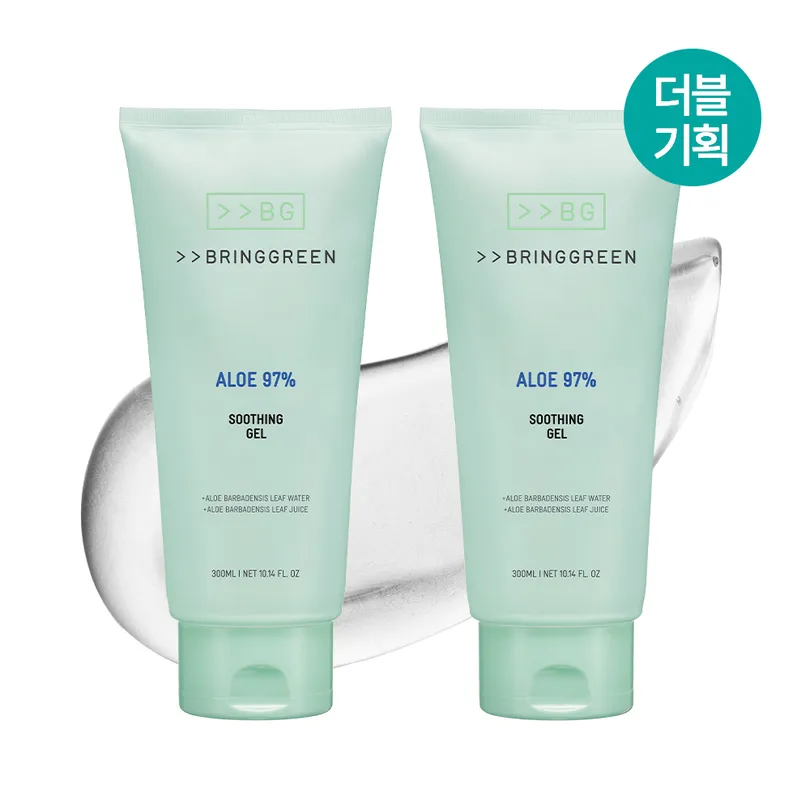
Aloe 97% Soothing Gel 300ml Double Pack
Bringgreen
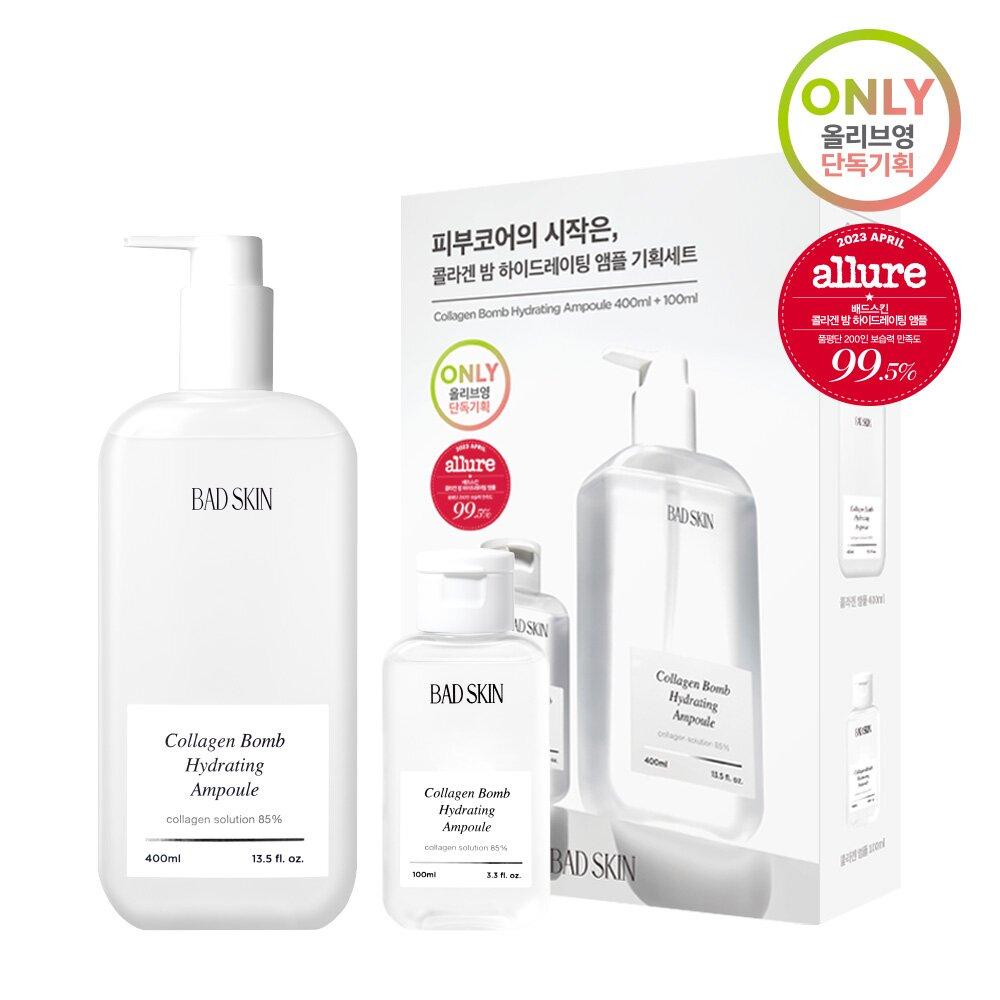
Collagen Bomb Hydrating Ampoule
Anua
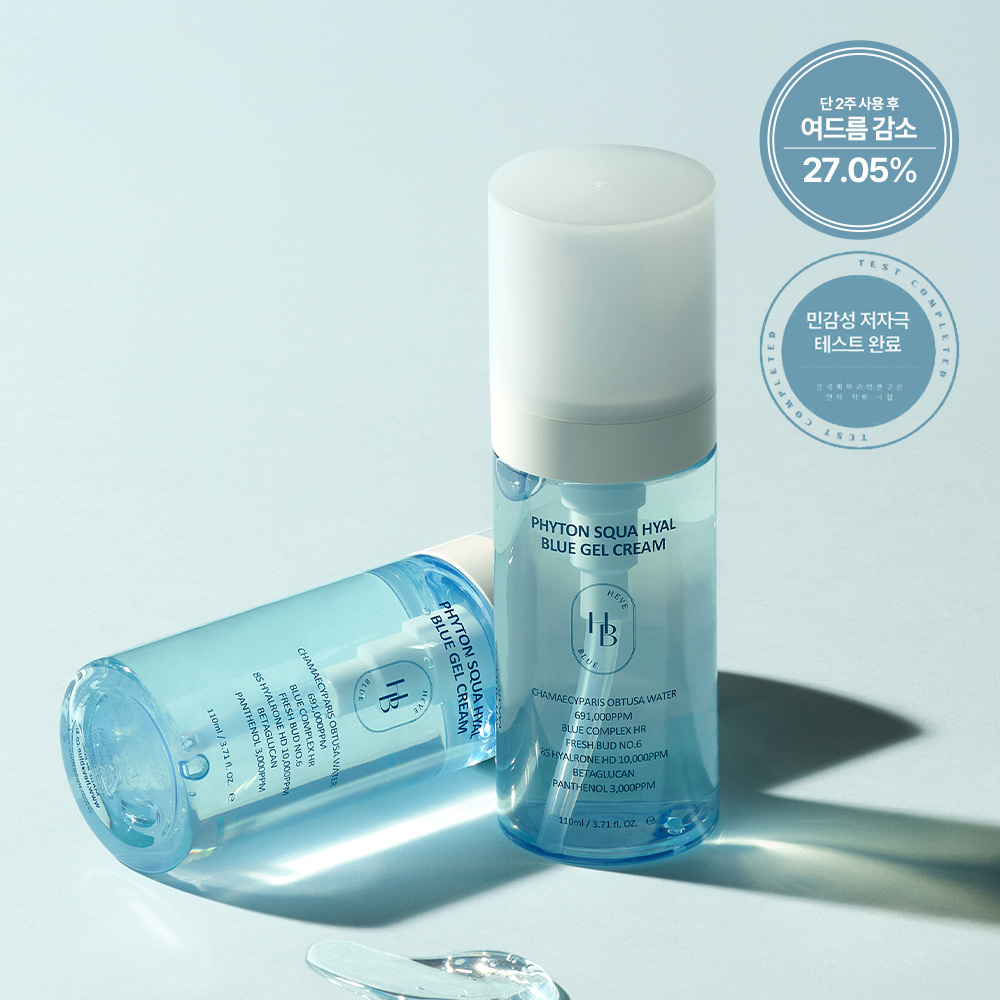
Phyton Squa Hyal Blue Gel Cream
HEVEBLUE
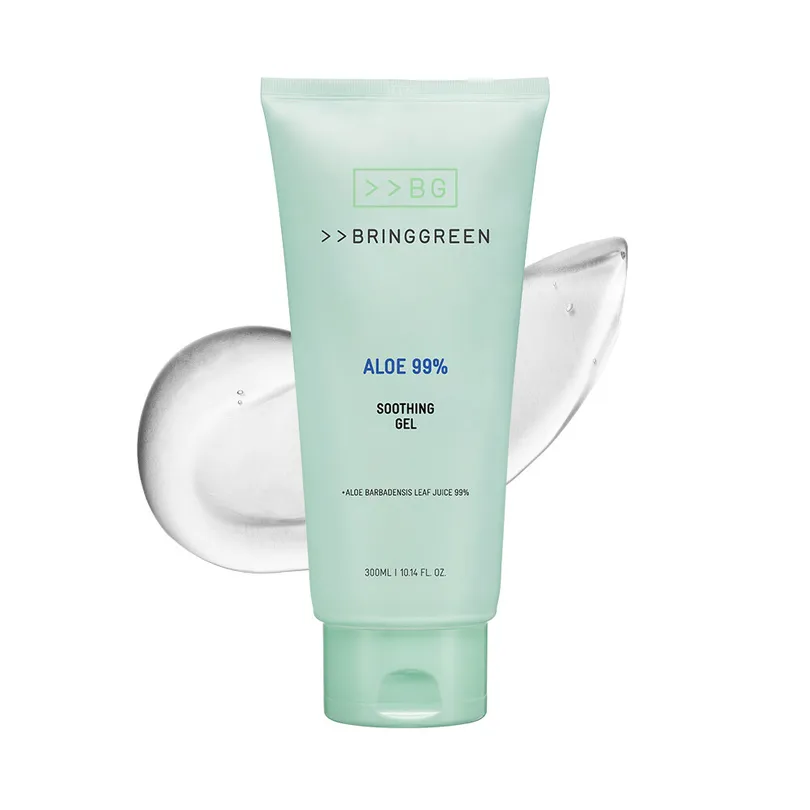
Aloe 99% Soothing Gel
Bringgreen
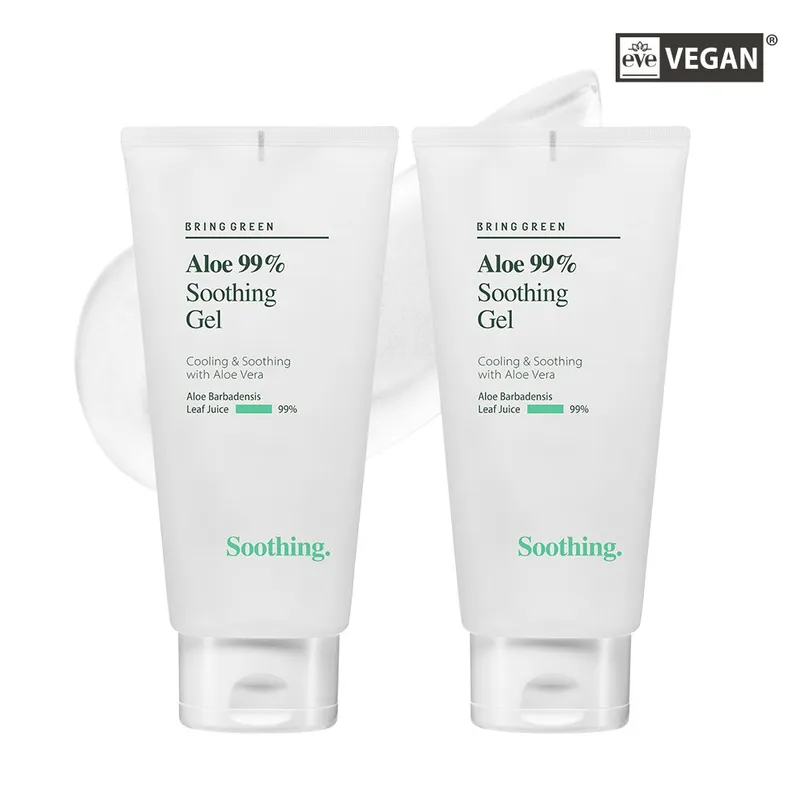
Aloe 99% Soothing Gel Double Pack
Bringgreen
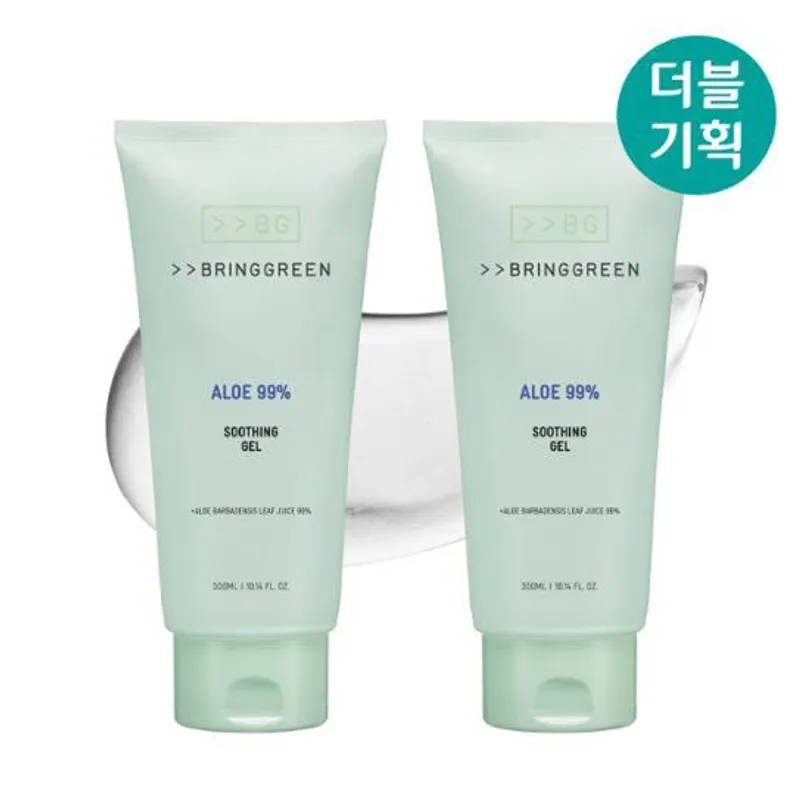
Aloe 99% Soothing Gel 300ml Double Pack
Bringgreen
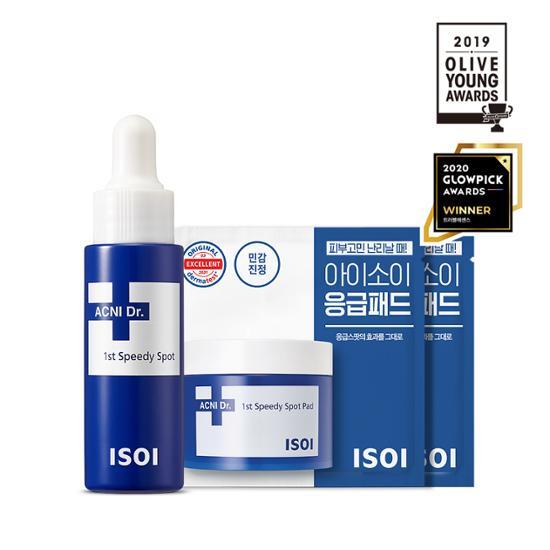
Acni Dr. 1st Speedy Spot Special Set
Isoi
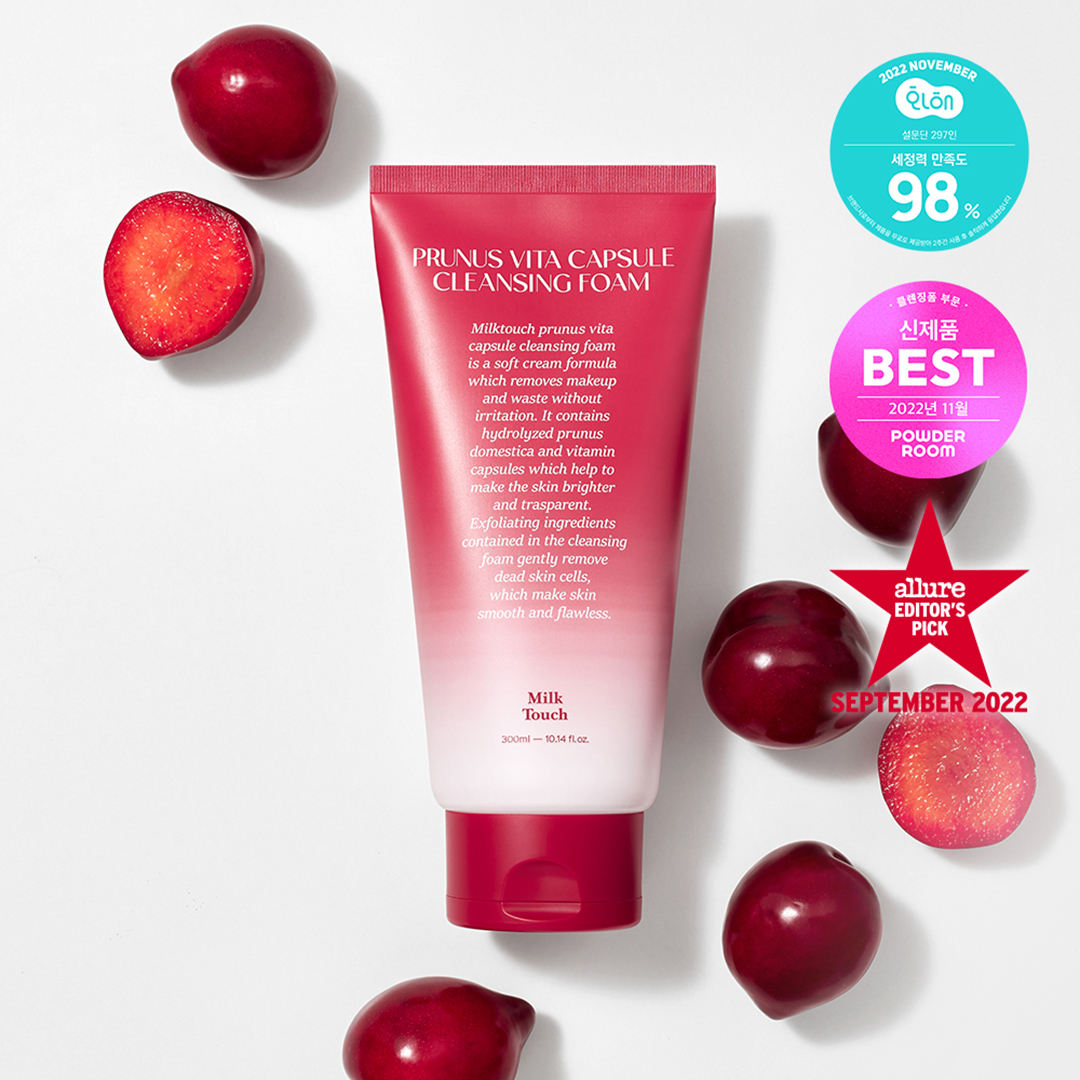
Prunus Vita Capsule Cleansing Foam
MilkTouch
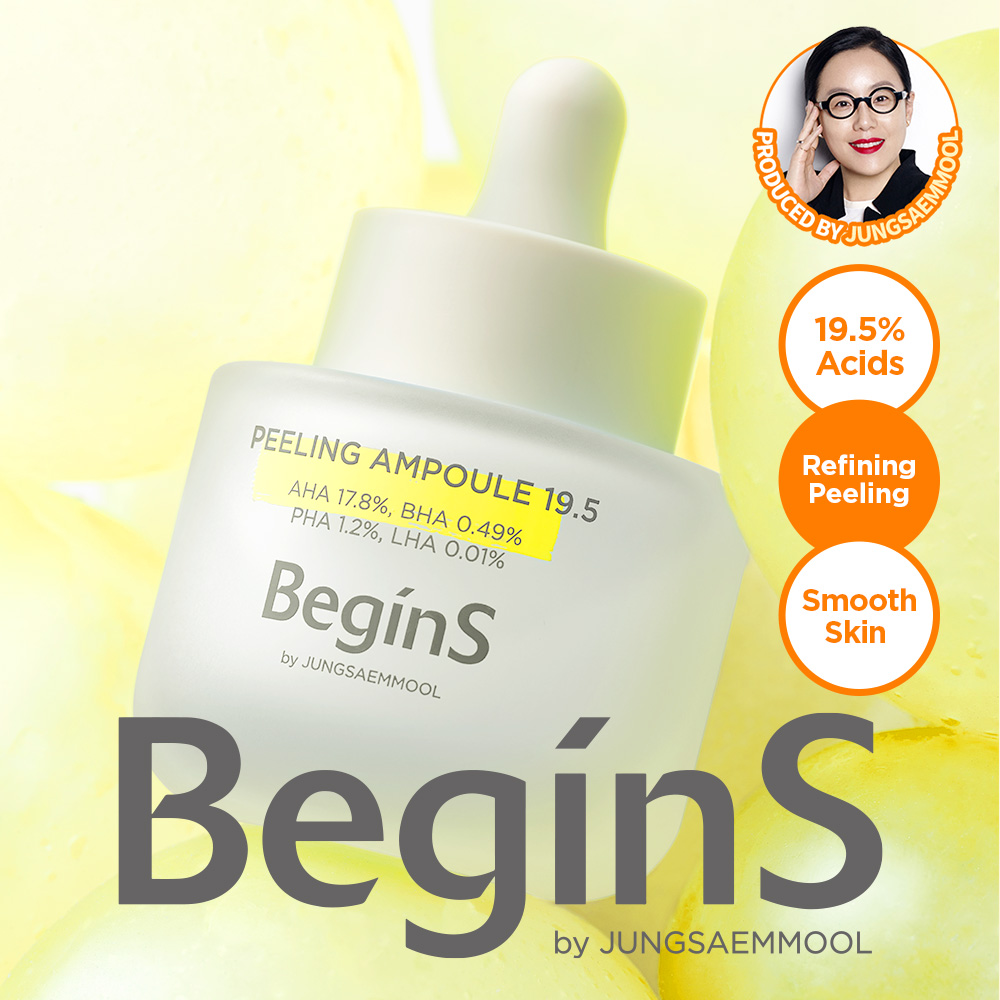
Peeling Ampoule 19.5
Begins by JUNGSAEMMOOL
Frequently Asked Questions
Is rapeseed extract the same as canola oil in skincare?▼
Why is rapeseed extract so common in K-beauty cleansers?▼
Can rapeseed extract cause allergic reactions?▼
Does rapeseed extract help with anti-aging?▼
Explore More
Want personalized ingredient advice?
Yuri, our AI beauty advisor, can tell you how Rapeseed Extract works with your specific skin type, routine, and concerns.
Ask Yuri, free