Rapeseed Sterols
INCI: Brassica Campestris (Rapeseed) Sterols
Emollient and skin barrier strengthening agent
About Rapeseed Sterols
Rapeseed sterols are plant-derived lipids extracted from rapeseed (Brassica campestris), functioning as both an emollient and a barrier-strengthening powerhouse in K-beauty formulations. These phytosterols have a molecular structure remarkably similar to cholesterol in human skin, which allows them to integrate seamlessly into the lipid matrix of your skin barrier. Unlike many botanical ingredients that offer surface-level benefits, rapeseed sterols actually work to repair and fortify the intercellular cement that holds your skin cells together. This makes them particularly valuable in K-beauty products focused on restoring compromised barriers or supporting retinoid treatments, which is why you'll find them in high-performing formulations like Beplain's z+piderm EGF Skin Barrier Cleansing Foam and Arencia's Retinal Booster Shot. With a low comedogenic rating of 1/5 and presence in 103 products across Seoul Sister's database, rapeseed sterols represent the K-beauty industry's sophisticated approach to barrier care: using biomimetic ingredients that work with your skin's natural structure rather than against it. They're especially prized for their ability to reduce transepidermal water loss while maintaining a lightweight feel, unlike heavier occlusive agents that can feel greasy or pore-clogging.
How Rapeseed Sterols Works
Rapeseed sterols function through biomimetic integration with your skin's natural lipid barrier. The stratum corneum (your outermost skin layer) relies on a precise mixture of ceramides, cholesterol, and fatty acids arranged in lamellar bilayers. Rapeseed sterols, particularly beta-sitosterol and campesterol, structurally mimic the cholesterol component, allowing them to slot directly into these lipid layers and reinforce barrier integrity. At a cellular level, they help regulate the synthesis of barrier lipids by signaling keratinocytes to produce more ceramides and other essential components. This isn't just surface hydration. Rapeseed sterols actively reduce transepidermal water loss (TEWL) by filling gaps in the lipid matrix where moisture would otherwise escape. They also demonstrate anti-inflammatory properties by inhibiting certain cytokines that trigger irritation, which explains their frequent pairing with active ingredients like retinal in products such as ONE THING's Peptide Retinal Cream. The result is a restored barrier that retains moisture more effectively, appears plumper, and shows improved resilience against environmental stressors.
Rapeseed Sterols by Skin Type
Oily Skin
Rapeseed sterols work exceptionally well for oily skin because they strengthen the barrier without adding heavy occlusion. A compromised barrier often triggers excess sebum production as your skin tries to compensate for moisture loss, so barrier repair can actually help regulate oil. The lightweight texture and low comedogenic rating (1/5) mean they won't clog pores or contribute to breakouts.
Dry Skin
This is where rapeseed sterols truly excel. Dry skin almost always involves a weakened barrier with increased transepidermal water loss, and rapeseed sterols directly address this by reinforcing the lipid matrix. They help your skin hold onto moisture more effectively while providing emollient properties that smooth rough texture. Products like Beplain's barrier-focused cleansers demonstrate how even rinse-off formulations can deliver meaningful hydration support.
Combo Skin
Rapeseed sterols are ideal for combination skin because they provide targeted barrier support without the heaviness that might overwhelm normal zones or the greasiness that could exacerbate oily areas. They help balance your skin's natural moisture distribution, which often becomes uneven in combination types. The ingredient's ability to regulate both water loss and inflammation makes it valuable across different facial zones.
Sensitive Skin
Sensitive skin often stems from or leads to barrier dysfunction, making rapeseed sterols particularly beneficial. Their anti-inflammatory properties help calm reactivity while their barrier-strengthening effects reduce sensitivity to environmental triggers. The fact that top-rated products on Seoul Sister pair rapeseed sterols with potentially irritating actives like retinal (see Arencia's Retinal Booster Shot at 5.0/5) suggests they provide meaningful protection against active-induced sensitivity.
Normal Skin
Even normal skin benefits from rapeseed sterols as a preventive measure. They maintain optimal barrier function, which helps preserve that balanced state and prevent the development of concerns. Think of them as insurance for your skin's natural resilience, particularly valuable in harsh weather, polluted environments, or during periods of stress that might otherwise compromise barrier integrity.
How to Use Rapeseed Sterols
- 1Layer rapeseed sterol products after water-based serums but before heavier occlusives to maximize their integration into the lipid barrier.
- 2Look for them in cleansers if you struggle with tight, dry skin after washing (like Beplain's 5.0-rated barrier cleansers) since they can help prevent the barrier disruption that harsh surfactants cause.
- 3Pair with retinoids or exfoliating acids, as products like ONE THING's Peptide Retinal Cream (4.9/5) demonstrate how rapeseed sterols buffer irritation from actives while maintaining their efficacy.
- 4Use consistently for at least 4-6 weeks to see significant barrier improvements, since lipid matrix repair is a gradual biological process, not an instant cosmetic effect.
Background
Rapeseed (Brassica campestris) has been cultivated for thousands of years across Asia and Europe, initially as a cooking oil source, but its skincare potential emerged from research into plant sterols' structural similarity to human skin cholesterol. The K-beauty industry's focus on barrier science in the 2010s drove increased incorporation of phytosterols like those from rapeseed, as formulators sought alternatives to synthetic barrier ingredients. Korean brands particularly embraced rapeseed sterols because they aligned with the industry's preference for plant-derived actives with demonstrated biochemical mechanisms. The ingredient gained prominence as barrier-focused brands like Beplain built entire product lines around supporting compromised skin, recognizing that rapeseed sterols offered both immediate emollient benefits and long-term structural repair. Today, their presence in 103 products across Seoul Sister's database reflects their status as a workhorse ingredient in K-beauty barrier care.
K-Beauty Products with Rapeseed Sterols
View all 109 →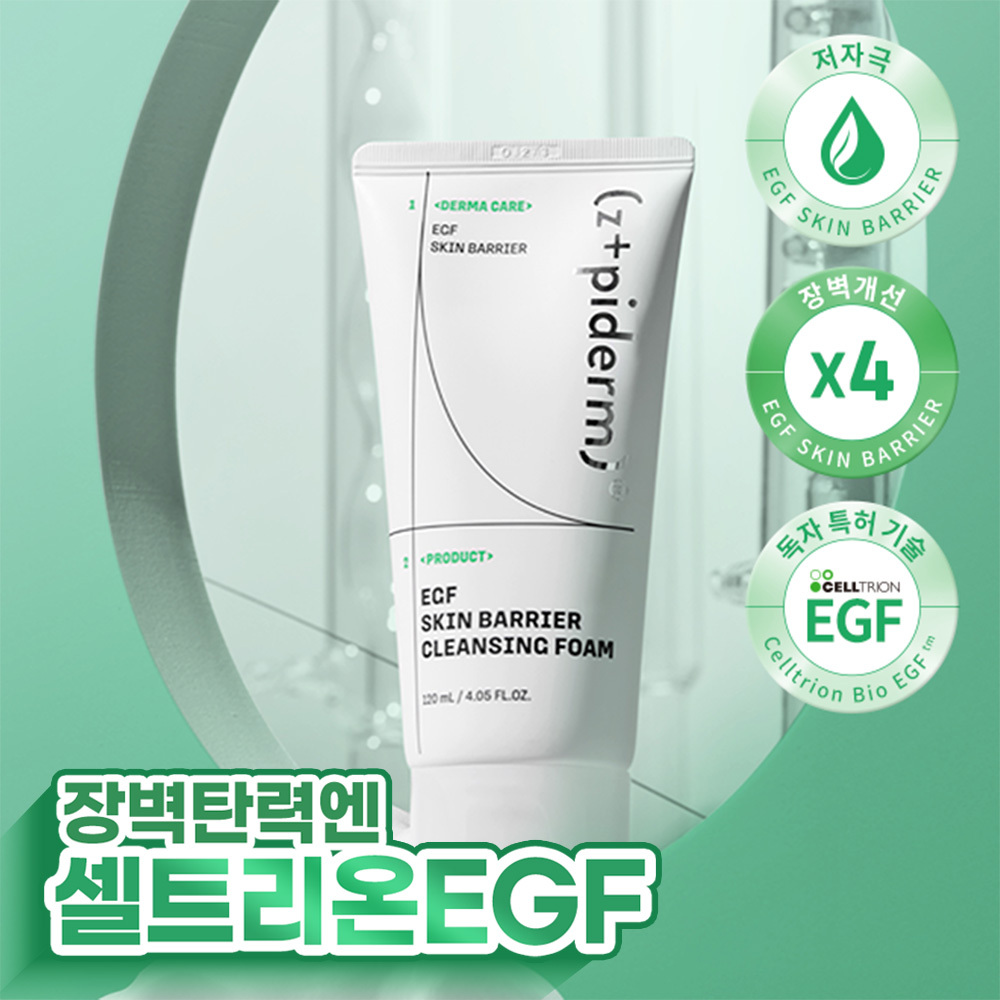
z+piderm EGF Skin Barrier Cleansing Foam
Beplain
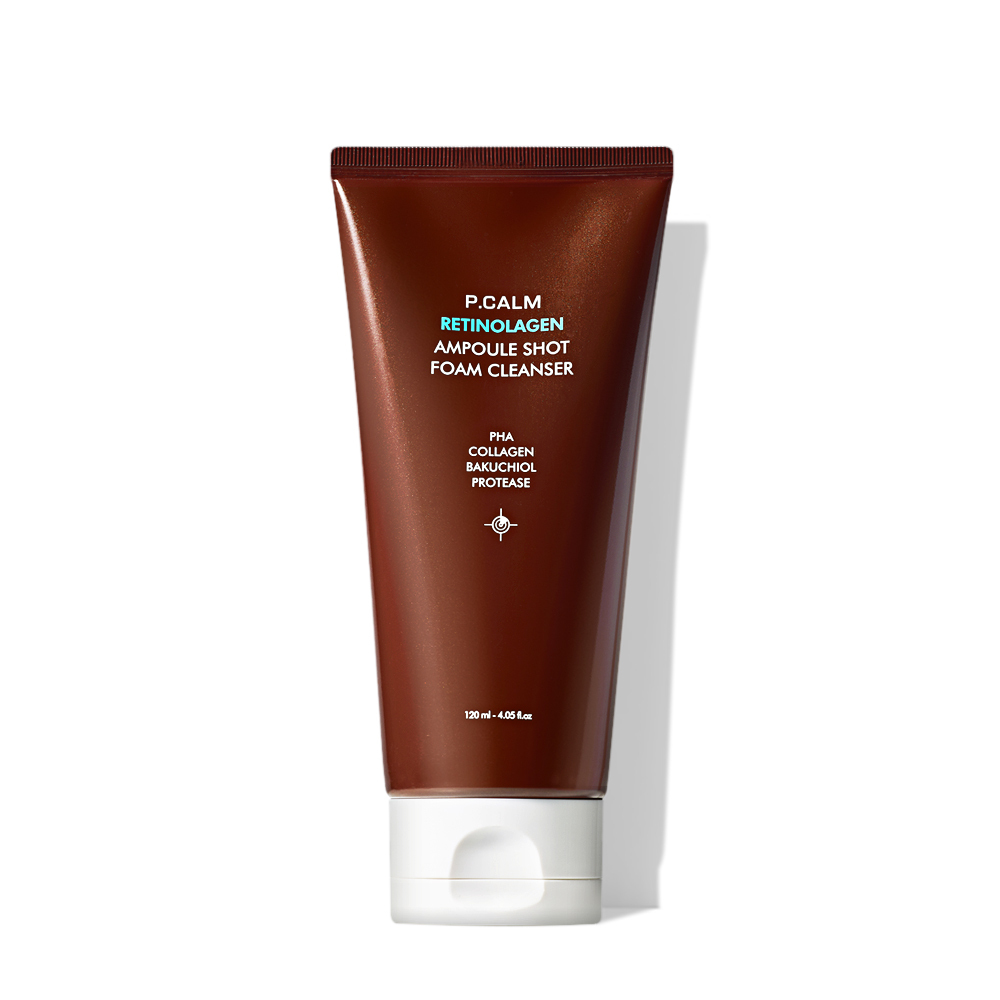
P.CALM Retinolagen Ampoule Shot Foam Cleanser
Beplain
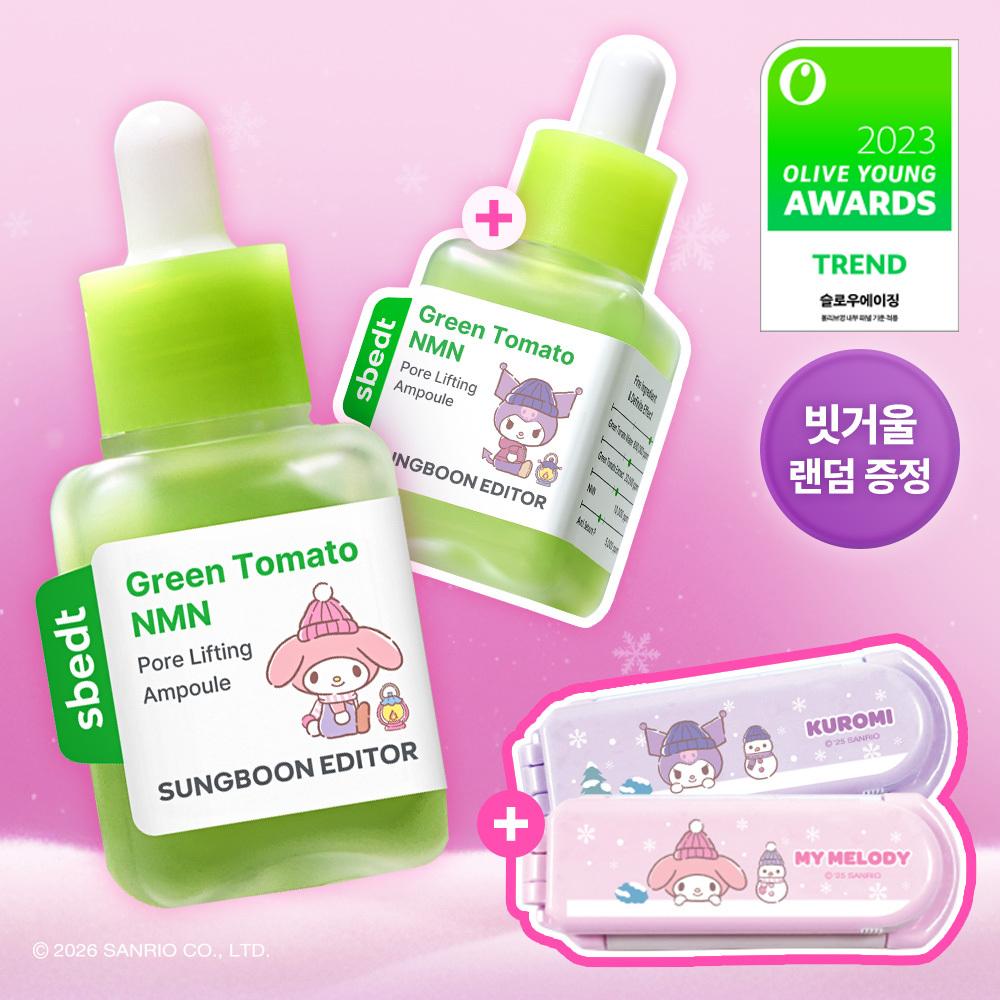
Green Tomato NMN Pore Lifting Ampoule
Sungboon Editor
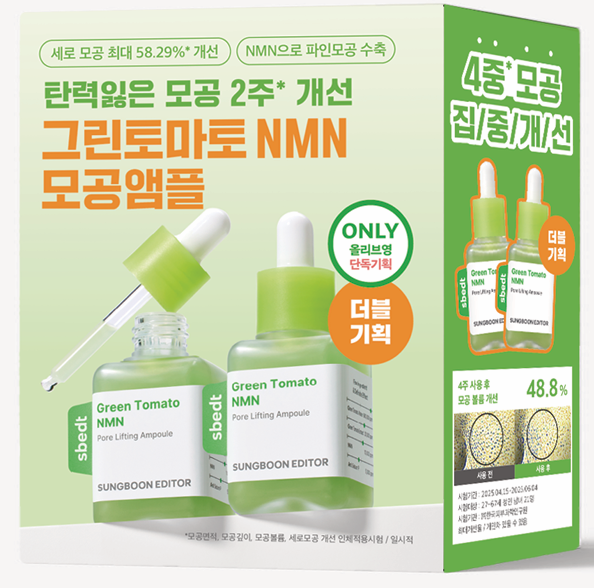
Green Tomato NMN Pore Lifting Ampoule Double Pack
Sungboon Editor
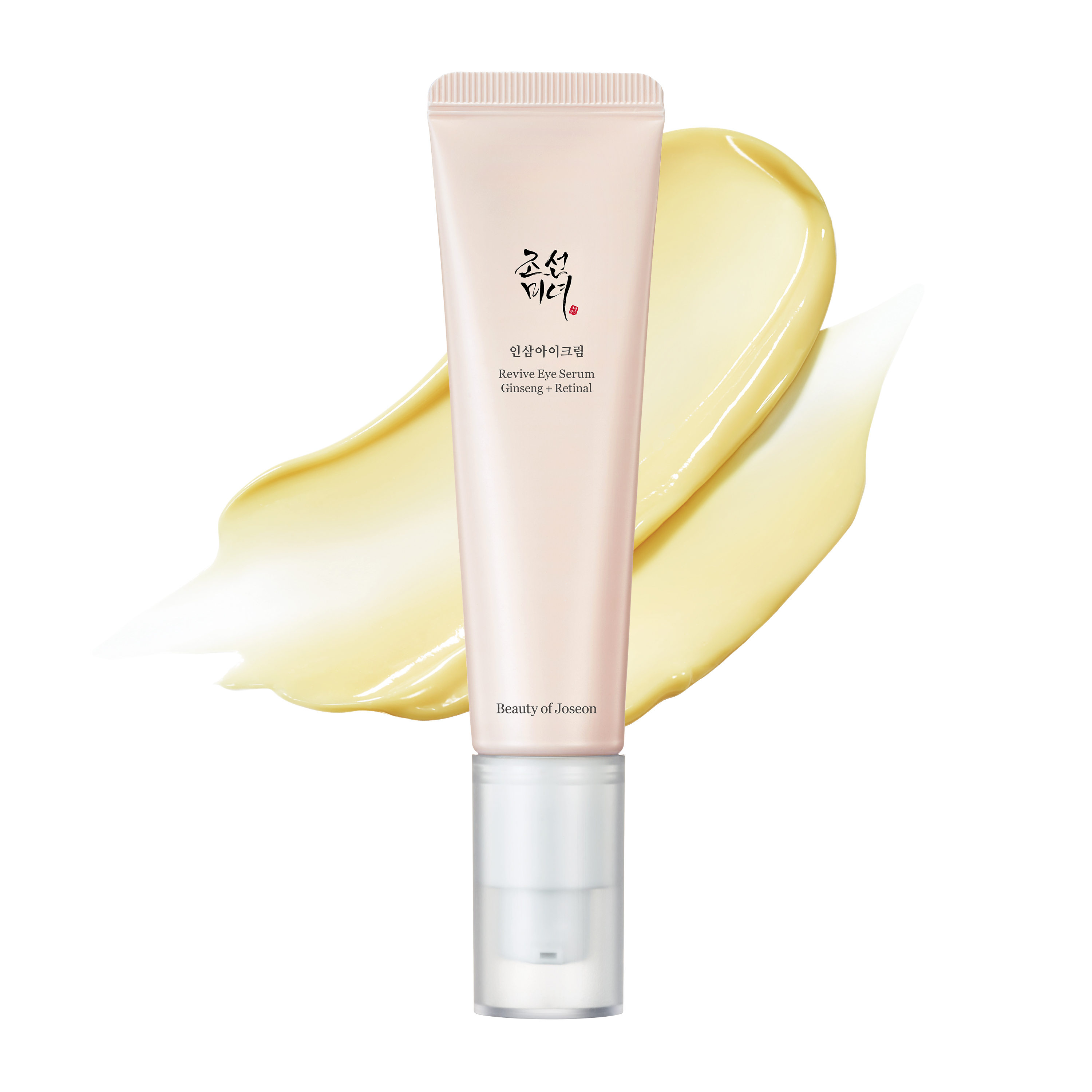
Revive Eye Serum Ginseng + Retinal
Beauty of Joseon

Retino Collagen Low Molecular 300 Guasha Neck Cream
CKD
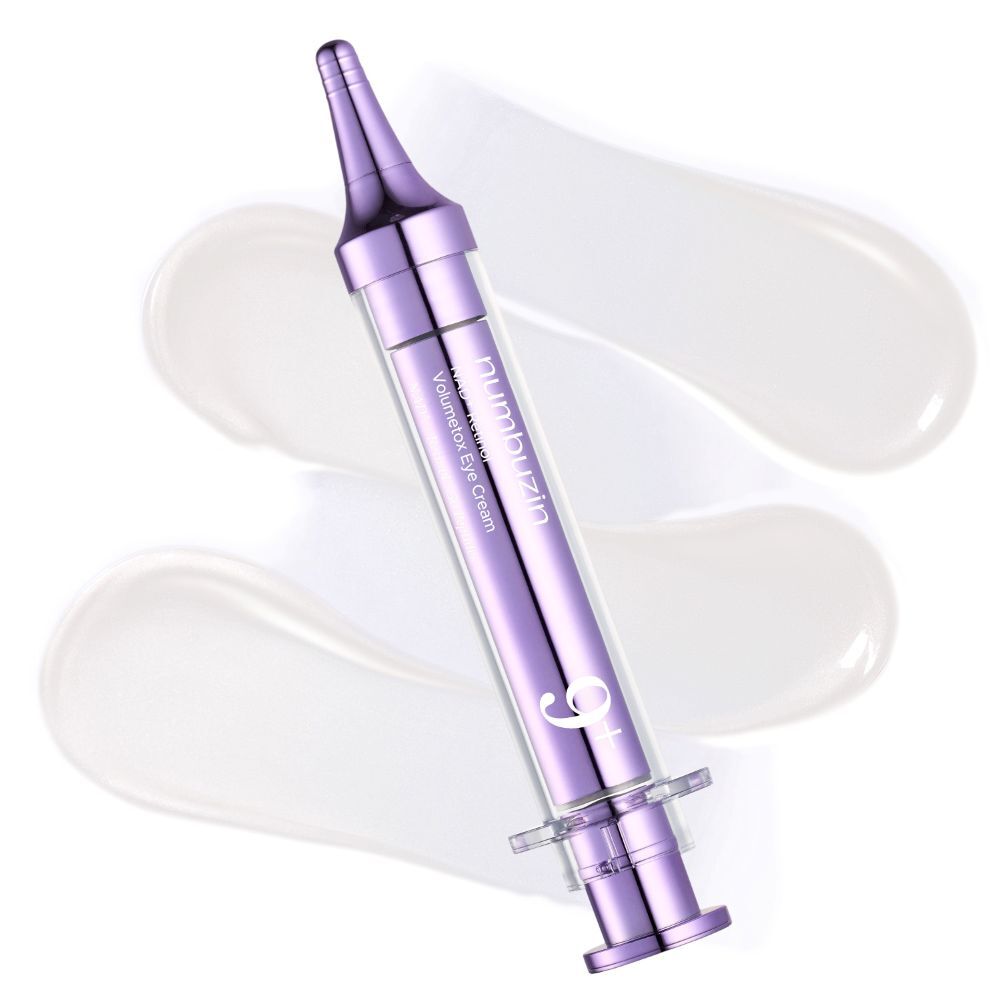
No. 9 NAD RetinA Volume Shot Eye Cream
Numbuzin
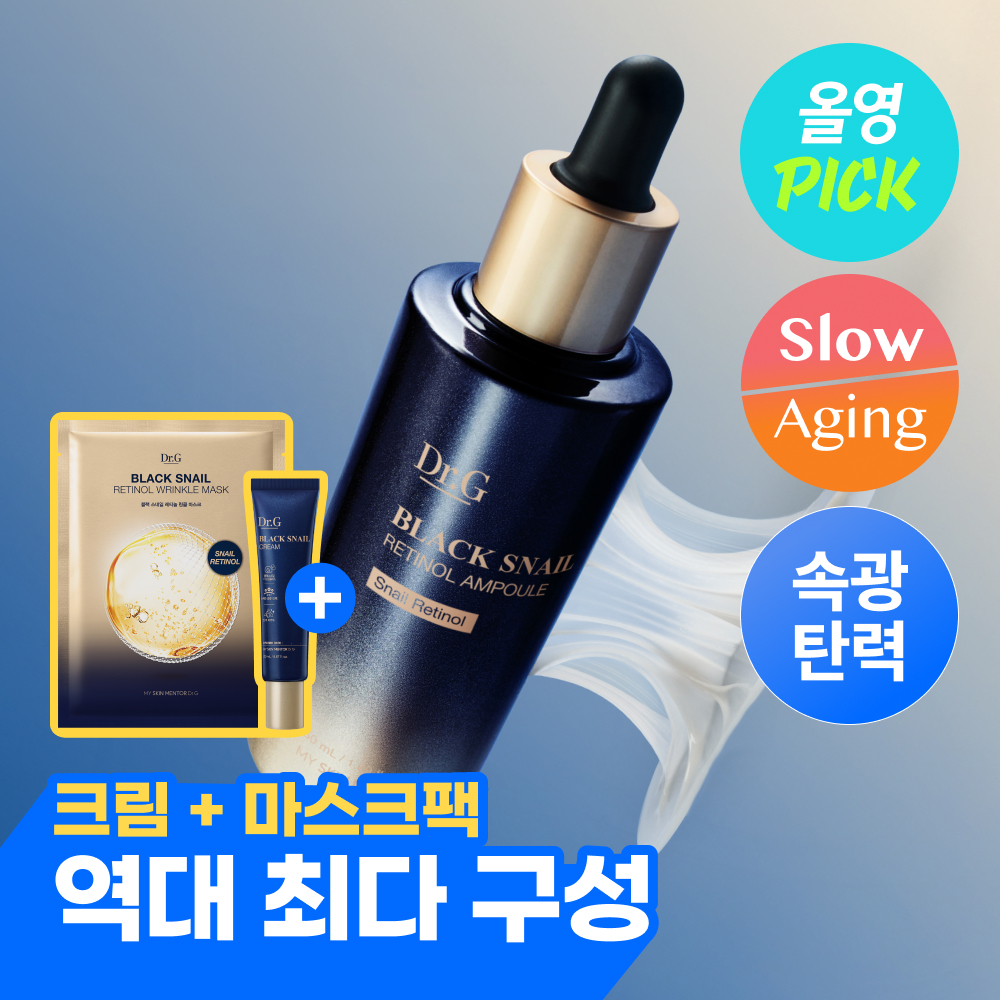
Black Snail Retinol Ampoule Set
Dr.G
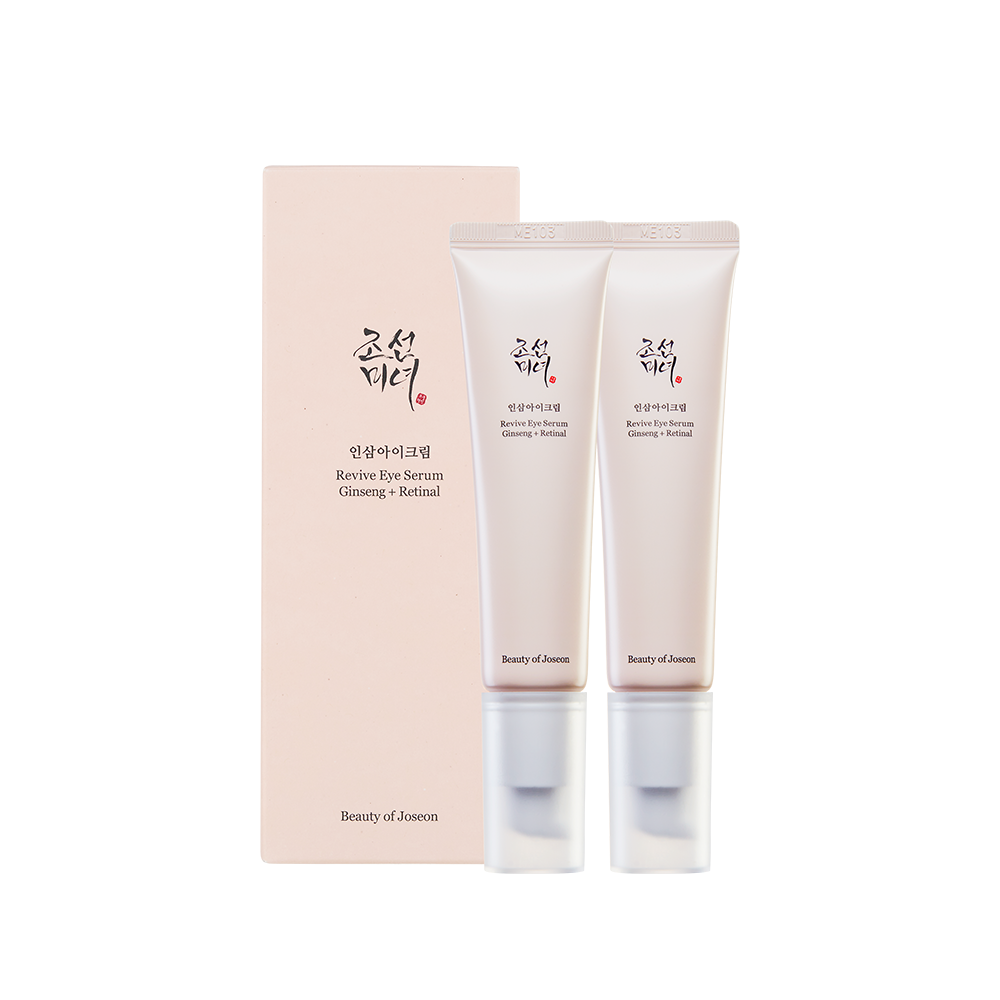
Revive Eye Serum: Ginseng + Retinol Double Pack
Beauty of Joseon
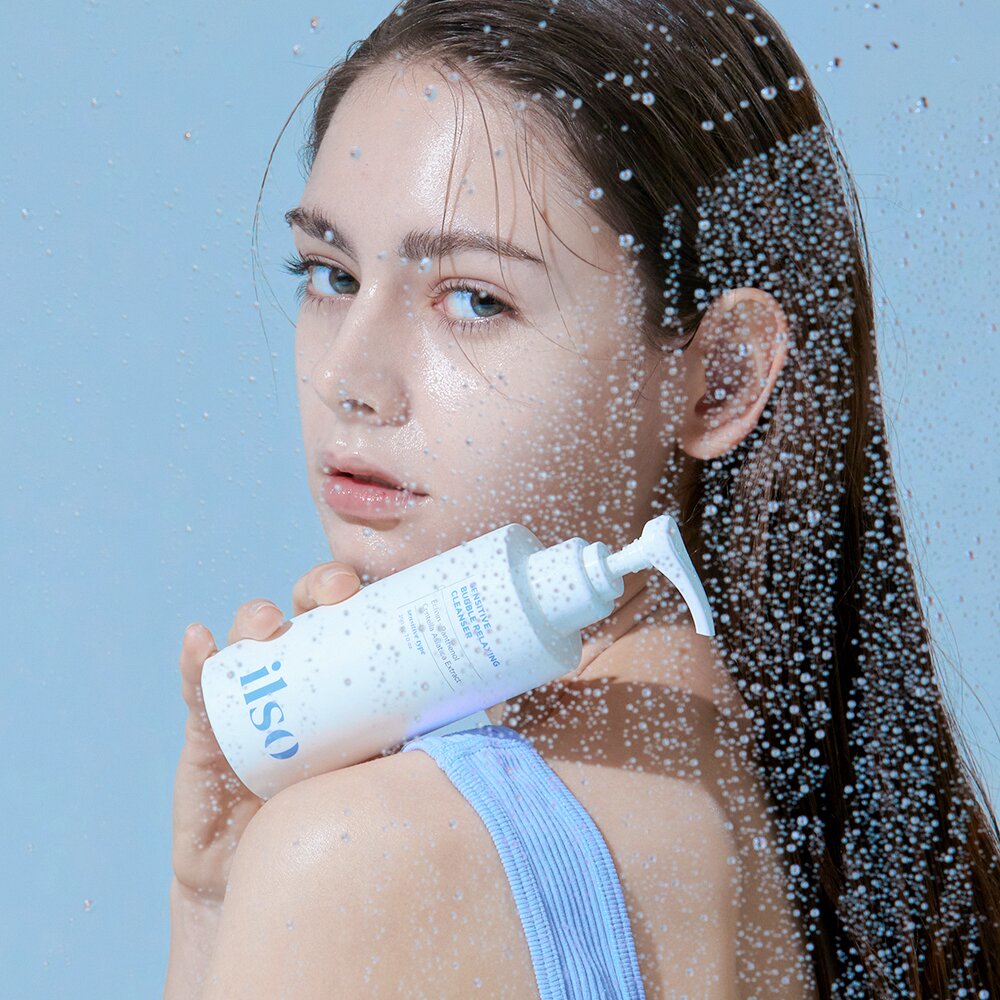
Sensitive Bubble Relaxing Cleanser
Ilso
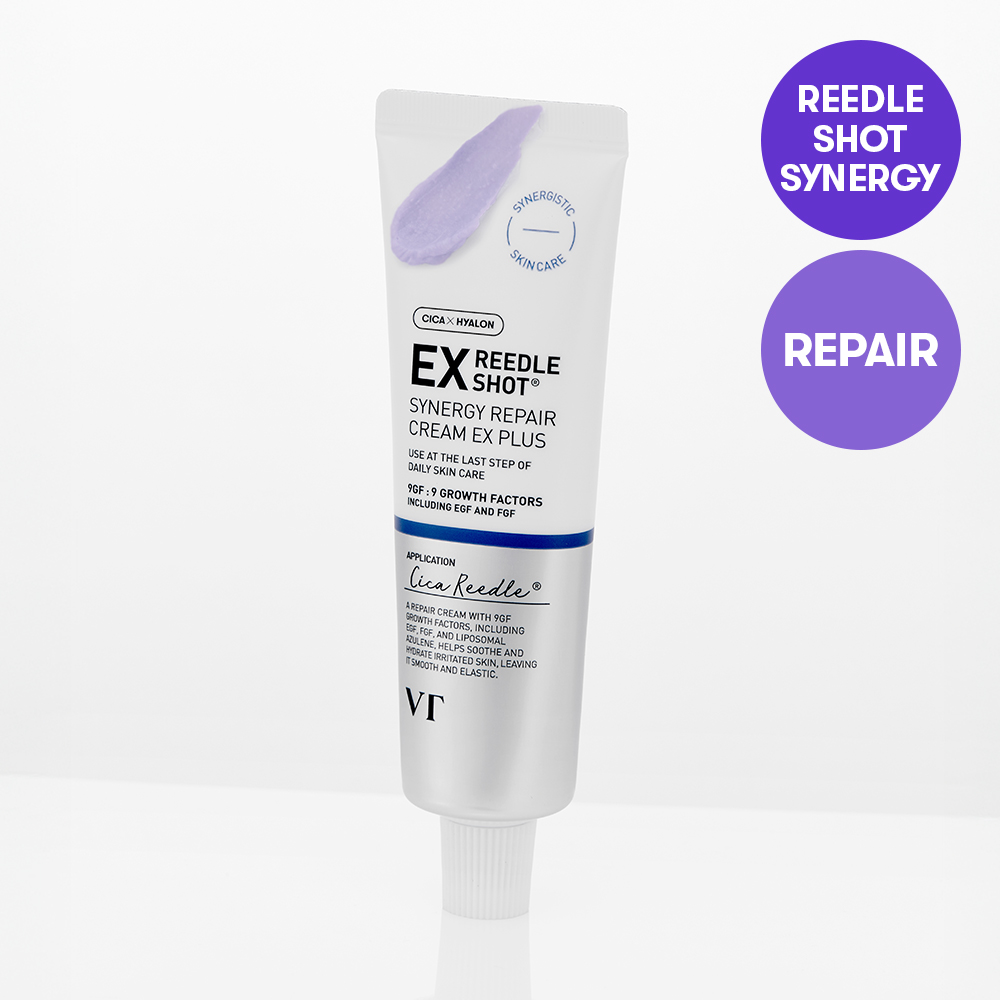
Reedle Shot Synergy Repair Cream EX Plus
VT
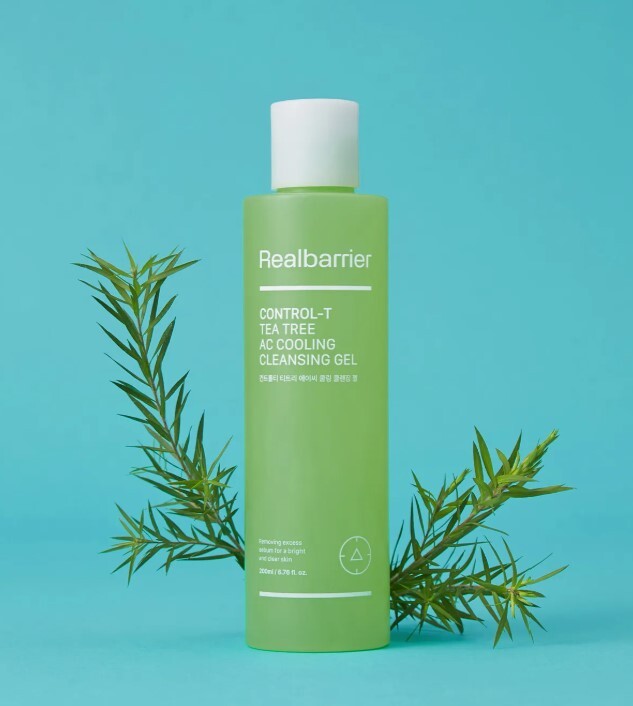
Control-T Tea Tree AC Cooling Cleansing Gel
Real Barrier
Frequently Asked Questions
Can rapeseed sterols actually repair a damaged skin barrier or just temporarily moisturize?▼
Why are rapeseed sterols paired with retinal in top-rated products like Arencia's Retinal Booster Shot?▼
Will rapeseed sterols clog my pores if I have acne-prone skin?▼
How do rapeseed sterols compare to ceramides for barrier repair?▼
Explore More
Want personalized ingredient advice?
Yuri, our AI beauty advisor, can tell you how Rapeseed Sterols works with your specific skin type, routine, and concerns.
Ask Yuri, free