Vitamin B5 (Pantothenic Acid)
INCI: Calcium Pantothenate
Humectant and skin barrier support
About Vitamin B5 (Pantothenic Acid)
Vitamin B5, scientifically known as pantothenic acid and commonly formulated as calcium pantothenate in skincare, is a water-soluble vitamin that functions as both a humectant and a barrier repair powerhouse. In K-beauty formulations, it's prized for its ability to attract and retain moisture in the skin while actively supporting the production of lipids that strengthen your skin's protective barrier. Unlike some moisture-binding ingredients that sit on the surface, pantothenic acid penetrates deeply into skin layers where it converts into panthenol and coenzyme A, a critical molecule for cellular metabolism and skin repair. This makes it particularly valuable in Korean skincare routines that emphasize long-term skin health over quick fixes. What sets vitamin B5 apart is its exceptional safety profile (5/5 rating) and zero comedogenic risk, making it suitable for literally every skin type without concern for breakouts or irritation. You'll find it featured in 43 K-beauty products on Seoul Sister, including highly rated formulations like Celimax's Makeup Retouching Booster Pad and Anua's DPPR Soycube Exorepair Serum, both scoring perfect 5.0/5 ratings. K-beauty brands often layer this ingredient into serums, cleansers, and treatment pads because it works synergistically with other actives while buffering potential irritation, a philosophy central to the Korean approach of gentle but effective skincare.
How Vitamin B5 (Pantothenic Acid) Works
At the molecular level, calcium pantothenate converts into panthenol once absorbed into the skin, which then transforms into pantothenic acid within cells. This conversion is crucial because pantothenic acid serves as a precursor to coenzyme A (CoA), an essential molecule involved in over 70 enzymatic pathways in skin cells. CoA plays a direct role in synthesizing fatty acids and ceramides, the lipid building blocks that form your skin's barrier and prevent transepidermal water loss. When your barrier is compromised (from over-exfoliation, environmental stress, or harsh products), vitamin B5 accelerates the production of these protective lipids to restore barrier integrity. Additionally, as a humectant, it binds water molecules to the stratum corneum, the outermost layer of skin, providing immediate hydration while the deeper barrier-repair work happens below. Research shows that pantothenic acid also exhibits anti-inflammatory properties by modulating cytokine production, which helps calm redness and irritation. This dual-action mechanism (immediate moisture binding plus long-term barrier strengthening) makes it a staple in K-beauty formulations designed for compromised or dehydrated skin.
Vitamin B5 (Pantothenic Acid) by Skin Type
Oily Skin
Vitamin B5 is ideal for oily skin because its lightweight, water-soluble nature provides hydration without adding oils that could increase sebum production. The barrier-strengthening effects are particularly valuable since oily skin types often experience a compromised barrier from aggressive cleansing or acne treatments, which can paradoxically trigger more oil production. With a 0/5 comedogenic rating, you can layer it freely without breakout concerns.
Dry Skin
This ingredient is exceptionally beneficial for dry skin, addressing both immediate dehydration and the underlying barrier dysfunction that allows moisture to escape. The humectant properties pull water into the skin while the barrier-repair mechanism produces the ceramides and lipids dry skin desperately needs. Products like Neogen's Double Vita Capsule Cleansing Foam (4.9/5) demonstrate how even cleansers can deliver vitamin B5 to support dry, tight skin during washing.
Combo Skin
Combination skin benefits from vitamin B5's ability to hydrate dry zones without congesting oily areas, making it one of the few ingredients that truly works across your face's different needs. Its non-greasy, fast-absorbing texture means you can apply it uniformly without worrying about creating imbalance. The barrier support helps normalize skin function over time, potentially reducing the oil-dry contrast that defines combination skin.
Sensitive Skin
With a perfect 5/5 safety rating and anti-inflammatory properties, vitamin B5 is one of the gentlest yet most effective ingredients for sensitive skin. It actively calms irritation while repairing the compromised barrier that often underlies sensitivity. K-beauty products like MEDIPEEL's Melanonx Ampoule RX (5.0/5) leverage this calming effect alongside other actives, using B5 as a buffering agent to minimize potential reactions.
Normal Skin
Even normal skin benefits from vitamin B5's preventative barrier support and hydration boost, particularly in maintaining that balanced state against environmental stressors. Regular use helps preserve skin health and resilience, which is the ultimate goal of K-beauty preventative care. It layers seamlessly into any routine without disrupting your skin's natural equilibrium.
How to Use Vitamin B5 (Pantothenic Acid)
- 1Layer vitamin B5 products after cleansing and toning but before heavier creams to maximize absorption into damp skin, following the K-beauty thin-to-thick application principle.
- 2Pair with niacinamide or ceramides for amplified barrier repair, as these ingredients work synergistically to restore compromised skin (many K-beauty formulations intentionally combine them).
- 3Use vitamin B5-containing products both morning and night since it's photostable, non-sensitizing, and provides protective benefits under sunscreen as well as restorative effects during overnight repair.
- 4If you're using exfoliating acids or retinoids, apply a B5 serum or essence immediately after to buffer irritation and accelerate barrier recovery between treatment days.
Background
Pantothenic acid derives its name from the Greek word 'pantos,' meaning 'everywhere,' because it's found in virtually all living cells and was one of the first vitamins identified as essential for life in the 1930s. While its importance in human nutrition has been known for decades, its topical skincare benefits weren't fully explored until Japanese and Korean cosmetic scientists began researching water-soluble vitamins for barrier repair in the 1990s. K-beauty brands embraced calcium pantothenate (the stable, skin-friendly salt form) as part of the broader movement toward gentle, science-backed hydration solutions that aligned with the Korean philosophy of 'skin that drinks water.' Unlike the Western focus on vitamin C and retinol during that era, Korean researchers recognized that barrier health was foundational to all other skincare goals. Today, vitamin B5 appears across K-beauty categories from cleansers to ampoules, reflecting its status as a safe, effective workhorse ingredient that supports the dewy, resilient complexion central to Korean beauty standards.
K-Beauty Products with Vitamin B5 (Pantothenic Acid)
View all 44 →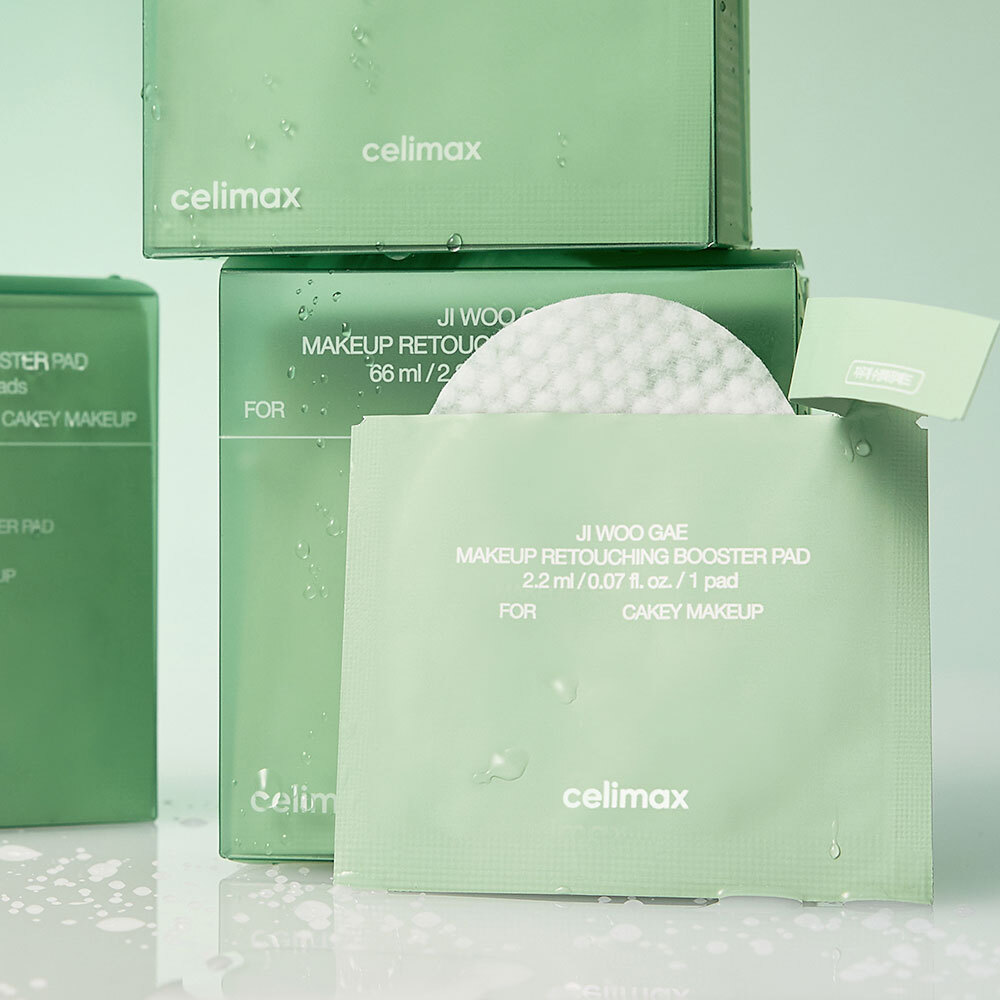
Makeup Retouching Booster Pad
Celimax
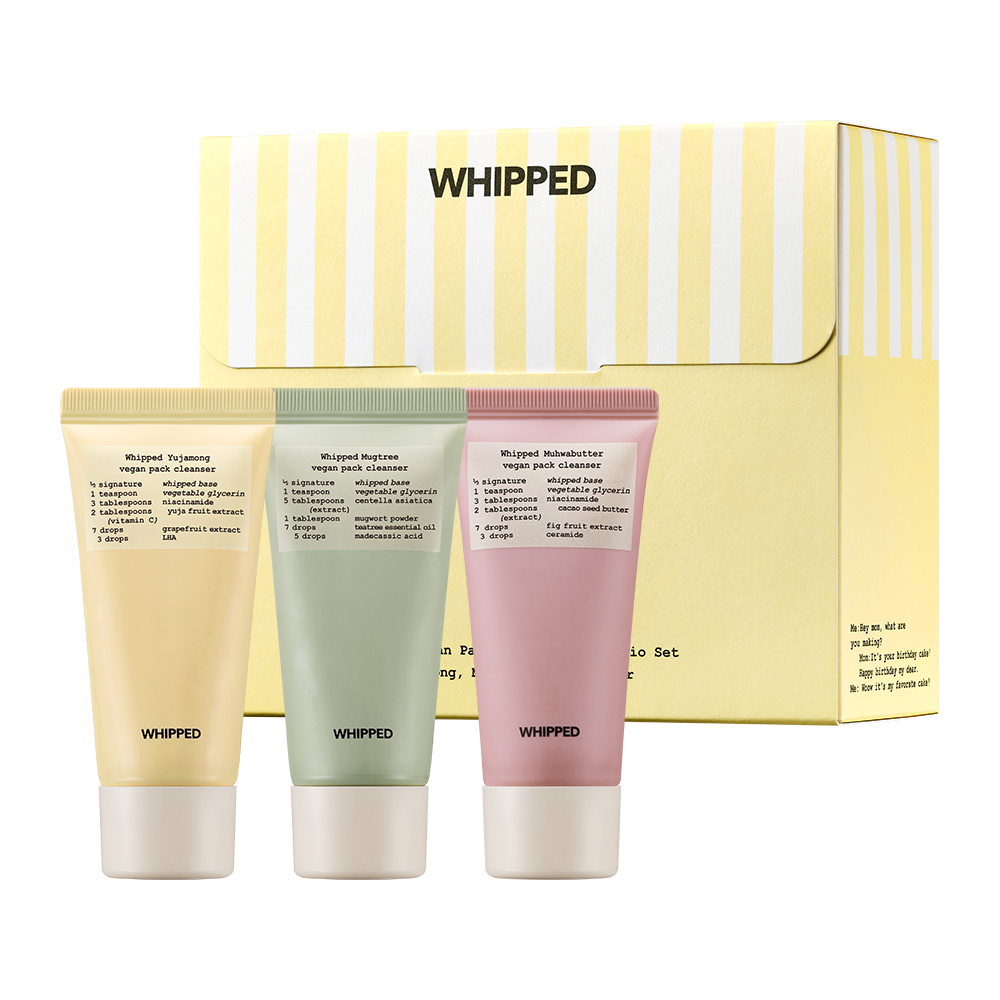
Vegan Pack Cleanser Gift Set (Mugtree + Muhwabutter + Yujamong)
Whipped
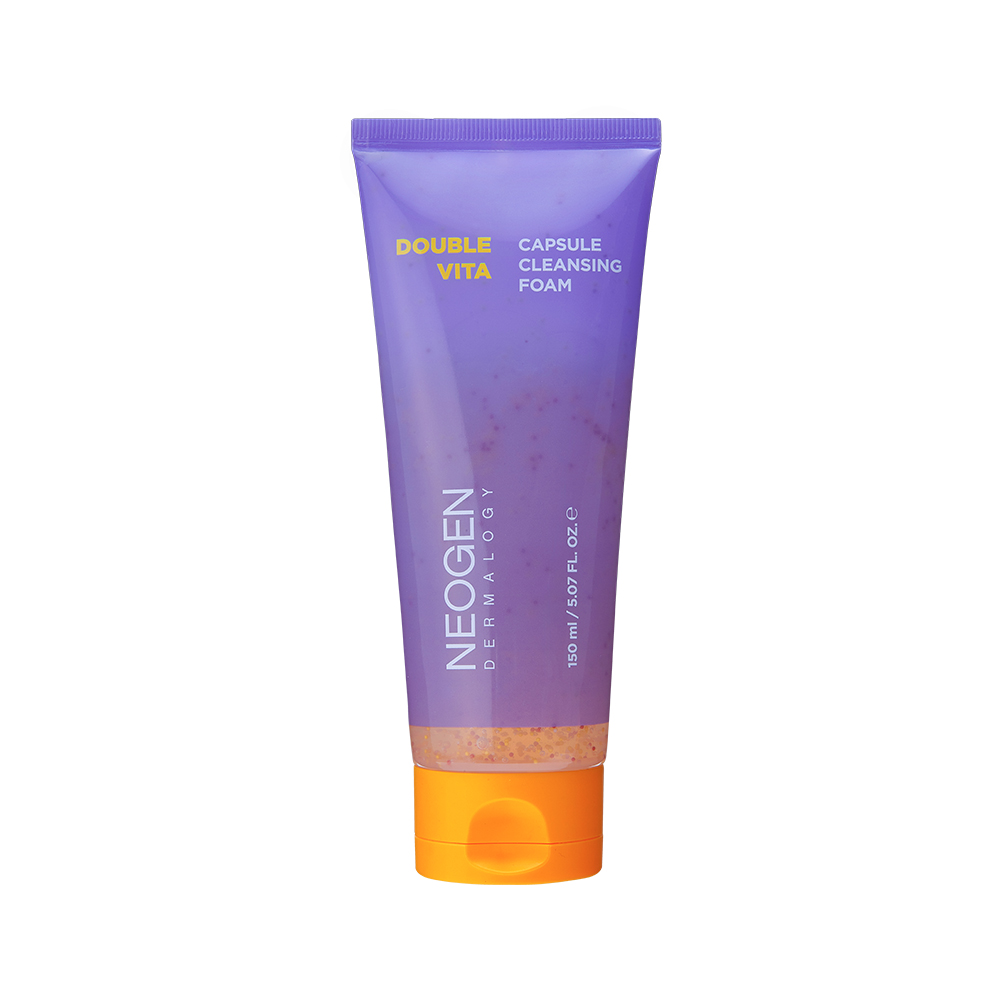
Double Vita Capsule Cleansing Foam
Neogen
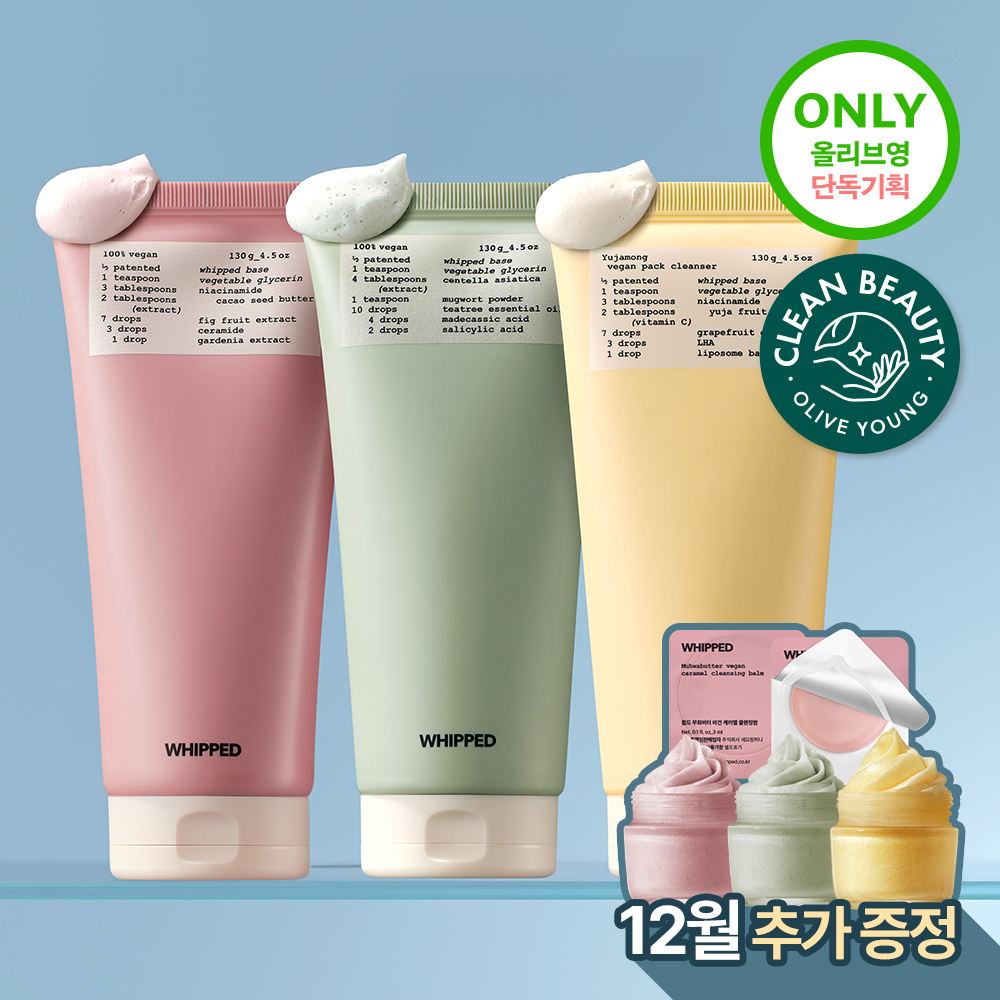
Vegan Pack Cleanser Set
Whipped
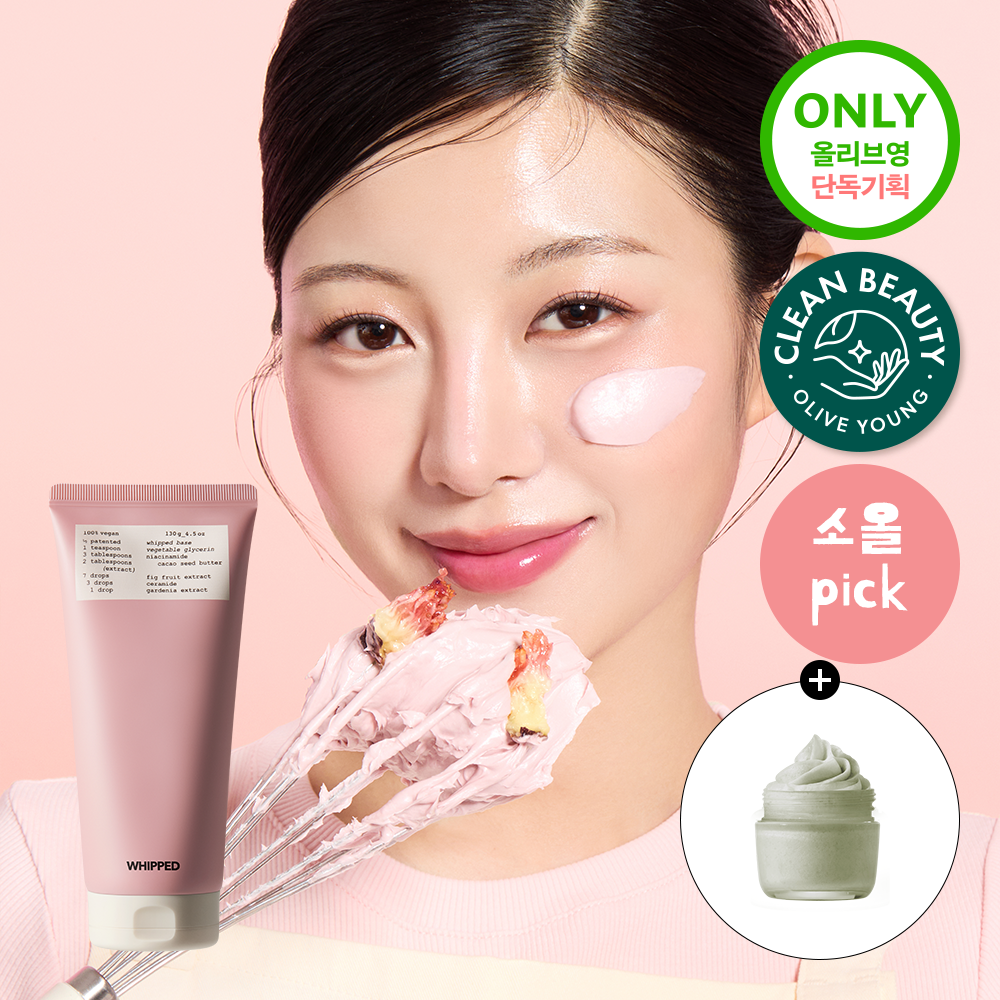
Muhwabutter Vegan Pack Cleanser Set
Whipped
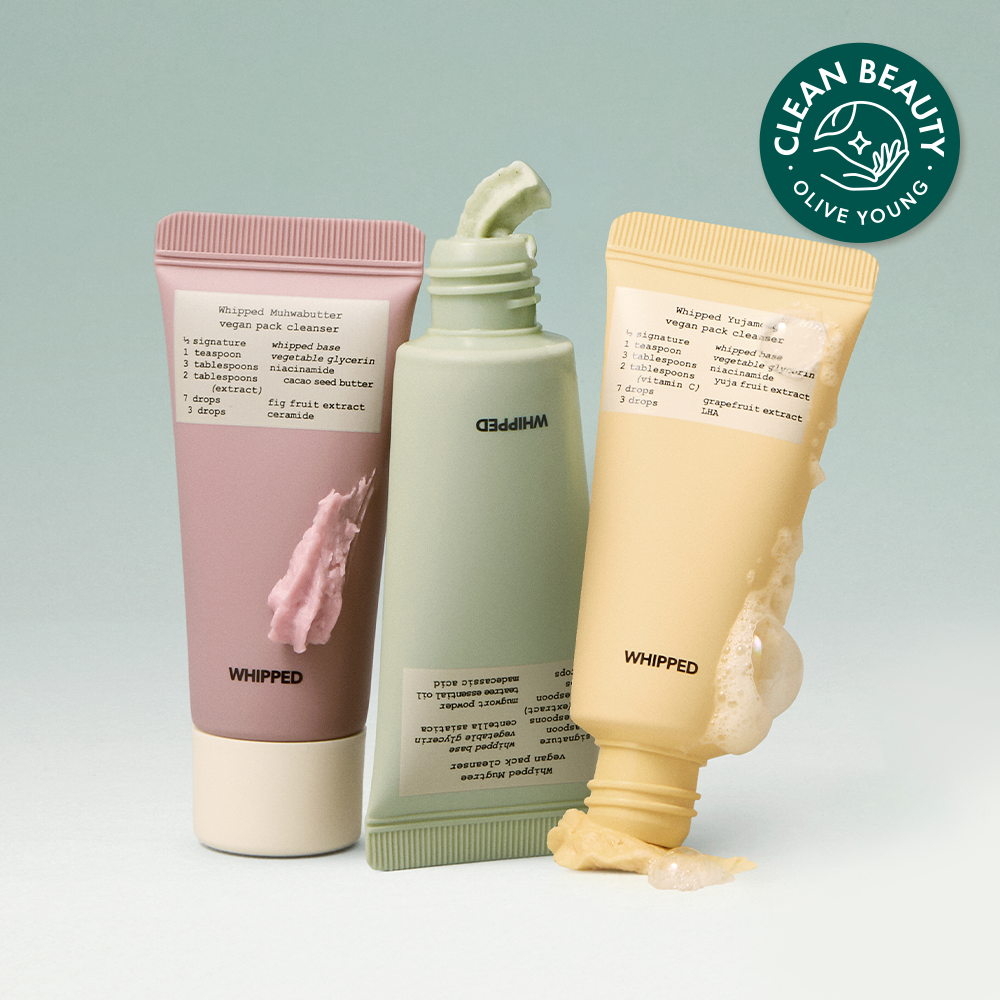
Vegan Pack Cleanser
Whipped
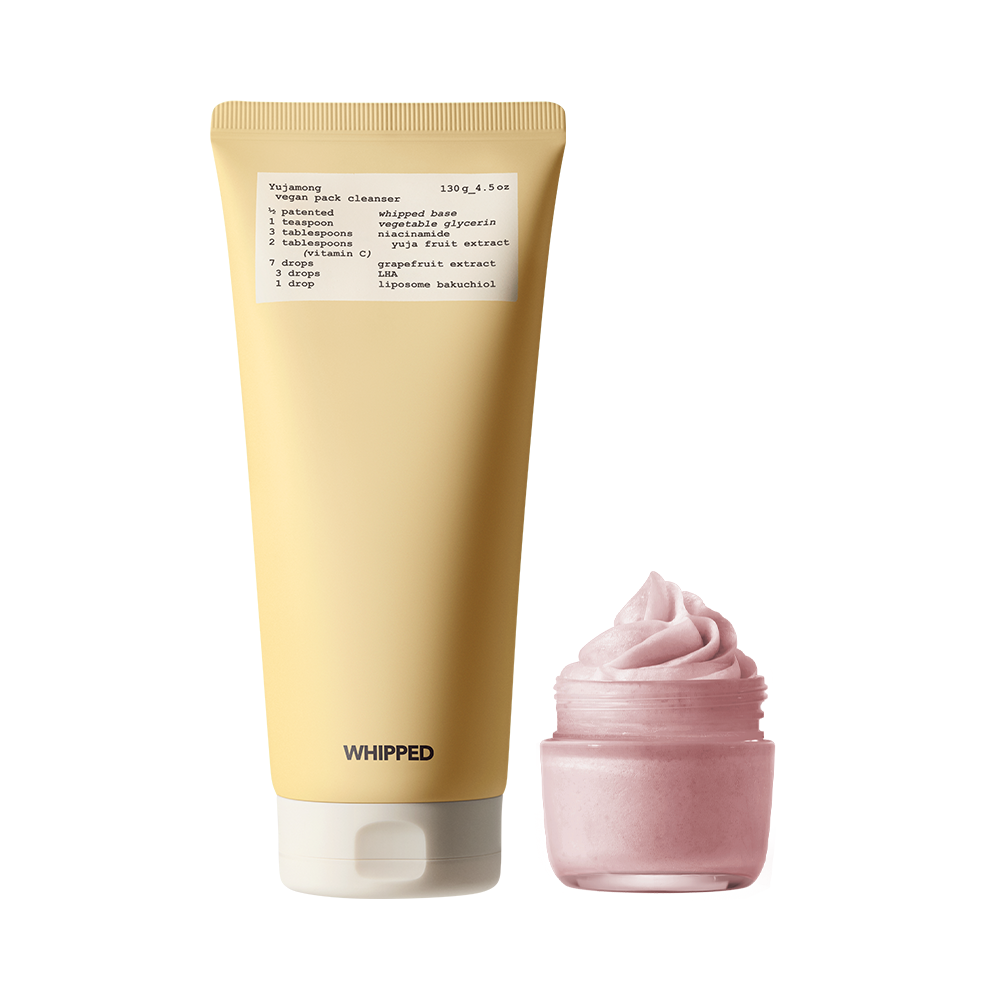
Yujamong Vegan Pack Cleanser Set
Whipped
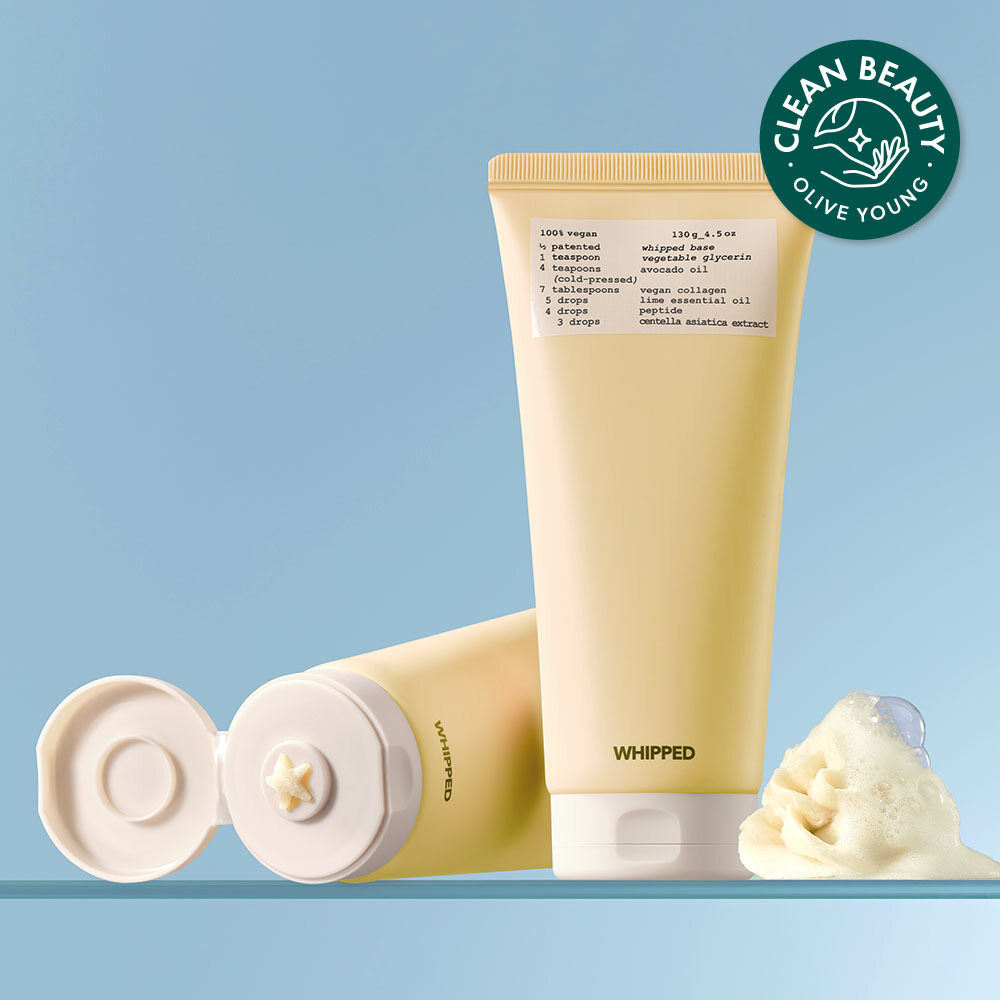
Yujamong Vegan Pack Cleanser
Whipped
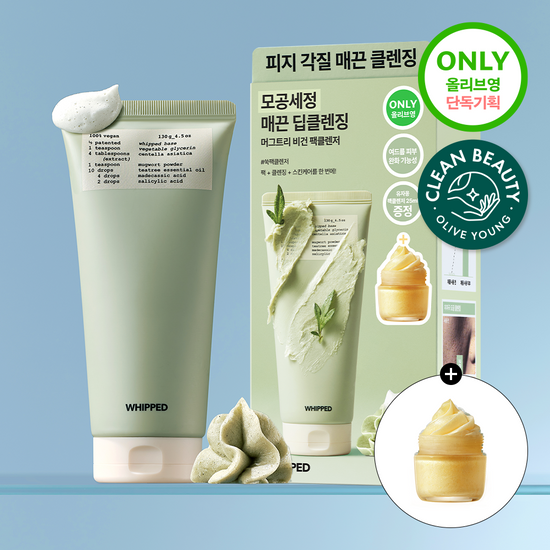
Mugtree Vegan Pack Cleanser Set
Whipped

Melanon X Ampoule Cleanser
Medi-Peel

Mugtree Vegan Pack Cleanser
Whipped
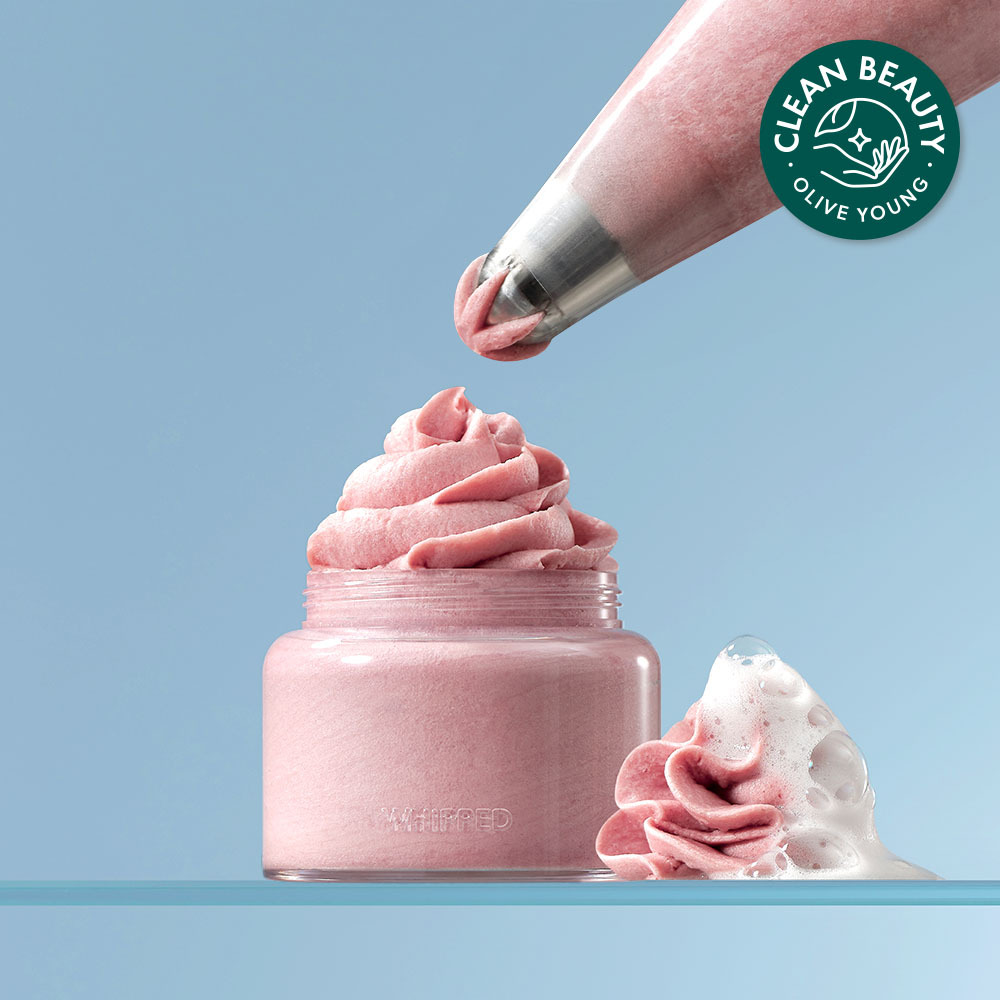
Muhwabutter Vegan Pack Cleanser
Whipped
Frequently Asked Questions
What's the difference between vitamin B5, pantothenic acid, and panthenol in skincare?▼
Can vitamin B5 help with acne or breakouts?▼
How much vitamin B5 should be in a product to be effective?▼
Does vitamin B5 conflict with any other skincare ingredients?▼
Explore More
Want personalized ingredient advice?
Yuri, our AI beauty advisor, can tell you how Vitamin B5 (Pantothenic Acid) works with your specific skin type, routine, and concerns.
Ask Yuri, free