Green Tea Leaf Powder
INCI: Camellia Sinensis Leaf Powder
Antioxidant and anti-inflammatory botanical extract
About Green Tea Leaf Powder
Green Tea Leaf Powder is the finely milled form of Camellia sinensis leaves, the same plant that gives us our favorite cup of tea. Unlike green tea extract, which isolates specific compounds, the powder form preserves the whole leaf, delivering a full spectrum of polyphenols, catechins (especially EGCG), amino acids, and vitamins in their natural matrix. This makes it a powerhouse antioxidant ingredient in K-beauty formulations, particularly in cleansers and wash-off masks where its gentle exfoliating texture and anti-inflammatory properties can work without the risk of staining. Korean brands embrace green tea leaf powder for its dual action: the bioactive compounds neutralize free radicals and calm irritation, while the physical particles provide subtle mechanical exfoliation. With a comedogenic rating of just 1 out of 5, it's safe for most skin types, including acne-prone and congested skin. You'll find it featured in 26 products on Seoul Sister, often in pH-balanced cleansers and treatment masks that leverage its ability to soothe redness, control sebum, and brighten the complexion. The ingredient's popularity in K-beauty stems from Korea's long-standing tea culture and the skincare philosophy of harnessing whole-plant benefits rather than relying solely on isolated actives.
How Green Tea Leaf Powder Works
Green tea leaf powder works through a multi-pathway approach at the cellular level. Its high concentration of epigallocatechin gallate (EGCG), a potent catechin, inhibits the activity of matrix metalloproteinases (MMPs), enzymes that break down collagen and contribute to premature aging. EGCG also scavenges reactive oxygen species (ROS) generated by UV exposure and pollution, preventing oxidative damage to cell membranes and DNA. The polyphenols in green tea modulate inflammatory pathways by suppressing NF-κB signaling, which reduces the production of pro-inflammatory cytokines that trigger redness, swelling, and breakouts. Additionally, green tea contains L-theanine, an amino acid that supports the skin barrier by promoting ceramide synthesis. When used in powder form, the fine particles provide gentle physical exfoliation, dislodging dead skin cells and debris from pores without causing micro-tears. The slightly astringent nature of tannins in green tea helps regulate sebum production by temporarily tightening pores, making it especially beneficial for oily and combination skin types.
Green Tea Leaf Powder by Skin Type
Oily Skin
Green tea leaf powder is excellent for oily skin thanks to its sebum-regulating tannins and anti-inflammatory catechins. The powder form provides gentle exfoliation that helps prevent clogged pores without stripping essential moisture, while the antioxidants reduce the oxidative stress that can trigger excess oil production.
Dry Skin
While green tea leaf powder is beneficial for dry skin due to its antioxidant protection and barrier-supporting amino acids, use it cautiously in physical exfoliant formulations. The powder's texture can be too abrasive if your skin is flaky or compromised, so look for creamy cleansers where it's finely milled and buffered with hydrating ingredients.
Combo Skin
This ingredient is ideal for combination skin, addressing both the oily T-zone and drier cheeks. Green tea powder's balanced profile delivers sebum control where needed while the anti-inflammatory properties soothe any reactive areas, making it a staple in pH-balanced cleansers designed for this skin type.
Sensitive Skin
Green tea leaf powder can be calming for sensitive skin due to its anti-inflammatory polyphenols that reduce redness and reactivity. However, if your skin is extremely compromised or reactive to physical exfoliation, choose formulations where the powder is very finely milled or used primarily for its biochemical benefits rather than scrubbing action.
Normal Skin
Normal skin thrives with green tea leaf powder as a preventative antioxidant and gentle exfoliant. It maintains skin clarity, provides daily free radical protection, and keeps pores refined without disrupting the skin's natural balance, making it perfect for low-maintenance routines.
How to Use Green Tea Leaf Powder
- 1Use green tea powder cleansers in the morning to neutralize overnight oxidative stress and prep skin for antioxidant serums and SPF.
- 2If using a physical exfoliant with green tea powder, limit to 2-3 times weekly to avoid over-exfoliation, especially if you're also using chemical exfoliants like AHAs or BHAs.
- 3Layer green tea-based products before other antioxidants like vitamin C for synergistic free radical protection throughout the day.
- 4For oily skin, try using a green tea powder mask after cleansing to absorb excess sebum and tighten the appearance of pores before your evening routine.
Background
Green tea has been cultivated in Asia for over 4,000 years, with its medicinal properties documented in traditional Chinese medicine as early as 2700 BCE. Korean tea culture, which flourished during the Goryeo Dynasty (918-1392), initially valued green tea for internal wellness, but historical texts also reference topical applications for skin clarity and inflammation. The modern use of green tea in K-beauty accelerated in the 1990s and 2000s as Korean cosmetic scientists began studying the skin benefits of traditional ingredients through a scientific lens. Brands like Innisfree and Amorepacific pioneered green tea skincare lines, sourcing leaves from Jeju Island's volcanic soil, which produces especially antioxidant-rich plants. The powder form emerged as formulators sought to preserve the whole-leaf benefits that can be lost during extraction, aligning with K-beauty's holistic ingredient philosophy.
K-Beauty Products with Green Tea Leaf Powder
View all 30 →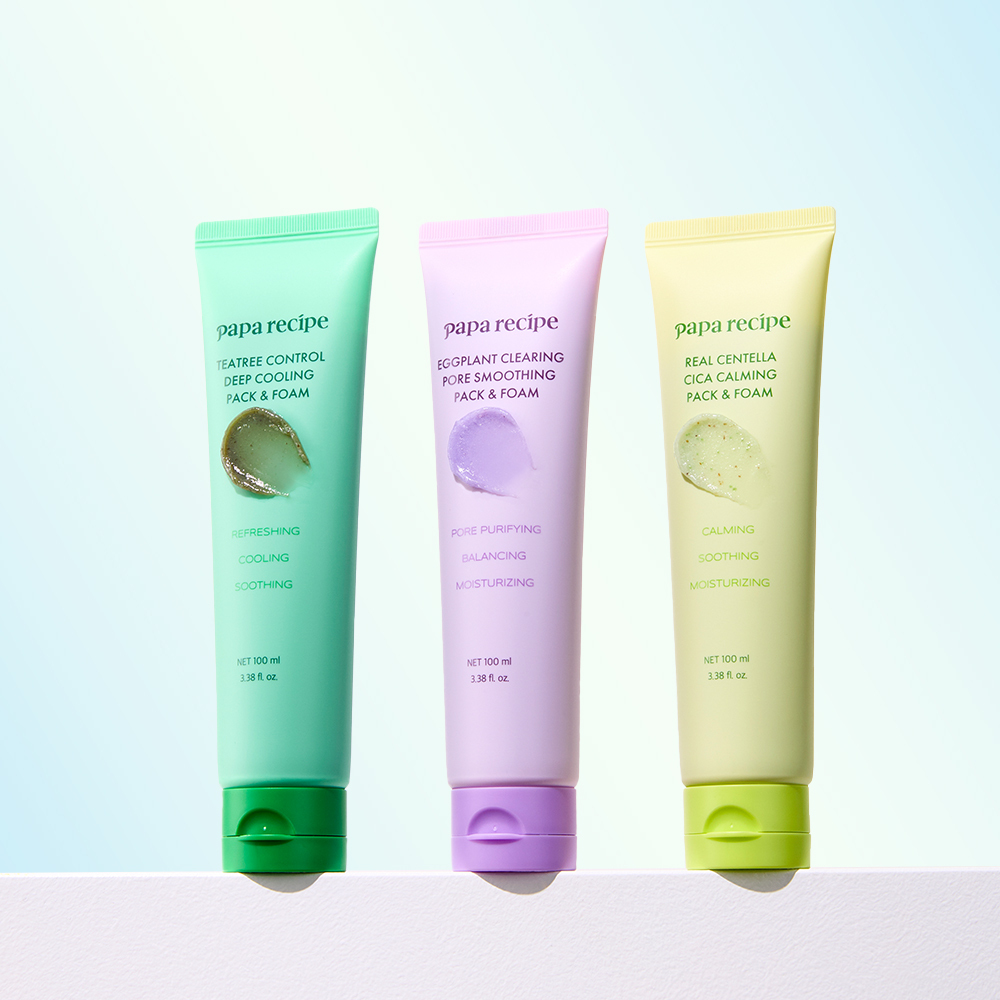
Pack & Foam (Real Centella/Eggplant Clearing/Teatree Control)
Papa Recipe
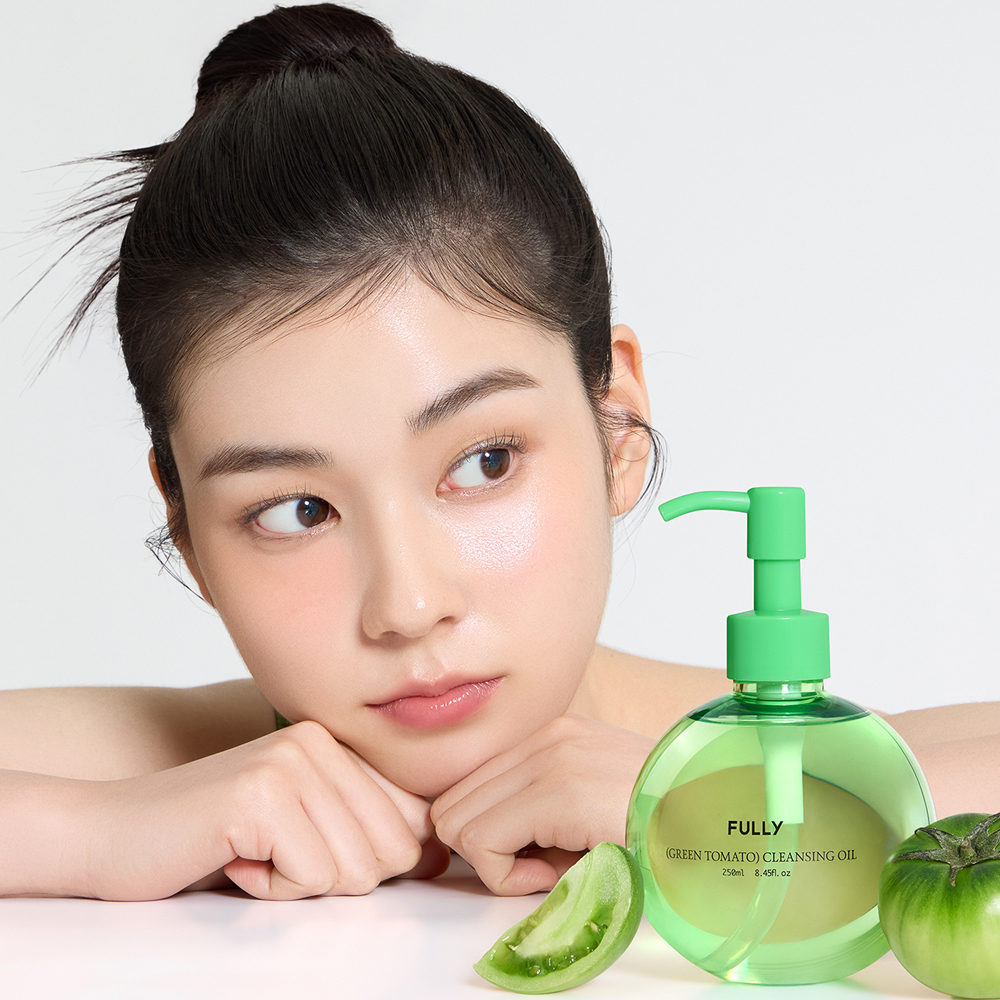
Green Tomato Cleansing Oil
Fully
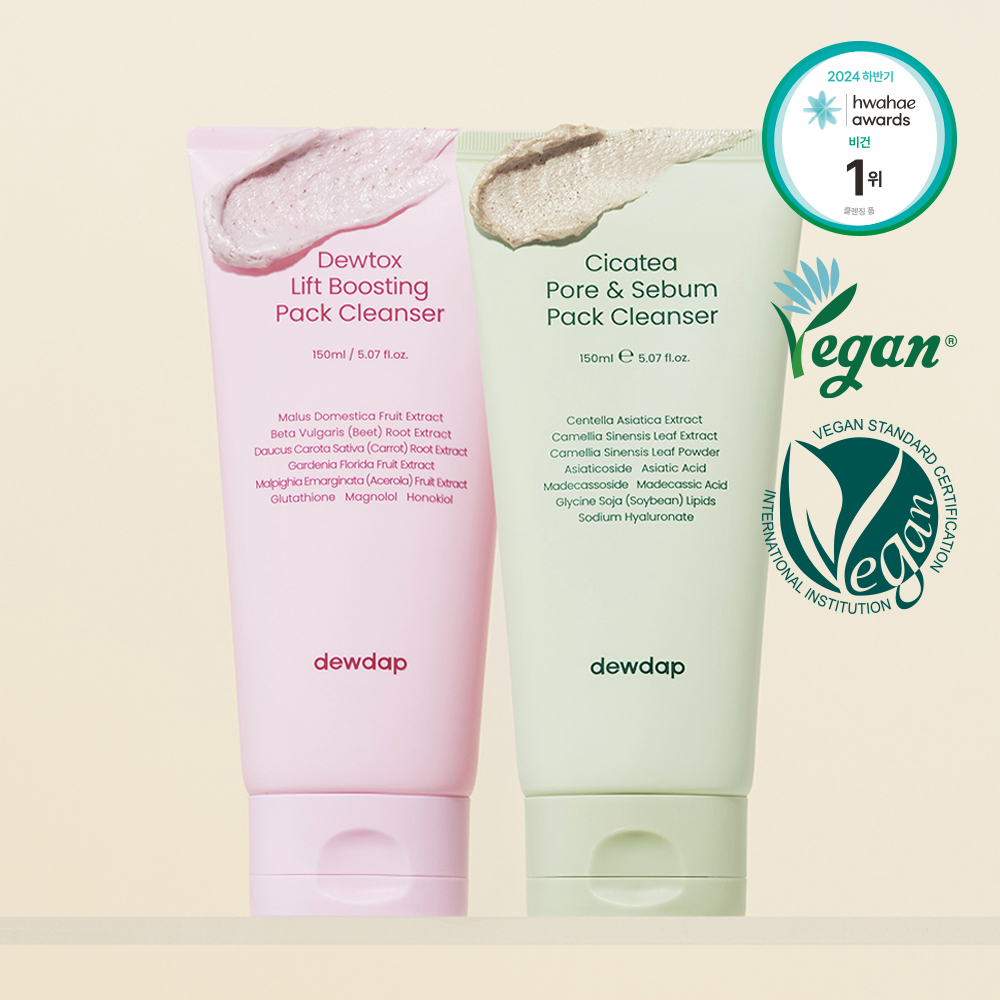
Dewtox Lift Boosting Pack Cleanser
Beplain

Mung Bean pH-Balanced Cleansing Foam
Beplain
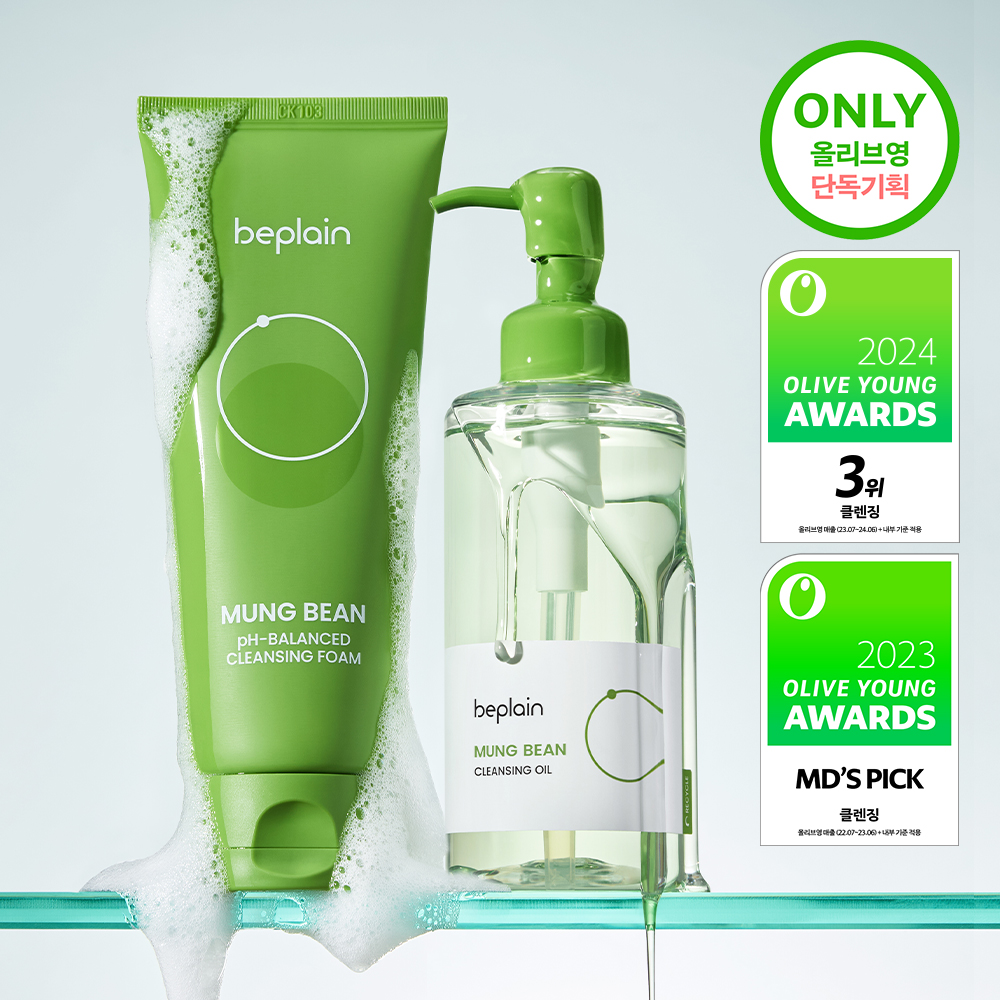
Mung Bean Double Cleansing Set
Beplain
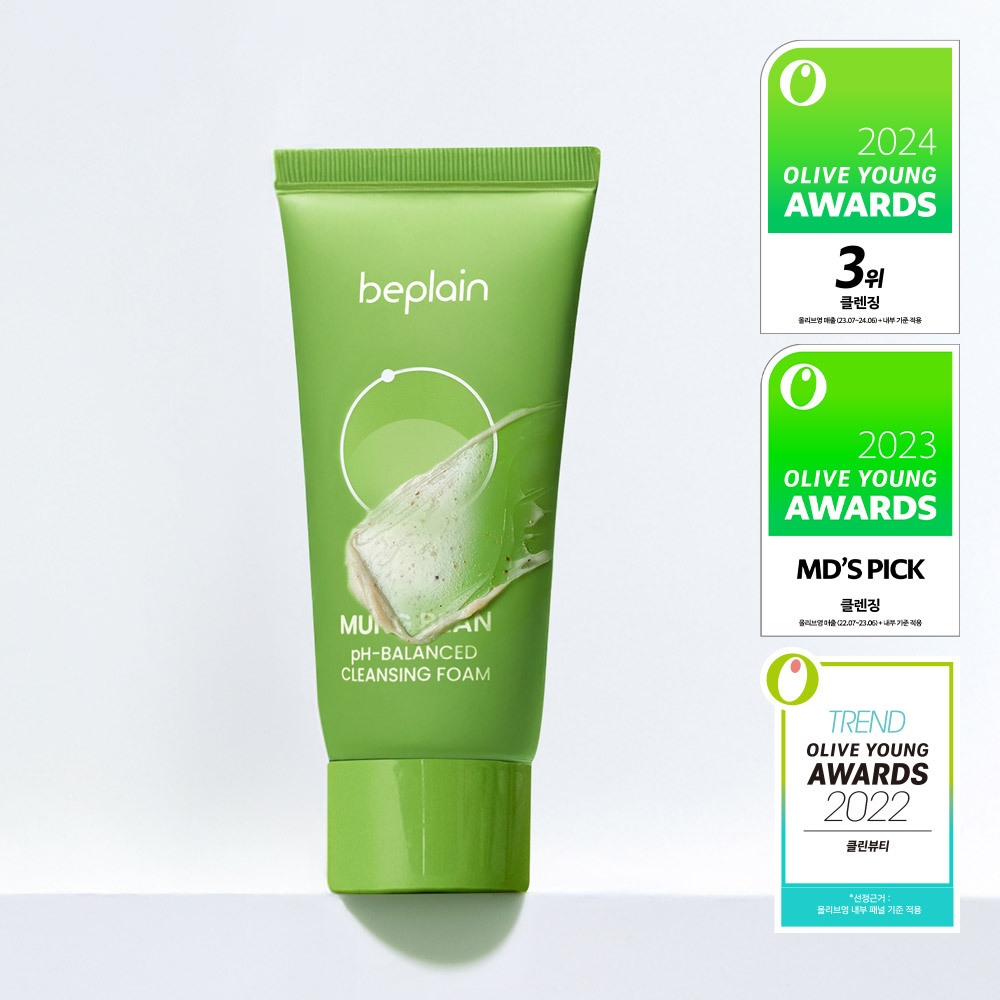
Mung Bean pH-Balancing Cleansing Foam
Beplain
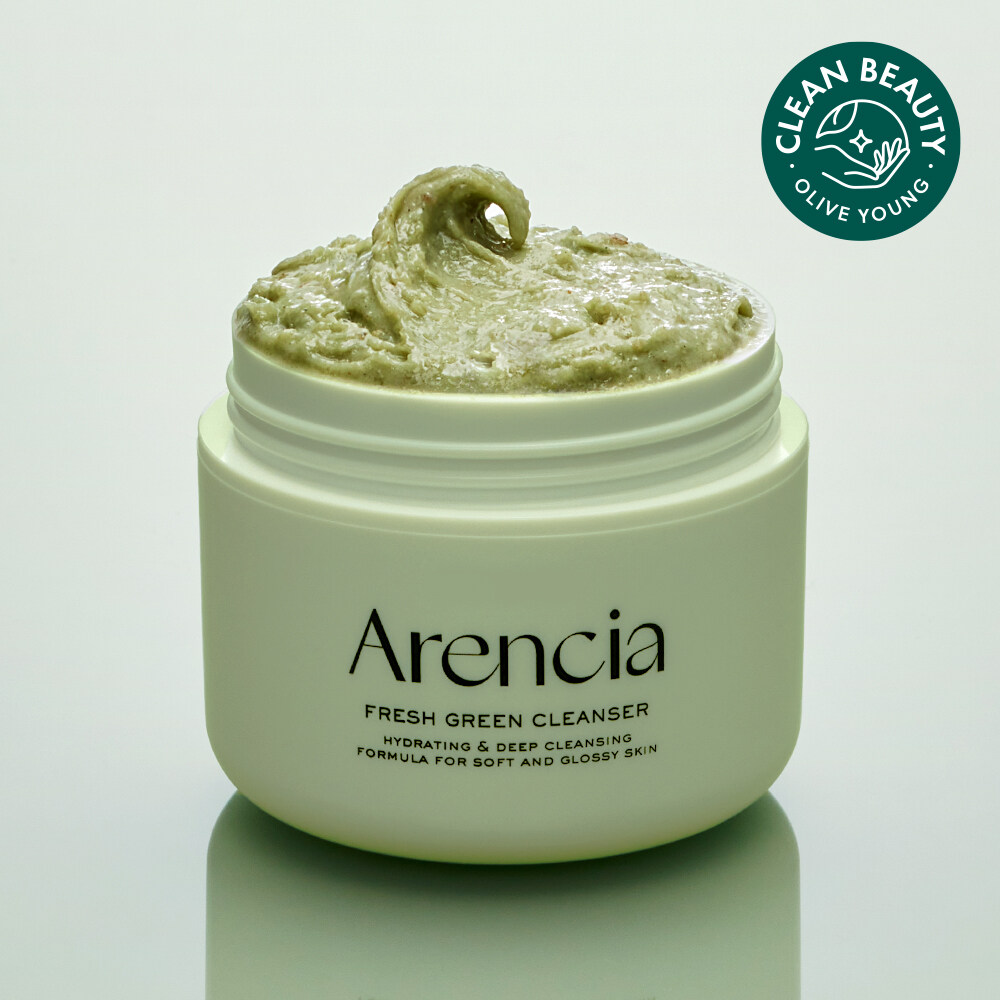
Fresh Green Rice Mochi Cleanser
Arencia
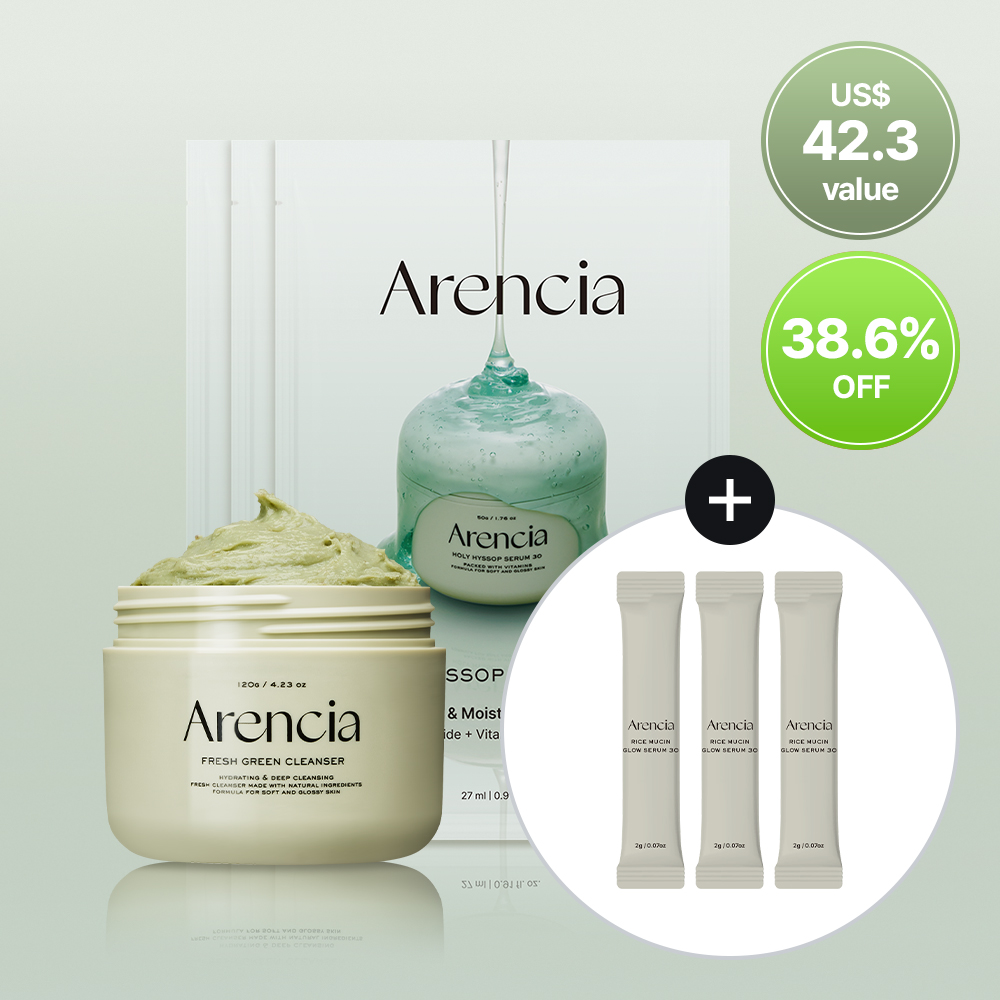
Fresh Green Cleanser Special Care Set
Arencia
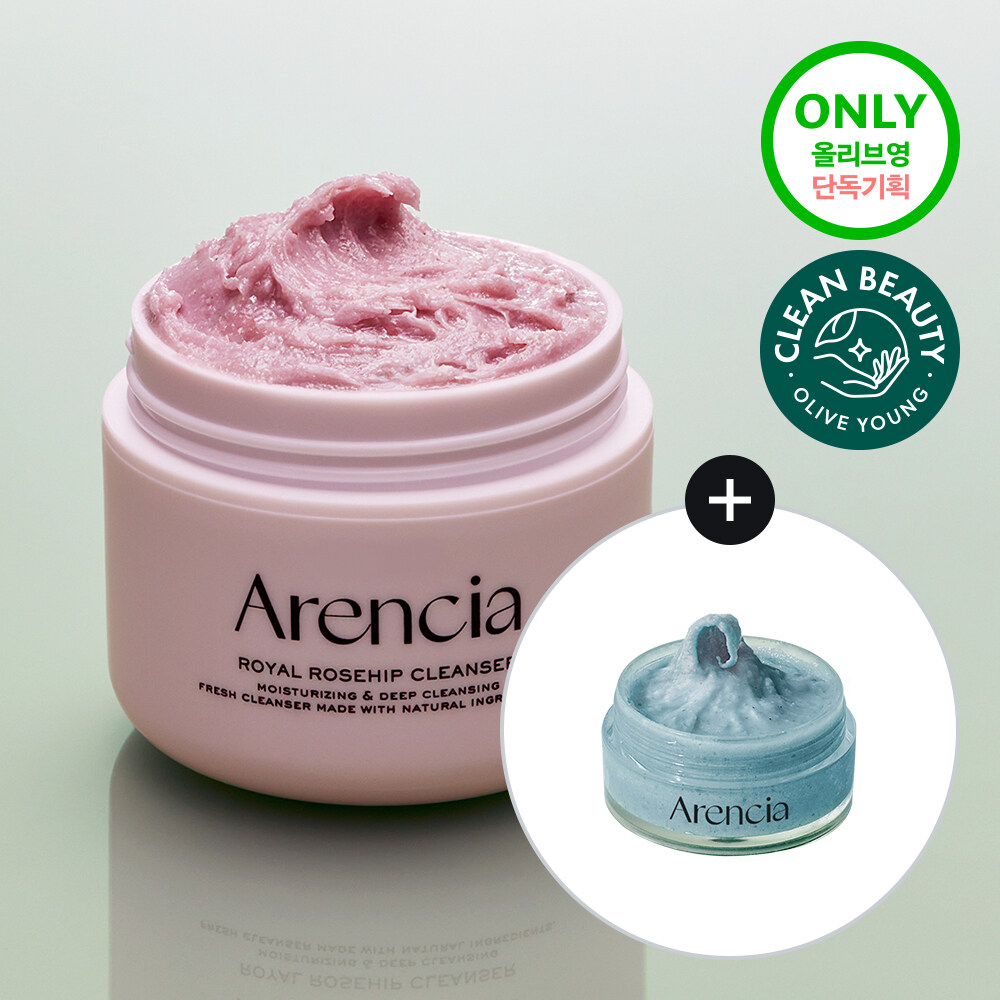
Rosehip Rice Mochi Cleanser Set
Arencia
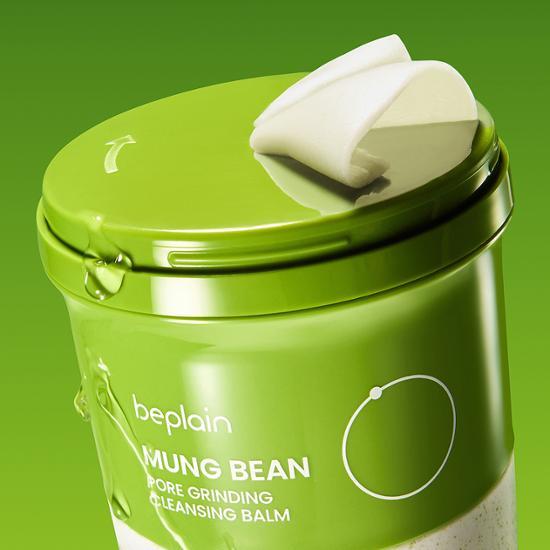
Mung Bean Pore Grinding Cleansing Balm
Beplain
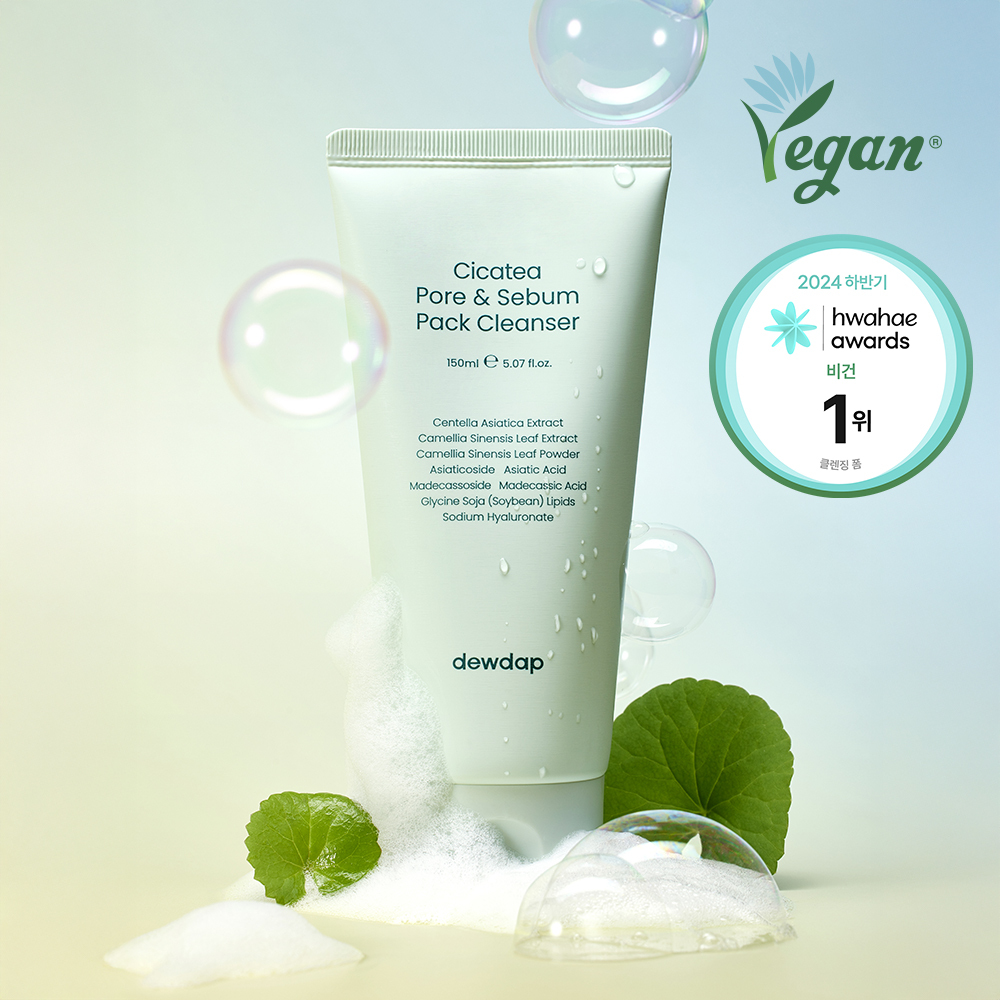
Dewtox Lift Boosting Pack Cleanser Set
Beplain
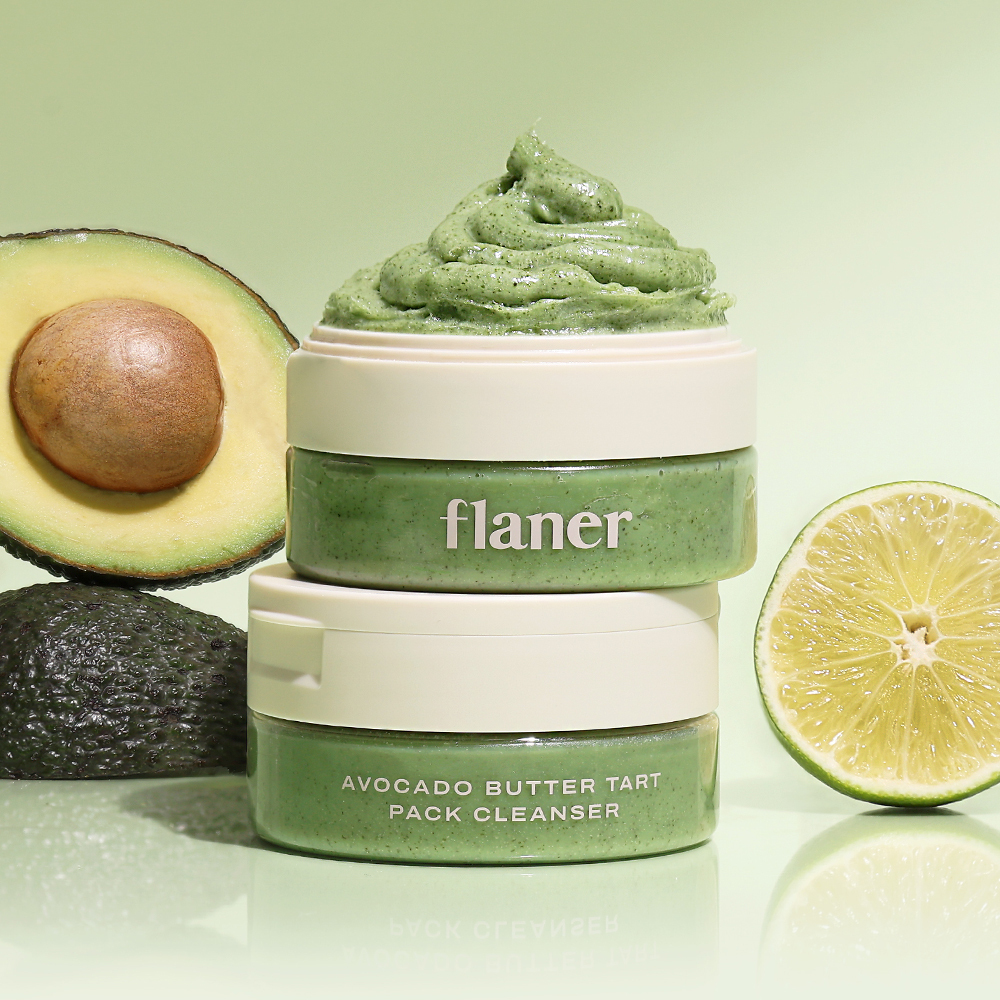
Avocado Butter Tart Pack Cleanser
Beplain
Frequently Asked Questions
Is green tea leaf powder better than green tea extract?▼
Can green tea powder stain my skin or bathroom?▼
Will green tea powder clog my pores if I have acne?▼
How often should I use products with green tea leaf powder?▼
Explore More
Want personalized ingredient advice?
Yuri, our AI beauty advisor, can tell you how Green Tea Leaf Powder works with your specific skin type, routine, and concerns.
Ask Yuri, free