Green Tea Water
INCI: Camellia Sinensis Leaf Water
Antioxidant and soothing hydrator
About Green Tea Water
Green Tea Water, derived from the leaves of Camellia sinensis, is a liquid extract that captures the plant's potent antioxidants and polyphenols in a hydrating base. Unlike green tea extract, which is concentrated, green tea water offers a gentler infusion of catechins (particularly EGCG), amino acids, and minerals that help neutralize free radicals while delivering lightweight moisture. In K-beauty, it's prized for its ability to calm inflammation, reduce redness, and protect skin from environmental stressors without adding heaviness or greasiness. With a perfect safety rating (5/5) and zero comedogenic risk, it appears in 114 products on Seoul Sister, from cleansing oils to serums. Its versatility makes it a staple in formulations targeting sensitivity, pollution defense, and oil control. Korean skincare brands favor green tea water for its compatibility with multiple skin types and its synergy with other active ingredients. The ingredient aligns with K-beauty's philosophy of gentle yet effective care, offering antioxidant protection that doesn't irritate or clog pores. Products like Bioheal BOH's Probioderm Collagen Remodeling Serum (5.0/5) and Banila Co's Pongdang Pore Deep Clean Cleansing Oil (5.0/5) leverage green tea water to enhance skin clarity while maintaining barrier health.
How Green Tea Water Works
Green tea water works primarily through its high concentration of catechins, especially epigallocatechin gallate (EGCG), which interrupts oxidative stress by donating electrons to unstable free radicals. This process prevents cellular damage that leads to premature aging, hyperpigmentation, and collagen breakdown. At the cellular level, EGCG inhibits enzymes like matrix metalloproteinases (MMPs) that degrade collagen and elastin, helping maintain skin firmness. The polyphenols in green tea water also modulate inflammatory pathways, reducing cytokine production that causes redness and irritation. Additionally, its natural tannins provide mild astringent properties that temporarily tighten pores and regulate sebum without stripping moisture. The amino acid L-theanine supports skin barrier repair by promoting ceramide synthesis, while minerals like zinc and selenium reinforce antioxidant defense systems. Because it's water-based rather than oil-based, the ingredient delivers these benefits in a format that penetrates quickly and layers seamlessly under other products, making it ideal for Korean multi-step routines.
Green Tea Water by Skin Type
Oily Skin
Green tea water is excellent for oily skin due to its astringent tannins that help control excess sebum production without over-drying. Its anti-inflammatory properties calm the redness often associated with acne-prone skin, while the zero comedogenic rating ensures pores stay clear. Products like Banila Co's Pongdang Pore Deep Clean Cleansing Oil (5.0/5) use green tea water to balance oil control with gentle cleansing.
Dry Skin
For dry skin, green tea water provides lightweight hydration through its water-soluble nutrients and supports barrier repair via L-theanine's ceramide-boosting action. While not intensely moisturizing on its own, it layers beautifully under richer creams and helps other hydrators penetrate more effectively. Its anti-inflammatory benefits also soothe the irritation that often accompanies dehydrated skin.
Combo Skin
Combination skin benefits significantly from green tea water's balancing act, it hydrates dry zones without adding oil to the T-zone. The ingredient's ability to regulate sebum in oily areas while calming dryness makes it ideal for uneven skin textures. Its universal compatibility allows it to work in both cleansers and serums targeting multiple concerns simultaneously.
Sensitive Skin
Green tea water is particularly gentle for sensitive skin, offering powerful antioxidant protection without common irritants like alcohol or strong acids. Its anti-inflammatory catechins reduce reactivity to environmental triggers, while its minimal processing preserves skin-soothing compounds. The 5/5 safety rating reflects its low risk for allergic reactions, making it suitable even for compromised barriers.
Normal Skin
Normal skin uses green tea water as preventive care, maintaining the skin's healthy baseline through daily antioxidant defense. It preserves collagen integrity, protects against pollution, and keeps the complexion even-toned without introducing unnecessary actives. Its lightweight nature makes it perfect for morning routines when heavier products might feel excessive.
How to Use Green Tea Water
- 1Layer green tea water products early in your routine (after cleansing, before serums) to maximize antioxidant absorption and prepare skin for subsequent steps.
- 2Use green tea water-based cleansers in the morning to refresh skin without stripping natural oils, saving stronger cleansers for evening removal of makeup and SPF.
- 3Pair with vitamin C or niacinamide for enhanced brightening effects, as green tea water's anti-inflammatory properties help reduce irritation from these potent actives.
- 4Store green tea water products away from direct sunlight and heat to preserve the catechins, which can degrade with light and temperature exposure.
Background
Green tea (Camellia sinensis) originated in China over 4,000 years ago and has been used in traditional East Asian medicine to treat inflammation, improve circulation, and promote longevity. In Korean herbal medicine (hanbang), green tea was applied topically to calm skin irritations and as a beauty ritual for maintaining youthful complexion. The shift to using green tea water specifically in modern skincare emerged in the 1990s as Korean beauty brands sought gentler alternatives to concentrated extracts that could irritate sensitive skin. Jeju Island, with its volcanic soil and clean environment, became Korea's premier green tea cultivation region, and brands began incorporating locally sourced green tea water to emphasize purity and terroir. The ingredient gained international recognition as K-beauty expanded globally in the 2010s, valued for its scientific backing (extensive research on EGCG's benefits) combined with traditional wisdom. Today, green tea water represents K-beauty's blend of heritage and innovation, offering time-tested botanical benefits in formulations designed for contemporary skincare concerns.
K-Beauty Products with Green Tea Water
View all 135 →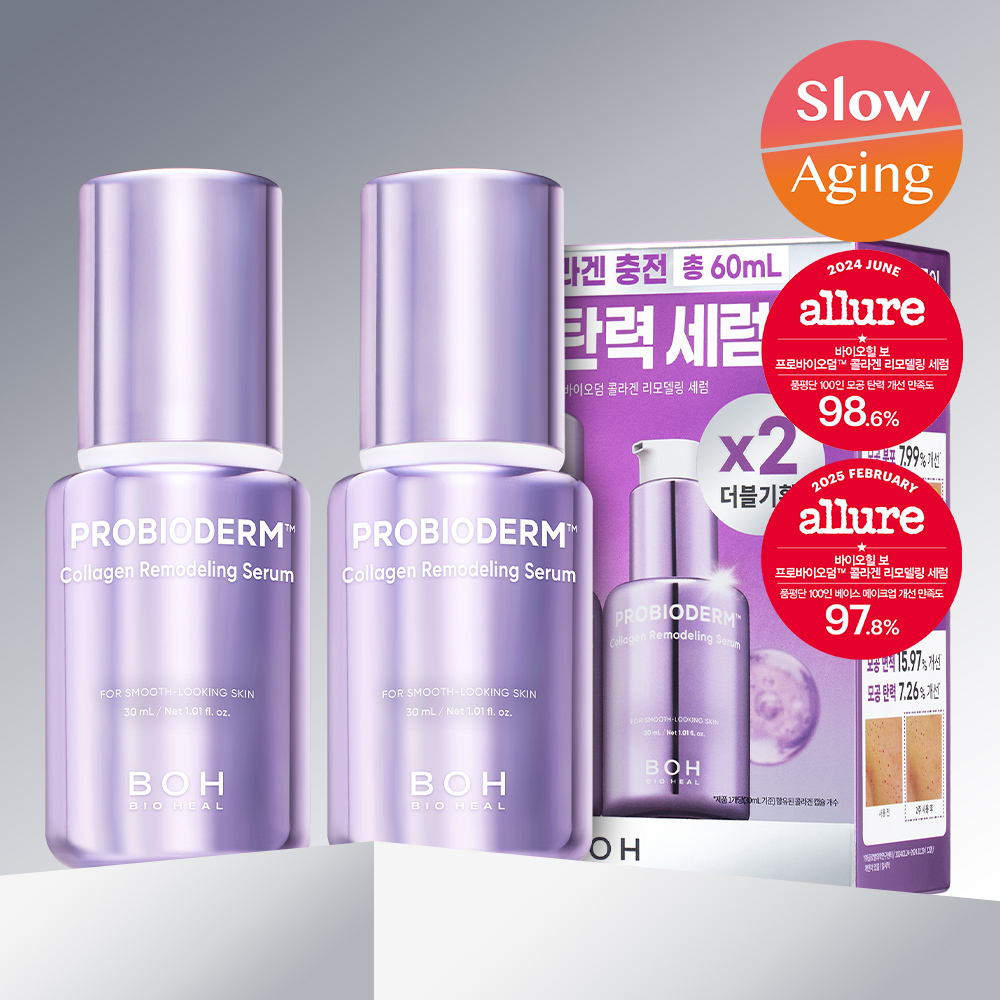
Probioderm Collagen Remodeling Serum
Bioheal BOH
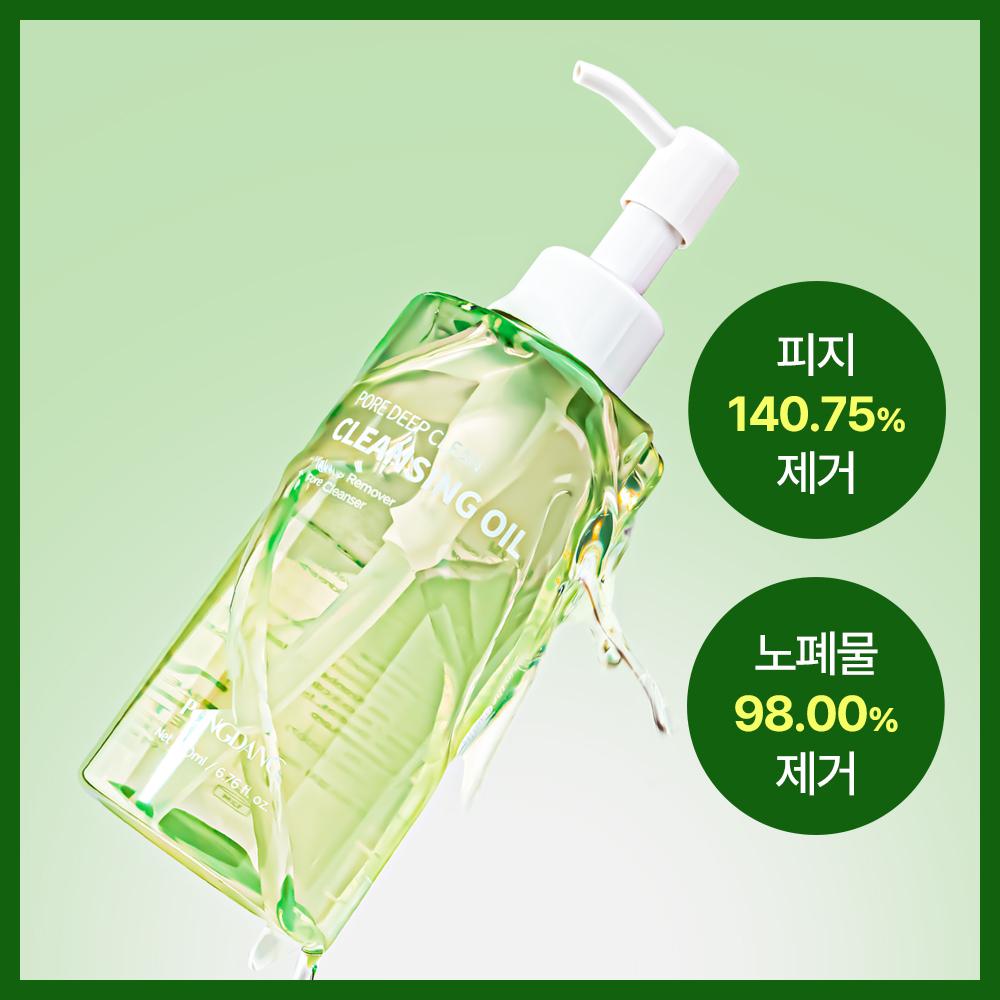
Pongdang Pore Deep Clean Cleansing Oil
Banila Co
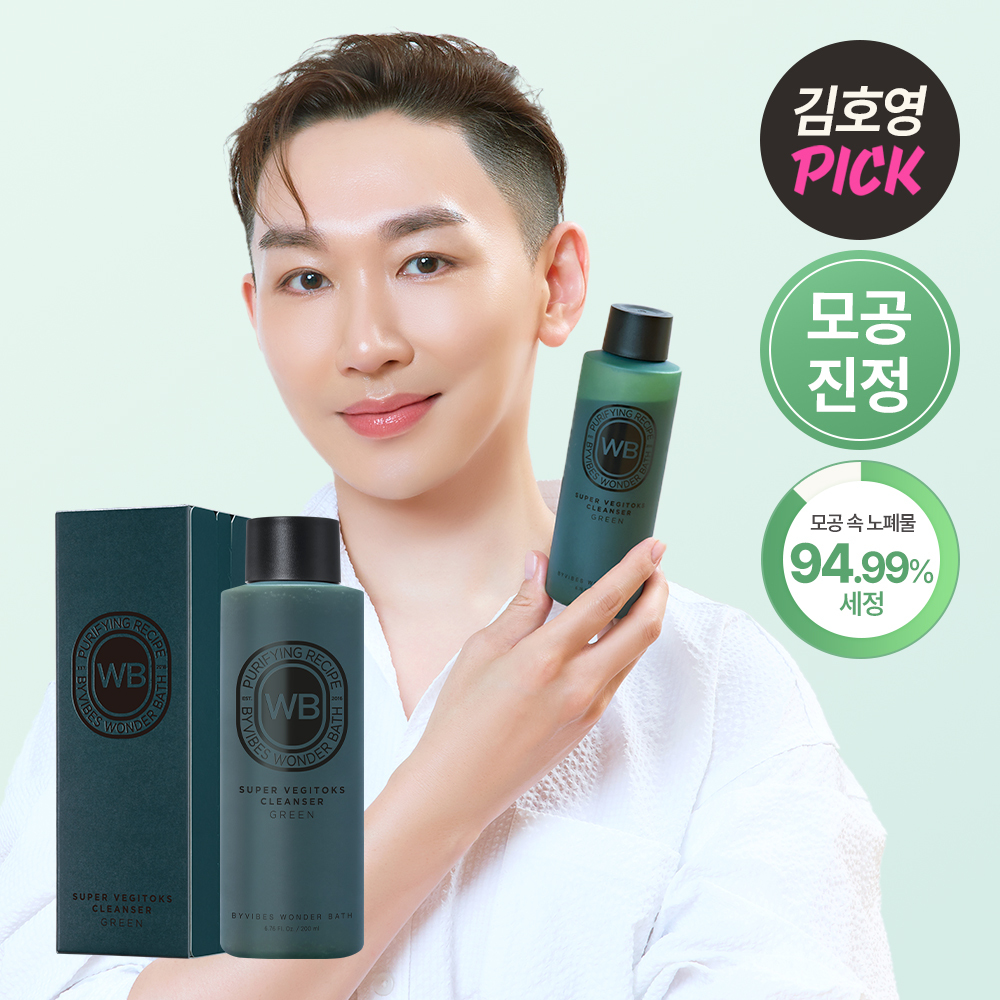
Wonder Bath Super Vegitoks Packcleanser
Chosungah Beauty

345 Relief Cream
Dr. Althea
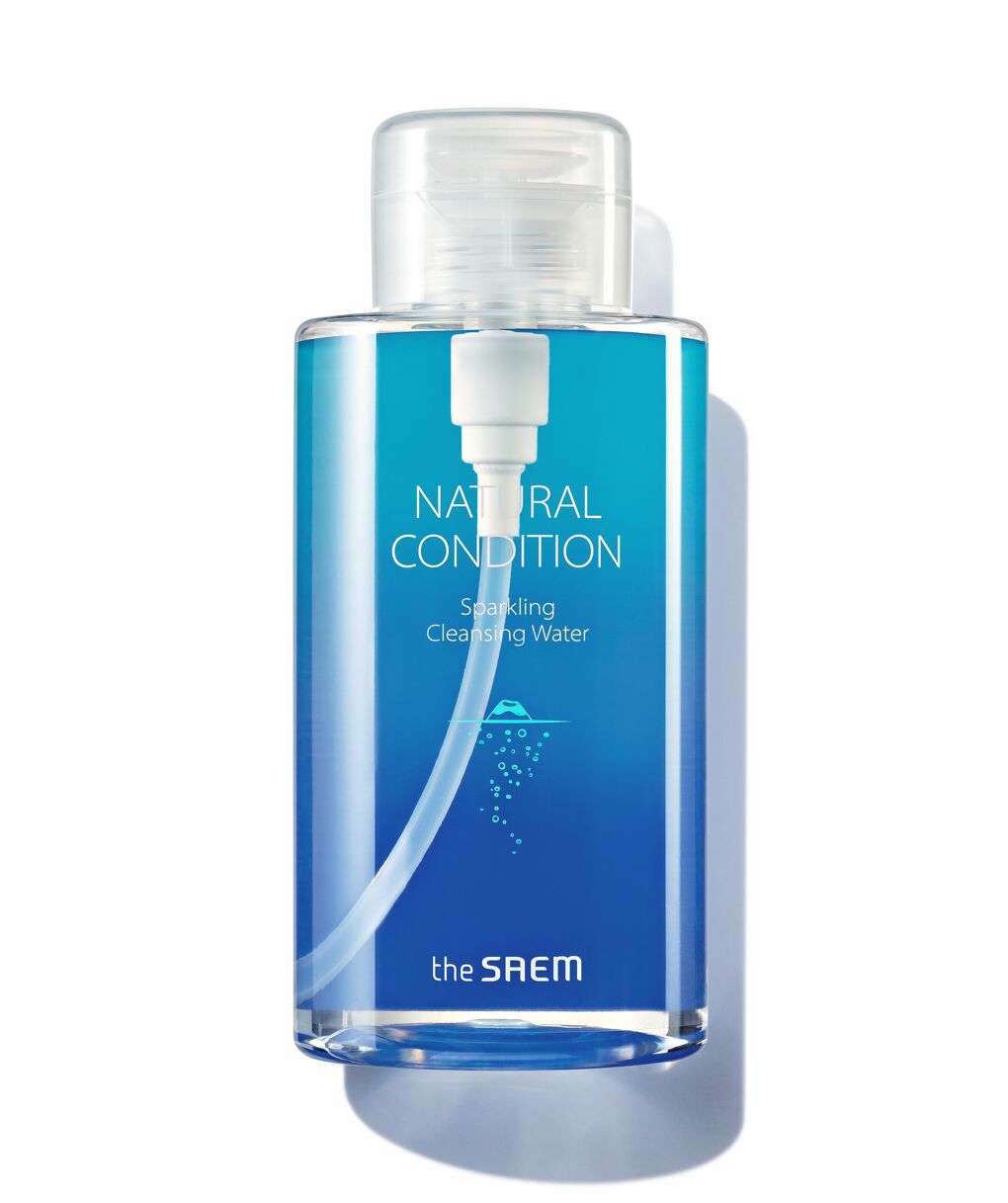
Natural Condition Sparkling Cleansing Water
The Saem
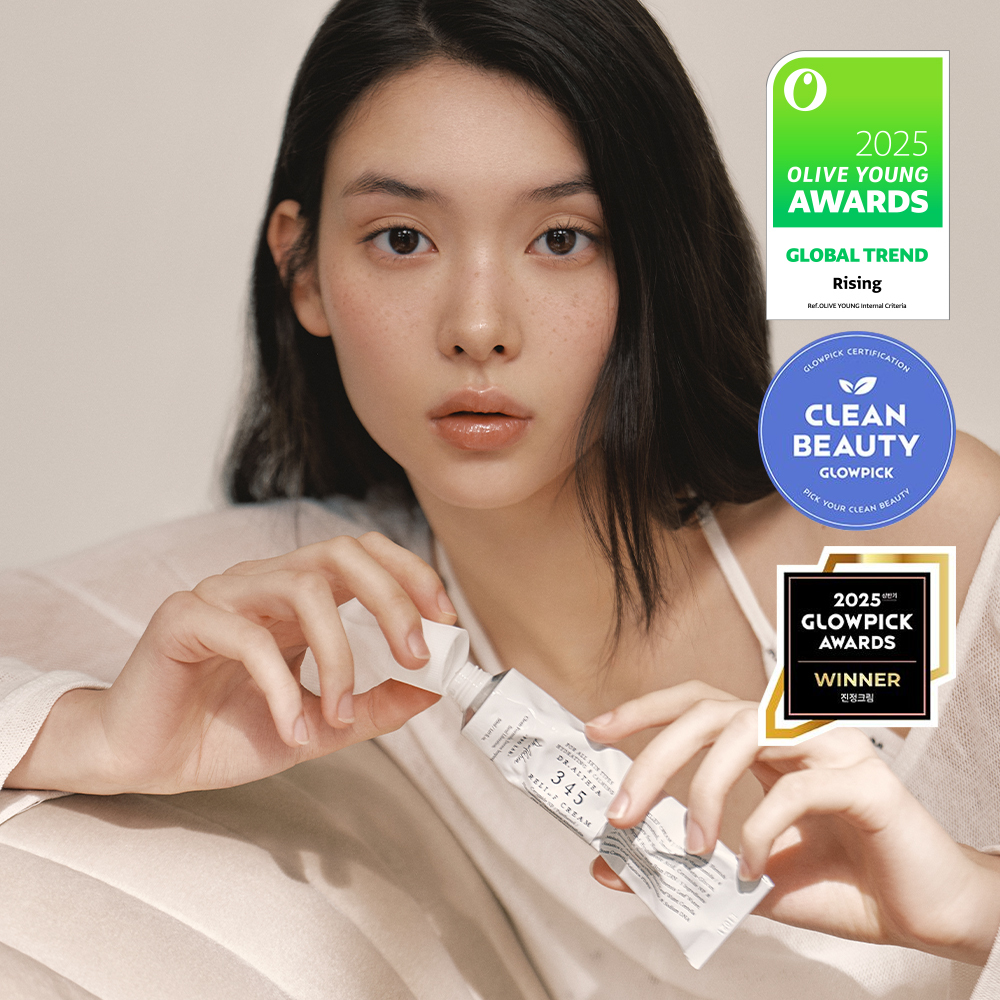
345 Relief Cream Set
Dr. Althea
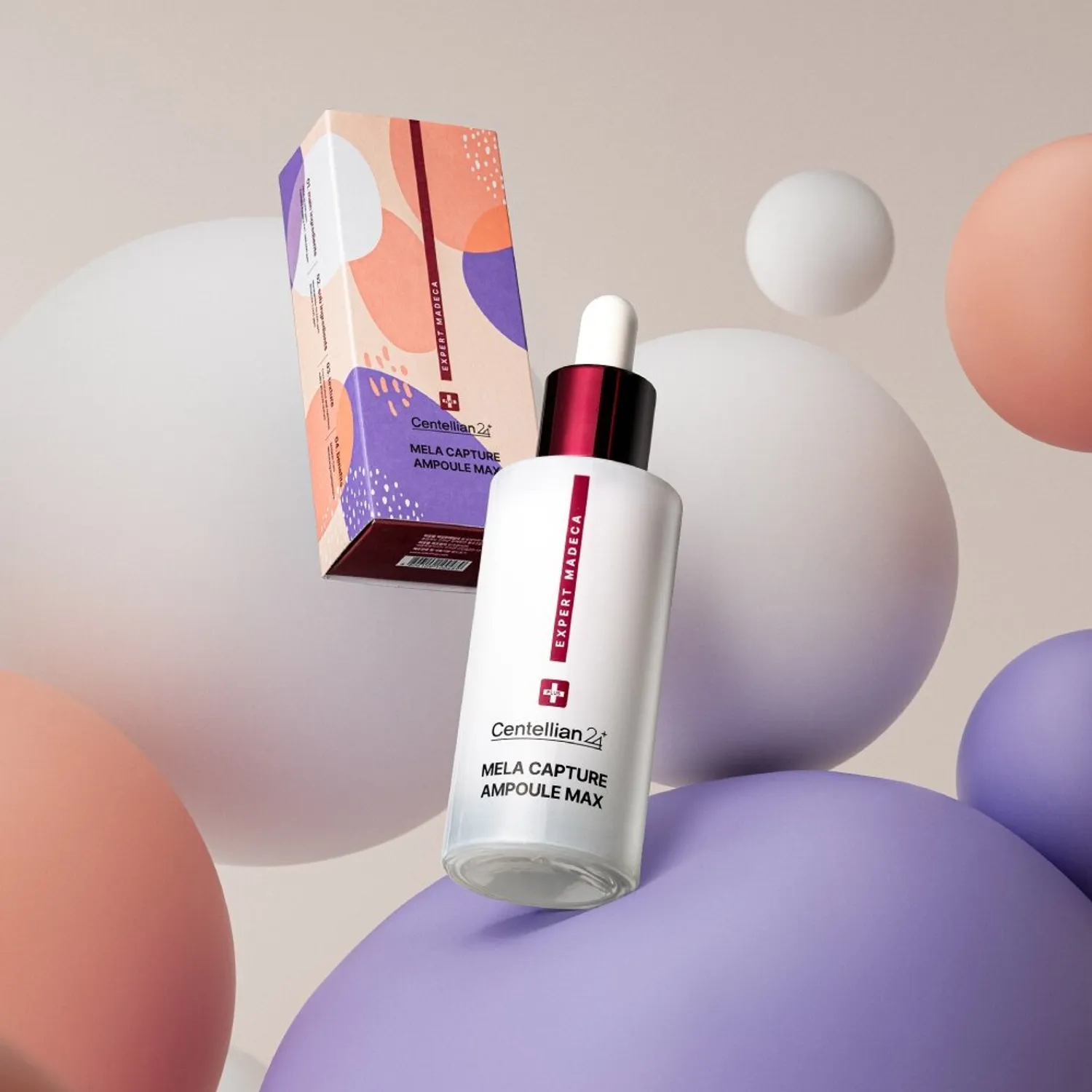
Expert Madeca Mela Capture Ampoule Max
Centellian24
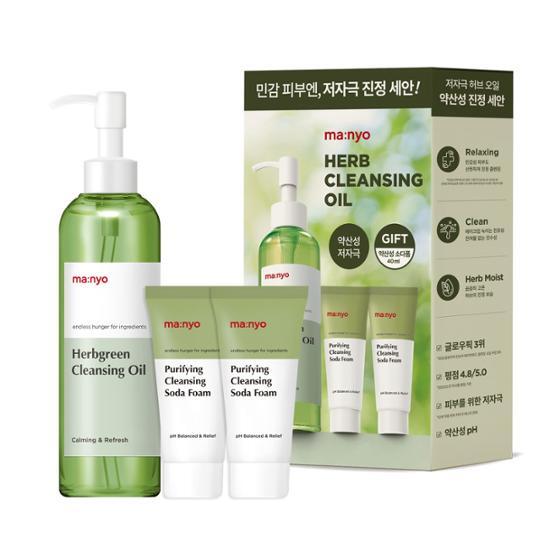
Herb Green Cleansing Oil Special Set
ma:nyo
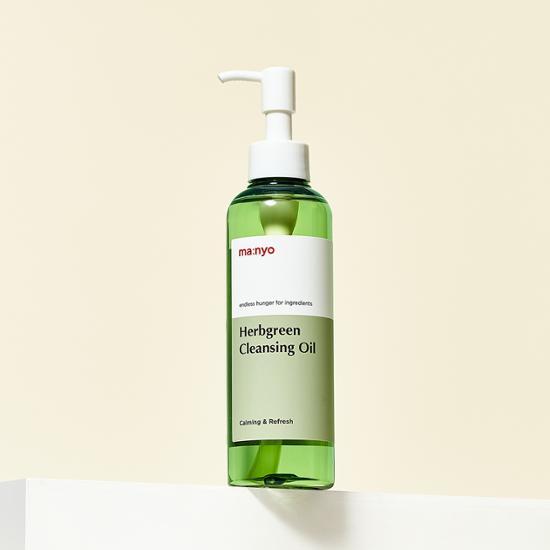
Herb Green Cleansing Oil
ma:nyo
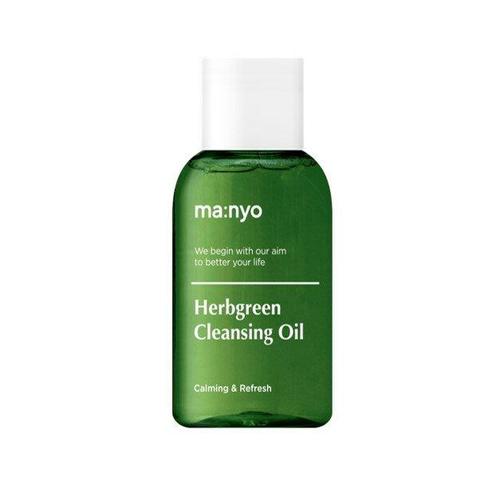
Herbgreen Cleansing Oil
ma:nyo
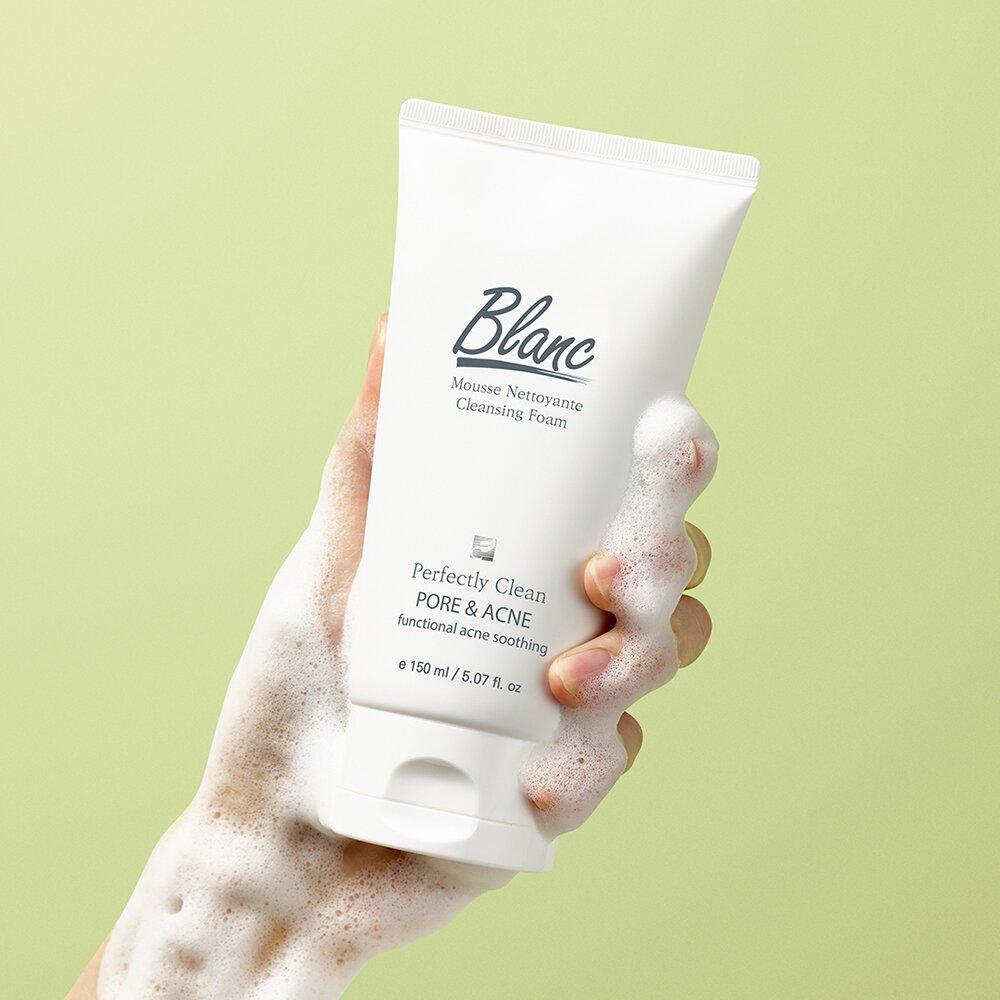
Blanc Nature Mousse Nettoyante Cleansing Foam
Beplain
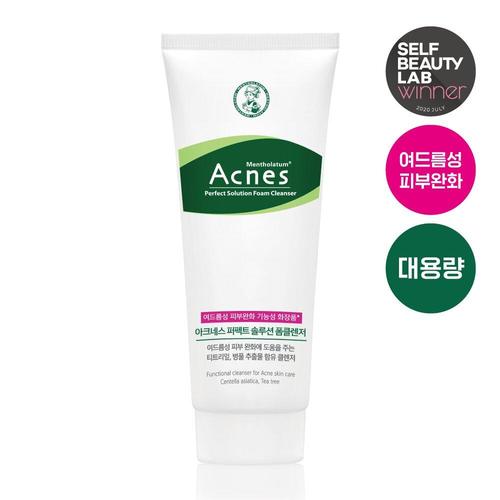
Perfect Solution Foam Cleanser
Acnes
Frequently Asked Questions
Is green tea water the same as green tea extract?▼
Can green tea water help with acne?▼
Will green tea water stain or discolor my skin?▼
How does green tea water compare to other botanical waters in K-beauty?▼
Can I use green tea water products if I'm sensitive to caffeine?▼
Explore More
Want personalized ingredient advice?
Yuri, our AI beauty advisor, can tell you how Green Tea Water works with your specific skin type, routine, and concerns.
Ask Yuri, free