Capryloyl Salicylic Acid
Lipophilic exfoliant for gentle pore cleansing
About Capryloyl Salicylic Acid
Capryloyl Salicylic Acid, often called LHA (lipohydroxy acid), is a lipophilic derivative of salicylic acid that has become a cornerstone ingredient in K-beauty cleansers and exfoliating treatments. Unlike traditional salicylic acid, which is water-soluble, this modified version has enhanced oil-solubility, allowing it to penetrate deeper into sebum-filled pores without causing the irritation typically associated with BHA exfoliants. Found in 288 K-beauty products on Seoul Sister, it's particularly favored in cleansing balms and oil-based formulas where its lipophilic nature allows it to work synergistically with other oil-soluble ingredients. K-beauty brands have embraced this ingredient because it aligns perfectly with the Korean skincare philosophy of gentle yet effective treatment. Products like Banila Co's Clean It Zero Pore Clarifying and Mixsoon's Master Gentle Recipe Foam Cleanser (both rated 5.0/5 on Seoul Sister) demonstrate how this ingredient can deliver professional-grade pore clarification without compromising skin barrier health. Its non-comedogenic rating of 0/5 makes it an ideal choice for acne-prone skin, while its gentler exfoliating action compared to traditional salicylic acid has made it accessible to those who previously couldn't tolerate chemical exfoliation.
How Capryloyl Salicylic Acid Works
Capryloyl Salicylic Acid works by attaching a lipophilic (fat-loving) chain to the salicylic acid molecule, fundamentally changing how it interacts with skin. This structural modification allows it to dissolve more readily in sebum, the oily substance that fills pores and can lead to congestion and breakouts. Once inside the pore, it performs targeted keratolytic action, meaning it breaks down the bonds between dead skin cells (desmosomes) that cling to the pore walls. This process happens more slowly and steadily than with traditional salicylic acid, which explains why it causes less irritation and redness. At the same time, it maintains salicylic acid's anti-inflammatory properties by inhibiting cyclooxygenase enzymes, reducing the inflammation that often accompanies clogged pores and breakouts. Because it penetrates primarily through the lipid-rich pore lining rather than the surrounding skin tissue, it concentrates its exfoliating action exactly where it's needed most, leaving the skin surface relatively undisturbed. This targeted mechanism is why dermatologists often describe it as a 'smart' exfoliant that knows where to work.
Capryloyl Salicylic Acid by Skin Type
Oily Skin
This ingredient is particularly effective for oily skin types, as its lipophilic nature allows it to cut through excess sebum and penetrate oil-clogged pores more efficiently than water-soluble exfoliants. The top-rated products on Seoul Sister containing this ingredient, like Banila Co's Clean It Zero Pore Clarifying (5.0/5), are specifically designed to address the enlarged pores and blackheads common in oily skin. Regular use can help regulate sebum buildup without triggering the rebound oil production that sometimes occurs with harsher exfoliants.
Dry Skin
While not the first-choice exfoliant for dry skin, Capryloyl Salicylic Acid can still benefit those with dehydrated skin who experience clogged pores or texture issues. Its gentler action compared to traditional salicylic acid means it's less likely to strip away essential lipids or disrupt the moisture barrier. If you have dry skin, look for formulations like Beplain's Mung Bean Pore Cleansing Milk Balm (4.9/5) that combine this ingredient with nourishing oils and emollients to maintain hydration while addressing congestion.
Combo Skin
Combination skin is perhaps the ideal candidate for Capryloyl Salicylic Acid, as it can target oily T-zone concerns without over-drying cheek areas. Products like ma:nyo's Deep Clear Cleansing Balm (4.8/5) work well because the ingredient focuses its exfoliating action inside pores rather than on the skin surface, meaning drier areas remain relatively unaffected. This allows you to address multiple skin concerns with a single product rather than needing separate treatments for different facial zones.
Sensitive Skin
Capryloyl Salicylic Acid is generally well-tolerated by sensitive skin types due to its slower, more controlled exfoliation process and reduced penetration into living skin tissue. However, if you have rosacea or extremely reactive skin, start slowly with once or twice weekly use to assess tolerance. The high safety rating of 4/5 reflects its gentler profile, and products like Mixsoon's Master Gentle Recipe (5.0/5) are specifically formulated with sensitive skin in mind, combining this ingredient with soothing agents.
Normal Skin
Normal skin can incorporate Capryloyl Salicylic Acid as a maintenance ingredient to prevent pore congestion and maintain smooth texture. Two to three times weekly use in a cleansing balm or treatment product is typically sufficient to keep skin clear without over-exfoliating. The non-comedogenic rating of 0/5 means you can use it confidently without worrying about creating new breakouts, making it an excellent preventative ingredient for maintaining balanced, healthy skin.
How to Use Capryloyl Salicylic Acid
- 1Use Capryloyl Salicylic Acid products in your evening routine, as exfoliants can increase sun sensitivity and nighttime allows the ingredient to work without interference from makeup or sunscreen.
- 2Start with 2-3 times weekly application if you're new to chemical exfoliants, gradually increasing frequency based on your skin's response. The Seoul Sister top-rated products work well with this gradual approach.
- 3Pair with a good moisturizer and always follow with SPF during the day, even though this ingredient is gentler than traditional salicylic acid, consistent sun protection is essential when using any exfoliant.
- 4Layer with niacinamide or centella asiatica products to enhance anti-inflammatory benefits and support skin barrier health during the exfoliation process.
- 5Avoid combining with other strong exfoliants (glycolic acid, retinoids) in the same routine, instead alternate nights to prevent over-exfoliation and irritation.
Background
Capryloyl Salicylic Acid was developed by L'Oréal Research in the late 1990s as a next-generation alternative to salicylic acid, with the goal of maintaining its pore-clearing benefits while minimizing irritation. The molecule was created by esterifying salicylic acid with caprylic acid, a fatty acid derived from coconut oil, which gave it enhanced lipophilic properties. Initially used in Western dermatological treatments, it caught the attention of K-beauty formulators around the mid-2010s who were seeking gentle yet effective solutions for pore care, a major concern in Korean skincare. Korean brands recognized that this ingredient aligned perfectly with their philosophy of 'skin that doesn't feel treated,' meaning effective results without visible irritation or flaking. The ingredient gained particular traction in cleansing balms and oil-based products, where its fat-soluble nature could be fully leveraged. Today, it's considered a staple in K-beauty pore care formulations, with 288 products on Seoul Sister featuring this ingredient.
K-Beauty Products with Capryloyl Salicylic Acid
View all 300 →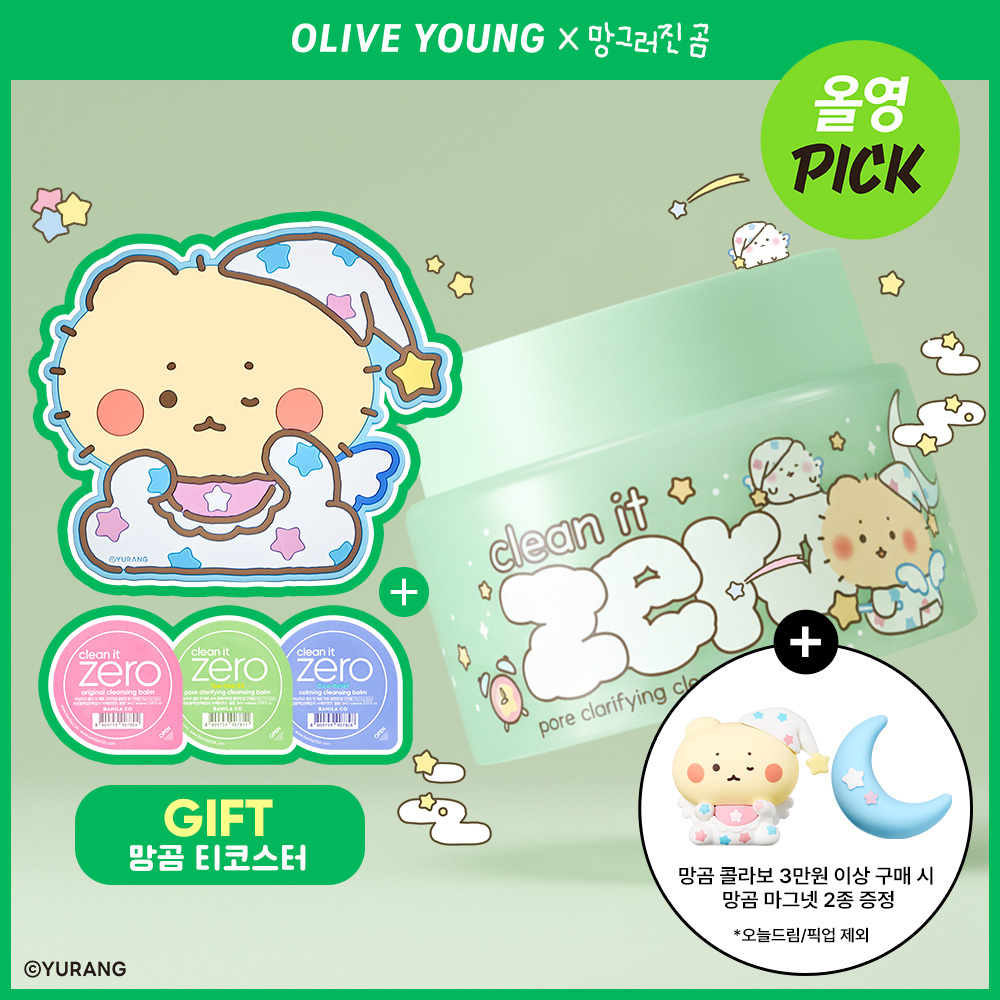
Clean It Zero Pore Clarifying Cleansing Balm
Banila Co
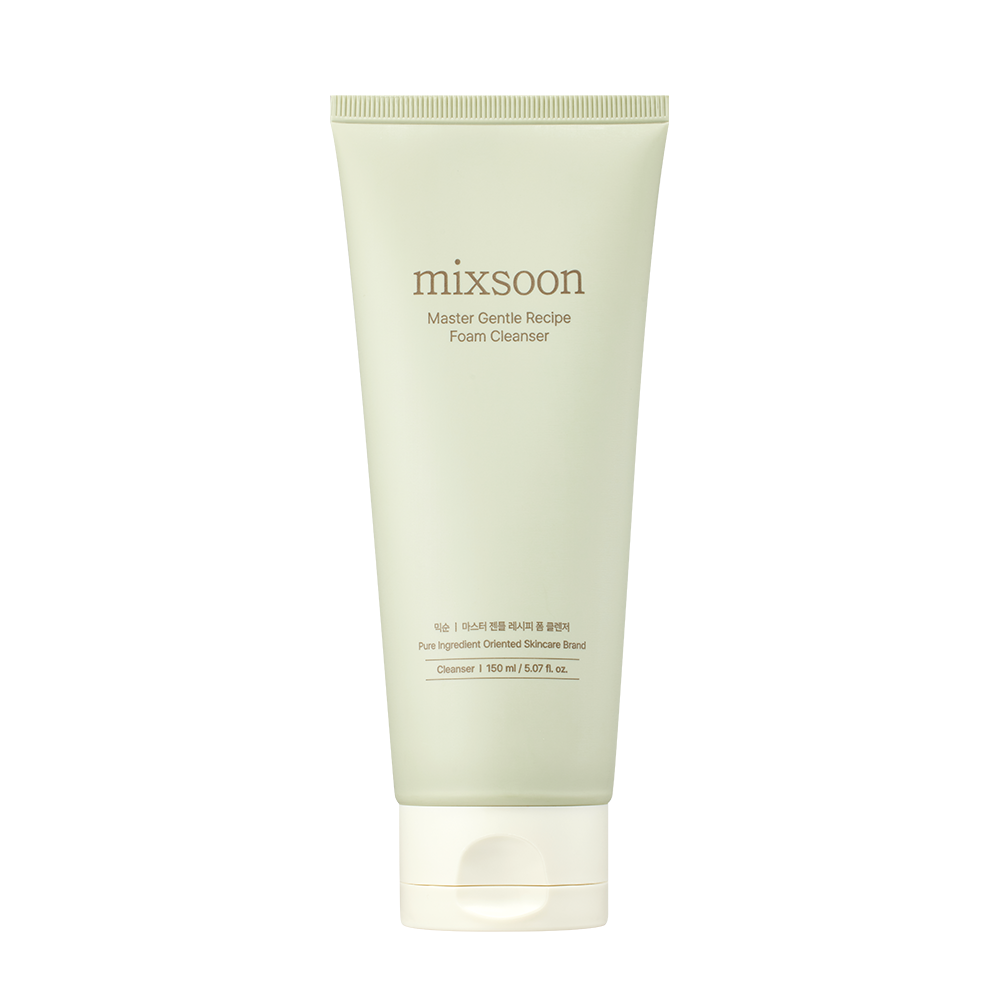
Master Gentle Recipe Foam Cleanser
Mixsoon
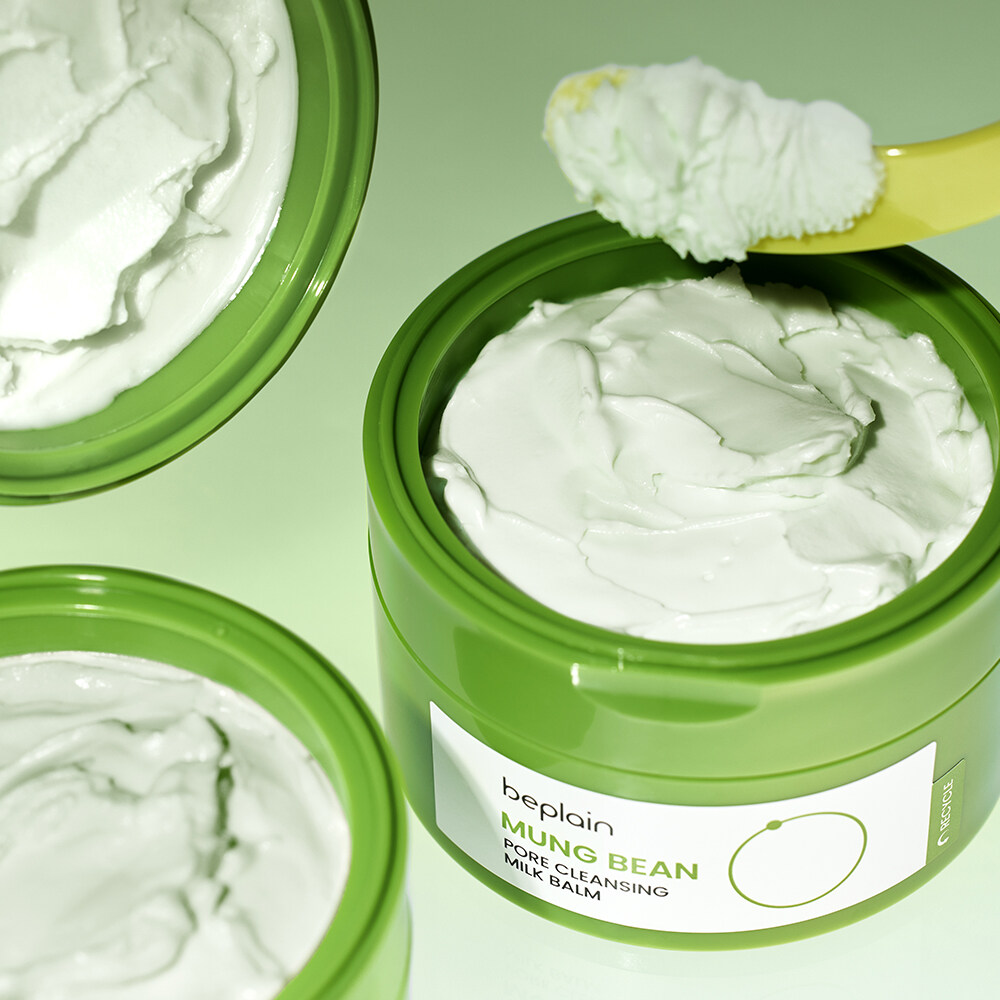
Mung Bean Pore Cleansing Milk Balm
Beplain
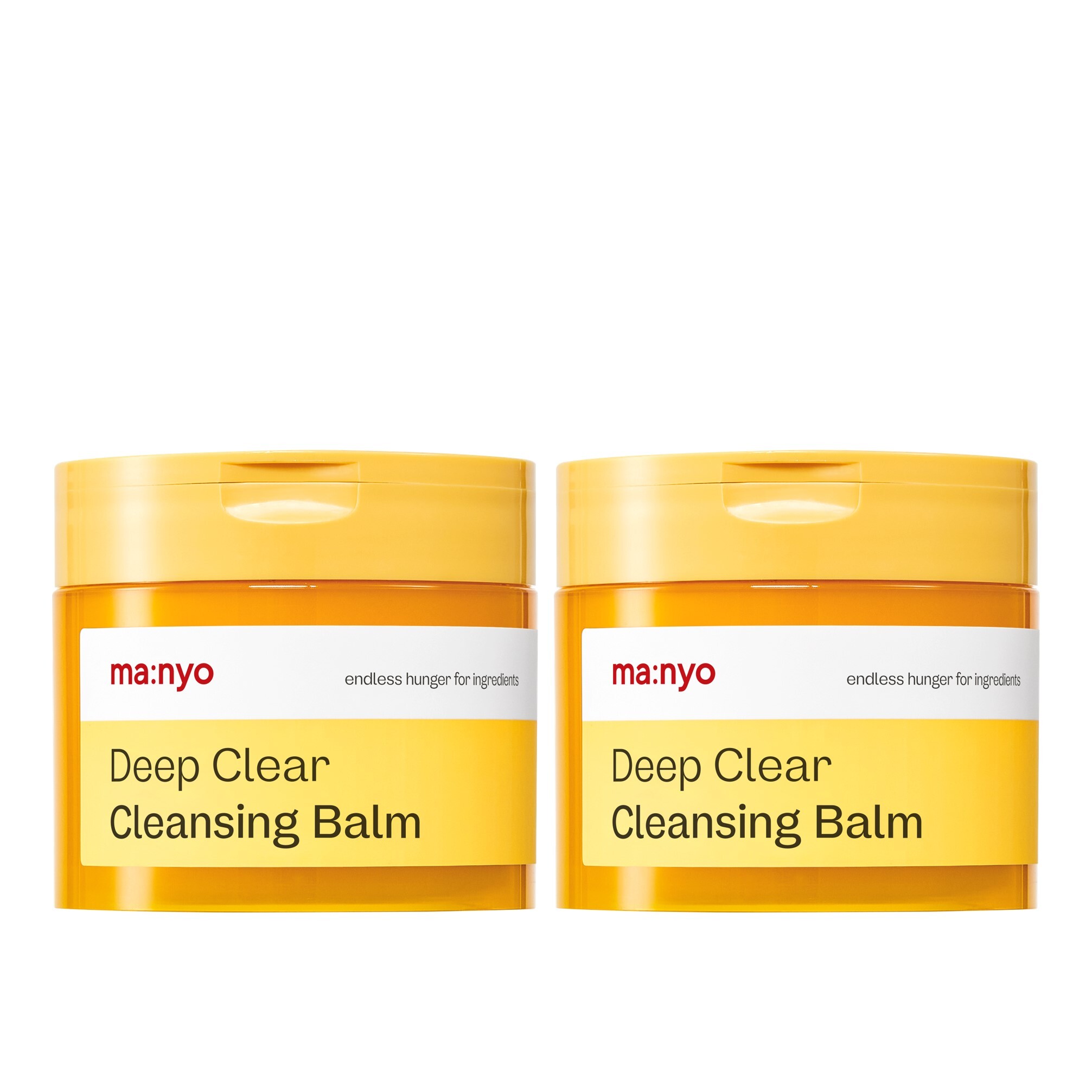
Deep Clear Cleansing Balm Double Pack
ma:nyo
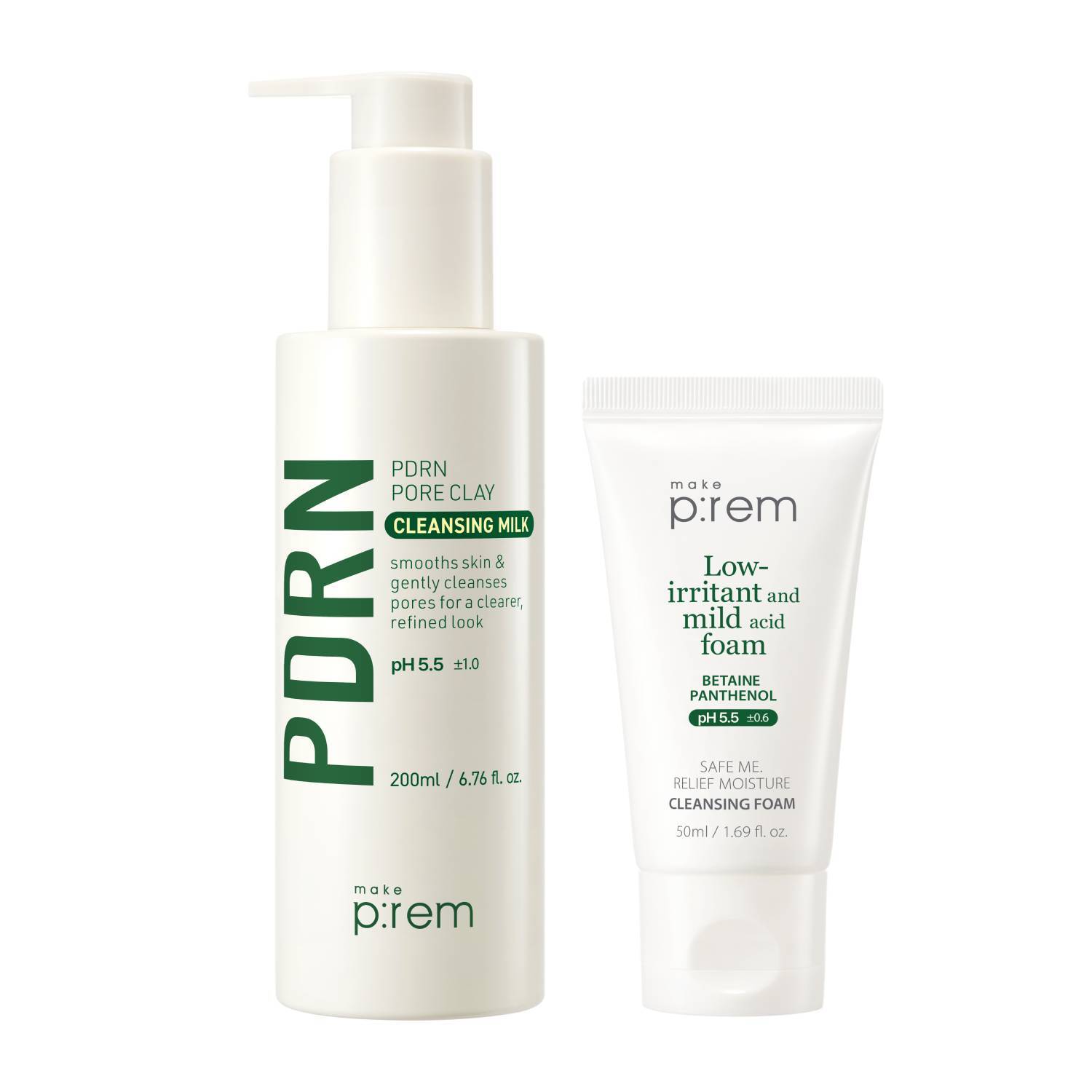
PDRN Pore Clay Cleansing Milk Set
Makeprem
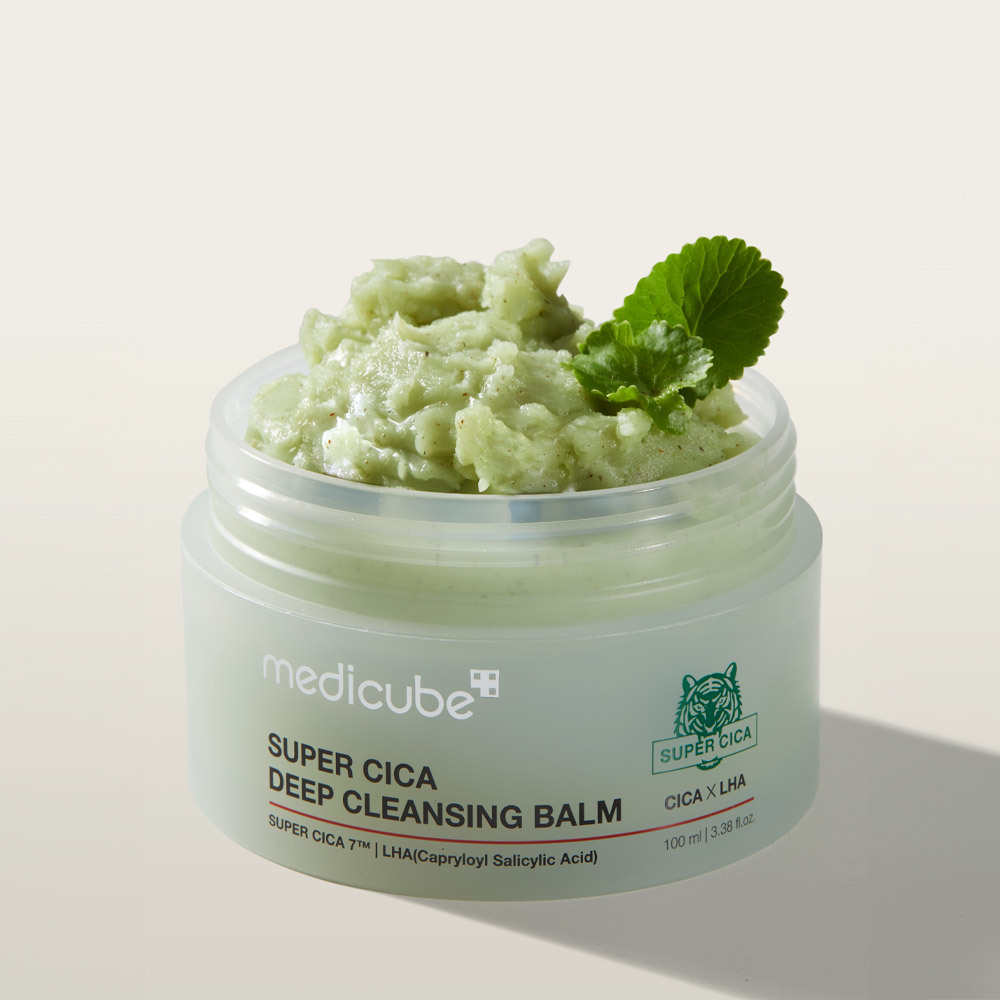
Super Cica Deep Cleansing Balm
Medicube

Madeca Matcha Toning Peeling Gel
Centellian24
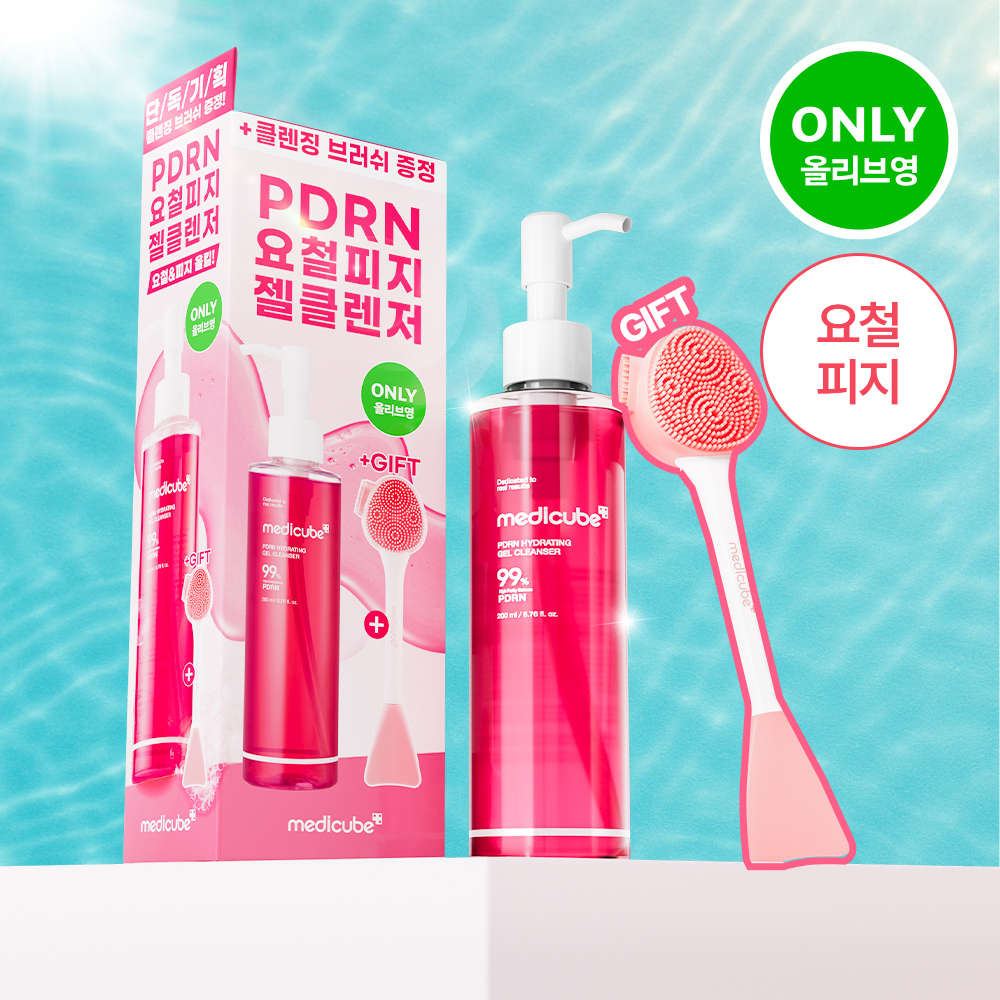
PDRN Gel To Foam Cleanser
Medicube
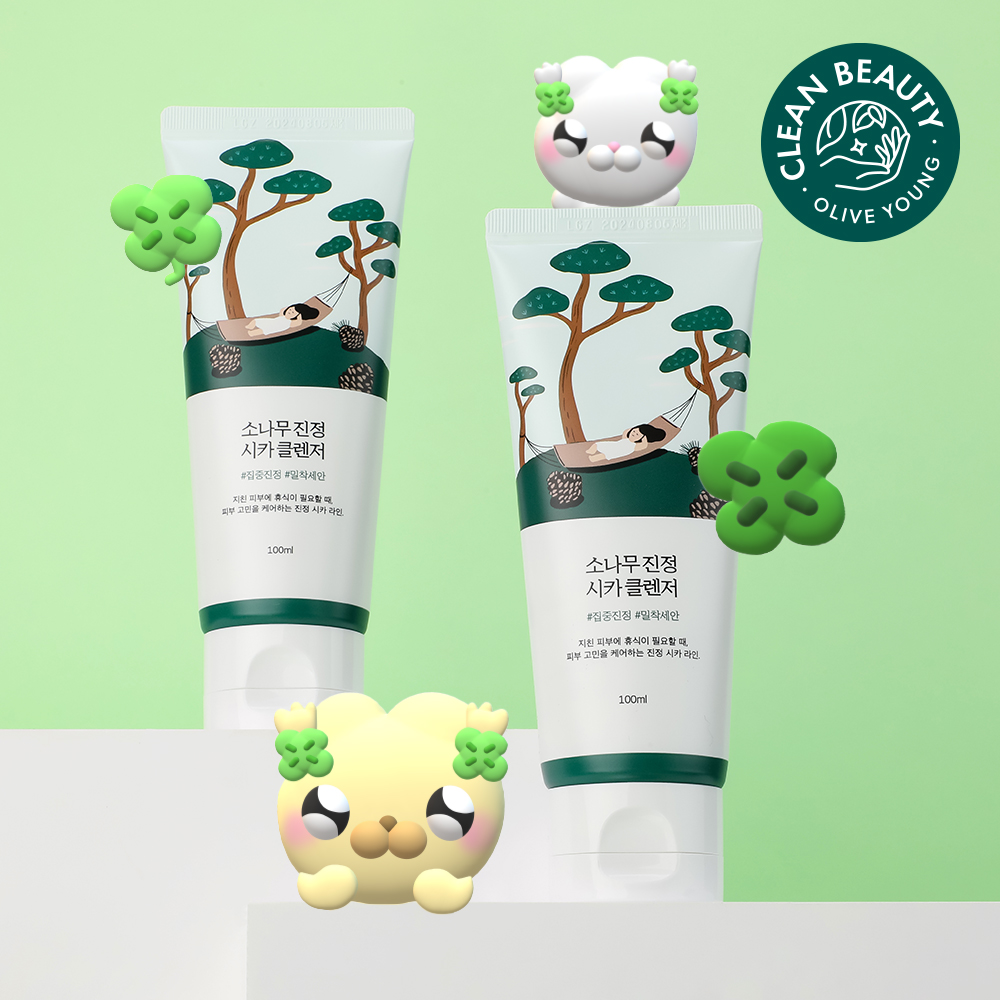
Pine Calming Cica Cleanser Double Pack
Round Lab
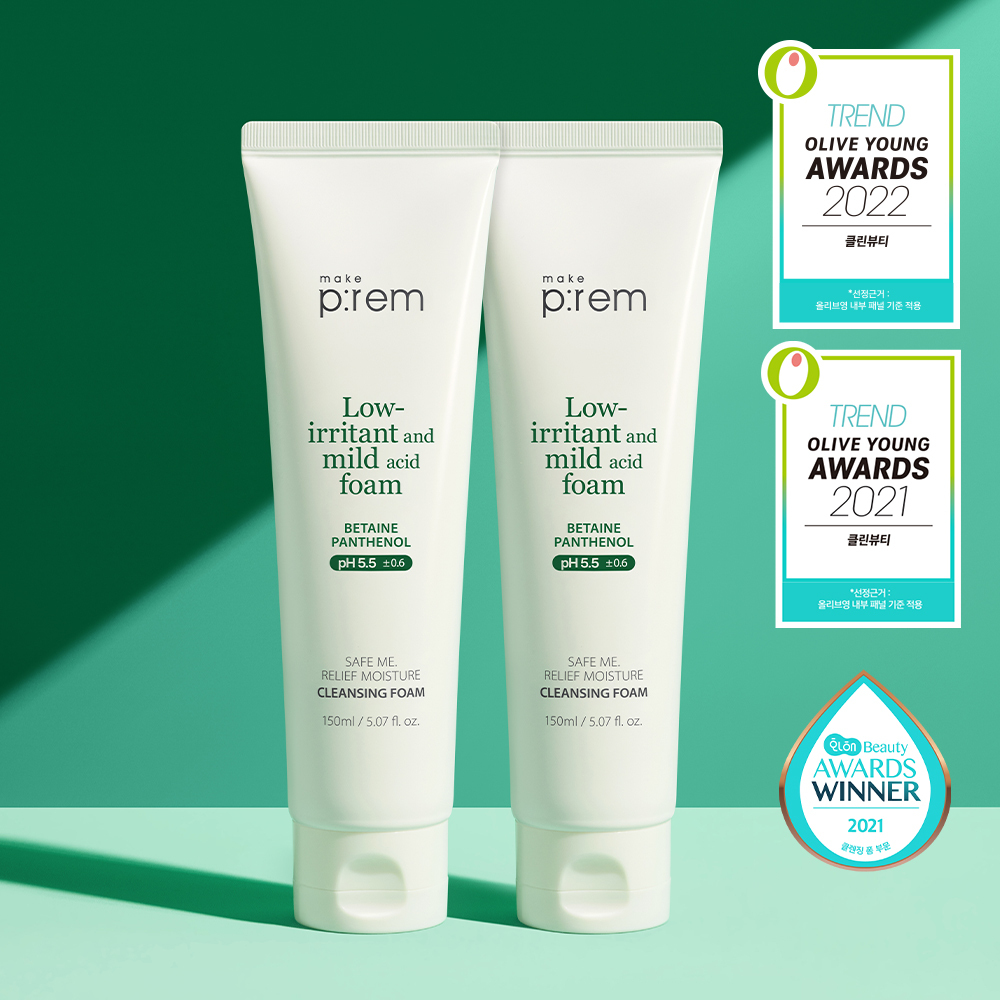
Safe Me Relief Moisture Cleansing Foam
Makeprem
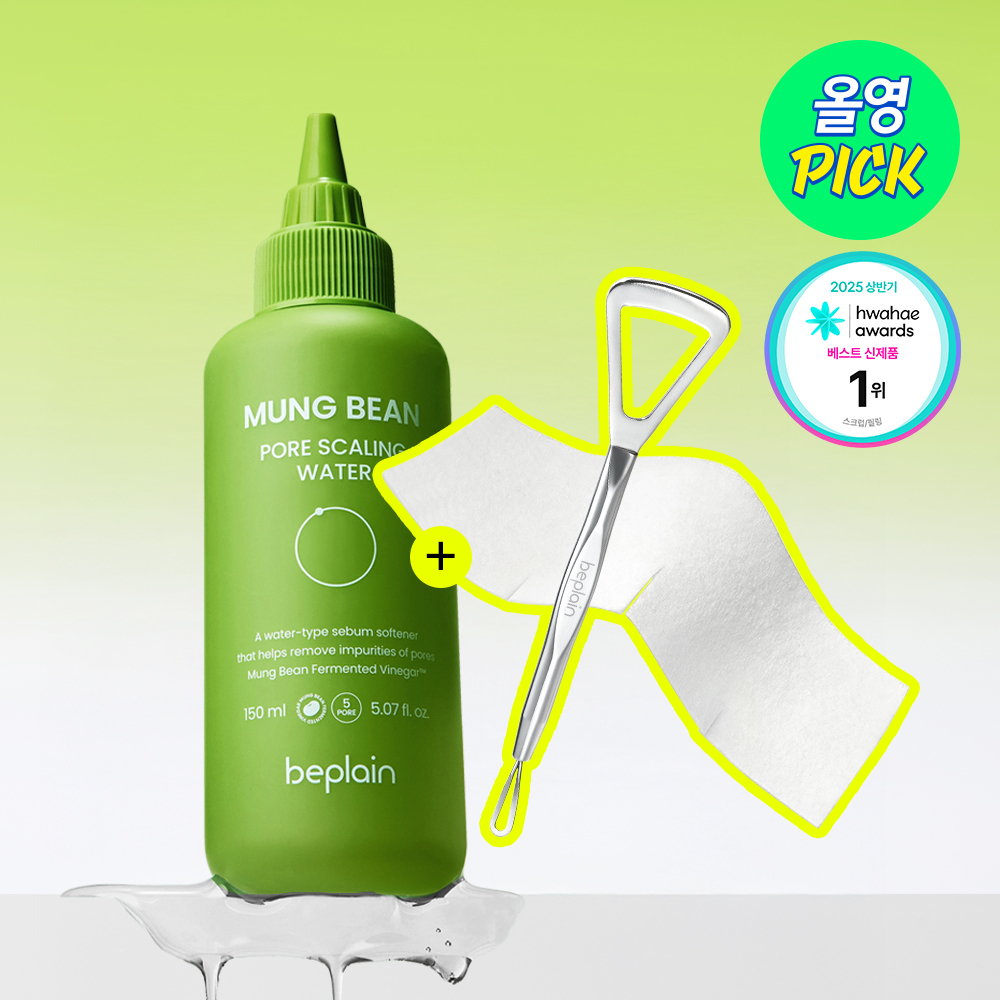
Mung Bean Pore Scaling Water Set
Beplain
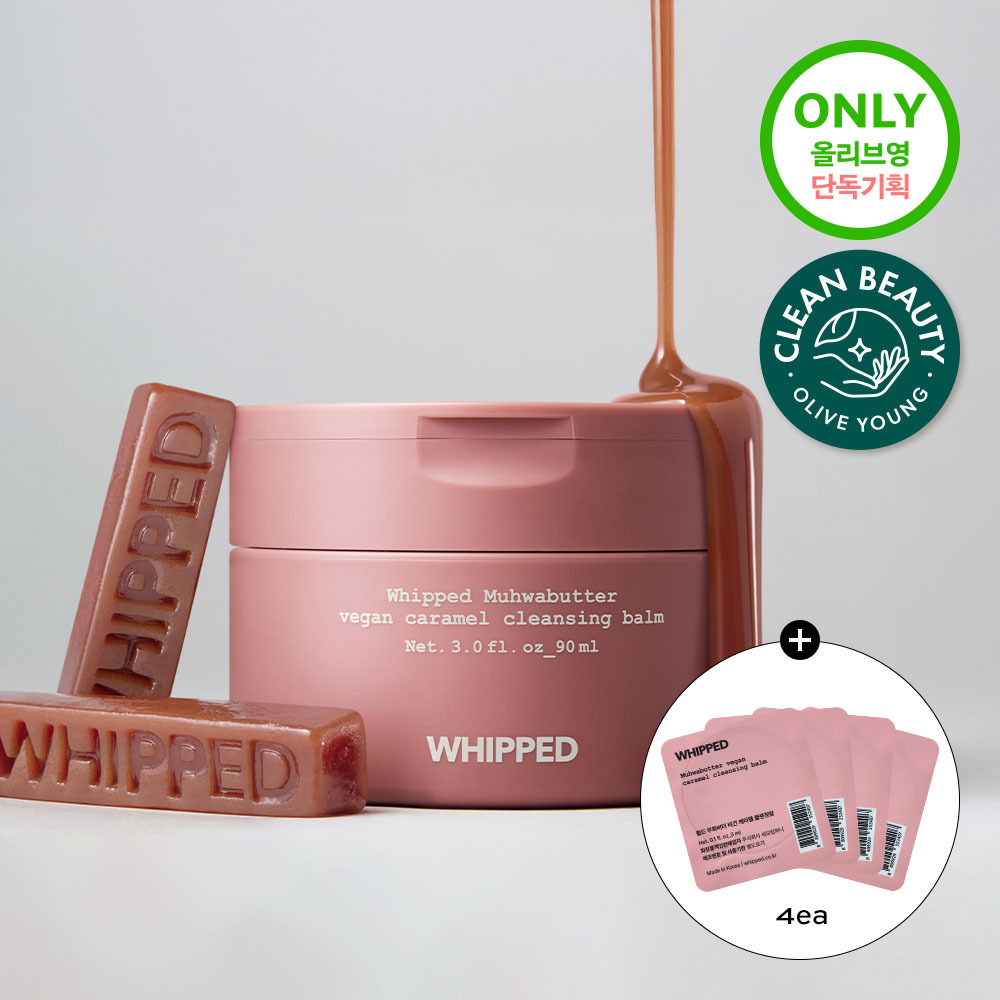
Muhwabutter Vegan Caramel Cleansing Balm
Whipped
Frequently Asked Questions
Is Capryloyl Salicylic Acid the same as regular salicylic acid?▼
Can I use Capryloyl Salicylic Acid if I'm pregnant or breastfeeding?▼
How long does it take to see results from Capryloyl Salicylic Acid?▼
Will Capryloyl Salicylic Acid make my skin purge?▼
Can I use Capryloyl Salicylic Acid with vitamin C or retinol?▼
Explore More
Want personalized ingredient advice?
Yuri, our AI beauty advisor, can tell you how Capryloyl Salicylic Acid works with your specific skin type, routine, and concerns.
Ask Yuri, free