Carnosine
Antioxidant that protects against glycation and aging
About Carnosine
Carnosine is a dipeptide (a molecule made of two amino acids, beta-alanine and histidine) naturally produced in human muscles and brain tissue. In skincare, it's prized as a multitasking antioxidant that goes beyond neutralizing free radicals. Its standout feature is its ability to fight glycation, a process where sugar molecules bind to proteins like collagen and elastin, making them stiff and brittle. This glycation process is a major contributor to visible aging, including wrinkles, sagging, and a loss of skin resilience. Carnosine intervenes by preventing these sugar-protein bonds and even helping reverse damage that's already occurred. K-beauty brands have embraced carnosine in serums and creams targeting mature skin, dark spots, and overall skin firmness. With 68 products on Seoul Sister featuring this ingredient, it's becoming a go-to for those who want science-backed anti-aging without irritation. Its safety rating of 5/5 and non-comedogenic profile (0/5) make it universally suitable, even for acne-prone or sensitive skin. You'll often find it paired with other regenerative ingredients like PDRN or niacinamide in premium formulations designed to restore youthful clarity and bounce.
How Carnosine Works
At a cellular level, carnosine acts as both a free radical scavenger and an anti-glycation agent. Free radicals (unstable molecules from UV exposure, pollution, and stress) damage skin cells and accelerate aging. Carnosine neutralizes these before they can attack cell membranes or DNA. More uniquely, carnosine inhibits the formation of advanced glycation end products (AGEs), which occur when glucose molecules latch onto collagen fibers in a process called the Maillard reaction (the same chemistry that browns toast). AGEs make collagen rigid and yellow, contributing to dullness and loss of elasticity. Carnosine works by forming a protective shield around proteins, blocking sugar molecules from binding. It also chelates (binds to) metal ions like copper and zinc that catalyze oxidative damage, further protecting skin structure. Studies show that carnosine can extend the lifespan of cultured skin cells and reduce the appearance of aged or stressed skin by maintaining the integrity of the extracellular matrix where collagen and elastin reside.
Carnosine by Skin Type
Oily Skin
Carnosine is excellent for oily skin because it's lightweight and non-comedogenic, meaning it won't clog pores or trigger breakouts. Its antioxidant properties help protect skin from environmental stressors that can exacerbate oil production and inflammation. Pair it with sebum-regulating ingredients like niacinamide for balanced, protected skin.
Dry Skin
Dry skin benefits from carnosine's ability to preserve collagen and elastin, which help maintain the skin's moisture barrier. While carnosine itself isn't a humectant, it prevents structural damage that can worsen dryness and crepiness over time. Look for formulas that combine carnosine with hydrating ingredients like hyaluronic acid or ceramides for maximum plumping and protection.
Combo Skin
Combination skin thrives with carnosine because it addresses aging concerns in drier cheek areas while staying lightweight enough for oilier T-zones. Its anti-glycation benefits help maintain firmness across all zones without adding heaviness. Use it in a serum format before your moisturizer to ensure even absorption.
Sensitive Skin
Carnosine is ideal for sensitive skin thanks to its 5/5 safety rating and anti-inflammatory properties. It protects against oxidative stress that can trigger redness and reactivity, while its gentle peptide structure is unlikely to cause irritation. Many sensitive-skin-friendly K-beauty lines include carnosine in soothing, redness-reducing formulas alongside centella or panthenol.
Normal Skin
Normal skin can use carnosine as a preventive anti-aging measure to maintain youthful firmness and clarity. Its antioxidant and anti-glycation effects work quietly over time to preserve skin quality before visible signs of aging appear. Incorporate it into your morning routine under sunscreen for long-term protection against environmental and metabolic damage.
How to Use Carnosine
- 1Apply carnosine serums or creams in the morning under sunscreen to maximize its protective benefits against UV-induced oxidative stress and glycation throughout the day.
- 2Combine carnosine with vitamin C or niacinamide for a powerful antioxidant cocktail that addresses multiple aging pathways, from brightening to firming.
- 3Store carnosine products away from heat and direct light, as peptides can degrade with prolonged exposure to high temperatures.
- 4Use carnosine consistently for at least 8-12 weeks to see visible improvements in skin firmness and reduction in fine lines, as anti-glycation effects build gradually.
- 5Layer carnosine serums before heavier creams or oils to ensure the smaller peptide molecules penetrate effectively into the skin.
Background
Carnosine was first discovered in 1900 by Russian chemist Vladimir Gulevich, who isolated it from meat extract. For decades, it was studied primarily for its role in muscle physiology and neurological health. Its anti-aging potential in skincare wasn't widely explored until the early 2000s, when research revealed its anti-glycation properties and ability to protect cellular proteins from oxidative damage. K-beauty innovators were among the first to incorporate carnosine into cosmetic formulations, recognizing its synergy with other regenerative ingredients like PDRN and growth factors. Korean labs appreciated carnosine's dual action: immediate antioxidant defense and long-term structural preservation. By the 2010s, it began appearing in premium serums and creams targeting mature skin and prevention-focused routines. Today, carnosine is a staple in science-forward K-beauty lines that emphasize evidence-based anti-aging without harsh actives.
K-Beauty Products with Carnosine
View all 73 →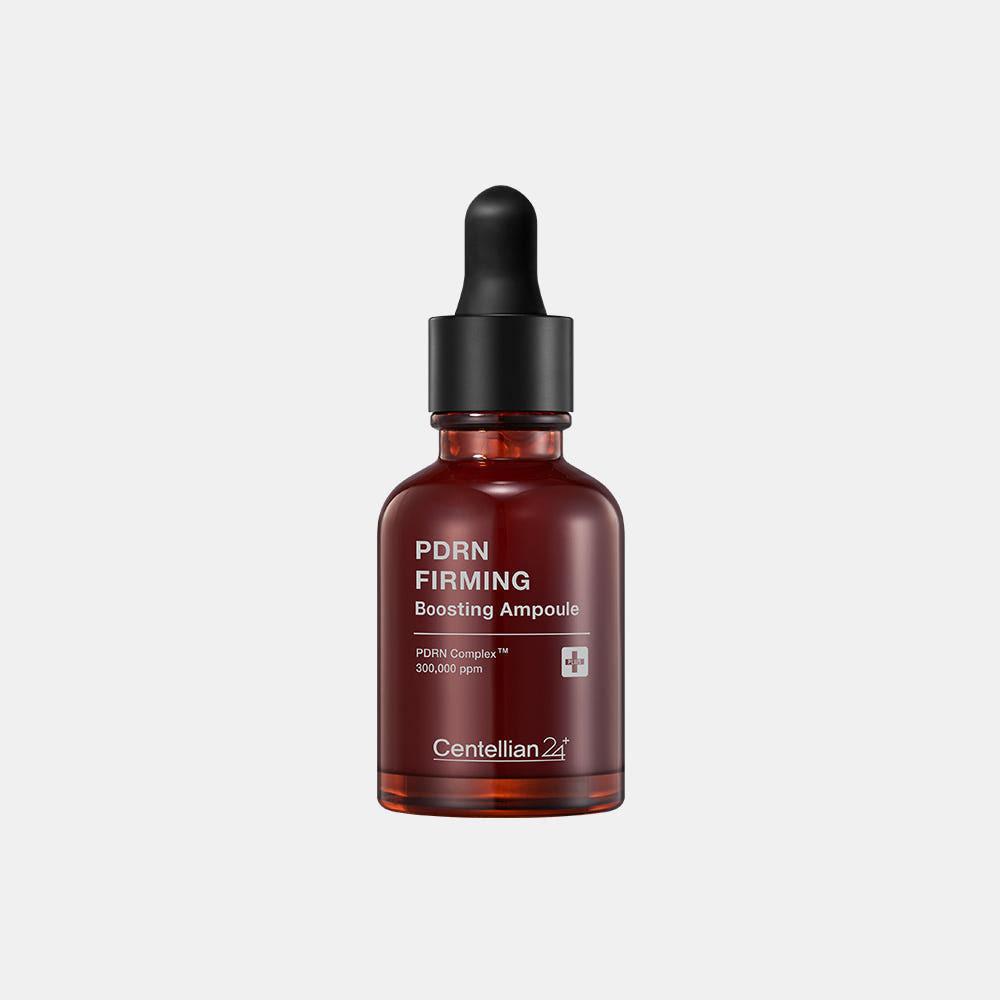
PDRN Firming Boosting Ampoule
Centellian24
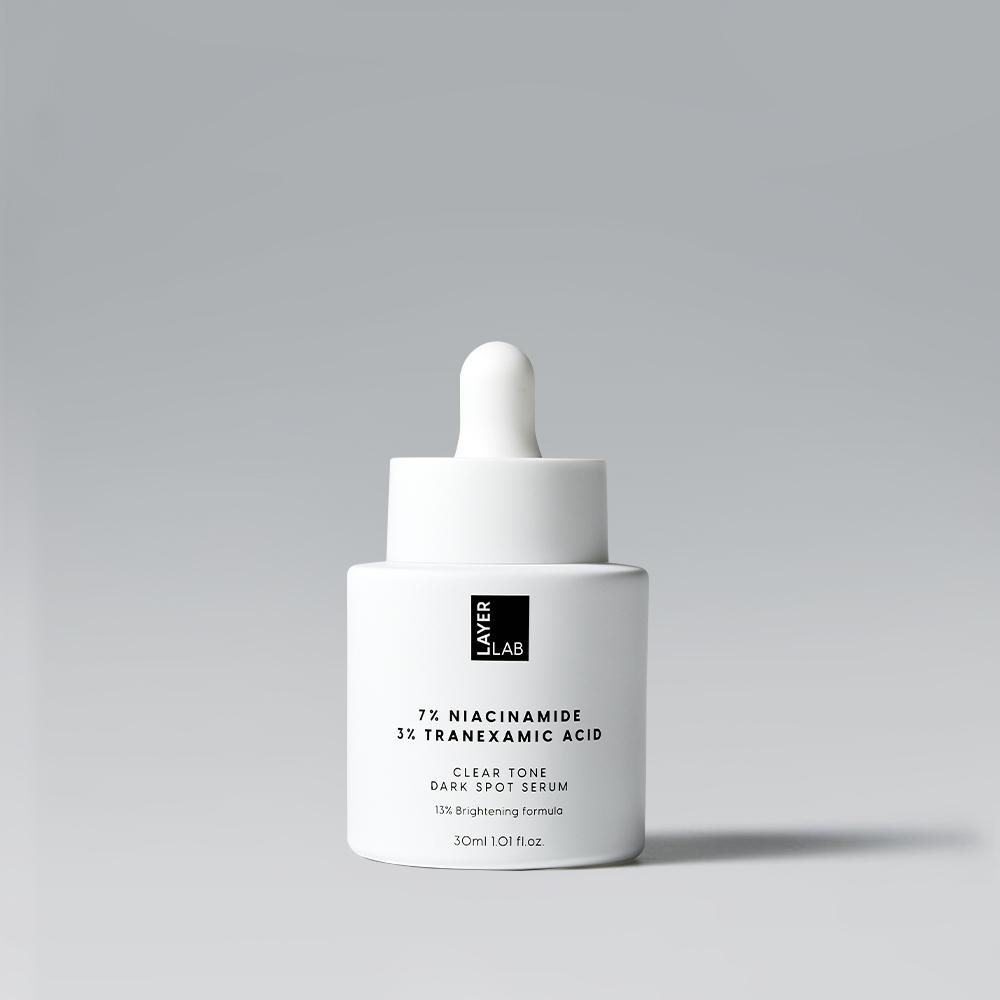
Clear Tone Dark Spot Serum
Anua

No. 9 NAD Bio Lifting-sil Essence
Numbuzin
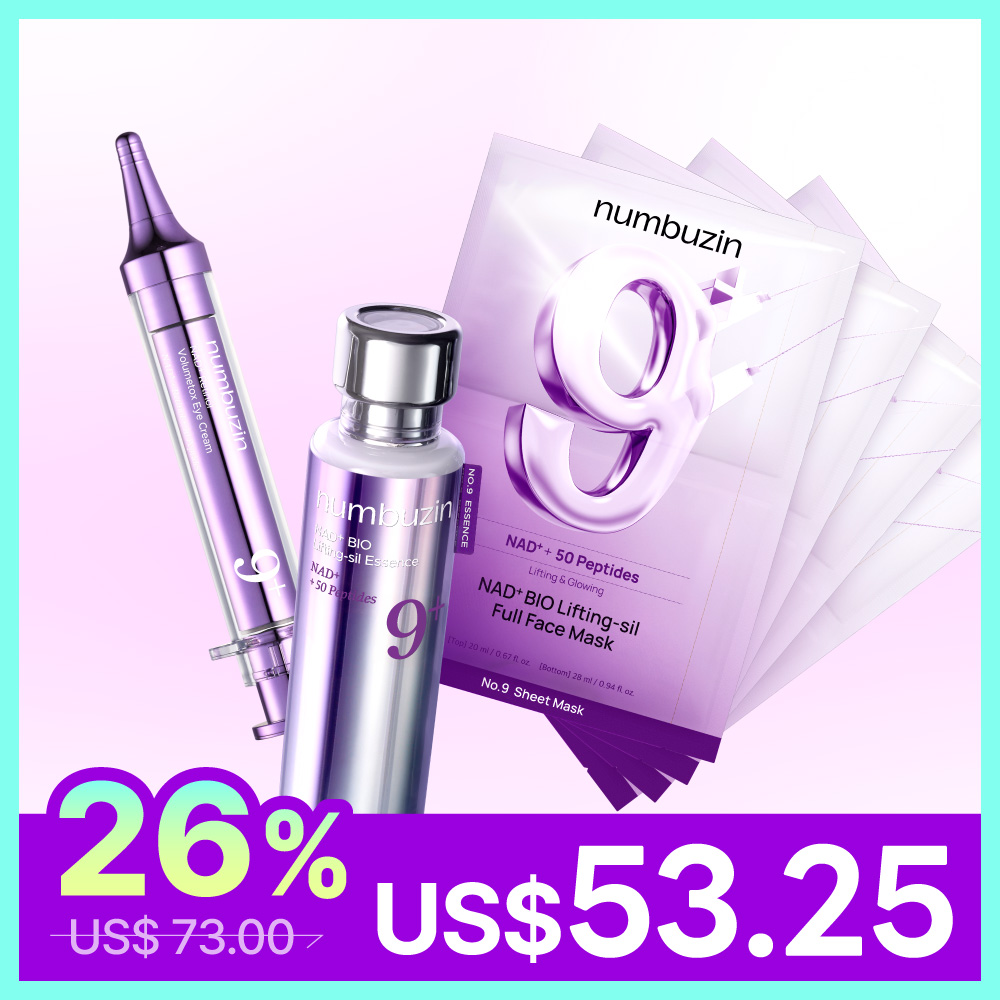
No. 9 NAD Ultimate Lifting Set
Numbuzin
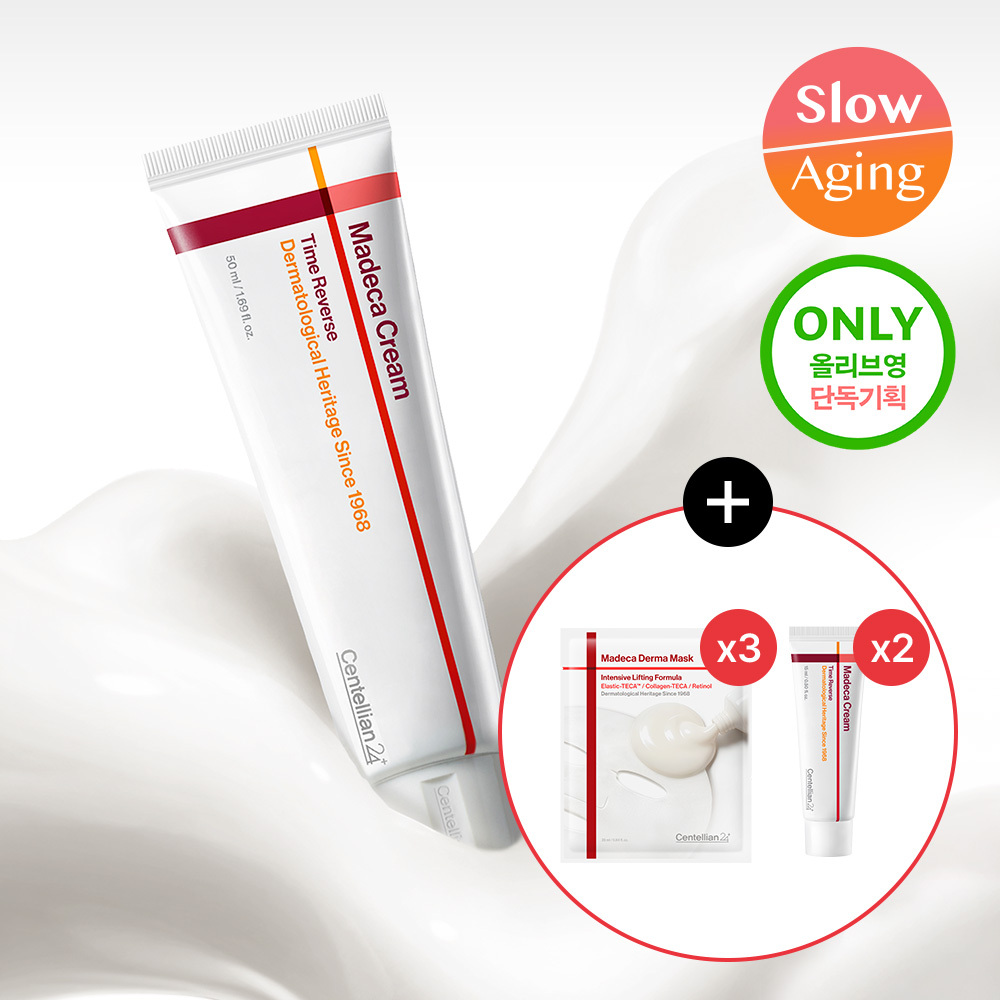
Madeca Cream Time Reverse Set
Centellian24

Peptivita C Blemish Serum
Real Barrier
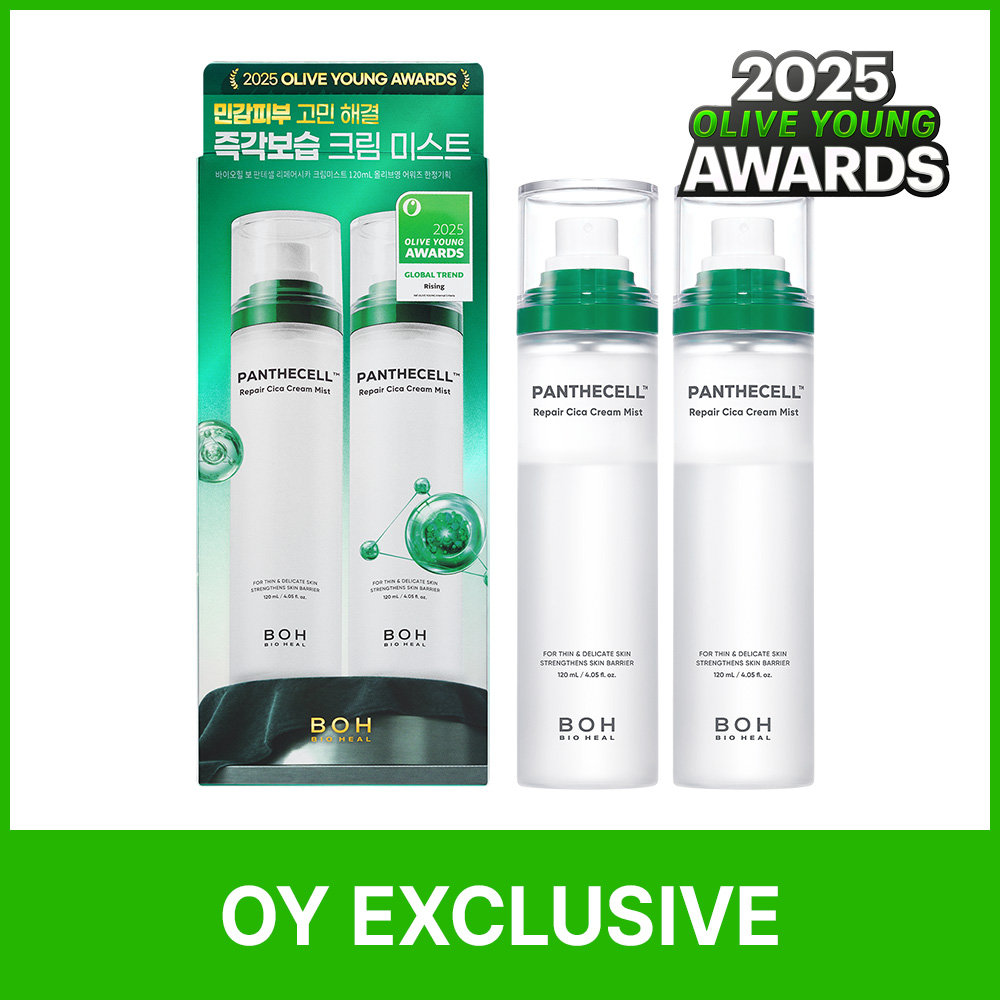
Panthecell Repair Cica Cream Mist
Bioheal BOH
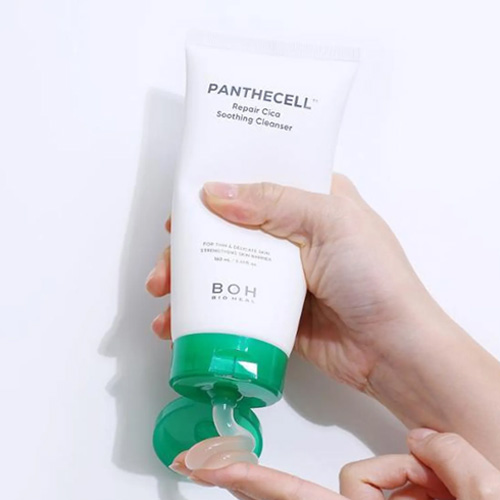
Panthecell Repair Cica Soothing Cleanser Double Pack
Bioheal BOH
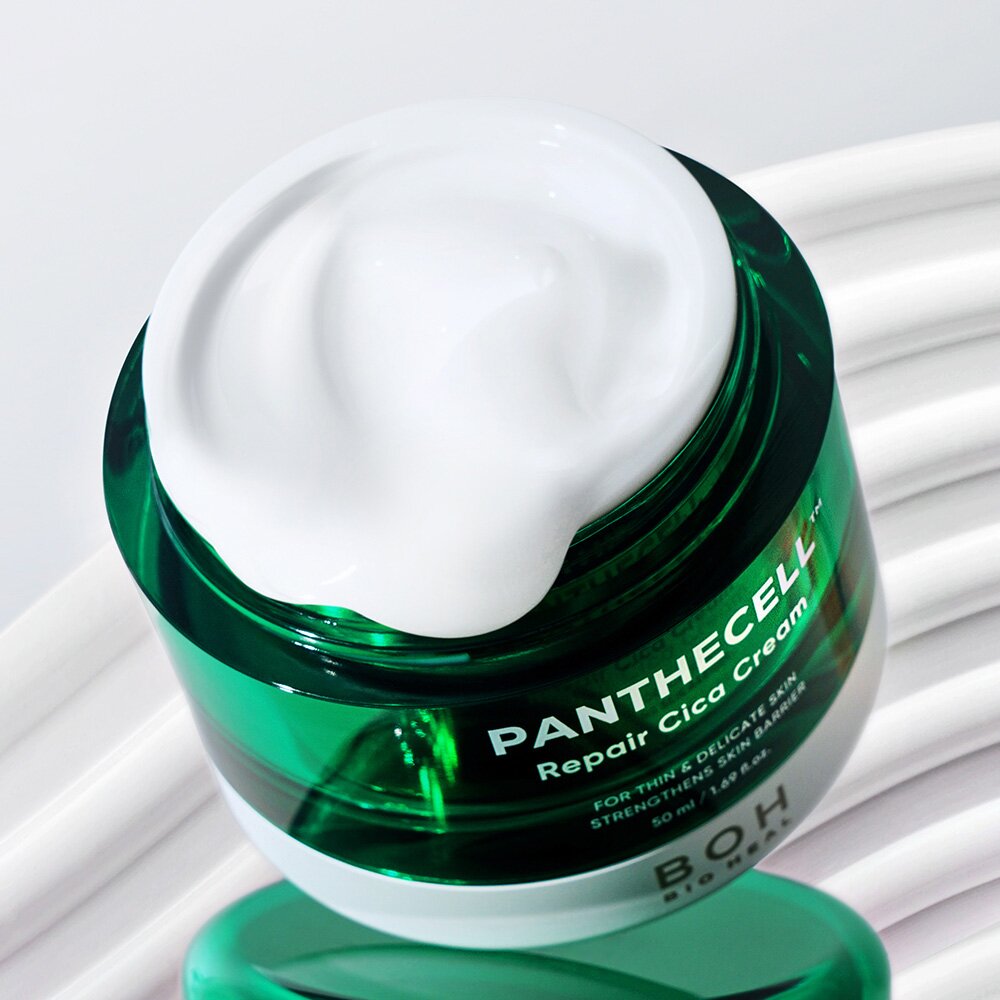
Panthecell Repair Cica Cream
Bioheal BOH
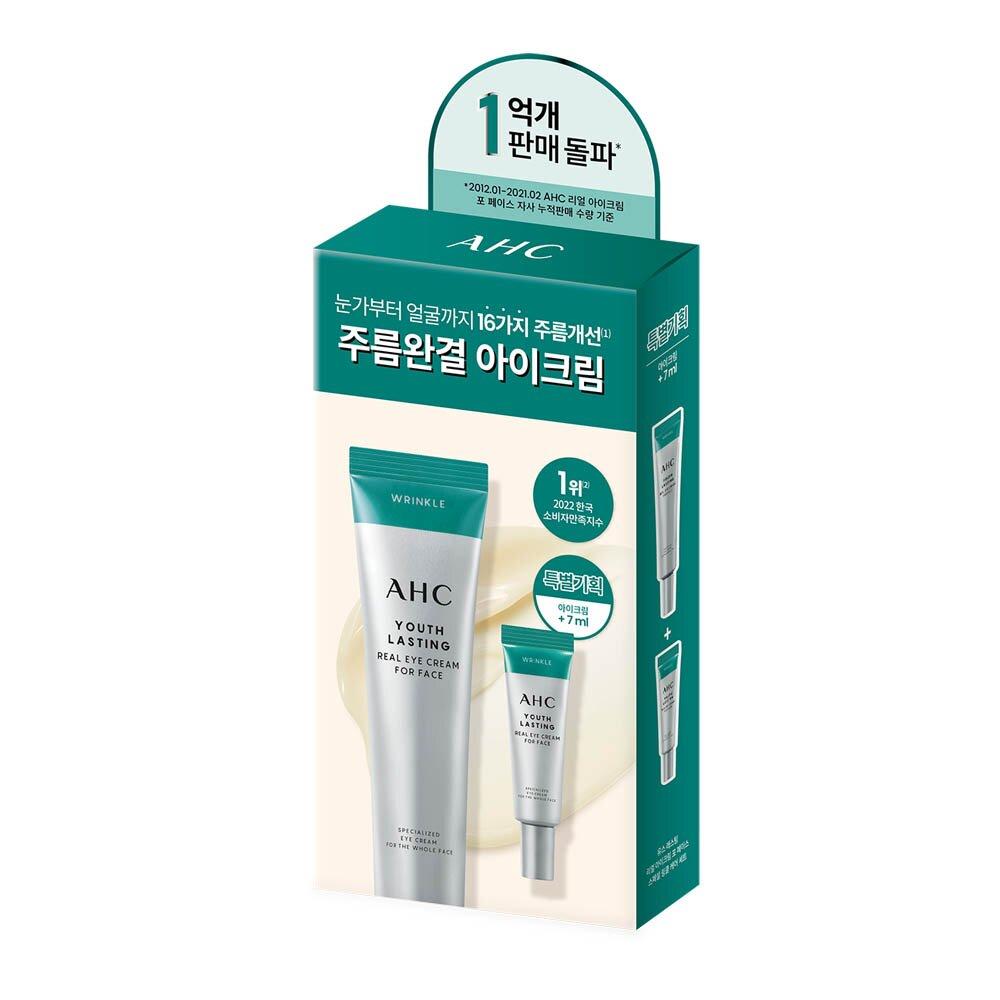
Youth Lasting Real Eye Cream For Face Special Wrinkle Care Set
AHC
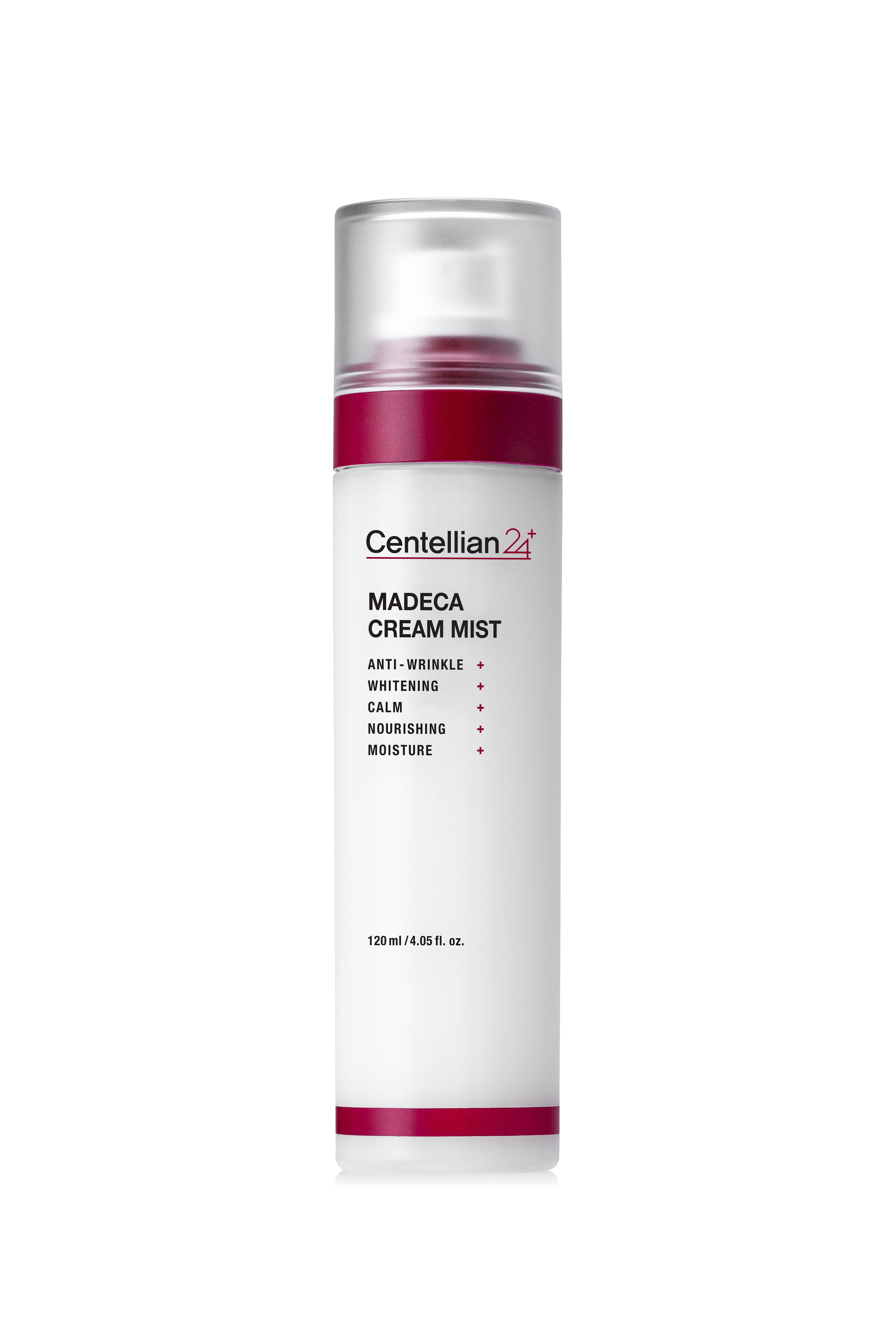
Madeca Cream Mist
Centellian24
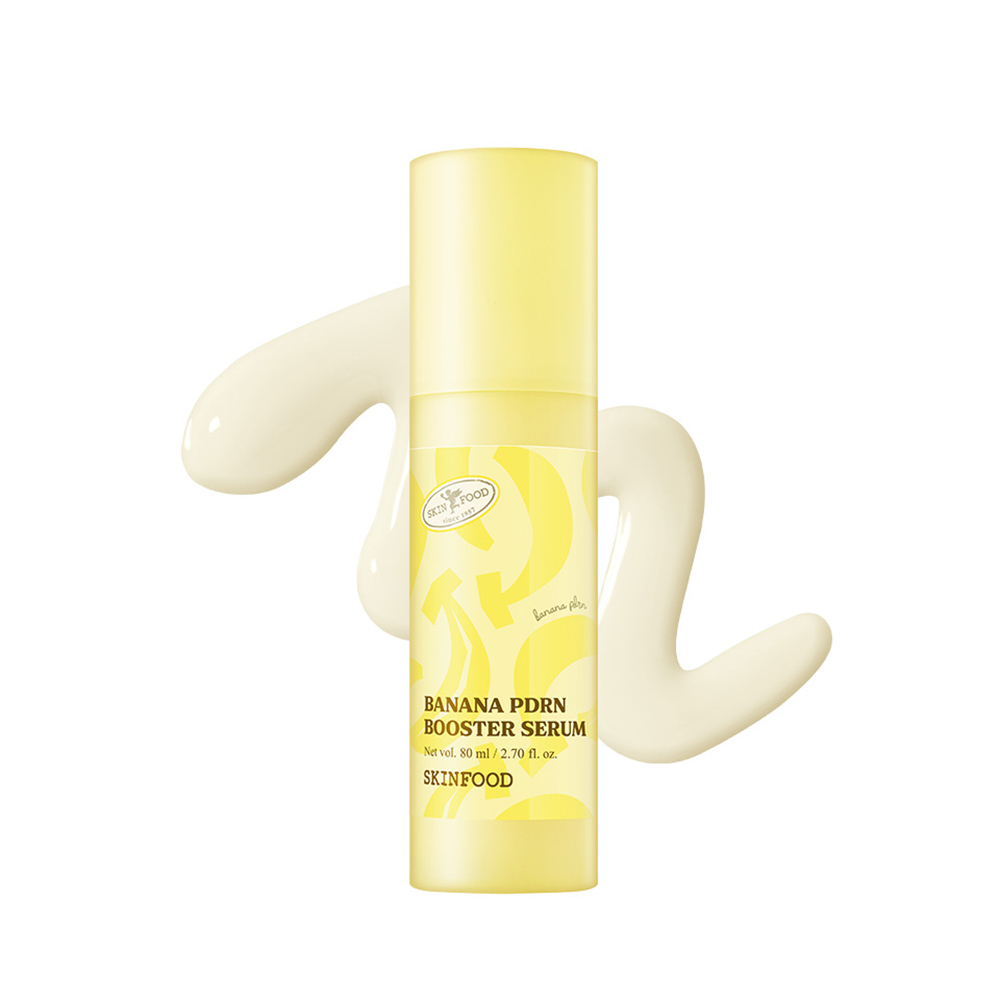
Banana PDRN Booster Serum
Skinfood
Frequently Asked Questions
Can carnosine help with dark spots and hyperpigmentation?▼
Is carnosine safe to use during pregnancy?▼
How does carnosine compare to retinol for anti-aging?▼
What's the best way to store products with carnosine?▼
Can I use carnosine with acids like glycolic or salicylic acid?▼
Explore More
Want personalized ingredient advice?
Yuri, our AI beauty advisor, can tell you how Carnosine works with your specific skin type, routine, and concerns.
Ask Yuri, free