Safflower Flower Extract
INCI: Carthamus Tinctorius (Safflower) Flower Extract
Antioxidant and soothing botanical extract
About Safflower Flower Extract
Safflower Flower Extract, derived from the vibrant petals of Carthamus tinctorius, is a botanical powerhouse that's earned its place in 170+ K-beauty formulations for good reason. This extract delivers a dual-action benefit profile: potent antioxidant protection combined with genuine soothing properties that make it especially valuable in cleansing products. Korean formulators prize safflower extract for its rich content of carthamin (a natural red-yellow pigment with anti-inflammatory action), linoleic acid (an omega-6 fatty acid that strengthens skin barrier), and flavonoids that neutralize free radicals before they trigger premature aging. What makes safflower particularly interesting in the K-beauty context is its extremely low comedogenic rating of 1/5, meaning it won't clog pores even in oil-based formulations. This explains why you'll find it starring in some of the category's most beloved cleansing oils and balms, including Banila Co's iconic Clean It Zero Pore Clarifying and Round Lab's Pine Cica Deep Pore Cleansing Oil, both rated 5.0/5 by Seoul Sister users. Unlike heavier botanical oils, safflower extract rinses clean while leaving behind its protective and calming actives, making it ideal for the first step of the double-cleanse routine that defines Korean skincare philosophy.
How Safflower Flower Extract Works
At the molecular level, safflower flower extract functions through multiple complementary pathways. Its flavonoid compounds, particularly kaempferol and quercetin derivatives, donate electrons to neutralize reactive oxygen species (ROS) that form when skin is exposed to UV radiation, pollution, or inflammatory triggers. This antioxidant cascade prevents lipid peroxidation in cell membranes, which would otherwise compromise barrier integrity and accelerate visible aging. Simultaneously, carthamin inhibits cyclooxygenase (COX) enzymes and downregulates pro-inflammatory cytokines like IL-6 and TNF-alpha, effectively interrupting the inflammatory response at its source. The extract's linoleic acid content is particularly significant because many people with oily or acne-prone skin are actually deficient in this essential fatty acid, which explains why their sebum becomes thick and pore-clogging. By topically supplementing linoleic acid, safflower extract helps normalize sebum composition, making it more fluid and less likely to oxidize into comedogenic plugs. This multi-targeted mechanism explains why safflower performs so well in pore-clarifying formulations.
Safflower Flower Extract by Skin Type
Oily Skin
Safflower extract is exceptionally well-suited for oily skin due to its high linoleic acid content, which helps rebalance sebum that's typically too thick and oleic-acid-dominant in this skin type. Its non-comedogenic profile (rated 1/5) means it won't contribute to congestion, while its antioxidants protect against the oxidative stress that can make enlarged pores more visible.
Dry Skin
While safflower extract provides valuable antioxidant protection for dry skin, it works best as a supporting ingredient rather than a primary moisturizer. Its linoleic acid offers some barrier support, and the soothing properties can calm the inflammation that often accompanies dehydration, but dry skin types will need additional emollients and humectants for complete hydration.
Combo Skin
This is where safflower truly shines. It addresses the excess sebum in the T-zone without overloading dry cheek areas, thanks to its lightweight, fast-absorbing nature. The balanced fatty acid profile helps normalize oil production in congested zones while providing just enough nourishment to drier patches, making it ideal for the zone-treatment approach combination skin requires.
Sensitive Skin
Safflower's anti-inflammatory properties make it a gentle choice for reactive skin. Its ability to downregulate inflammatory cytokines can help reduce redness and irritation, while the antioxidants provide protection without the potential sensitizing effects of more aggressive actives. The low comedogenic rating also means less risk of triggering sensitivity-related breakouts.
Normal Skin
Normal skin benefits from safflower extract as a preventative antioxidant that maintains skin's healthy baseline without disrupting its natural balance. It provides lightweight protection and soothing benefits that support normal skin's resilience against environmental stressors, making it an excellent daily maintenance ingredient.
How to Use Safflower Flower Extract
- 1Look for safflower extract in your first cleanse (oil cleansers or balms) where it can dissolve makeup and sunscreen while delivering antioxidants that protect during the cleansing process itself.
- 2If you have oily or combination skin, prioritize products where safflower appears in the first half of the ingredient list to ensure you're getting meaningful amounts of linoleic acid for sebum regulation.
- 3Safflower extract works synergistically with other gentle actives like centella asiatica and green tea extract, creating a soothing antioxidant network without overwhelming sensitive skin.
- 4For maximum pore-clarifying benefits, use safflower-containing cleansers consistently for 4-6 weeks, as the linoleic acid needs time to gradually normalize sebum composition and texture.
Background
Safflower has been cultivated for over 4,000 years, originally in the Fertile Crescent, where ancient civilizations prized its seeds for oil and its flowers for natural dye. Traditional Chinese Medicine documented safflower's circulation-promoting and inflammation-reducing properties as early as the Tang Dynasty, using it to treat conditions characterized by blood stasis and pain. Korean traditional medicine similarly valued safflower for improving circulation and reducing swelling. The modern skincare application emerged in the 1980s when cosmetic chemists began extracting and studying the flower petals rather than just the seed oil. K-beauty brands were early adopters of safflower flower extract specifically for cleansing formulations, recognizing that its unique fatty acid profile and antioxidant content made it ideal for the oil-cleansing method that Korean skincare pioneered globally. Today, it's a staple in premium Korean cleansing products, representing the category's philosophy of turning even the most basic step into an opportunity for skin treatment.
K-Beauty Products with Safflower Flower Extract
View all 180 →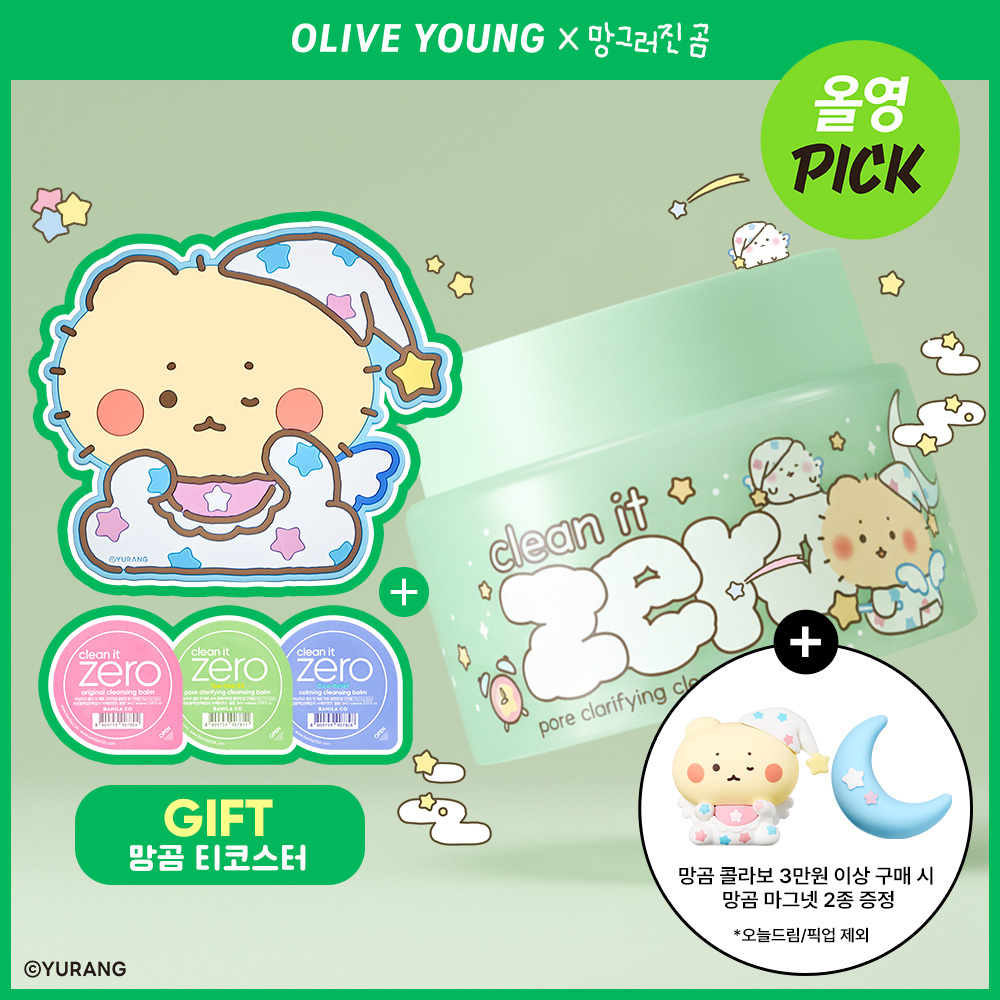
Clean It Zero Pore Clarifying Cleansing Balm
Banila Co
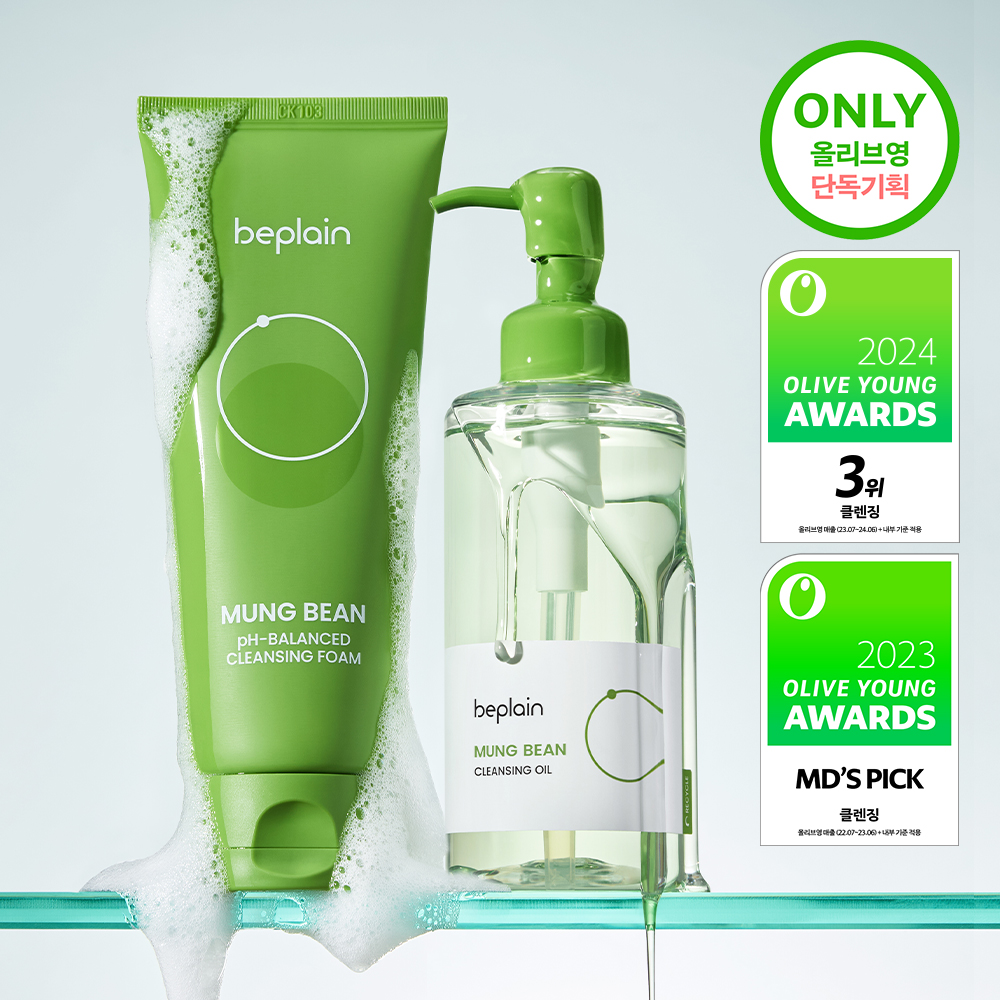
Mung Bean Double Cleansing Set
Beplain
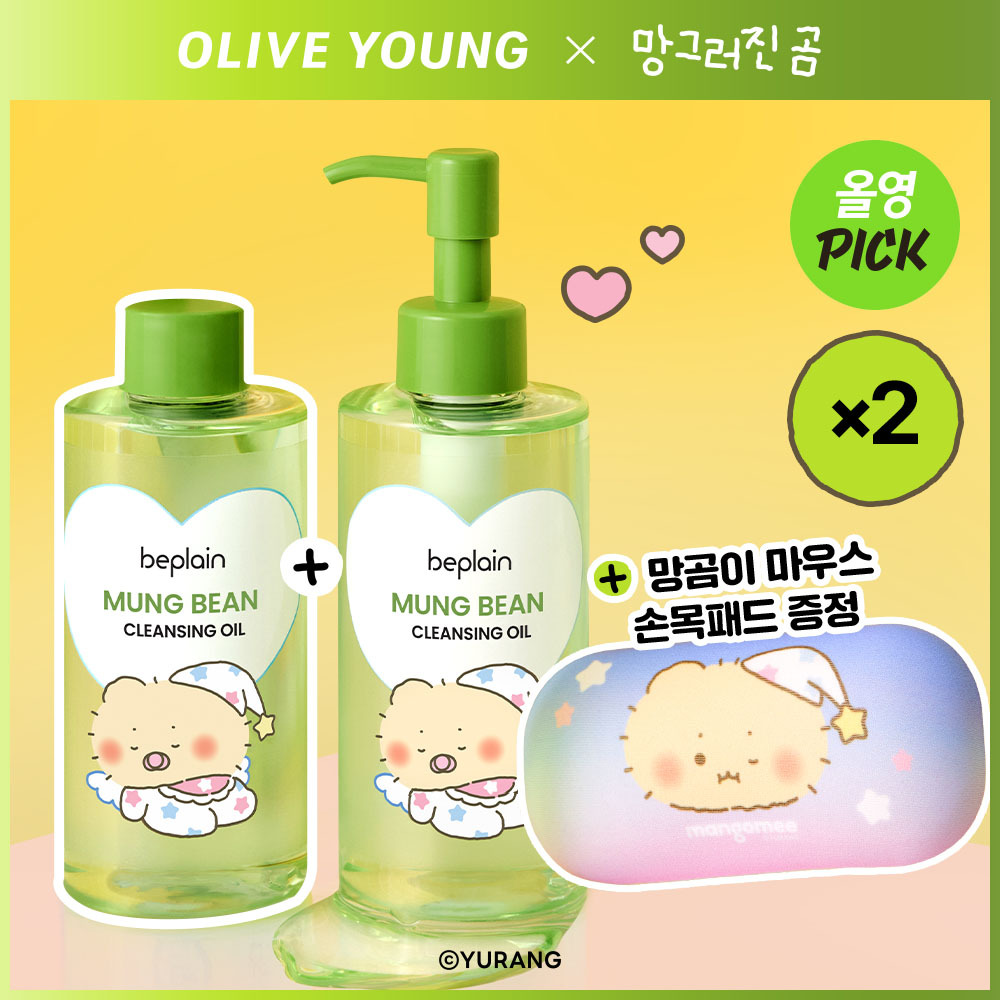
Mung Bean Cleansing Oil
Beplain
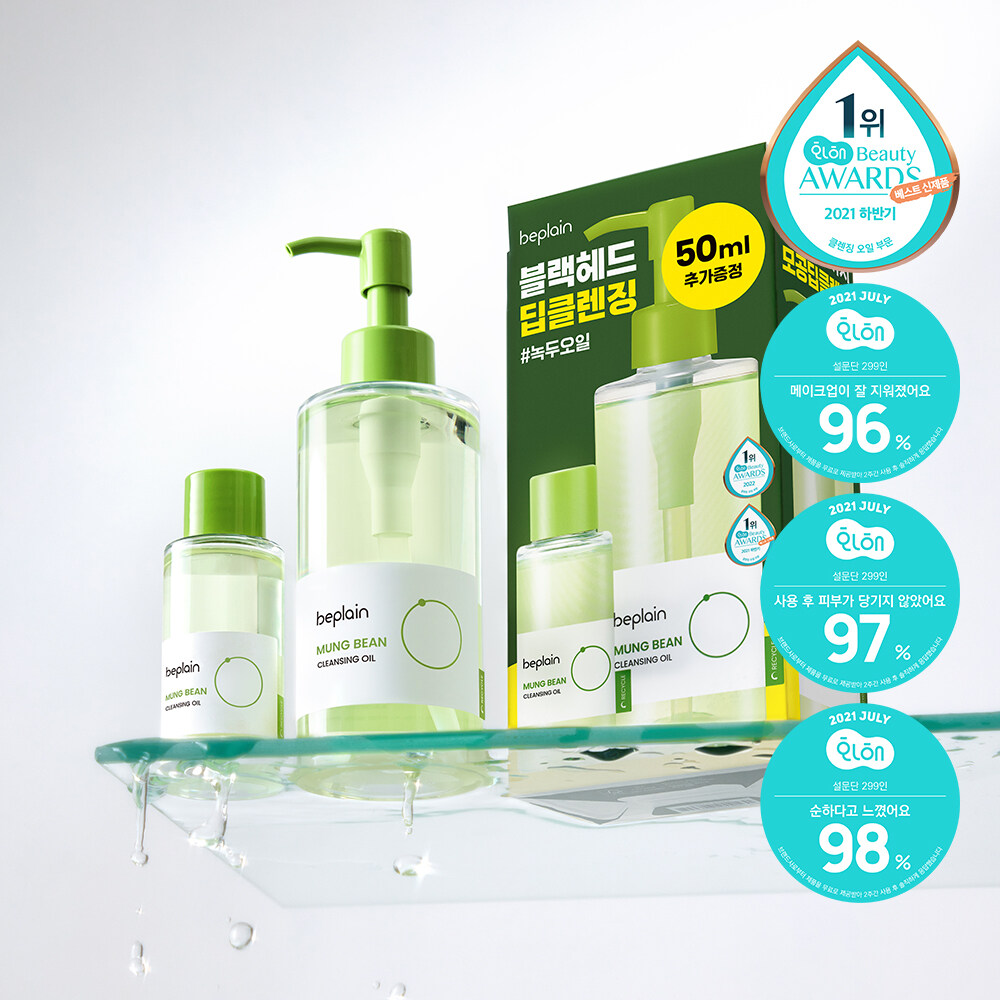
Mung Bean Cleansing Oil Special Set
Beplain
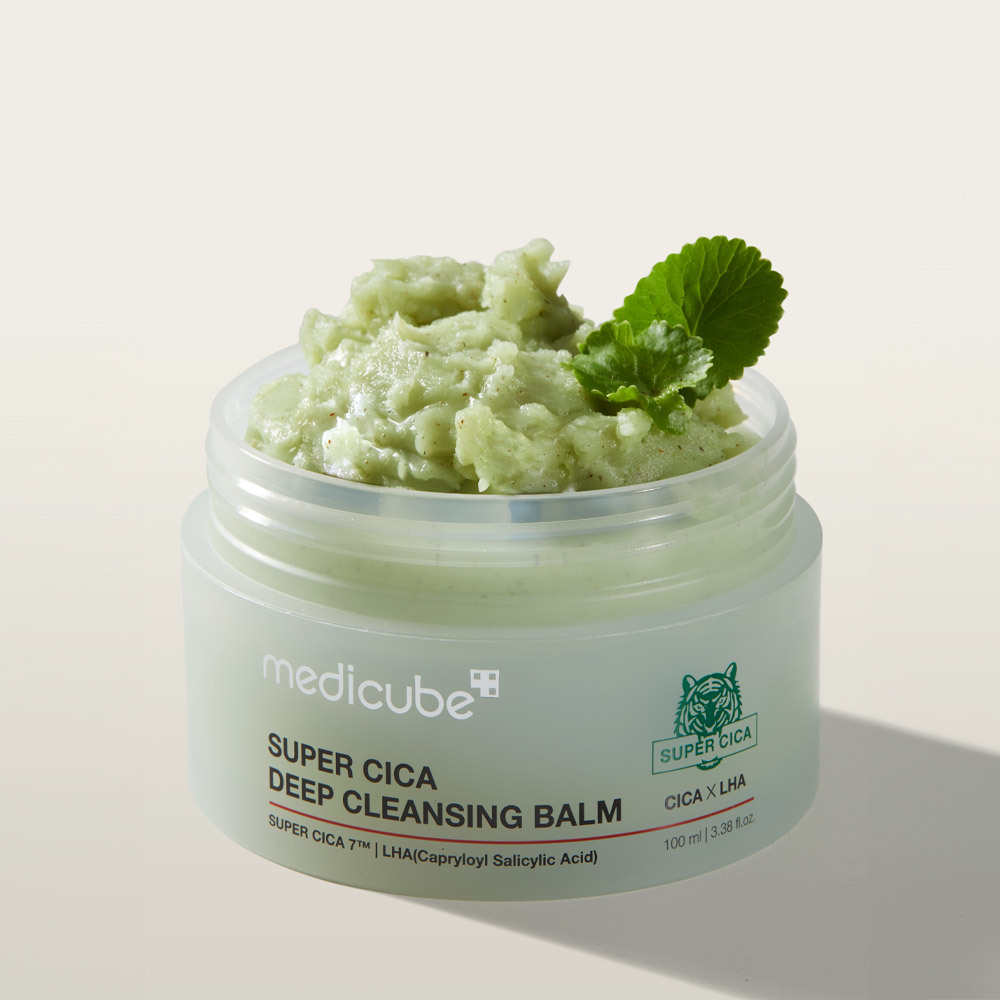
Super Cica Deep Cleansing Balm
Medicube

Madeca Matcha Toning Peeling Gel
Centellian24
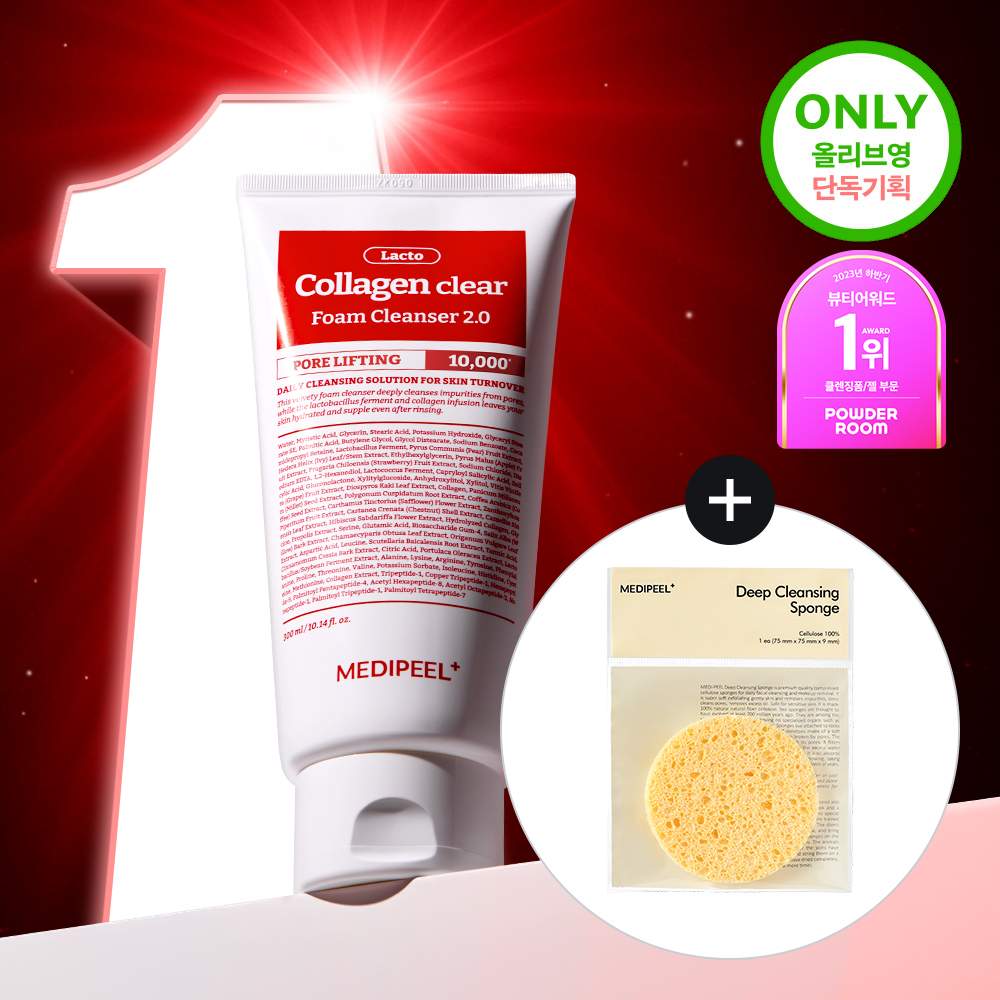
Red Lacto Collagen Clear 2.0 Special Set
Medi-Peel

Pure & Deep Cleansing Foam Double Pack
ma:nyo
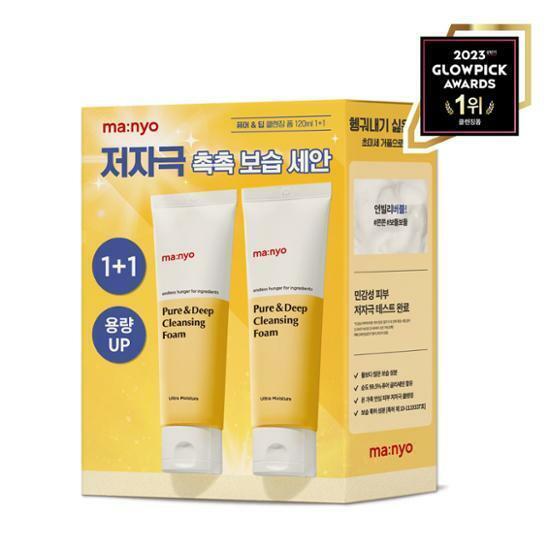
Pure & Deep Cleansing Foam
ma:nyo
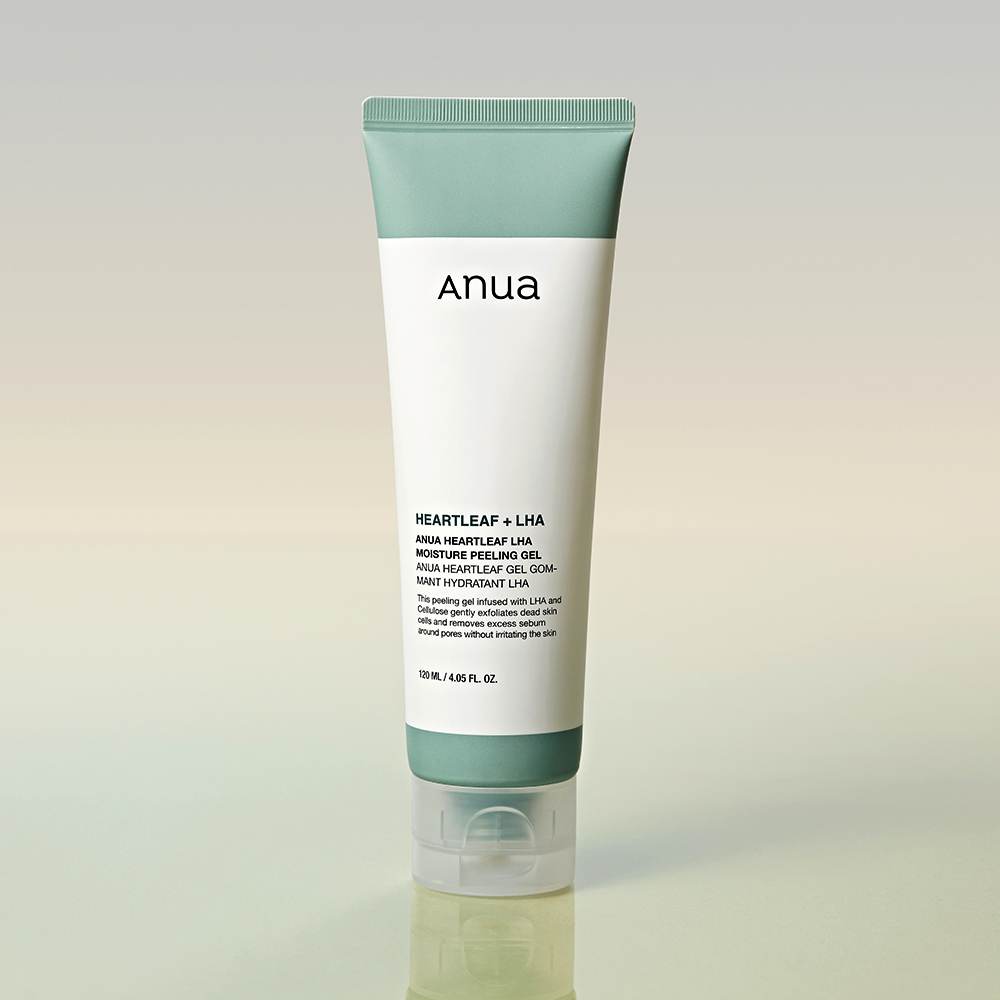
Heartleaf LHA Moisture Peeling Gel
Anua
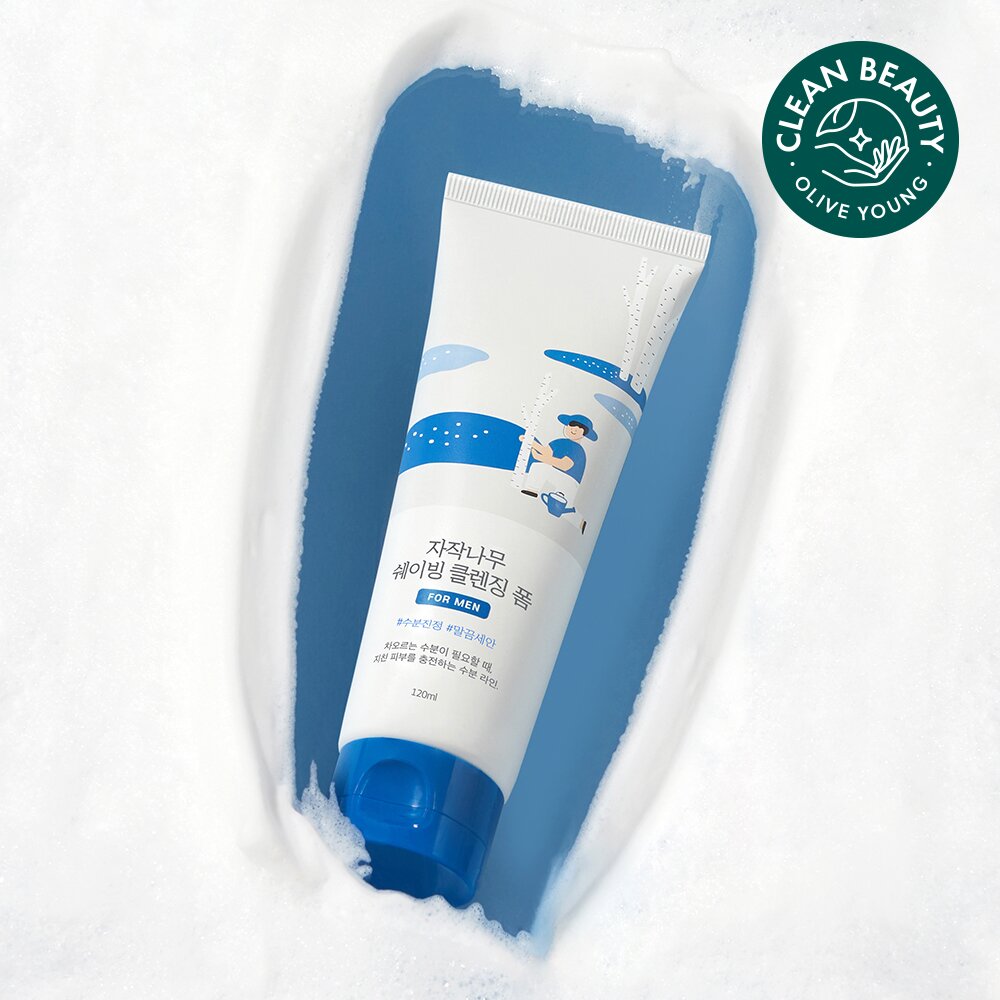
Birch Juice Shaving Cleansing Foam
Round Lab
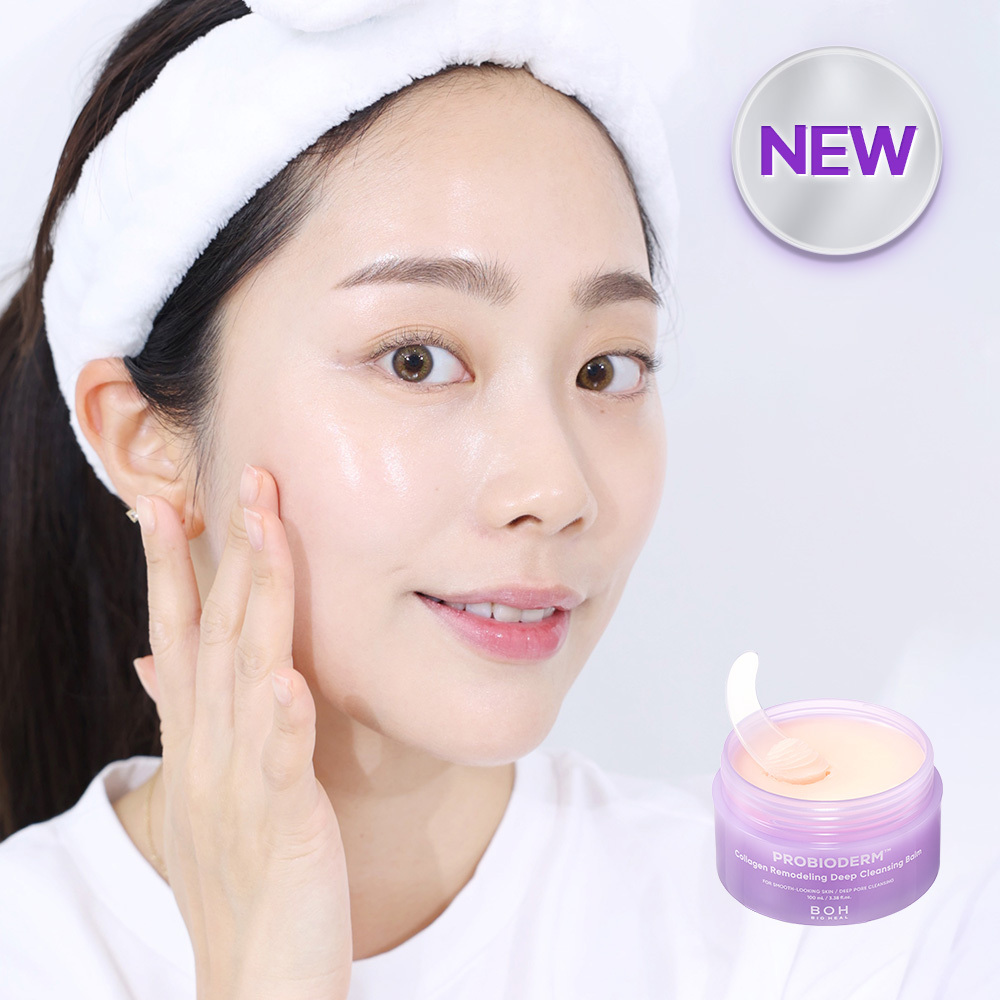
Probioderm Collagen Remodeling Deep Cleansing Balm
Bioheal BOH
Frequently Asked Questions
Is safflower flower extract the same as safflower seed oil?▼
Why is safflower extract so common in K-beauty cleansing oils?▼
Can safflower extract help with hormonal acne?▼
Is safflower extract safe for sensitive or rosacea-prone skin?▼
Explore More
Want personalized ingredient advice?
Yuri, our AI beauty advisor, can tell you how Safflower Flower Extract works with your specific skin type, routine, and concerns.
Ask Yuri, free