Safflower Seed Oil
INCI: Carthamus Tinctorius (Safflower) Seed Oil
Emollient and skin-conditioning plant oil
About Safflower Seed Oil
Safflower seed oil is a lightweight, non-greasy plant oil extracted from the seeds of the Carthamus tinctorius plant. Rich in linoleic acid (70-80% of its fatty acid profile), this oil has earned its place in K-beauty formulations as a multitasking emollient that mimics the skin's natural lipid structure. Unlike heavier oils, safflower seed oil absorbs quickly without leaving a heavy film, making it particularly popular in first-step cleansers and oil-based makeup removers. In K-beauty, it's prized for its ability to dissolve sebum and oil-based impurities while maintaining skin barrier integrity. The high linoleic acid content makes it especially valuable for congestion-prone skin, as research suggests that acne-prone skin tends to be deficient in linoleic acid and higher in oleic acid. By restoring this balance, safflower seed oil helps regulate sebum production and supports a healthy skin barrier. You'll find it in 67 products on Seoul Sister, predominantly in cleansing oils and balms where it works to break down makeup, sunscreen, and excess sebum without stripping the skin. Its lightweight texture and skin-compatible fatty acid profile explain why top-rated cleansers like Beplain's Deep Clean Mini Kit and VIDIVICI's Clear Deep Cleansing Oil feature it prominently in their formulations.
How Safflower Seed Oil Works
Safflower seed oil works through its unique fatty acid composition, primarily linoleic acid (an omega-6 polyunsaturated fatty acid). When applied topically, linoleic acid integrates into the stratum corneum, strengthening the lipid barrier and reducing transepidermal water loss. This fatty acid also exhibits anti-inflammatory properties by competing with arachidonic acid in inflammatory pathways, helping to calm irritation. In cleansing applications, the oil's molecular structure allows it to dissolve lipid-based impurities through the principle of 'like dissolves like,' effectively removing sebum, makeup, and sunscreen without disrupting the skin's pH or stripping natural oils. The oil's light molecular weight means it penetrates the upper layers of skin efficiently, delivering vitamin E (a natural antioxidant present in safflower oil) that helps neutralize free radicals. For acne-prone skin, the linoleic acid component helps thin sebum, making it less likely to clog pores and create microcomedones. The oil also contains small amounts of oleic acid, which enhances penetration and gives the product a silky feel during application.
Safflower Seed Oil by Skin Type
Oily Skin
Safflower seed oil is surprisingly well-suited for oily skin due to its high linoleic acid content. Studies show that oily, acne-prone skin is often deficient in linoleic acid, and supplementing it topically can help normalize sebum composition and reduce pore congestion. Its lightweight texture absorbs quickly without adding greasiness, making it ideal in cleansing oils that rinse clean.
Dry Skin
This oil works beautifully for dry skin as an emollient that reinforces the lipid barrier and prevents moisture loss. The linoleic acid helps repair compromised barrier function, which is common in chronically dry skin. In cleansing products, it removes impurities without the tight, stripped feeling that can exacerbate dryness, leaving skin soft and conditioned.
Combo Skin
Combination skin benefits from safflower seed oil's balanced approach, providing hydration to dry areas while not overwhelming oily zones. Its ability to regulate sebum production through linoleic acid makes it particularly effective for T-zones that tend toward congestion. In cleansing formulas, it thoroughly cleanses without creating the uneven texture issues that heavier oils might cause.
Sensitive Skin
Safflower seed oil's anti-inflammatory properties make it generally suitable for sensitive skin, though the comedogenic rating of 2/5 means caution is warranted if you're reactive to congestion. The vitamin E content provides antioxidant protection that can help calm reactive skin. In rinse-off products like cleansing oils, it's typically well-tolerated since it doesn't remain on skin long-term.
Normal Skin
Normal skin types can use safflower seed oil without concern, as it maintains skin balance without tipping toward excess oil or dryness. It provides light conditioning and barrier support while effectively cleansing in oil-based formulas. The quick absorption and non-greasy finish make it a reliable everyday ingredient that won't disrupt your skin's natural equilibrium.
How to Use Safflower Seed Oil
- 1Look for safflower seed oil in first-step cleansers and cleansing balms, where it excels at breaking down makeup and sunscreen before your water-based cleanser.
- 2If you have oily or acne-prone skin, safflower seed oil in cleansing products can actually help balance sebum production over time, contrary to the myth that oil cleansing worsens oiliness.
- 3Always follow oil cleansers containing safflower seed oil with a water-based cleanser to ensure complete emulsification and removal of all impurities (the K-beauty double cleanse method).
- 4For dry skin, cleansing balms with safflower seed oil like Banila Co's Clean It Zero Nourishing version provide extra conditioning while cleansing, making them ideal for winter months or after exfoliation.
Background
Safflower has been cultivated for over 4,000 years, originally in the Fertile Crescent region spanning modern-day Iraq and Egypt. Ancient civilizations valued safflower primarily as a dye source and food crop, but its medicinal properties were recognized in traditional Chinese medicine and Ayurveda, where it was used topically for wound healing and inflammation. The oil extraction process became more refined in the 20th century, and by the 1960s, safflower seed oil entered mainstream skincare as researchers identified its high linoleic acid content and skin benefits. K-beauty brands adopted safflower seed oil in the 2000s as the category pioneered gentle, oil-based cleansing methods that departed from harsh surfactant cleansers. Its lightweight feel and effectiveness at removing heavy Korean makeup and sunscreens made it a natural fit for the emerging cleansing oil and balm market.
K-Beauty Products with Safflower Seed Oil
View all 80 →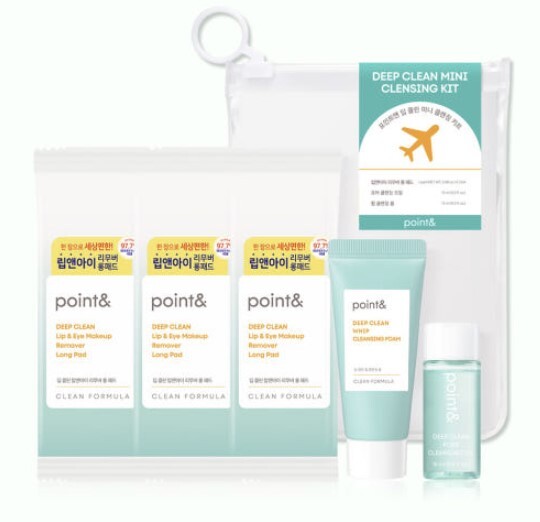
Deep Clean Mini Cleansing Travel Kit
Beplain
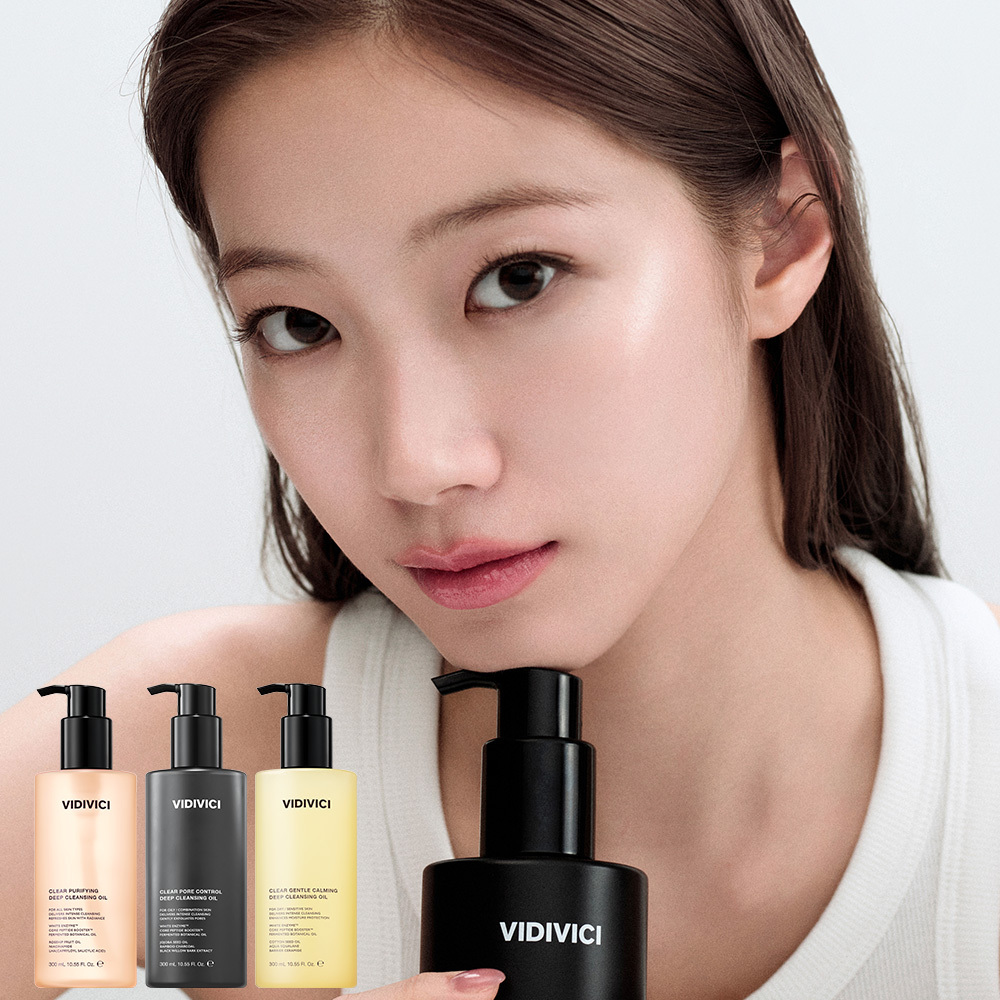
Clear Deep Cleansing Oil
VIDIVICI
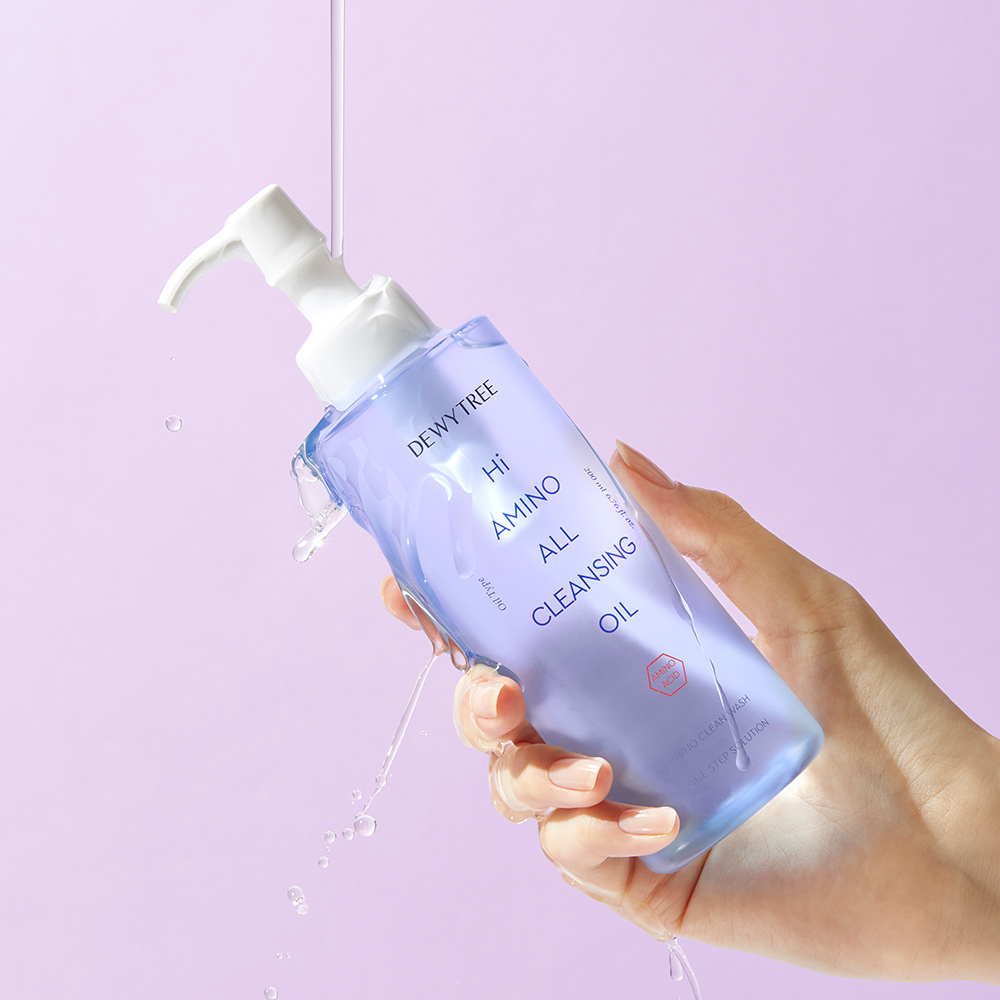
Hi Amino All Cleansing Oil
Dewytree
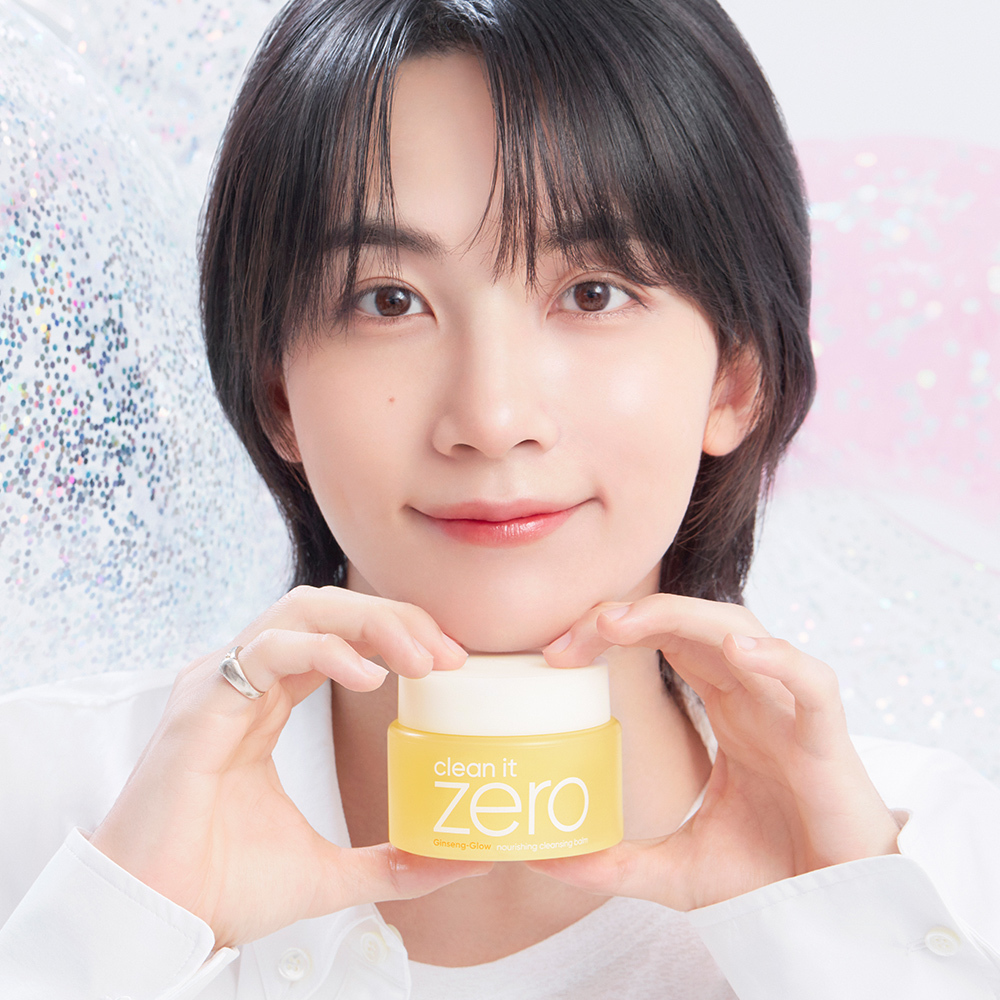
Clean It Zero Nourishing Cleansing Balm
Banila Co
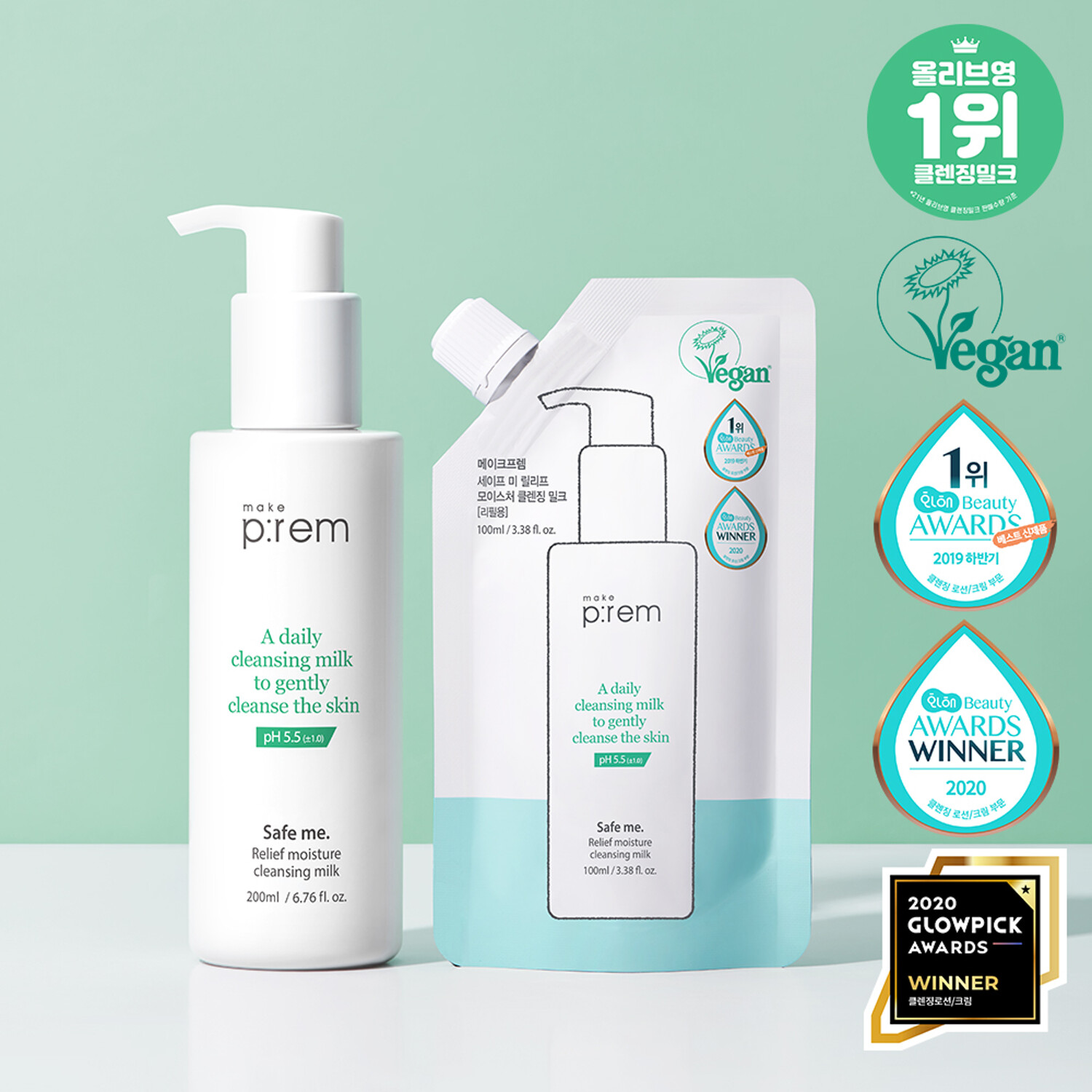
Clean Vegan Cleansing Milk Refill Special Set
Makeprem
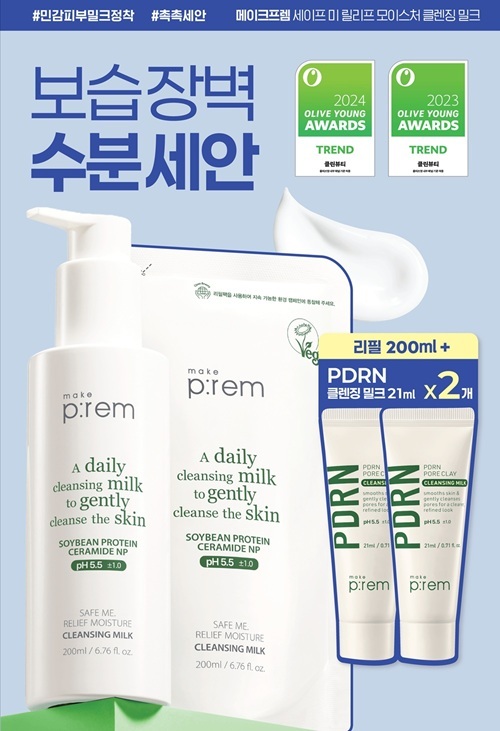
Safe Me Relief Moisture Cleansing Milk
Makeprem
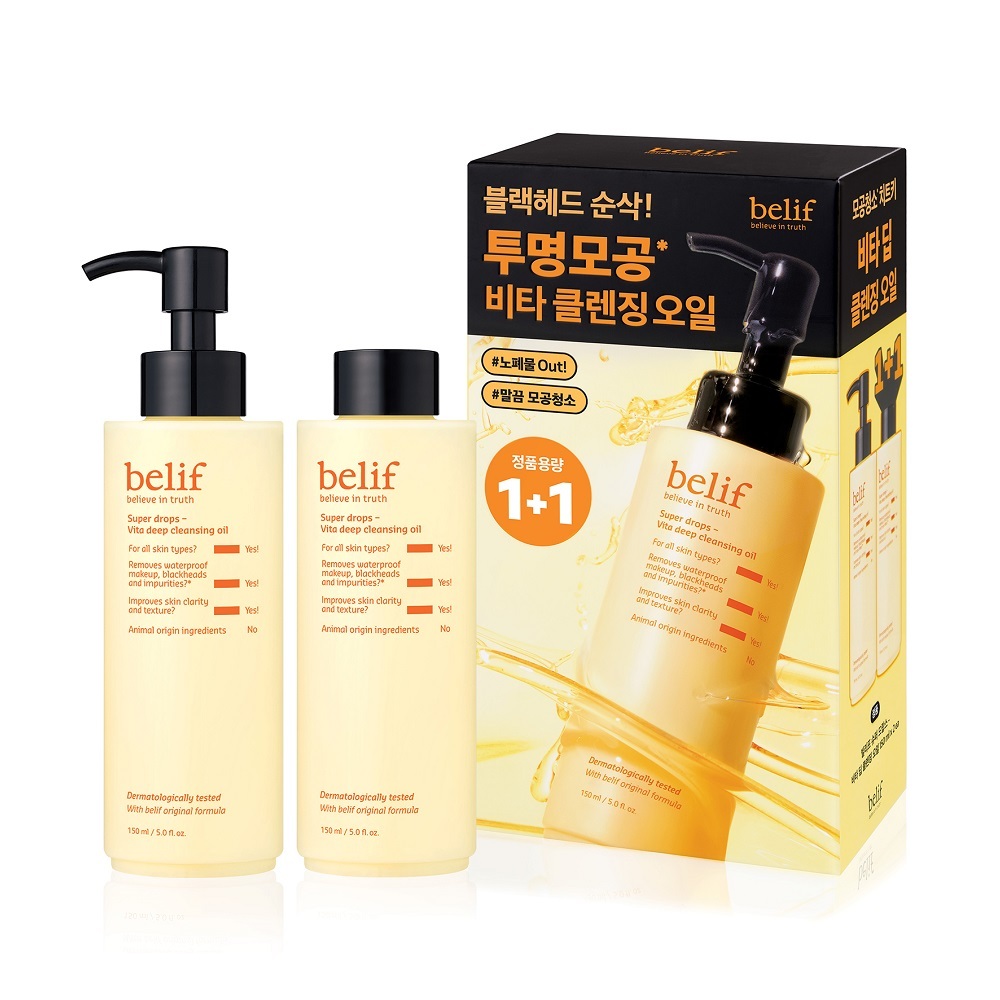
Super Drops Vita Deep Cleansing Oil
Belif
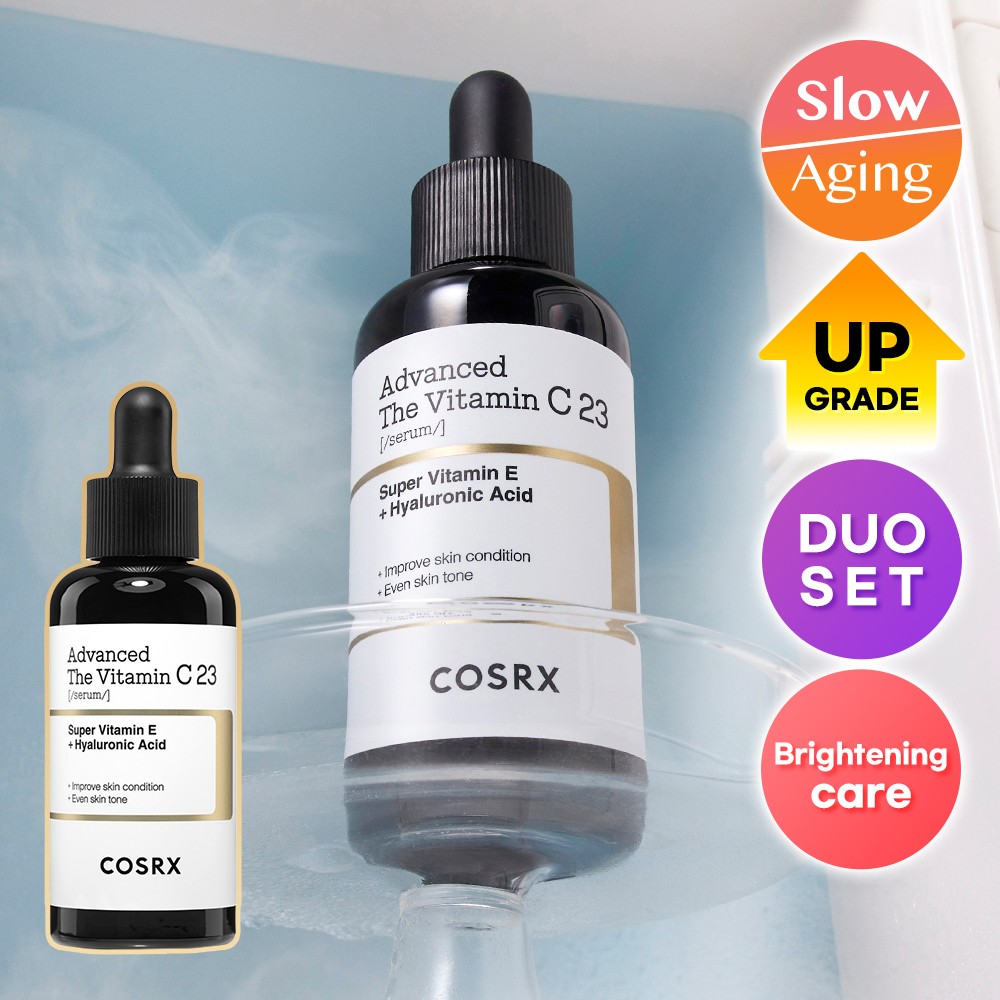
Advanced The Vitamin C 23 Serum
COSRX
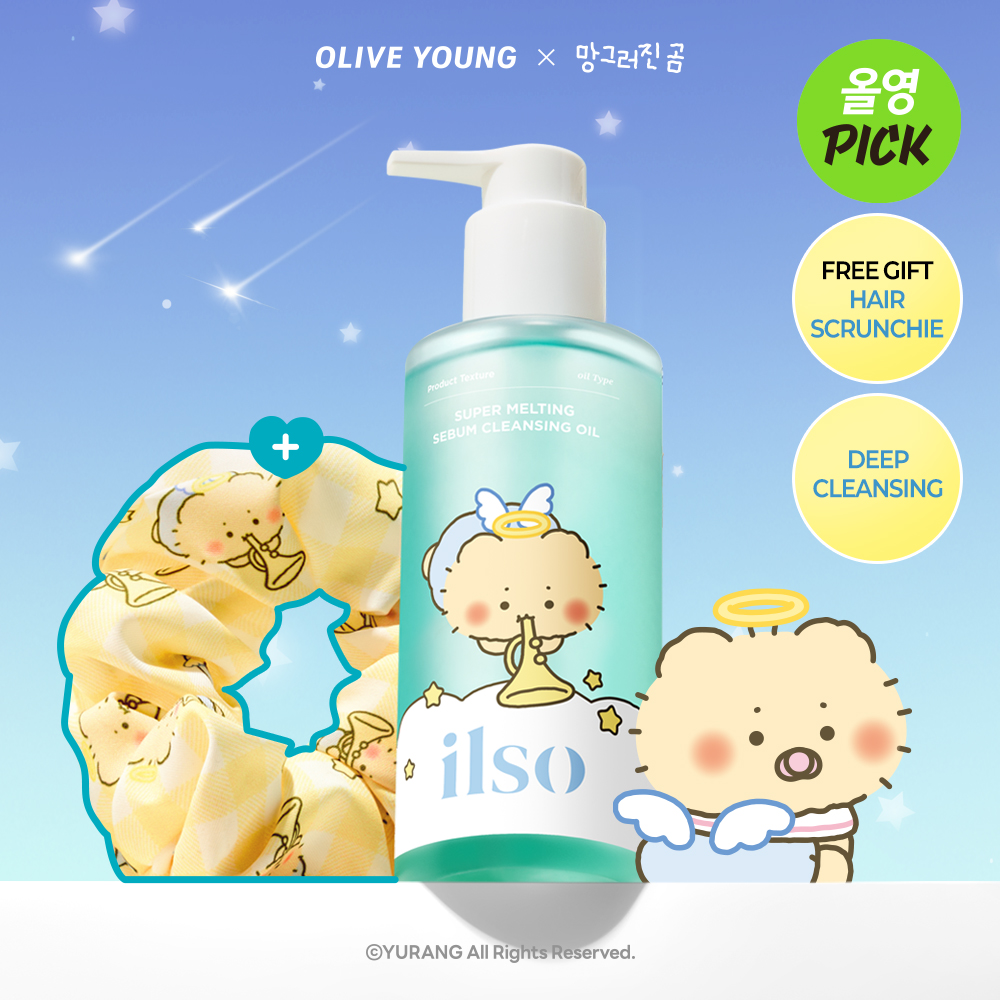
Super Melting Sebum Cleansing Oil
Ilso
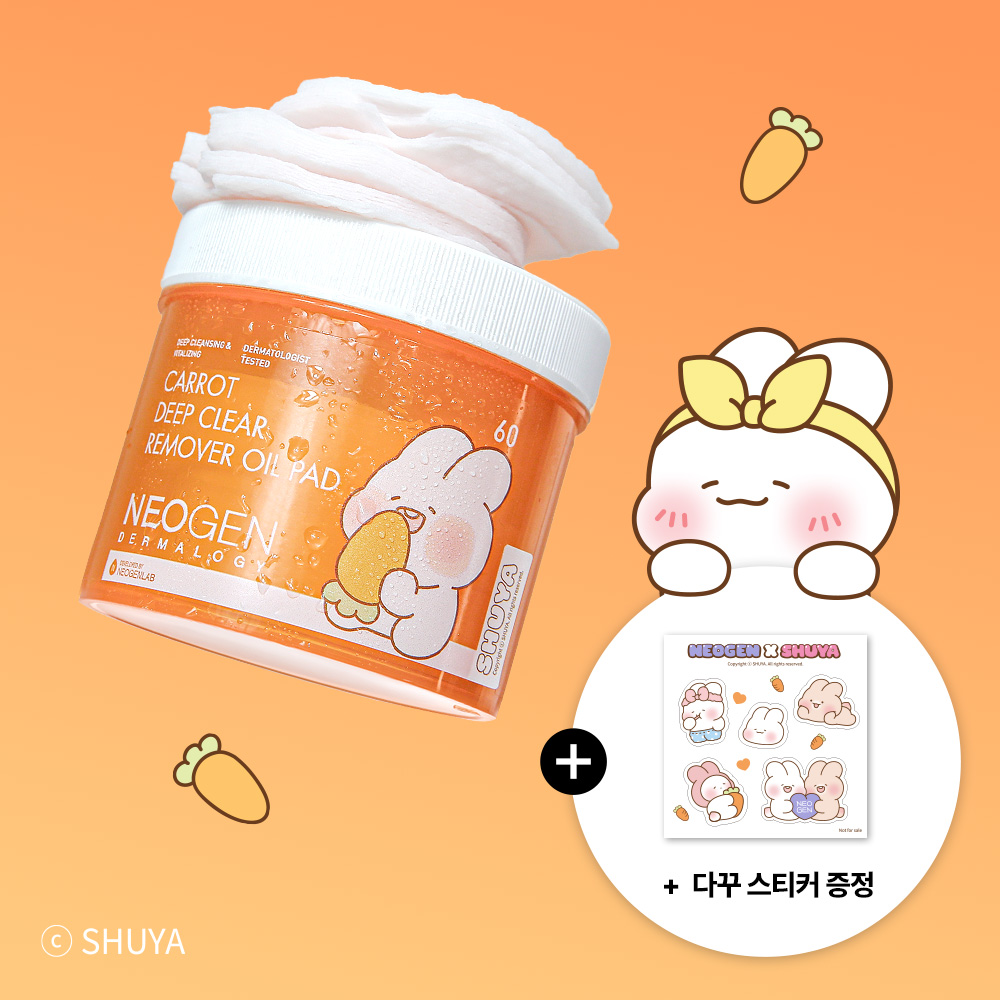
Dermalogy Carrot Deep Clear Remover Oil Pad
Neogen

Clean & Glow Green Barley LHA Deep Cleansing Oil Set
Banila Co
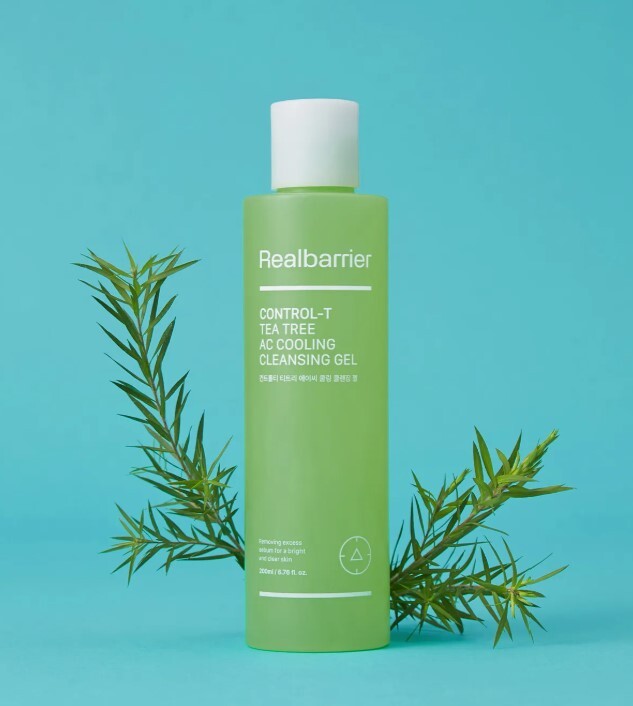
Control-T Tea Tree AC Cooling Cleansing Gel
Real Barrier
Frequently Asked Questions
Will safflower seed oil clog my pores if I'm acne-prone?▼
Why is safflower seed oil so common in K-beauty cleansing oils?▼
Can I use safflower seed oil products if I have sensitive skin?▼
Is safflower seed oil better than other cleansing oils?▼
Explore More
Want personalized ingredient advice?
Yuri, our AI beauty advisor, can tell you how Safflower Seed Oil works with your specific skin type, routine, and concerns.
Ask Yuri, free