Chestnut Shell Extract
INCI: Castanea Crenata (Chestnut) Shell Extract
Antioxidant and skin conditioning agent
About Chestnut Shell Extract
Chestnut Shell Extract is derived from the protective outer shell of Castanea crenata, the Korean chestnut tree. While the sweet, starchy nut inside has been a food staple for centuries, K-beauty brands discovered that the shell holds powerful skin benefits. The extract is rich in polyphenols, tannins, and ellagic acid, compounds that fight oxidative stress and help regulate sebum production. What makes this ingredient particularly appealing in Korean skincare is its dual action: it protects skin from environmental damage while simultaneously refining texture and controlling excess oil. You'll find it most commonly in cleansers and pore care products, where it works to gently tighten pores and remove impurities without stripping moisture. With a comedogenic rating of 0/5, it won't clog pores, making it a smart choice for anyone dealing with congestion or enlarged pores. The ingredient appears in 159 products on Seoul Sister, often in formulas designed for deep cleansing and pore refinement, including top-rated options like Beplain's Pore Deep Clean Bubble Cleanser and Banila Co's Fresh Bam Balm To Foam Facial Cleanser, both rated 5.0/5.
How Chestnut Shell Extract Works
At the cellular level, Chestnut Shell Extract functions through its high concentration of tannins and phenolic compounds. Tannins have an astringent property that causes a mild tightening effect on skin proteins, which temporarily minimizes the appearance of pores without causing irritation. The polyphenols, particularly ellagic acid, work by neutralizing free radicals that would otherwise damage collagen and accelerate aging. These antioxidants donate electrons to unstable molecules, stopping the chain reaction of oxidative stress before it can harm cell membranes. The extract also contains saponins, natural surfactants that help dissolve sebum and debris in pores, which is why it's so effective in cleansing formulas. Additionally, the anti-inflammatory compounds in chestnut shell help calm redness and reduce the inflammatory response that can enlarge pores over time. This combination of antioxidant protection, gentle astringency, and natural cleansing action makes it particularly effective for maintaining clear, refined skin texture.
Chestnut Shell Extract by Skin Type
Oily Skin
Chestnut Shell Extract is particularly beneficial for oily skin types. Its natural astringent properties help regulate sebum production and tighten pores that become enlarged from excess oil. The ingredient's ability to deep clean without over-drying makes it ideal for daily use in cleansers targeting shine control.
Dry Skin
While Chestnut Shell Extract offers antioxidant benefits for dry skin, its astringent properties may not be the primary concern for this skin type. If you have dry skin, look for products where it's paired with hydrating ingredients to balance its tightening effects. The antioxidant protection is still valuable for preventing moisture barrier damage.
Combo Skin
This ingredient works exceptionally well for combination skin, addressing oiliness in the T-zone while the antioxidants protect drier areas. Products containing Chestnut Shell Extract can help balance uneven sebum distribution without disrupting the skin's overall equilibrium. It's particularly effective when used in cleansers that target congested areas.
Sensitive Skin
With a safety rating of 4/5, Chestnut Shell Extract is generally well-tolerated by sensitive skin. The anti-inflammatory compounds can actually help calm reactivity and redness. However, those with extreme sensitivity should patch test first, as the tannins may cause mild tightness in some individuals.
Normal Skin
Normal skin types can enjoy the full spectrum of benefits from Chestnut Shell Extract without concerns. It helps maintain balanced sebum levels, provides antioxidant protection against daily environmental stressors, and keeps pores looking refined. Regular use can help preserve your skin's healthy baseline.
How to Use Chestnut Shell Extract
- 1Use Chestnut Shell Extract cleansers in your morning routine to control oil production throughout the day, especially if you have oily or combination skin.
- 2For optimal pore-refining results, follow cleansers containing this ingredient with a pH-balancing toner to lock in the tightening benefits.
- 3If using multiple products with astringent ingredients, monitor your skin for any tightness or dryness and adjust frequency accordingly.
- 4Pair with hydrating serums or moisturizers to balance the ingredient's natural astringency, particularly if you have dry or sensitive areas.
Background
Chestnut trees have been cultivated in Korea for over 2,000 years, with the nuts serving as both food and traditional medicine. However, the shells were typically discarded as agricultural waste until Korean cosmetic scientists began investigating their composition in the early 2000s. Researchers discovered that the shells contained significantly higher concentrations of tannins and antioxidants than the nuts themselves. This discovery aligned perfectly with K-beauty's philosophy of upcycling natural ingredients and zero-waste innovation. The ingredient gained popularity around 2015 when several Korean brands began incorporating it into pore care and cleansing lines, capitalizing on consumer demand for gentle yet effective natural astringents. Today, it represents K-beauty's talent for transforming overlooked botanical materials into high-performance skincare actives.
K-Beauty Products with Chestnut Shell Extract
View all 164 →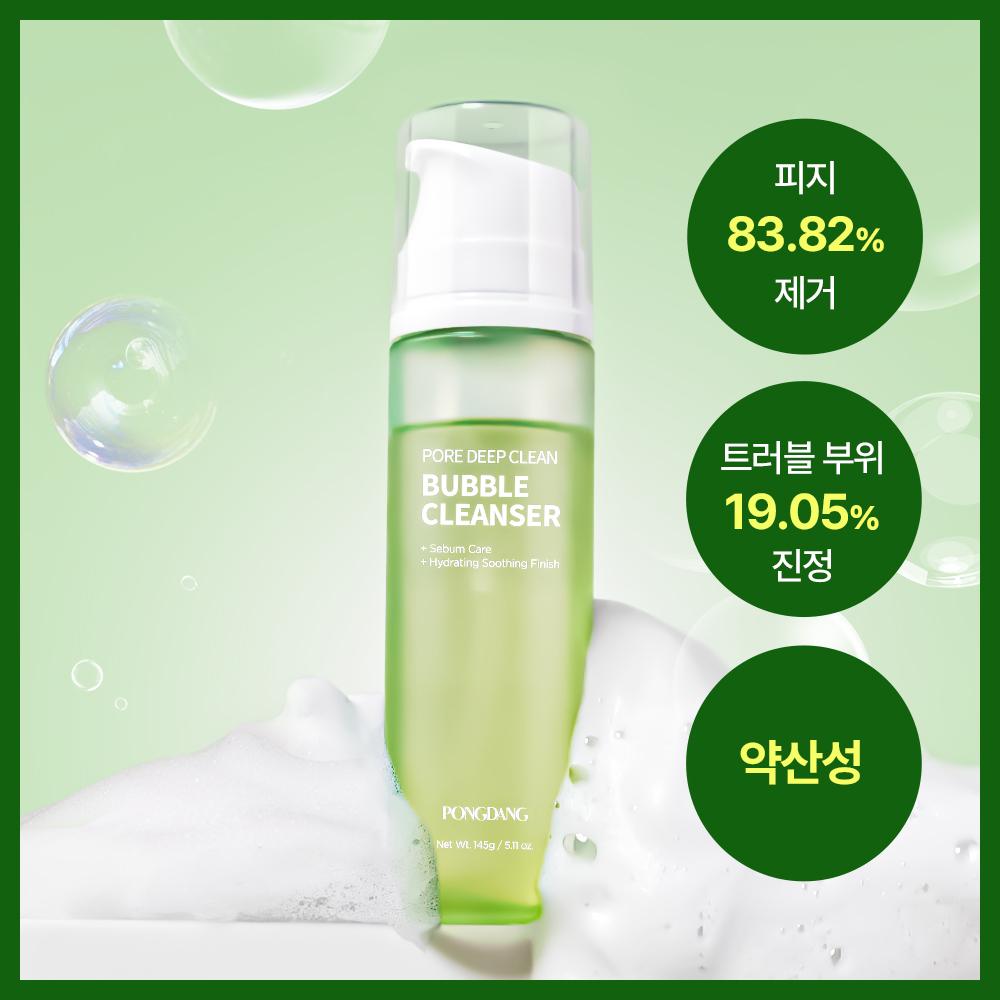
Pore Deep Clean Bubble Cleanser
Beplain
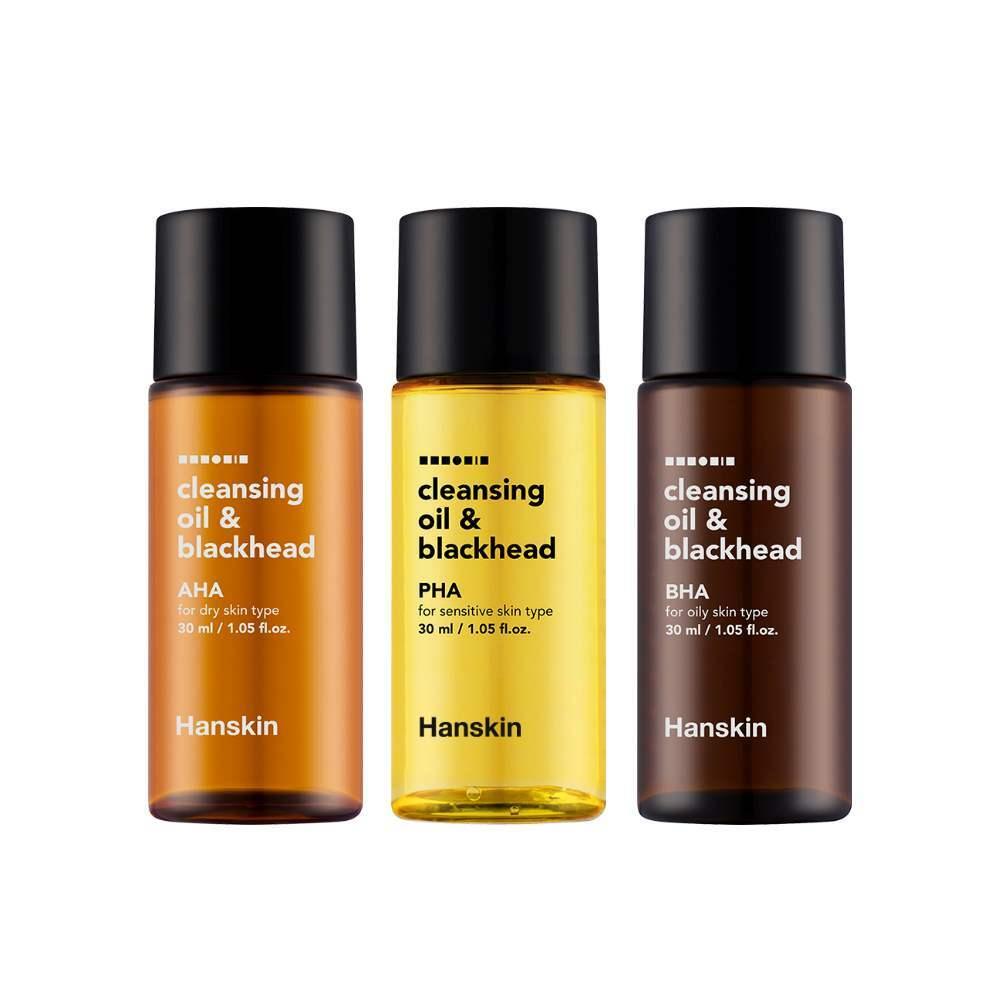
Cleansing Oil & Blackhead 3P Travel Kit
Hanskin
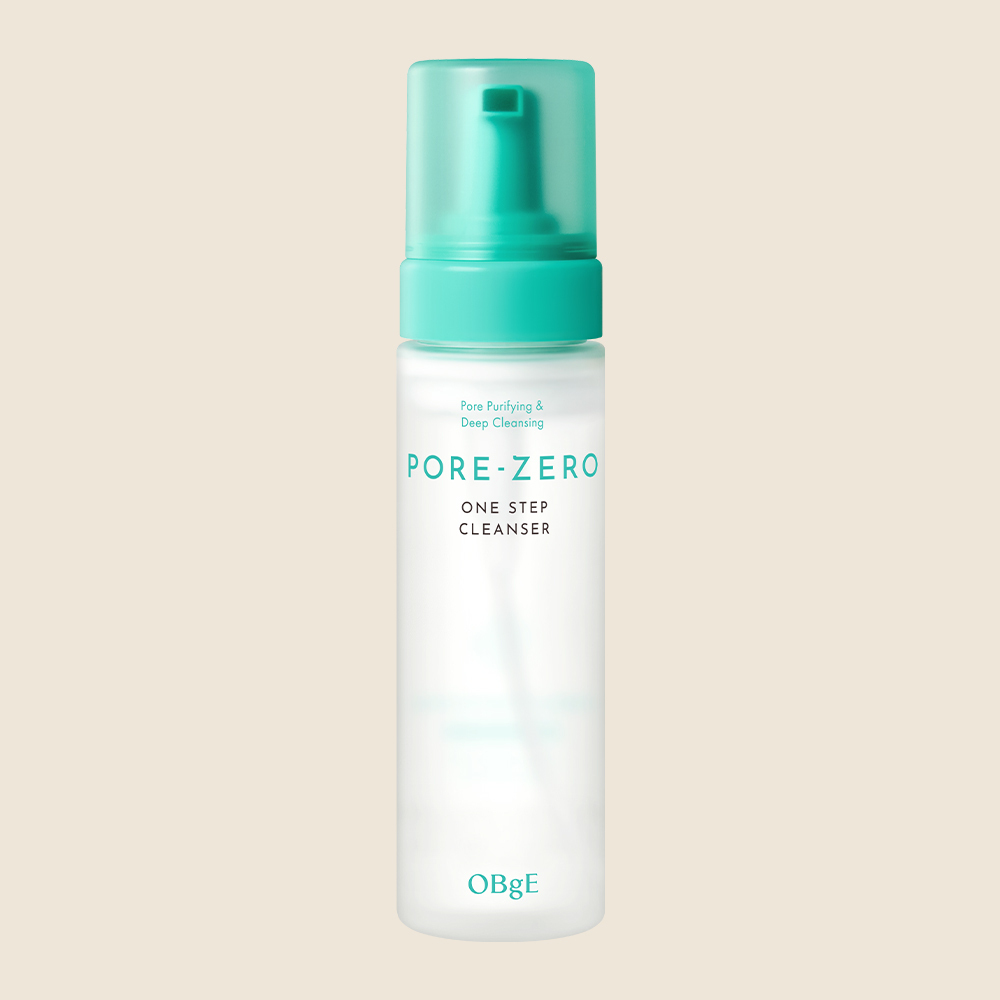
Pore Zero One Step Cleanser
OBgE

2X Fresh Bam Balm To Foam Facial Cleanser Set
Banila Co
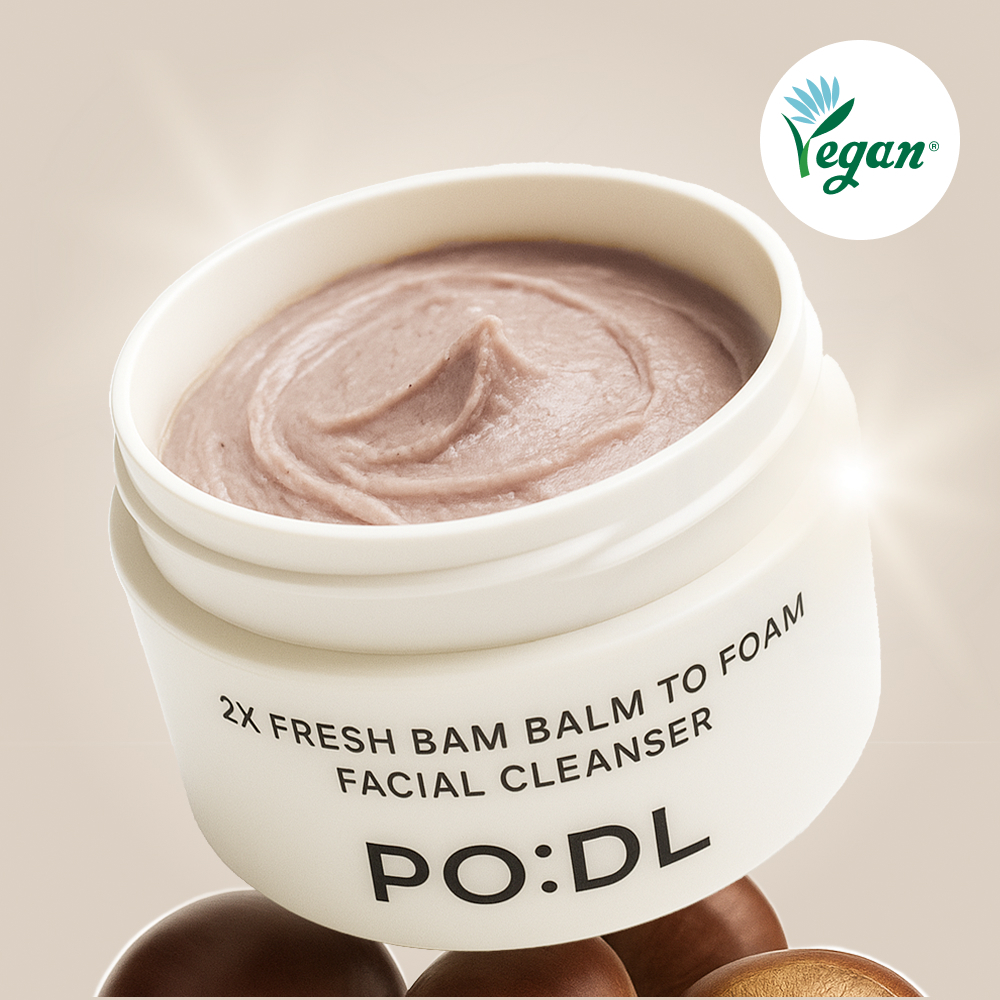
Clean It Zero 2X Fresh Bam Balm To Foam Facial Cleanser
Banila Co

Madeca Matcha Toning Peeling Gel
Centellian24
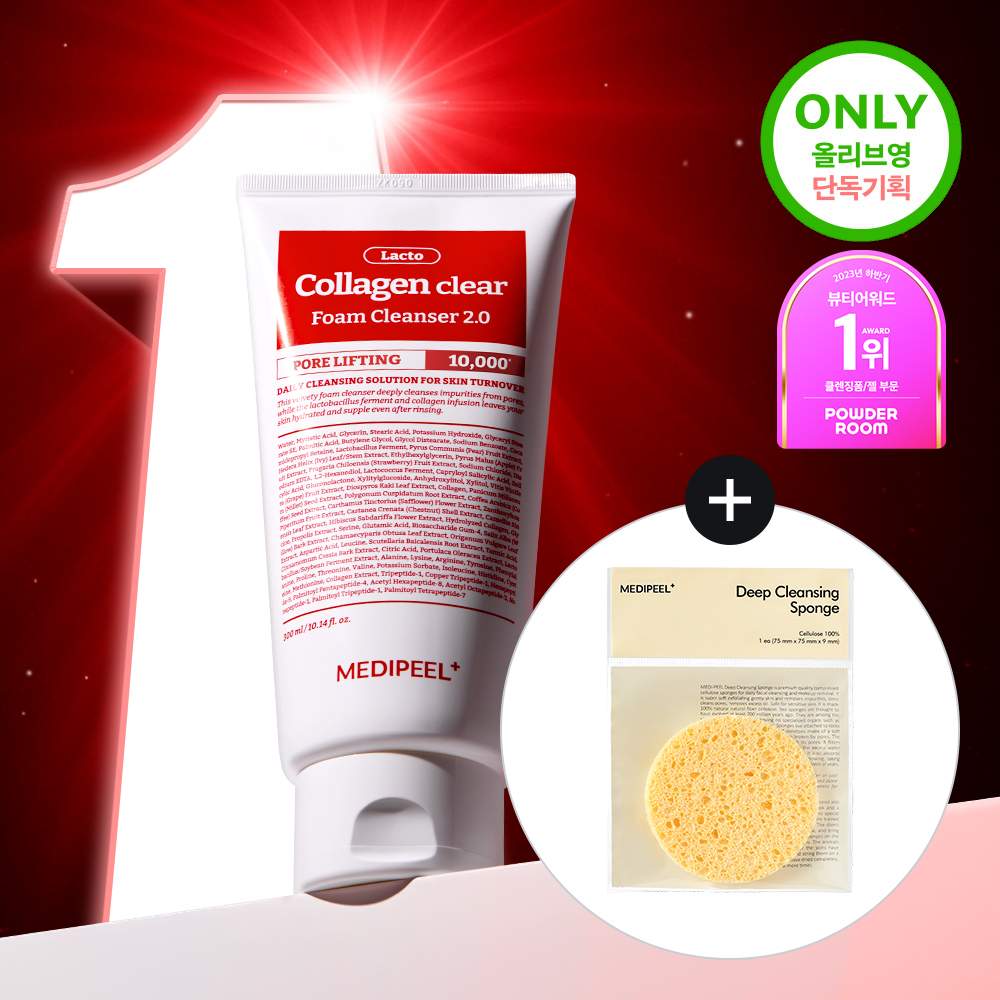
Red Lacto Collagen Clear 2.0 Special Set
Medi-Peel
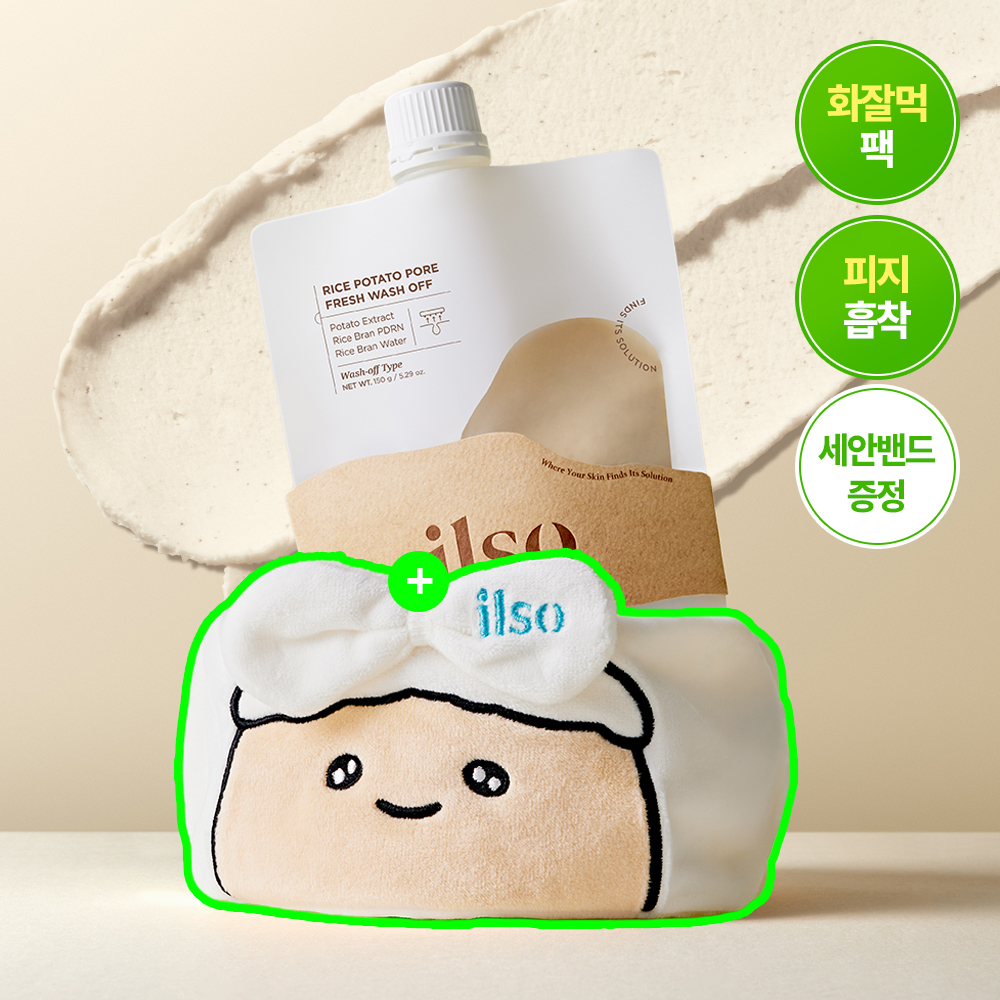
Rice Potato Pore Fresh Wash Off Mask
Ilso
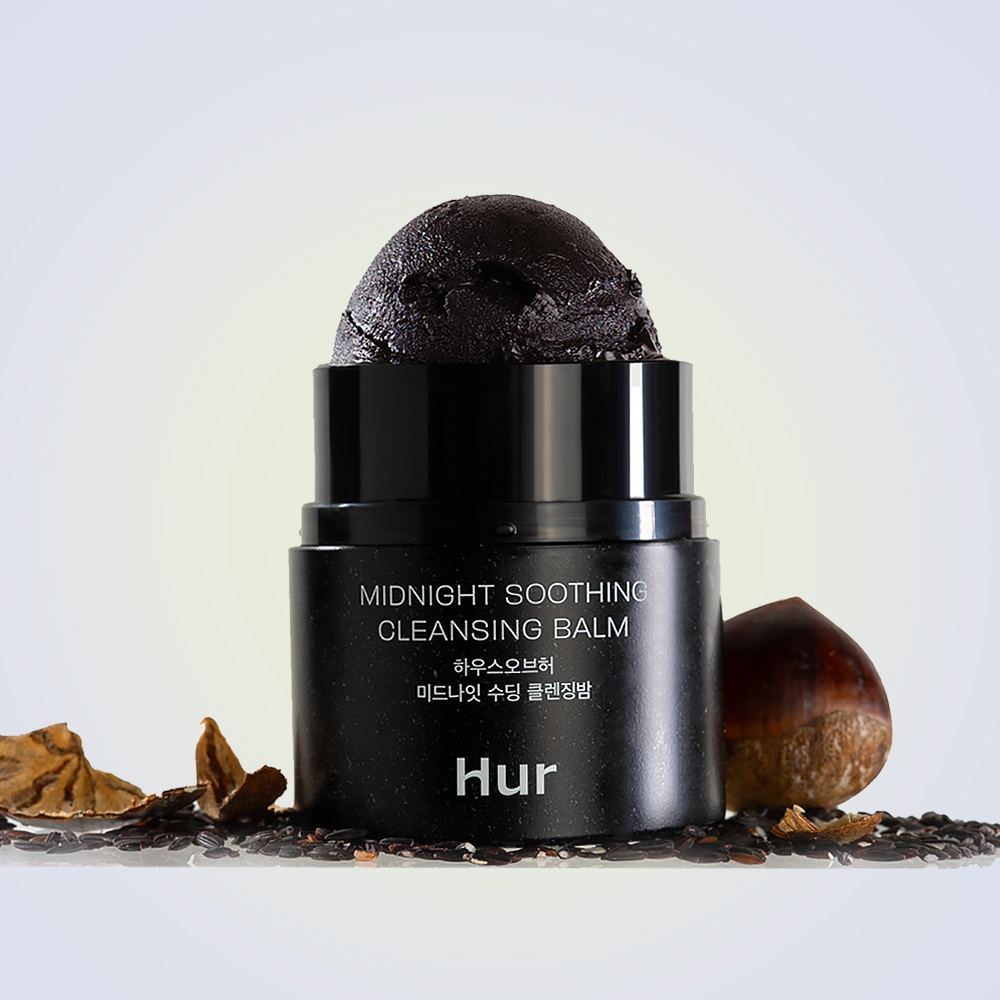
Midnight Soothing Cleansing Balm
House of Hur
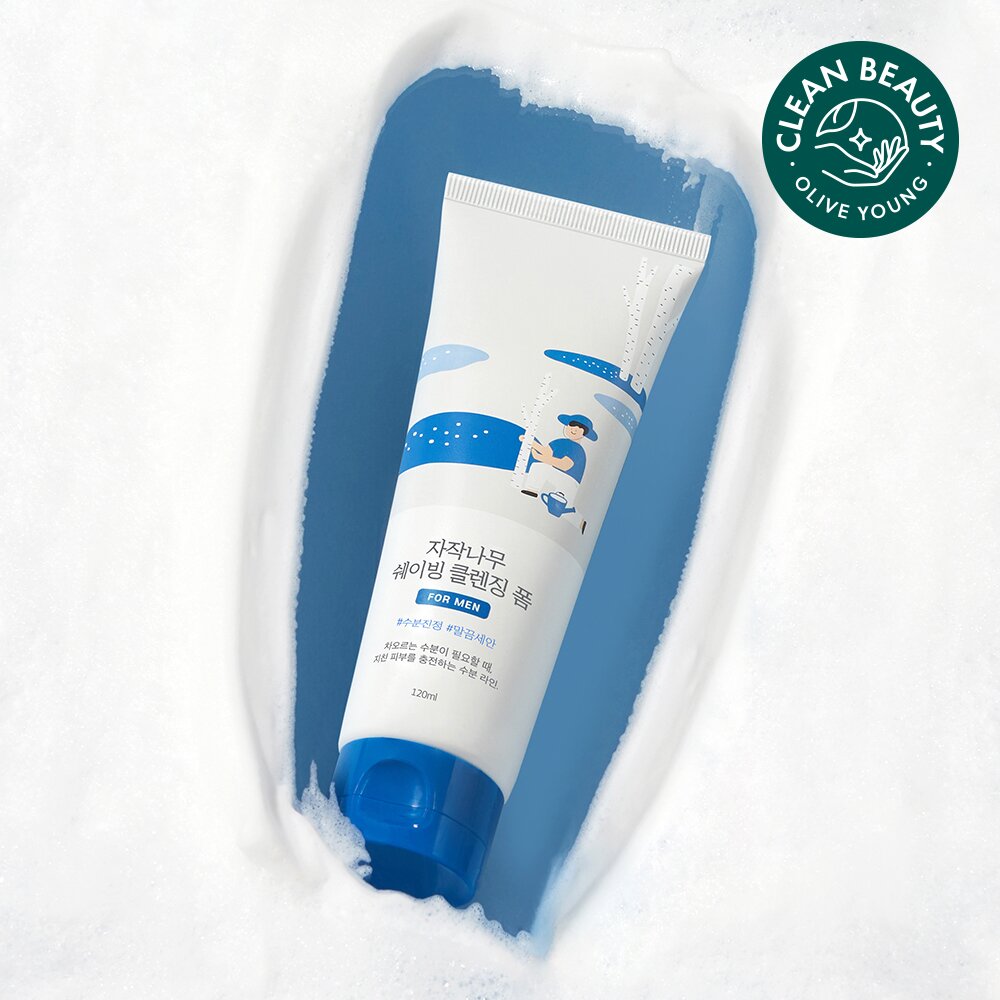
Birch Juice Shaving Cleansing Foam
Round Lab
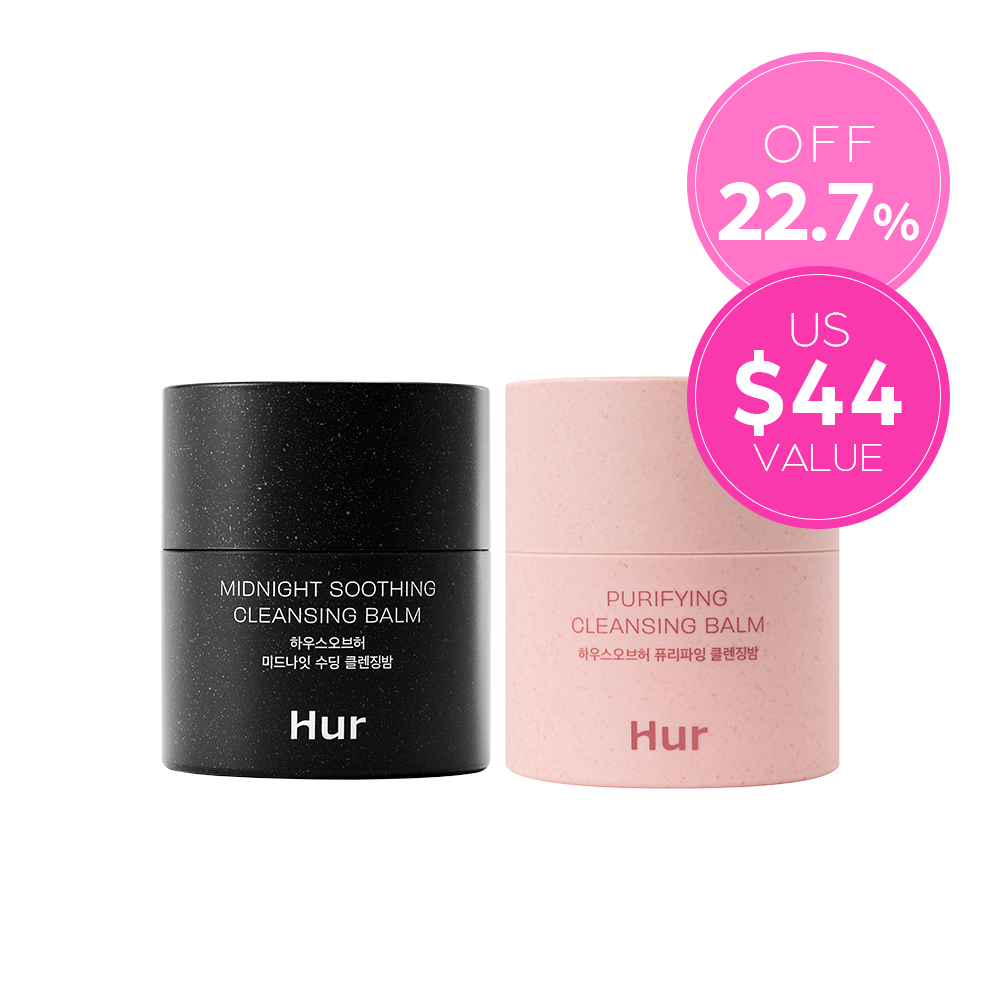
Cleansing Balm 50ml Set
House of Hur
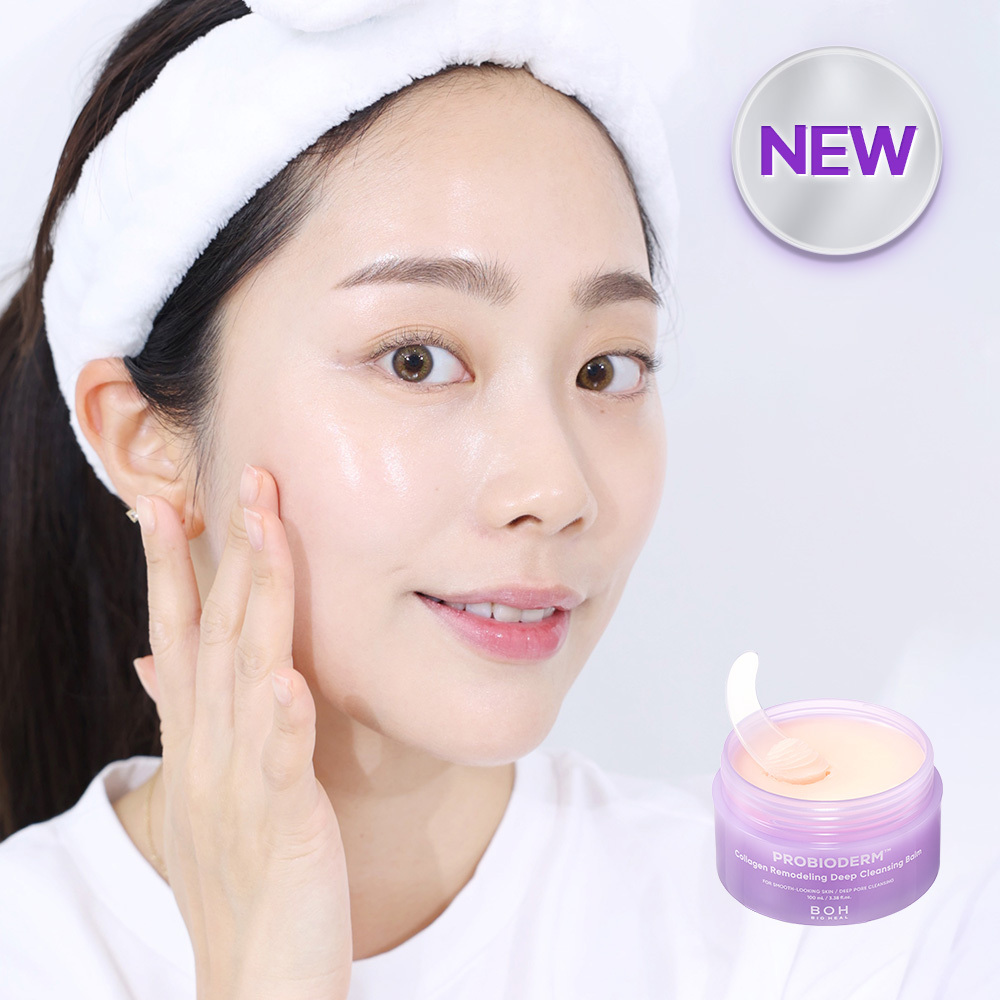
Probioderm Collagen Remodeling Deep Cleansing Balm
Bioheal BOH
Frequently Asked Questions
Is Chestnut Shell Extract safe for acne-prone skin?▼
Can I use Chestnut Shell Extract products if I have a nut allergy?▼
How quickly will I see pore-refining results from Chestnut Shell Extract?▼
Should I avoid Chestnut Shell Extract if I have dry skin?▼
Explore More
Want personalized ingredient advice?
Yuri, our AI beauty advisor, can tell you how Chestnut Shell Extract works with your specific skin type, routine, and concerns.
Ask Yuri, free