Centella Oil
INCI: Centella Asiatica Oil
Soothing and skin barrier repair oil
About Centella Oil
Centella oil is a lipid-rich extract derived from Centella asiatica (also known as cica or tiger grass), a medicinal herb revered in traditional Asian medicine for centuries. Unlike water-based centella extracts that deliver active compounds like asiaticoside and madecassoside, centella oil captures the plant's fat-soluble constituents, including essential fatty acids, phytosterols, and vitamin E. This makes it uniquely suited for barrier repair and deep hydration. In K-beauty, centella oil has emerged as a gentler alternative to straight centella extracts, offering the same soothing and healing benefits but in a form that reinforces the lipid barrier rather than just calming inflammation. It's particularly popular in overnight treatments, ampoules, and cleansing oils where it can penetrate deeply without irritation. With a safety rating of 4 out of 5 and a moderate comedogenic rating of 2 out of 5, centella oil strikes a balance between efficacy and tolerability. Products like the Madeca Daily Repair Ampoule by Centellian24 (rated 4.9 out of 5) demonstrate how Korean brands have refined centella oil formulations to target chronic dryness, sensitivity, and compromised barriers without clogging pores or causing breakouts in most users.
How Centella Oil Works
Centella oil works by delivering a spectrum of bioactive lipids directly into the stratum corneum, the outermost layer of skin that acts as your primary defense against environmental stressors. The oil's fatty acid profile, rich in linoleic and linolenic acids, mimics the composition of natural sebum, allowing it to integrate seamlessly into the lipid matrix between skin cells. This reinforces barrier integrity and reduces transepidermal water loss. Meanwhile, phytosterols in the oil modulate inflammatory pathways by inhibiting pro-inflammatory cytokines, calming redness and irritation at a cellular level. The triterpenes (asiatic acid, madecassic acid) present in trace amounts stimulate fibroblast activity, promoting collagen synthesis and accelerating wound healing. Because it's oil-soluble, centella oil can bypass the aqueous barrier of the epidermis and deliver these actives deeper into the dermis, where structural repair happens. It also acts as a carrier for other lipophilic antioxidants like tocopherol, creating a synergistic effect that neutralizes free radicals and protects against oxidative stress.
Centella Oil by Skin Type
Oily Skin
Oily skin can benefit from centella oil, especially if dehydration or barrier damage is triggering compensatory sebum production. The comedogenic rating of 2 out of 5 means it's generally safe for most oily skin types, though those highly prone to acne should patch test first. Use it sparingly in targeted treatments rather than all-over application, and pair it with lightweight, water-based hydrators to avoid overwhelming the skin.
Dry Skin
Centella oil is exceptionally well-suited for dry skin, as it addresses both the lipid deficiency and the inflammation often associated with chronic dryness. Products like the Madeca Cream Time Reverse by Centellian24 (rated 4.8 out of 5) combine centella oil with occlusive agents to lock in moisture overnight. The oil's fatty acids replenish depleted intercellular lipids, restoring suppleness and preventing flakiness without feeling greasy.
Combo Skin
Combination skin thrives with centella oil when used strategically. Apply it to dry or sensitized areas (cheeks, around the nose) while keeping application lighter on the T-zone. The moderate comedogenic rating makes it manageable for most combination types, and its anti-inflammatory properties help balance skin that's both oily and irritated. Cleansing oils like the Green Grape Pore Scaling Cleansing Oil by Redence (rated 5.0 out of 5) are ideal, as they rinse clean without leaving residue.
Sensitive Skin
Sensitive skin sees some of the most dramatic benefits from centella oil. Its ability to calm inflammation, strengthen the barrier, and reduce reactivity makes it a staple in redness-prone or rosacea-affected routines. The high safety rating (4 out of 5) reflects its gentle profile, though those with extreme sensitivity should still patch test. Centella oil soothes without the stinging or irritation sometimes caused by water-based centella extracts, making it ideal for compromised or post-procedure skin.
Normal Skin
Normal skin can use centella oil as a preventative measure to maintain barrier health and resilience. It's especially useful during seasonal transitions, travel, or periods of stress when skin might become temporarily sensitized. The oil enhances glow and suppleness without disrupting the skin's natural balance, and its antioxidant content provides daily protection against environmental aggressors.
How to Use Centella Oil
- 1Layer centella oil over water-based serums and under moisturizer to seal in hydration. If using a standalone oil, warm 2-3 drops between your palms and press gently into the skin rather than rubbing, which can cause friction on sensitized skin.
- 2Mix a drop of centella oil into your foundation or cushion compact for a dewy, skin-like finish that soothes throughout the day. This is especially helpful if your skin tends to get irritated from makeup.
- 3For targeted repair, apply centella oil to areas of redness, flakiness, or irritation as a spot treatment before bed. The overnight contact time maximizes its barrier-repairing effects.
- 4If you have oily or acne-prone skin, avoid layering centella oil with heavy occlusives. Instead, use it in a cleansing oil format (like the Redence Green Grape Pore Scaling Cleansing Oil) to reap the benefits during cleansing without leaving pore-clogging residue.
Background
Centella asiatica has been used in Ayurvedic and traditional Chinese medicine for over 2,000 years, where it was applied topically to wounds, burns, and inflammatory skin conditions. The plant earned the nickname "tiger grass" because tigers were observed rolling in centella patches to heal their wounds. Korean skincare brands began isolating centella oil in the early 2000s as part of the broader "cica" trend, which exploded after dermatologists noted its efficacy in post-laser and post-peel recovery. Unlike centella extracts (which are water-based), centella oil became popular for its ability to deliver lipophilic actives, making it particularly valuable in barrier-repair formulations. Brands like Centellian24 have built entire lines around centella oil, positioning it as a premium ingredient for sensitive, compromised, and aging skin. Today, it's a cornerstone of K-beauty's "skin barrier first" philosophy.
K-Beauty Products with Centella Oil
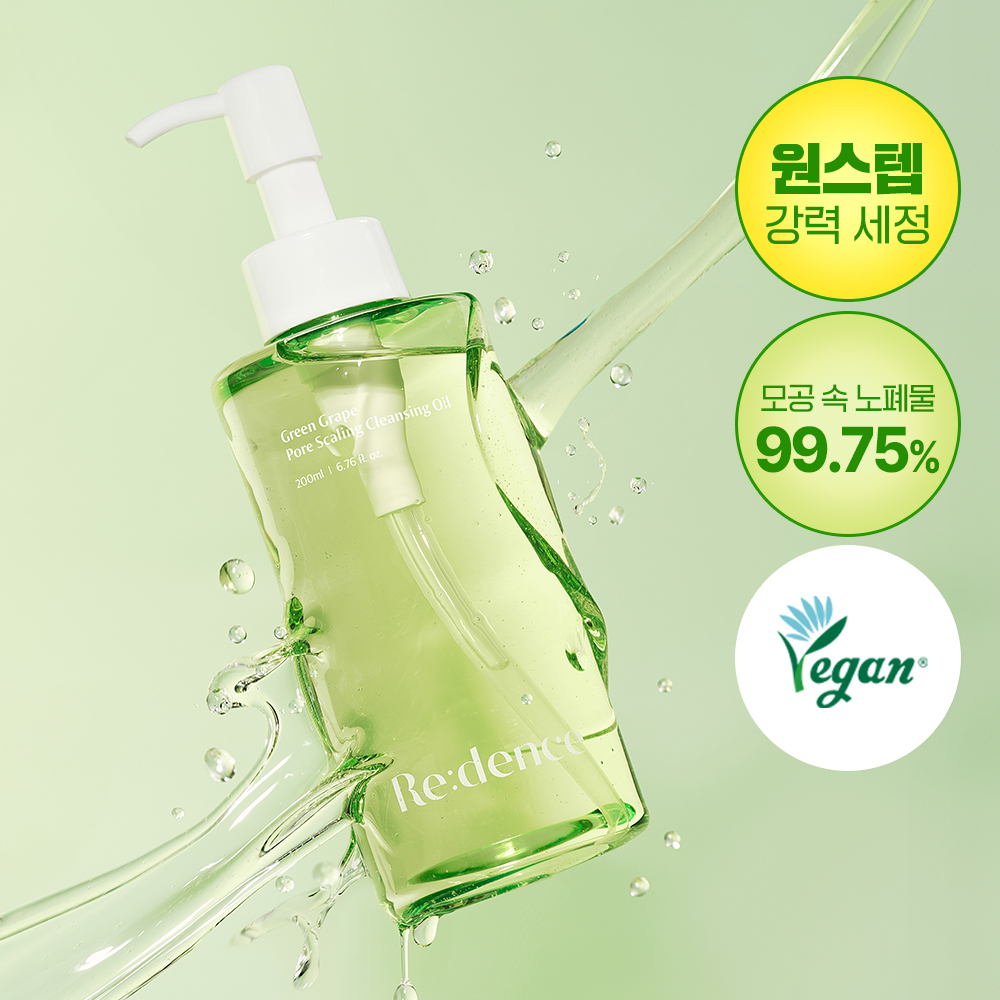
Green Grape Pore Scaling Cleansing Oil
Redence
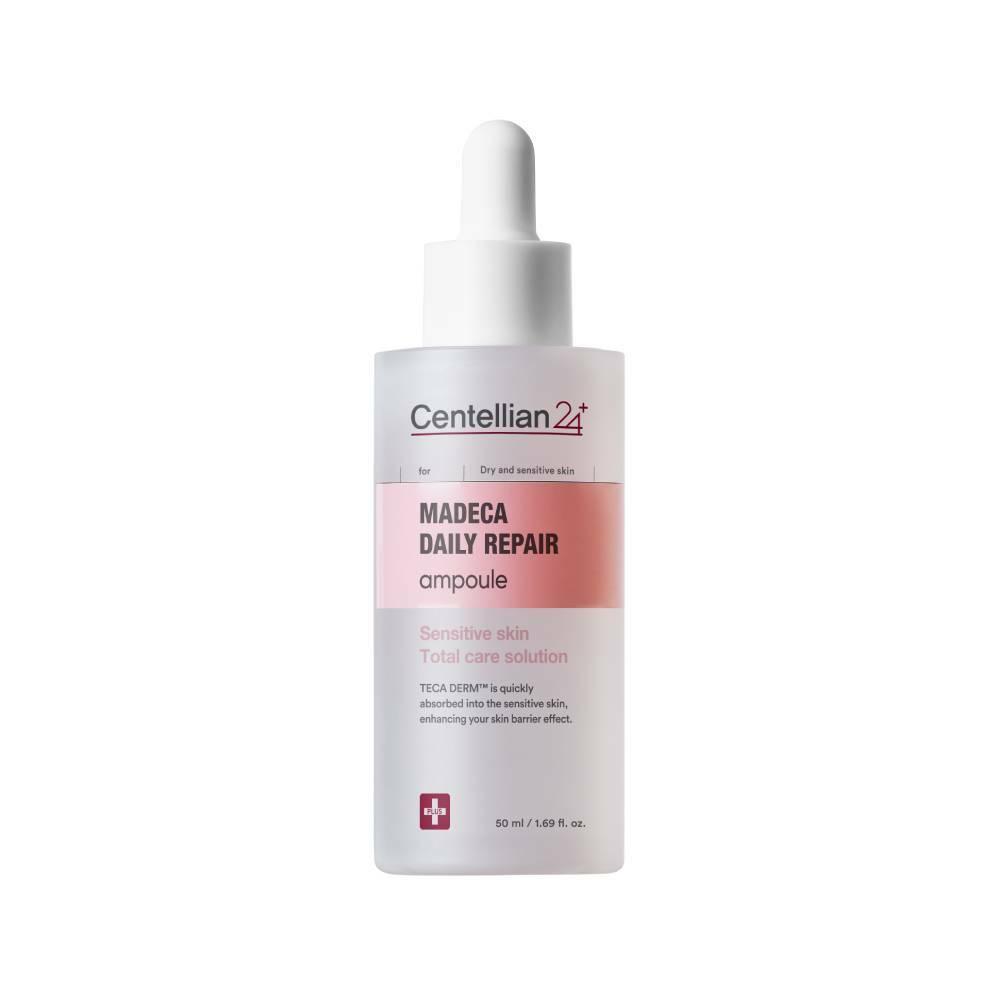
Madeca Daily Repair Ampoule
Centellian24
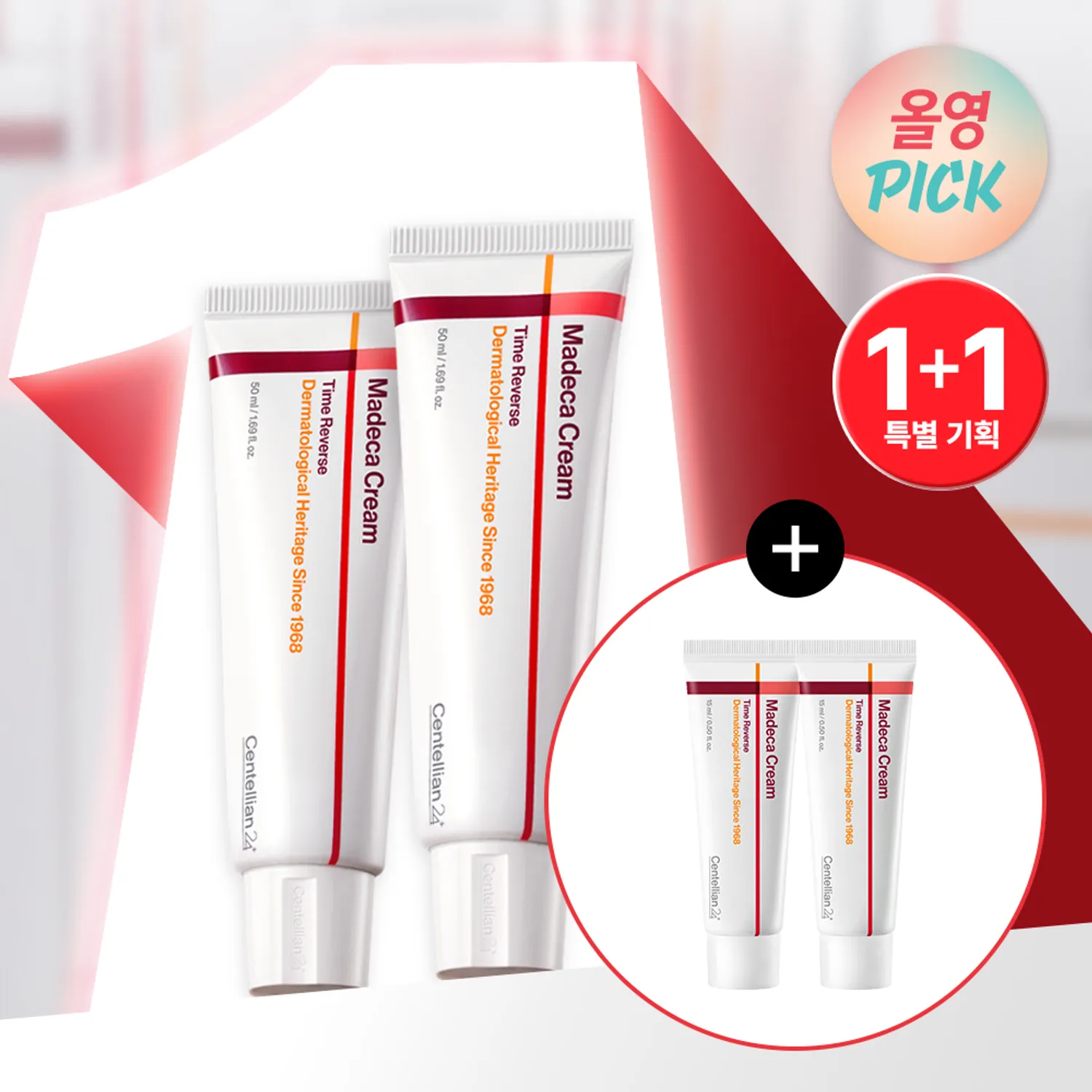
Madeca Cream Time Reverse Double Pack
Centellian24
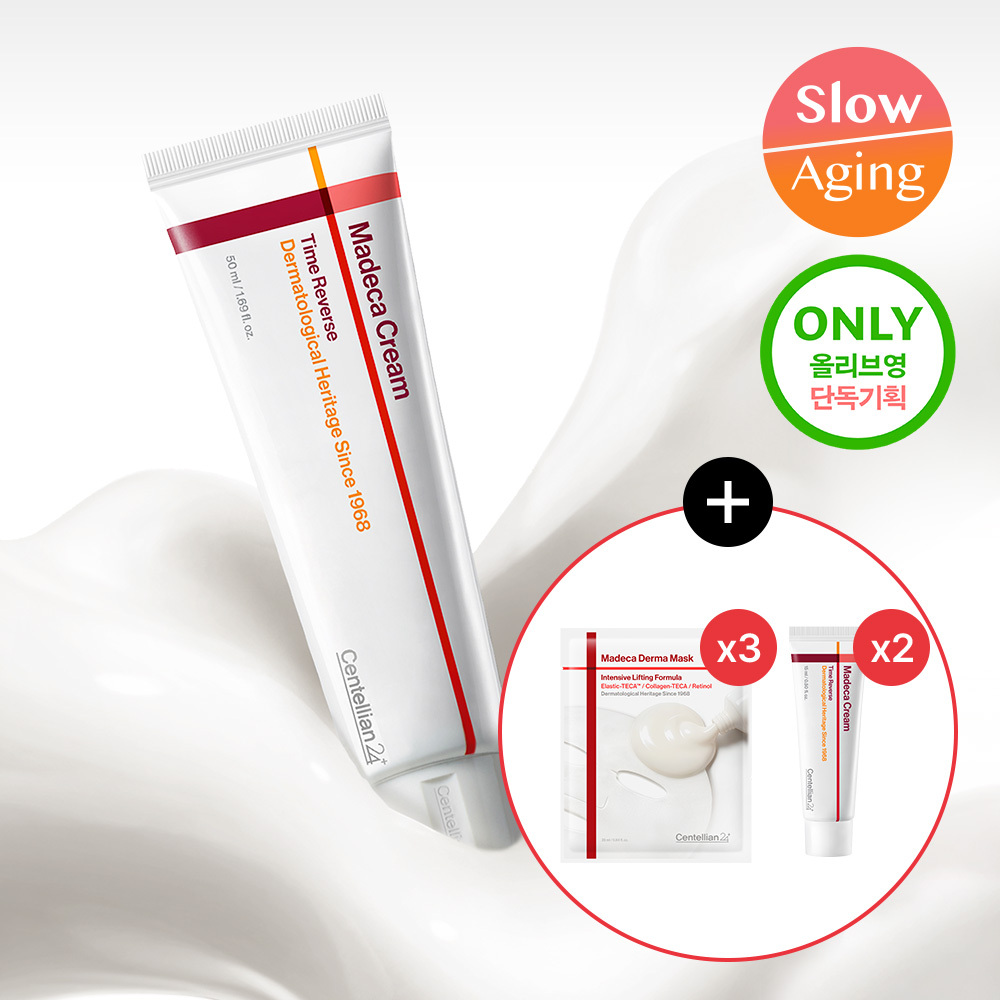
Madeca Cream Time Reverse Set
Centellian24
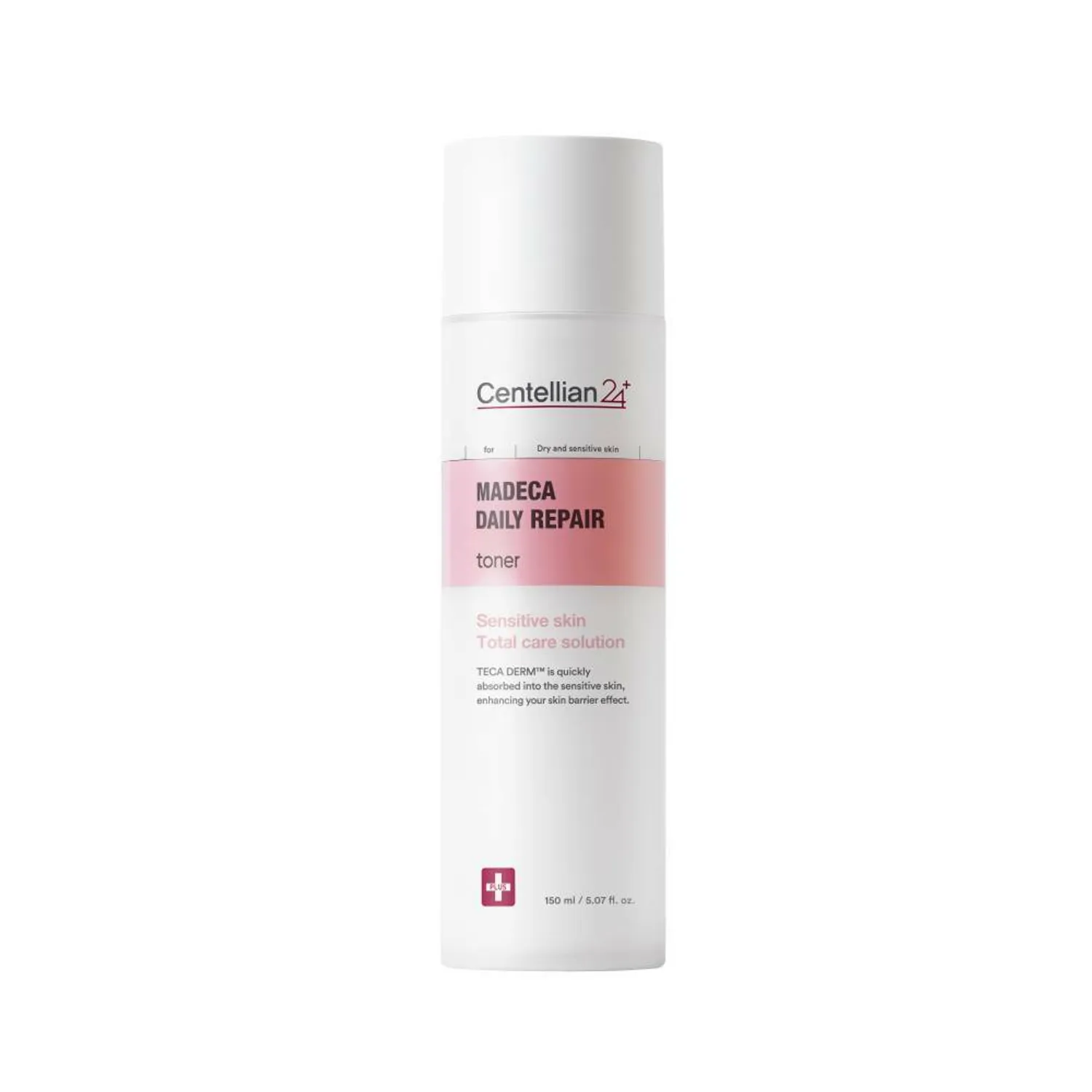
Madeca Daily Repair Toner Special Set
Centellian24
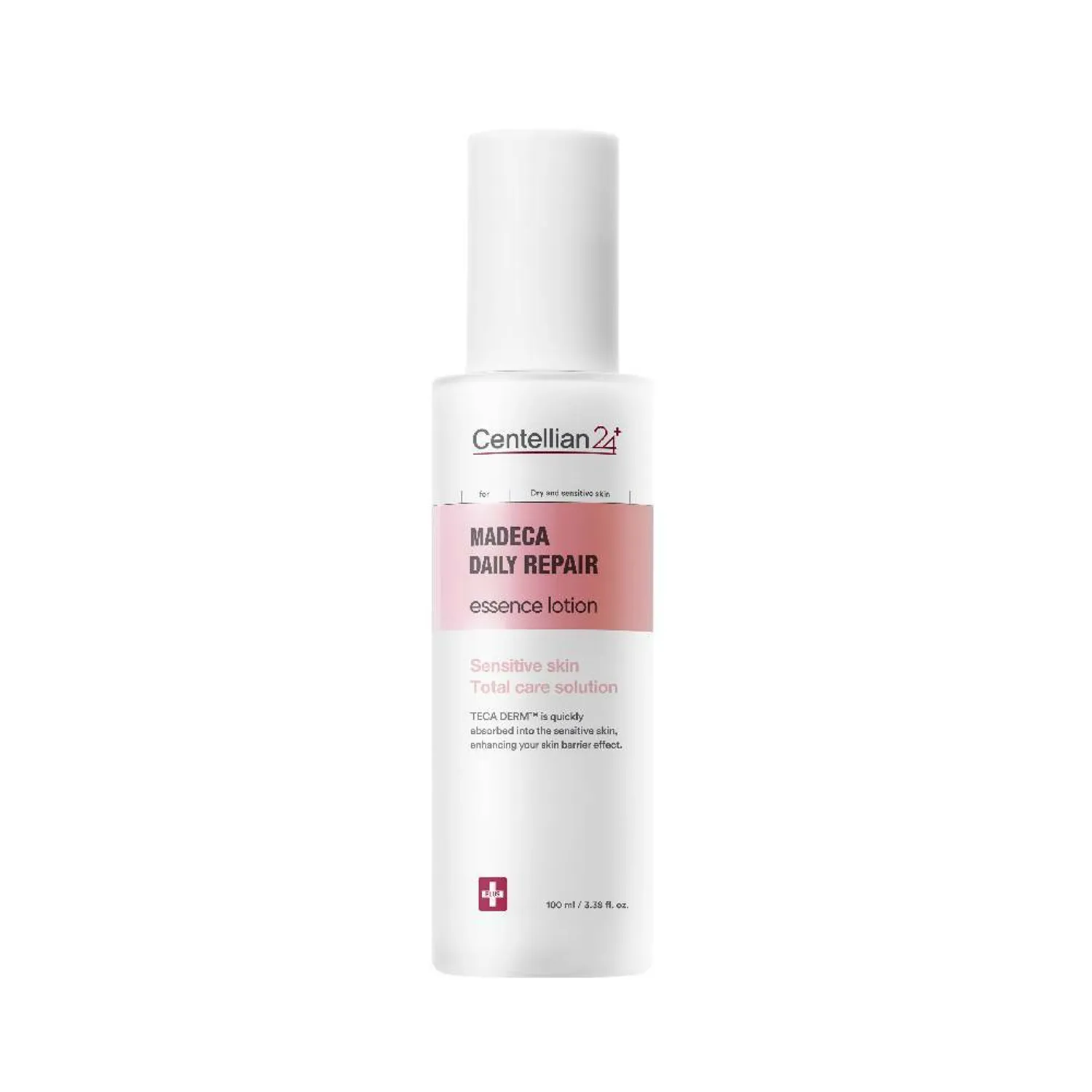
Madeca Daily Repair Essence Lotion
Centellian24
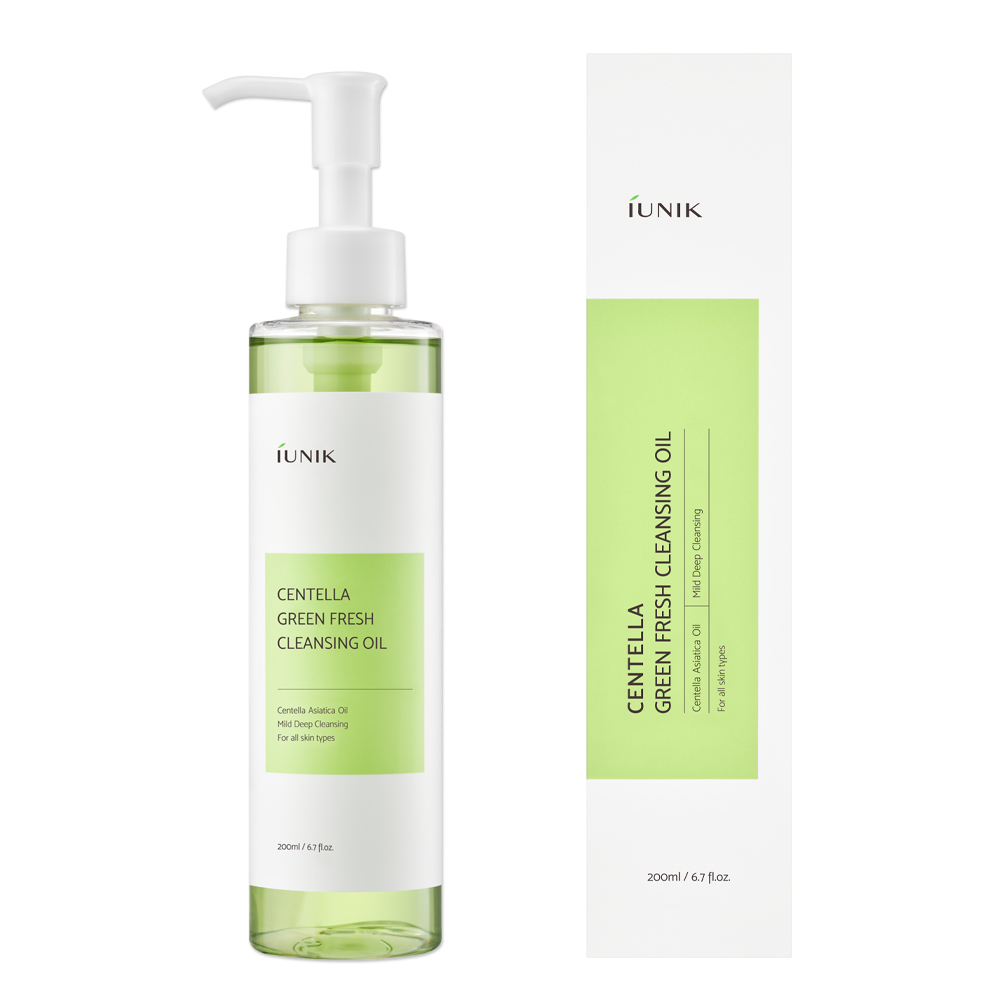
Centella Green Fresh Cleansing Oil
iUNIK
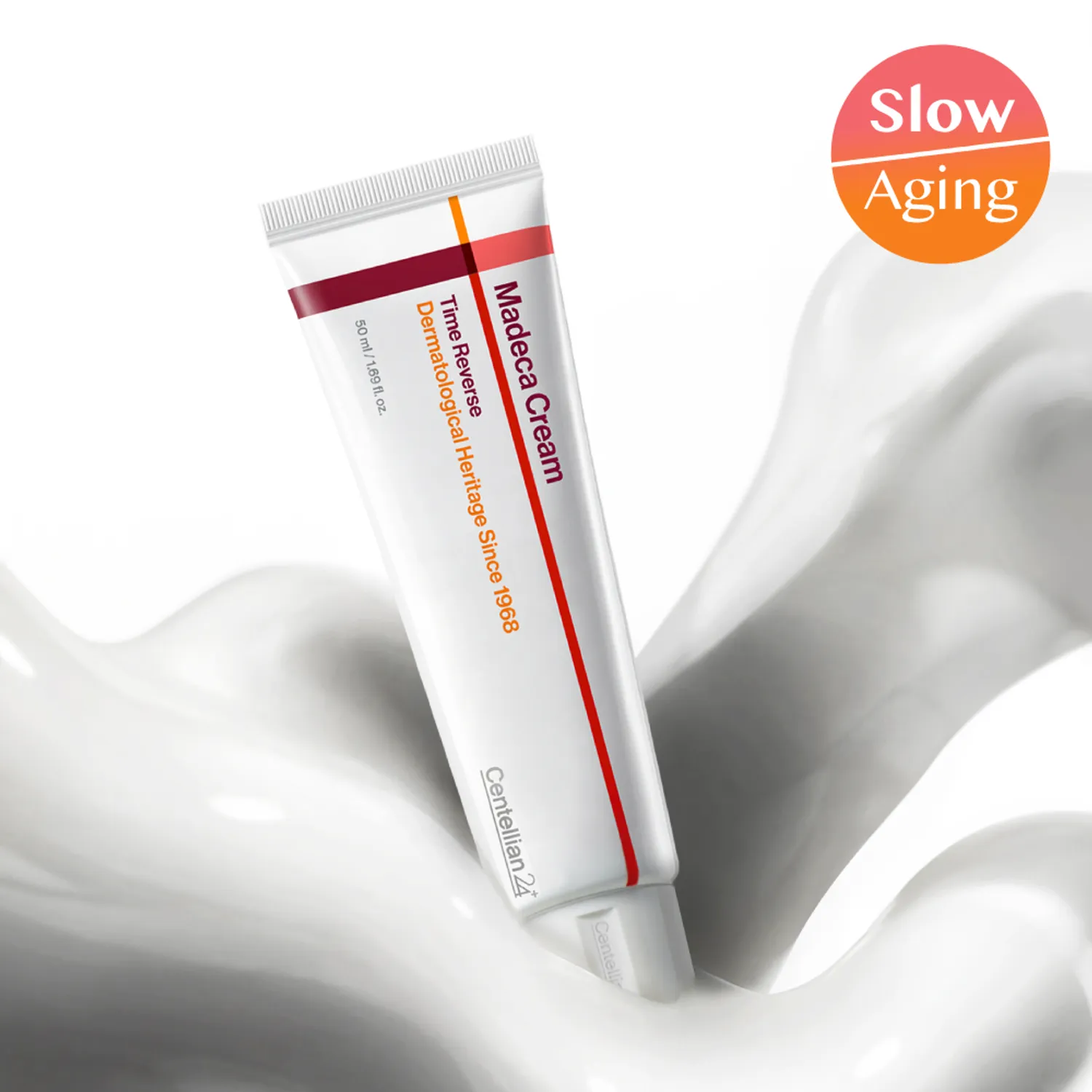
Madeca Cream Time Reverse
Centellian24
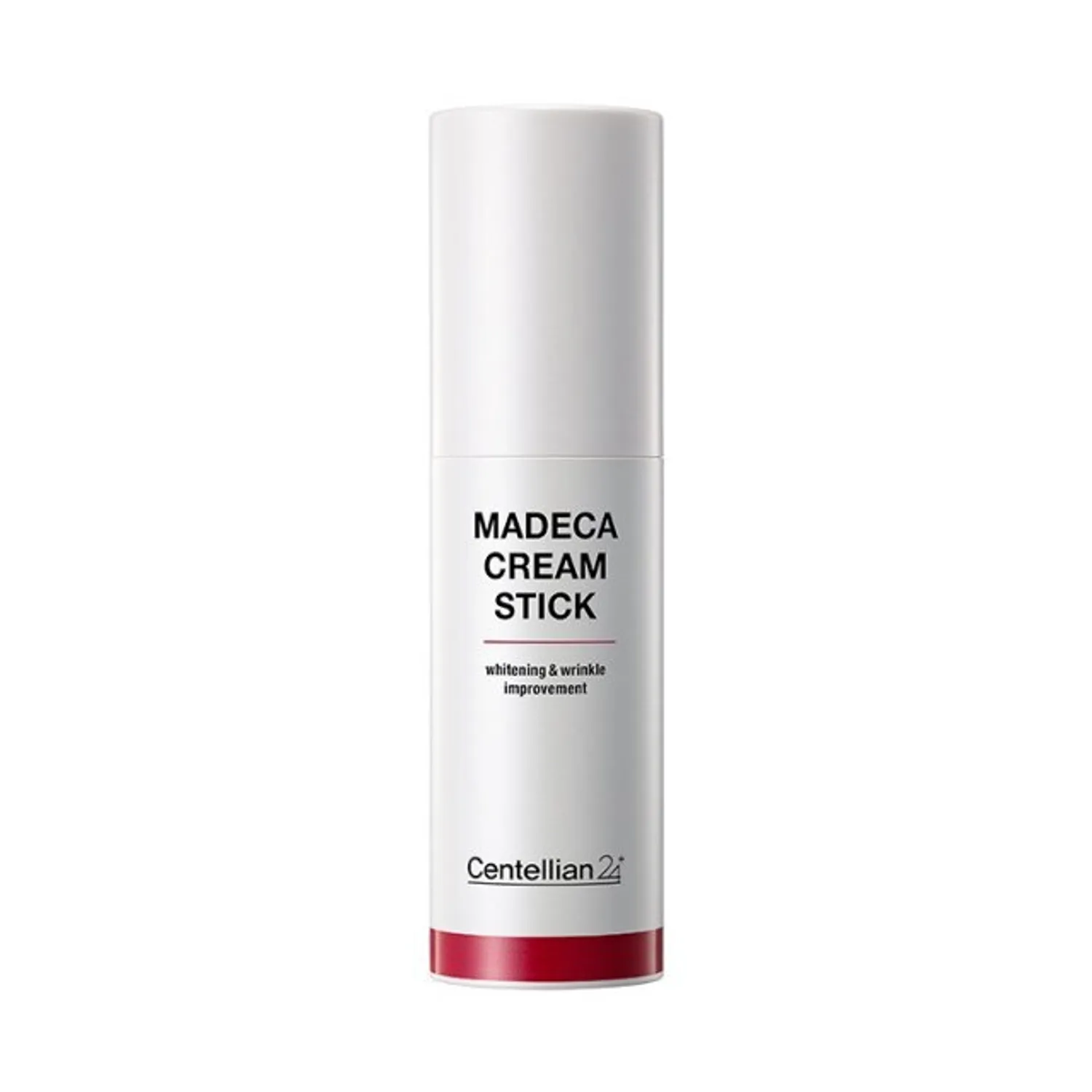
Madeca Cream Stick
Centellian24
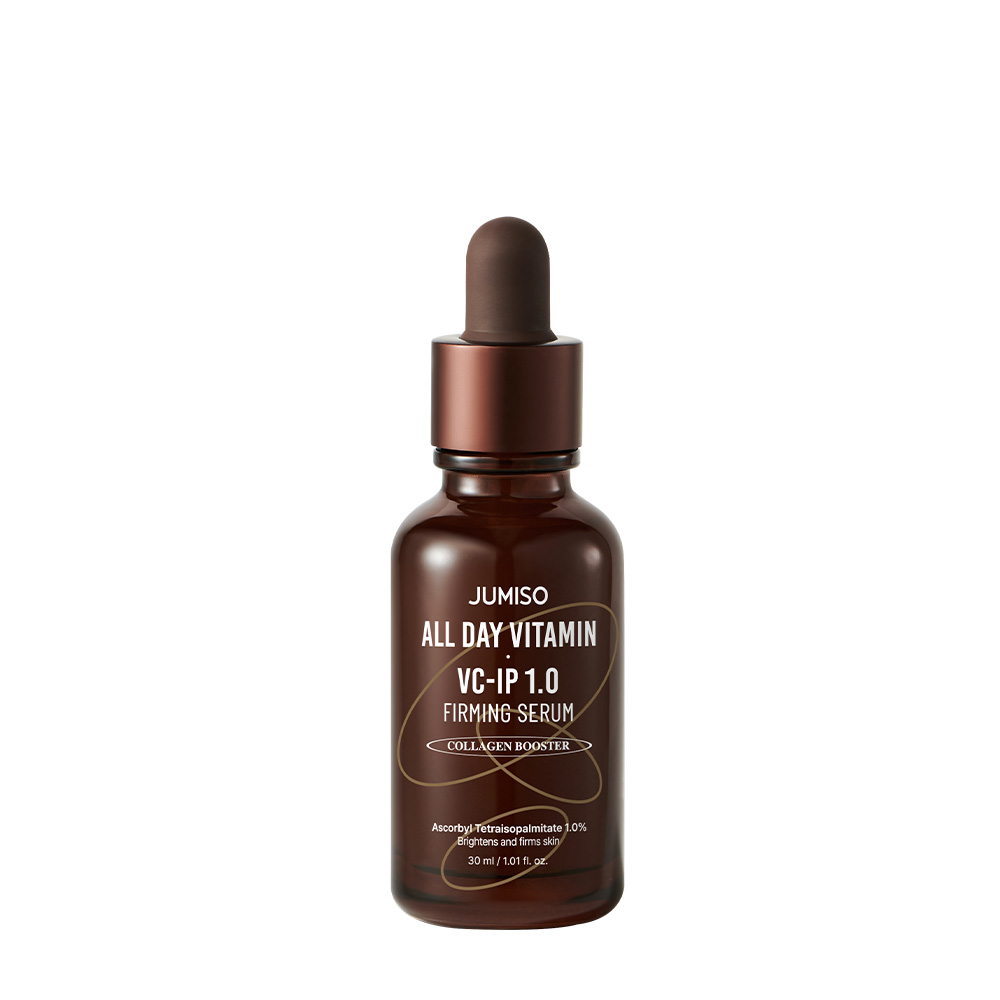
All Day Vitamin VC-IP 10 Firming Serum
Jumiso

Madeca Cream Time Reverse Triple Pack
Centellian24
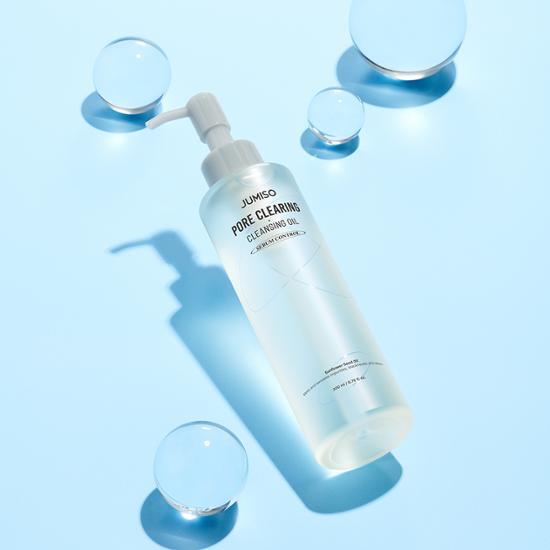
Pore Clearing Cleansing Oil
Jumiso
Frequently Asked Questions
Is centella oil the same as centella extract?▼
Will centella oil clog my pores?▼
Can I use centella oil if my skin is already oily?▼
How does centella oil help with redness and sensitivity?▼
Explore More
Want personalized ingredient advice?
Yuri, our AI beauty advisor, can tell you how Centella Oil works with your specific skin type, routine, and concerns.
Ask Yuri, free