Hinoki Cypress Oil
INCI: Chamaecyparis Obtusa Oil
Antimicrobial and aromatic essential oil
About Hinoki Cypress Oil
Hinoki Cypress Oil is an essential oil extracted from the wood of Chamaecyparis obtusa, a sacred cypress tree native to Japan and Korea. In K-beauty, it serves dual purposes as both an antimicrobial active and a signature aromatic ingredient that evokes the calming atmosphere of ancient temple forests. The oil contains hinokitiol, a powerful compound with proven antibacterial and antifungal properties, making it valuable in formulations targeting acne, inflammation, and skin microbiome balance. Beyond its functional benefits, hinoki oil has become a beloved fragrance note in premium K-beauty products, particularly in ampoules and creams where its woody, meditative scent enhances the sensorial experience. With a moderate safety rating of 3/5 and comedogenic rating of 2/5, this ingredient requires careful formulation. It appears in 25 products on Seoul Sister, including top-rated formulas like Beplain's P.CALM Retinolagen Ampoule Shot Foam Cleanser and Anua's Baekdango Rice Wine Dark Spot Corrector Ampoule, both rated 5.0/5. Korean brands favor hinoki for its cultural resonance and ability to deliver therapeutic benefits while creating a luxurious, spa-like experience that distinguishes K-beauty from Western skincare.
How Hinoki Cypress Oil Works
Hinoki Cypress Oil works primarily through hinokitiol, a seven-membered aromatic tropolone compound that disrupts bacterial cell membranes and inhibits microbial enzyme systems. This makes it particularly effective against acne-causing Cutibacterium acnes and various fungi that can trigger skin inflammation. The oil also contains alpha-pinene and delta-cadinene, terpenes that modulate inflammatory pathways by reducing pro-inflammatory cytokine production in skin cells. These compounds help calm redness and irritation while supporting the skin's natural barrier function. As a volatile aromatic molecule, hinoki oil also influences the nervous system through olfactory pathways, potentially reducing stress-related cortisol levels that can exacerbate skin conditions. However, the same volatile compounds that provide therapeutic benefits can also act as sensitizers in susceptible individuals, which explains its moderate safety rating. When formulated at appropriate concentrations (typically 0.1-0.5% in leave-on products), hinoki oil delivers antimicrobial benefits without overwhelming the skin's tolerance threshold.
Hinoki Cypress Oil by Skin Type
Oily Skin
Hinoki Cypress Oil can benefit oily skin types through its antimicrobial action against acne-causing bacteria and its ability to help regulate sebum-related inflammation. The oil's astringent properties may provide a subtle mattifying effect. However, the moderate comedogenic rating of 2/5 means those with very acne-prone skin should patch test products containing this ingredient, particularly in higher concentrations.
Dry Skin
This ingredient is not ideal for dry skin as primary care, since essential oils can be mildly drying and the fragrant compounds may cause irritation on compromised barriers. That said, when formulated in rich creams like Mediheal's PDRN Lifting Derma Cream (4.9/5), where it's balanced with nourishing ingredients, the antimicrobial benefits can support skin health without exacerbating dryness. Use products with hinoki oil sparingly and always follow with a barrier-repairing moisturizer.
Combo Skin
Combination skin may appreciate hinoki oil's balanced approach, as it addresses excess oil and bacterial activity in the T-zone while the aromatic benefits promote overall skin calm. Products like Anua's Heukdango Vintage Herb Nutri Wrinkle Ampoule (5.0/5) demonstrate how hinoki can be formulated into combination-friendly textures. Focus application on oilier areas if sensitivity is a concern, and monitor how your skin responds to the fragrance component.
Sensitive Skin
Sensitive skin types should approach hinoki oil with caution due to its fragrance nature and moderate safety rating of 3/5. While the anti-inflammatory terpenes can theoretically calm irritation, the volatile aromatic compounds may trigger reactivity in those with fragrance sensitivities or compromised barriers. If you have sensitive skin and want to try products containing hinoki oil, look for formulas where it's lower on the ingredient list and always patch test for 24-48 hours before full application.
Normal Skin
Normal skin can typically tolerate hinoki cypress oil well and enjoy both its functional antimicrobial benefits and its signature forest-like aroma. This skin type is ideal for experiencing the full sensorial and therapeutic benefits of hinoki without significant risk. Products like Goodal's Ice Heartleaf Hyaluron Soothing Ampoule (5.0/5) show how hinoki enhances well-rounded formulations that maintain skin health and provide a luxurious treatment experience.
How to Use Hinoki Cypress Oil
- 1Always patch test products containing hinoki oil on your inner forearm for 24-48 hours before applying to your face, especially if you have known fragrance sensitivities.
- 2Use hinoki oil products in your evening routine when possible, as some essential oil compounds can increase photosensitivity and the calming aroma supports nighttime relaxation.
- 3If you're using multiple products with active essential oils or fragrances, avoid layering them all at once to prevent overwhelming your skin's tolerance threshold.
- 4Store hinoki oil-containing products away from direct sunlight and heat, as this preserves the volatile compounds and prevents oxidation that can increase irritation potential.
- 5Consider alternating days when using hinoki oil products with other potent actives like retinol or acids to give your skin recovery time and minimize cumulative irritation.
Background
Hinoki cypress has been revered in Japanese and Korean culture for over 1,000 years, with the wood traditionally used to build temples, shrines, and royal baths due to its exceptional resistance to decay and its purifying aroma. The antimicrobial properties that made hinoki wood prized for sacred architecture were recognized in traditional medicine, where the wood and leaves were used to treat skin infections and respiratory conditions. Hinokitiol, the key active compound, was first isolated by Japanese chemist Tetsuo Nozoe in 1936, marking the beginning of scientific investigation into hinoki's therapeutic properties. K-beauty brands embraced hinoki oil in the 2010s as part of a broader movement toward hanbang (traditional Korean medicine) and nature-inspired ingredients that connect modern skincare to cultural heritage. Today, it appears in premium formulations as both a functional antimicrobial and a signature scent that evokes the tranquil atmosphere of temple forests, bridging ancient wisdom with contemporary cosmetic science.
K-Beauty Products with Hinoki Cypress Oil
View all 25 →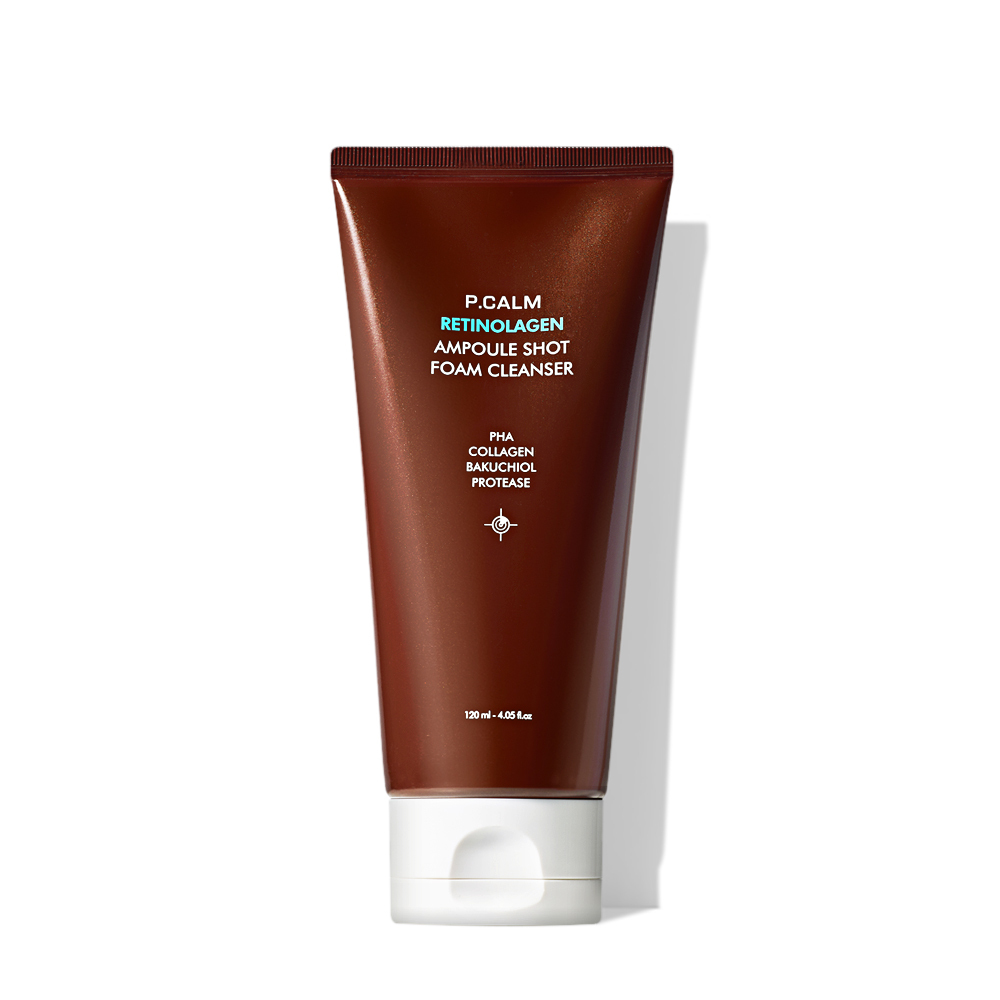
P.CALM Retinolagen Ampoule Shot Foam Cleanser
Beplain
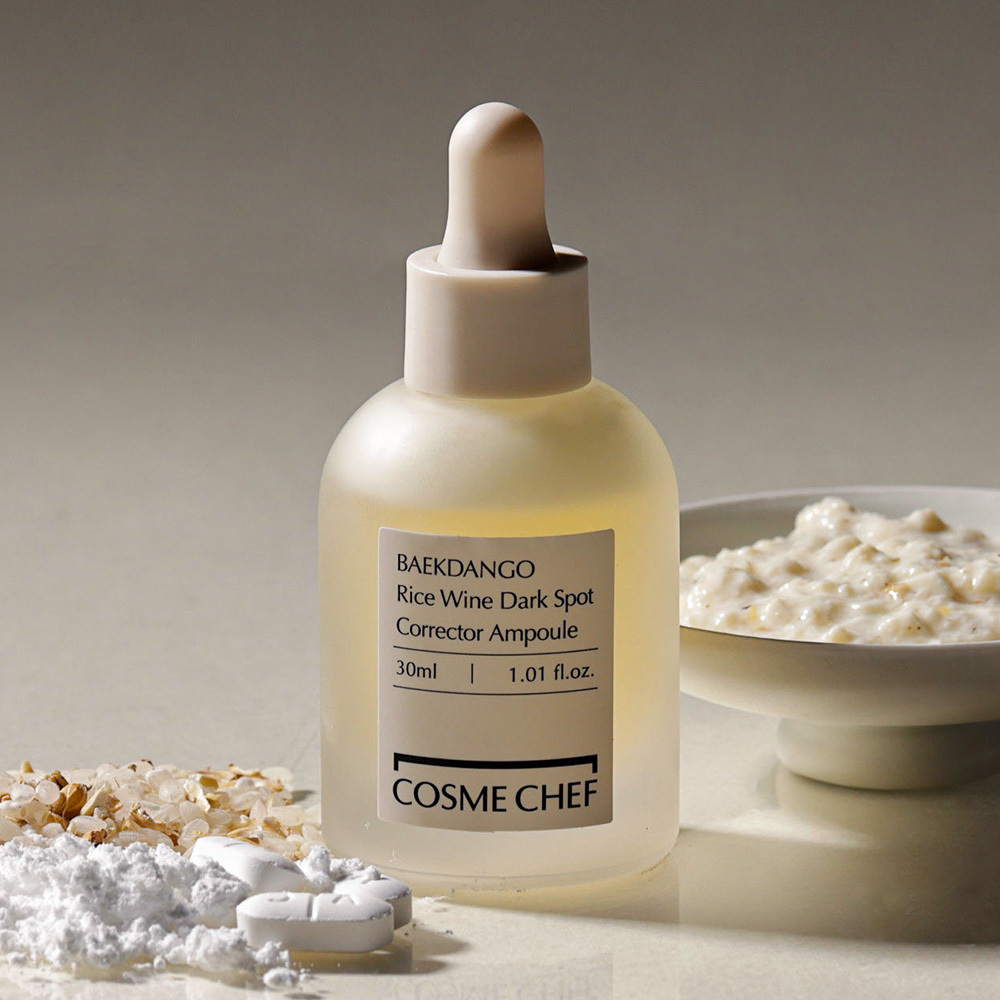
Baekdango Rice Wine Dark Spot Corrector Ampoule
Anua
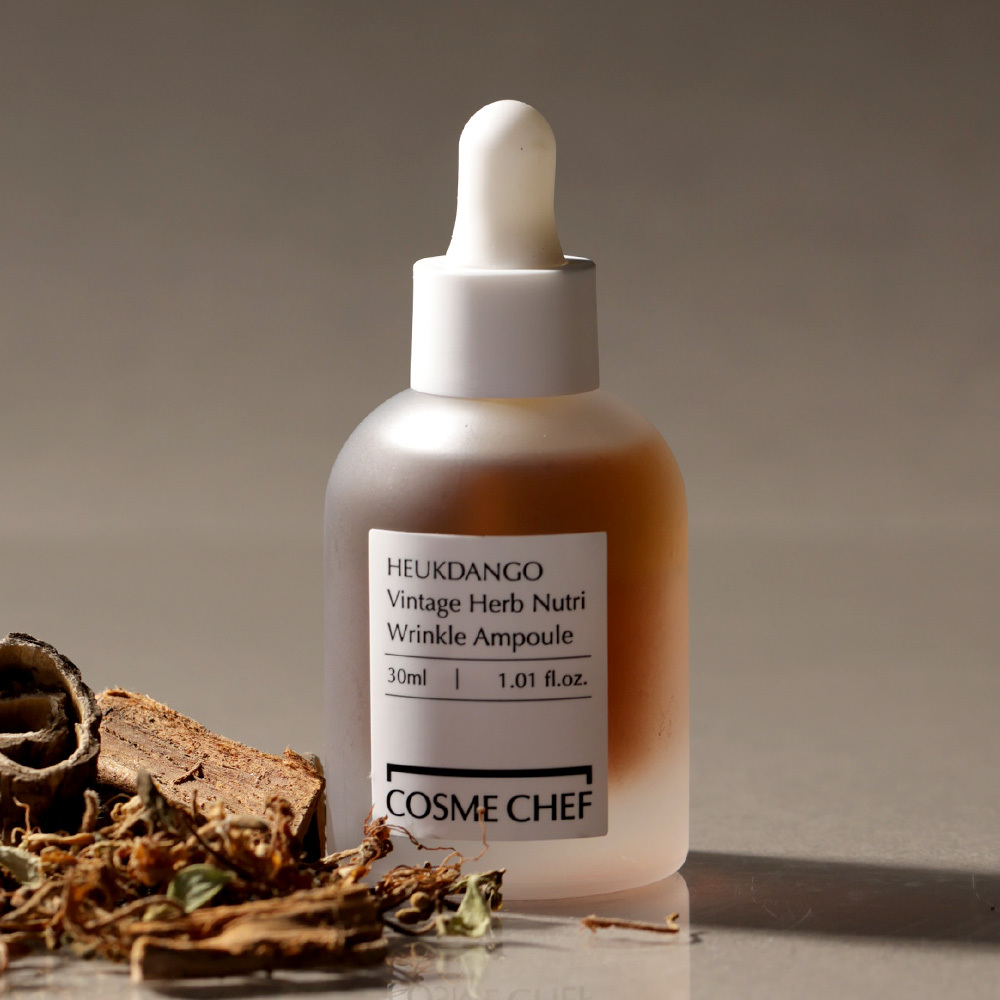
Heukdango Vintage Herb Nutri Wrinkle Ampoule
Anua
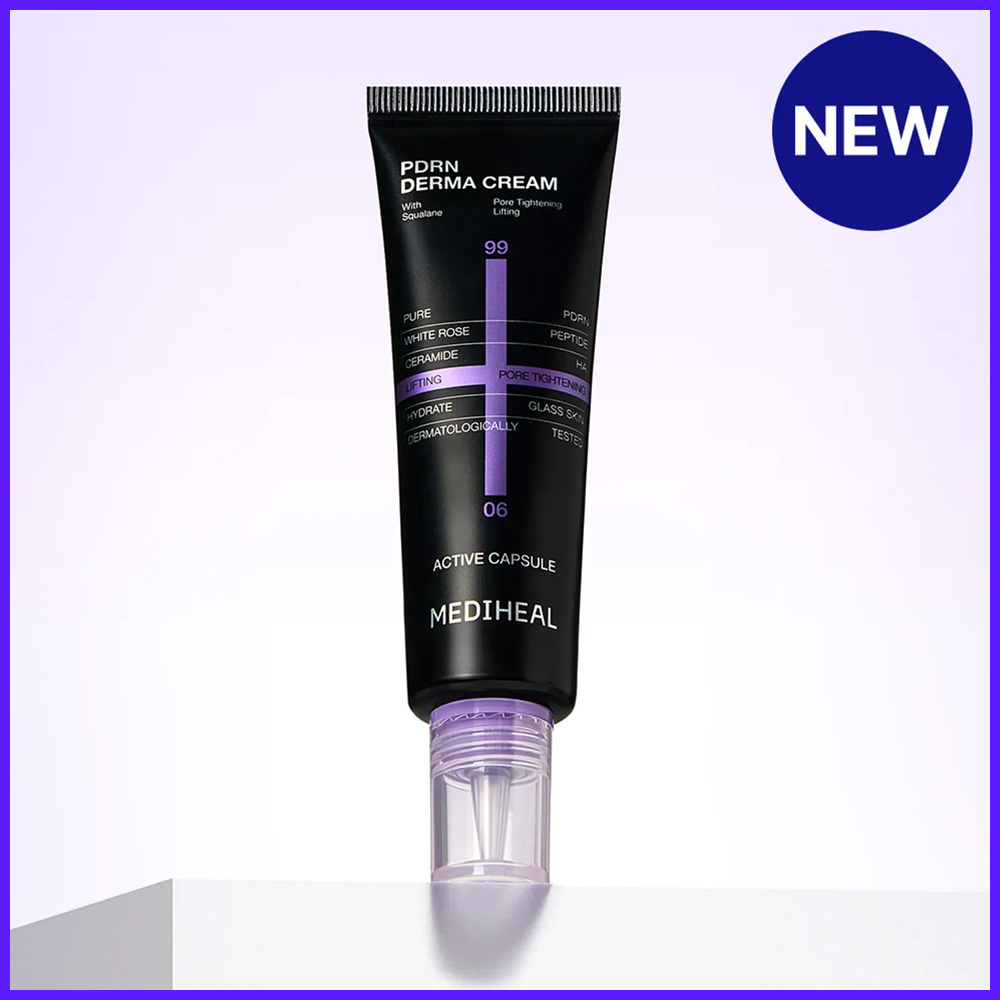
PDRN Lifting Derma Cream
Mediheal
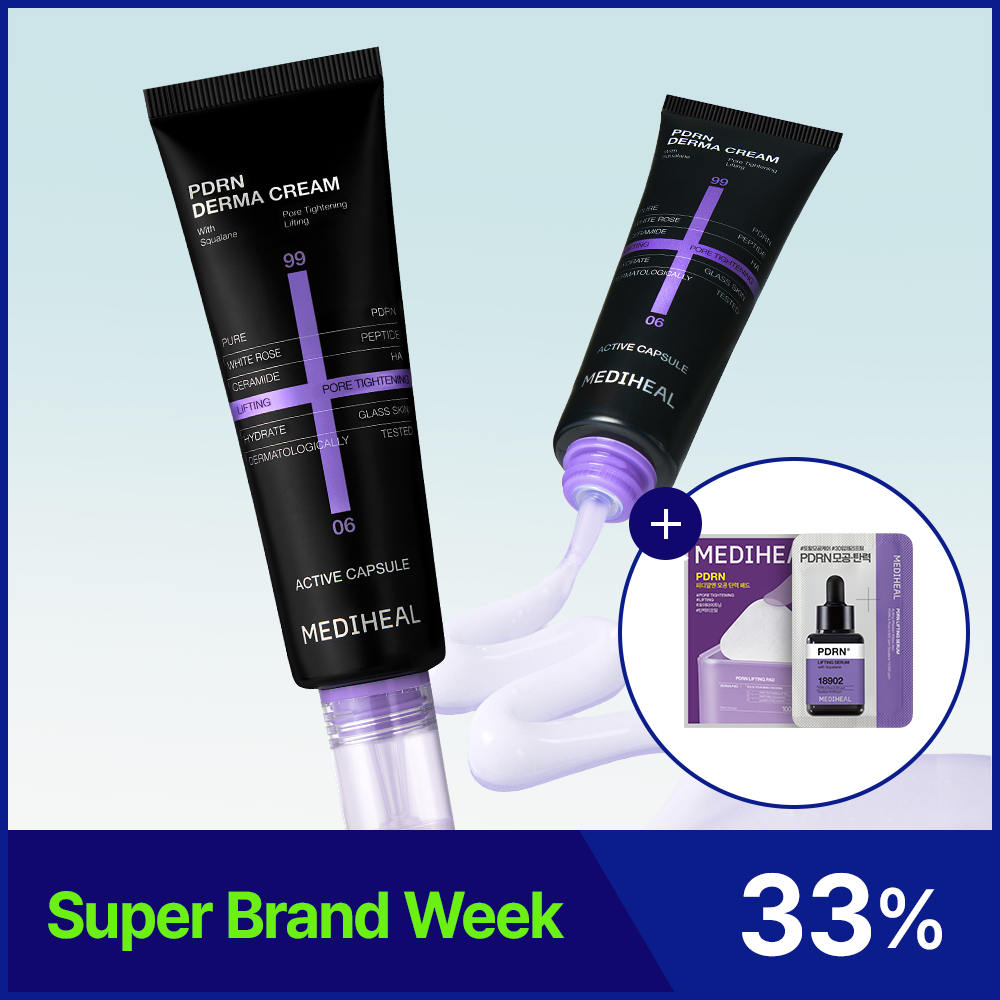
PDRN Cream
Mediheal

PDRN Cream Twin Pack
Mediheal
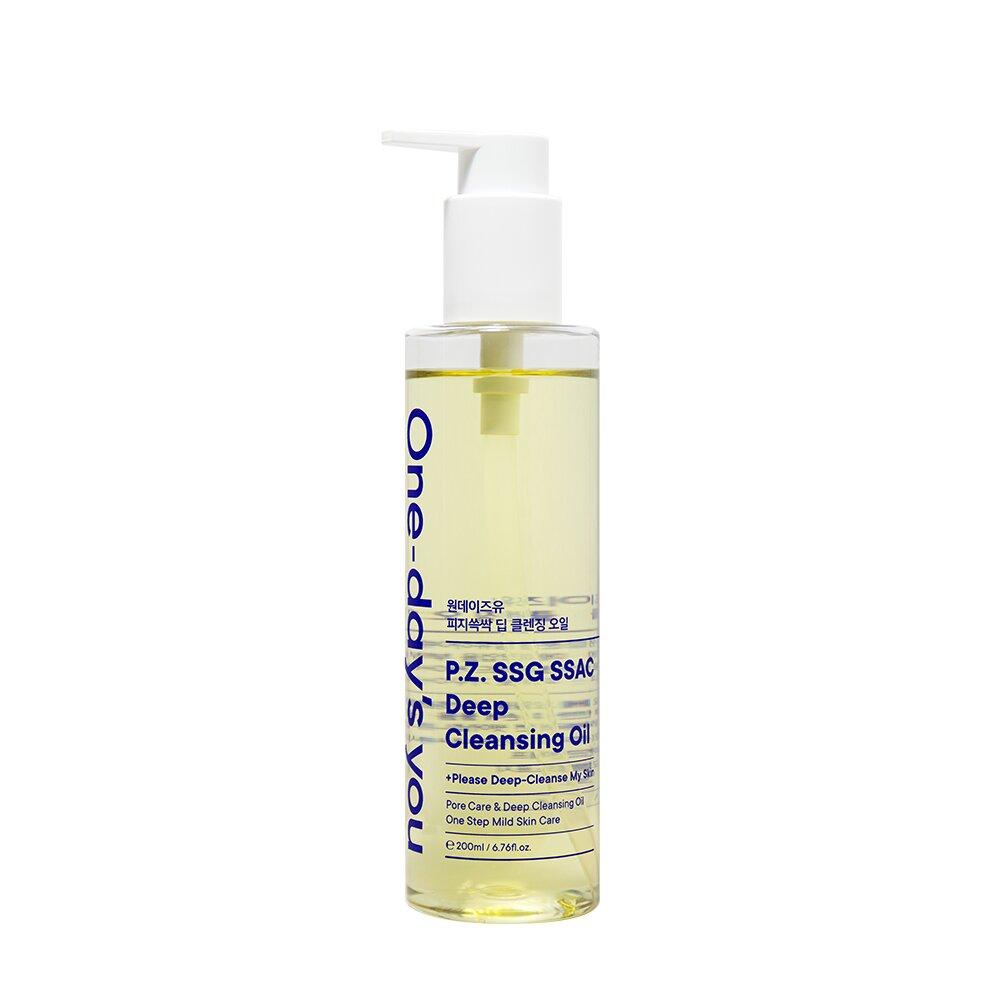
One Day's You P.Z. SSG SSAG Deep Cleansing Oil
Banila Co
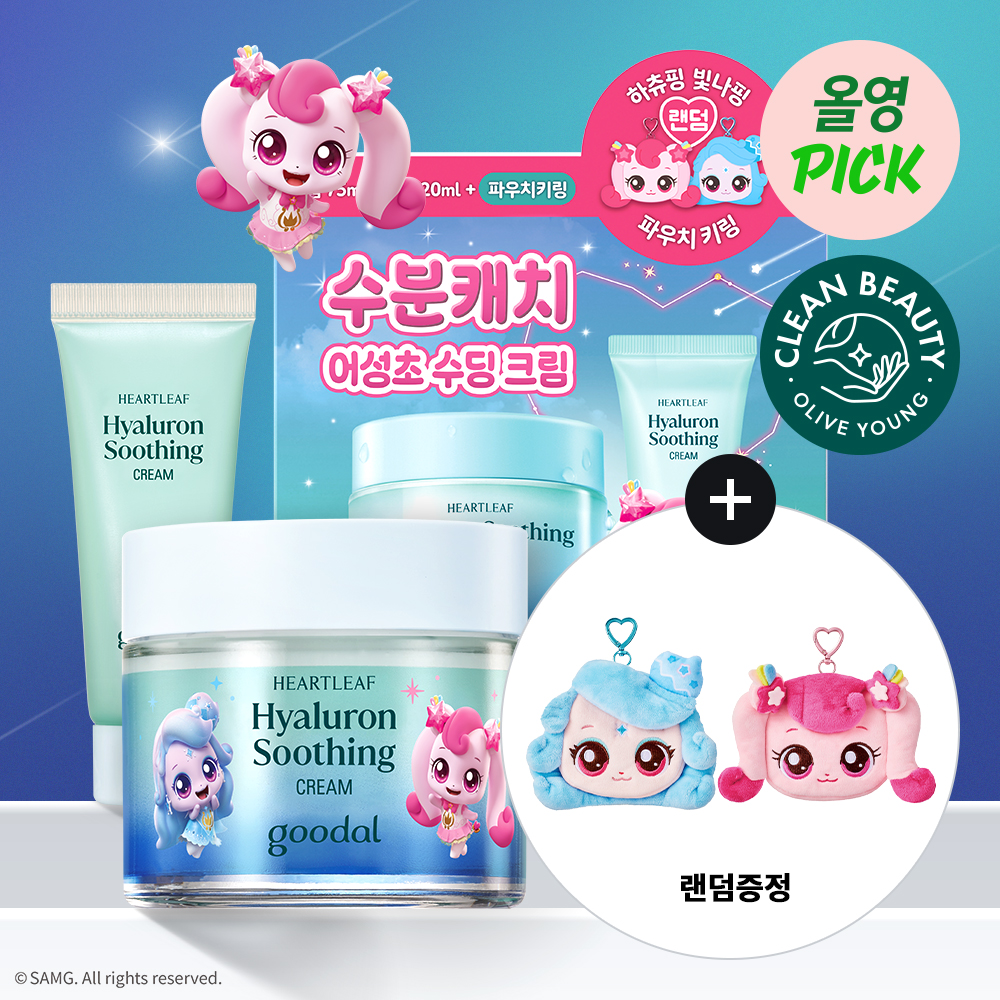
Heartleaf Hyaluron Soothing Cream
Goodal
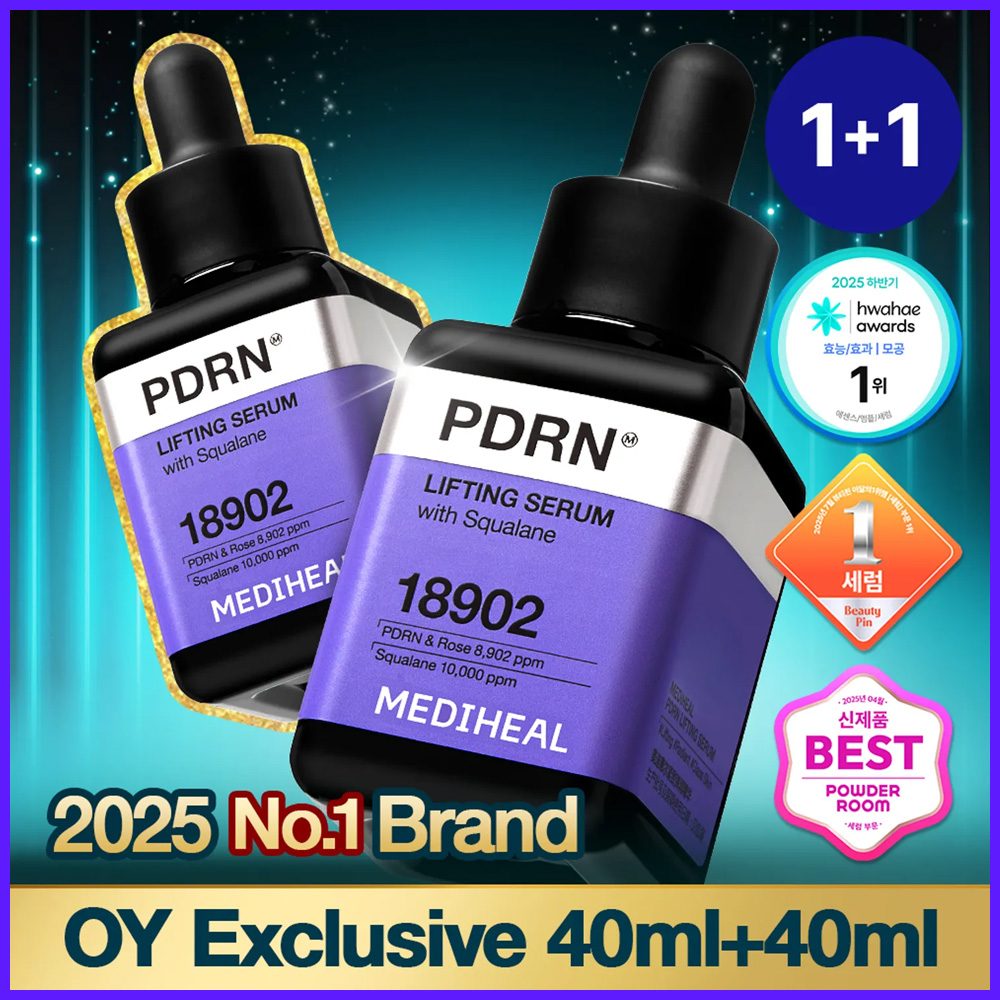
PDRN Lifting Serum
Mediheal
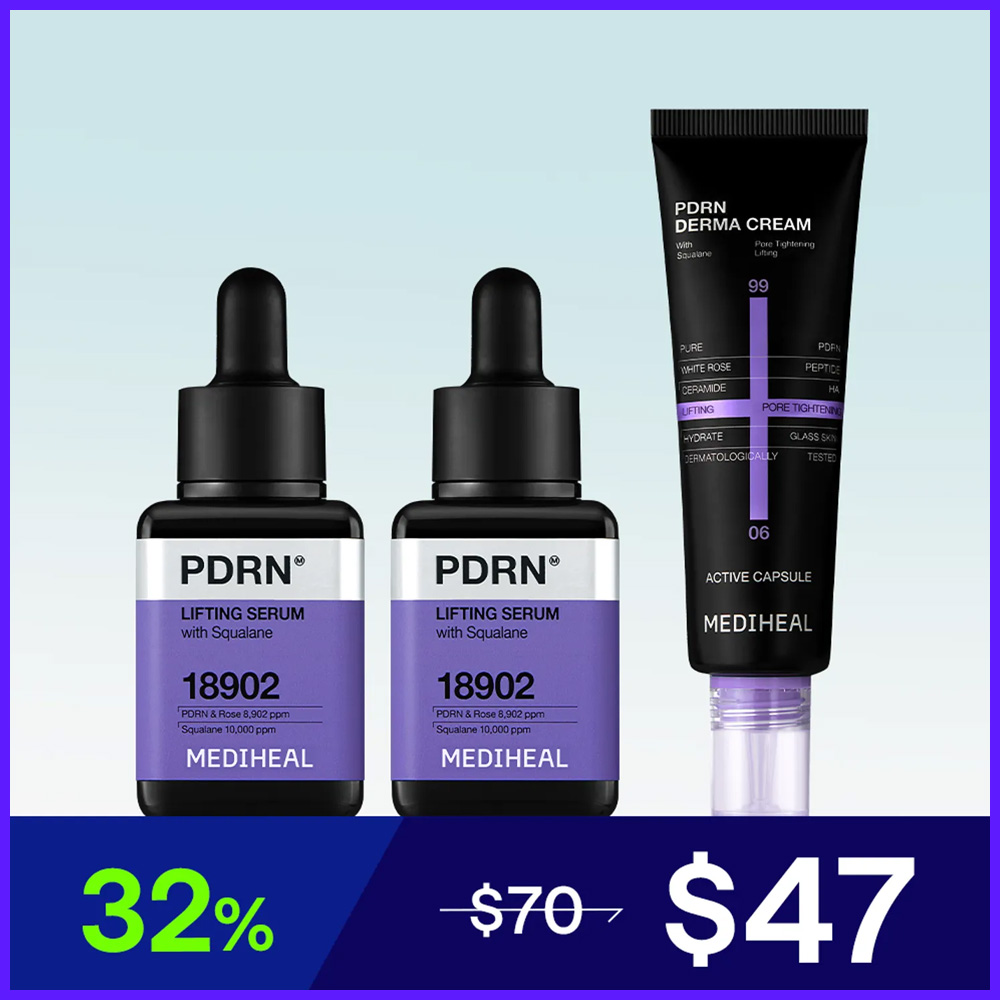
PDRN Set (Serum Double Pack + Cream)
Mediheal
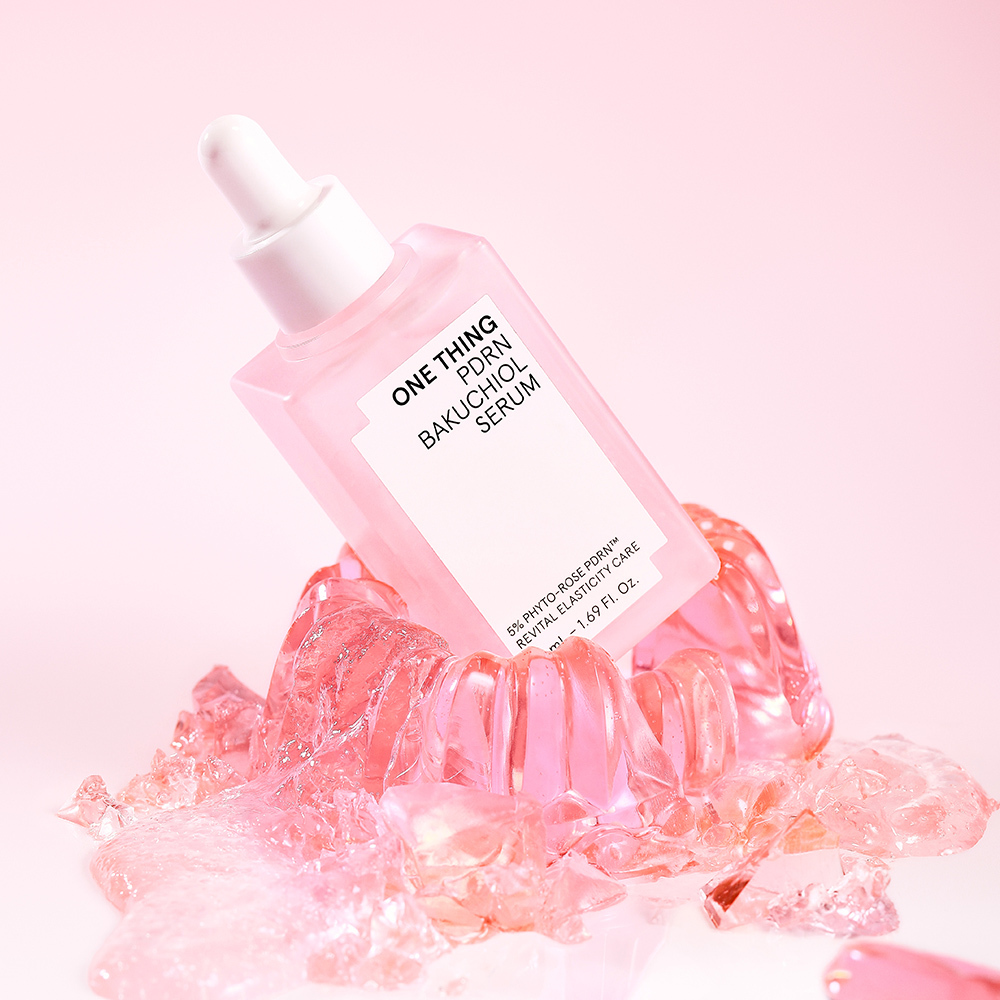
PDRN Bakuchiol Serum
ONE THING
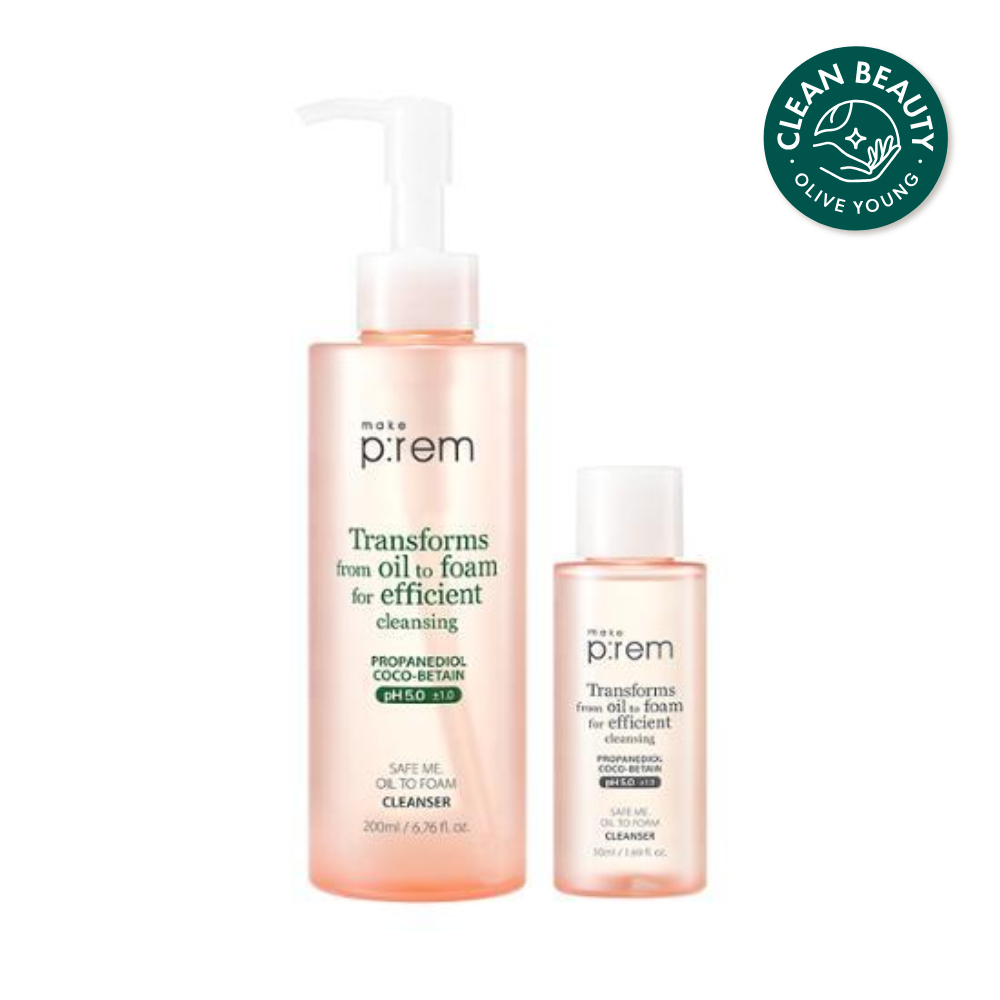
Safe Me Oil To Foam Cleanser Special Set
Makeprem
Frequently Asked Questions
Is hinoki cypress oil safe for acne-prone skin?▼
Why does hinoki oil have a lower safety rating compared to other K-beauty ingredients?▼
Can I use hinoki cypress oil products during pregnancy?▼
Does the scent of hinoki oil provide actual skincare benefits or is it just fragrance?▼
How can hinoki oil be in top-rated products if it has safety concerns?▼
Explore More
Want personalized ingredient advice?
Yuri, our AI beauty advisor, can tell you how Hinoki Cypress Oil works with your specific skin type, routine, and concerns.
Ask Yuri, free