Chamomile Flower Oil
INCI: Chamomilla Recutita (Matricaria) Flower Oil
Anti-inflammatory and soothing botanical oil
About Chamomile Flower Oil
Chamomile Flower Oil is a pale blue to golden yellow botanical oil steam-distilled from the flowers of Matricaria recutita, commonly known as German chamomile. This oil has been a cornerstone of anti-inflammatory skincare for centuries, prized for its high concentration of chamazulene and bisabolol, two powerhouse compounds that calm redness, reduce irritation, and support the skin's healing processes. In K-beauty formulations, chamomile flower oil appears in 40 products on Seoul Sister, most frequently in gentle cleansers and pH-balancing treatments designed for sensitive or reactive skin. Its presence in top-rated products like Beplain's P.CALM Retinolagen Ampoule Shot Foam Cleanser (5.0/5) and Round Lab's 1025 Dokdo line (4.8-4.9/5) reflects K-beauty's commitment to pairing active ingredients with soothing agents that protect the skin barrier. Unlike chamomile extract, which is water-based, the oil form delivers fat-soluble compounds that penetrate deeper into the lipid layers of skin. With a comedogenic rating of 2/5, it's generally well-tolerated across skin types, though those prone to cystic acne should patch test. The safety rating of 4/5 accounts for rare allergic reactions in people sensitive to plants in the Asteraceae family.
How Chamomile Flower Oil Works
Chamomile flower oil works through multiple anti-inflammatory pathways at the cellular level. Its signature compound, chamazulene, forms during the distillation process and inhibits the release of histamine and prostaglandins, chemical messengers that trigger inflammation and redness. Alpha-bisabolol, another key constituent, penetrates the stratum corneum to calm irritated keratinocytes (skin cells) and accelerate wound healing by promoting collagen synthesis. The oil's flavonoids, particularly apigenin, act as antioxidants that neutralize free radicals from UV exposure and pollution, preventing oxidative stress that leads to premature aging. Chamomile oil also contains spiroethers with antimicrobial properties, making it effective against acne-causing bacteria without the harshness of chemical antibacterials. When applied topically, these compounds work synergistically to reduce skin temperature, decrease transepidermal water loss, and strengthen the lipid barrier, creating an environment where compromised skin can repair itself naturally.
Chamomile Flower Oil by Skin Type
Oily Skin
Chamomile flower oil benefits oily skin by reducing inflammation associated with active breakouts without adding heavy oils that clog pores. Its antimicrobial properties help control acne-causing bacteria, while the lightweight texture (when properly formulated in cleansers like Round Lab's Dokdo line) rinses clean without leaving residue.
Dry Skin
For dry skin, chamomile flower oil is a valuable ally. Its bisabolol content helps repair a compromised moisture barrier while the oil's emollient properties seal in hydration. Products like Beplain's Dew Soap (5.0/5) leverage chamomile oil to cleanse without stripping, leaving skin soft rather than tight.
Combo Skin
Combination skin responds well to chamomile flower oil's balancing act. It soothes dry patches and calms inflammation in the T-zone simultaneously, making it ideal for Korean multi-step routines. The oil's moderate weight doesn't overwhelm oily areas or starve dry zones.
Sensitive Skin
Sensitive skin sees the most dramatic benefits from chamomile flower oil. Its anti-inflammatory compounds directly counteract the histamine response that causes redness, itching, and reactivity. The high concentration in products like Dr.G's A-Clear Balancing Bubble Foam (4.9/5) helps sensitized skin tolerate other active ingredients.
Normal Skin
Normal skin can use chamomile flower oil preventatively to maintain barrier health and fend off environmental stressors. Its antioxidant properties protect against daily oxidative damage, while the soothing effects keep skin calm and balanced even when introducing new products.
How to Use Chamomile Flower Oil
- 1Look for chamomile oil in first cleansers and pH-balancing foam cleansers where it can calm skin immediately after makeup removal, as seen in the Round Lab 1025 Dokdo Cleansing Oil Set (4.9/5).
- 2If you have active breakouts or rosacea, prioritize products listing chamomile flower oil in the first half of ingredients for therapeutic concentrations.
- 3Pair chamomile oil products with retinoids or acids to buffer irritation. The P.CALM Retinolagen formula (5.0/5) demonstrates this synergy by combining chamomile with retinol alternatives.
- 4Patch test if you have hay fever or known allergies to ragweed, chrysanthemums, or marigolds, as chamomile belongs to the same plant family and cross-reactivity can occur.
- 5Store chamomile oil products away from direct sunlight, as light degrades chamazulene and reduces the oil's anti-inflammatory potency over time.
Background
Chamomile has been cultivated for medicinal purposes for over 5,000 years, with archaeological evidence of its use in ancient Egypt, Rome, and Greece. The name derives from the Greek 'khamaimelon', meaning 'ground apple', referencing its sweet, apple-like scent. Traditional European herbalism used chamomile tea and poultices to treat wounds, skin inflammations, and digestive issues. Steam distillation technology in the Middle Ages allowed extraction of the concentrated essential oil, revealing the blue chamazulene compound that gives the oil its distinctive color and anti-inflammatory power. K-beauty brands adopted chamomile flower oil in the 2010s as part of the 'skin barrier revolution', recognizing that Korean consumers needed soothing agents to counterbalance the potent actives in multi-step routines. Today, it appears predominantly in cleansers and calming treatments designed for Korea's climate and pollution concerns.
K-Beauty Products with Chamomile Flower Oil
View all 46 →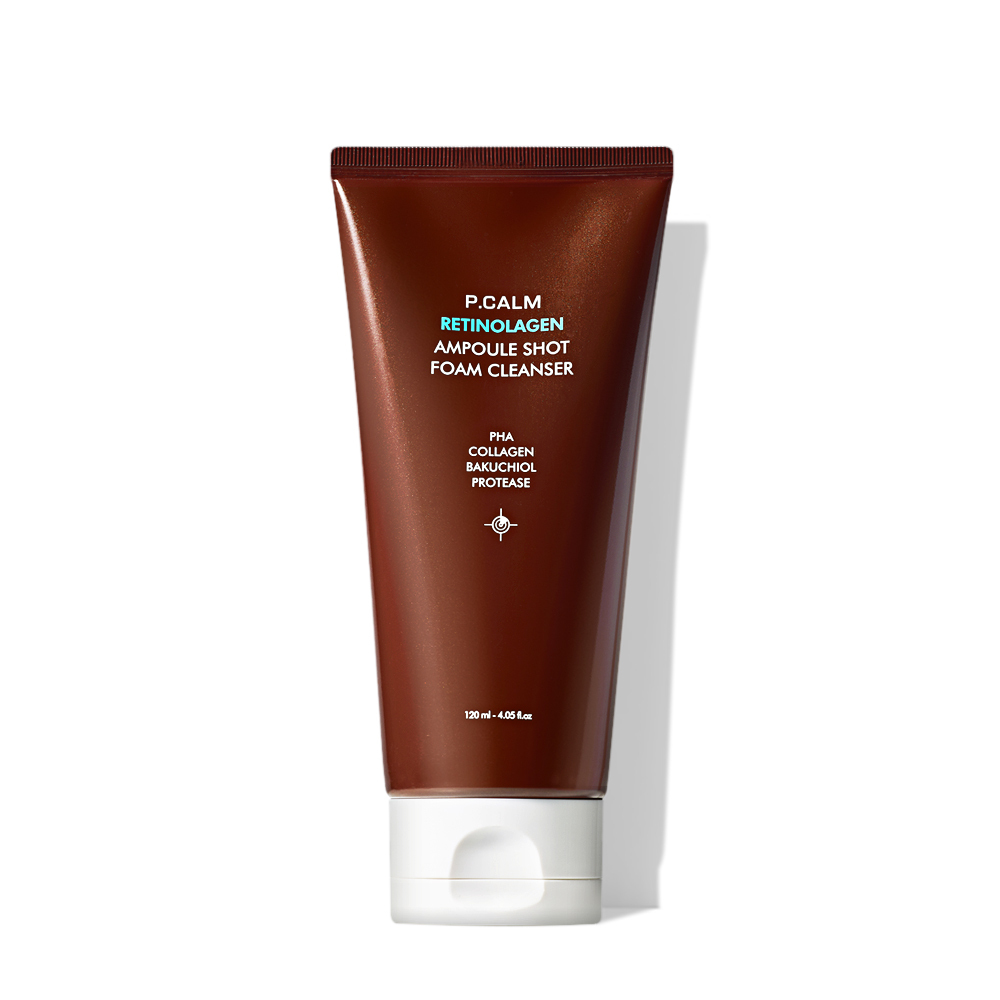
P.CALM Retinolagen Ampoule Shot Foam Cleanser
Beplain

Dew Soap
Beplain
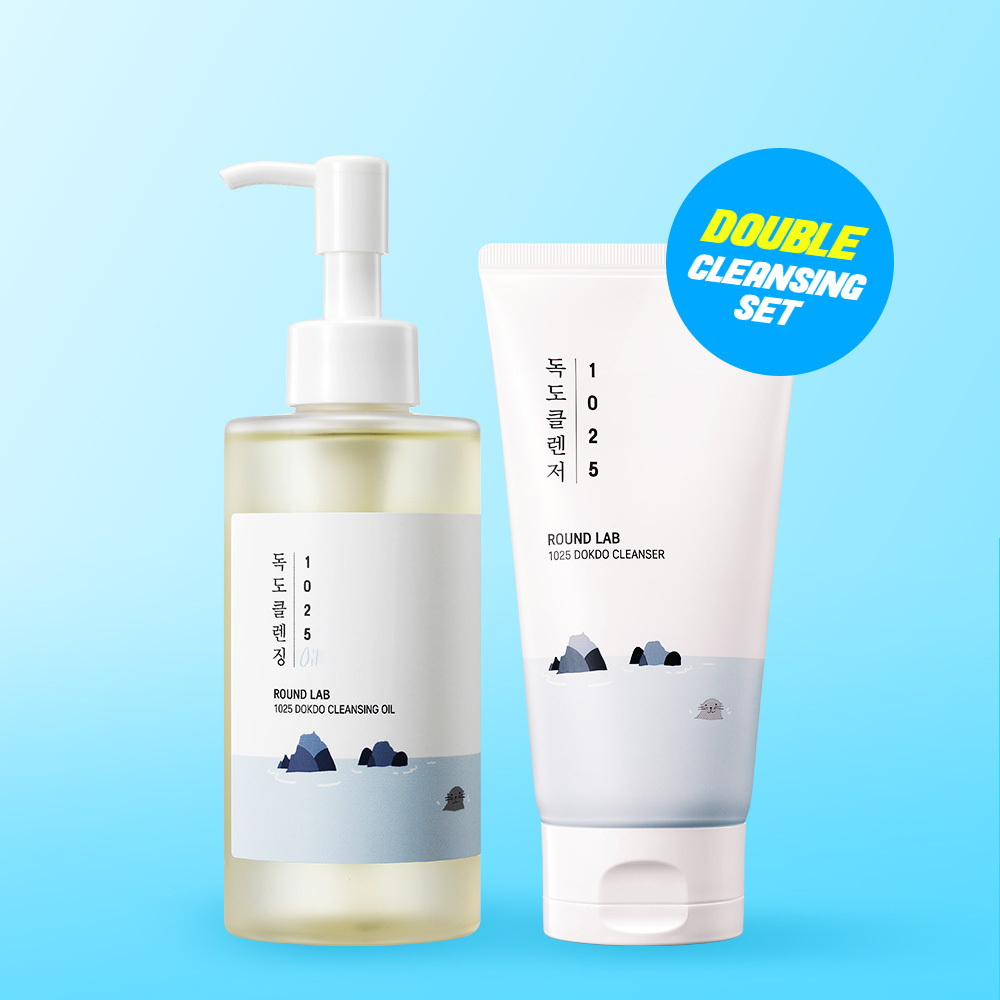
1025 Dokdo Cleansing Oil 200ml + Dokdo Cleanser 150ml Set
Round Lab
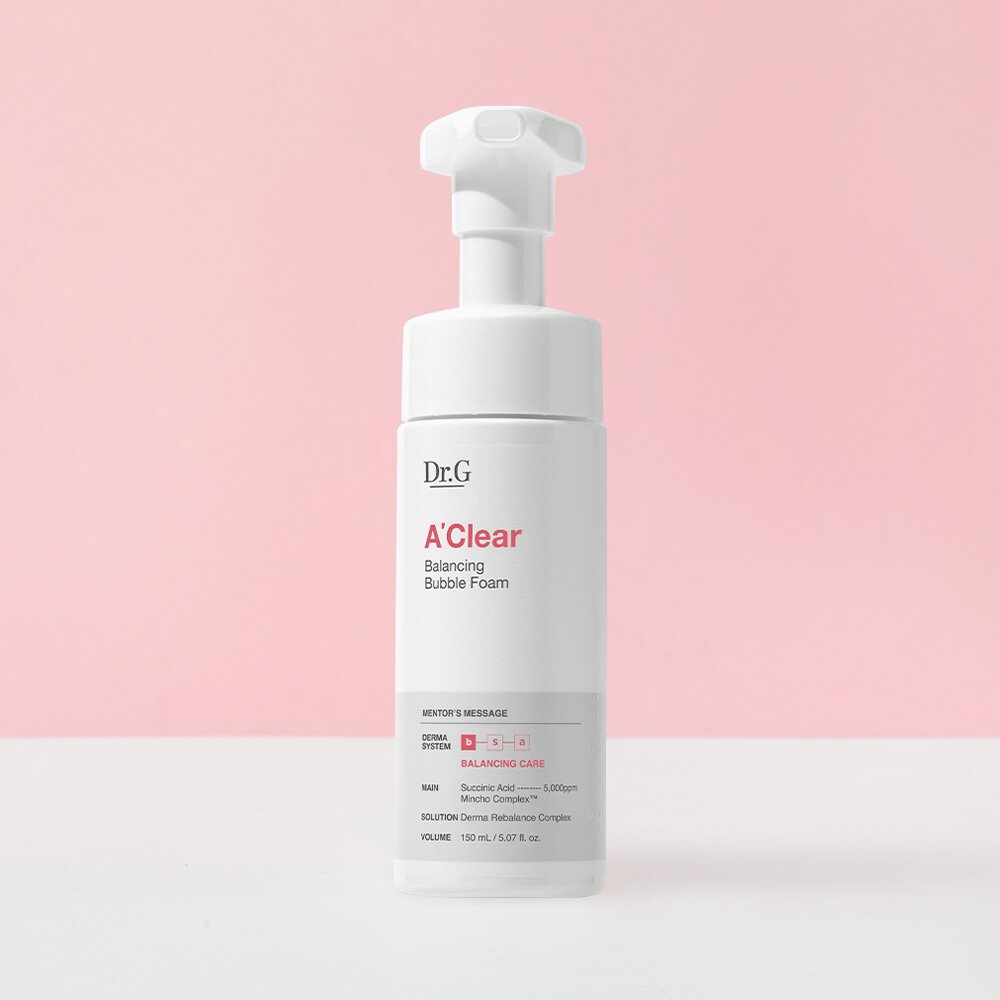
A-Clear Balancing Bubble Foam
Dr.G
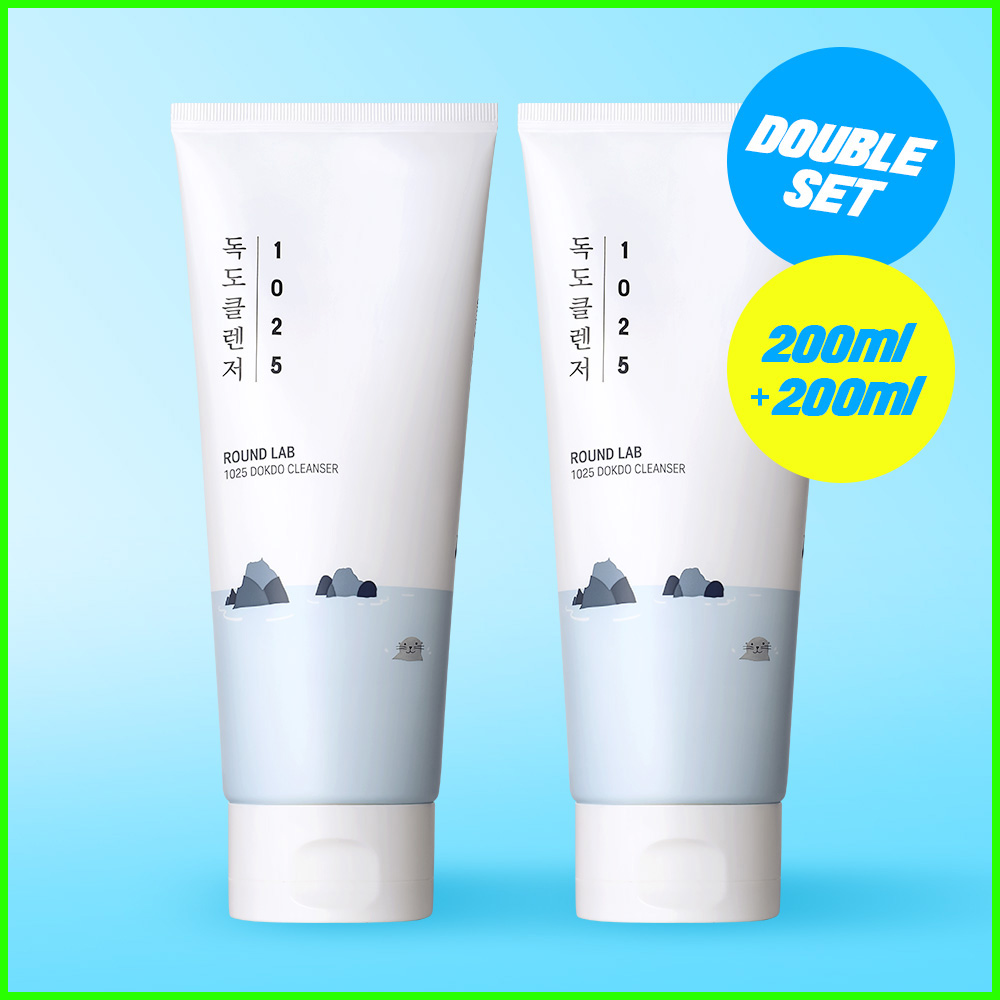
1025 Dokdo Cleanser
Round Lab
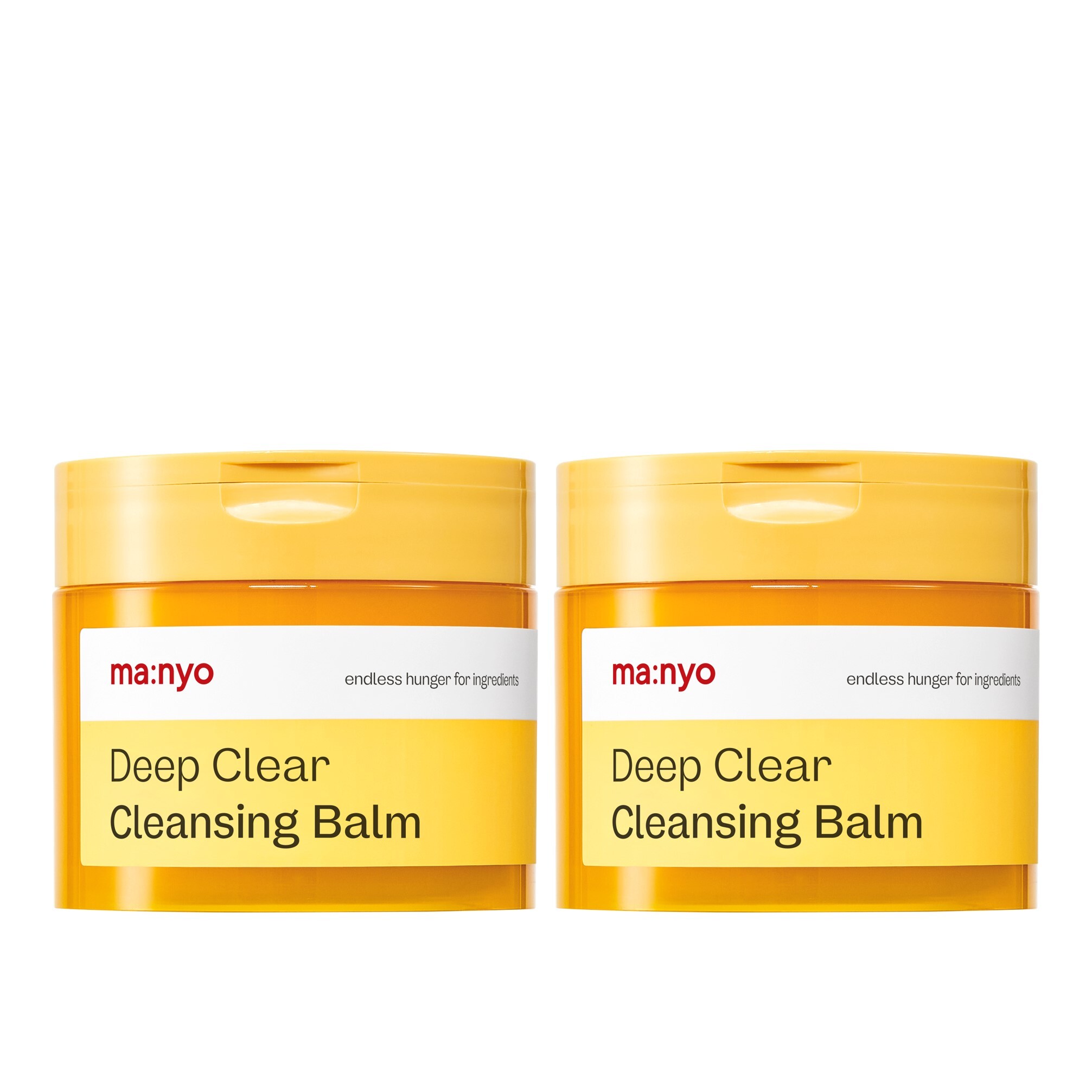
Deep Clear Cleansing Balm Double Pack
ma:nyo
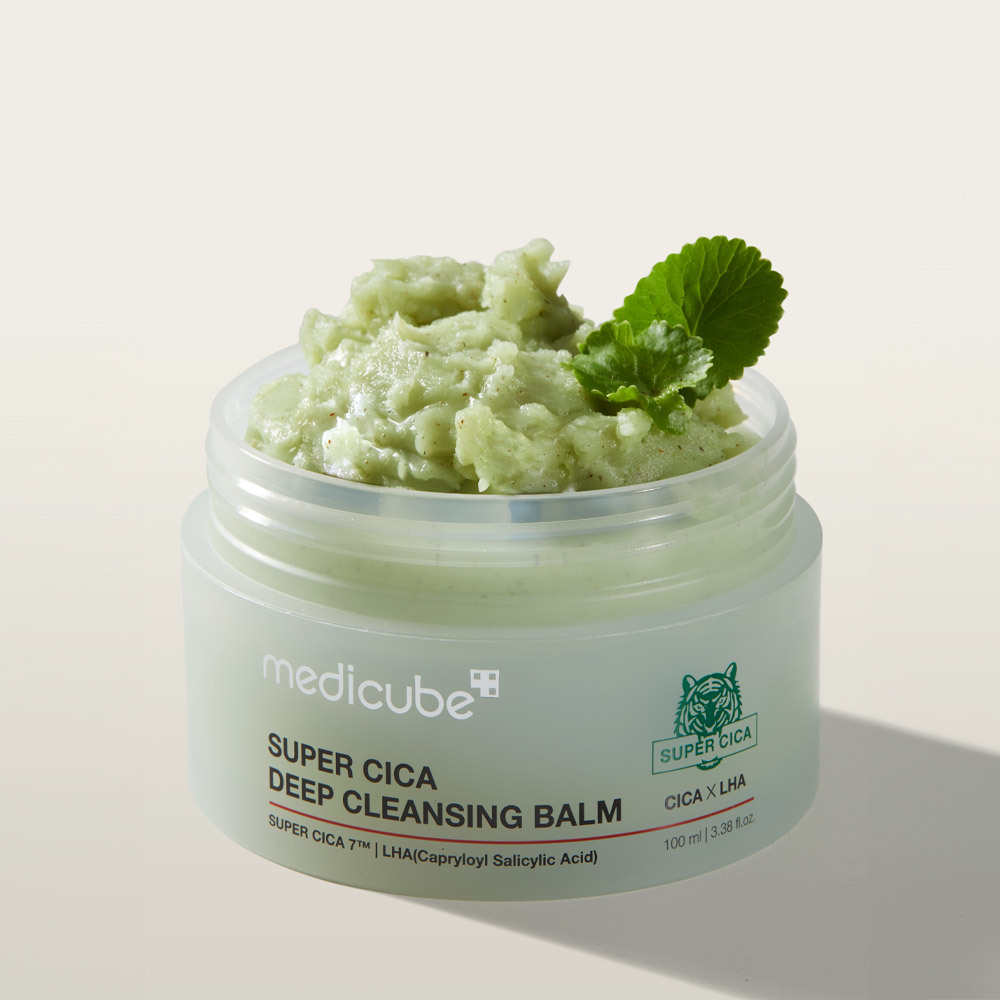
Super Cica Deep Cleansing Balm
Medicube
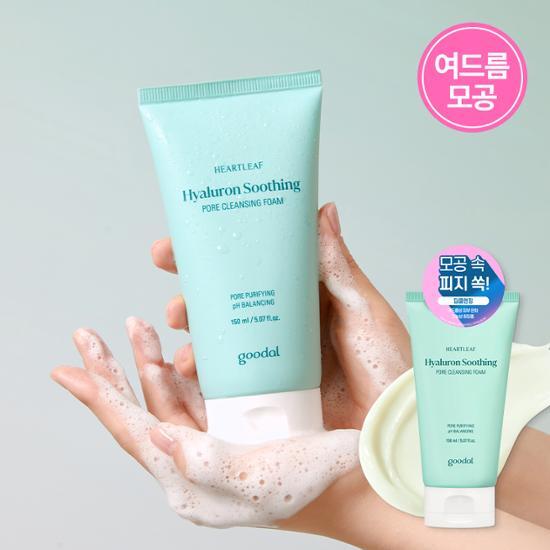
Heartleaf Hyaluron Soothing Pore Cleansing Foam
Goodal
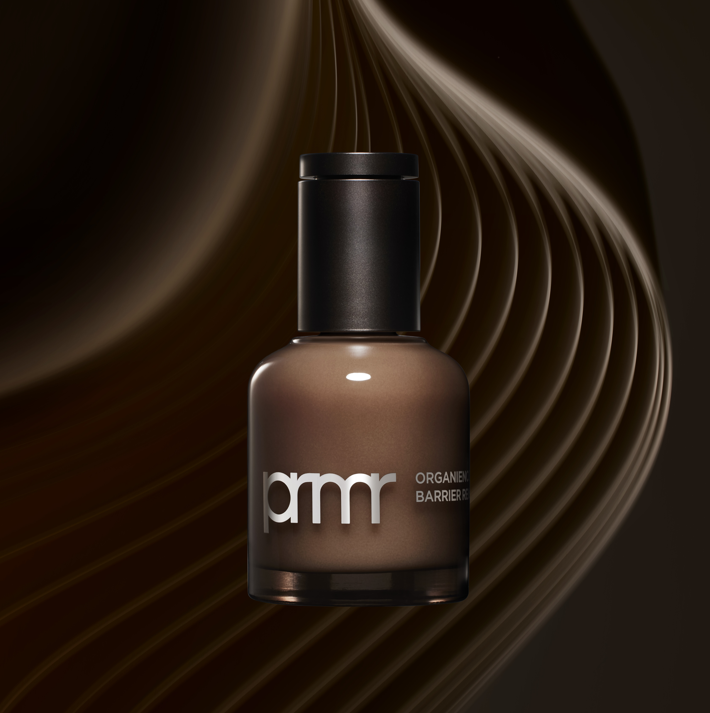
Organience Barrier Repair Seed Peptide Reserve Serum
Primera
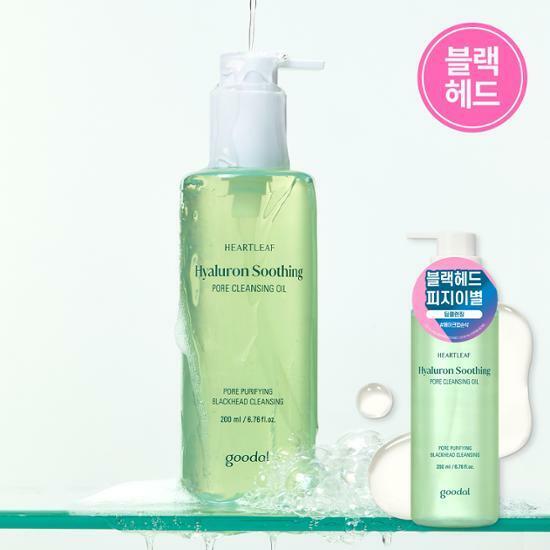
Heartleaf Hyaluron Soothing Pore Cleansing Oil
Goodal
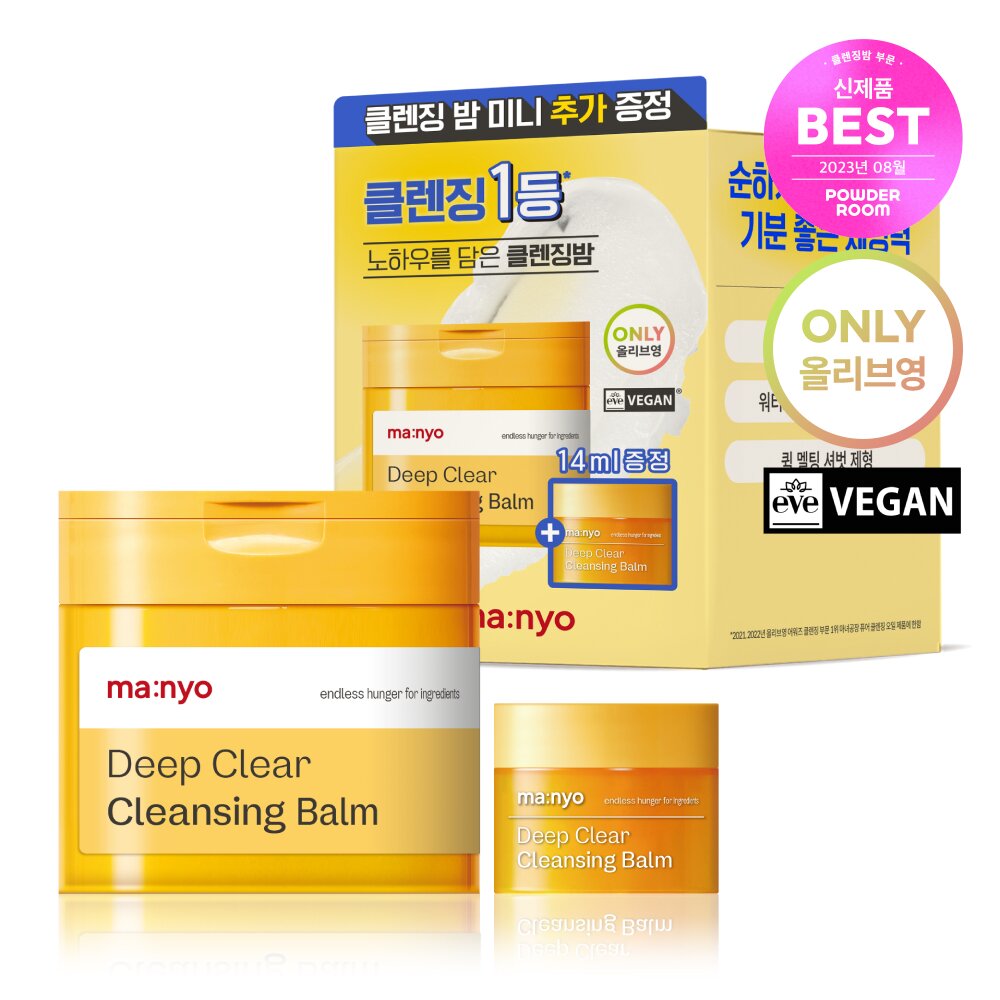
Deep Clear Cleansing Balm Special Set
ma:nyo
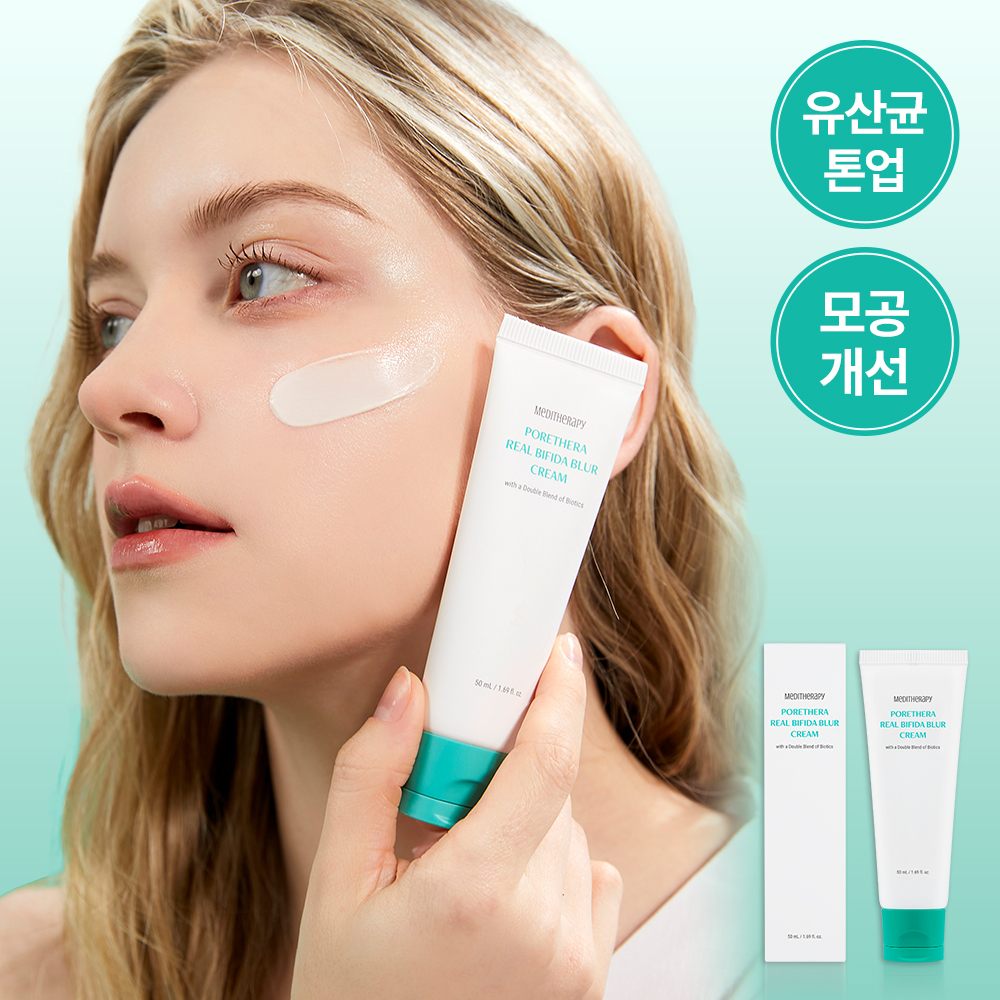
Porethera Real Bifida Blur Cream
Meditherapy
Frequently Asked Questions
Why is chamomile oil blue sometimes and yellow other times?▼
Can chamomile flower oil cause breakouts with a comedogenic rating of 2?▼
Is chamomile flower oil safe to use with vitamin C or retinol?▼
How is chamomile flower oil different from chamomile extract?▼
Explore More
Want personalized ingredient advice?
Yuri, our AI beauty advisor, can tell you how Chamomile Flower Oil works with your specific skin type, routine, and concerns.
Ask Yuri, free