Chitosan
Film-forming agent and antimicrobial preservative booster
About Chitosan
Chitosan is a biopolymer derived from chitin, the structural material found in the shells of crustaceans like shrimp and crab. In K-beauty formulations, it serves a dual purpose as both a film-forming agent that creates a protective barrier on skin and as an antimicrobial preservative booster that helps maintain product freshness. This ingredient has gained traction in Korean skincare because it forms an invisible, breathable film on the skin's surface that locks in moisture and active ingredients while protecting against environmental aggressors. With a non-comedogenic rating of 0/5, chitosan won't clog pores, making it suitable for most skin types. Its positive charge allows it to bind effectively to negatively charged skin proteins, creating a smooth, hydrated surface. K-beauty brands like Celladix, MISSHA, AHC, and Abib incorporate chitosan into high-performance serums and treatments, where it works synergistically with powerhouse ingredients like retinol, PDRN, and hyaluronic acid. Found in 42 products on Seoul Sister, chitosan is particularly valued in Korean formulations for its ability to enhance the delivery and stability of other active ingredients. The fact that it appears in top-rated products like the Triple Retinol Ampoule by Celladix (5.0/5) and MISSHA's Vita B Plus PDRN Plumping Ampoule (5.0/5) demonstrates its effectiveness as a supporting player in sophisticated, multi-functional formulas. Its antimicrobial properties also allow brands to reduce the concentration of traditional preservatives, appealing to consumers seeking cleaner formulations.
How Chitosan Works
Chitosan functions through electrostatic attraction. As a positively charged polymer, it naturally adheres to the skin's surface, which carries a slight negative charge. This creates a thin, flexible film that's permeable to oxygen and water vapor but acts as a barrier against moisture loss and external contaminants. At the molecular level, chitosan's film-forming properties trap water molecules and active ingredients close to the skin, essentially creating a microenvironment that enhances absorption and prolongs the contact time of beneficial compounds. Its antimicrobial activity stems from its ability to disrupt bacterial and fungal cell membranes, making it harder for microorganisms to proliferate in skincare formulations. This preservative-boosting effect means products can maintain their integrity longer without relying solely on synthetic preservatives. Additionally, chitosan has mild wound-healing properties due to its ability to stimulate fibroblast proliferation, which supports collagen production and tissue repair. When combined with other actives like retinol or peptides, chitosan acts as a delivery enhancer, helping these ingredients penetrate more effectively while minimizing irritation by controlling their release rate.
Chitosan by Skin Type
Oily Skin
Chitosan is excellent for oily skin because its film-forming properties create a breathable, non-greasy barrier that won't exacerbate oil production. The antimicrobial benefits also help control acne-causing bacteria without irritating or drying out the skin. Its zero comedogenic rating means it won't contribute to clogged pores, even in formulations with multiple active ingredients.
Dry Skin
For dry skin, chitosan acts as a moisture-sealing agent that prevents transepidermal water loss throughout the day. The protective film it creates helps lock in hydrating ingredients like hyaluronic acid, making products more effective at maintaining skin's moisture levels. You'll notice this benefit in products like AHC's Hyaluro-Deep Volume 5 Treatment Essence (5.0/5), where chitosan helps maximize the hydrating power of hyaluronic acid.
Combo Skin
Combination skin benefits from chitosan's balanced approach to moisture retention without heaviness. It provides hydration where needed (typically cheeks and temples) while its antimicrobial properties help control breakouts in oilier zones like the T-zone. The lightweight film it forms won't feel suffocating on oily areas or insufficient on dry patches.
Sensitive Skin
Chitosan is generally well-tolerated by sensitive skin, though those with shellfish allergies should exercise caution. Its film-forming properties can actually protect sensitive skin from irritants and environmental stressors. The antimicrobial effect also reduces the need for stronger preservatives that might trigger sensitivity, making formulas gentler overall.
Normal Skin
Normal skin types get the full benefit of chitosan's multitasking abilities. The protective film enhances the performance of other actives in your routine, helps maintain optimal hydration levels, and provides a smooth base for makeup application. Products like Abib's Glutathiosome Dark Spot Cream Vita Tube (5.0/5) leverage chitosan to improve the delivery and efficacy of brightening ingredients.
How to Use Chitosan
- 1Apply chitosan-containing products to slightly damp skin to maximize the film-forming benefits and help ingredients spread more evenly.
- 2Layer chitosan serums or essences before heavier creams or oils, as the film it creates can help seal in everything that follows in your routine.
- 3If you have a shellfish allergy, patch test chitosan products on your inner arm for 24 hours before applying to your face, though allergic reactions are rare with cosmetic-grade chitosan.
- 4Chitosan works particularly well in combination with humectants like hyaluronic acid or glycerin, as seen in AHC's Hyaluro-Deep Volume 5 line, where it locks in moisture-attracting ingredients.
- 5Use chitosan-based products consistently for at least 4-6 weeks to see the full benefits of improved ingredient delivery and sustained hydration.
Background
Chitosan's journey into skincare began with its use in traditional medicine and wound healing applications in Asian countries, particularly Japan and Korea. Derived from chitin (discovered in 1811 by French scientist Henri Braconnot), chitosan itself was first isolated in 1859. However, its cosmetic applications didn't emerge until the late 20th century when researchers discovered its biocompatible and biodegradable properties. K-beauty brands were early adopters of chitosan in the 2000s, recognizing its potential as a natural alternative to synthetic film-formers and preservatives. Korean skincare's focus on layering multiple lightweight products created the perfect environment for chitosan to shine, as it could enhance the efficacy of multi-step routines without adding weight or greasiness. Today, chitosan represents K-beauty's commitment to borrowing from nature and traditional practices while applying modern scientific understanding to create effective, innovative formulations.
K-Beauty Products with Chitosan
View all 44 →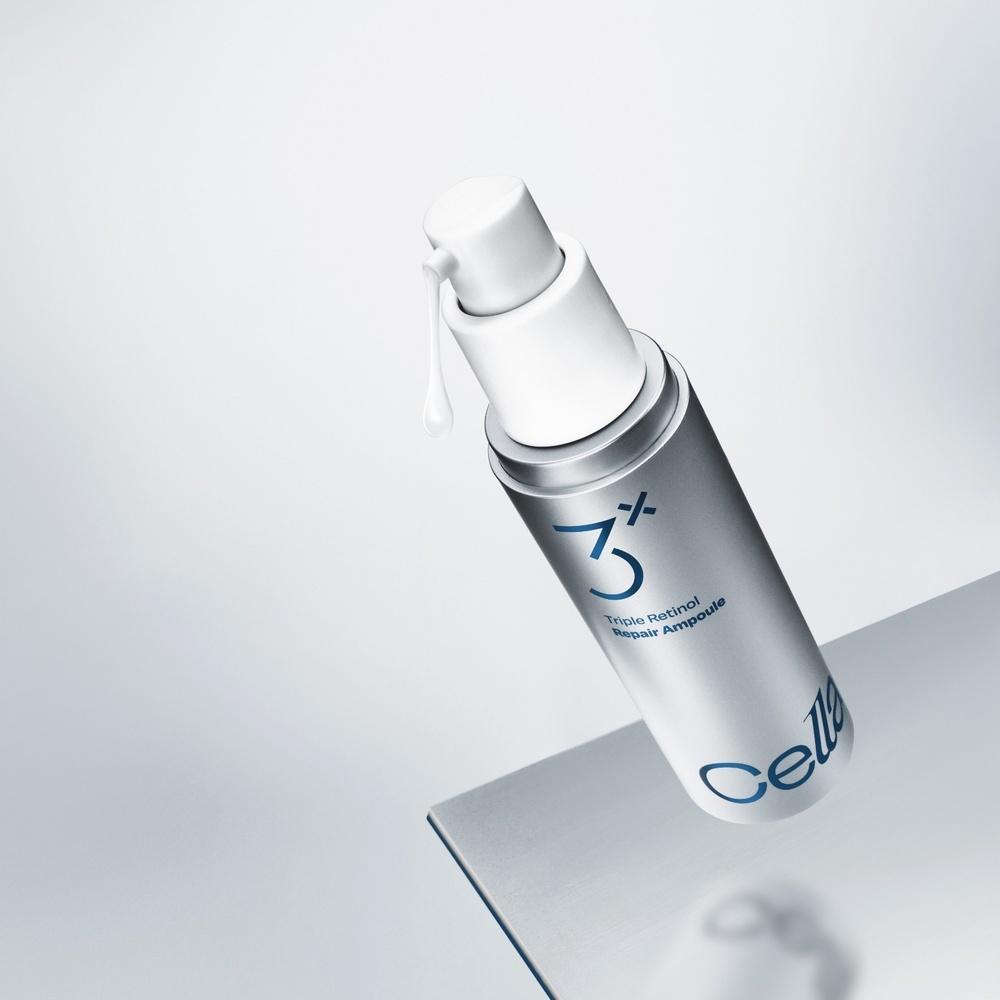
Triple Retinol Ampoule
Celladix
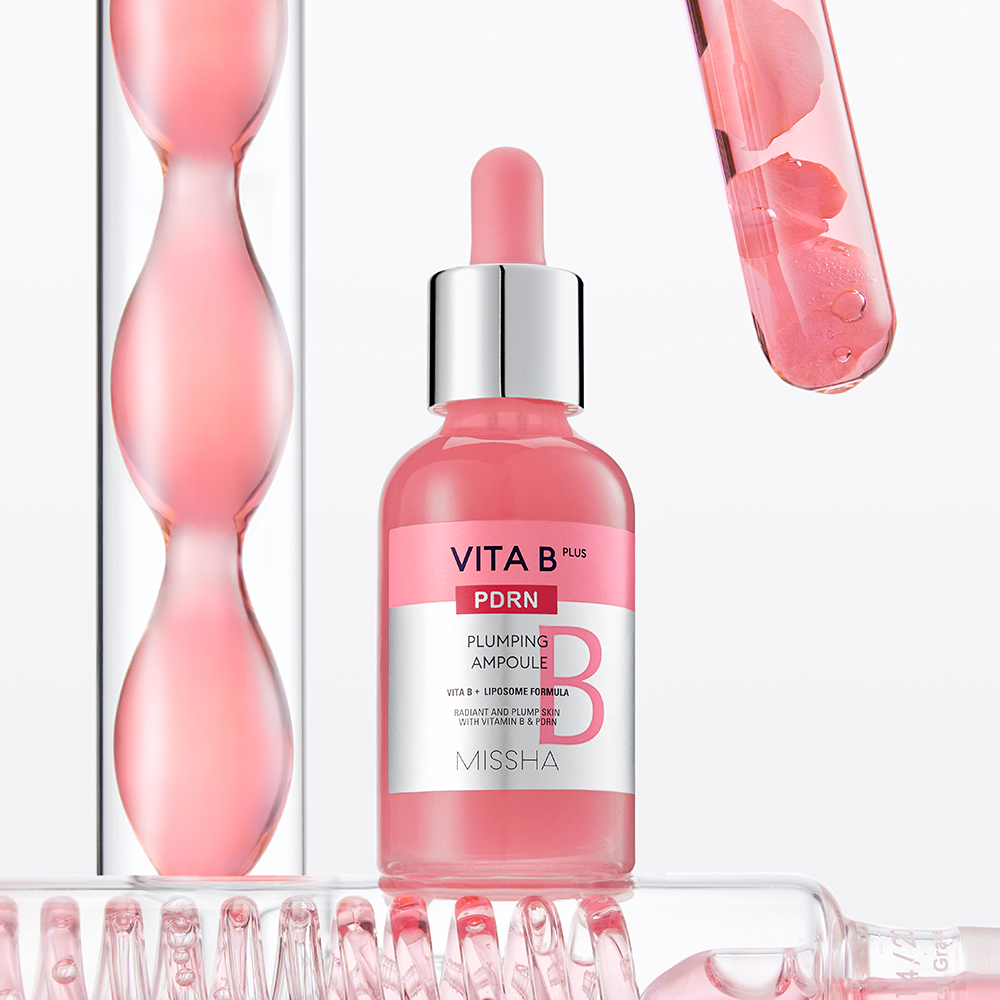
Vita B Plus PDRN Plumping Ampoule
MISSHA
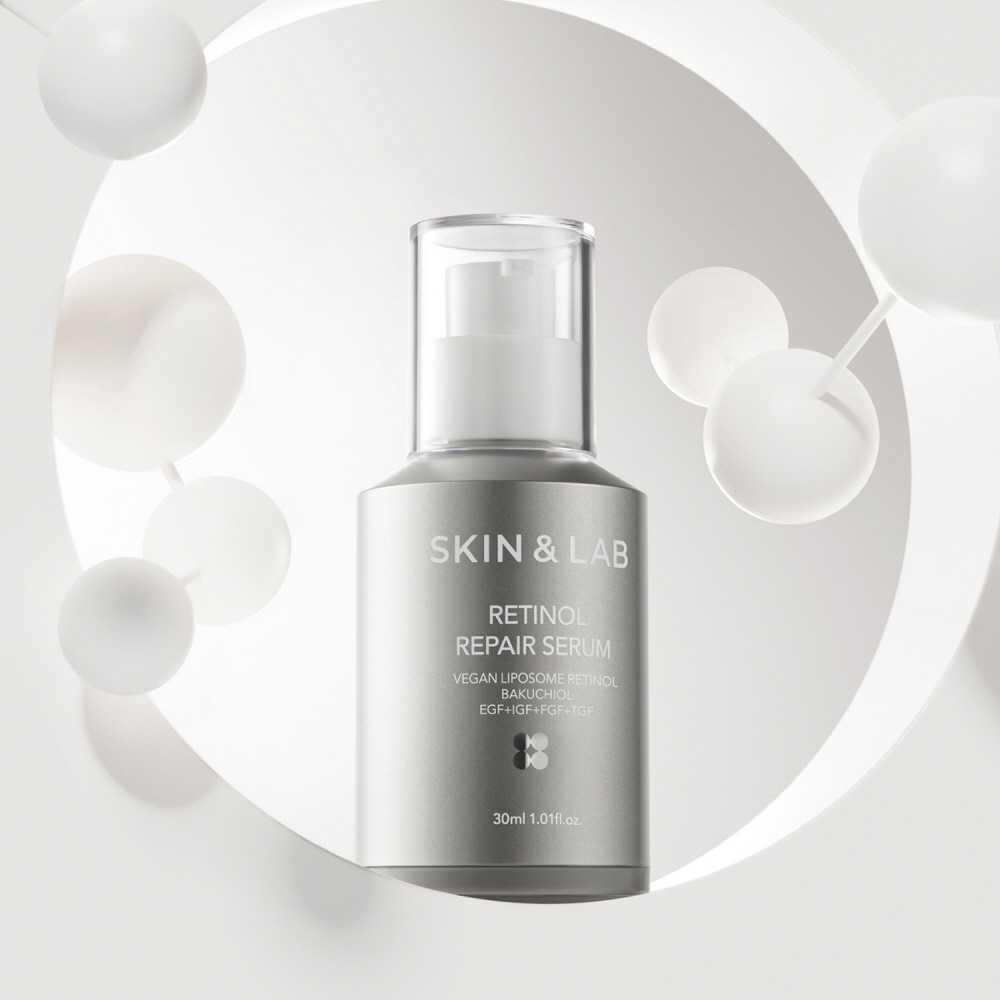
Retinol Repair Serum
Skin&Lab
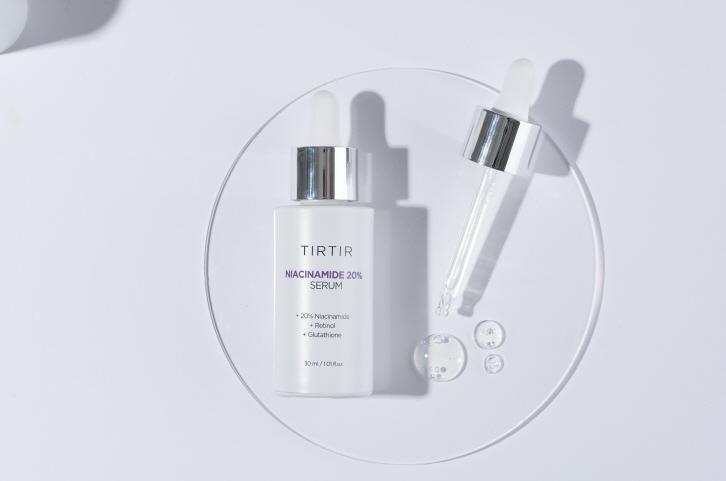
Niacinamide 20% Serum
TIRTIR
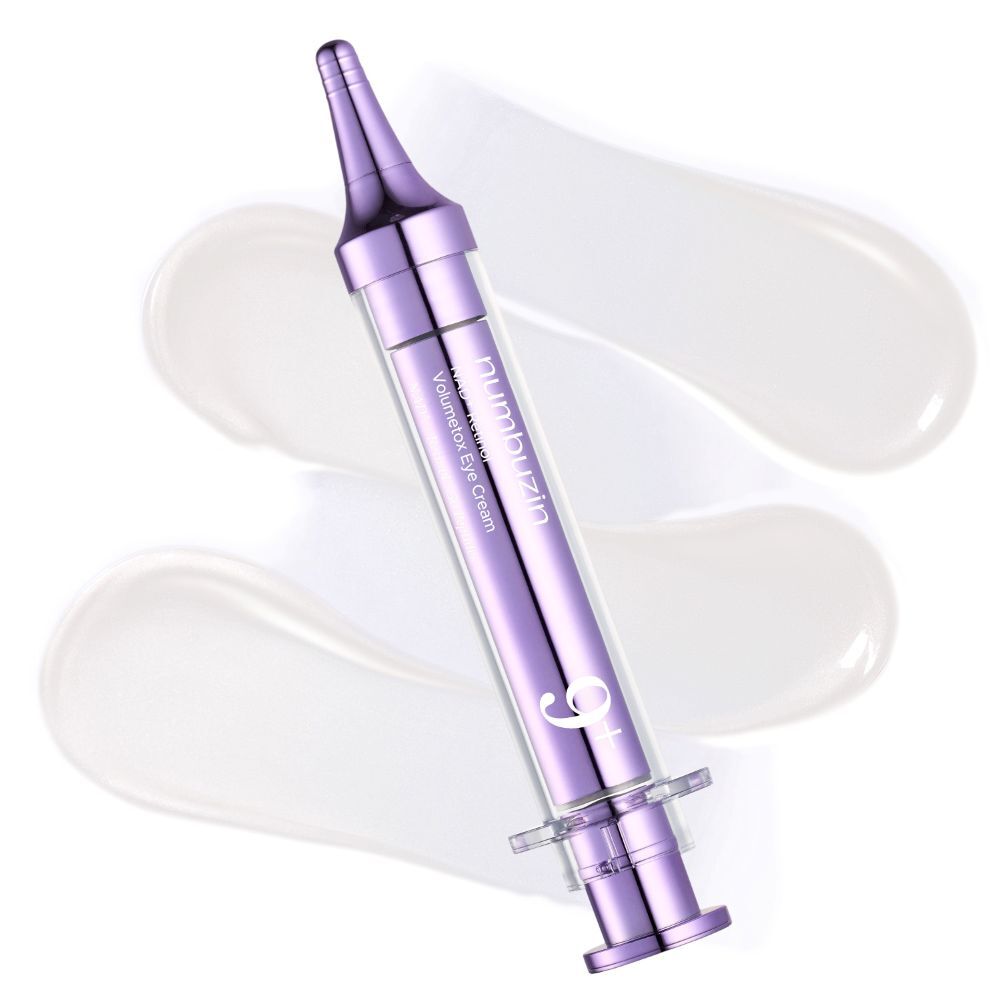
No. 9 NAD RetinA Volume Shot Eye Cream
Numbuzin
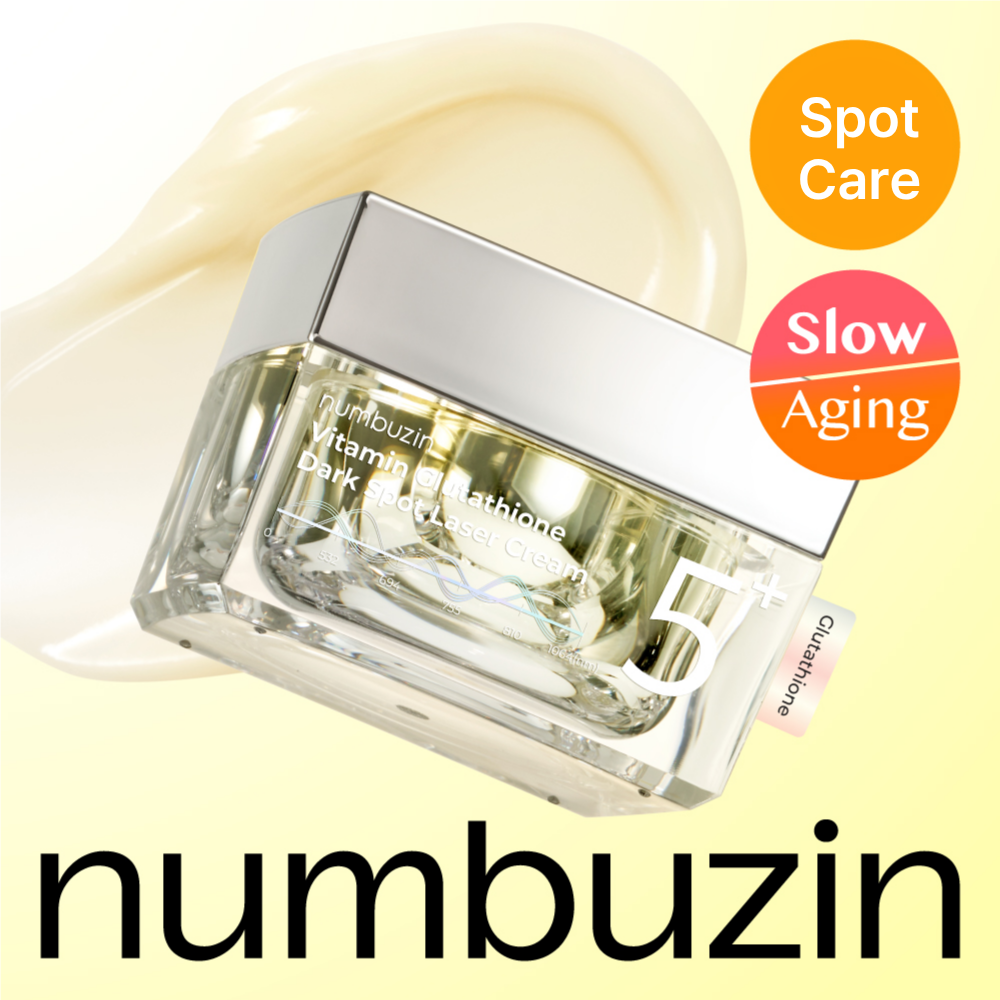
No. 5 Vitamin Glutathione Dark Spot Laser Cream
Numbuzin
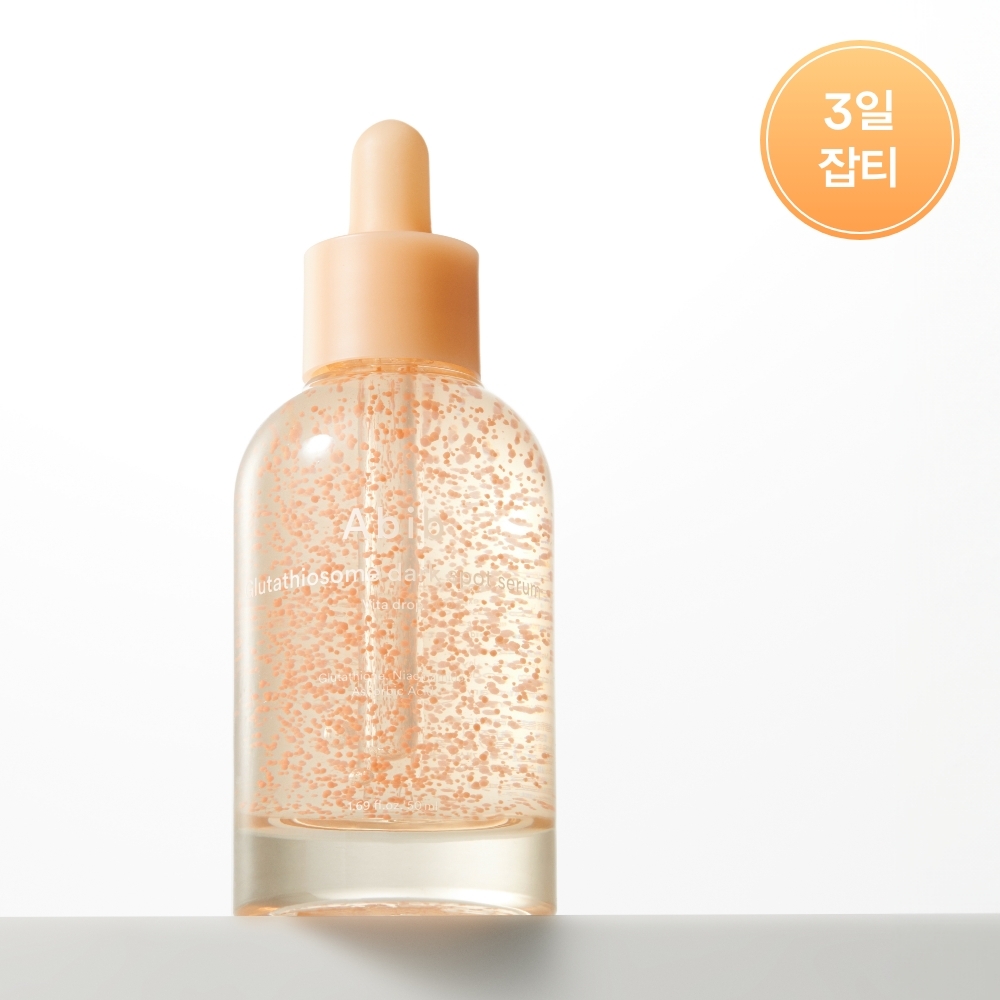
Glutathisome Dark Spot Serum Vita Drop
Abib
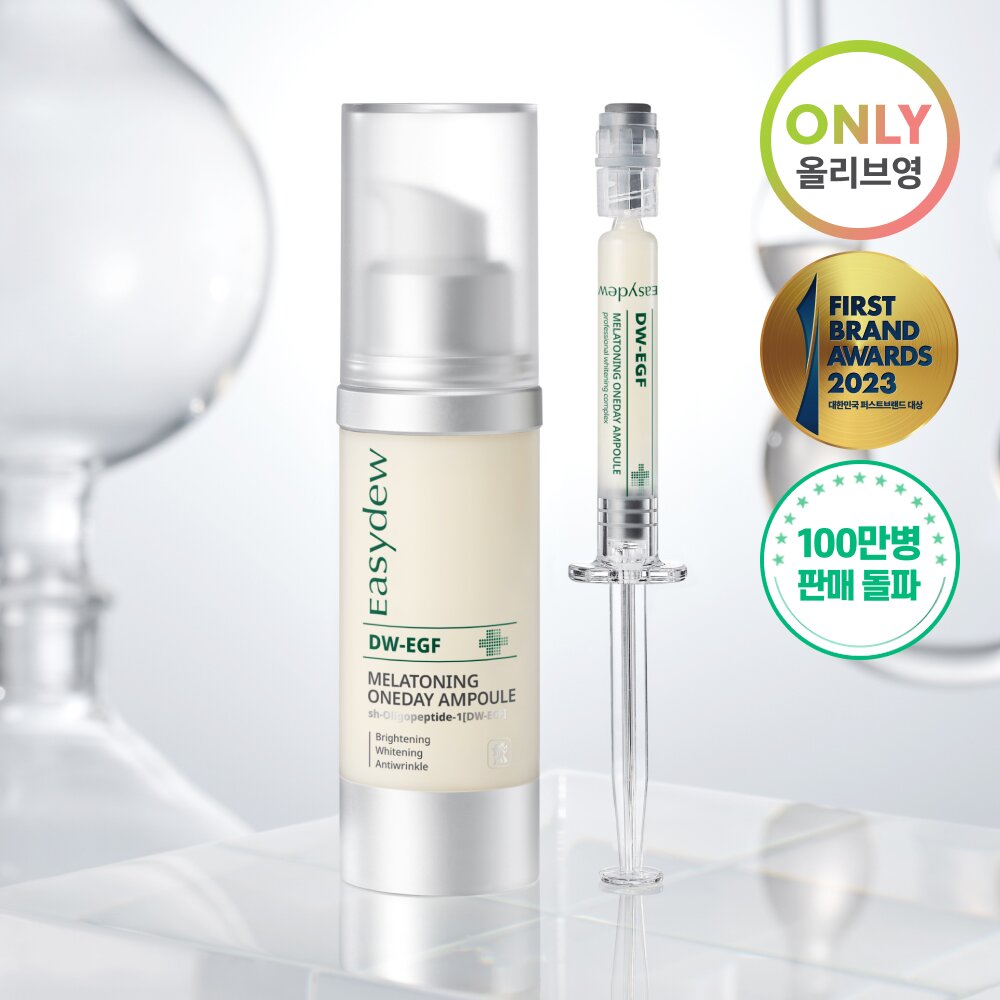
EX-DW EGF Melatoning One Day Ampoule
Easydew

Heartleaf Succinic Moisture Cleansing Foam
Anua
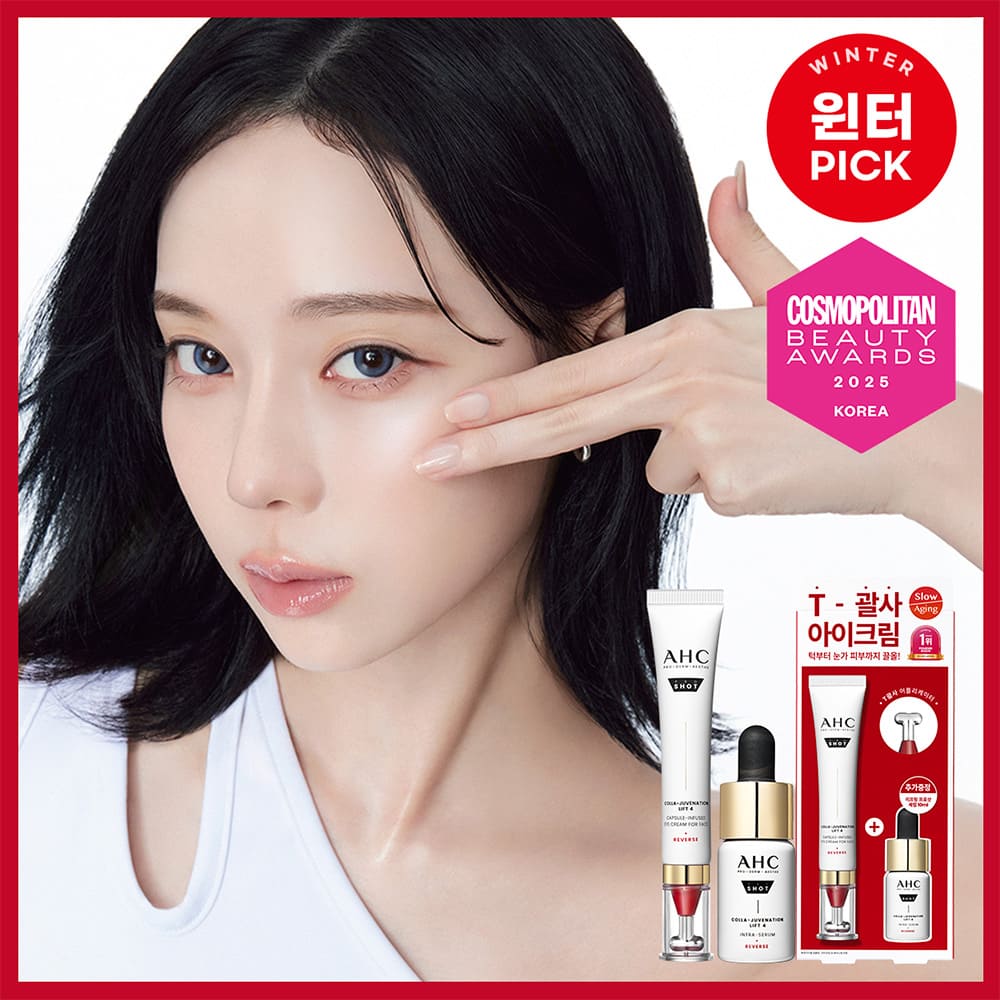
Pro Shot Eye Cream For Face Special Set
AHC
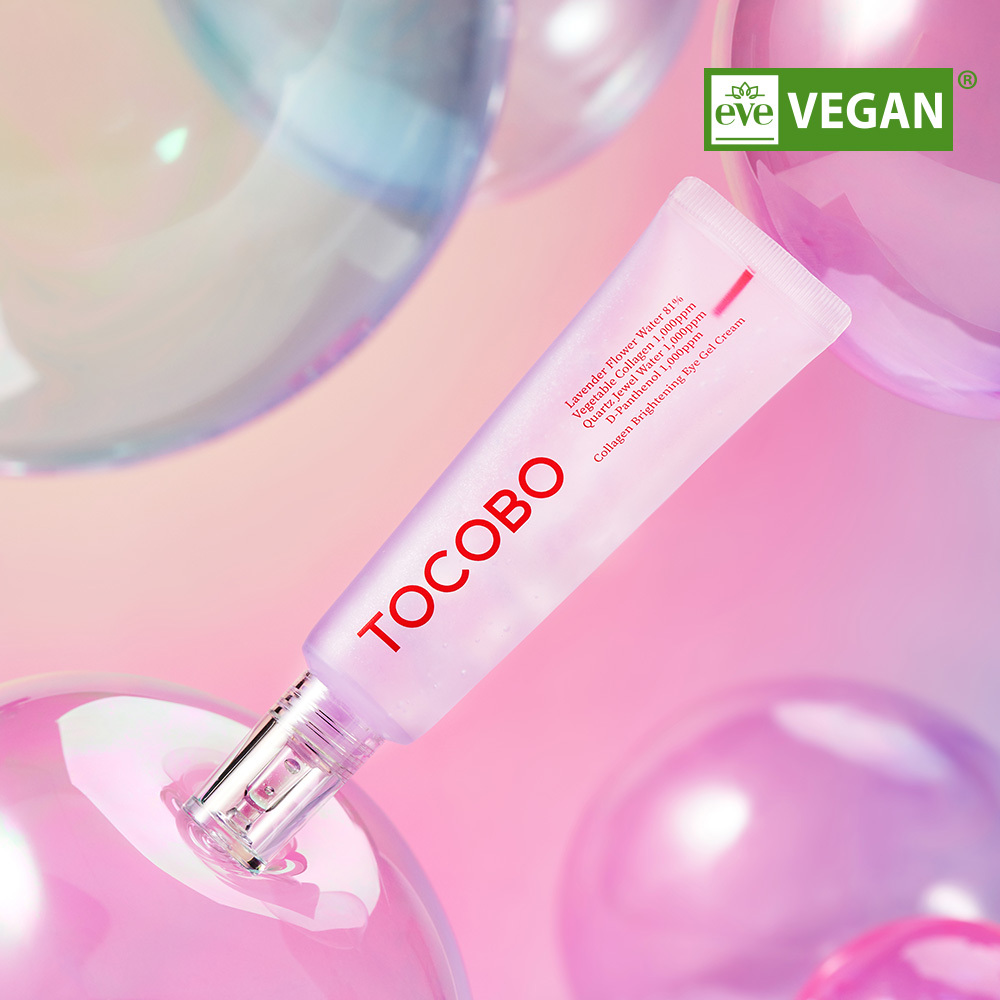
Collagen Brightening Eye Gel Cream
TOCOBO
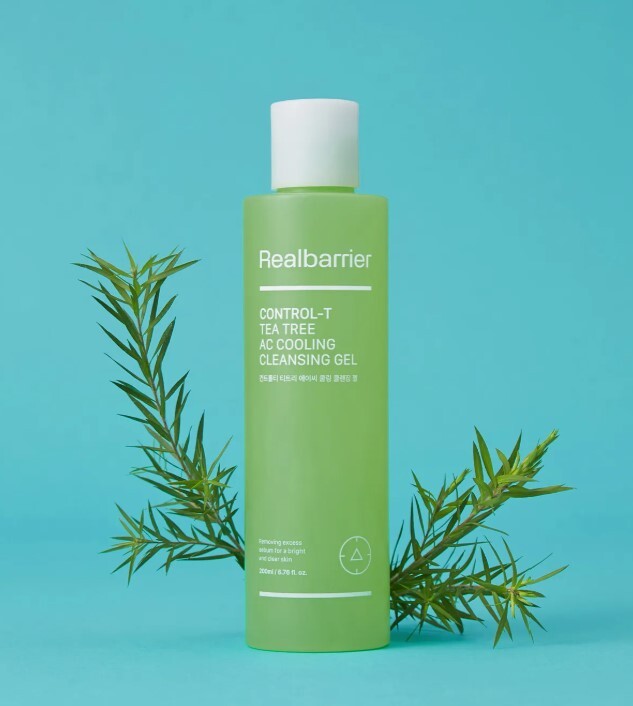
Control-T Tea Tree AC Cooling Cleansing Gel
Real Barrier
Frequently Asked Questions
Is chitosan safe if I have a shellfish allergy?▼
Can chitosan help my skincare products work better?▼
Does chitosan make skin feel sticky or heavy?▼
Will chitosan clog my pores?▼
How does chitosan work as a preservative booster?▼
Explore More
Want personalized ingredient advice?
Yuri, our AI beauty advisor, can tell you how Chitosan works with your specific skin type, routine, and concerns.
Ask Yuri, free